Artwork
Retrato de homem
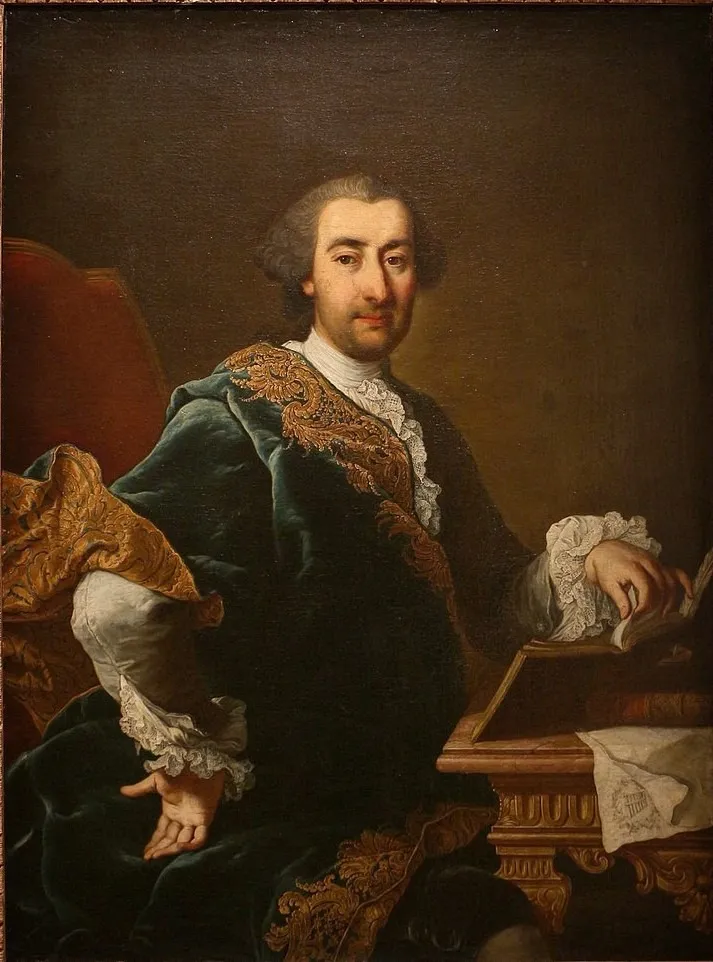
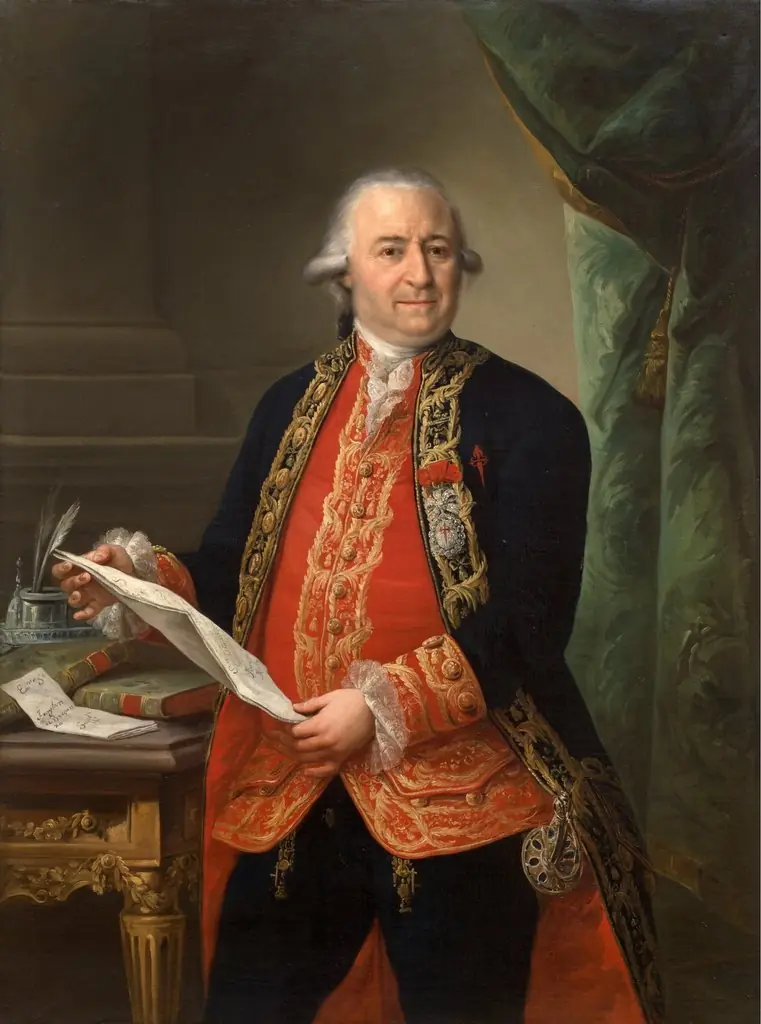
Retrato de homem is an unspecified painting by the Rococo painting artist Unknown. It dates from 1750 and is held in the collection of the National Museum of Ancient Art. This portrait presents a man seated in a red chair, dressed in a dark green velvet coat adorned with gold embroidery.
About this work
Overview
This portrait presents a man seated in a red chair, dressed in a dark green velvet coat adorned with gold embroidery.
This portrait presents a man seated in a red chair, dressed in a dark green velvet coat adorned with gold embroidery. His white shirt features delicate lace cuffs, and he holds a book or document on a table before him. The dark background isolates his figure, emphasizing the texture of his garments and the subtlety of his expression. The composition focuses on quiet dignity rather than theatricality.
Subject & Meaning
The man’s serious gaze and poised posture suggest a figure of intellectual or social standing. The book in his hand implies literacy, contemplation, or professional engagement. His restrained demeanor and refined attire convey status without ostentation, reflecting values of modest authority common among educated elites of the period. The portrait does not seek to flatter but to document presence and character.
Technique & Style
The artist employs chiaroscuro to model the figure with precision, using sharp contrasts between light and shadow to define the volume of the coat, the folds of the lace, and the contours of the face. Brushwork is controlled, with fine attention to material textures—velvet, linen, paper—enhancing tactile realism. The dark background deepens the three-dimensionality of the subject, a hallmark of Northern European portraiture traditions.
History & Provenance
The painting’s origins are undocumented, but its style and materials align with late 16th- or early 17th-century Northern European practices. No known records link it to a specific patron or artist. Its survival suggests it was preserved within a private collection, likely by descendants or associates of the sitter, though its early ownership remains untraced.
Context
During the period, portraiture served as a means of asserting identity among the rising merchant and professional classes. Unlike aristocratic portraits emphasizing lineage or power, this image reflects a quieter form of self-representation—focused on personal dignity, education, and composure. The use of dark velvet and lace aligns with contemporary fashion among urban elites in regions like the Netherlands or Northern Germany.
Legacy
The portrait stands as an example of understated realism in early modern portraiture. It contributes to the broader understanding of how non-noble individuals commissioned art to express personal identity through attire, posture, and symbolic objects. Its lack of overt grandeur makes it a valuable record of everyday sophistication in a time when such subtleties were rarely preserved.
Artist & collection

 Domestic Scene
 Giacomo and Cardinal Marco, investing Andrea, Abbot of San Zeno, with his Benefice
 The Nymph of Fontainebleau
 Portrait of a Woman
 Madonna and Child with Saints in the Enclosed Garden
 Venus and Minerva
 Family Group of Four on Sofa
 Wall painting from Room H of the Villa of P. Fannius Synistor at Boscoreale
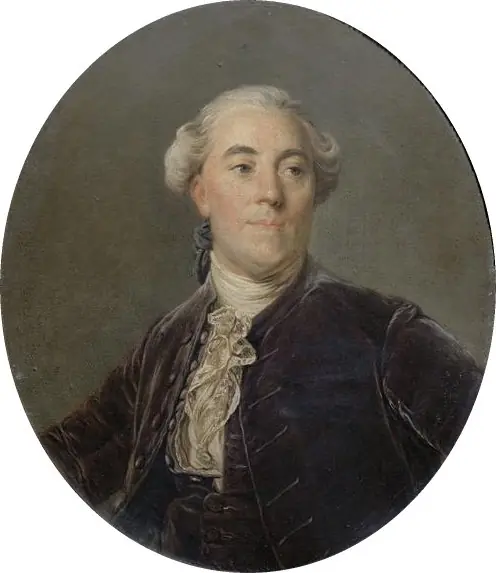 Portrait of Jacques Necker (1732-1804)
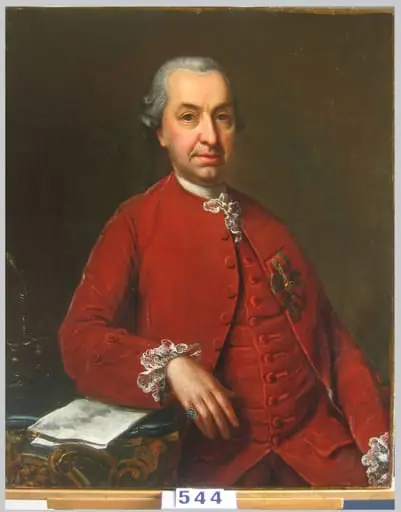 Baronul Samuel von Brukenthal (în registrul inventar: Baron Samuel von Brukenthal, guvernatorul Ardealului). Pandant: Baroana Sophia Katharina von Brukenthal născută von Klocknern.
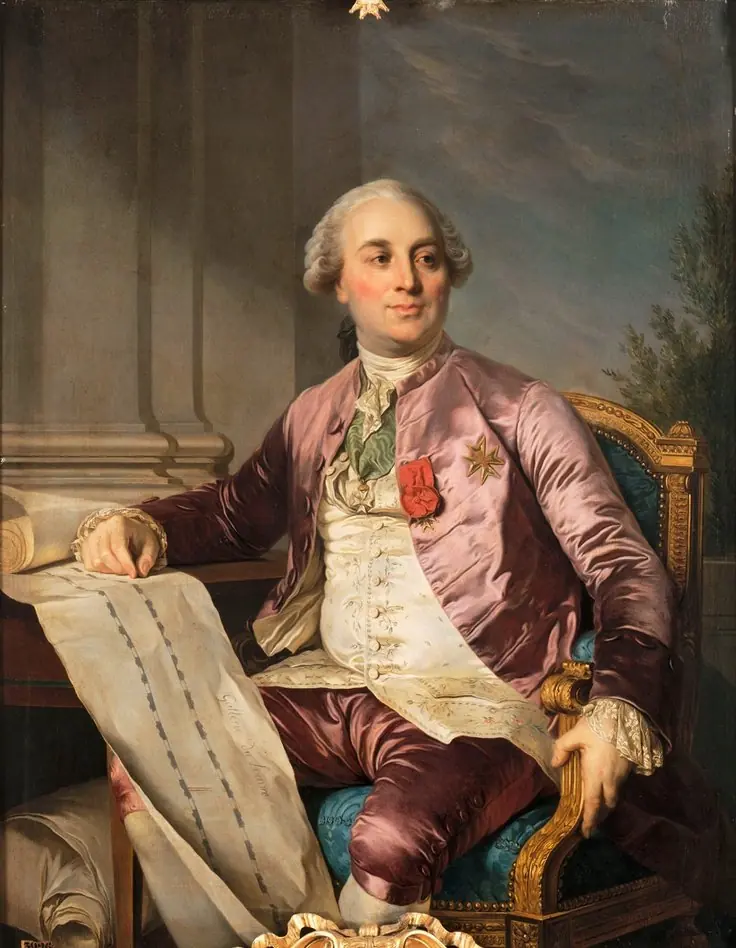 Charles-Claude Flahaut de la Billaderie
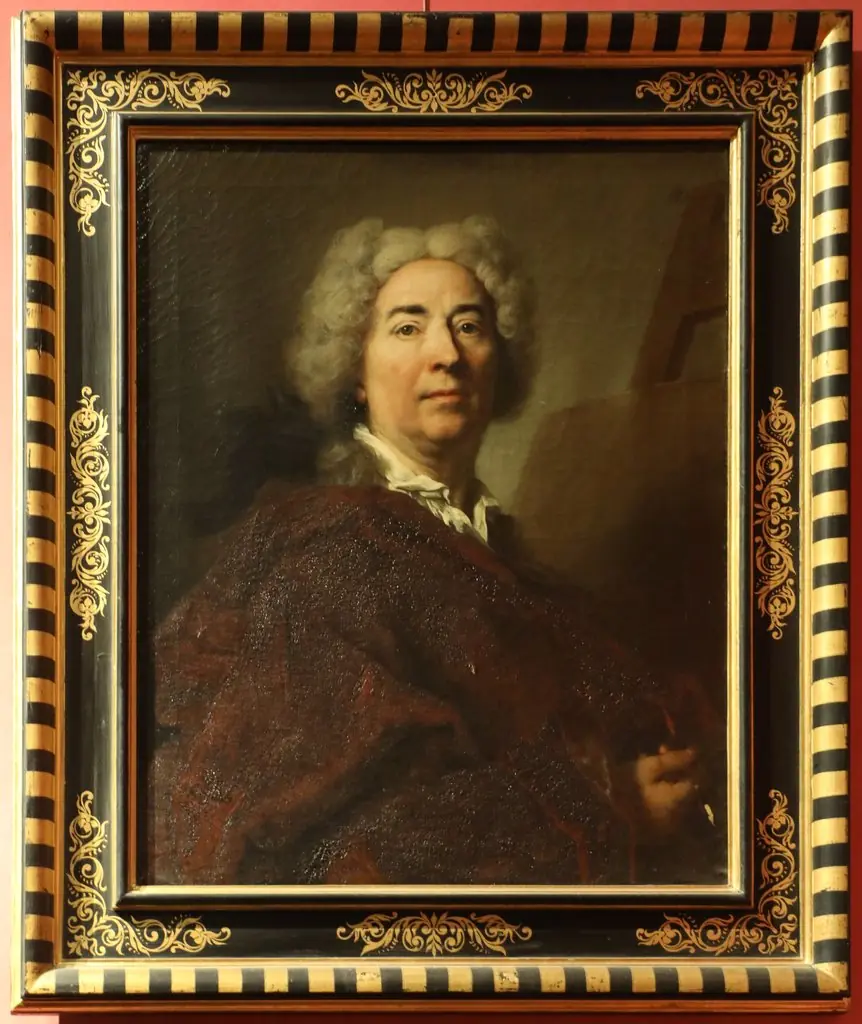 Autoportrait
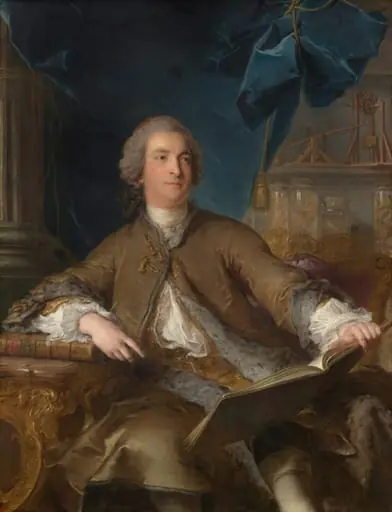 Joseph Bonnier de la Mosson
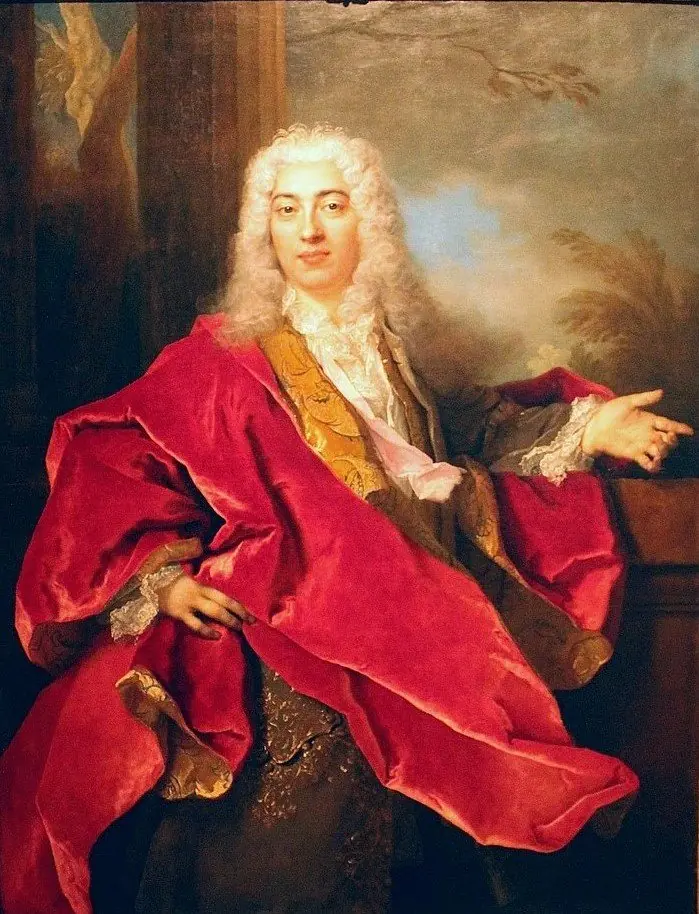 Portrait of Monsieur de Noirmont
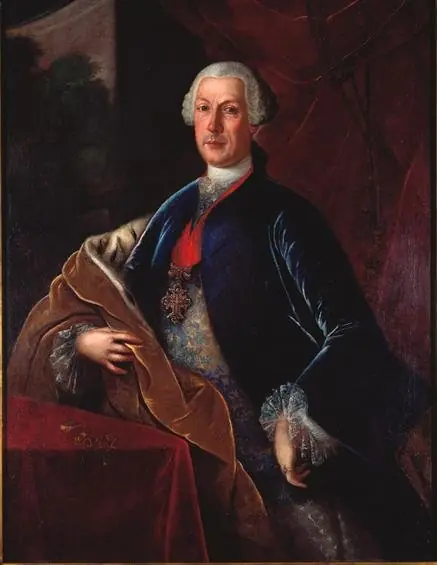 Portrait of Infante António Francisco of Portugal (1695-1757)
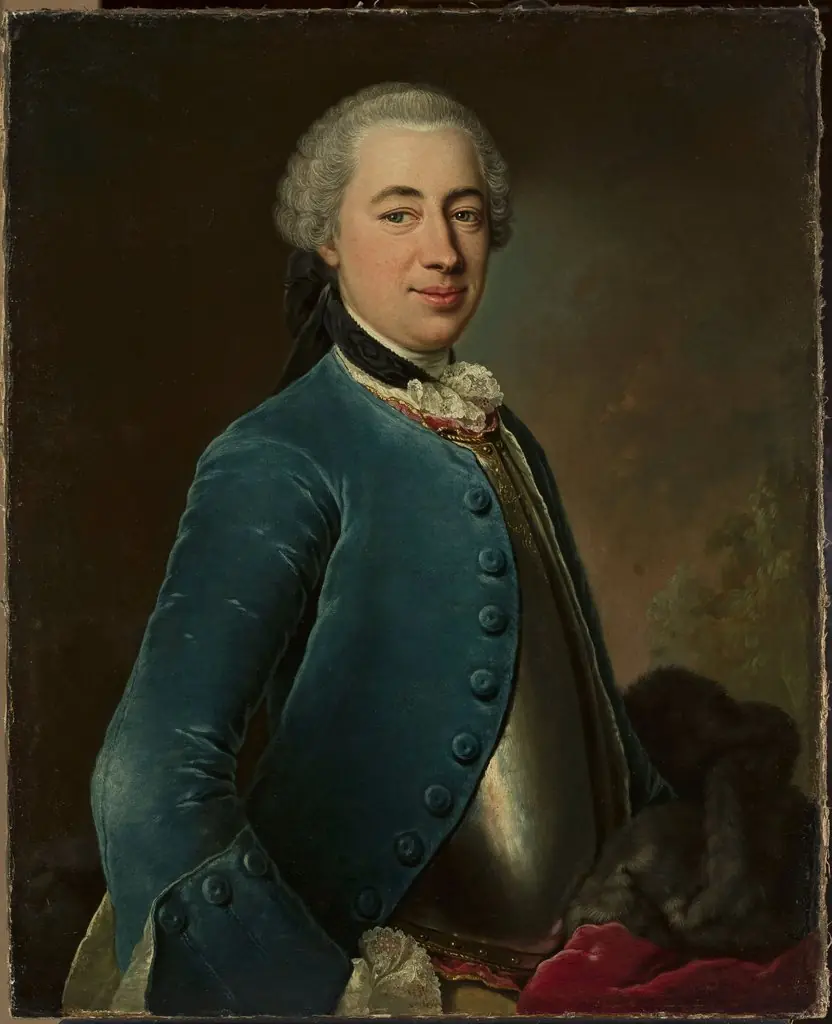 Portrait of a man in armour
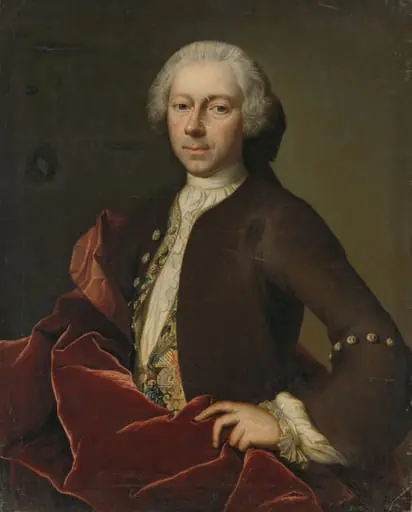 Portrait of Pieter Parker, Alderman, Burgomaster and Councilor of Goes
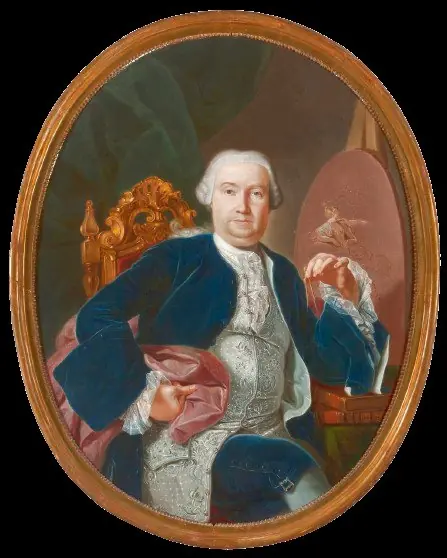 Portrait of the architect Luigi Vanvitelli (1700-1773)
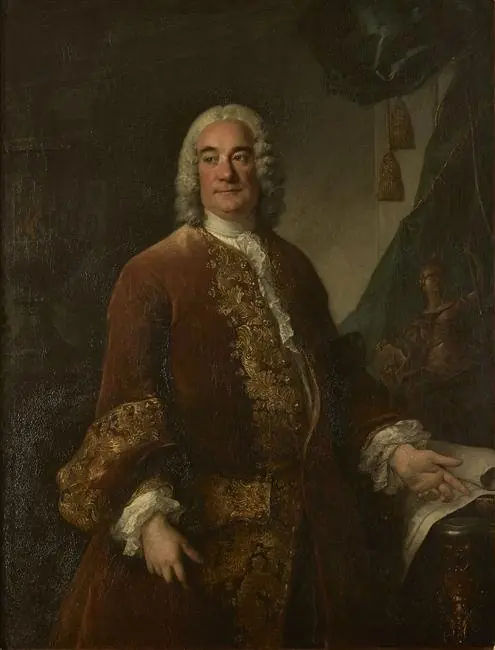 Portrait of Charles François Paul Le Normant de Tournehem (1684-1751)
 D Pedro López de Lerena, I Count of Lerena