Artwork
Autoportrait
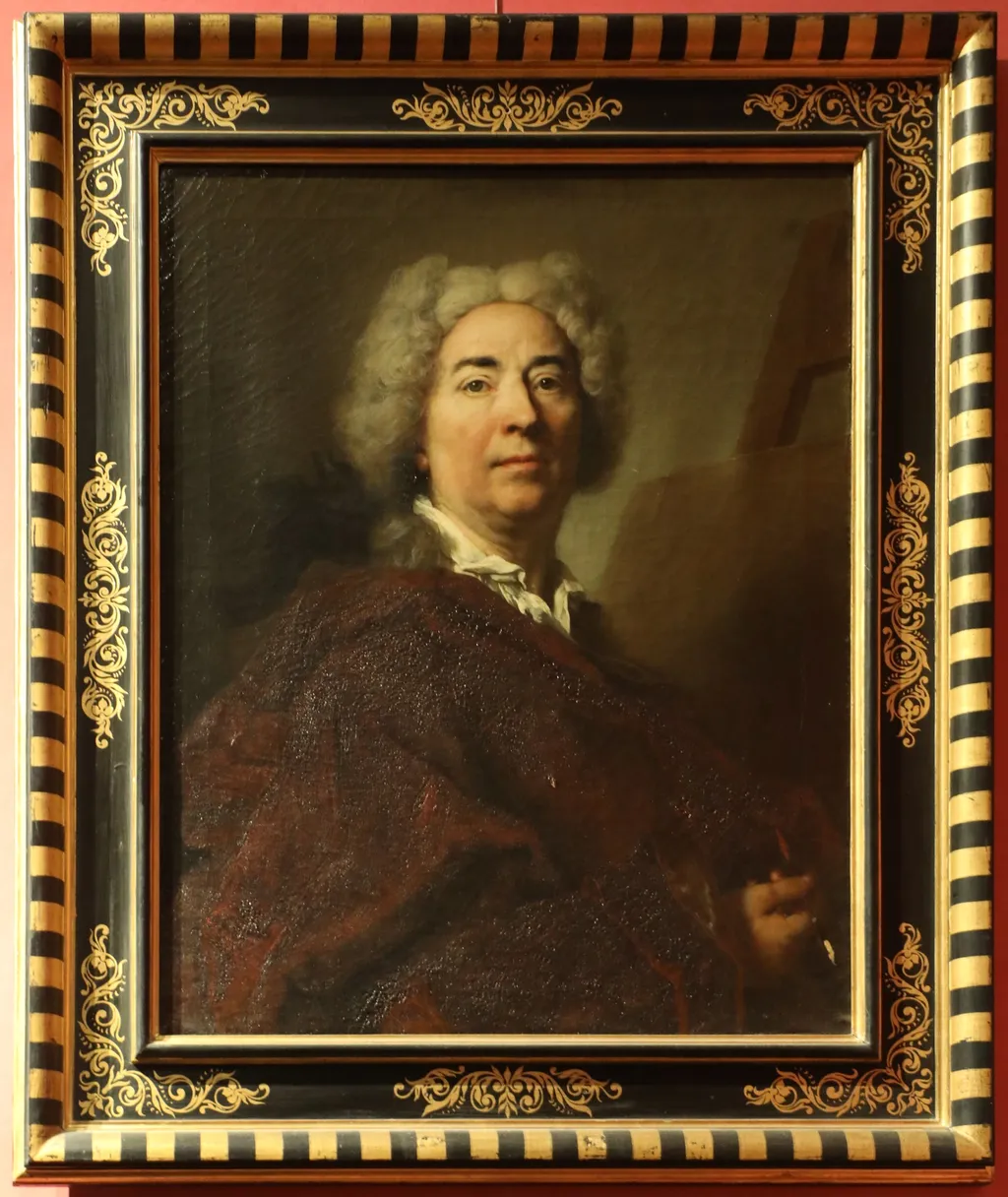
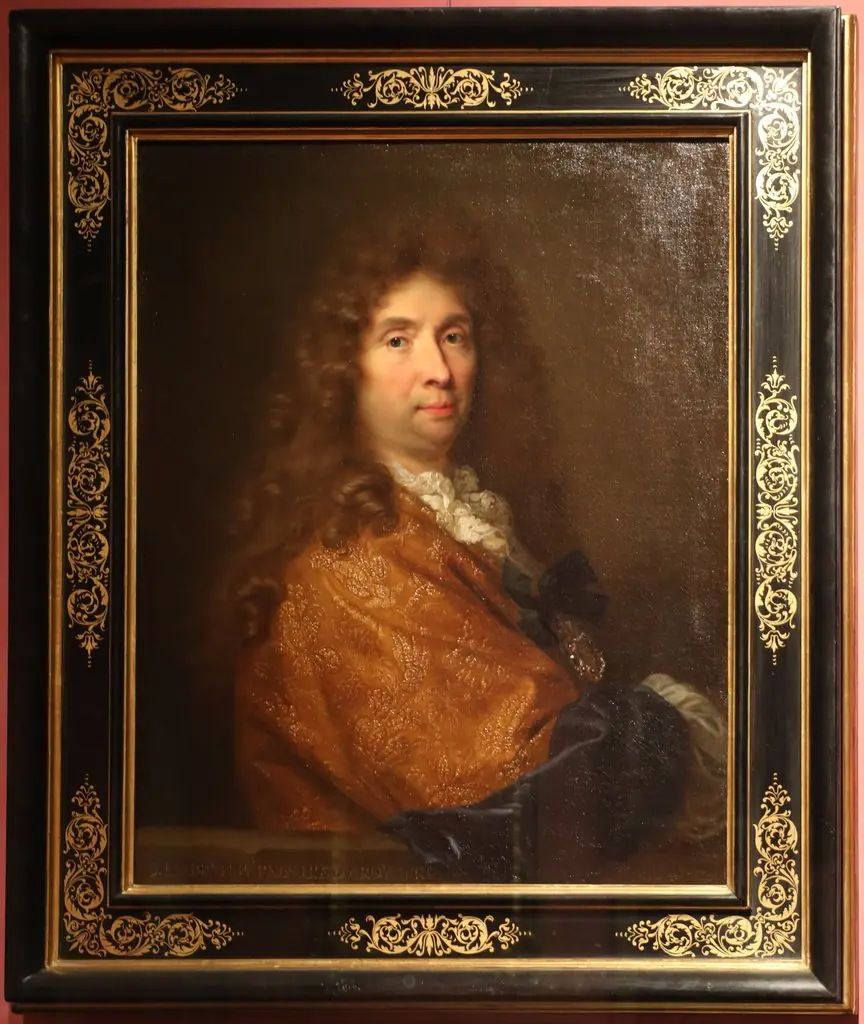
Autoportrait is an oil painting by the Rococo painting artist Nicolas de Largillière. It dates from 1727 and is held in the collection of the Uffizi Gallery.
About this work
The man's expression is serious, and his eyes seem to be looking directly at the viewer.
This painting shows a man with white hair, wearing a red robe over a white shirt. The background is dark, and the man's face is illuminated.
The man's expression is serious, and his eyes seem to be looking directly at the viewer. His white hair is styled in a wig, which was common during the 18th century.
The artist who painted this portrait is known for his use of chiaroscuro, a technique that uses strong contrasts between light and dark to create a sense of volume and depth.
Overview
Autoportrait, created by Nicolas de Largillière in 1727, is an oil on canvas self-portrait belonging to the Rococo movement. It is housed in the Uffizi Gallery.
Subject & Meaning
The painting depicts Nicolas de Largillière himself, dressed in a red robe over a white shirt, with a serious expression and direct gaze. His attire and wig reflect 18th-century fashion.
Technique & Style
The work showcases Largillière's mastery of chiaroscuro, employing strong light and dark contrasts to imbue the subject with depth and volume, particularly evident in the illumination of the artist's face against a dark background.
History & Provenance
Painted in 1727, Autoportrait is part of the Uffizi Gallery's collection. Largillière, who led the Académie de Peinture et de Sculpture from 1733 to 1735, was known for his contributions to French painting.
Artist & collection
Artist
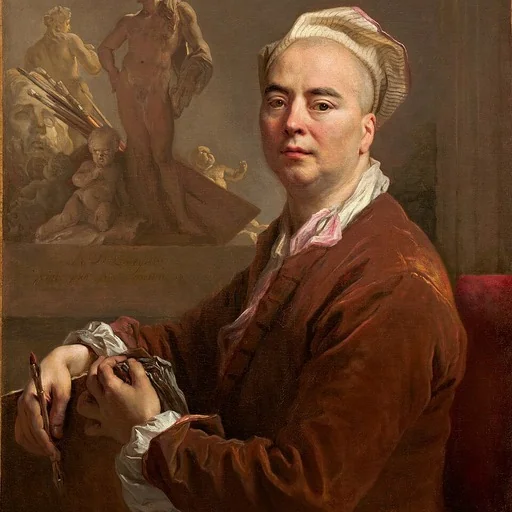
Nicolas de Largillière (French: ; baptised 10 October 1656 – 20 March 1746) was a French painter and draughtsman. From 1733 until 1735, he was director of the Académie de Peinture et de Sculpture.

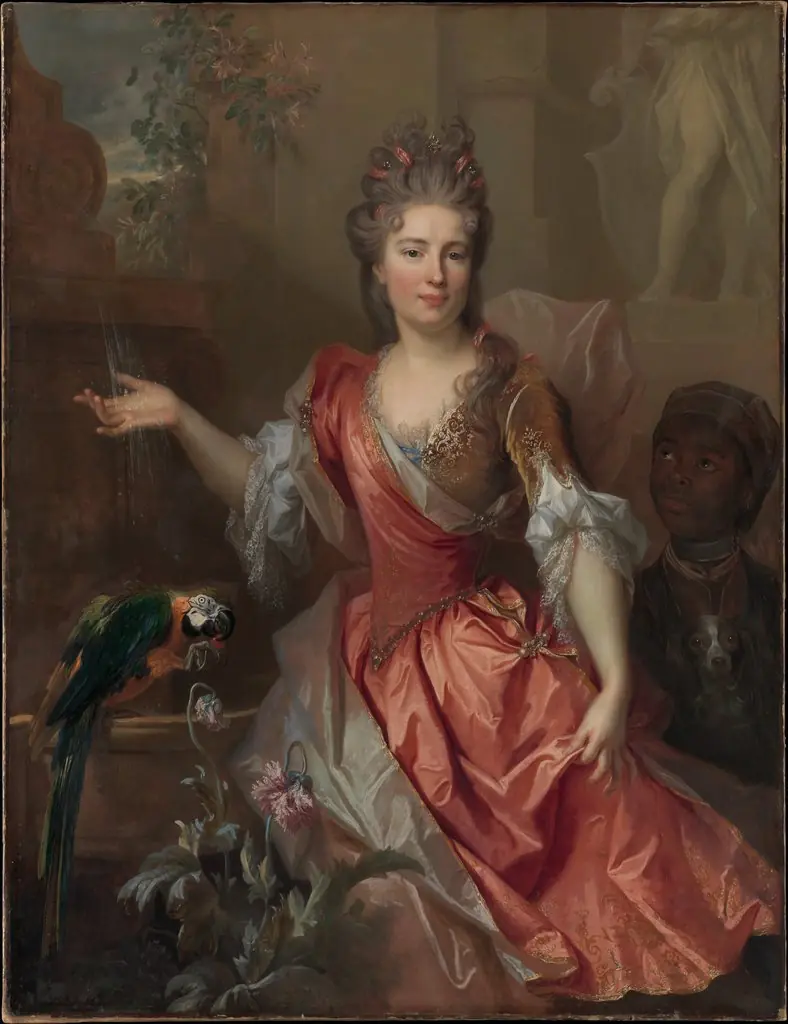 Portrait of a Woman, Possibly Madame Claude Lambert de Thorigny (Marie Marguerite Bontemps, 1668–1701)
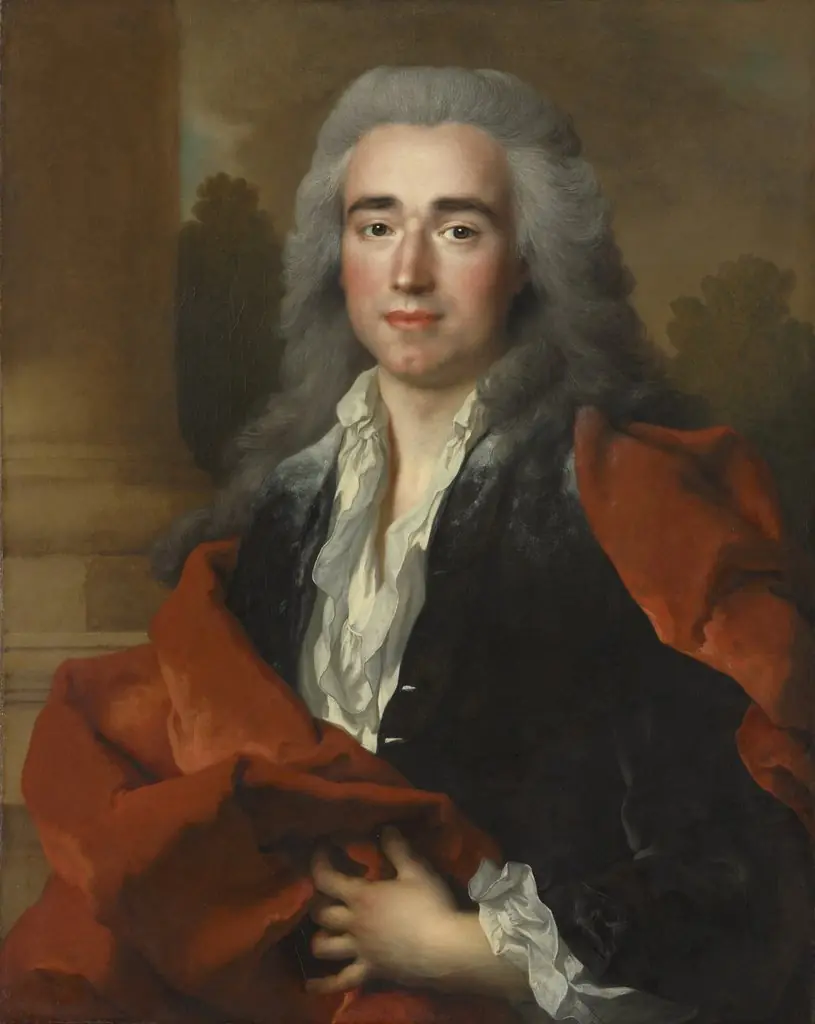 Portrait of Anne Louis Goislard de Montsabert, Comte de Richbourg-le-Toureil
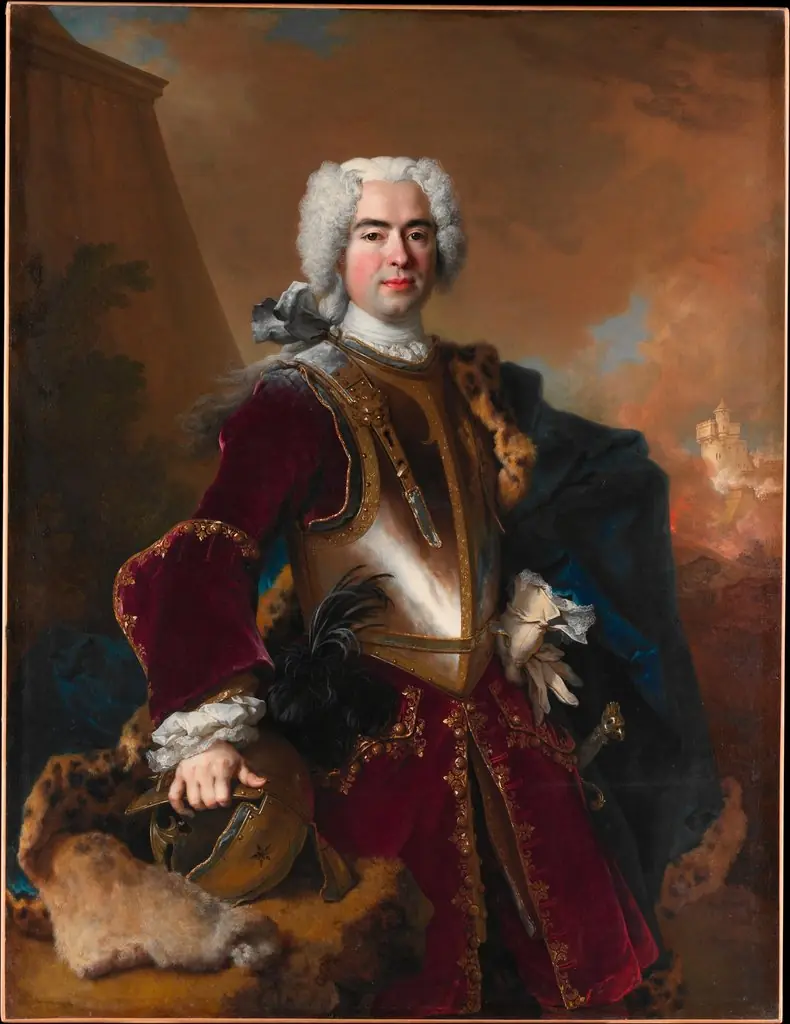 André François Alloys de Theys d'Herculais (1692–1779)
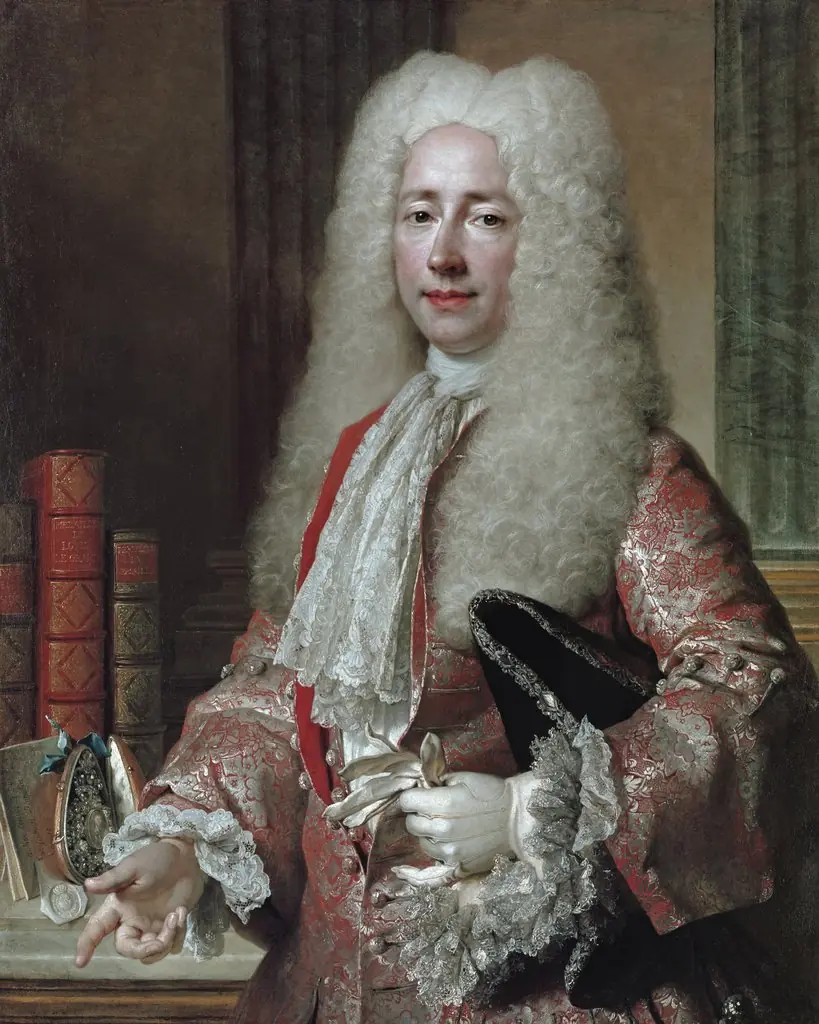 Portrait de Conrad Detlef, comte de Dehn
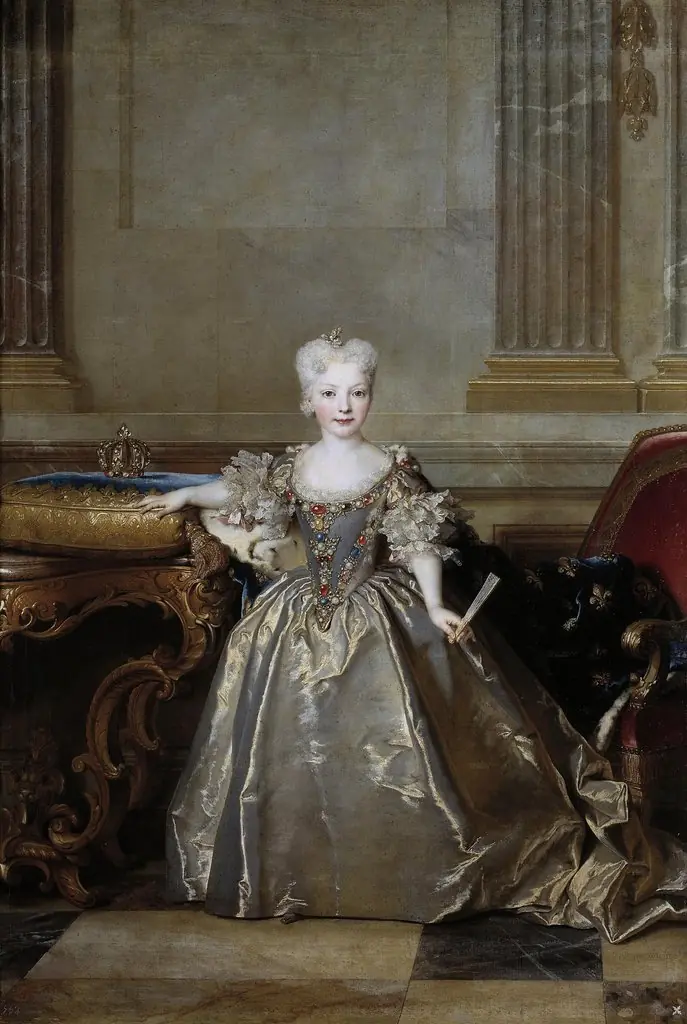 María Ana Victoria de Borbón y Farnesio
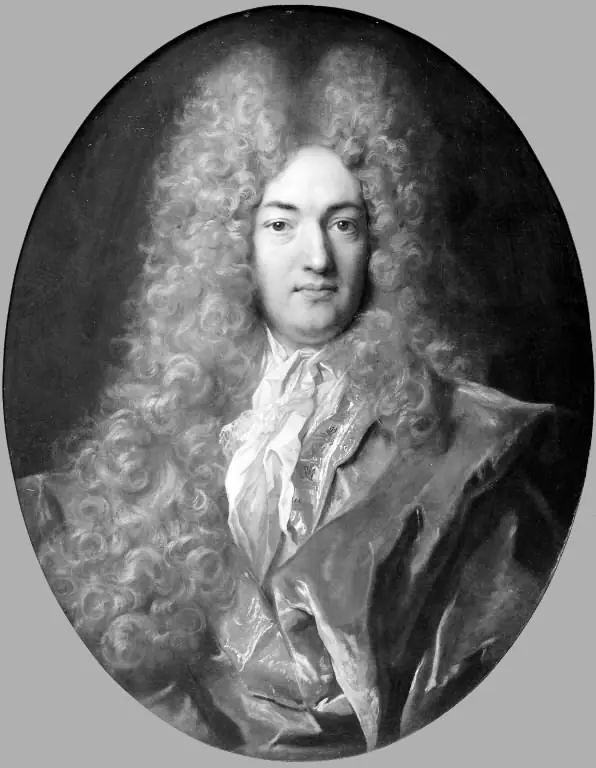 Portrait of a Man
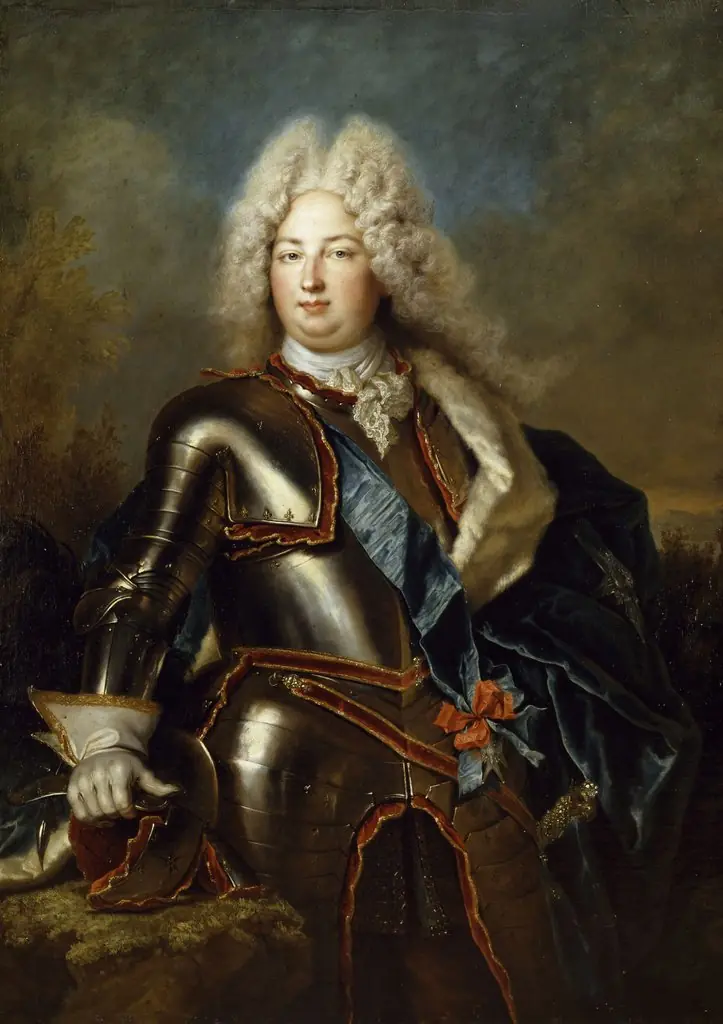 Charles of France, Duke of Berry
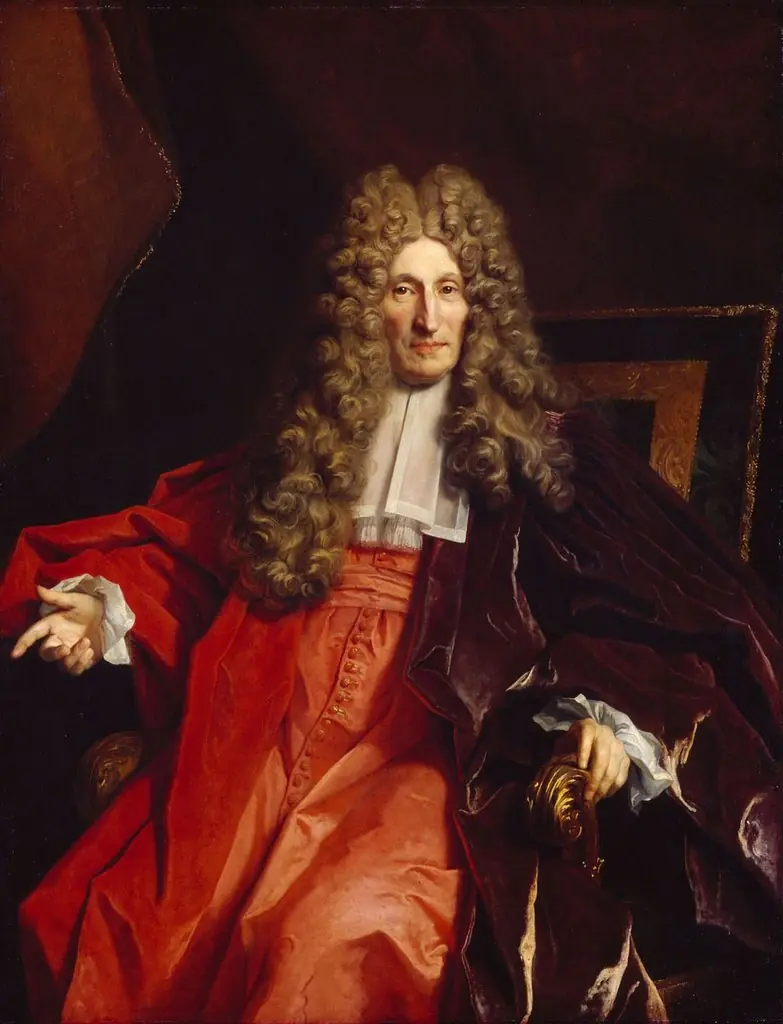 Charles Boucher, Herr von Orsay
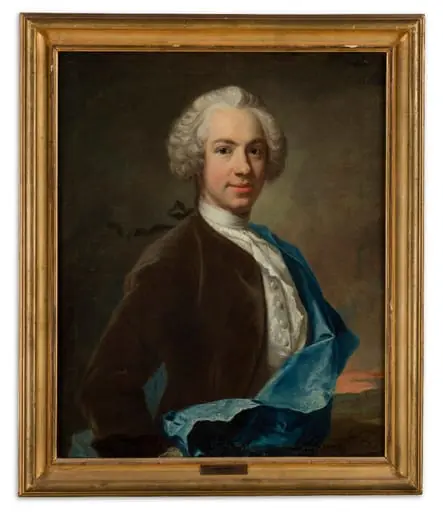 Kanslianeuvos Carl Fredrik Eckleff
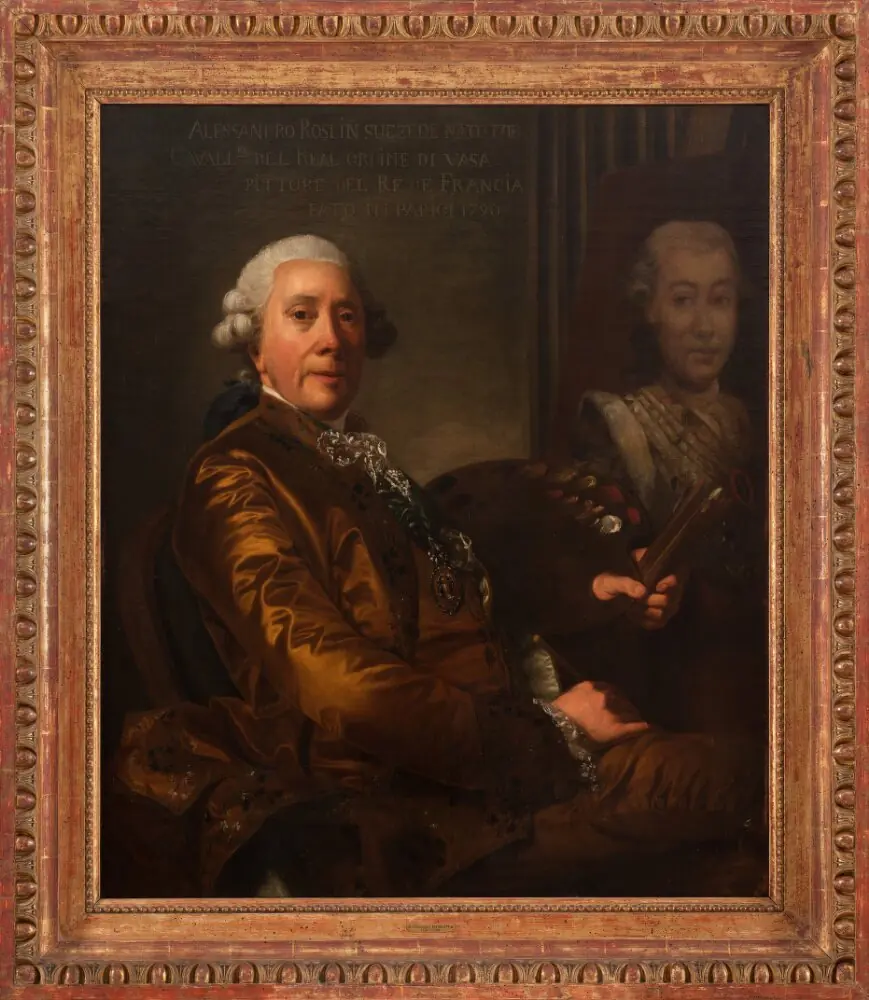 Self-portrait
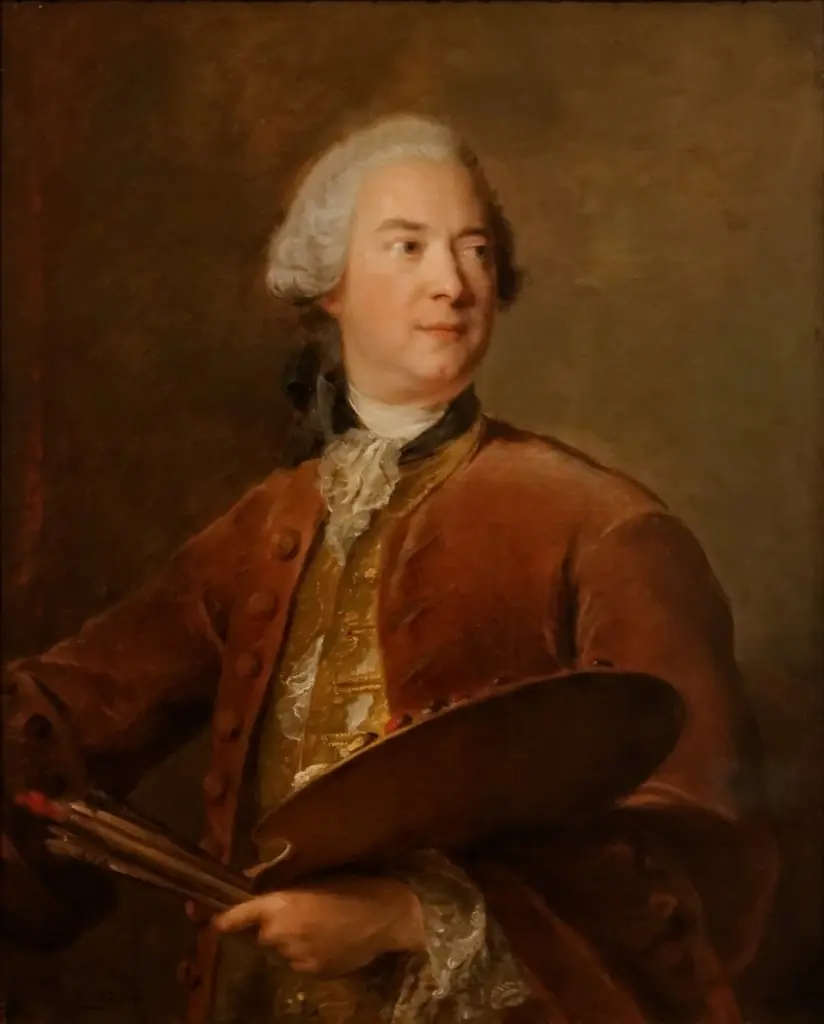 Portrait of Louis Tocqué
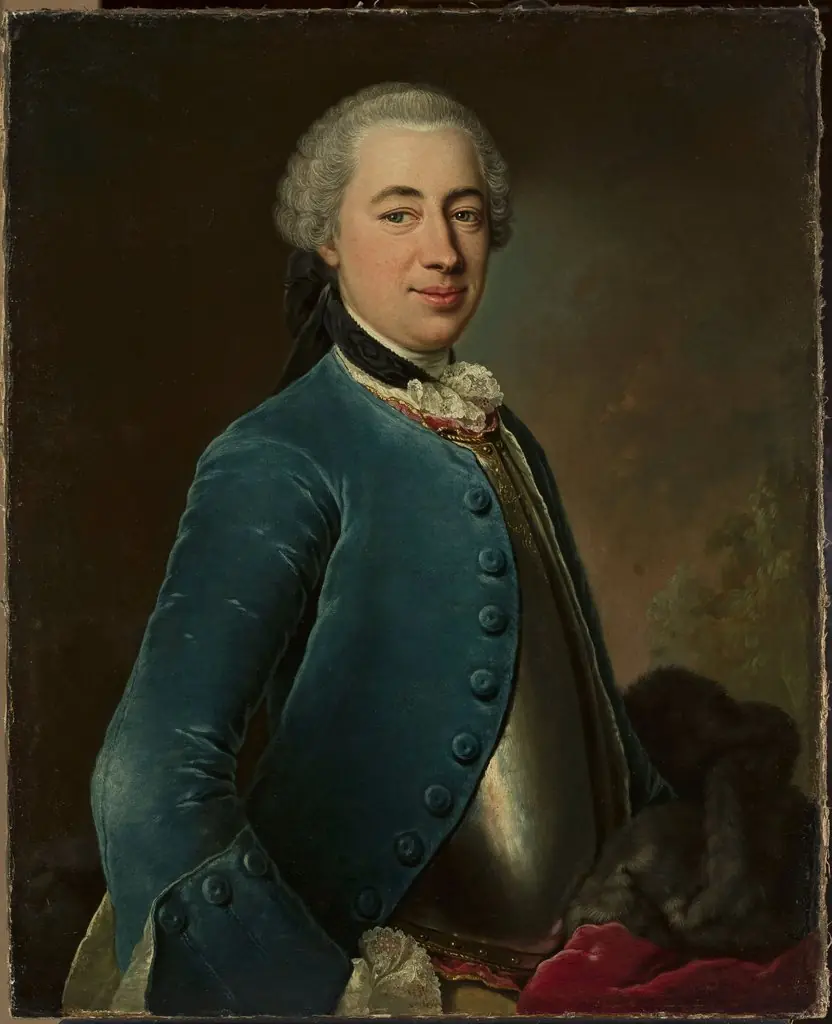 Portrait of a man in armour
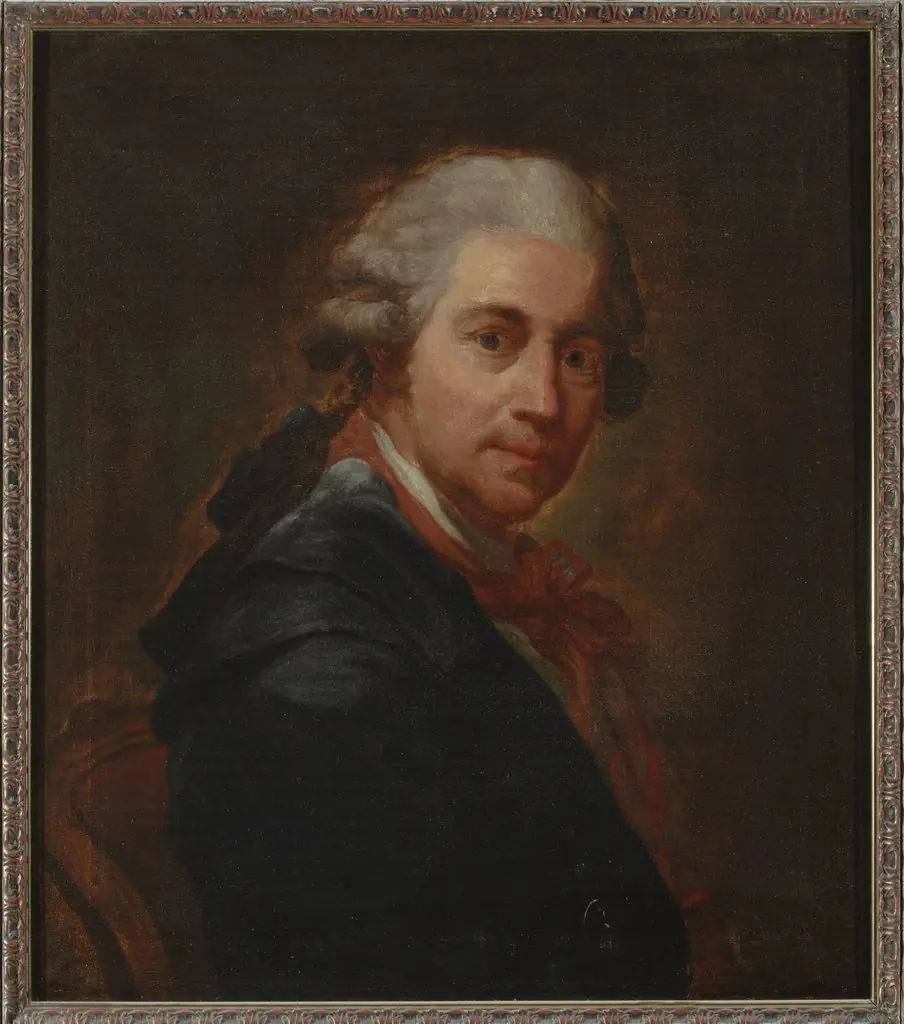 Self-portrait of Bacciarelli in a redingote
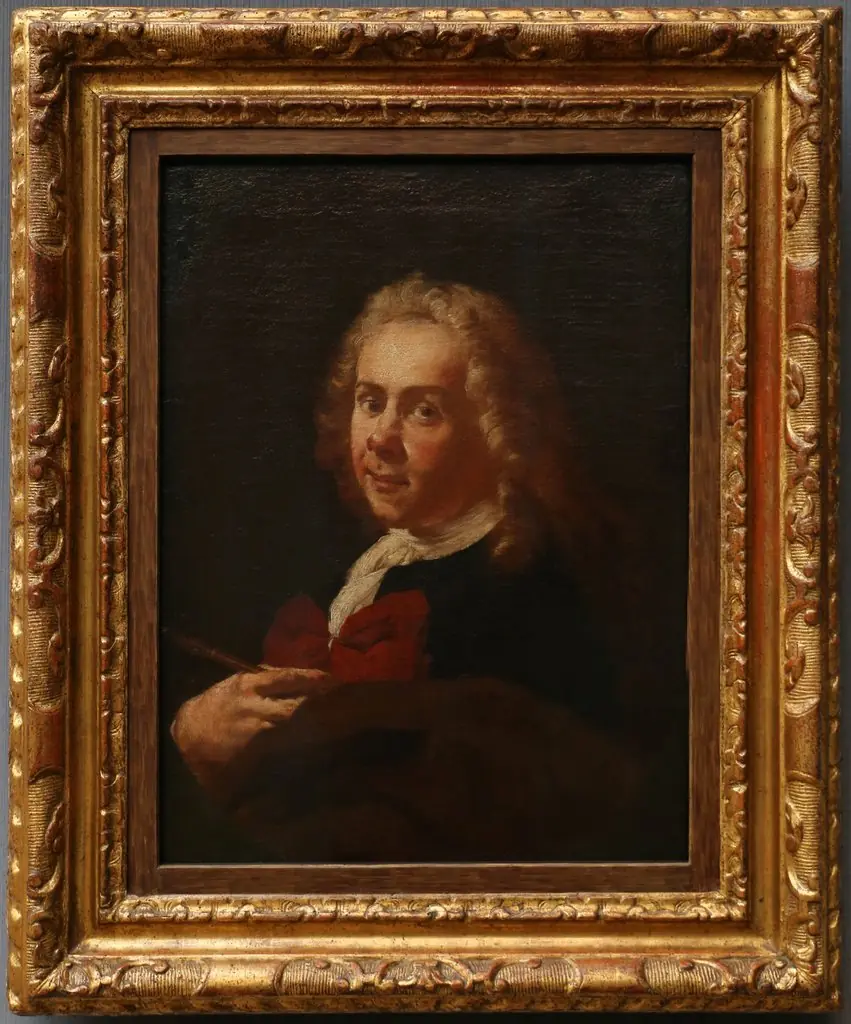 Bildnis eines Malers
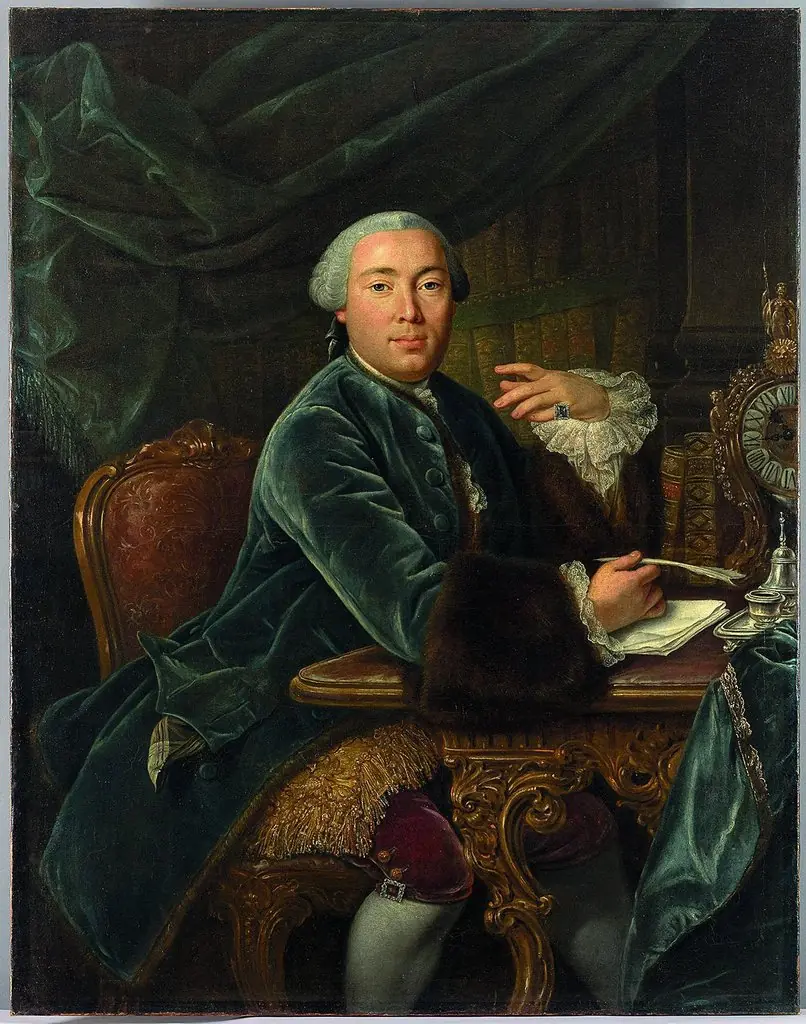 Portrait of Grigory Teplov
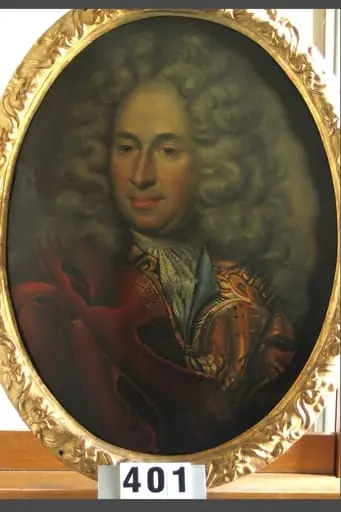 Bărbat cu manta roșie. Pandant: Bărbat cu mantie albastră
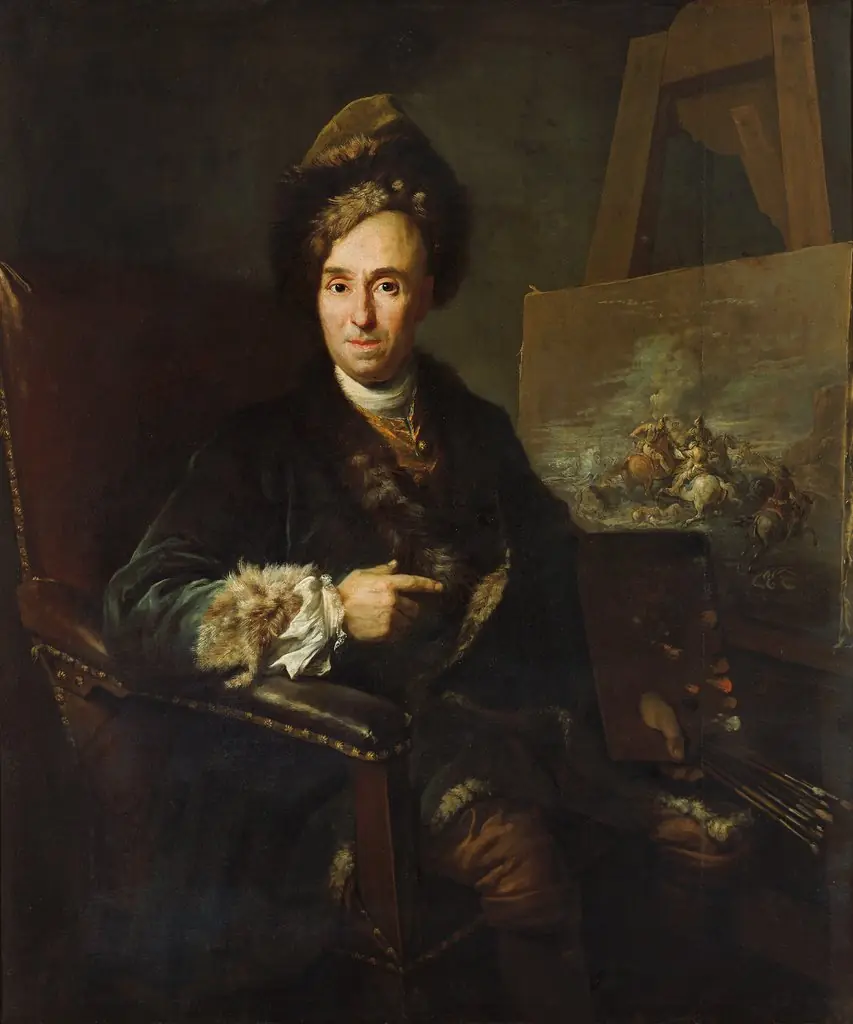 Portrait of the battle-painter Ignace-Jacques Parrocel
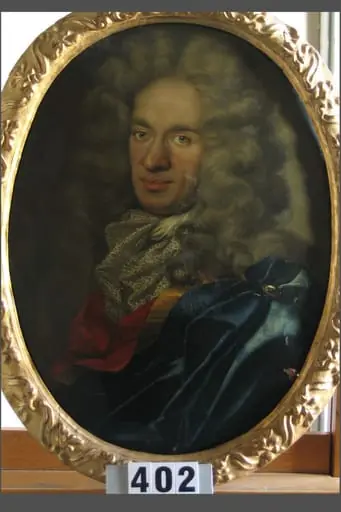 Bărbat cu mantie albastră. Pandant: Bărbat cu mantie roșie
 Portrait of Théophile Van Robais
 Autoportrait