Artwork
Portrait of Tadeusz Kościuszko
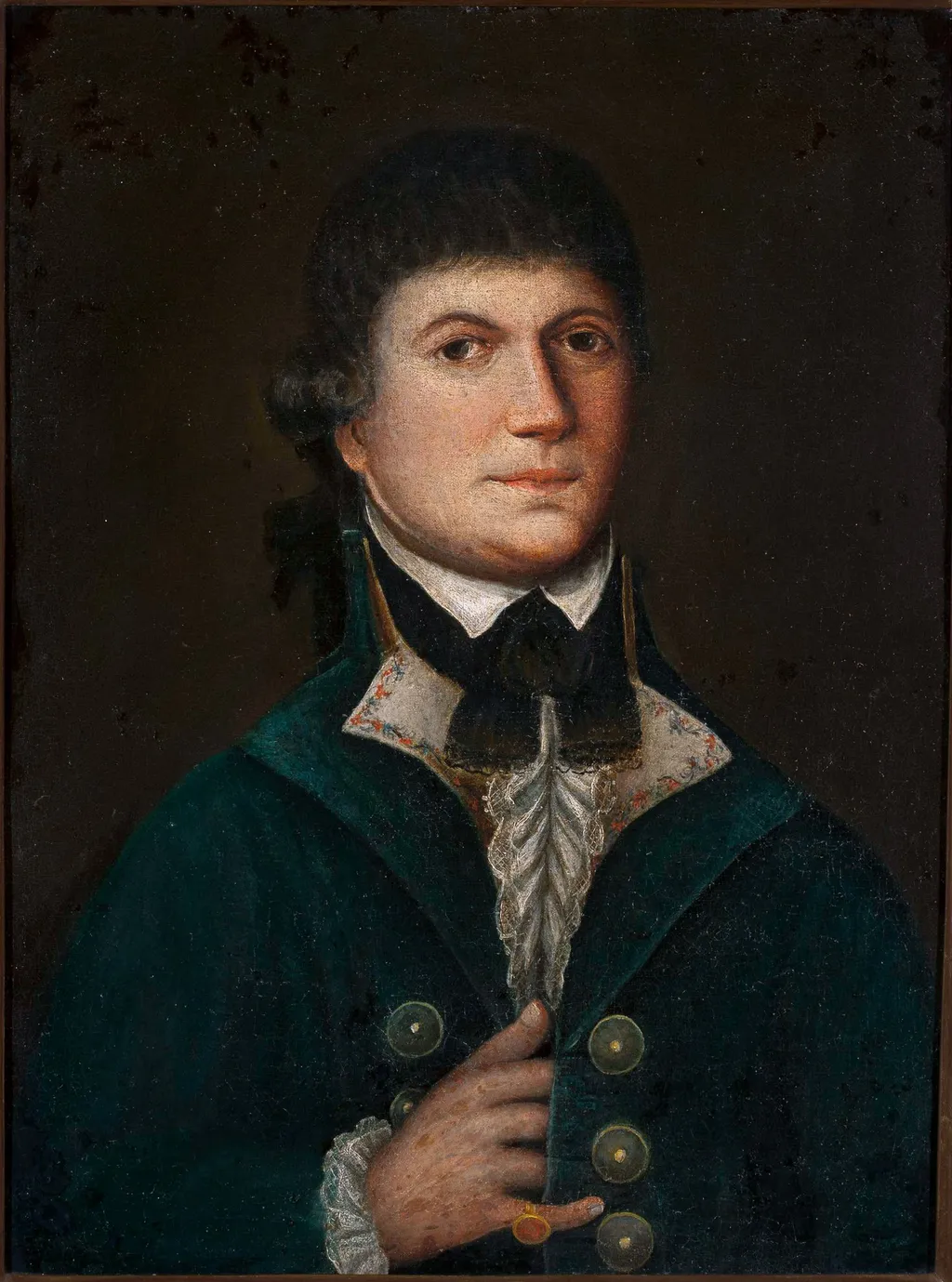
Portrait of Tadeusz Kościuszko is an oil painting by Unknown. It dates from 1850 and is held in the collection of the National Museum in Warsaw.
About this work
This portrait shows a man in a dark green coat with gold buttons, wearing a white shirt and a black cravat.
This portrait shows a man in a dark green coat with gold buttons, wearing a white shirt and a black cravat. His dark hair is neatly styled, and he has a serious expression. The background of the painting is dark, which helps to highlight the subject's features. The man's attire and hairstyle suggest that he is from the 18th or early 19th century. The painting style is realistic, with attention to detail in the subject's clothing and facial expression.
Overview
The work is an oil painting depicting a seated figure dressed in a dark green coat trimmed with gold buttons, a white shirt, and a black cravat. The subject’s hair is neatly arranged, his expression solemn, and he is set against a deep, shadowed backdrop that emphasizes his facial features and attire.
Subject & Meaning
The portrait likely represents a man of status from the late eighteenth to early nineteenth century, as suggested by his formal clothing and coiffure. The serious demeanor and restrained palette convey a dignified, perhaps military or civic, presence typical of portraiture intended to record personal achievement or social rank.
Technique & Style
Executed in oil, the painting employs realistic rendering with careful attention to the texture of fabrics, the sheen of the gold buttons, and subtle modeling of the face. The dark background serves to isolate the figure, allowing light to fall on the subject’s features and clothing, a common device in portraiture of the period.
History & Provenance
No specific provenance is provided for the canvas, and the identity of the sitter is not confirmed within the available data. The work’s stylistic attributes place it within the artistic conventions of the late 1700s to early 1800s, aligning it with contemporary European portrait practices.
Context
During the era suggested by the attire, portrait painting functioned as a means of documenting personal legacy and affirming social standing. The use of a dark, neutral background and detailed costume reflects the period’s emphasis on realism and the sitter’s individual character rather than allegorical or decorative settings.
Artist & collection

 Domestic Scene
 Giacomo and Cardinal Marco, investing Andrea, Abbot of San Zeno, with his Benefice
 The Nymph of Fontainebleau
 Portrait of a Woman
 Madonna and Child with Saints in the Enclosed Garden
 Venus and Minerva
 Family Group of Four on Sofa
 Wall painting from Room H of the Villa of P. Fannius Synistor at Boscoreale
 Portrait of Józef Morykoni
 Portrait of Włodzimierz Potocki
 Levi Willard
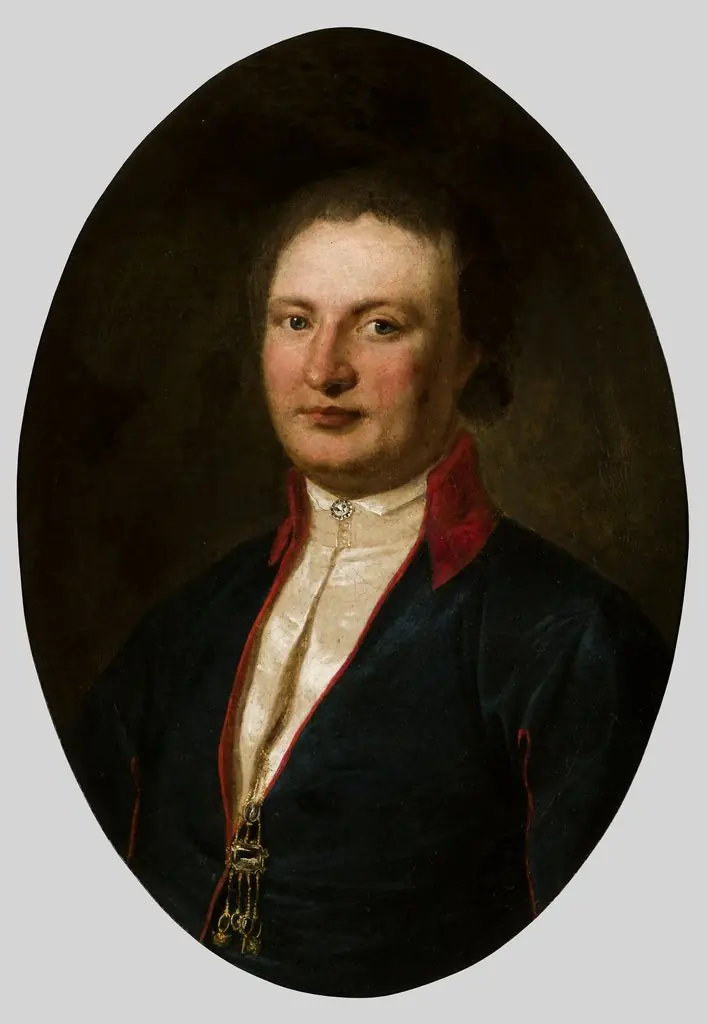 Portrait of Dominik Tomasz Truskolaski
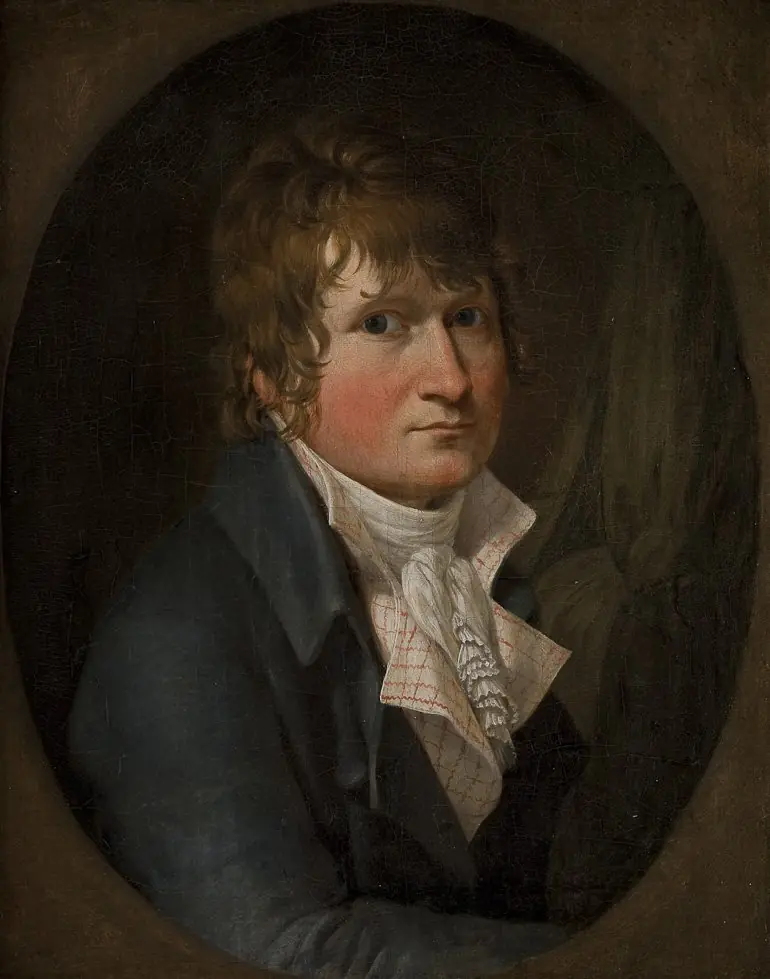 Self-Portrait
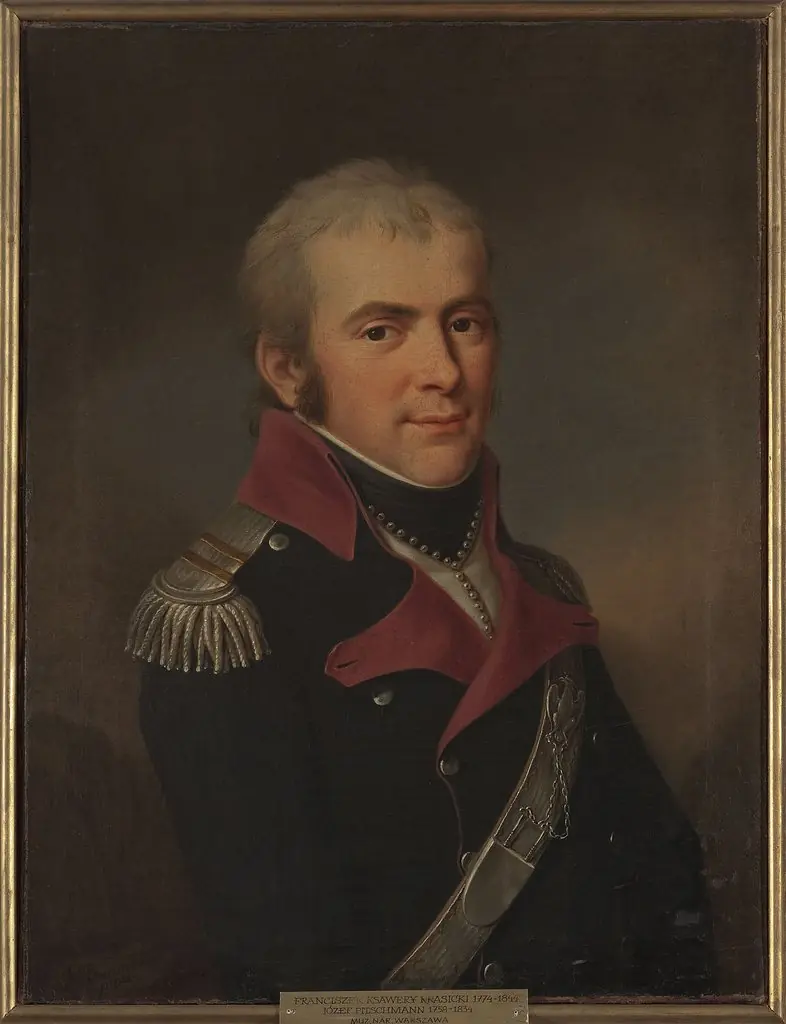 Portrait of Ksawery Krasicki (1774–1844)
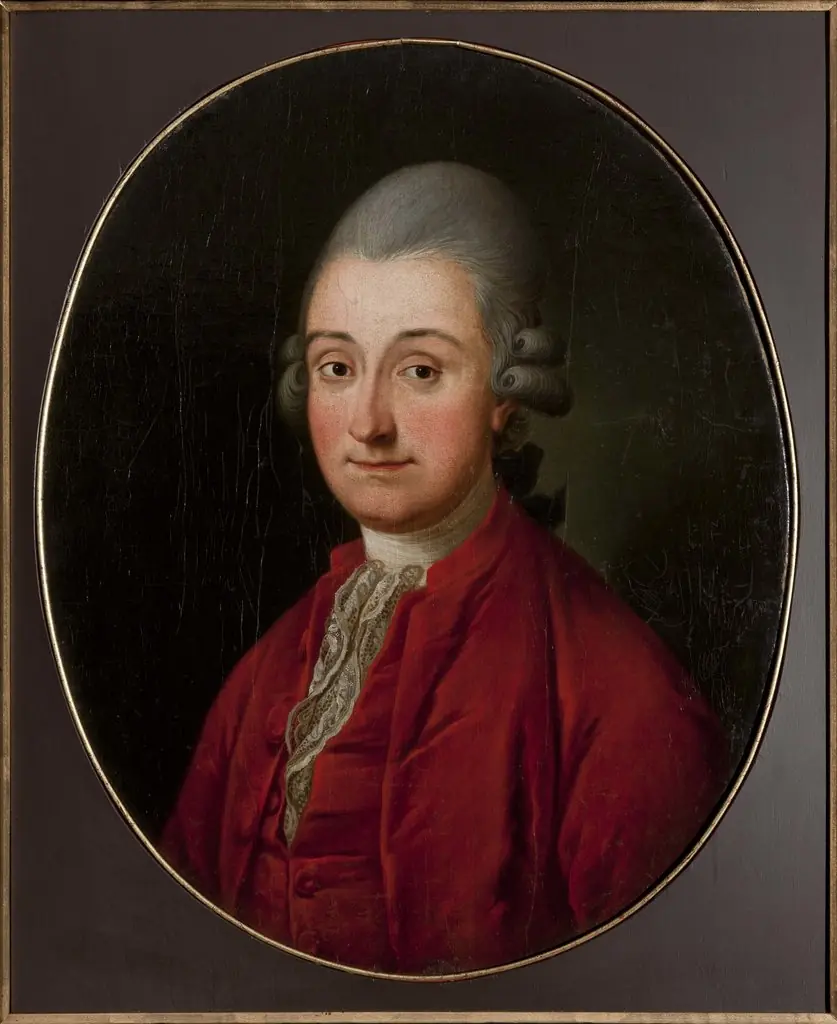 Portrait of Franciszek Dembiński (?–1776), the last starost of Wolbrom
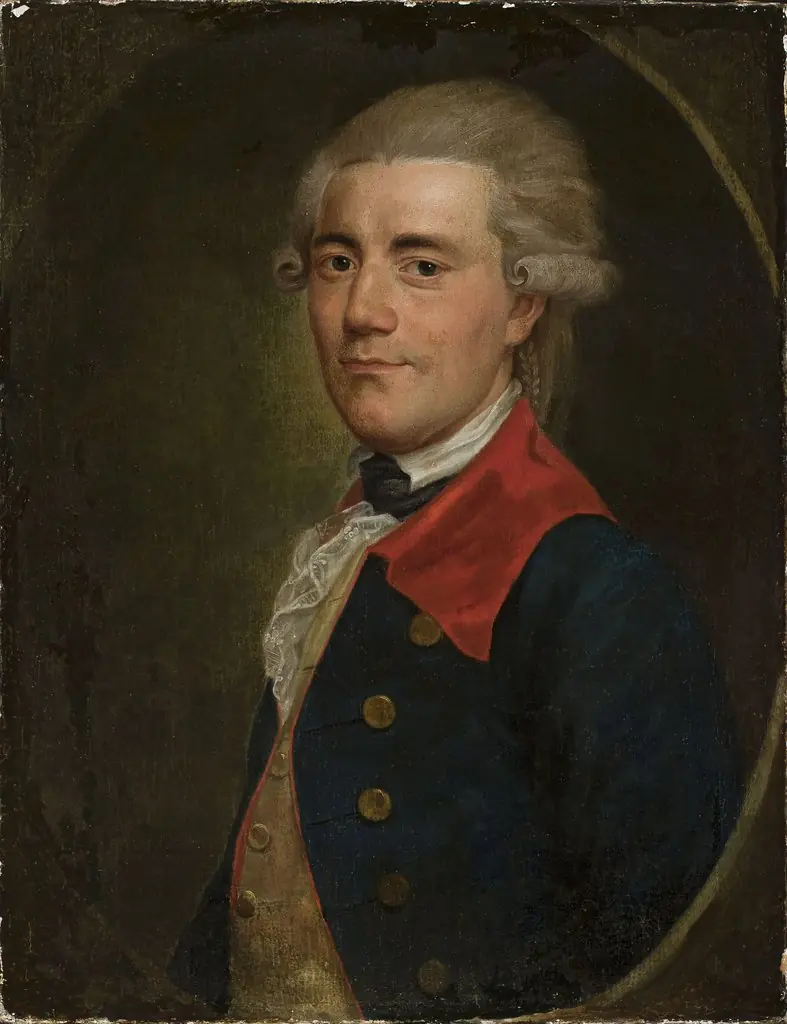 Portrait of Johann Heinrich Muyschel (1755–1825)
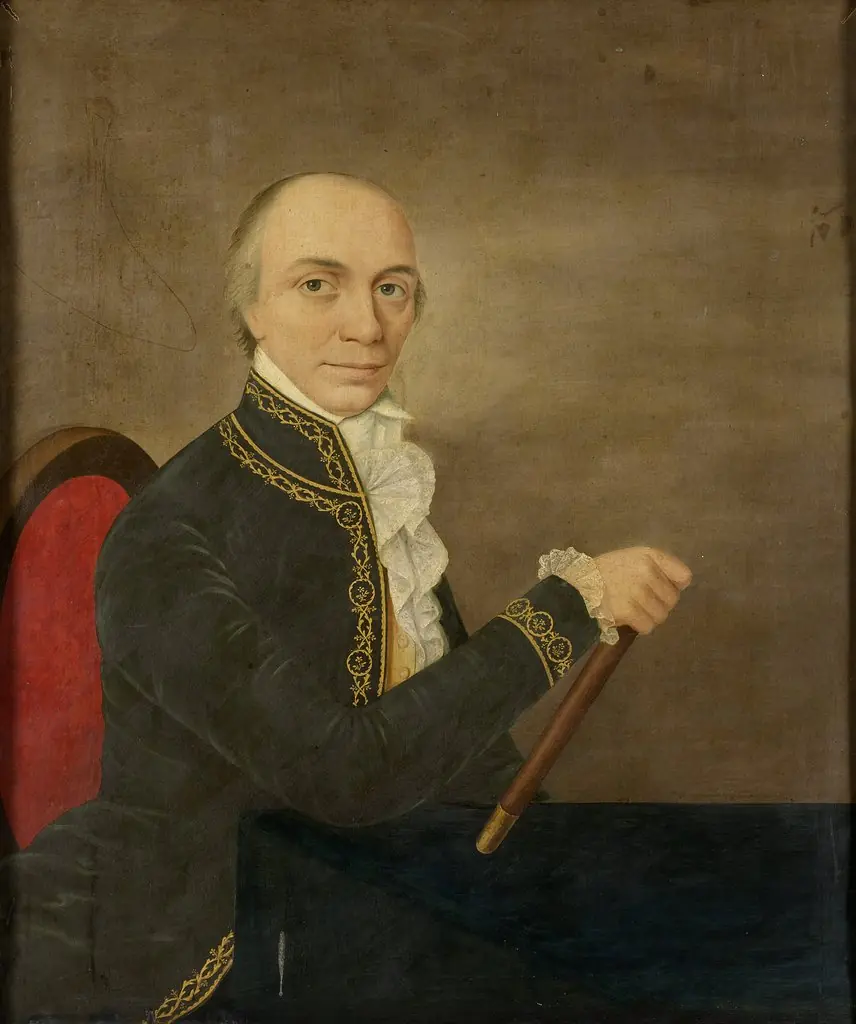 Portrait of Johannes Siberg, Governor-General of the Dutch East Indies
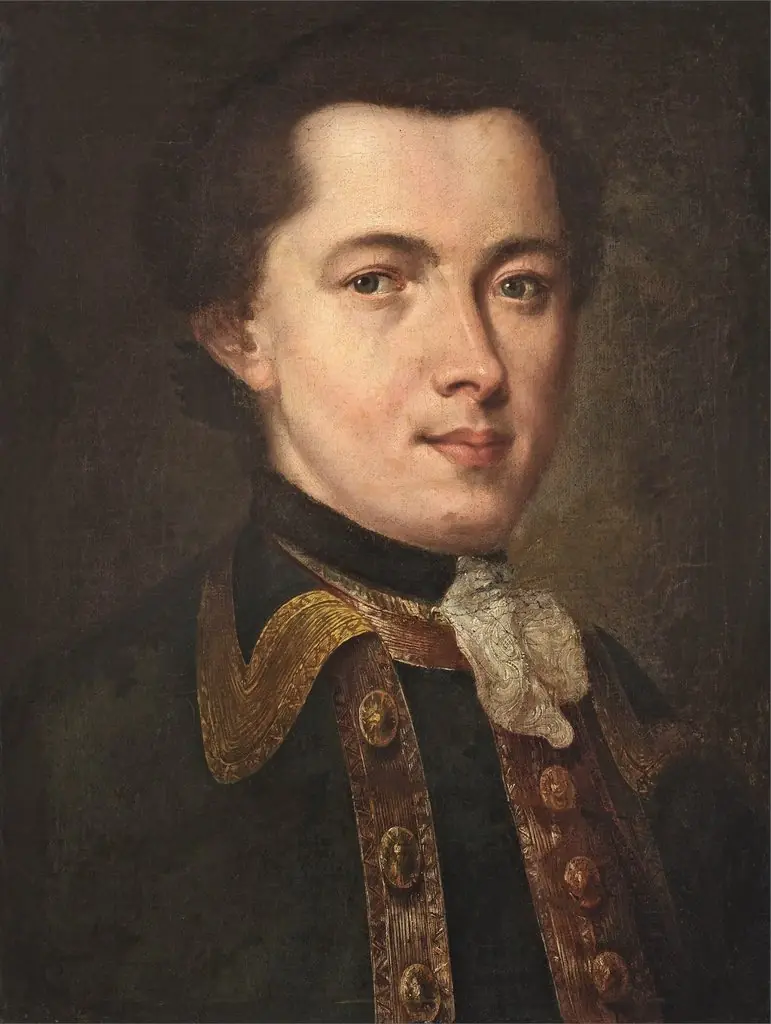 Unknown officer