Artwork
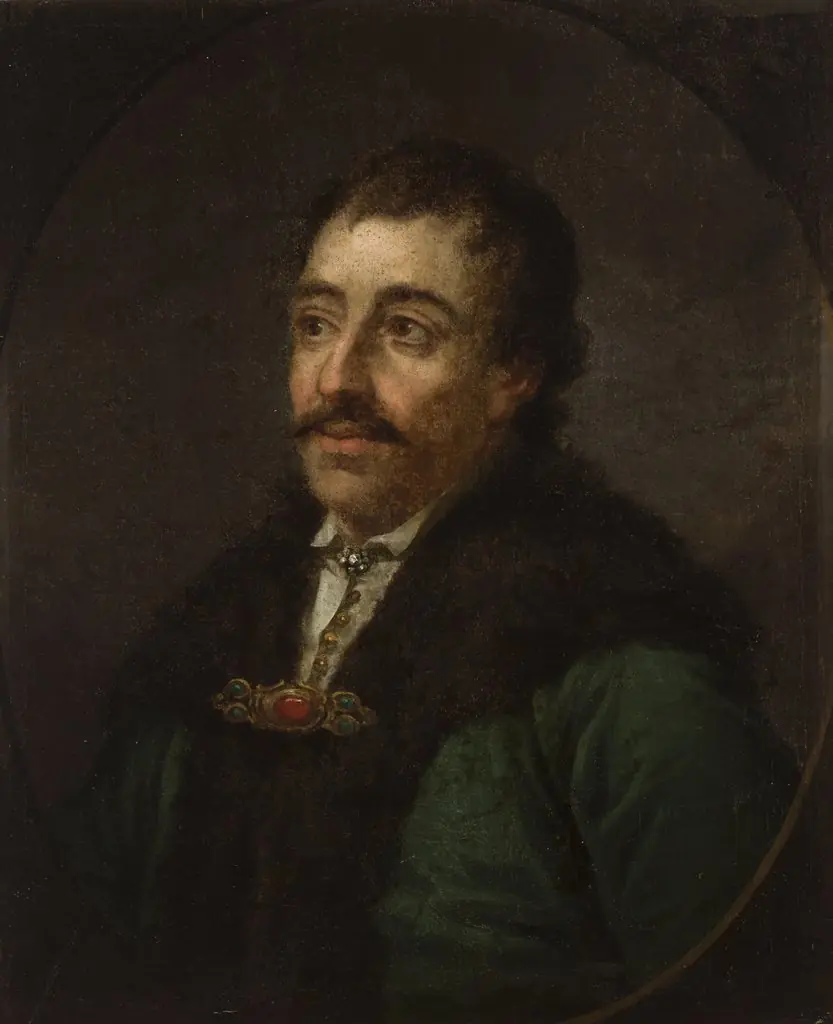
Portrait of Dominik Tomasz Truskolaski
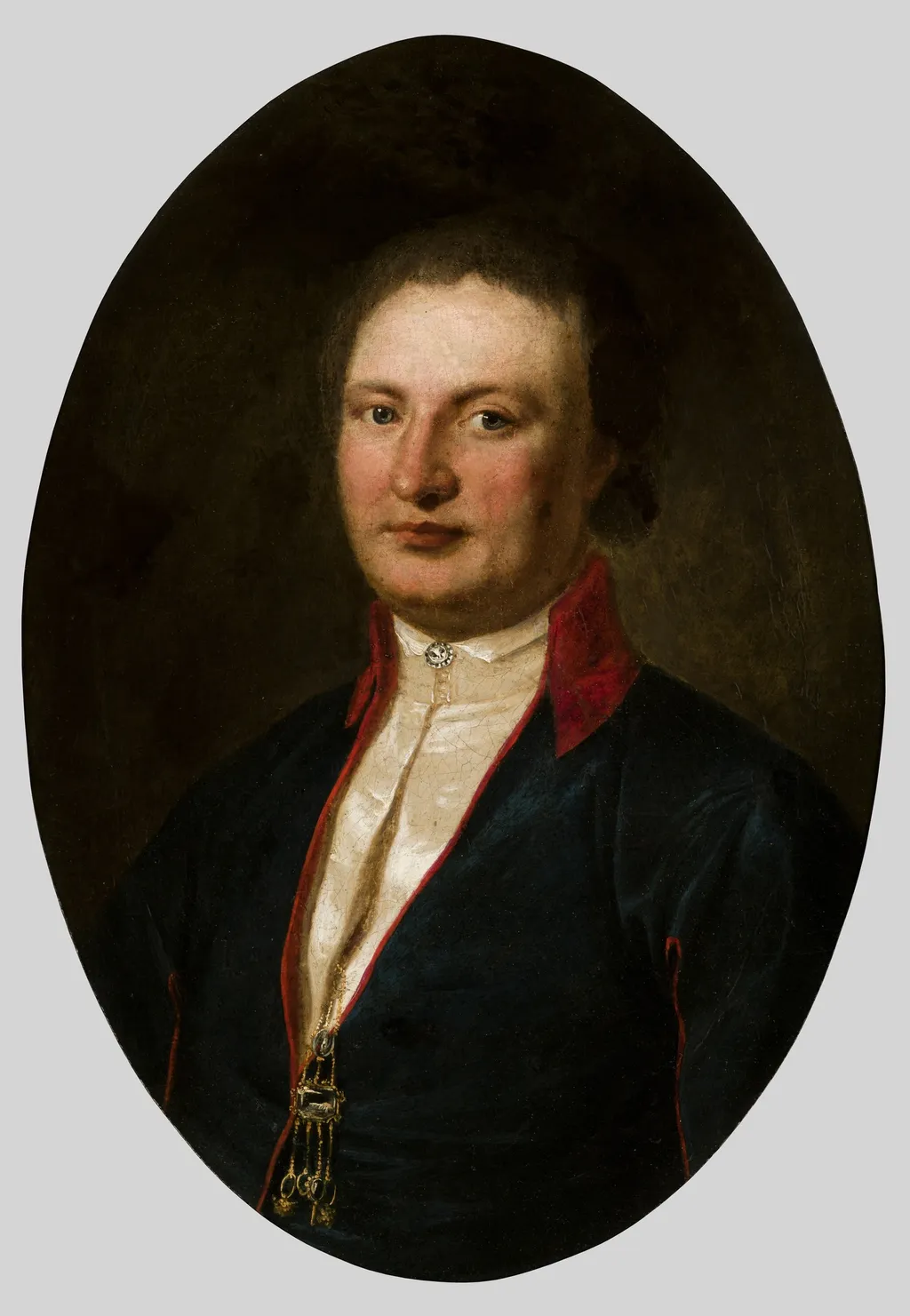
Portrait of Dominik Tomasz Truskolaski is an oil painting by Kazimierz Wojniakowski. It dates from 1801 and is held in the collection of the National Museum in Kraków.
About this work
Overview
Portrait of Dominik Tomasz Truskolaski is an oil painting created by Kazimierz Wojniakowski around 1801. The work is a representative example of the artist's portraiture in the sentimentalist style.
Subject & Meaning
The portrait depicts Dominik Tomasz Truskolaski, a figure whose solemn expression and attire, including a dark jacket with red trim and a white shirt with a decorative clasp, convey a sense of dignity and formality. The overall somber tone may reflect the sentimental emphasis on emotional depth.
Technique & Style
Executed in oil paint, the portrait showcases Wojniakowski's use of chiaroscuro, evident in the contrast between the subject's dark, shadowy background and the illuminated details of his face and attire, characteristic of the sentimentalist approach to highlighting emotional presence.
History & Provenance
The painting is part of the National Museum in Kraków's collection. While specific details of its acquisition are not provided, its inclusion in the museum underscores its significance within Polish artistic heritage.
Context
Created during Wojniakowski's active period in the late 18th to early 19th centuries, the portrait reflects the artistic tastes of its time, blending elements of realism with the emotional depth typical of sentimentalism. The artist's association with Freemasonry may also subtly influence the portrait's composition, though this is not overtly evident.
Legacy
As a work by Wojniakowski, the portrait contributes to the understanding of Polish sentimentalism in art during the turn of the 19th century. Its legacy is intertwined with the artist's overall contribution to the development of Polish portraiture.
Artist & collection
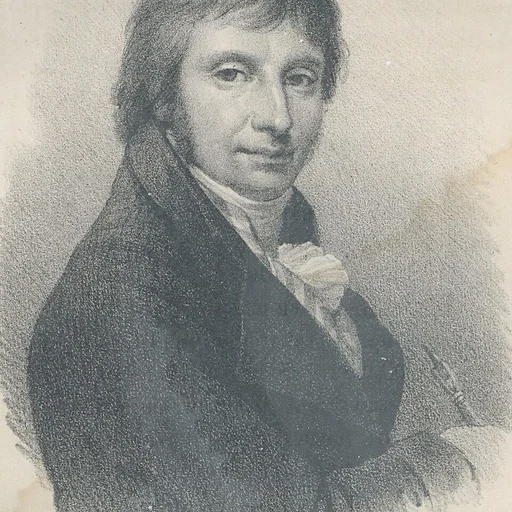
Artist
Kazimierz Wojniakowski (1771/72 – 1812) was a Polish painter, illustrator, and Freemason, known primarily for his portraits in the sentimentalist style.

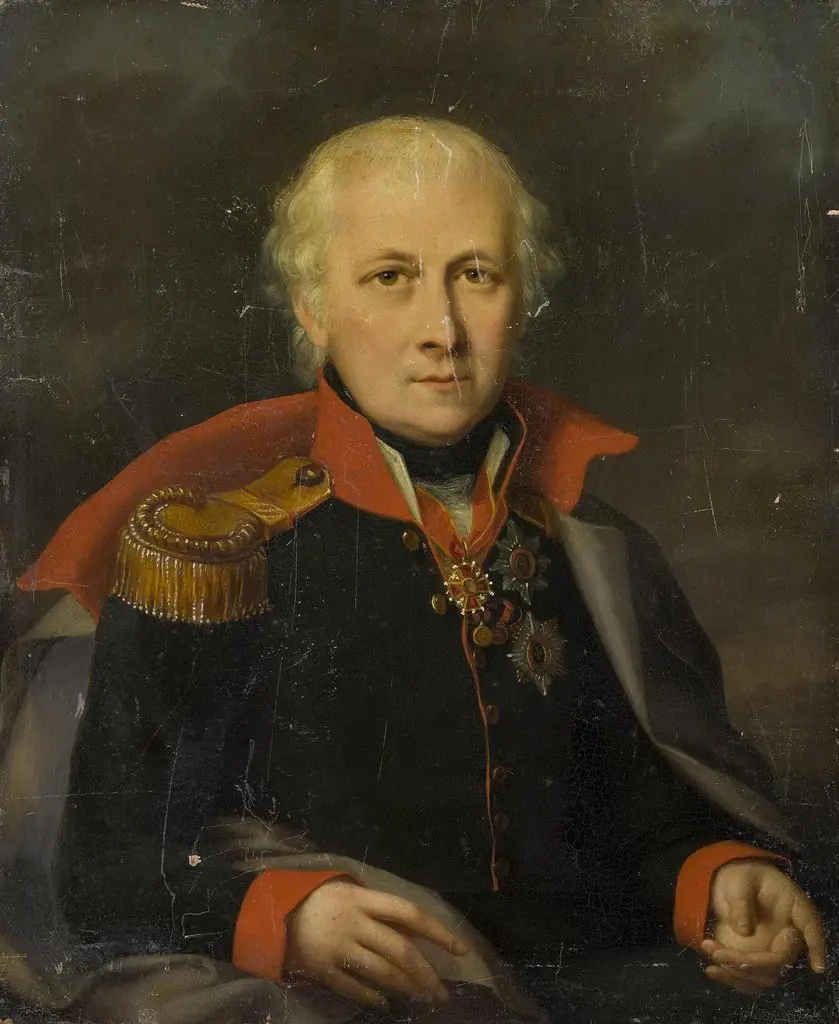 Portrait of Nikolai Mordvinov (?)
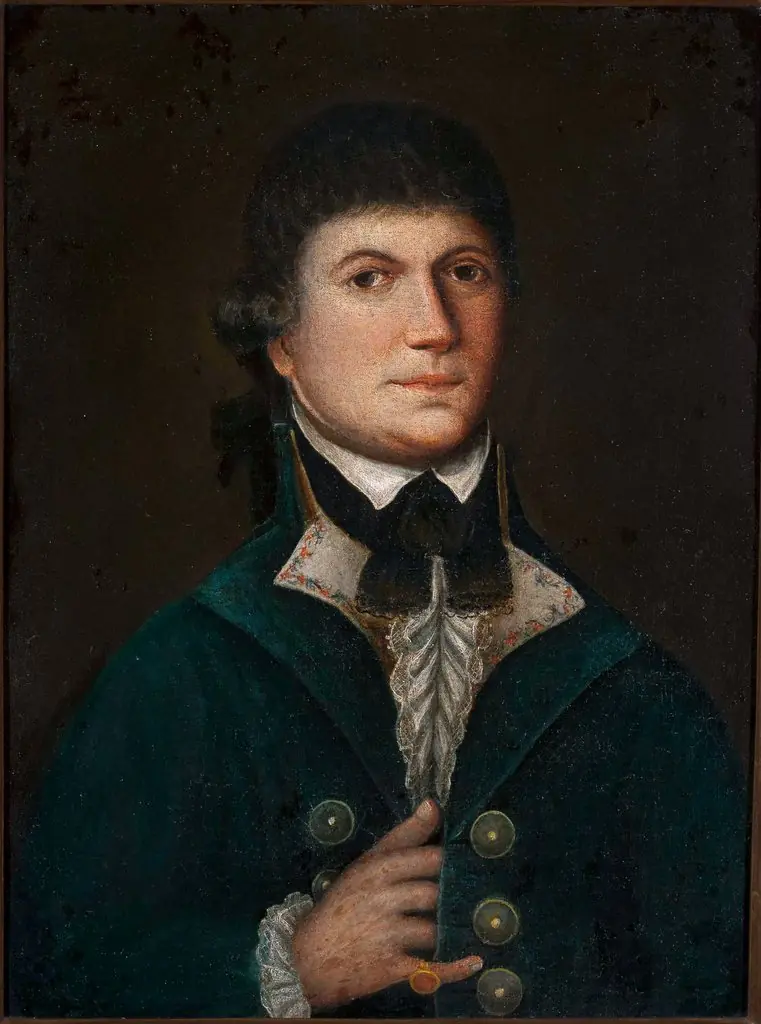 Portrait of Tadeusz Kościuszko
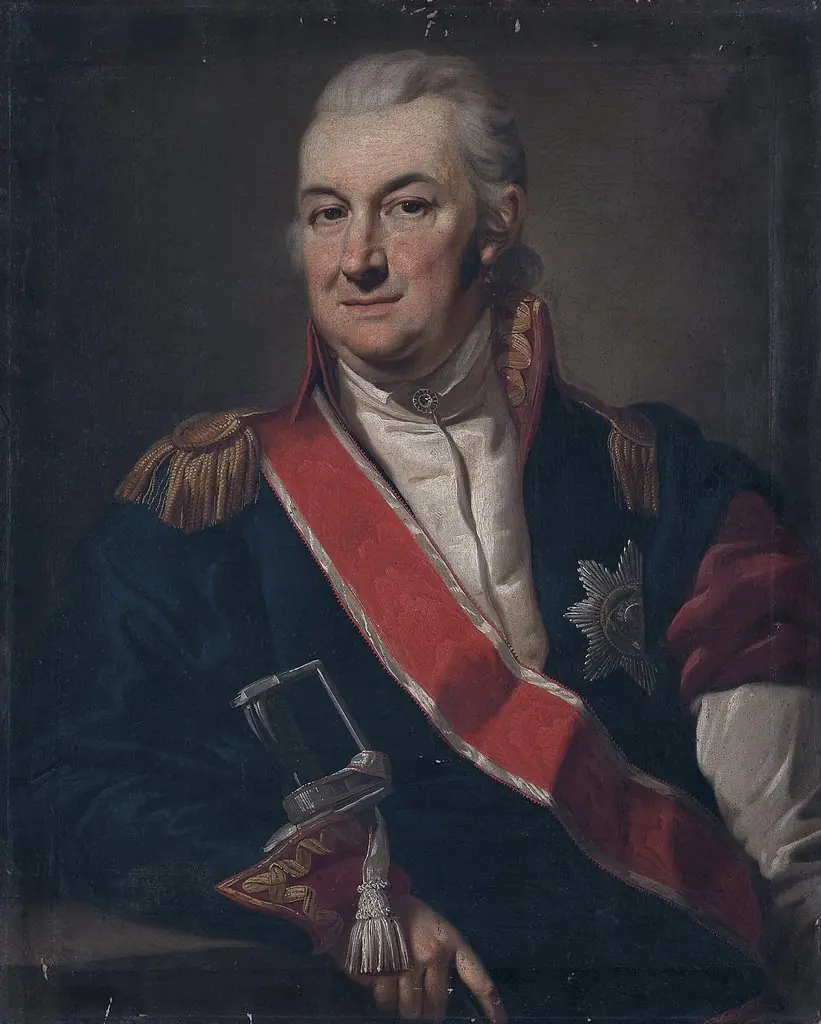 Portrait of general Mikołaj Morawski
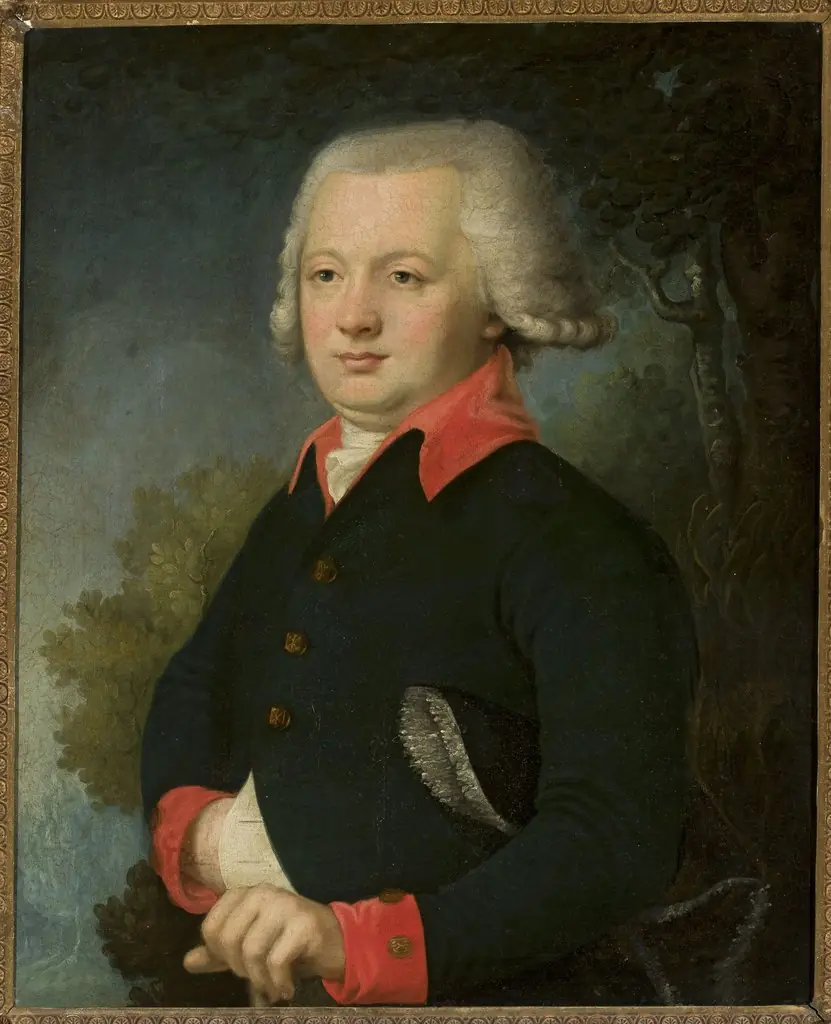 Portrait of a young man
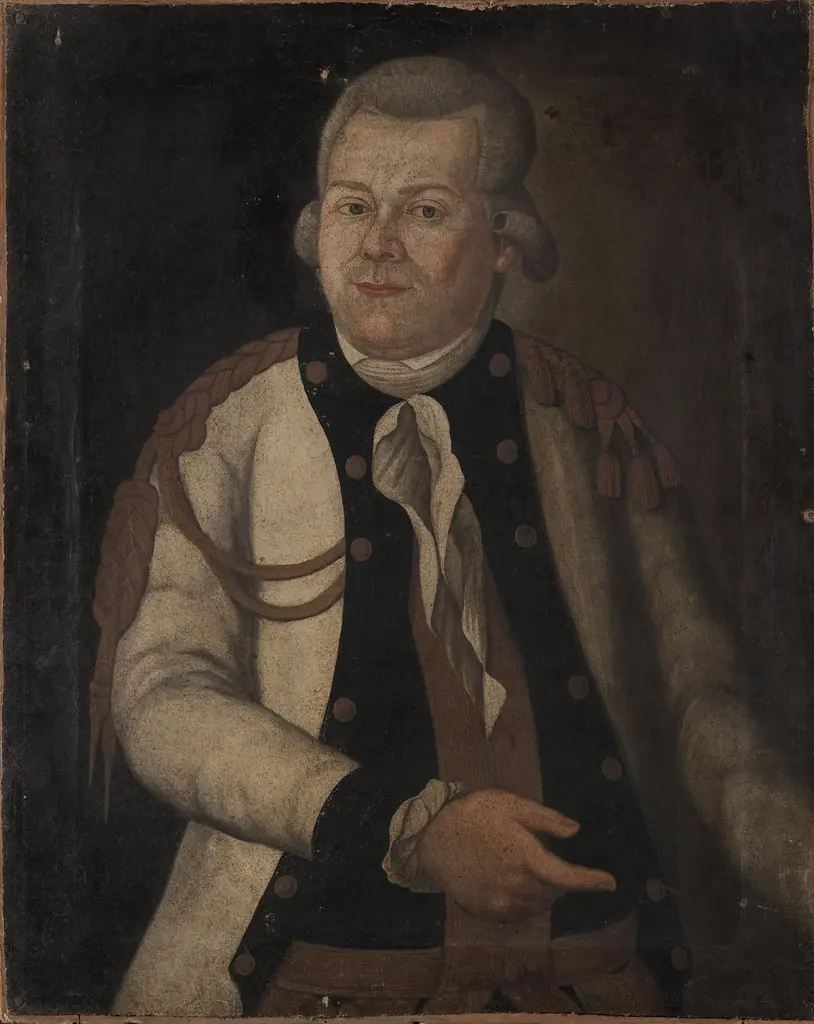 Portrait of Józef Morykoni
 Kauppias Mikael Wacklin
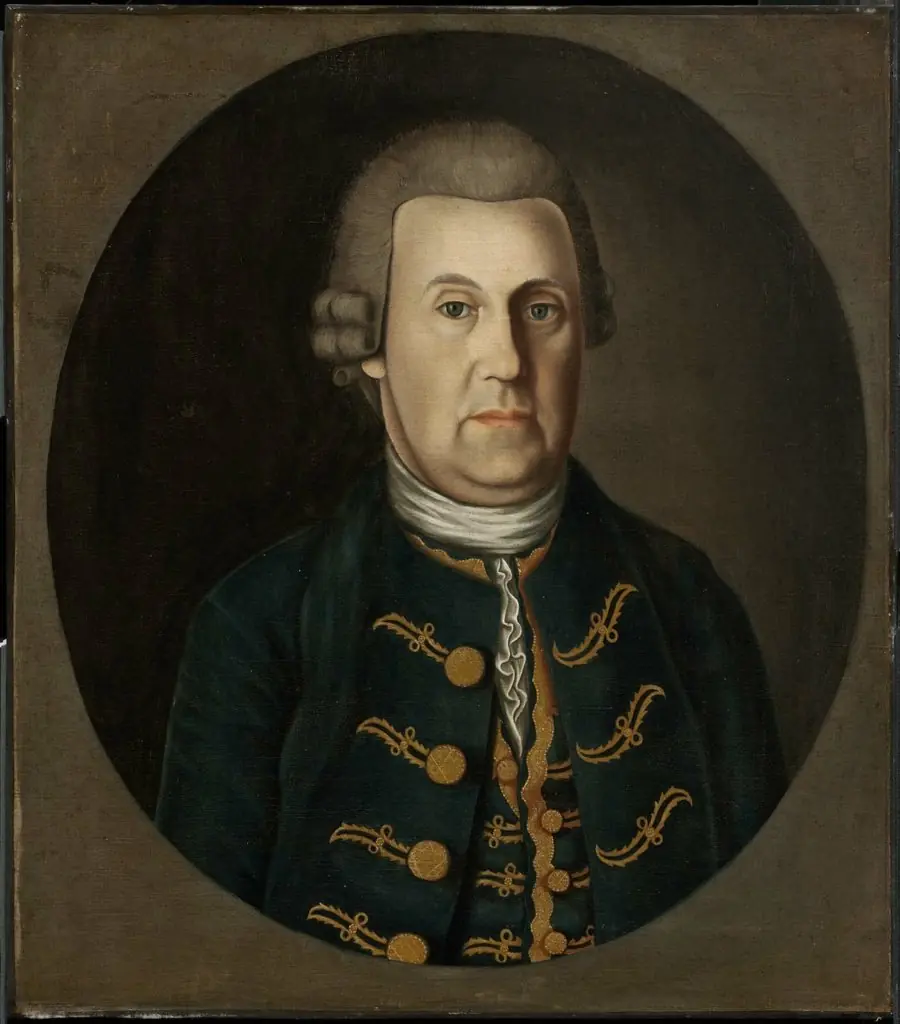 Levi Willard
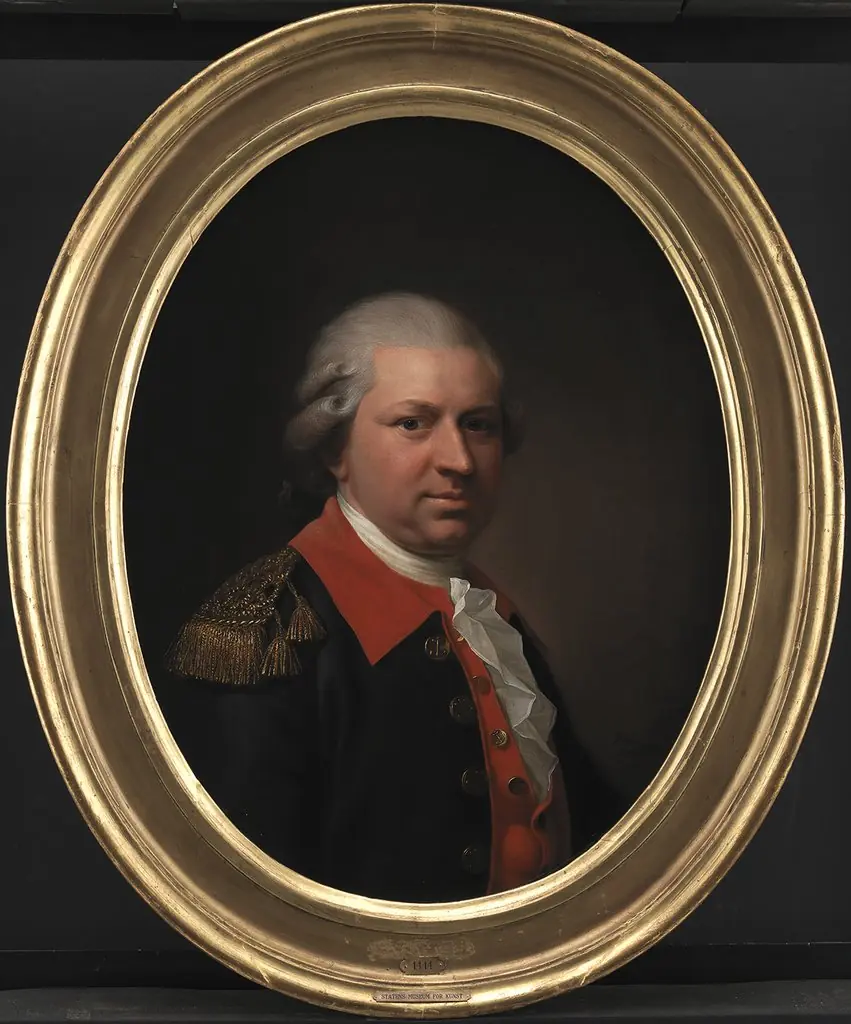 Kommandørkaptajn Henrik Gerner
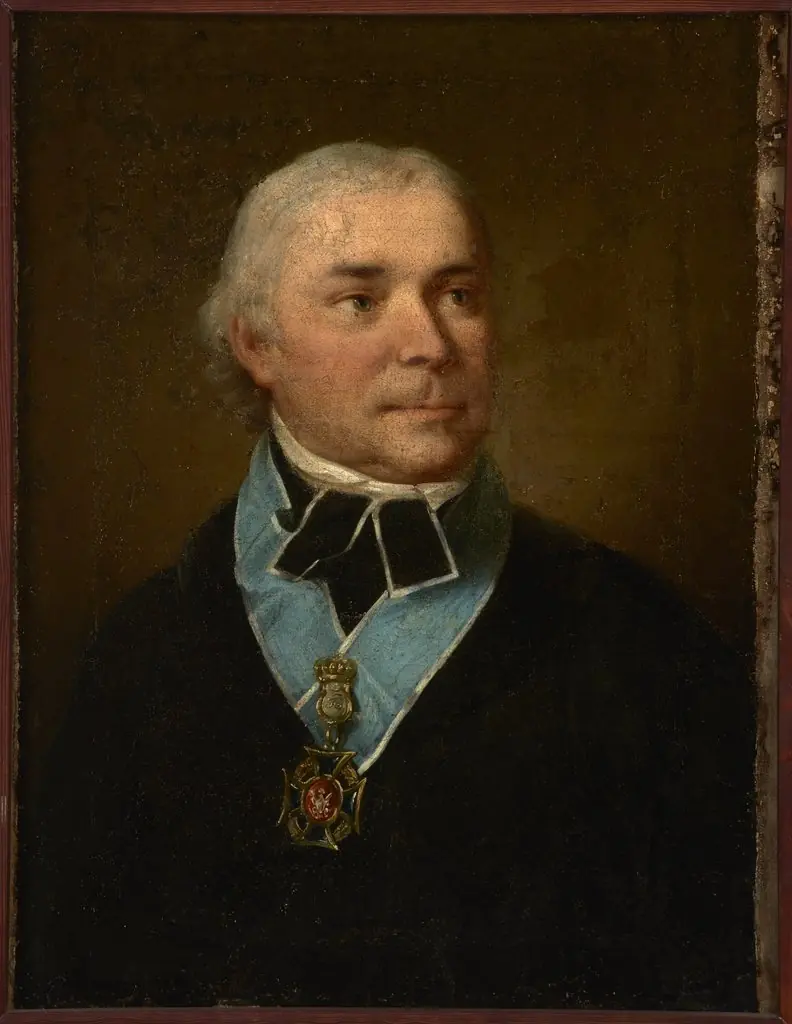 Portret Jana Kantego Wodzickiego (ok. 1740-1821), kanonika krakowskiego i prezydenta Trybunału Koronnego
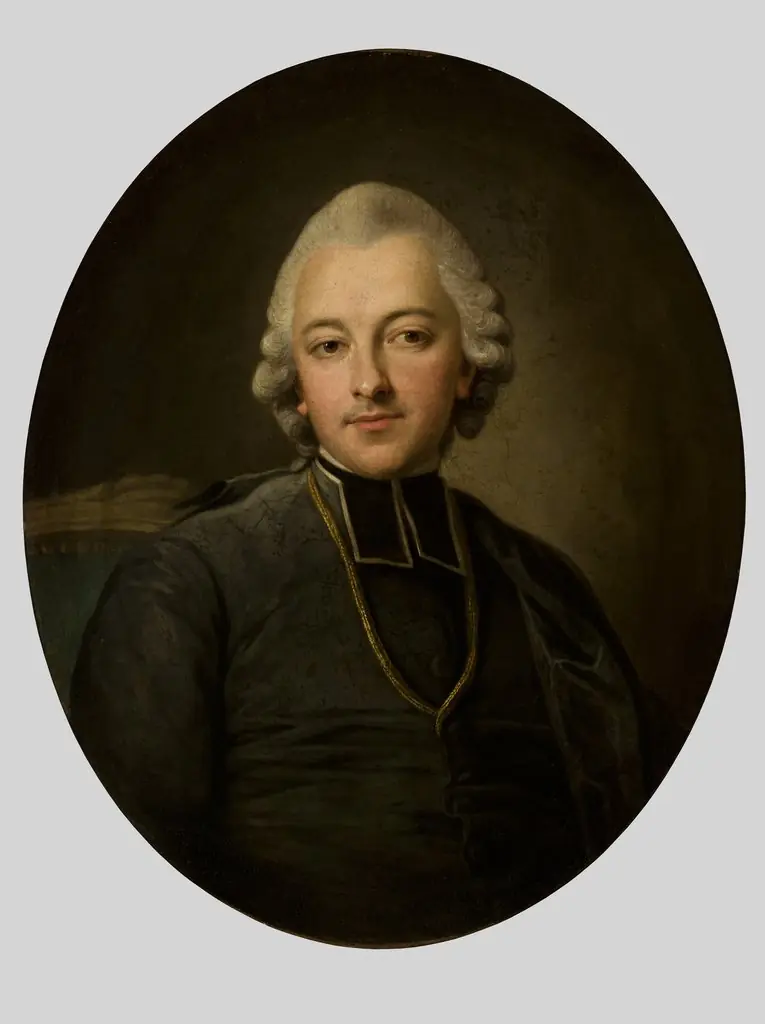 Portrait of Bishop Ignacy Krasicki
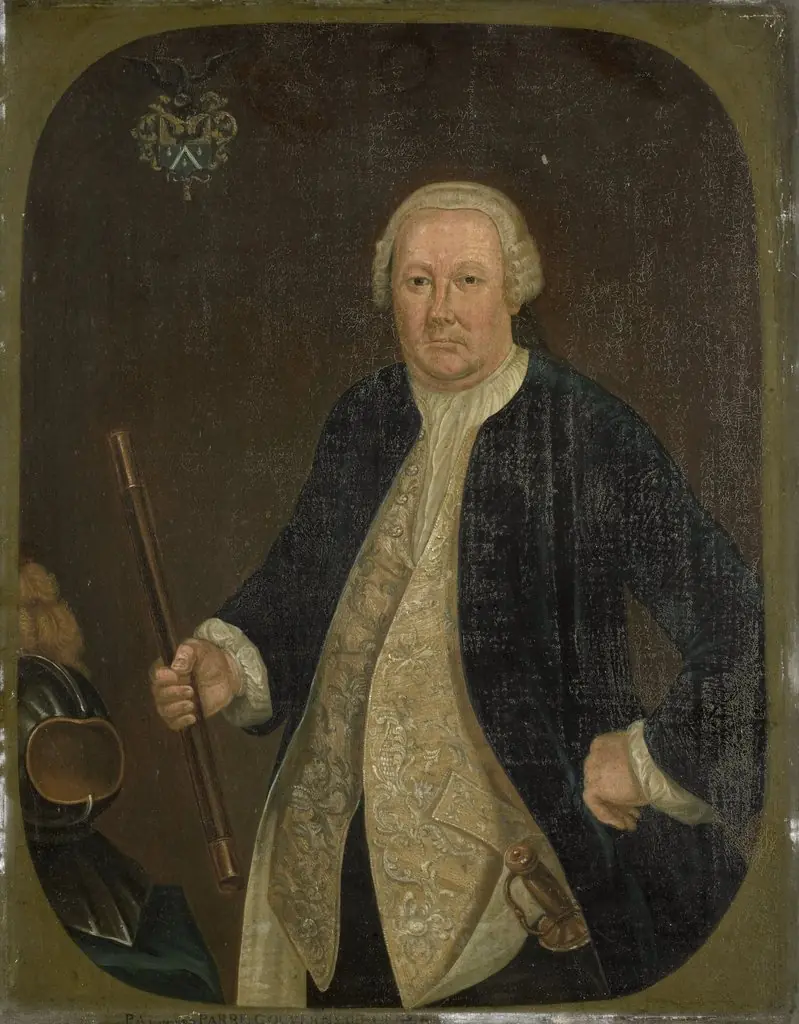 Portrait of Petrus Albertus van der Parra (1714-1775)
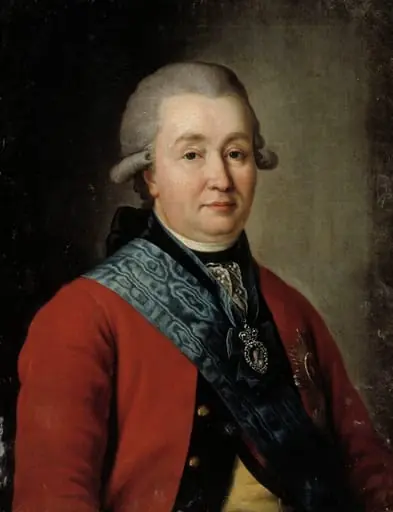 Ruhtinas Grigori Orlov