Artwork
Mary Bygrave (1770–1846), Housekeeper to the Trustees, Aged 74
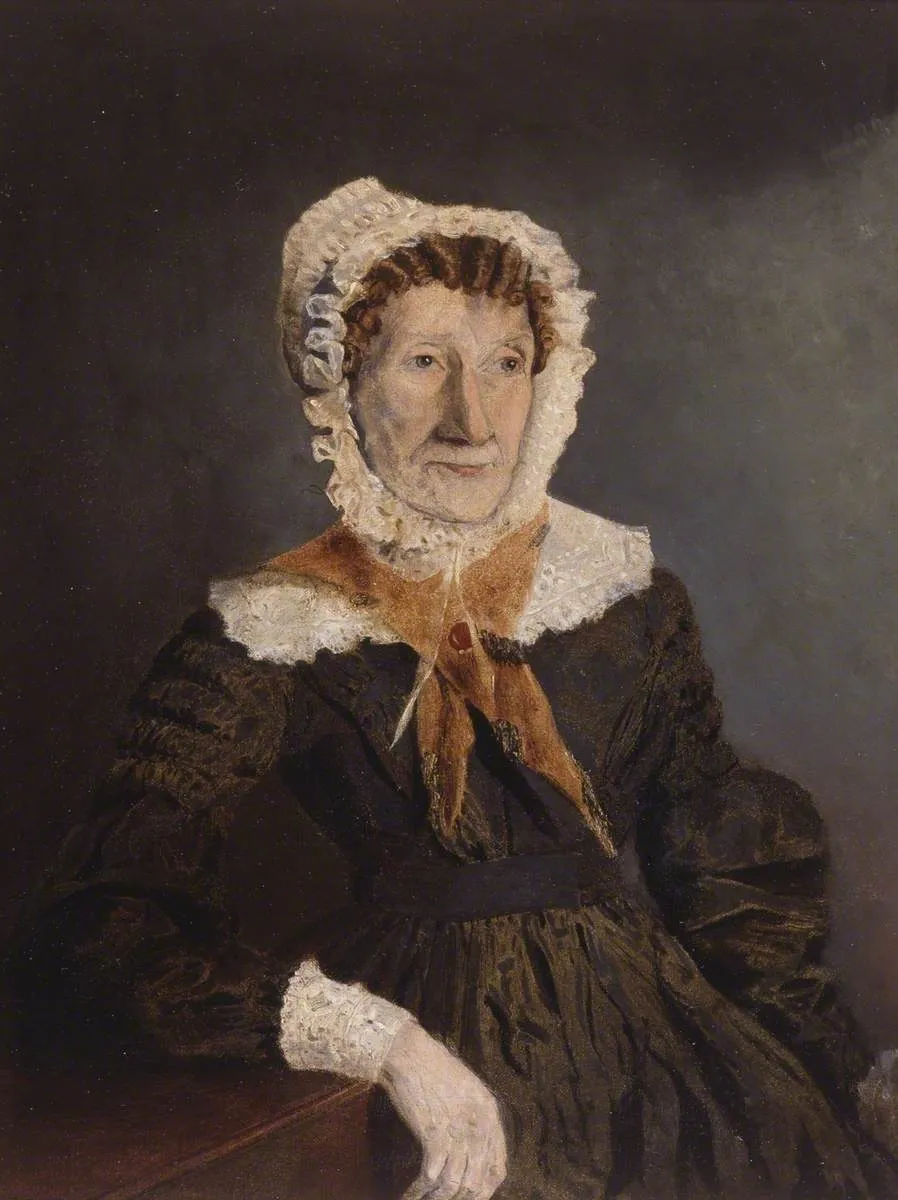
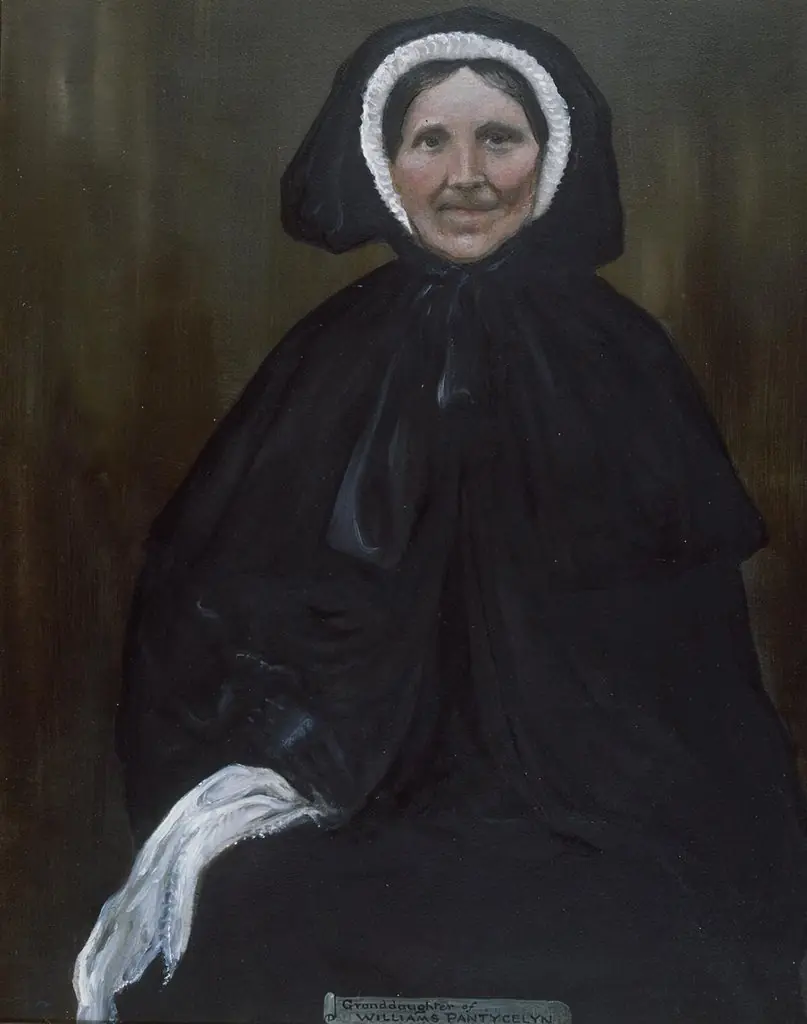
Mary Bygrave (1770–1846), Housekeeper to the Trustees, Aged 74 is an oil painting by Unknown. It dates from 1844 and is held in the collection of the British Museum. The work is an oil portrait of Mary Bygrave, who served as housekeeper to the trustees and was 74 years old at the time of sitting.
About this work
Overview
The work is an oil portrait of Mary Bygrave, who served as housekeeper to the trustees and was 74 years old at the time of sitting. Executed in a realistic manner, the painting presents her seated in a chair against a muted dark‑gray backdrop that emphasizes her features.
Subject & Meaning
Bygrave is depicted in a modest dark dress trimmed with white lace at the collar and cuffs, a white bonnet covering her hair, and a brown scarf around her neck. Her expression is neutral, with a faint smile, while the visible wrinkles and age spots convey a respectful acknowledgment of her age and long service.
Technique & Style
Rendered in oil on canvas, the portrait employs a naturalistic approach to flesh tones and skin texture, allowing the artist to capture the sitter’s facial lines and the subtle play of light on the lace and fabric. The dark, uniform background isolates the figure, directing attention to the detailed rendering of clothing and facial expression.
History & Provenance
The painting records Bygrave’s role as housekeeper to the trustees, suggesting it was likely commissioned by the institution she served. No further ownership details are provided, indicating the work has remained associated with the organization that employed her.
Artist & collection

 Domestic Scene
 Giacomo and Cardinal Marco, investing Andrea, Abbot of San Zeno, with his Benefice
 The Nymph of Fontainebleau
 Portrait of a Woman
 Madonna and Child with Saints in the Enclosed Garden
 Venus and Minerva
 Family Group of Four on Sofa
 Wall painting from Room H of the Villa of P. Fannius Synistor at Boscoreale
 Portrait of Mrs. Ignác Pfeffer
 A Lady in a Lace Cap (possibly Ann Edgar, Lady Raeburn)
 The Artist's Mother (Marie Françoise Oberson, 1769 - 1851)
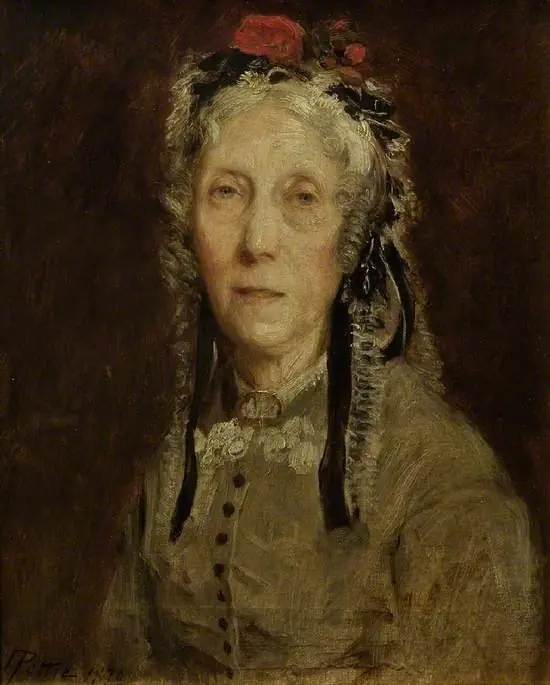 Mrs Bossom, the artist's mother
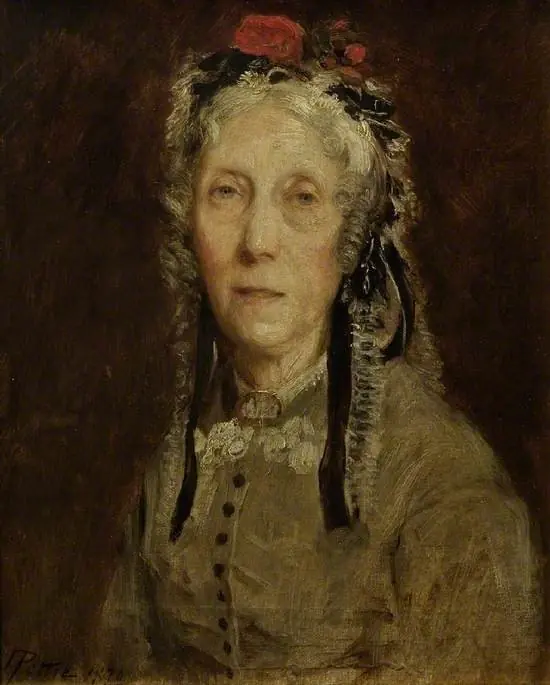 Mrs Bossom, the Artist's Mother-in-law
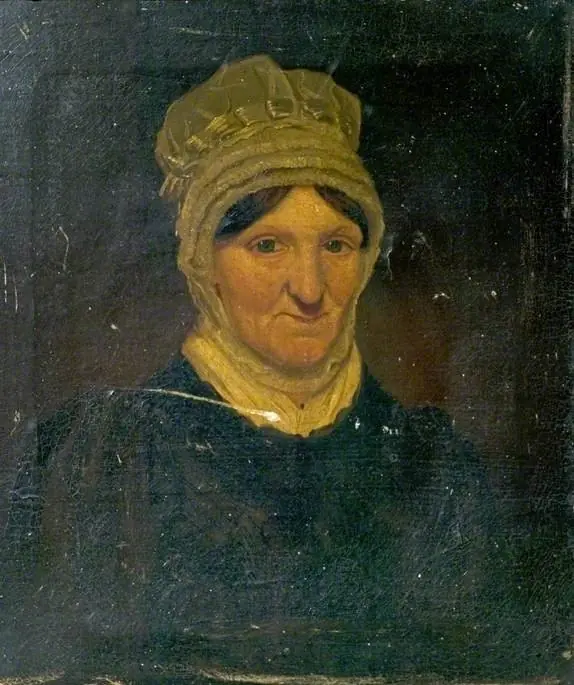 Portrait of a Lady
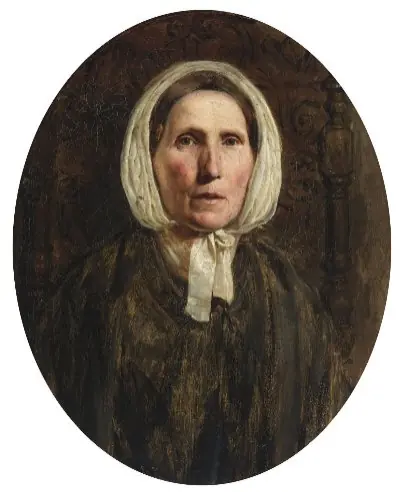 Portrait of The Artist's Mother
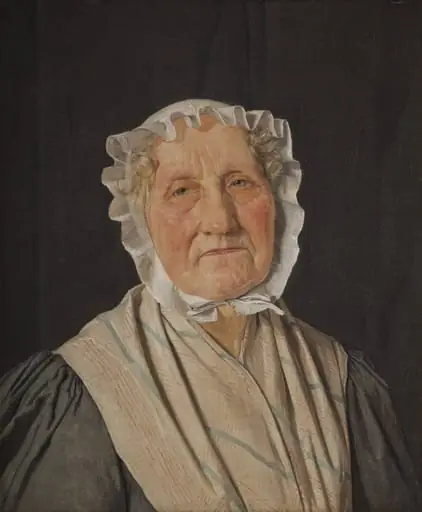 Portrait of Inger Margrethe Høyen, née Schrøder, the Mother of the Art Historian N.L. Høyen
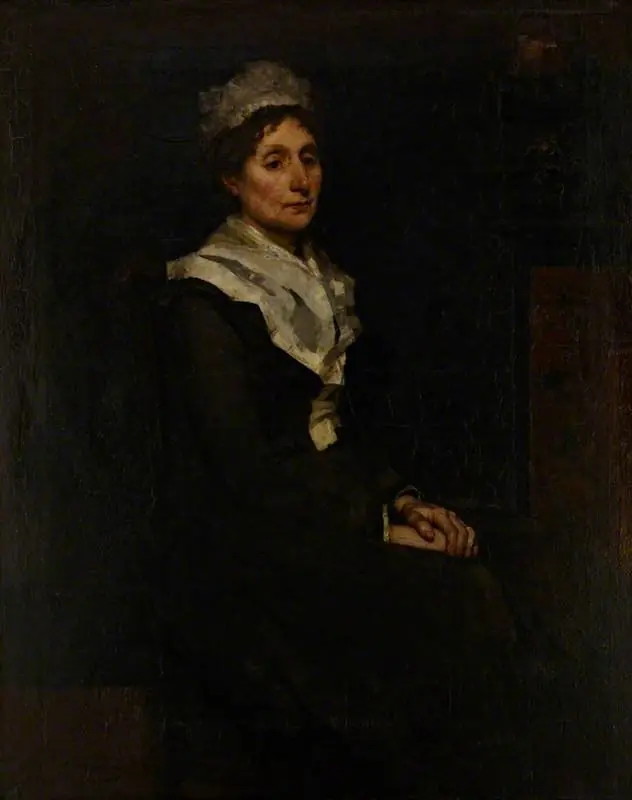 The Artist's Mother (Elizabeth Balfour Nicolson, Mrs Jackson Walton)
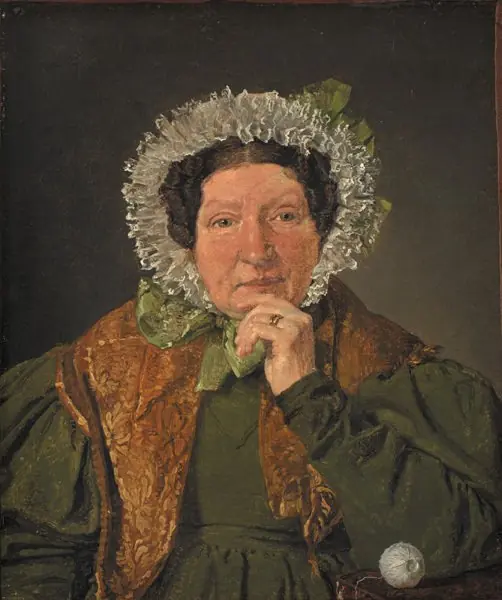 Portrait of the Artist´s Mother, Cecilia Margrethe Købke, née Petersen
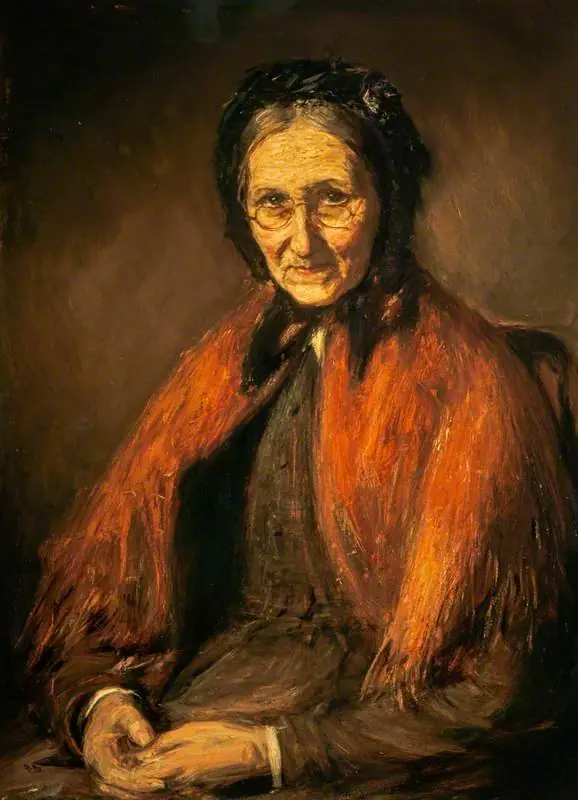 The Artist's Mother (Barbara Brodie or Brolochan, Mrs Dugald McTaggart, died 1884)
 Mary Griffiths of Llandovery