Artwork
Portrait of a Lady
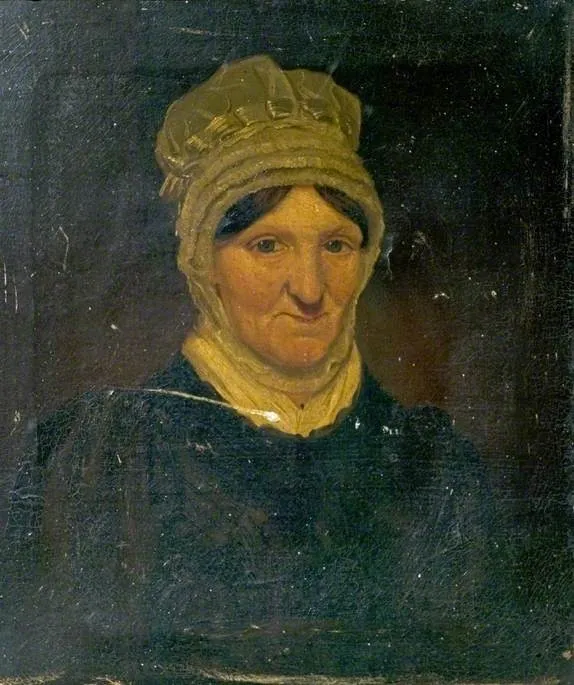
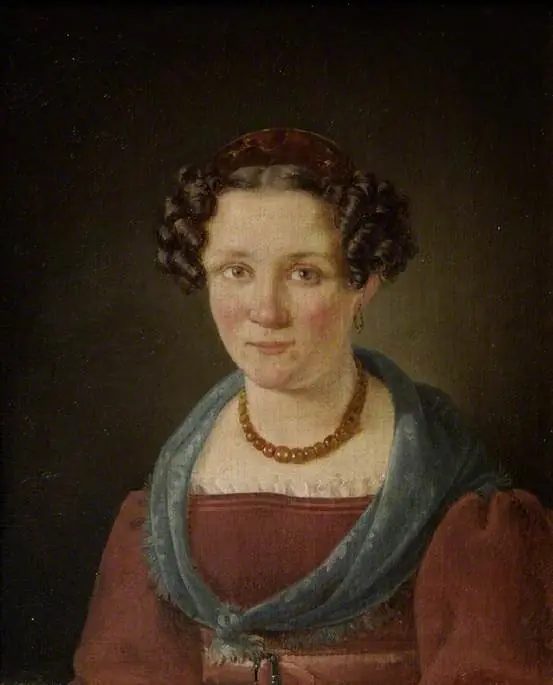
Portrait of a Lady is an oil painting by Unknown. It dates from 1820 and is held in the collection of the Derby Museum and Art Gallery. This oil painting presents a seated woman in quiet composure, rendered with restrained precision.
About this work
Overview
This oil painting presents a seated woman in quiet composure, rendered with restrained precision. Her attire—a dark dress and yellow bonnet—contrasts subtly against a deep, unmodeled background. The composition avoids ornamentation, focusing attention on the sitter’s presence. The lighting is even, illuminating her face and clothing without dramatic shadows, reinforcing a sense of calm dignity.
Subject & Meaning
The absence of props or symbolic elements shifts focus to her individuality, inviting contemplation of her inner life rather than her status or role.
The woman’s direct gaze and neutral expression suggest an intentional stillness, neither inviting nor distant. Her attire, modest yet distinct in color, implies social standing without ostentation. The absence of props or symbolic elements shifts focus to her individuality, inviting contemplation of her inner life rather than her status or role. The portrait feels intimate, as if capturing a moment of private reflection.
Technique & Style
The artist employs fine brushwork to render textures—fabric folds, skin tones, and the weave of the bonnet—with quiet accuracy. The dark background is applied broadly, creating a void that enhances the three-dimensionality of the figure. Color is used sparingly; the yellow of the bonnet stands out not through brilliance but through deliberate contrast. There is no visible brushstroke flourish, favoring clarity over expressive gesture.
History & Provenance
The painting’s origins remain undocumented in public records, with no known commission or exhibition history. It has passed through private collections without significant scholarly attention. Its attribution to a specific artist or region is unconfirmed, though its technique aligns with early 19th-century portraiture in Northern Europe. Its survival suggests it was valued as a personal keepsake rather than a public statement.
Context
Created during a period when portraiture increasingly emphasized individual character over social symbolism, this work reflects a shift toward psychological realism. While formal portraits of the era often included elaborate settings or heraldic elements, this painting’s minimalism aligns with emerging tastes for intimacy and restraint. It mirrors broader cultural movements that valued quiet dignity over public display.
Legacy
Though not widely exhibited or reproduced, the painting contributes to a quieter strand of portraiture that prioritizes presence over narrative. Its endurance in private hands underscores its appeal as a personal, contemplative image. It stands as an example of how simplicity in composition and restraint in expression can convey enduring human presence without grandeur or spectacle.
Artist & collection

 Domestic Scene
 Giacomo and Cardinal Marco, investing Andrea, Abbot of San Zeno, with his Benefice
 The Nymph of Fontainebleau
 Portrait of a Woman
 Madonna and Child with Saints in the Enclosed Garden
 Venus and Minerva
 Family Group of Four on Sofa
 Wall painting from Room H of the Villa of P. Fannius Synistor at Boscoreale
 Mary Bygrave (1770–1846), Housekeeper to the Trustees, Aged 74
 The Artist's Mother (Isabella Newton, Mrs John Yellowlees, 1753 - 1825)
 Katherine Paterson, Mrs John Walkinshaw of Barrowfield and Camlachie (called Lady Barrowfield), (c 1683 - 1780). Mother of Clementina Walkinshaw
 Portrait of The Artist's Mother
 The Artist's Mother (Elizabeth Balfour Nicolson, Mrs Jackson Walton)
 Jane Roberts (Garn Fawr)
 Portrait of Mrs Eustace
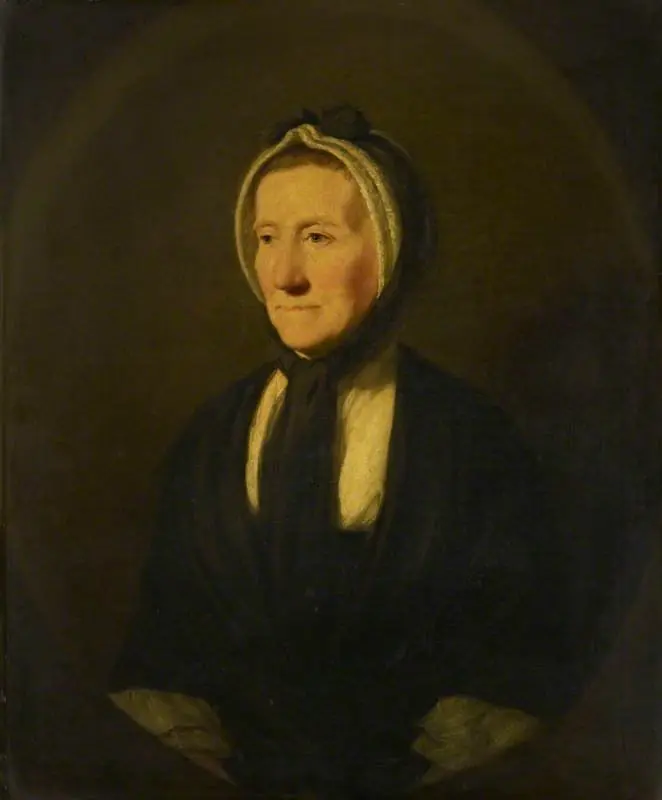 Mrs Smith (born c 1690)
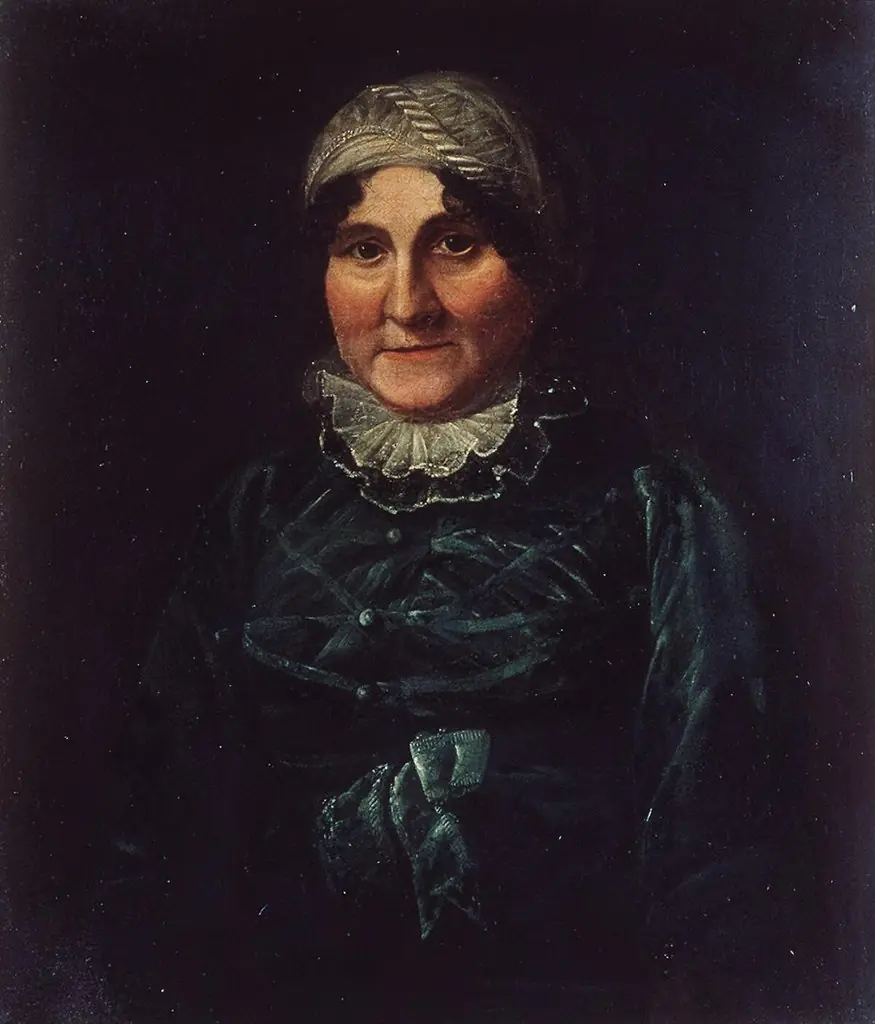 Catherine Roberts, Gwraig Robert Roberts
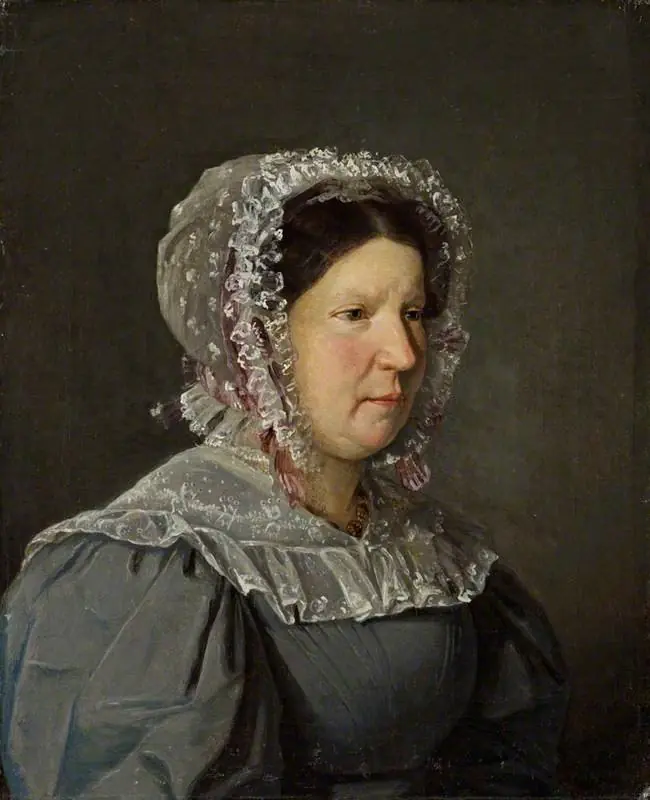 Portrait of Cecilia Margaret Købke, the Artist's Mother
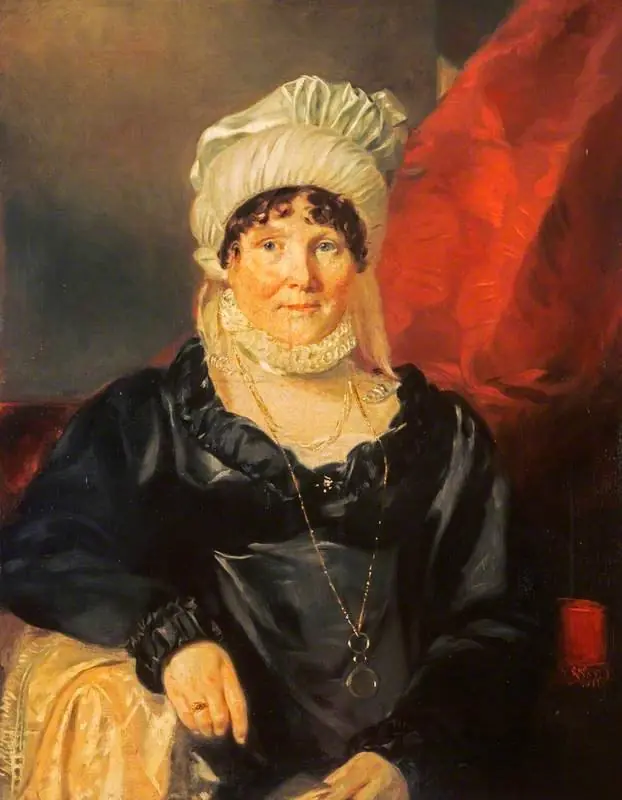 Euphemia Helen Smeton or Smeaton (died 1825) 'Mrs Douglas Dickson'
 Portrait of a Woman