Artwork
Marie Louise , 1688-1765, Princess of Hesse-Kassel, married to John William Friso of Nassau-Dietz and of Orange, with her children Anne Charlotte Amelie and Willem Karel Hendrik Friso
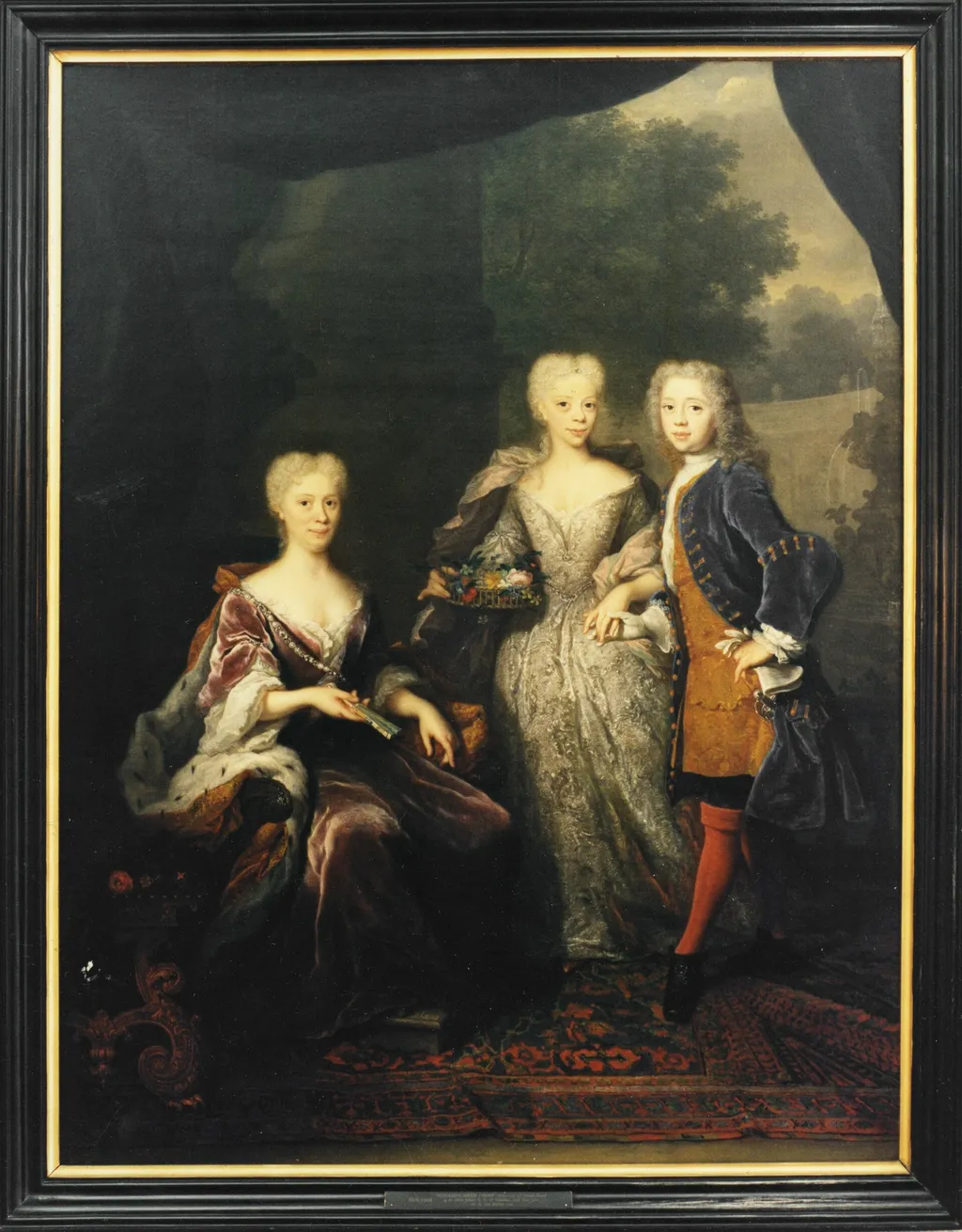
Marie Louise , 1688-1765, Princess of Hesse-Kassel, married to John William Friso of Nassau-Dietz and of Orange, with her children Anne Charlotte Amelie and Willem Karel Hendrik Friso is an oil painting by the Rococo painting artist Unknown. It dates from 1726 and is held in the collection of the Drottningholm Collection.
About this work
Overview
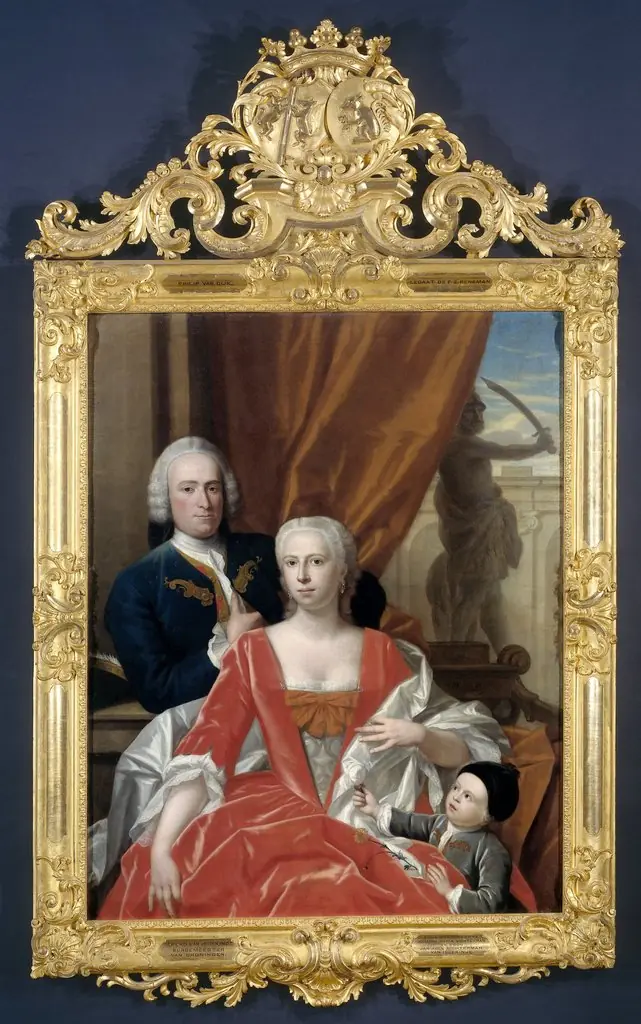
This 18th-century oil painting depicts Marie Louise of Hesse-Kassel, her daughter Anne Charlotte Amelie, and her son Willem Karel Hendrik Friso.
This 18th-century oil painting depicts Marie Louise of Hesse-Kassel, her daughter Anne Charlotte Amelie, and her son Willem Karel Hendrik Friso. Painted around the time of her marriage to John William Friso of Nassau-Dietz, the work captures the family in formal attire against a muted, indistinct background. The composition emphasizes their status through dress and posture, with the central figure standing prominently, holding a small dog and an object possibly a fan or letter.
Subject & Meaning
The painting presents a private family moment framed within public dignity. Marie Louise, as the matriarch, is positioned centrally, her posture and attire signaling authority and refinement. The presence of her children underscores dynastic continuity, while the dog may symbolize loyalty or domestic affection. The inclusion of a fan or document suggests engagement with correspondence or etiquette, reinforcing the social rituals of aristocratic life.
Technique & Style
The artist employs chiaroscuro to model the textures of silk, velvet, and lace, enhancing the tactile richness of the garments. Soft transitions between light and shadow define the folds of the silver dress and the dark red coat, while the background remains deliberately blurred to focus attention on the figures. The lighting is directional, casting subtle highlights that accentuate facial features and the sheen of fabric without dramatic contrast.
History & Provenance
Commissioned during Marie Louise’s marriage to John William Friso, the painting likely originated in the Dutch court circles of the early 1700s. It remained within the Nassau-Dietz family until at least the late 18th century. No documented exhibition or sale history is known prior to its modern institutional acquisition, suggesting it was preserved privately as a dynastic portrait.
Context
In early 18th-century Europe, aristocratic portraiture served both personal and political functions. Portraits of noblewomen often included symbols of lineage, virtue, and refinement. The inclusion of children alongside the mother reflected the importance of succession in hereditary principalities. The subdued landscape and formal poses align with Northern European conventions that favored restraint over theatricality.
Legacy
The painting remains a quiet testament to the visual culture of minor German-Dutch nobility. It reflects the stylistic continuity of court portraiture in the decades following the Baroque era, before the rise of Rococo ornamentation. While not widely exhibited, it contributes to the understanding of how provincial aristocratic families used art to affirm identity and continuity in a fragmented political landscape.
Artist & collection
 Domestic Scene
 Giacomo and Cardinal Marco, investing Andrea, Abbot of San Zeno, with his Benefice
 The Nymph of Fontainebleau
 Portrait of a Woman
 Madonna and Child with Saints in the Enclosed Garden
 Venus and Minerva
 Family Group of Four on Sofa
 Wall painting from Room H of the Villa of P. Fannius Synistor at Boscoreale
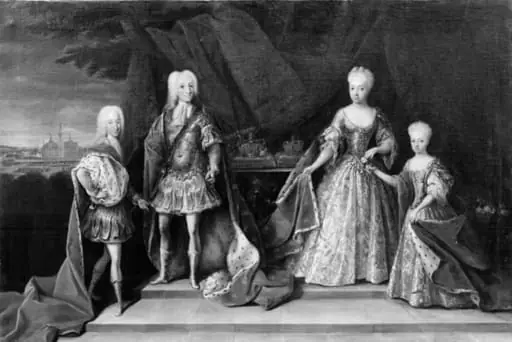 Kong Frederik IV med familie
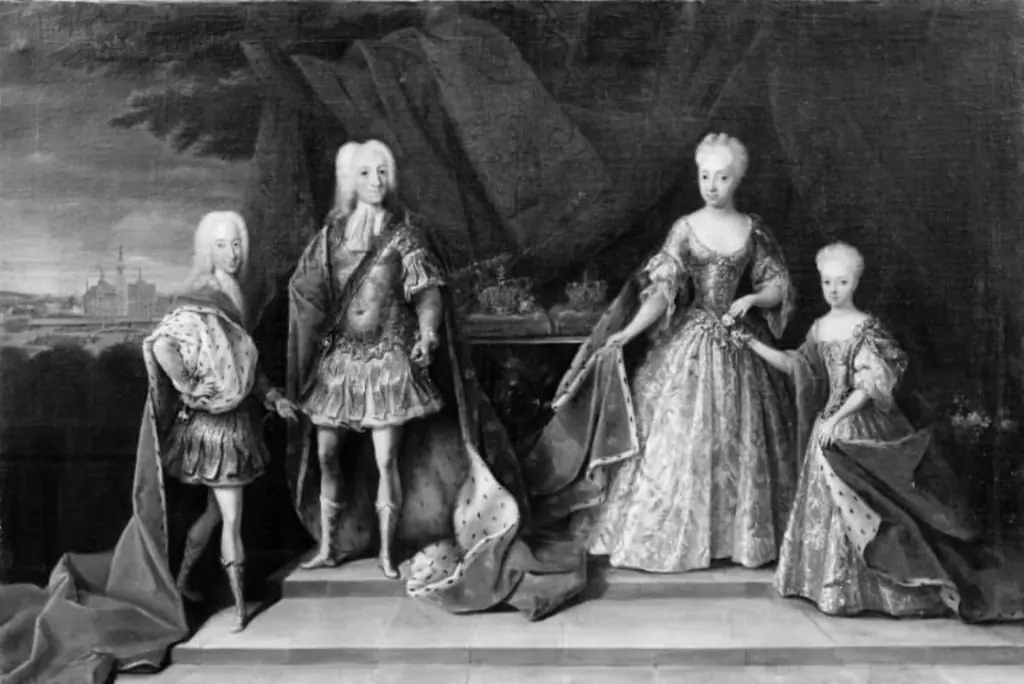 Kong Frederik IV med familie
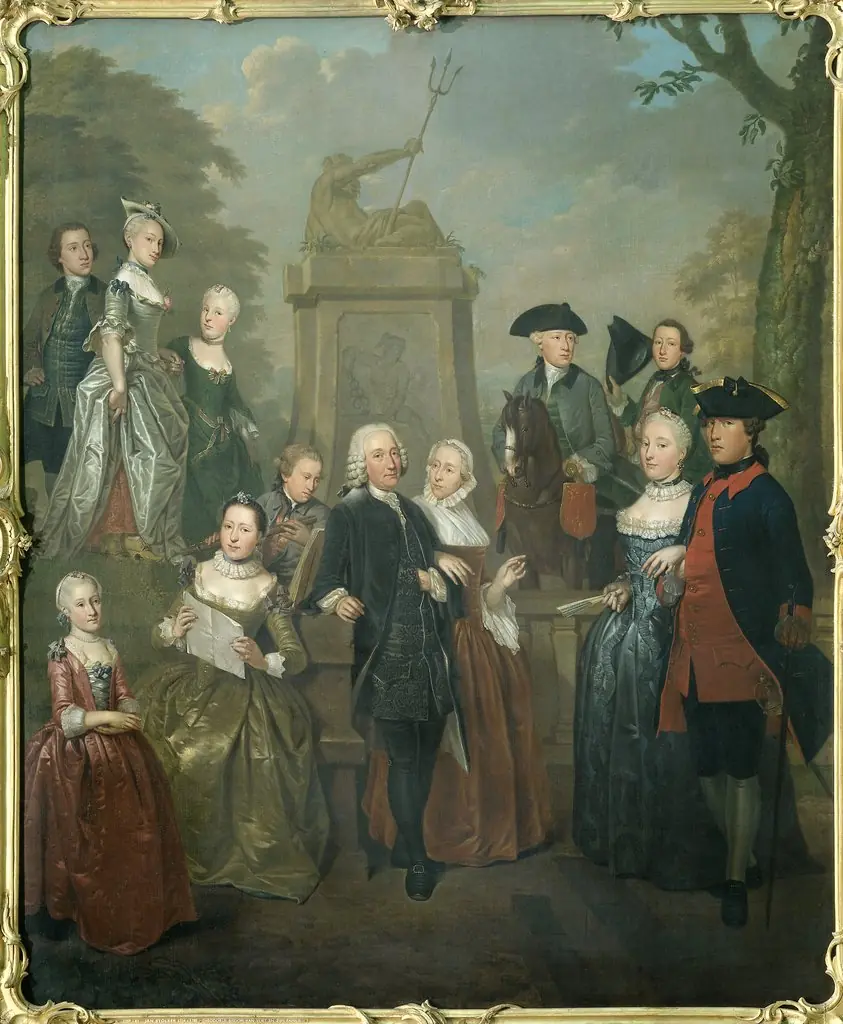 Portrait of Theodorus Bisdom van Vliet and his Family
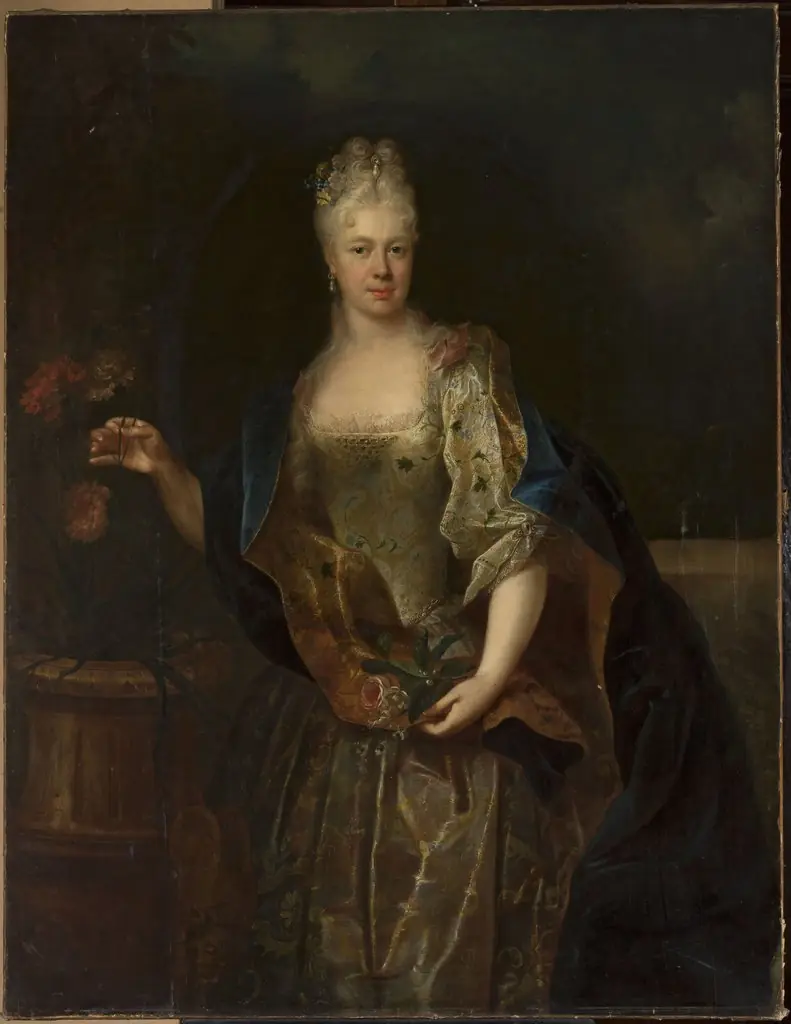 Portrait of Ludwika Amalia Lubomirska (1722–1778)
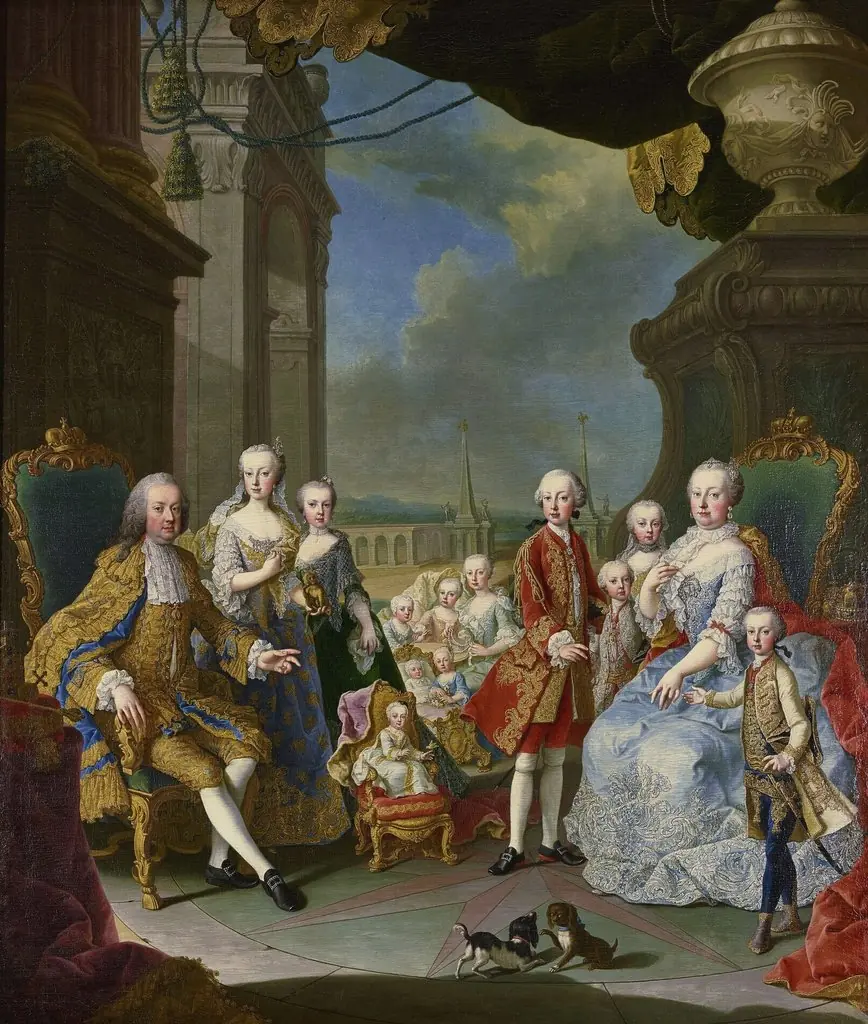 The Imperial family in 1756
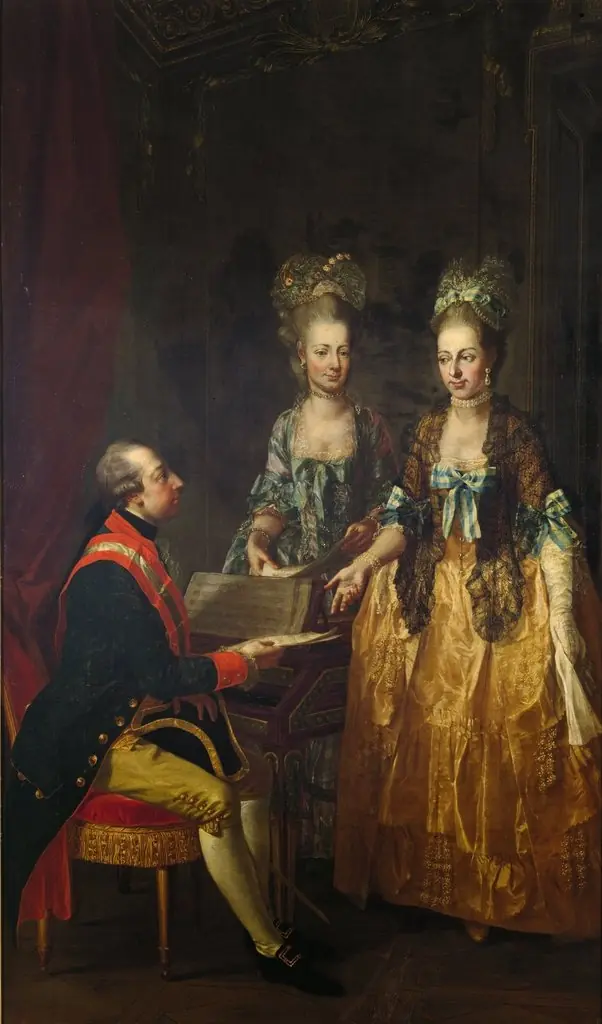 Emperor Joseph II at the spinet, with his sisters Maria Anna and Maria Elisabeth
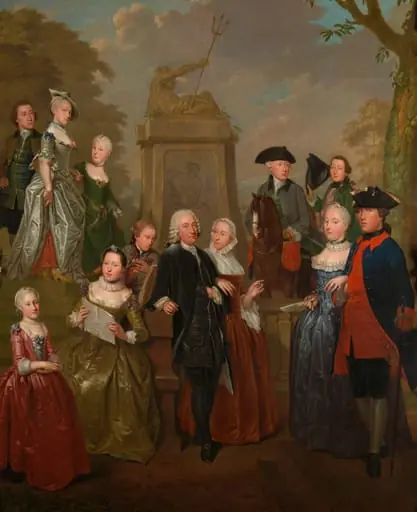 Portrait of Theodorus Bisdom van Vliet and his Family
 Portrait of Maria Luisa of Savoy, Queen of Savoy
 Representation in Schönbrunn by the Archduchesses of Austria of the entertainment Il Parnasso confuso, January 24, 1765
 Kong Christian VI med familie
 Anna Sophie Agnes von Lehwald, born von Buddenbrock (1699-1773)
 Berend van Iddekinge with his Wife and their Son