Artwork
Portrait of an Admiral, probably Willem van Ewijck
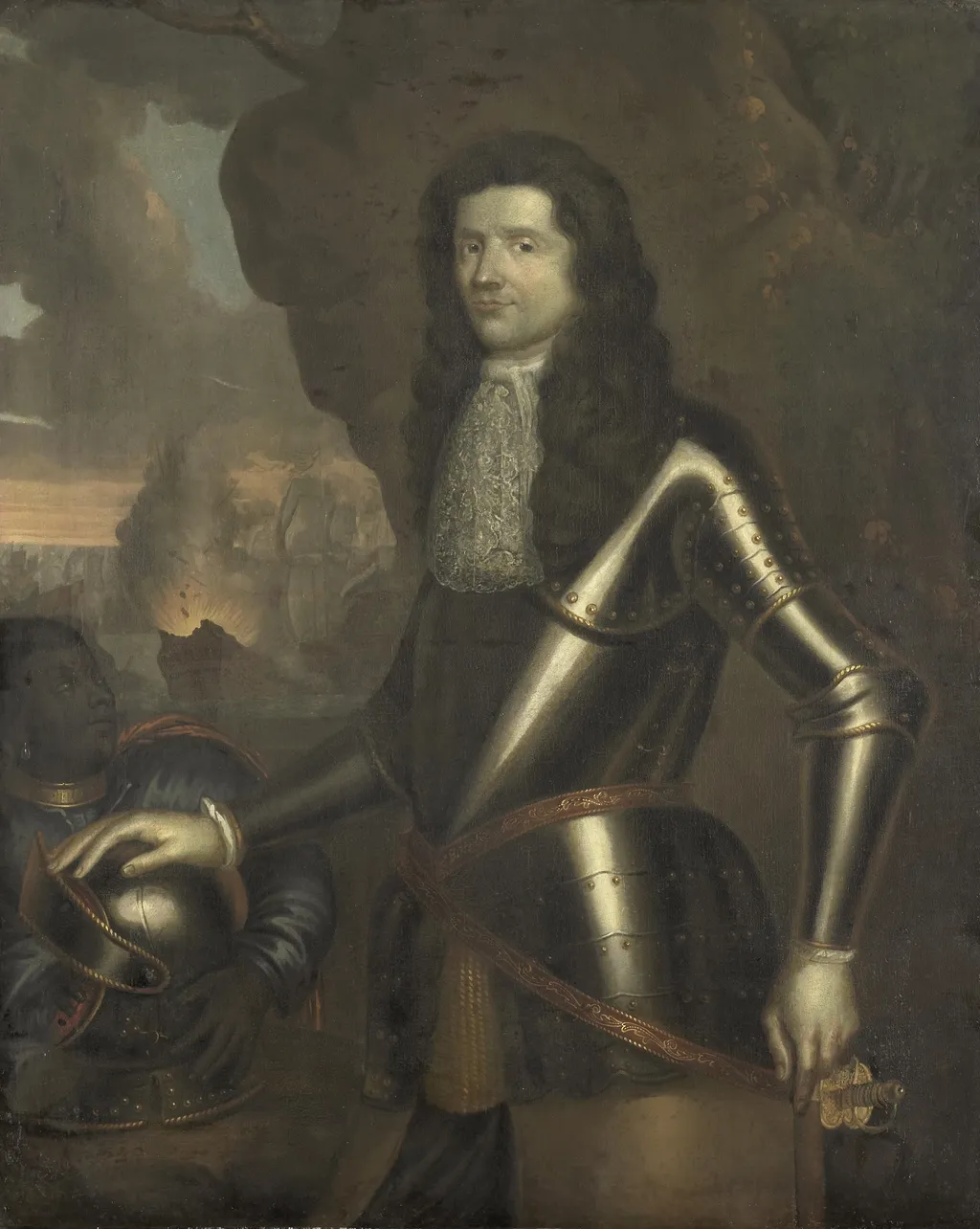
Portrait of an Admiral, probably Willem van Ewijck is an oil painting by the Dutch Golden Age artist Unknown. It dates from 1690 and is held in the collection of the Rijksmuseum.
About this work
Overview
Portrait of an Admiral, probably Willem van Ewijck, is an oil painting depicting a dignified naval officer set against a dramatic, contrasting backdrop.
Subject & Meaning
The subject, likely Willem van Ewijck, is portrayed in attire reflective of his rank: a dark coat over detailed silver armor, a long curly wig, and a lace collar. His pose, with one hand on his hip and the other gripping a sword hilt while holding a folded paper, conveys confidence and authority.
Technique & Style
The painting employs chiaroscuro, a strong contrast between light and dark, to create depth and emphasize the subject's face and hands. The dark, rocky background with a subtle, hidden cityscape further enhances the dramatic effect.
History & Provenance
Limited information is provided on the painting's history and provenance. The subject's identity is speculative, suggested as Willem van Ewijck.
Context
The use of chiaroscuro and the depiction of a military figure in formal, symbolic attire place the painting within the broader context of 17th-century European portraiture, particularly Dutch Golden Age art, which often emphasized realism and the status of its subjects.
Legacy
The painting's legacy is not extensively detailed here, but its style and technique align with the enduring influence of Dutch Golden Age painting on Western art, emphasizing lighting, detail, and the portrayal of profession and status.
Artist & collection

 Domestic Scene
 Giacomo and Cardinal Marco, investing Andrea, Abbot of San Zeno, with his Benefice
 The Nymph of Fontainebleau
 Portrait of a Woman
 Madonna and Child with Saints in the Enclosed Garden
 Venus and Minerva
 Family Group of Four on Sofa
 Wall painting from Room H of the Villa of P. Fannius Synistor at Boscoreale
 Portrait of an officer
 Portrait of an Officer
 Cornelis van Aerssen (1600-62), lord of Sommelsdijk. Colonel of cavalry
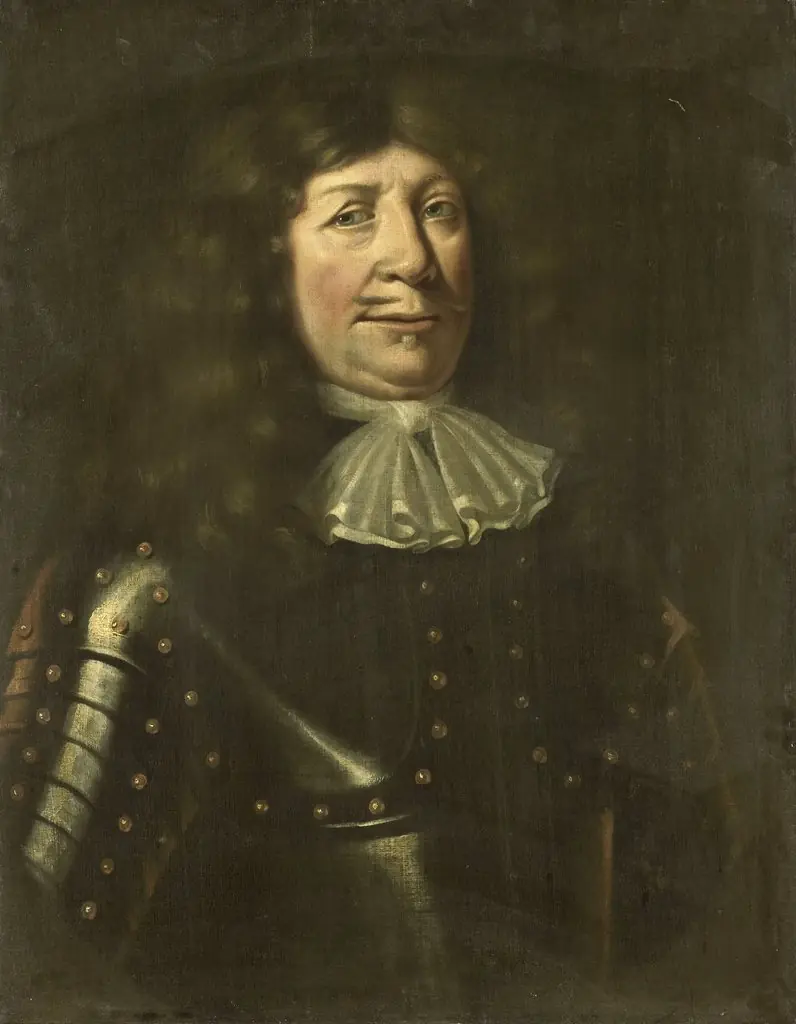 Portrait of Carel Rabenhaupt, Lieutenant-General
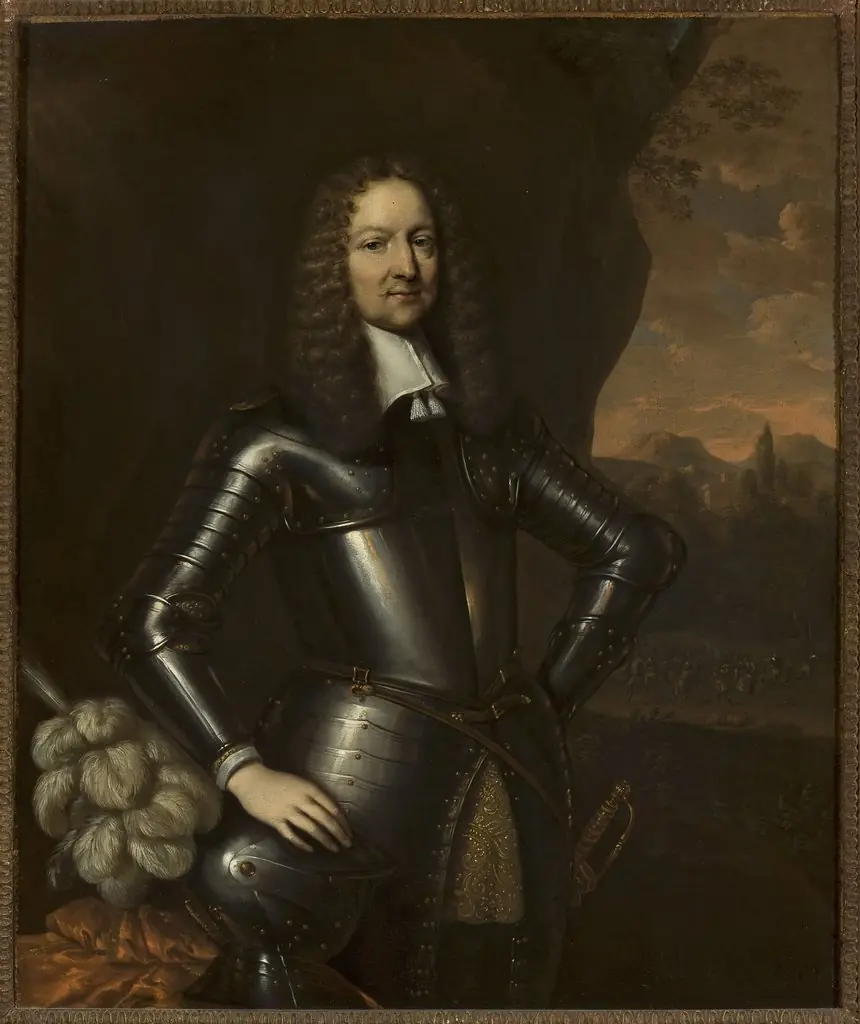 Portrait of Kronprinz Wilhelm Heinrich zu Brandenburg
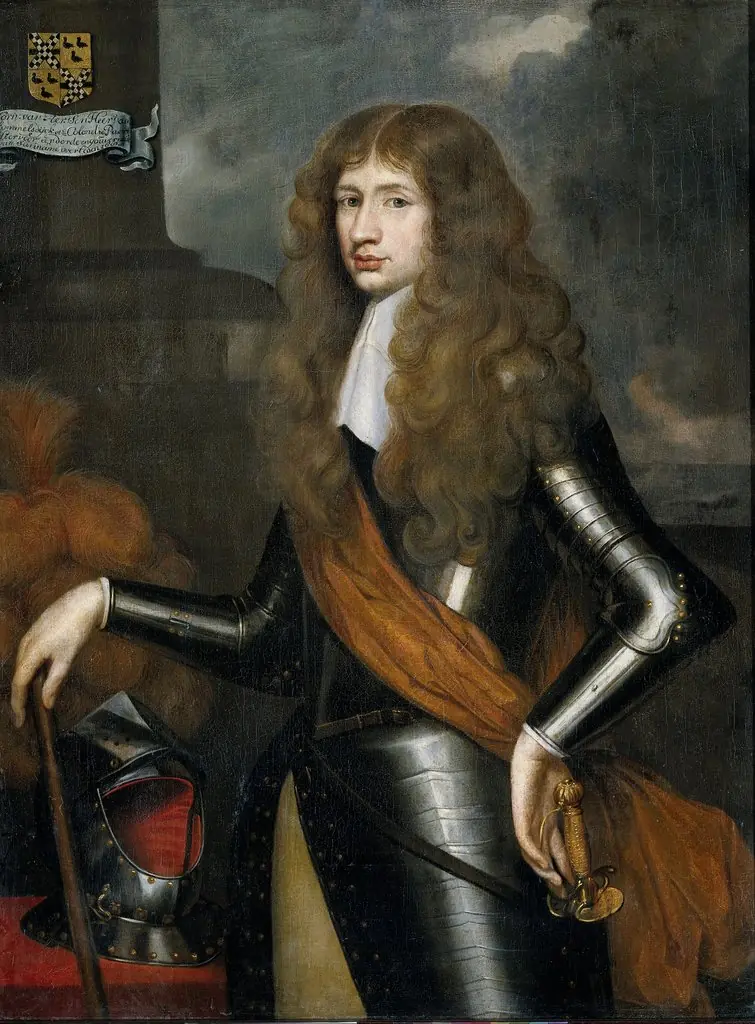 Cornelis van Aerssen van Sommelsdijck, governor of Surinam
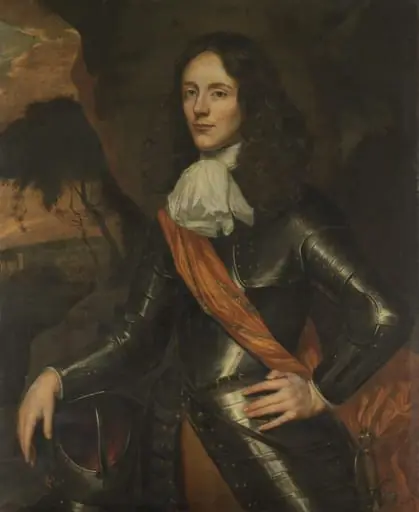 Portrait of James, 4th Lord Cranstoun (in or after 1643-85/88)
 Portrait of Tomaso di Savoia-Carignano
 A military officer
 Portrait of Willem III (1650-1702), Prince of Orange and since 1689, King of England