Artwork
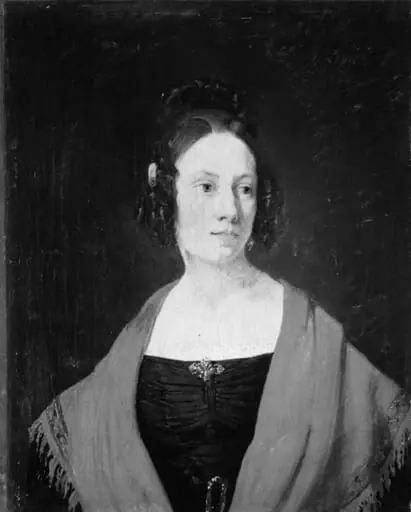
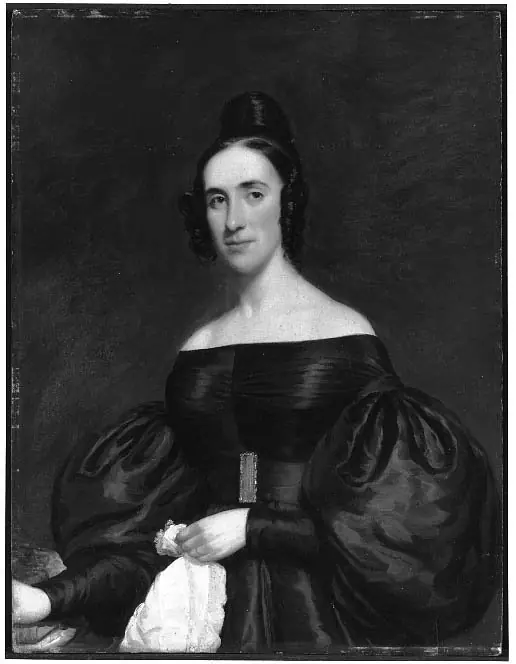
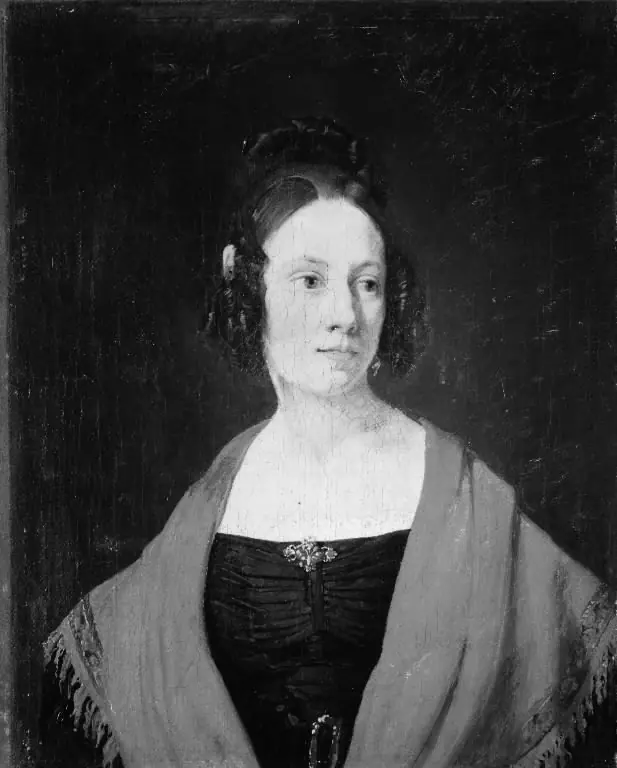
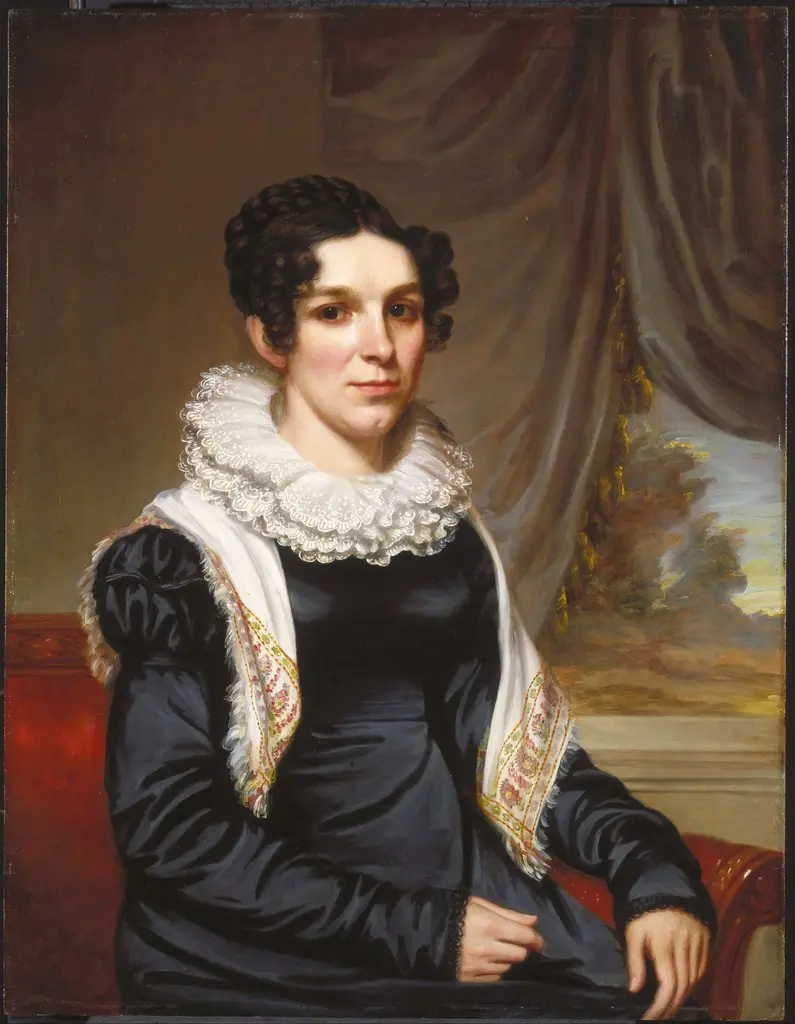
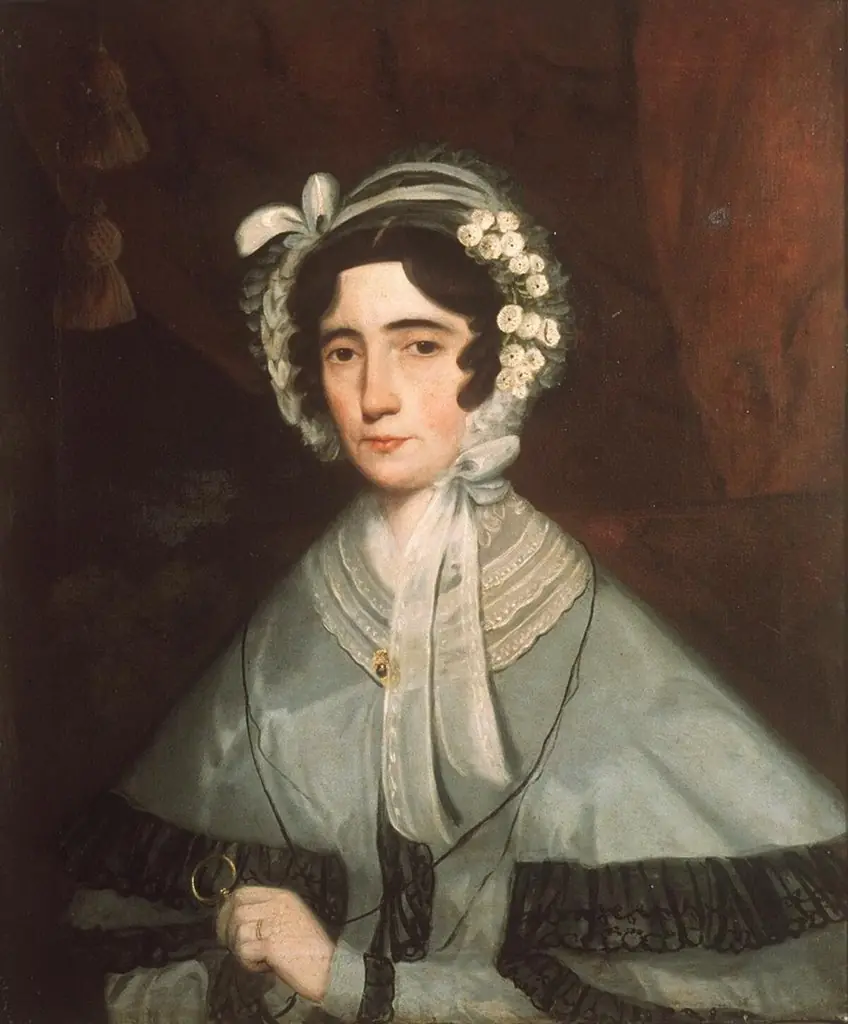
Mrs William Roberts, Wife of 'Nefydd'
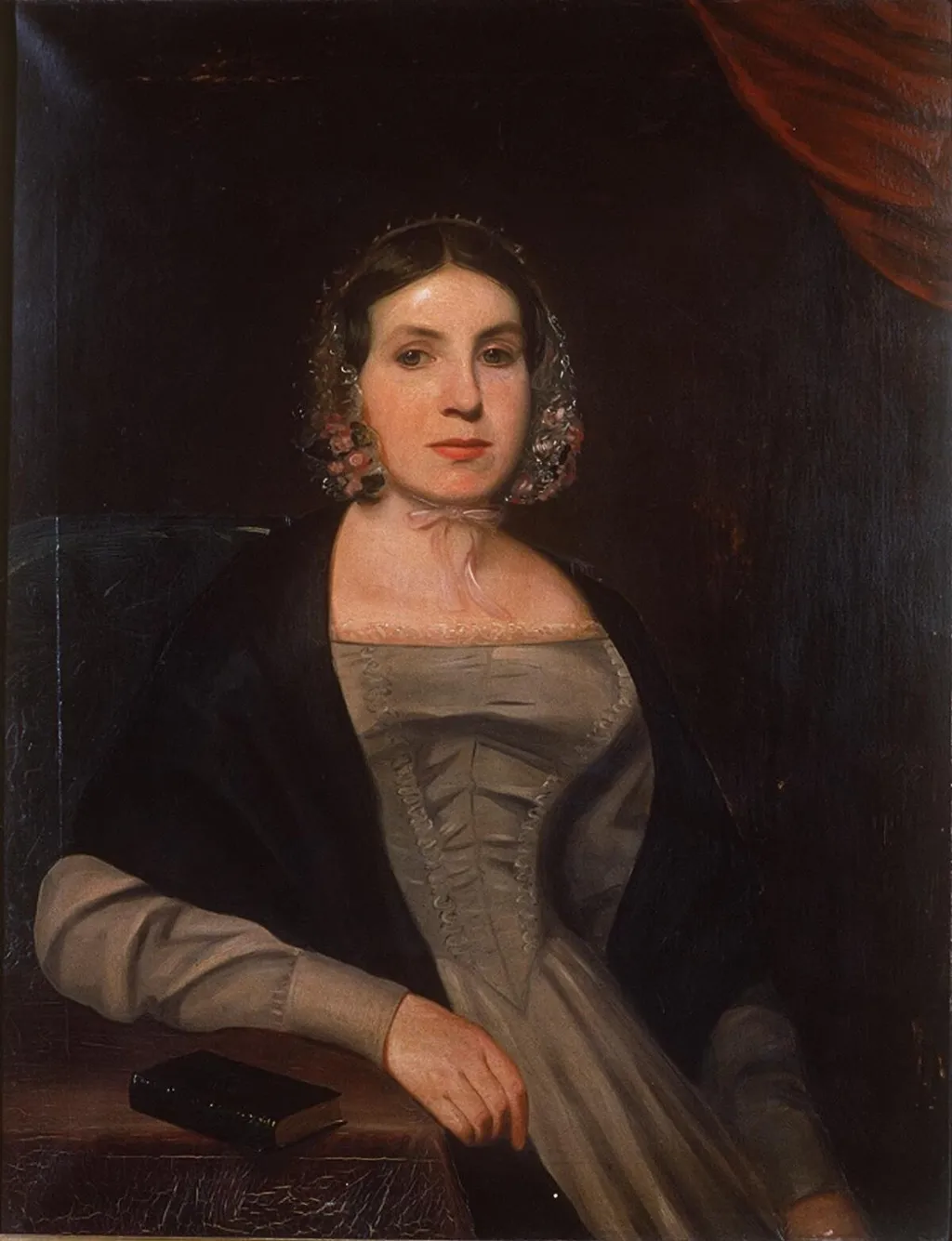
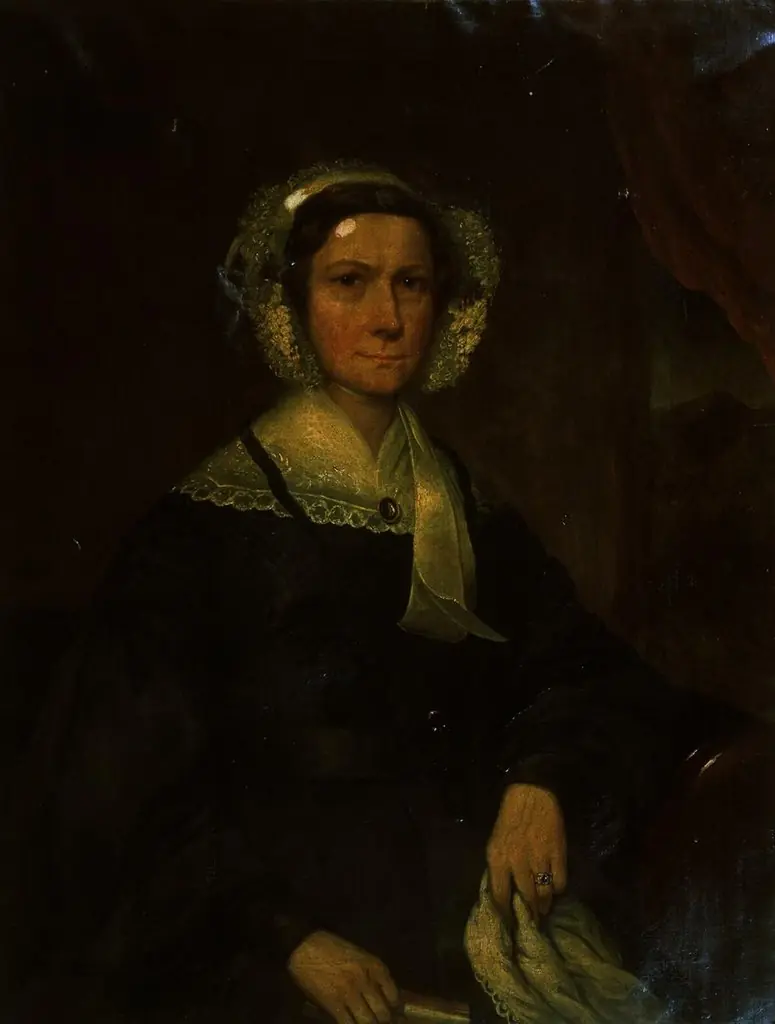
Mrs William Roberts, Wife of 'Nefydd' is an oil painting by the British Romanticist artist Unknown. It dates from 1870 and is held in the collection of the National Library of Wales. The work is an oil painting portraying a seated woman positioned at a desk, with an open book placed before her.
About this work
Overview
The work is an oil painting portraying a seated woman positioned at a desk, with an open book placed before her. She wears a dark, long‑sleeved dress featuring a lighter bodice, and her hair is gathered back in a formal style. The composition is set against a muted, dark backdrop that includes a subtle suggestion of red fabric in the upper right corner, lending a restrained, somber atmosphere.
Subject & Meaning
The inclusion of the desk and book underscores themes of education and the cultivated role of women within the private sphere of the period.
The figure is identified as Mrs William Roberts, the spouse of a man named Nefydd. Her pose—engaged with a book—suggests literacy and domestic authority, while the serious expression and formal attire reflect the conventions of a respectable Victorian household. The inclusion of the desk and book underscores themes of education and the cultivated role of women within the private sphere of the period.
Technique & Style
Executed in oil on canvas, the painting employs a limited palette dominated by deep tones, allowing the lighter bodice and facial features to emerge with subtle contrast. Soft modeling of the flesh and careful rendering of fabric folds convey a realistic yet restrained aesthetic typical of mid‑19th‑century portraiture. The dark background isolates the sitter, focusing attention on her demeanor and attire.
Context
The portrait aligns with Victorian portrait conventions that emphasized modesty, propriety, and the moral virtues of the middle class. The formal dress, restrained color scheme, and inclusion of scholarly objects such as a book reflect contemporary ideals of female respectability and intellectual cultivation within the home.
Legacy
While the painting does not appear in major public collections, it serves as a representative example of domestic portraiture from the era, illustrating how personal identity and social status were communicated through visual cues. Its preservation offers insight into the visual culture surrounding women’s roles in Victorian society.
Artist & collection

 Domestic Scene
 Giacomo and Cardinal Marco, investing Andrea, Abbot of San Zeno, with his Benefice
 The Nymph of Fontainebleau
 Portrait of a Woman
 Madonna and Child with Saints in the Enclosed Garden
 Venus and Minerva
 Family Group of Four on Sofa
 Wall painting from Room H of the Villa of P. Fannius Synistor at Boscoreale