Artwork
Allegory of Man
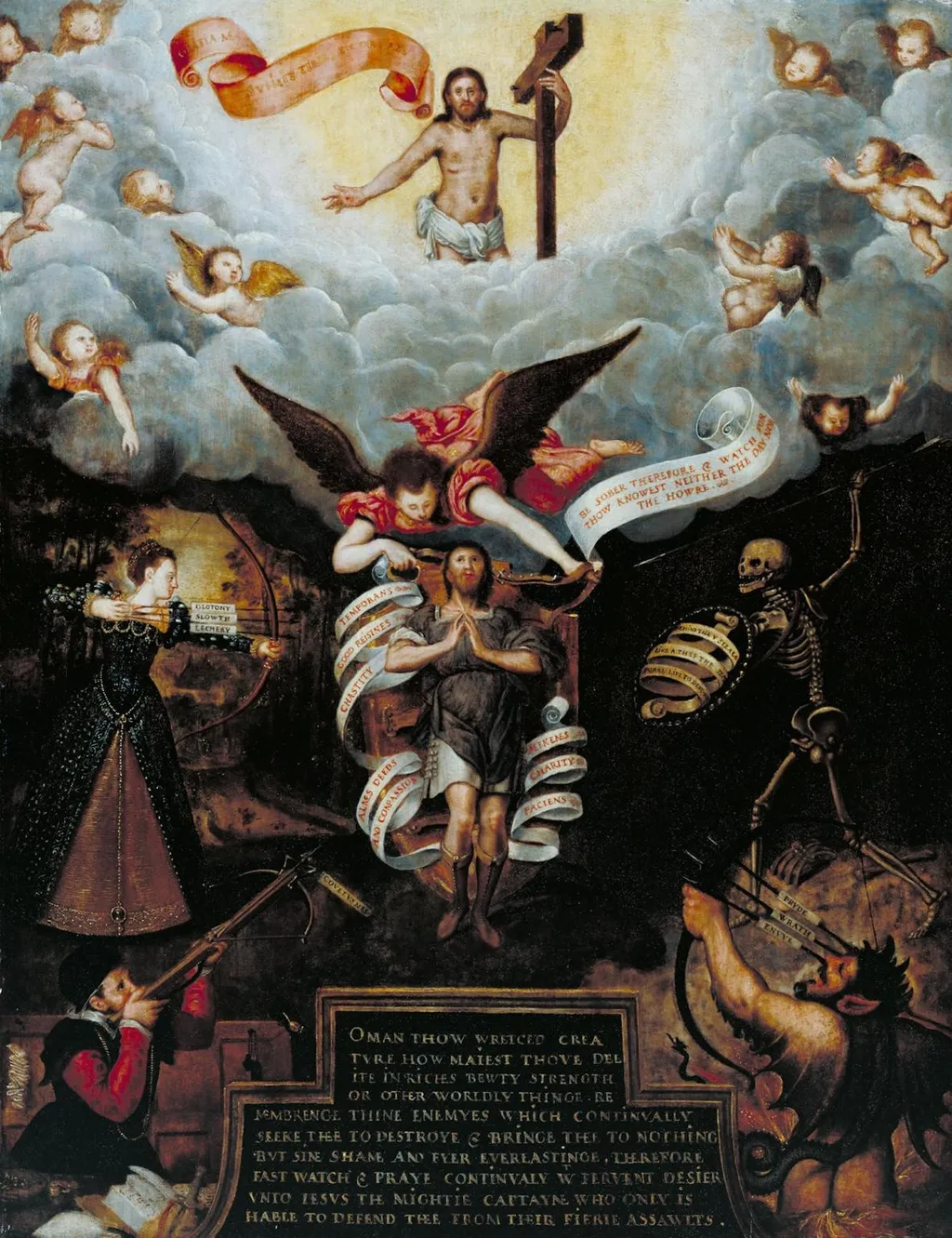
Allegory of Man is an oil painting by the Mannerist artist Unknown. It dates from 1598 and is held in the collection of the Tate Britain.
About this work
Overview
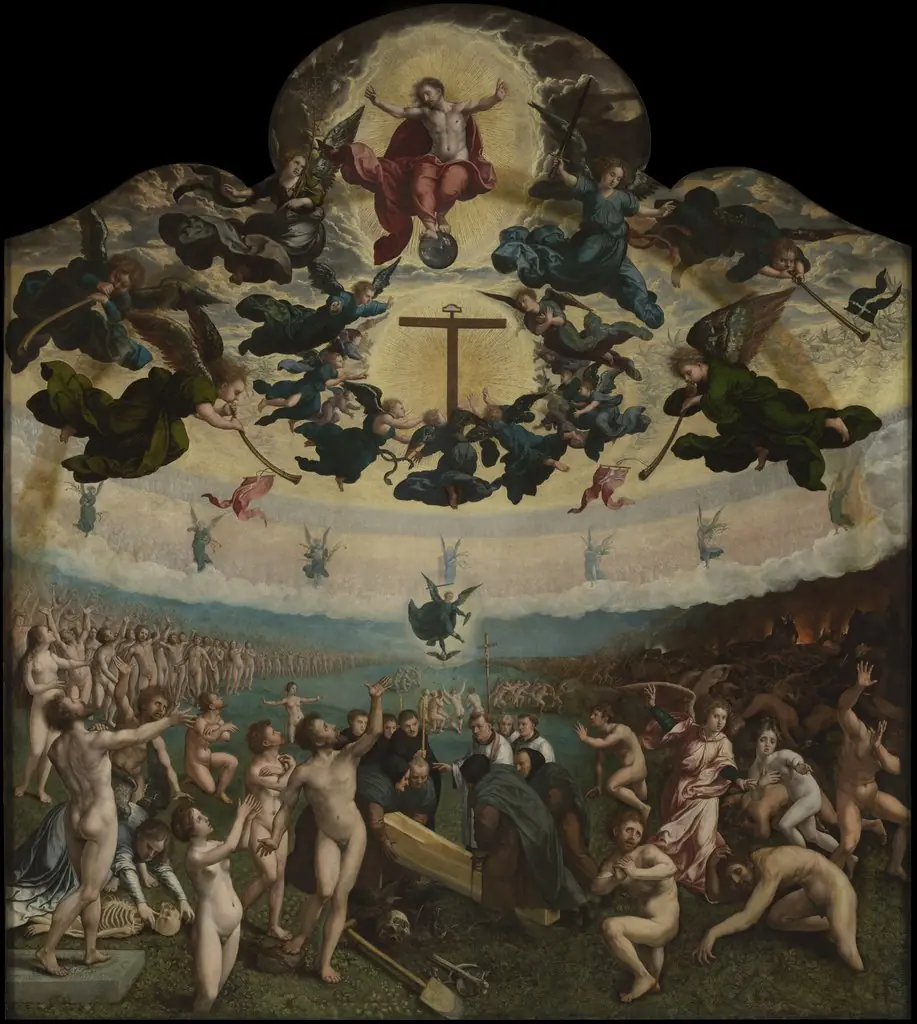
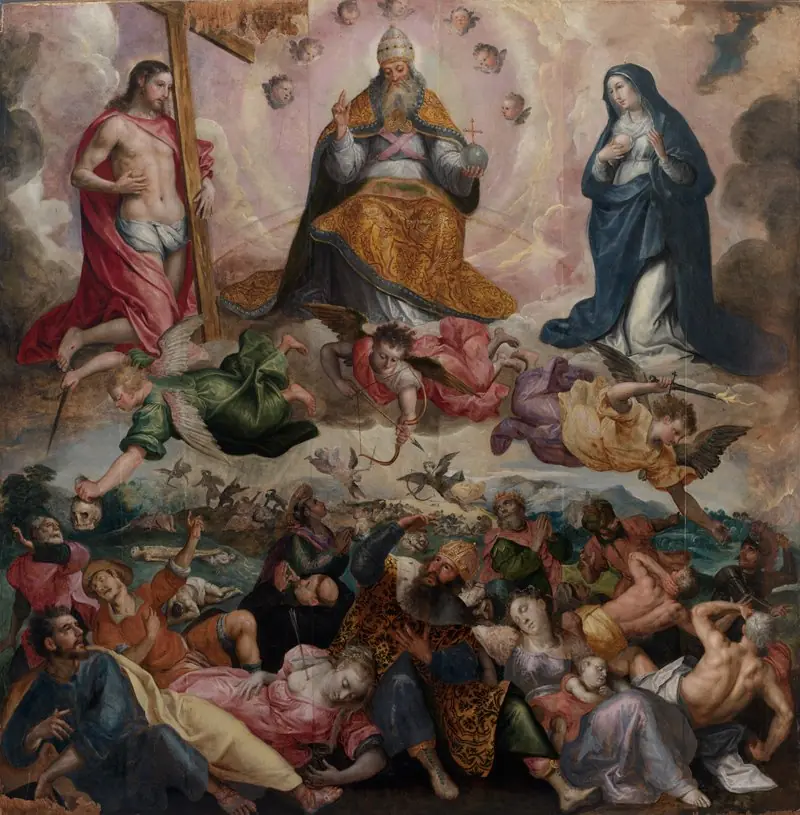
At the uppermost part, a figure of Christ appears amid clouds, clutching a cross, while an angel bearing a sword and a scroll hovers below.
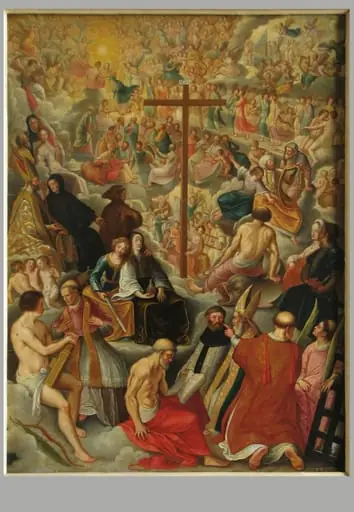
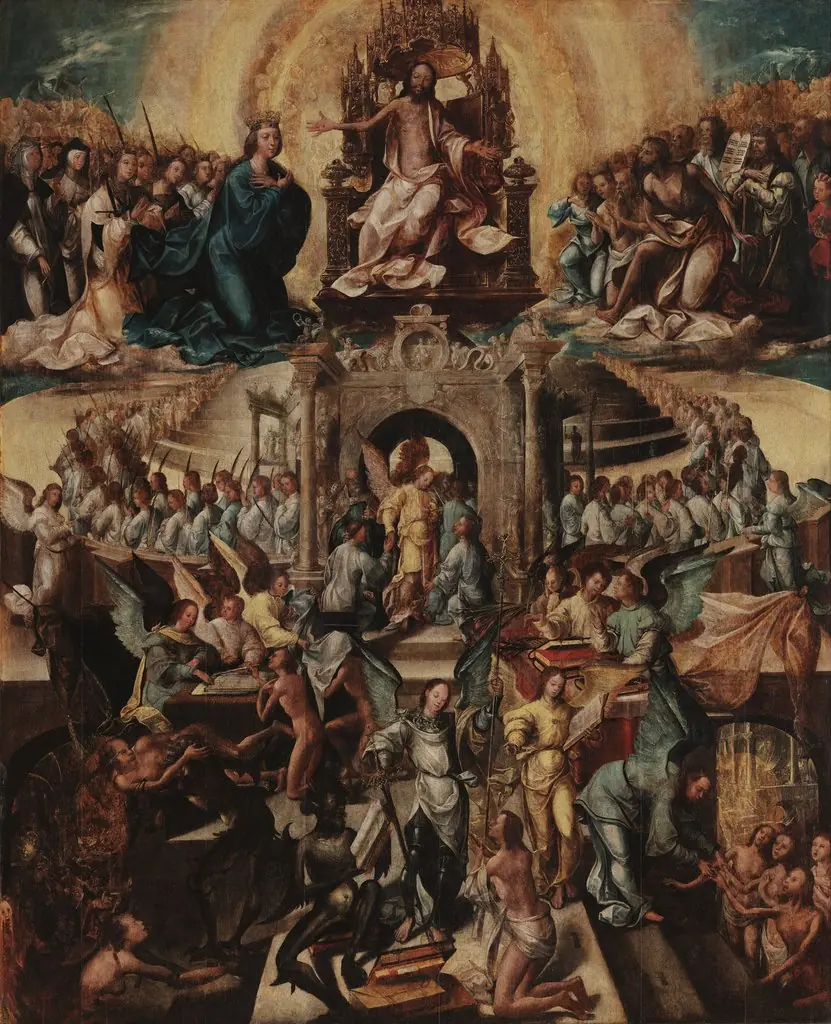
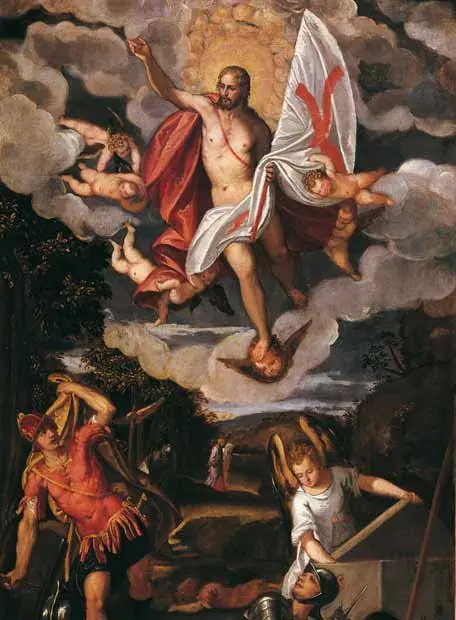
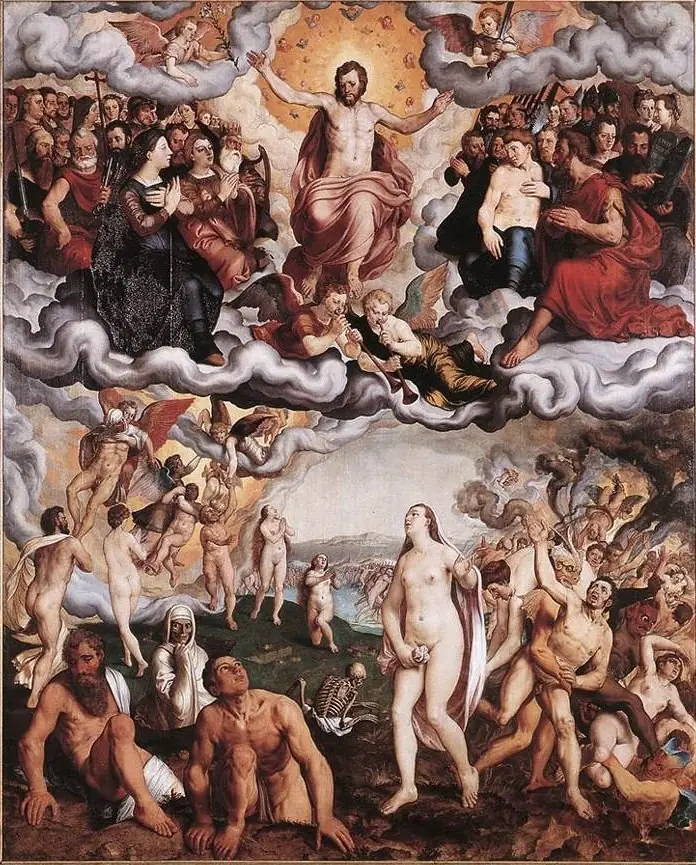
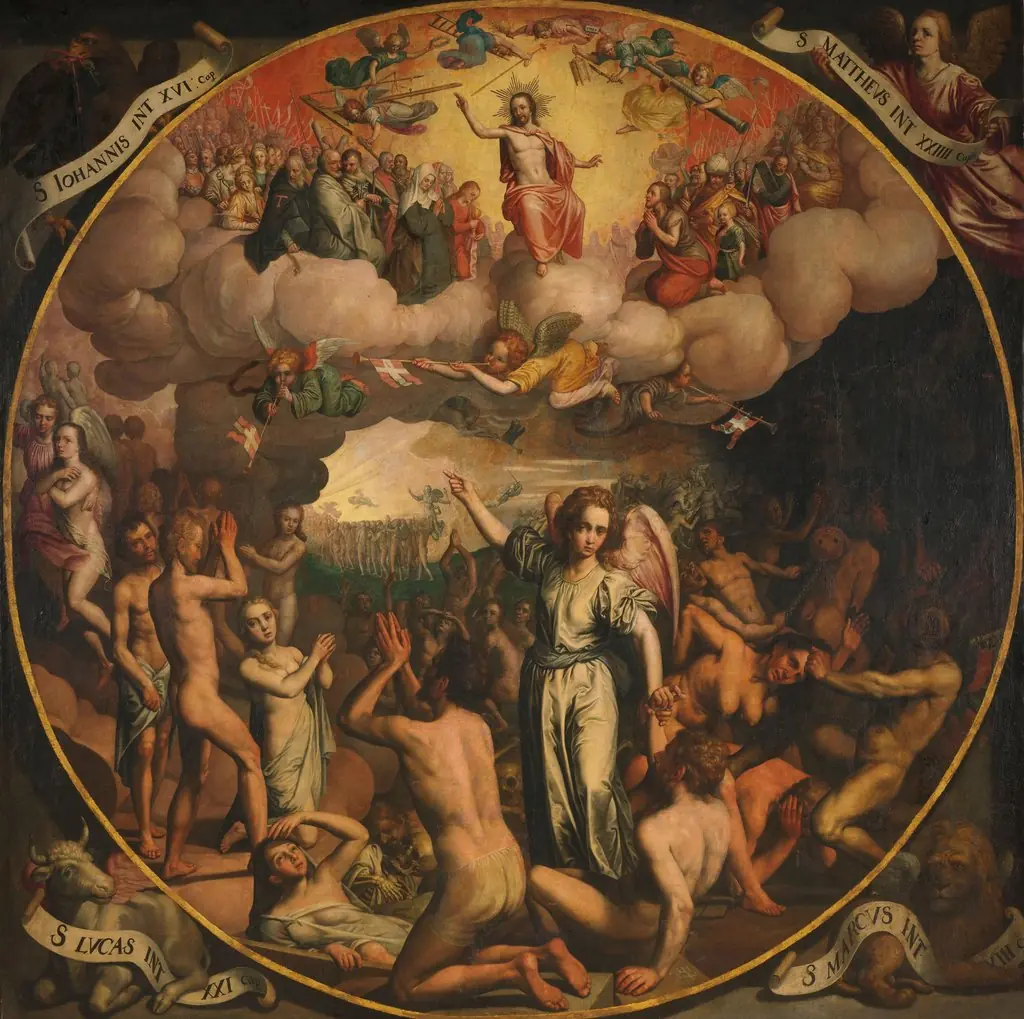
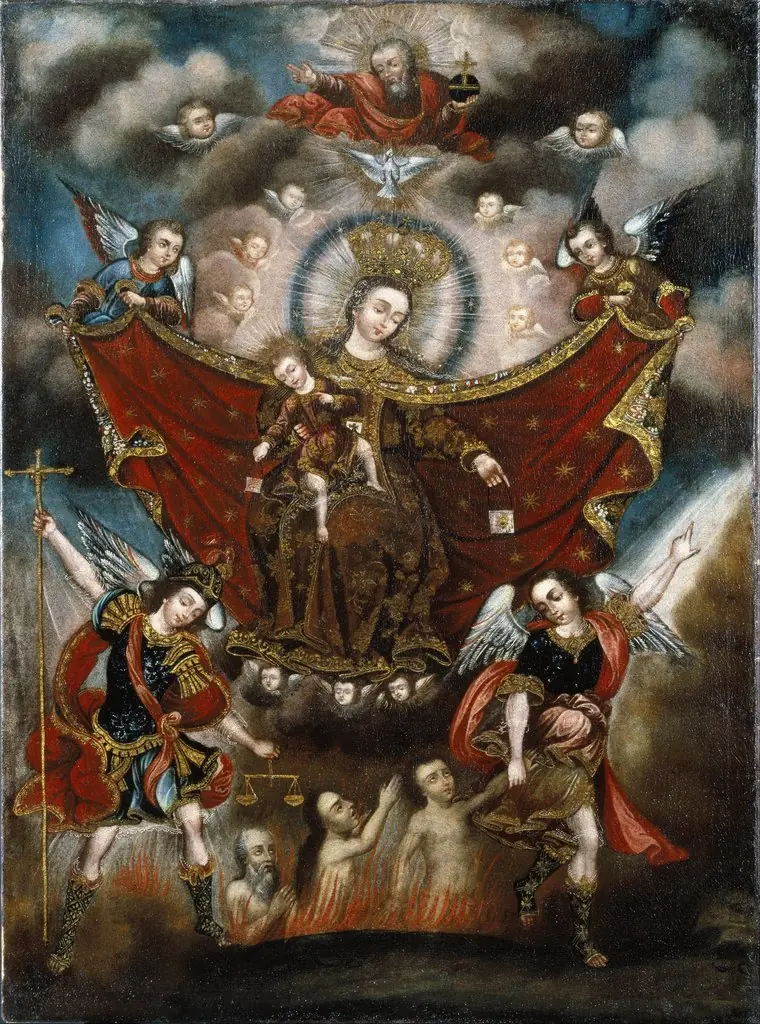
Allegory of Man is an oil painting that presents a densely populated composition. At the uppermost part, a figure of Christ appears amid clouds, clutching a cross, while an angel bearing a sword and a scroll hovers below. Central to the scene is a seated man on a throne, surrounded by assorted objects and symbolic motifs. The background recedes into a dark, atmospheric space, lending the work a dramatic, tension‑filled ambience.
Subject & Meaning
The work juxtaposes divine and earthly realms, suggesting a moral or theological narrative. Christ’s elevated position with the cross implies salvation, whereas the angel’s sword and scroll may denote judgment or revelation. The enthroned man, encircled by varied symbols, likely represents humanity or a specific individual confronting spiritual authority, inviting viewers to contemplate the relationship between mortal existence and divine oversight.
Technique & Style
Executed in oil on canvas, the painting employs a muted, earthy palette that enhances its somber tone. The artist combines realistic rendering of figures and textures with allegorical iconography, creating a layered visual language. Atmospheric perspective is achieved through a darkened background, while careful modeling of light on the central figures adds depth and emphasizes the dramatic contrast between heaven and earth.
History & Provenance
Specific details regarding the painting’s date, creator, and ownership history are not provided in the source material. Consequently, its provenance remains undocumented in this description, limiting the ability to trace its exhibition record or previous collections.
Artist & collection

 Domestic Scene
 Giacomo and Cardinal Marco, investing Andrea, Abbot of San Zeno, with his Benefice
 The Nymph of Fontainebleau
 Portrait of a Woman
 Madonna and Child with Saints in the Enclosed Garden
 Venus and Minerva
 Family Group of Four on Sofa
 Wall painting from Room H of the Villa of P. Fannius Synistor at Boscoreale