Artwork
Amalie of Solms (1602-1675)
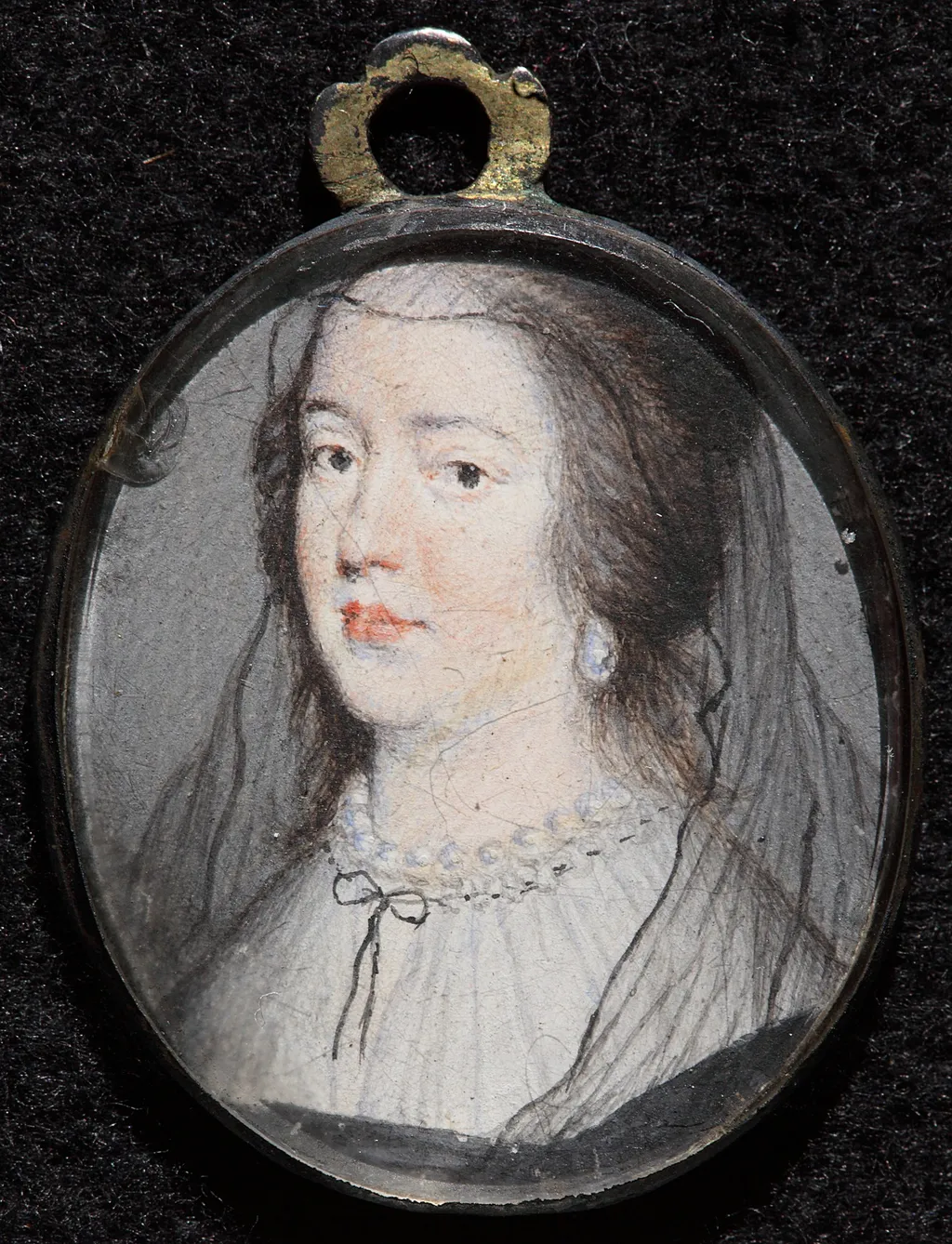
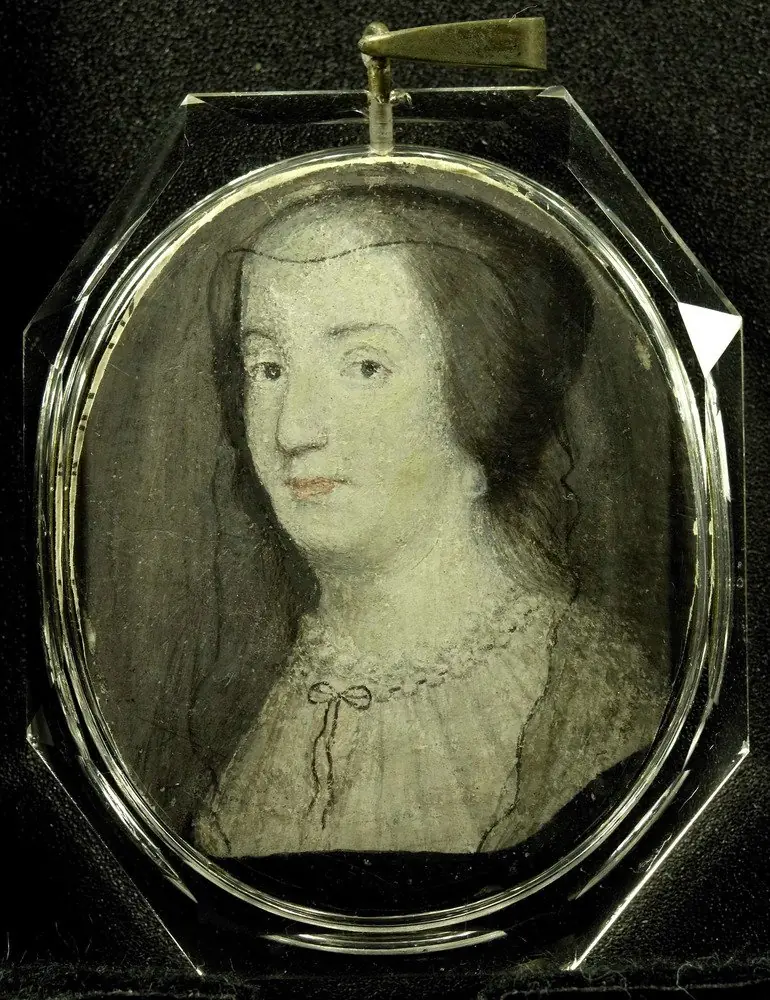
Amalie of Solms (1602-1675) is an unspecified painting by the Dutch Golden Age artist Unknown. It dates from 1655 and is held in the collection of the Gemäldegalerie Berlin. This portrait depicts Amalie of Solms, a noblewoman of the early 17th century, rendered in a restrained, formal style.
About this work
Overview
This portrait depicts Amalie of Solms, a noblewoman of the early 17th century, rendered in a restrained, formal style.
This portrait depicts Amalie of Solms, a noblewoman of the early 17th century, rendered in a restrained, formal style. She is shown in three-quarter view against a dark, undefined background that emphasizes her figure. Her attire and adornments suggest high social standing, while the muted palette and quiet demeanor reflect the gravity typical of aristocratic portraiture of the period. The work is part of the collection at the Gemäldegalerie in Berlin.
Subject & Meaning
Amalie of Solms, wife of Frederick V, Elector Palatine, is portrayed not as an active participant in public life but as a figure of dignified stillness. Her neutral expression and averted gaze convey restraint, aligning with contemporary ideals of female virtue and composure. The pearls and veil signify wealth and modesty, reinforcing her role as a noble consort rather than a political actor. The portrait functions as a statement of lineage and status.
Technique & Style
The painter employs subtle tonal contrasts to model the figure, using light to define the texture of the white dress and the sheen of the pearls against the deep background. Brushwork is precise but unobtrusive, avoiding dramatic flourishes. The veil and fabric folds are rendered with quiet attention to detail, while the face remains impassive, minimizing individual expression in favor of formal representation. The composition follows the conventions of Northern European court portraiture.
History & Provenance
The painting entered the collection of the Gemäldegalerie Berlin in the 19th century, likely from a German noble family’s holdings. Its attribution to Amalie of Solms is based on historical records and stylistic parallels with other portraits of the period. Though the artist’s identity remains unconfirmed, the work aligns with the output of painters active in the Palatine court during the 1620s–1640s.
Context
Created during the Thirty Years’ War, the portrait reflects the persistence of courtly traditions amid political upheaval. Noblewomen like Amalie were often depicted in ways that emphasized continuity and stability. The somber tone and lack of ornate setting contrast with more lavish Dutch or Spanish portraits, suggesting a more reserved, Protestant aesthetic prevalent in the Palatinate after the war’s early devastation.
Legacy
The portrait endures as a quiet example of early 17th-century German aristocratic representation. It offers insight into how noblewomen were visually coded within a culture that valued discretion and lineage over individuality. Though not widely reproduced, it remains a significant reference for understanding the visual language of Protestant elite identity in Central Europe during a time of profound change.
Artist & collection

 Domestic Scene
 Giacomo and Cardinal Marco, investing Andrea, Abbot of San Zeno, with his Benefice
 The Nymph of Fontainebleau
 Portrait of a Woman
 Madonna and Child with Saints in the Enclosed Garden
 Venus and Minerva
 Family Group of Four on Sofa
 Wall painting from Room H of the Villa of P. Fannius Synistor at Boscoreale
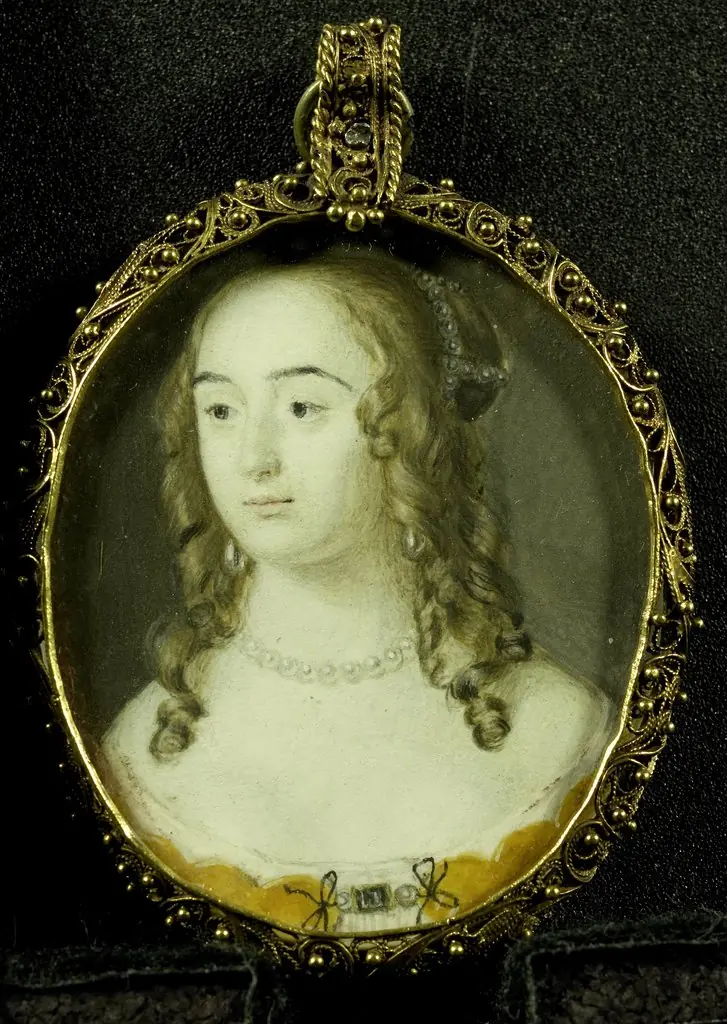 Henriette Marie (1626–51) of Paltz, daughter of Frederick V, King of Bohemia, nicknamed the 'Winter King'.
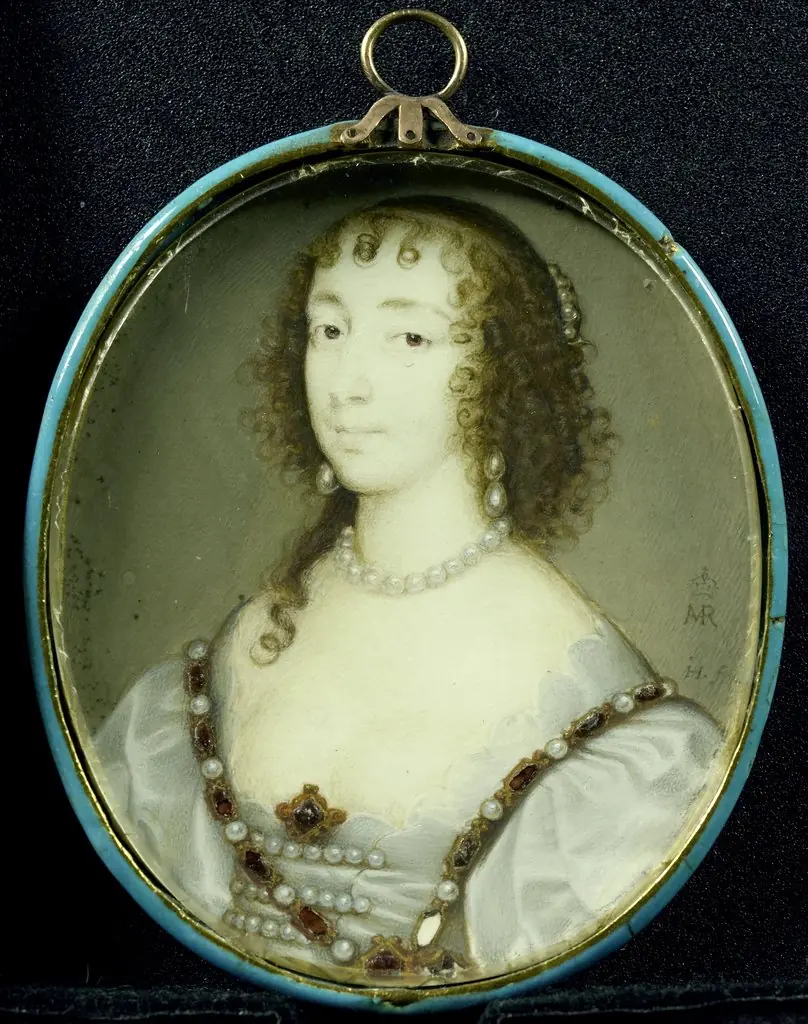 Portrait of Henriëtte Maria of France (1609-1669), wife of Charles I of England
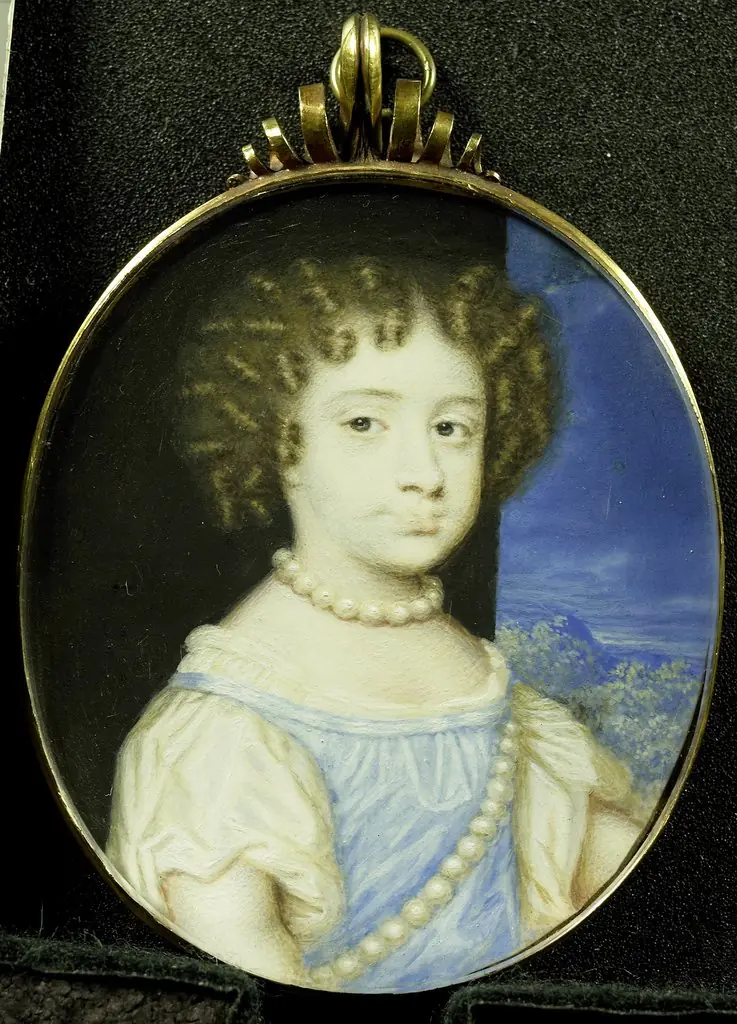 Portrait of Mary II Stuart (1662-1695)
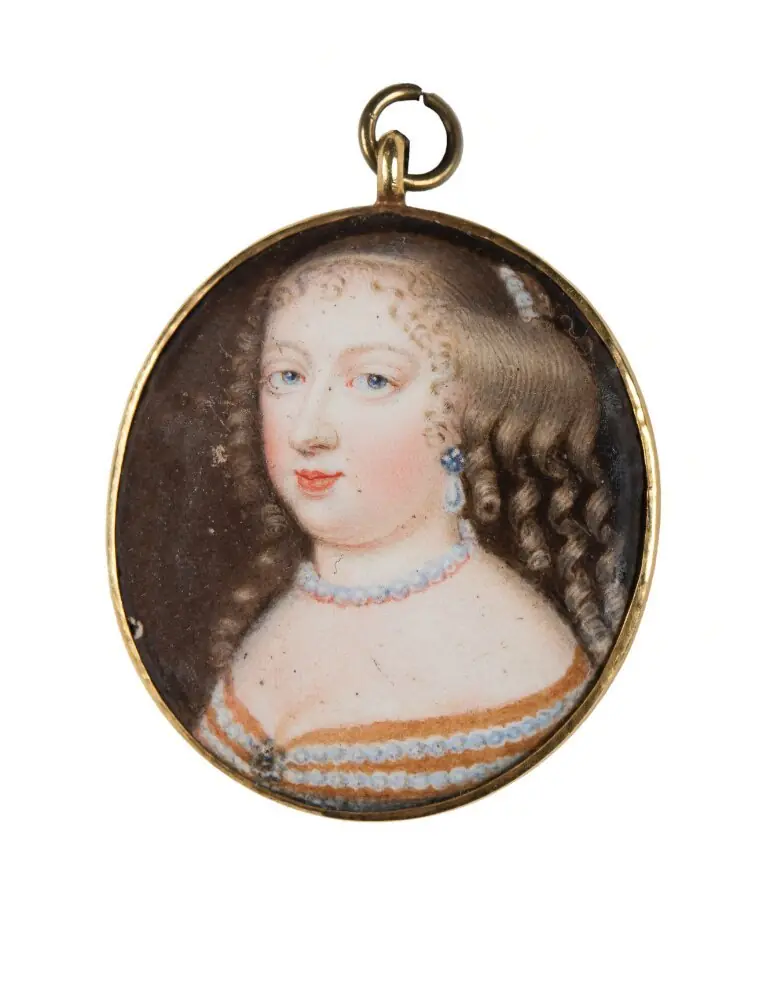 Hedvig Sofia, Landgravine of Hessen-Cassel
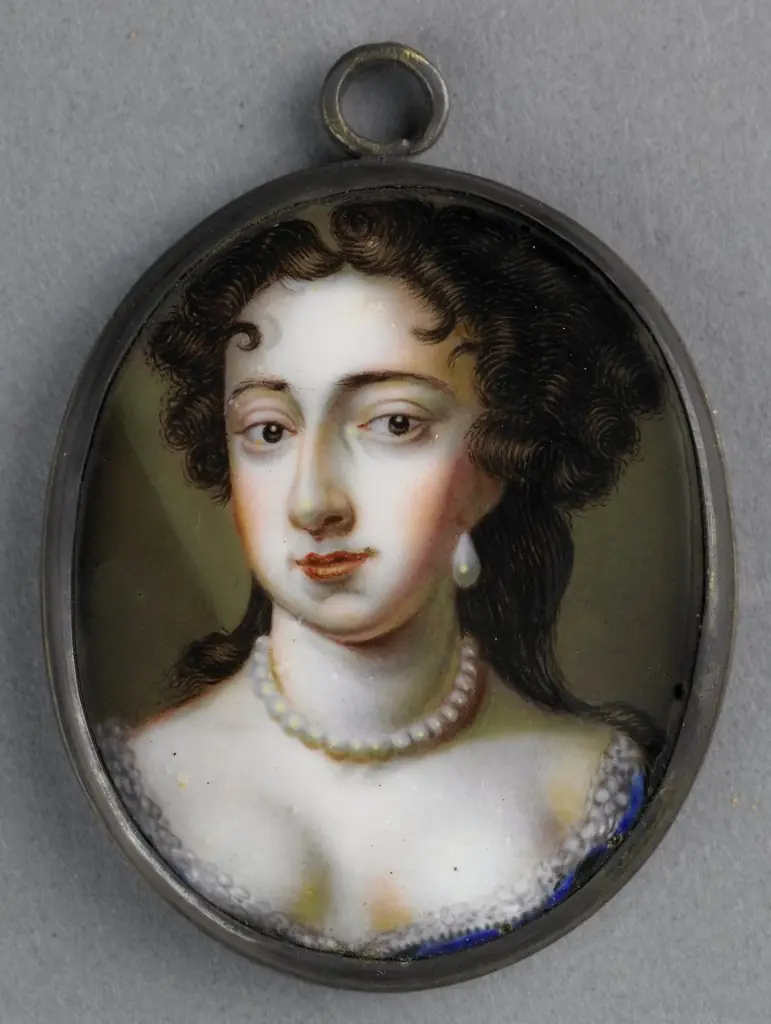 Mary II Stuart
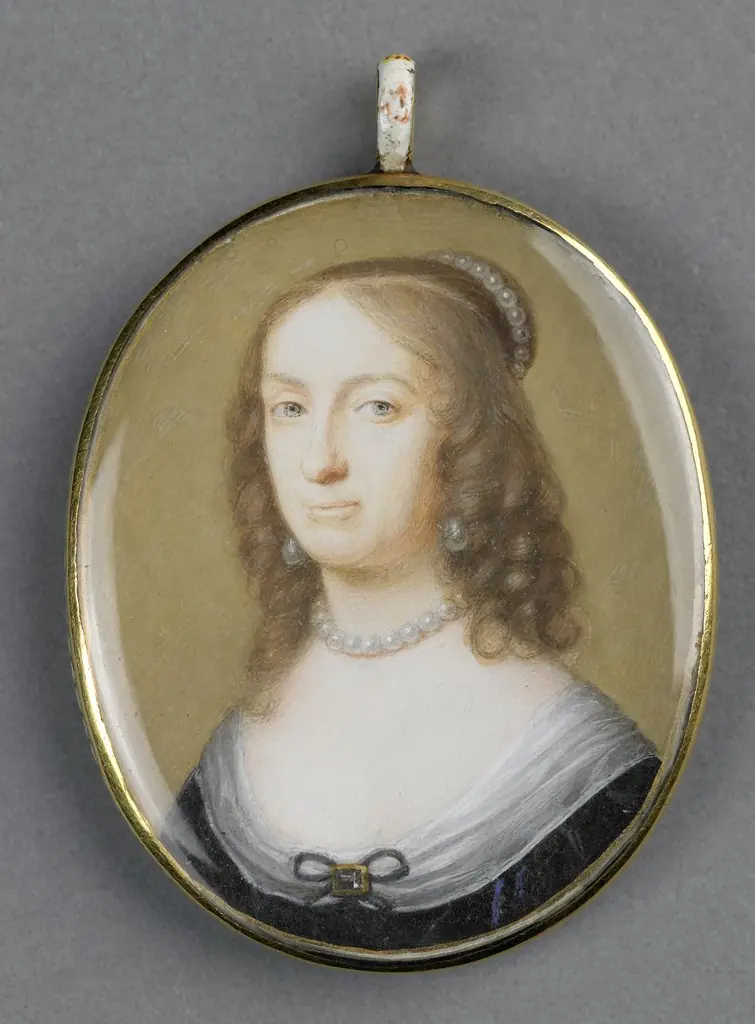 Portrait of Elizabeth, widow of Frederick V of the Palatinate
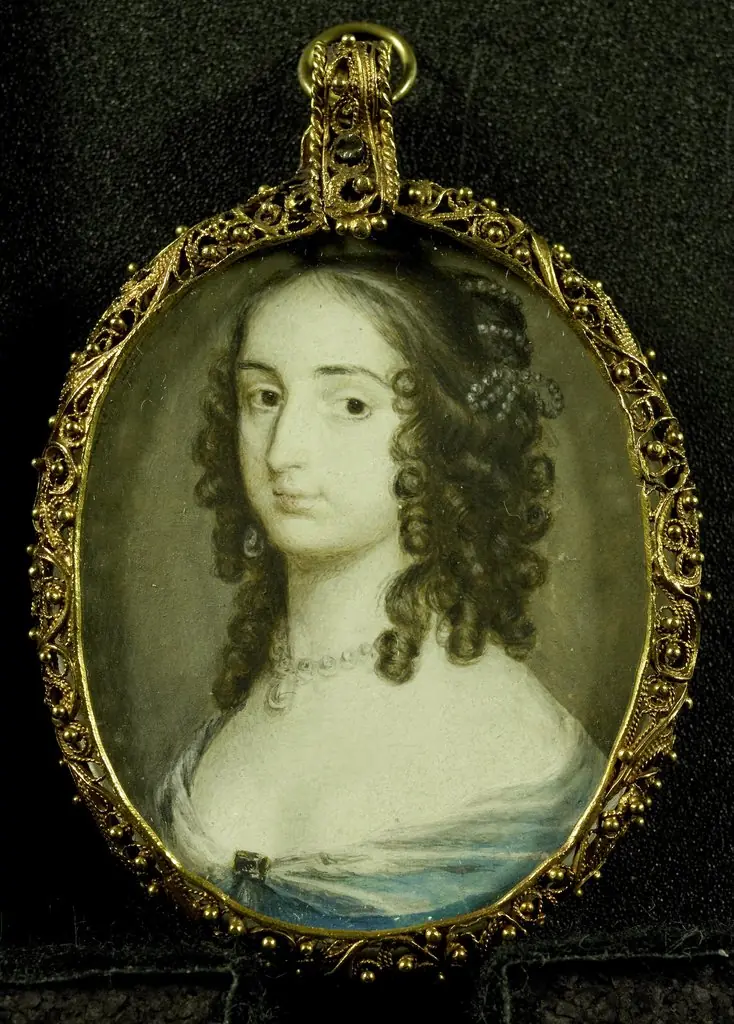 Portrait of Elisabeth of the Palatinate
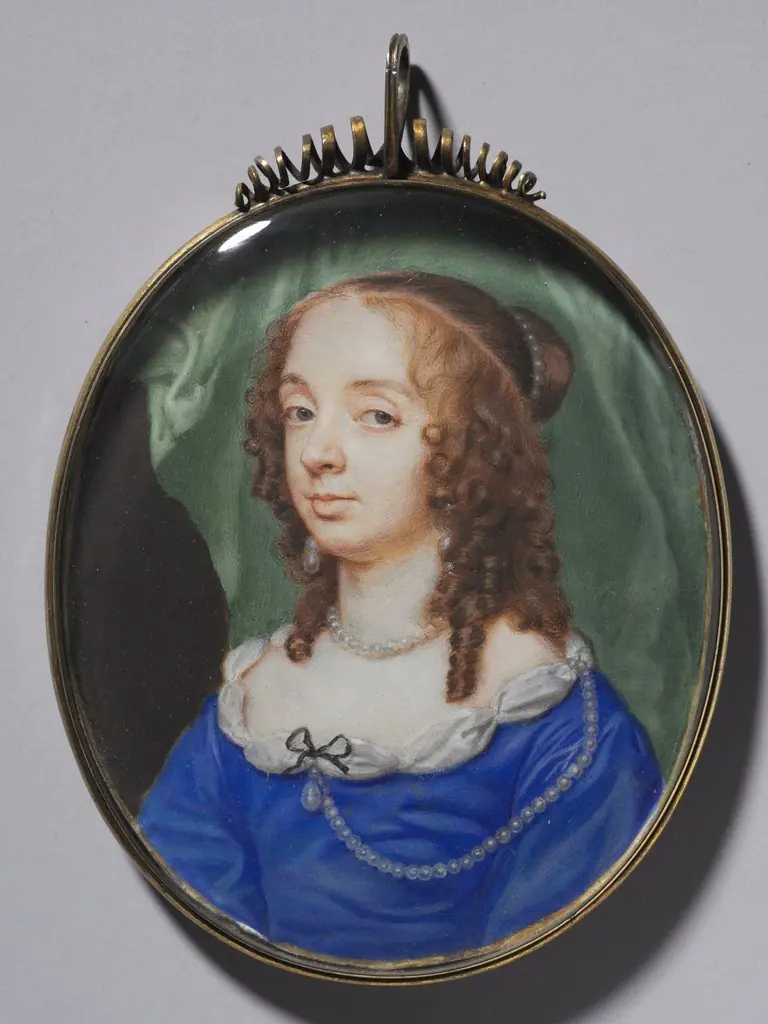 Portrait of a Woman
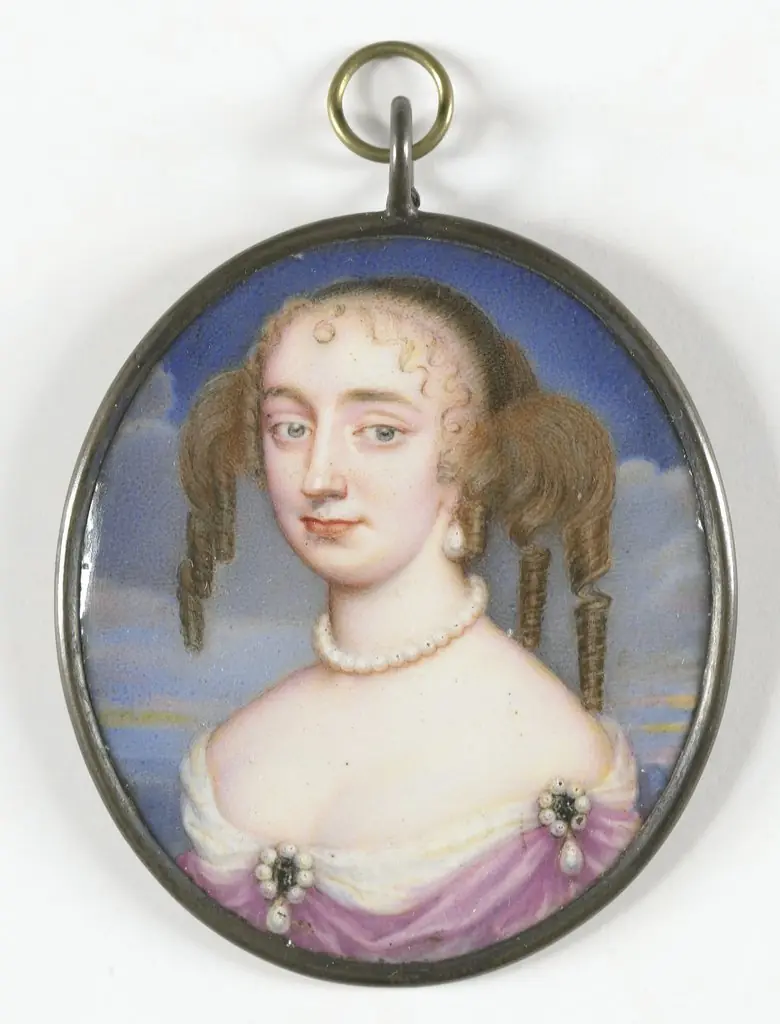 Portrait of a woman, possibly Anne Hyde, first wife of James II of England
 Portrait of a Woman
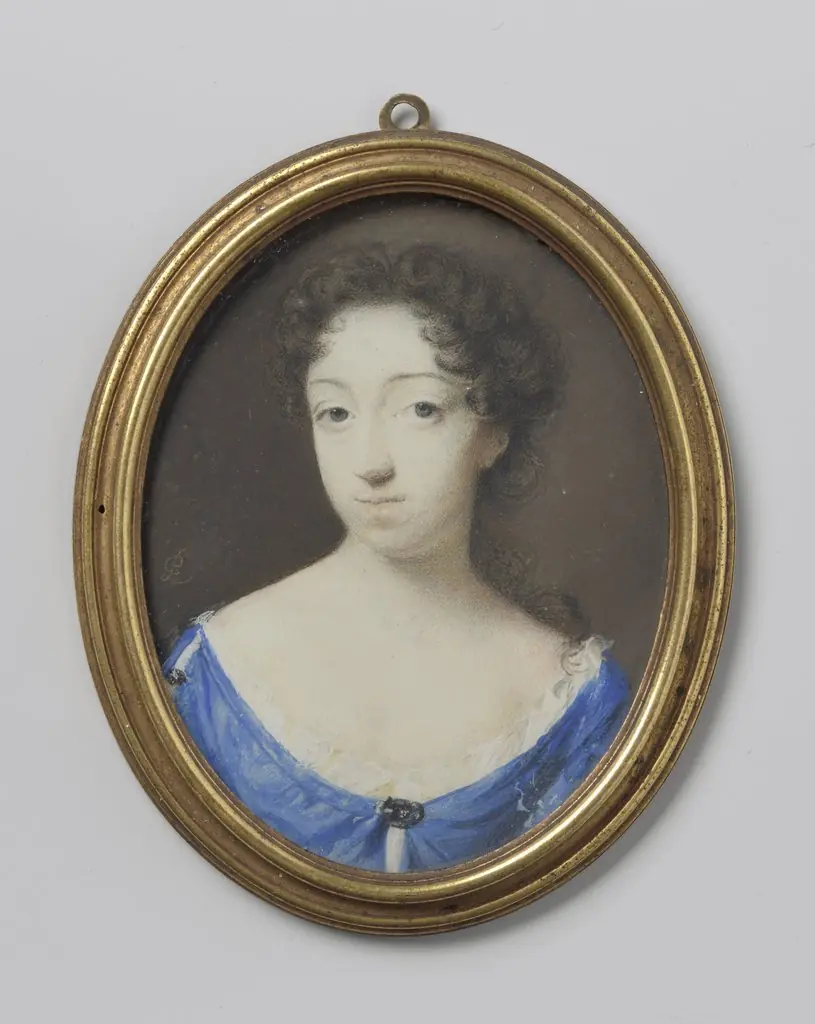 Portrait of a woman
 Portrait of Amalia van Solms -Braunfels (1602-1675)