Artwork
Landskap
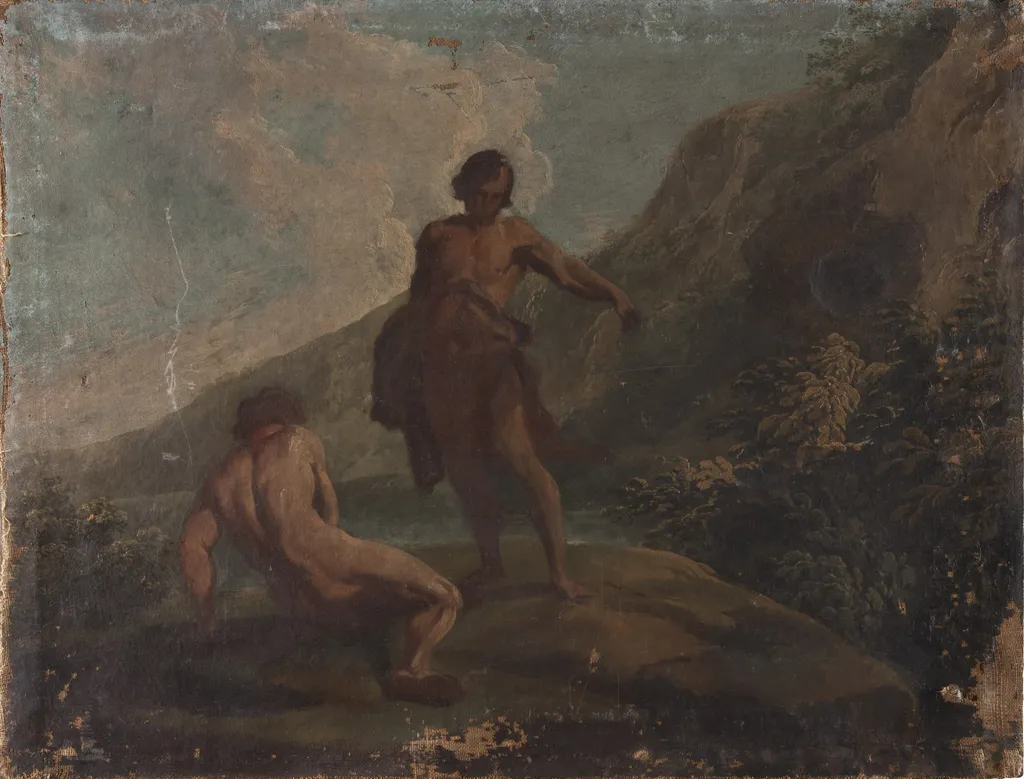
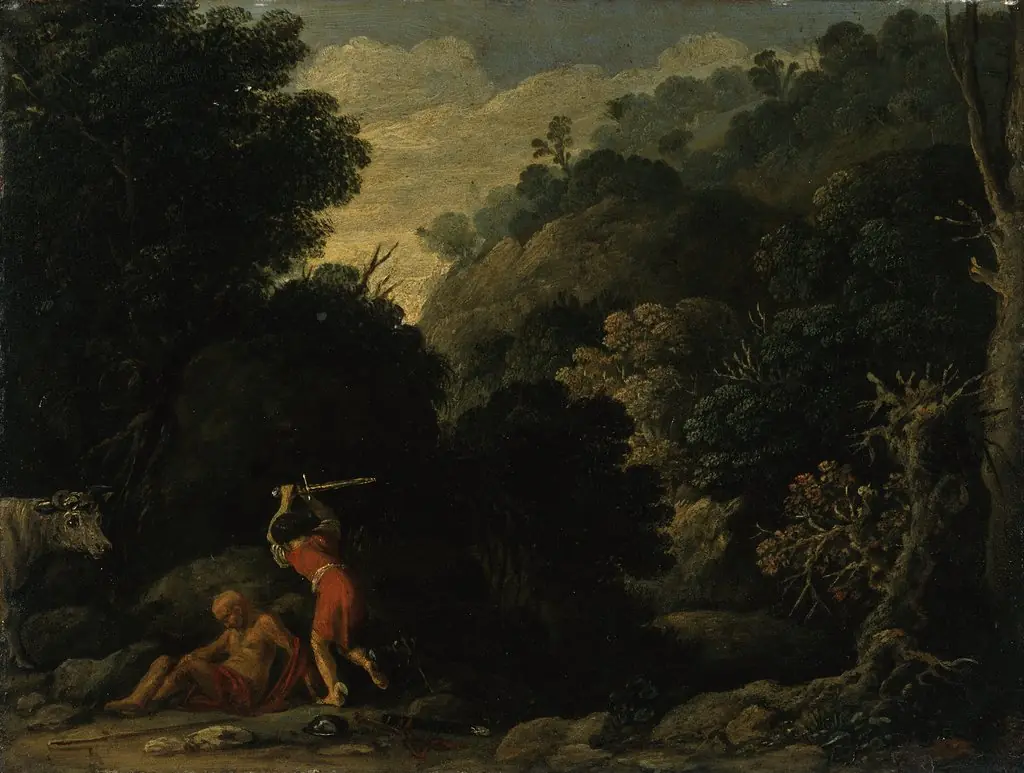
Landskap is an oil painting by Unknown. It is held in the collection of the Nationalmuseum. This oil painting depicts a rural landscape with two human figures positioned in the foreground.
About this work
Overview
The background features rolling hills, scattered trees, and dense undergrowth, rendered with visible brushwork that enhances the tactile quality of the scene.
This oil painting depicts a rural landscape with two human figures positioned in the foreground. The composition emphasizes movement, with one figure crouching and the other extending an arm outward, suggesting a moment of tension or transition. The background features rolling hills, scattered trees, and dense undergrowth, rendered with visible brushwork that enhances the tactile quality of the scene. The oil medium allows for rich, saturated tones and a dynamic interplay of light and shadow.
Subject & Meaning
The two figures appear engaged in an unspoken interaction, their postures implying action or communication without revealing narrative clarity. Their placement in the foreground anchors the viewer’s attention, while their ambiguous gestures resist fixed interpretation. The landscape surrounding them feels alive, not merely a backdrop but an active element that mirrors their energy. The scene evokes a fleeting, transient moment rather than a static tableau.
Technique & Style
The artist employs visible, expressive brushstrokes to build form and texture across the canvas, particularly in the foliage and terrain. Chiaroscuro is used deliberately to model volume and guide the eye through the composition, creating a sense of spatial depth. The color palette is vibrant yet naturalistic, with warm earth tones contrasting against cooler shadows. The handling of paint suggests immediacy, capturing the essence of the scene rather than its precise detail.
History & Provenance
The painting resides in the collection of the Nationalmuseum in Sweden, where it has been held since at least the early 20th century. Its origins trace to a Scandinavian artist active in the late 19th or early 20th century, though the specific creator remains unconfirmed in public records. It entered the museum’s holdings through acquisition or donation, likely as part of a broader effort to document national artistic output during a period of evolving landscape traditions.
Context
Created during a time when Scandinavian artists were redefining landscape painting beyond idealized vistas, this work reflects a shift toward emotional and atmospheric expression. It aligns with broader European trends that valued personal observation and the vitality of everyday rural life. The emphasis on movement and light echoes contemporaneous interest in capturing transient moments, influenced by both Impressionism and regional realism.
Legacy
Though not widely reproduced or cited in major art historical texts, the painting contributes to an understanding of regional approaches to landscape in Nordic art. Its presence in the Nationalmuseum underscores its role as an example of early modern Swedish painting that prioritized mood and gesture over narrative clarity. It continues to be viewed as a quiet, evocative study of human presence within nature.
Artist & collection

 Domestic Scene
 Giacomo and Cardinal Marco, investing Andrea, Abbot of San Zeno, with his Benefice
 The Nymph of Fontainebleau
 Portrait of a Woman
 Madonna and Child with Saints in the Enclosed Garden
 Venus and Minerva
 Family Group of Four on Sofa
 Wall painting from Room H of the Villa of P. Fannius Synistor at Boscoreale
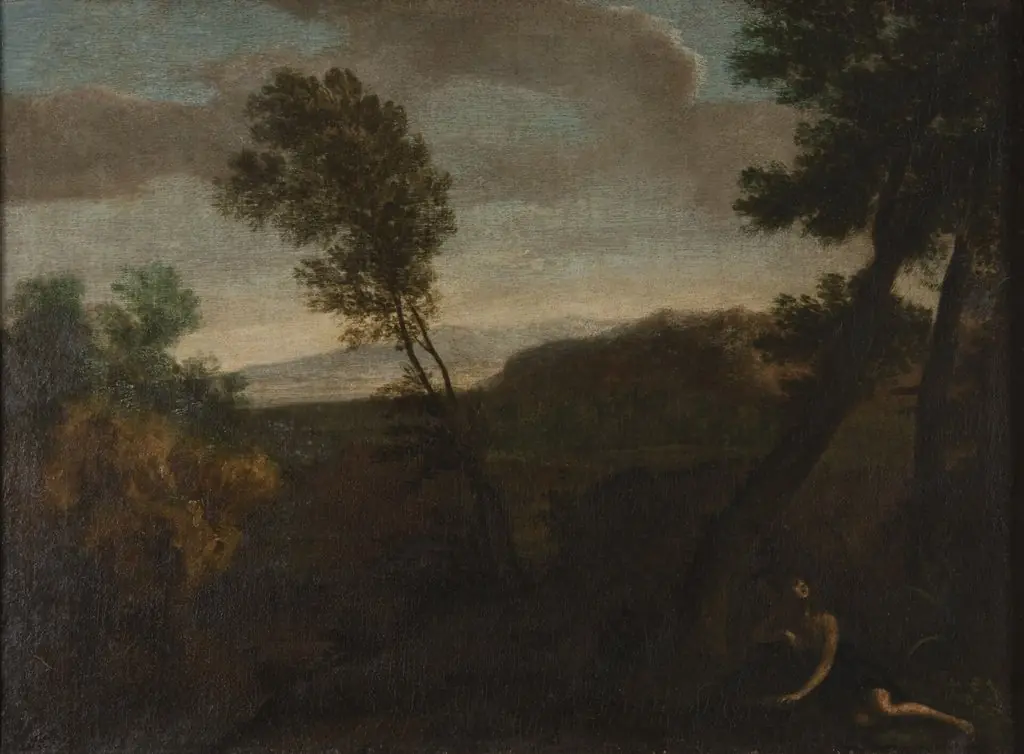 Landskap med Maria Magdalena
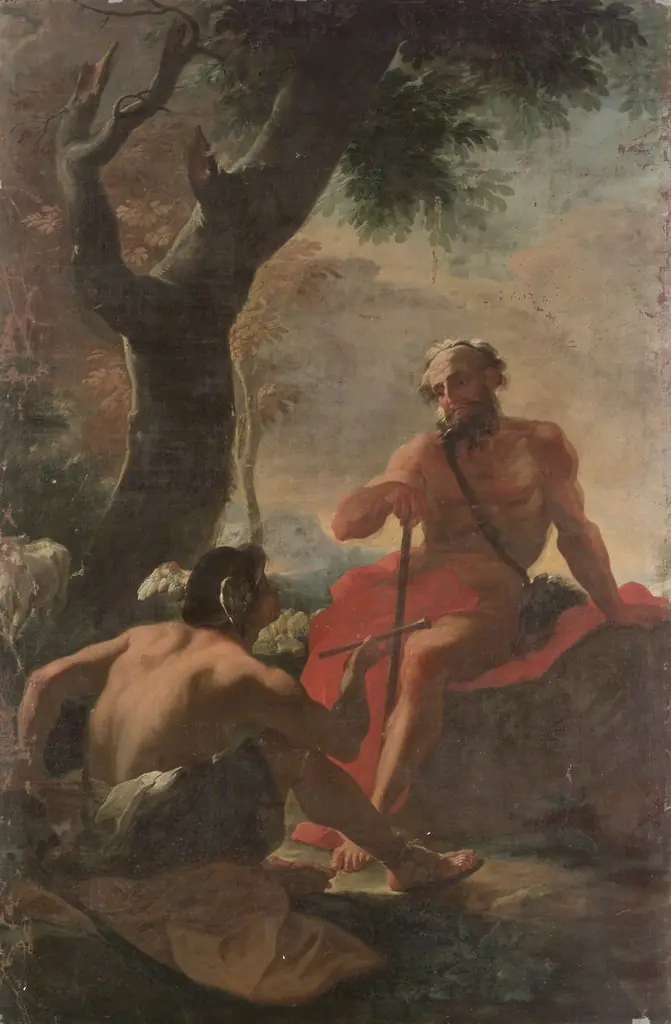 Merkur und Argus
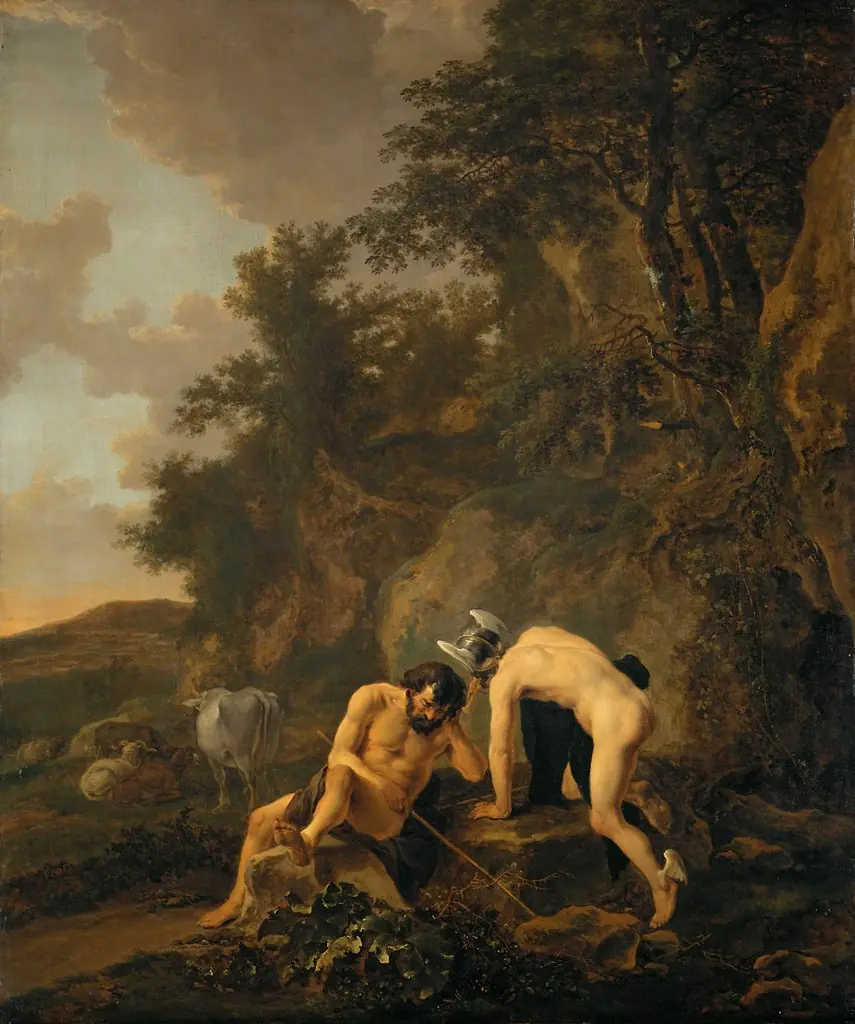 Southern rocky landscape with Mercury and Argus
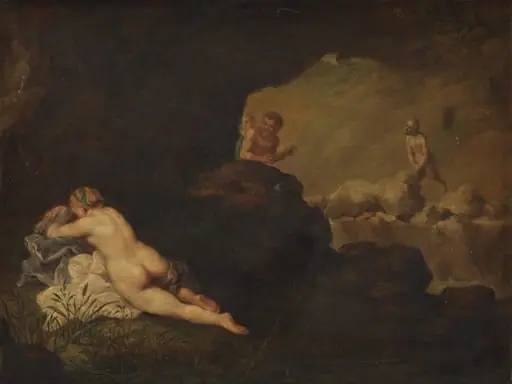 Sleeping Nymph
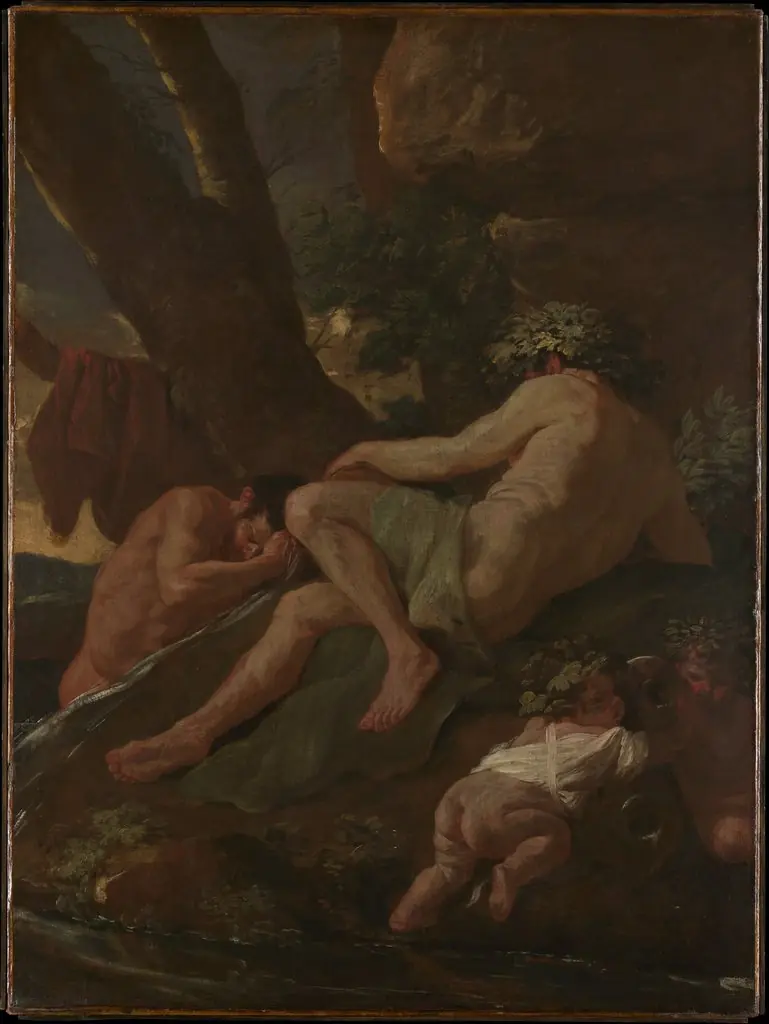 Midas Washing at the Source of the Pactolus
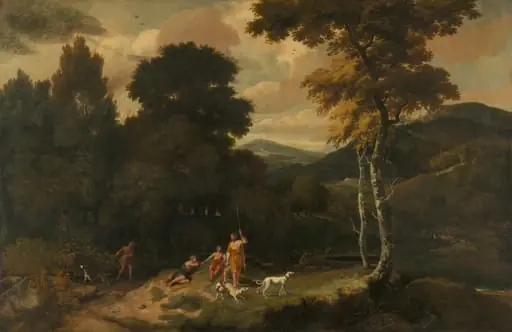 Landscape with Hunters
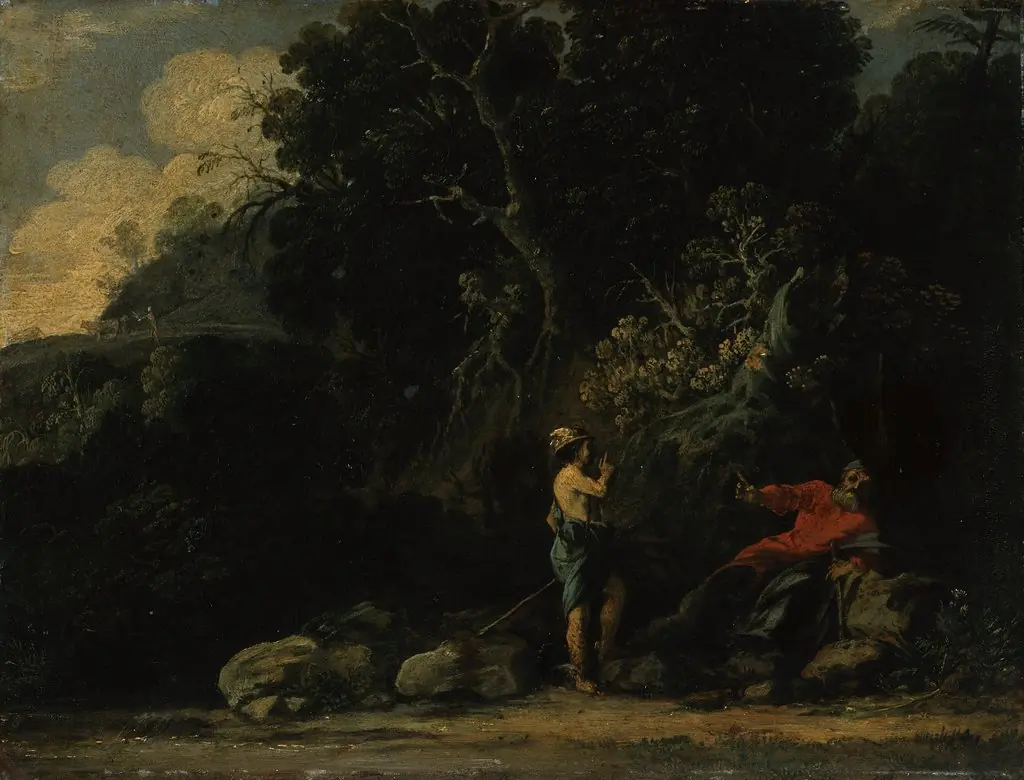 Forest Landscape with Mercury and Battus
 Askese des Hl. Benedikt
 Penitent Magdalen
 Bacchanal with a Dancing Couple in the Center
 Arcadian landscape with bathing Diana
 Forest Landscape with the Murder of Argus and Mercury