Artwork
Danaë
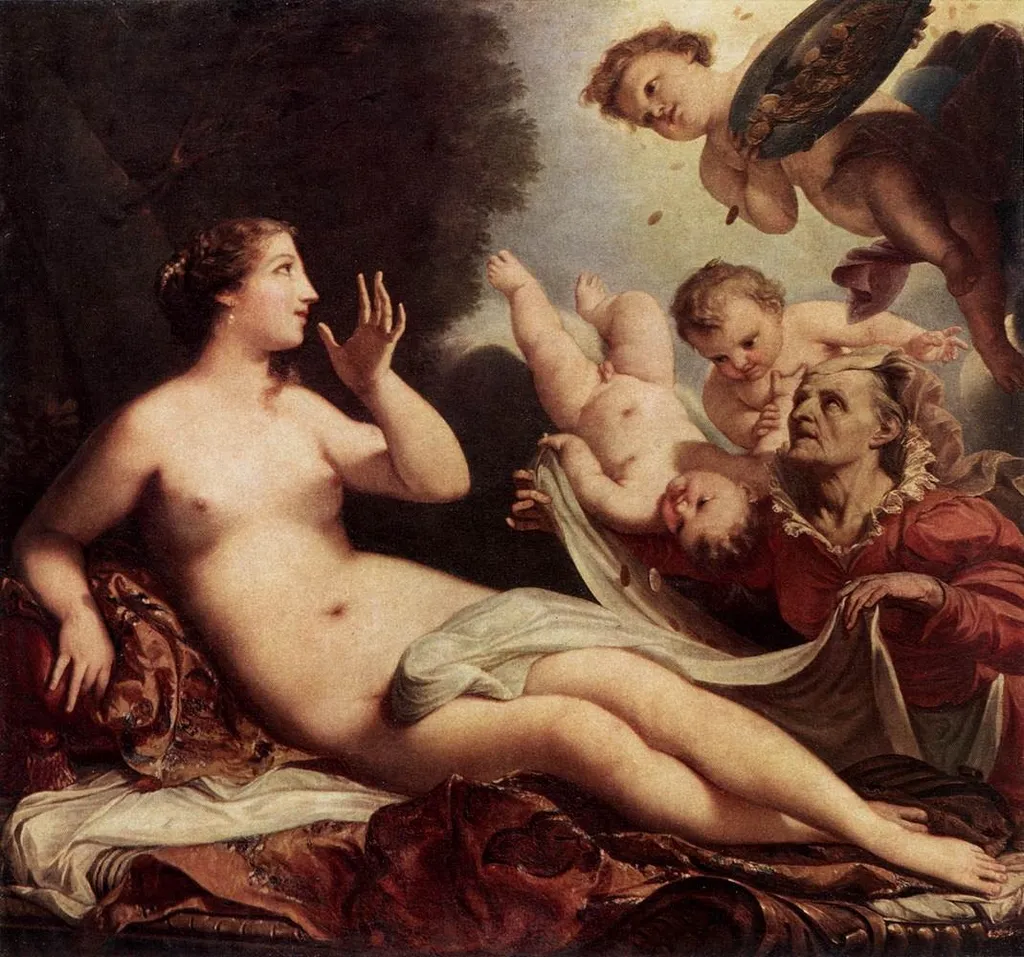
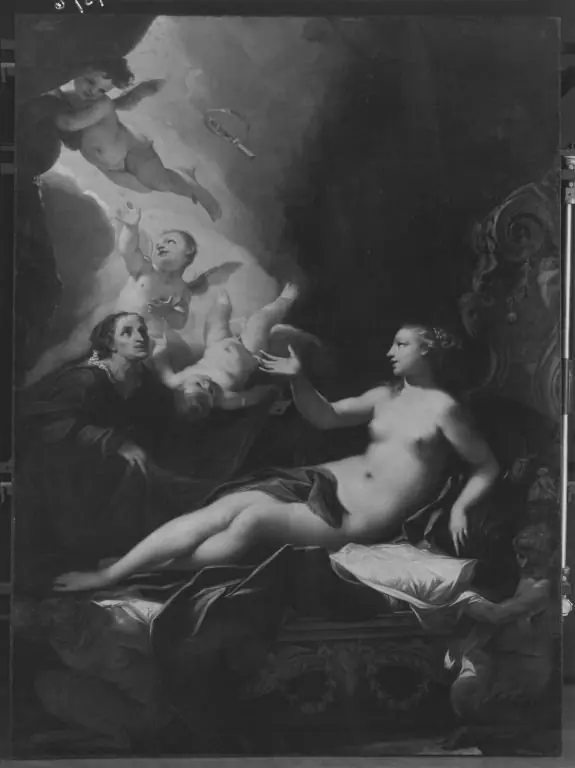
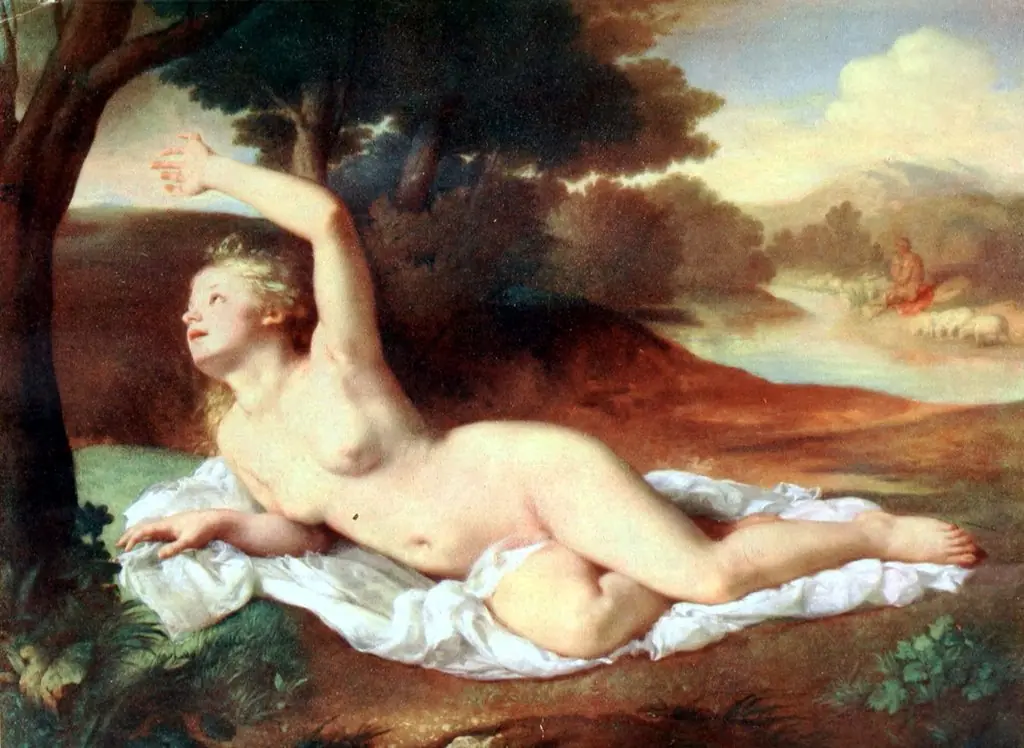
Danaë is an oil painting by the Early Baroque Italian artist Antonio Bellucci. It dates from 1698 and is held in the collection of the Museum of Fine Arts, Budapest.
About this work
Overview
Antonio Bellucci painted Danaë in 1698 using oil on canvas, reflecting his training in Venice and his later international career across Europe.
Antonio Bellucci painted Danaë in 1698 using oil on canvas, reflecting his training in Venice and his later international career across Europe. The work is part of the Museum of Fine Arts, Budapest’s collection. It presents a mythological scene with careful attention to light and form, characteristic of early Baroque sensibilities. Bellucci’s style blends Italian compositional traditions with the atmospheric depth favored in Central European courts.
Subject & Meaning
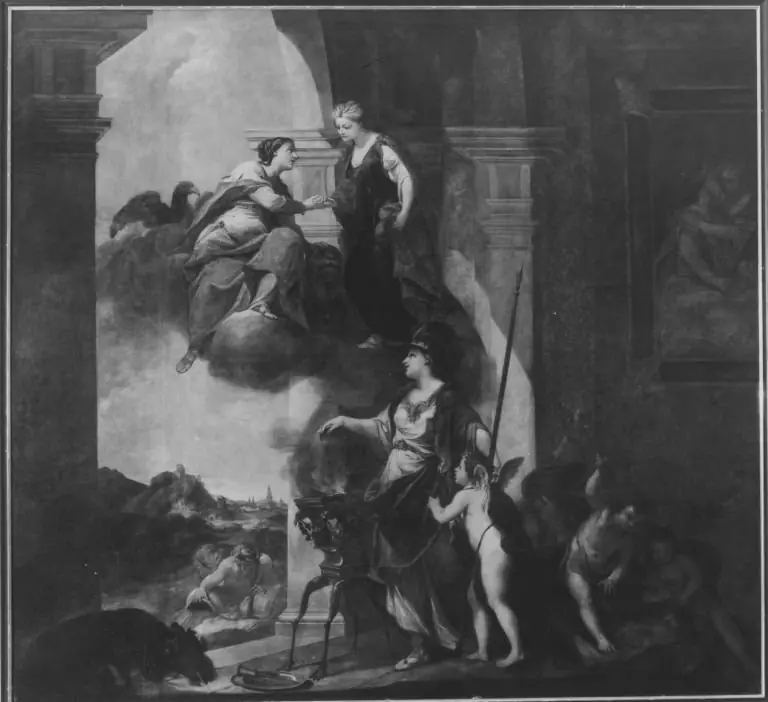
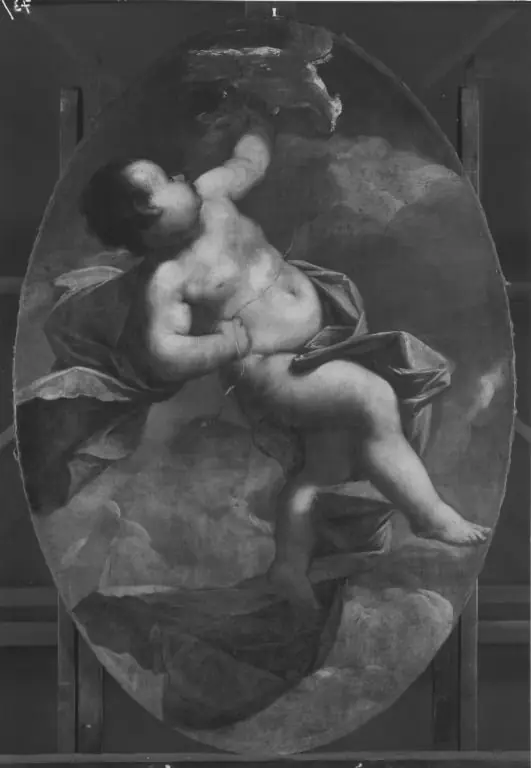
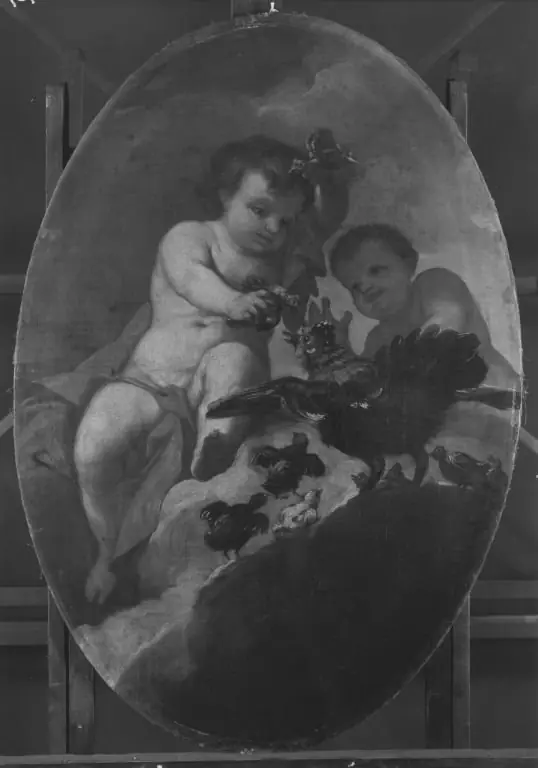
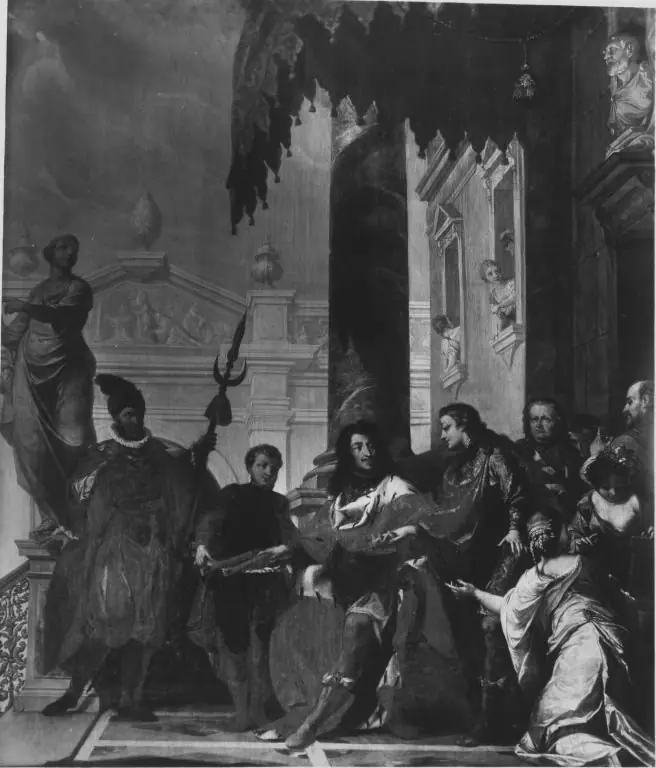
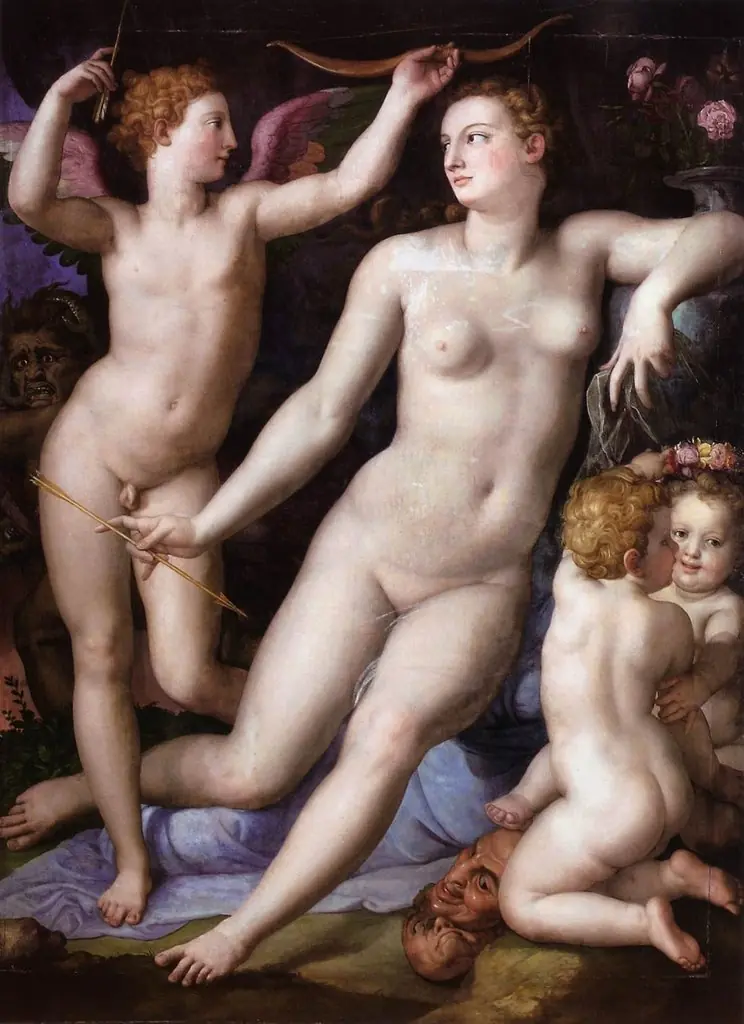
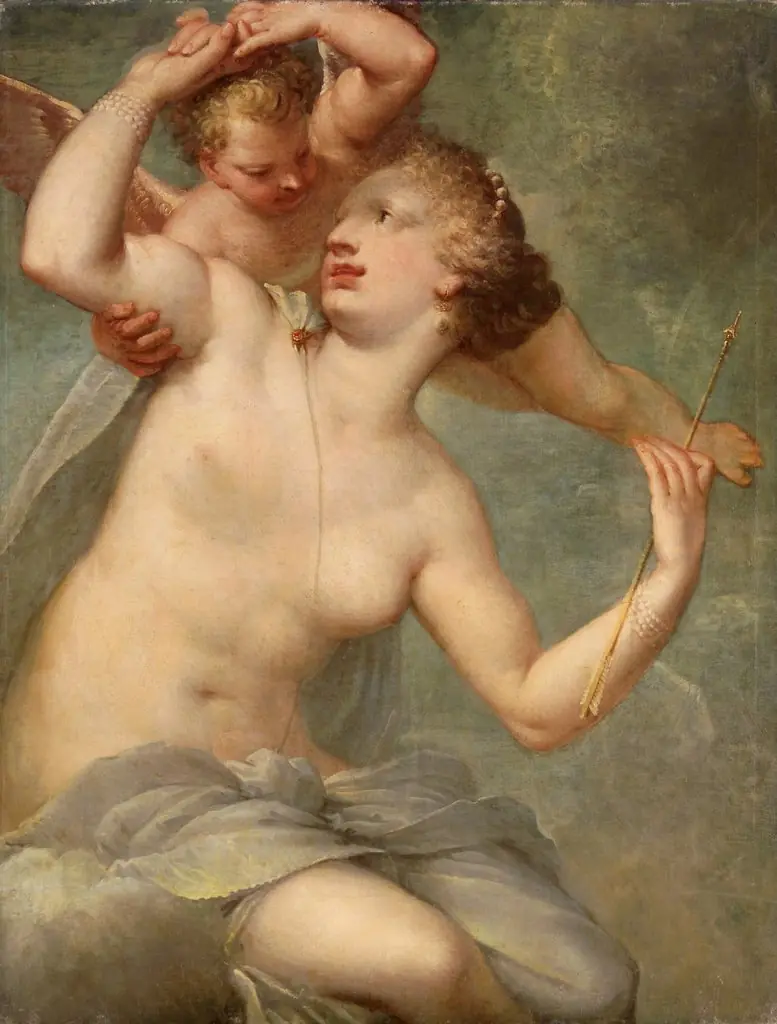
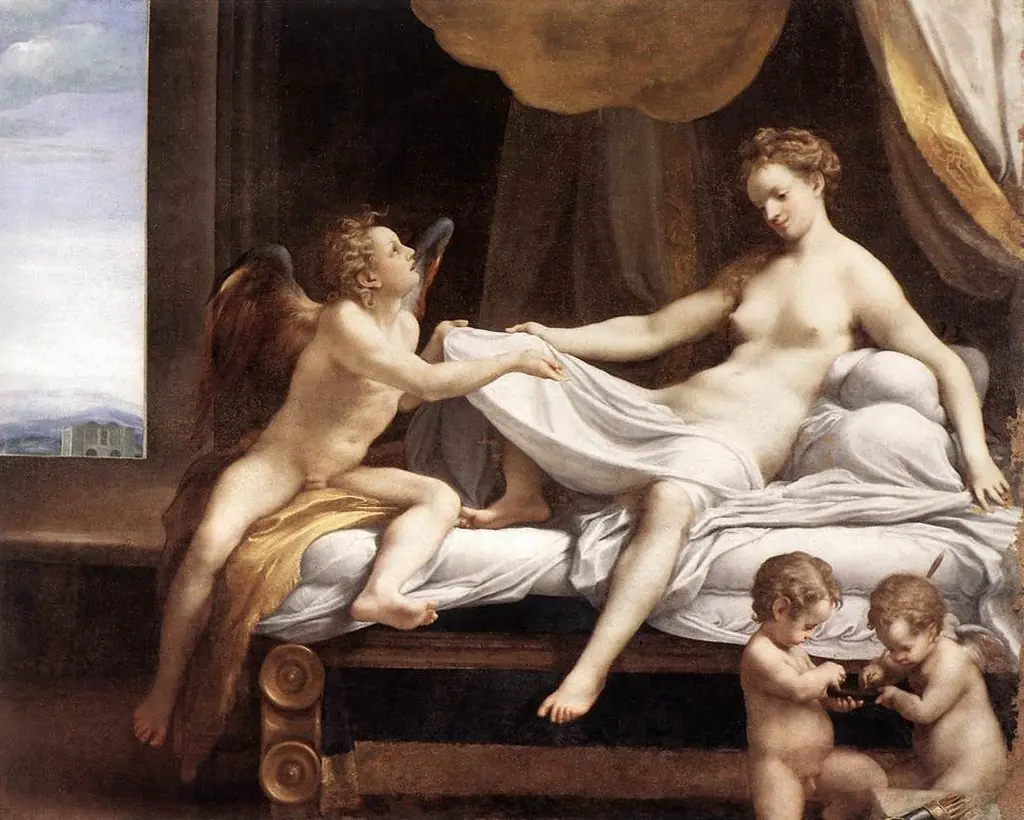
The painting illustrates the myth of Danaë, daughter of King Acrisius, who was imprisoned to prevent a prophecy that her son would kill him. Zeus, in the form of golden rain, visits her, resulting in the birth of Perseus. Bellucci captures the moment of divine intervention: Danaë reclines as putti scatter around her, one holding a vessel to catch the celestial shower. The scene conveys both vulnerability and sacred transformation.
Technique & Style
Bellucci employs chiaroscuro to model Danaë’s form against a deep, shadowed background, drawing focus to her pale skin and the subtle glow descending from above. The putti, rendered with soft brushwork, contrast with the darker, muted tones of the surroundings. Warm flesh tones are balanced by cool grays and browns, enhancing the illusion of volume. The composition is intimate, avoiding grandeur in favor of quiet, tactile realism.
History & Provenance
Created during Bellucci’s time in Central Europe, the painting likely originated as a private commission before entering institutional hands. It was acquired by the Museum of Fine Arts, Budapest, in the 19th century, where it remains today. Its journey reflects the movement of Italian-trained artists and their works across Habsburg territories, aligning with broader patterns of artistic patronage in early modern Europe.
Context
In the late 17th century, mythological subjects like Danaë remained popular among European elites, often symbolizing divine favor or eroticized virtue. Bellucci’s approach, while rooted in Venetian colorism, adapts to the more restrained tastes of Habsburg courts. The painting’s emphasis on texture and light, rather than dramatic action, situates it within a transitional phase between High Baroque and emerging Rococo sensibilities.
Legacy
Though not widely known outside scholarly circles, Bellucci’s Danaë exemplifies the cross-regional exchange of artistic ideas in early modern Europe. Its presence in Budapest underscores the city’s role as a repository for Central European collections shaped by Italian influences. The work continues to serve as a reference for studies on mythological painting beyond the major centers of Rome or Venice.
Artist & collection
Artist
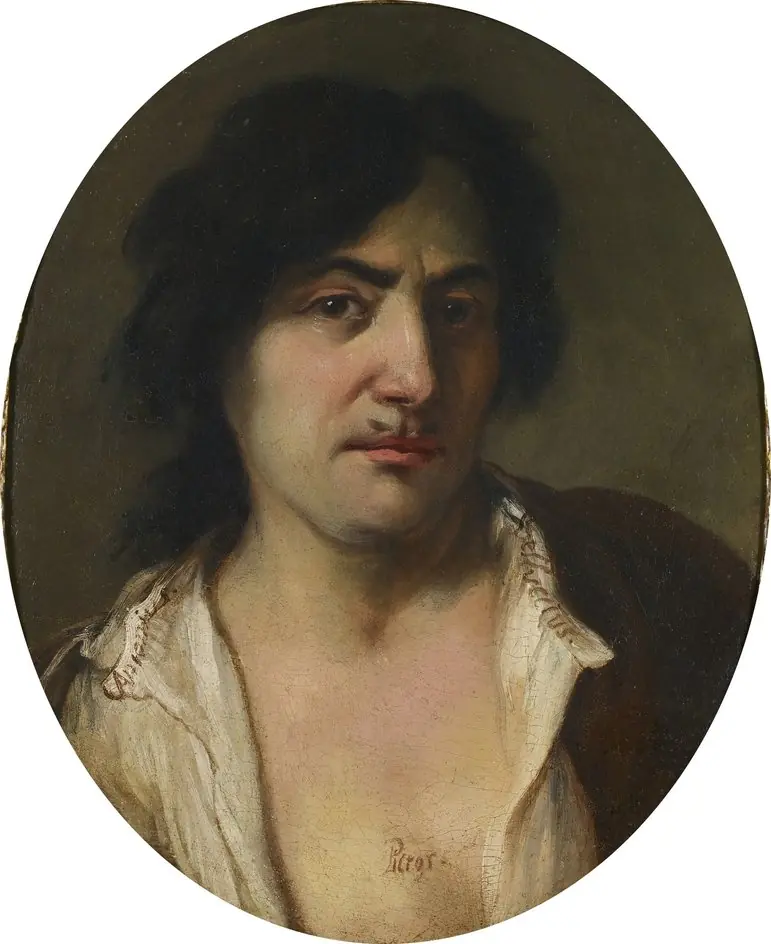
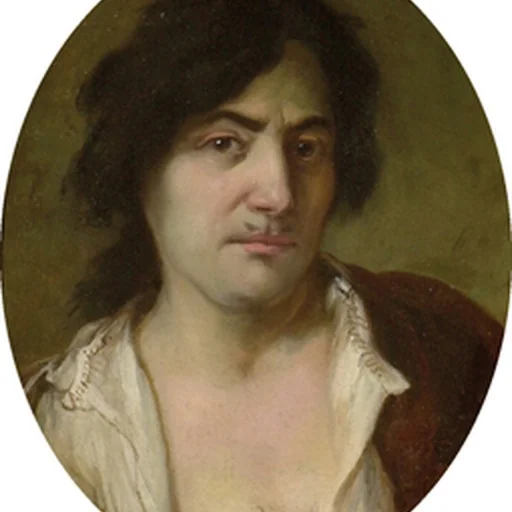
Antonio Bellucci (19 February 1654 – 29 August 1726) was an Italian soldier who became a painter of the Rococo period and is best known for his work in England, Germany, and Austria.