Artwork
A Virgem e o Menino
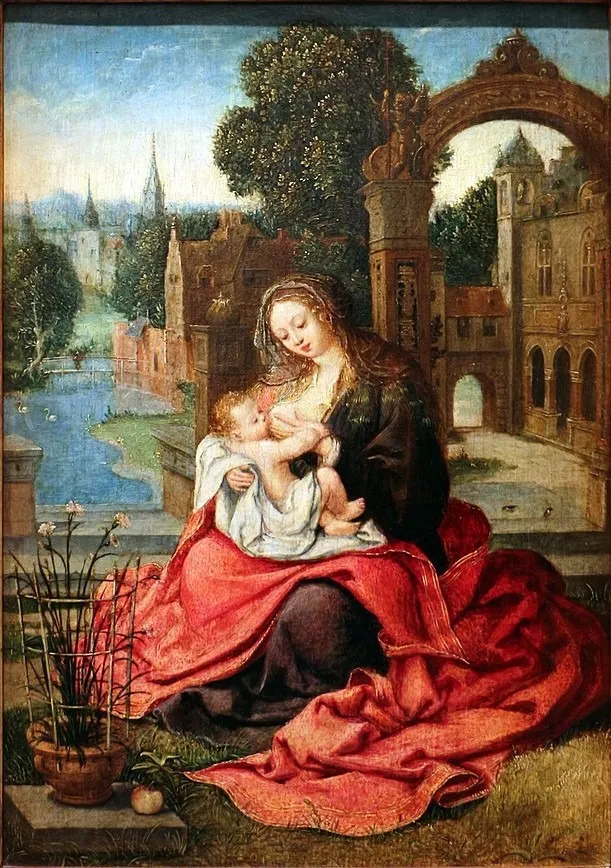
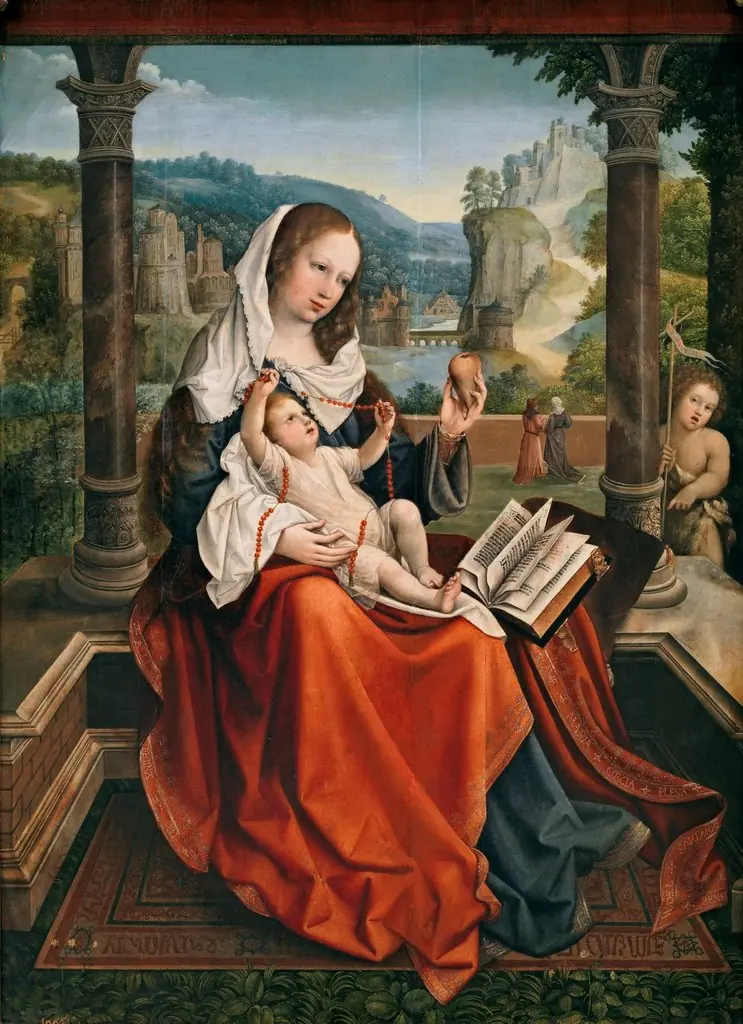
A Virgem e o Menino is an unspecified painting by the Northern Renaissance artist Unknown. It dates from 1520 and is held in the collection of the National Museum of Ancient Art. This small-scale panel painting portrays the Virgin Mary seated with the infant Jesus on her lap, rendered in a calm, intimate composition.
About this work
Overview
The palette is restrained, emphasizing deep tones against the white swaddling and the red drapery, creating visual harmony without theatricality.
This small-scale panel painting portrays the Virgin Mary seated with the infant Jesus on her lap, rendered in a calm, intimate composition. The figures are centered against a softly detailed landscape, with natural elements like potted plants and distant hills reinforcing a sense of quiet contemplation. The palette is restrained, emphasizing deep tones against the white swaddling and the red drapery, creating visual harmony without theatricality.
Subject & Meaning
The figures represent the Virgin and Child, a common devotional subject in medieval and early Renaissance religious art. Mary’s tender posture and the child’s stillness suggest maternal tenderness and divine humility. The inclusion of potted plants may symbolize fertility or the Garden of Eden, while the tranquil landscape evokes spiritual peace, reinforcing the sacred nature of the moment without overt iconography.
Technique & Style
The artist employs fine brushwork to render textures—delicate folds in the fabric, the softness of swaddling, and the subtle gradations of the landscape. Pigments are applied with restraint, favoring muted tones over brilliance. The background landscape is rendered with atmospheric perspective, receding gently into the distance, while the foreground objects are sharply defined, anchoring the viewer’s focus on the central figures.
History & Provenance
The painting’s origins are tied to late medieval devotional practices in Southern Europe, likely created between the late 14th and early 15th centuries. It was probably commissioned for private worship, given its modest size and intimate scale. Its early ownership is undocumented, but its style aligns with regional workshops active in Italy or the Iberian Peninsula during the transition from Byzantine to naturalistic representation.
Context
During this period, images of the Virgin and Child were central to domestic piety, especially among the laity who sought personal connection with the divine. The inclusion of natural elements—plants, hills, water—reflects a growing interest in earthly beauty as a reflection of divine order. This work stands apart from grand altarpieces, instead serving as a quiet tool for meditation within a private setting.
Legacy
Though not widely known today, the painting exemplifies the shift toward humanized religious imagery in the late Middle Ages. Its emphasis on tenderness and quietude influenced later devotional works that prioritized emotional resonance over grandeur. It remains a quiet testament to the role of art in personal spiritual practice during a time of evolving religious expression.
Artist & collection

 Domestic Scene
 Giacomo and Cardinal Marco, investing Andrea, Abbot of San Zeno, with his Benefice
 The Nymph of Fontainebleau
 Portrait of a Woman
 Madonna and Child with Saints in the Enclosed Garden
 Venus and Minerva
 Family Group of Four on Sofa
 Wall painting from Room H of the Villa of P. Fannius Synistor at Boscoreale
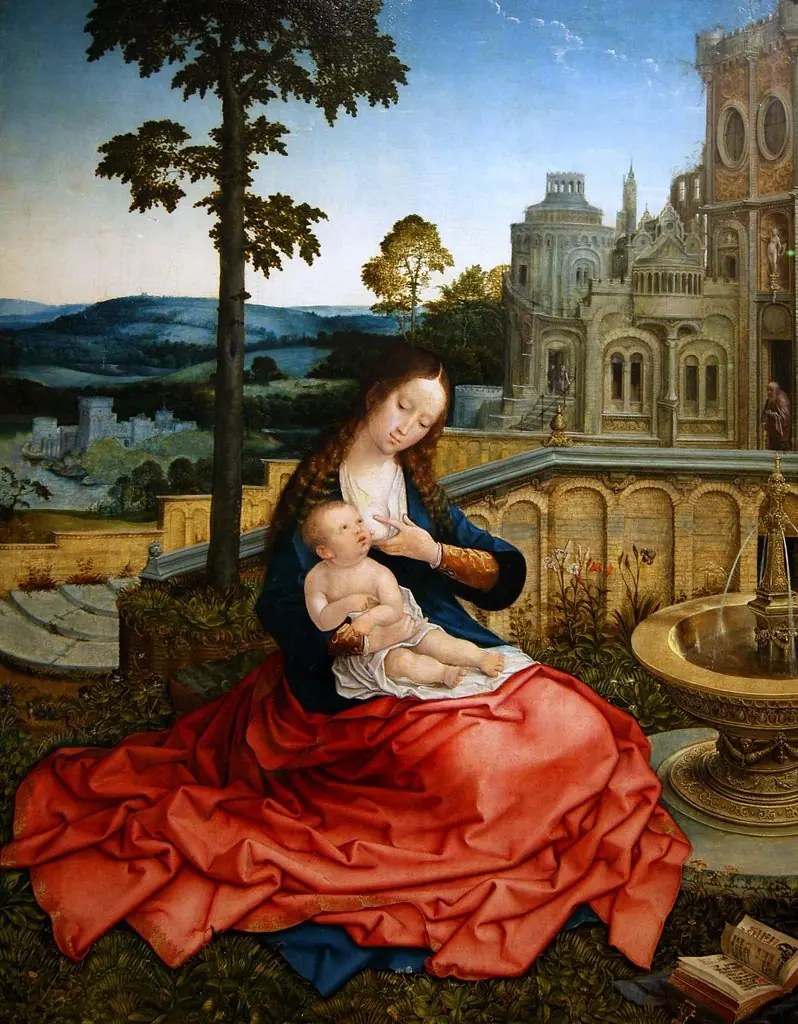 Virgin and Child near a Fountain
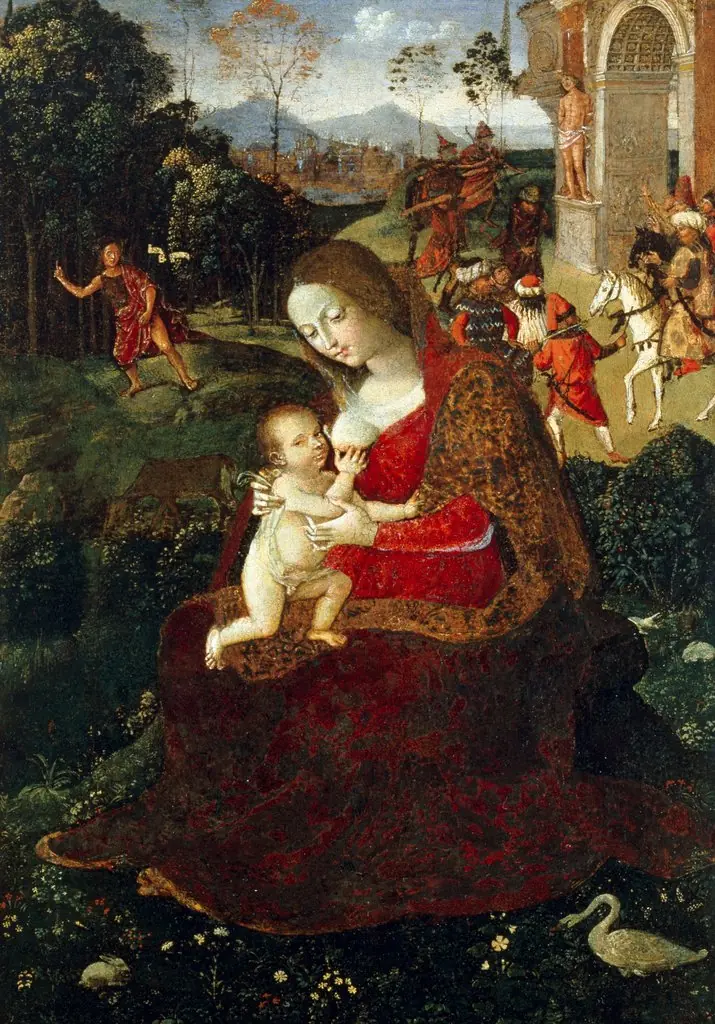 Madonna and Child with Saint John the Baptist
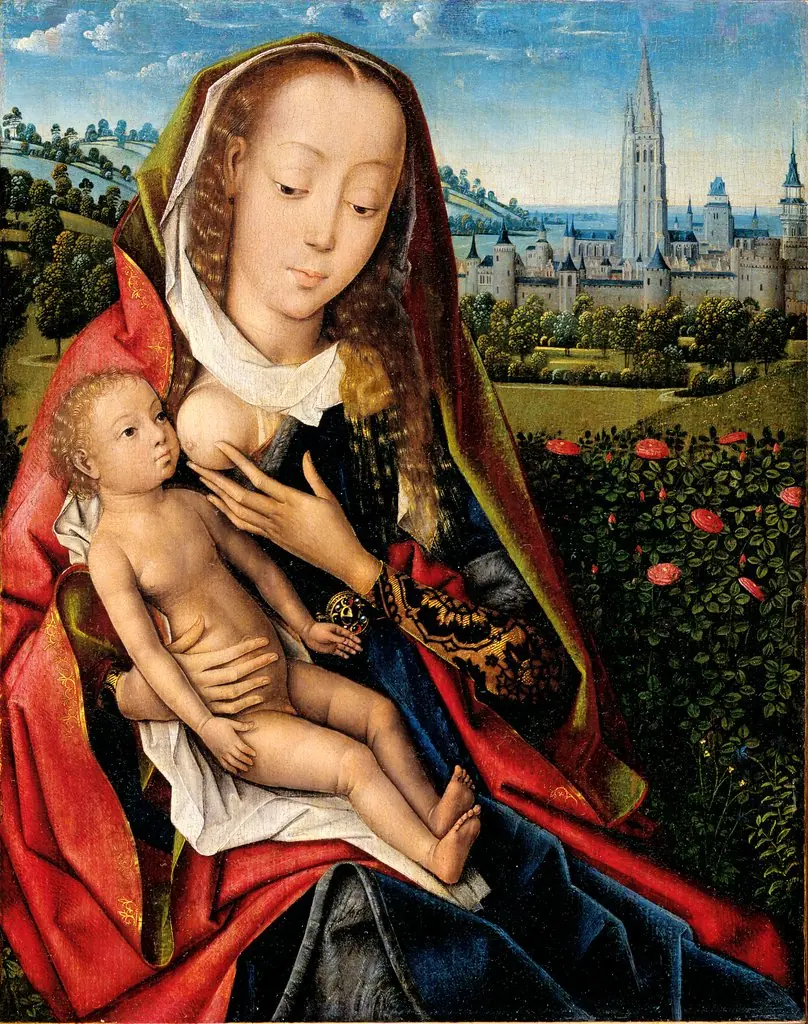 Virgin and Child in a Landscape
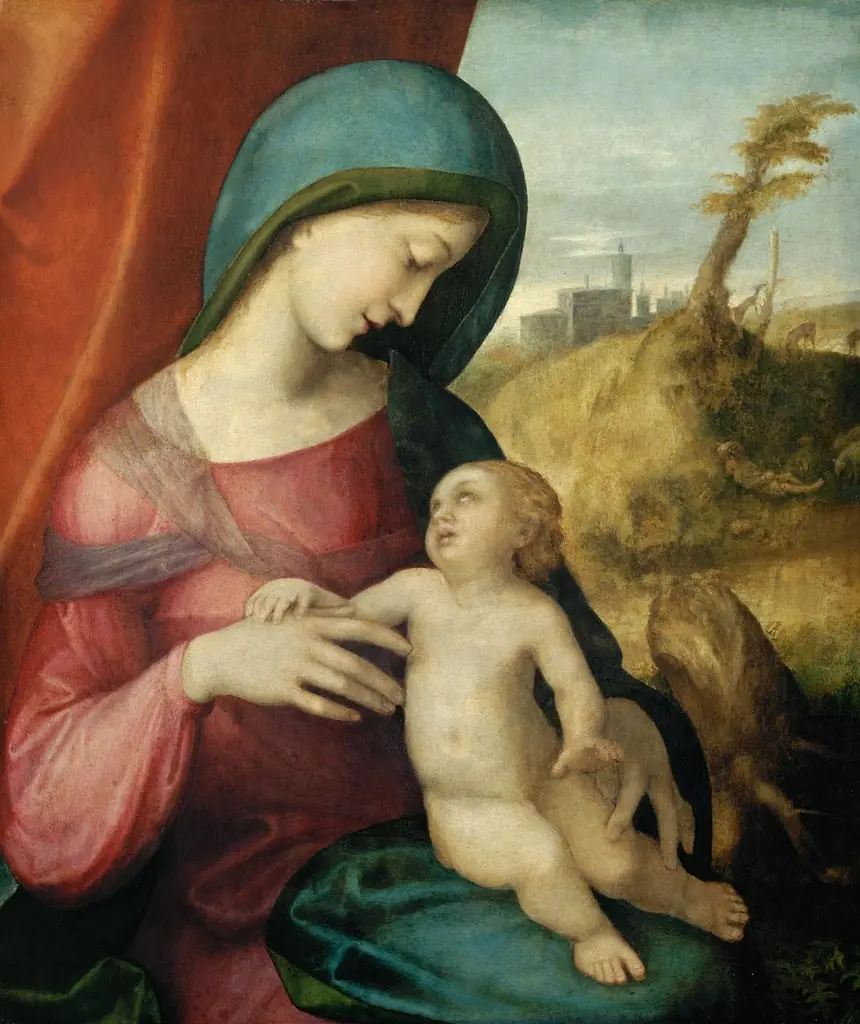 Mary and Child
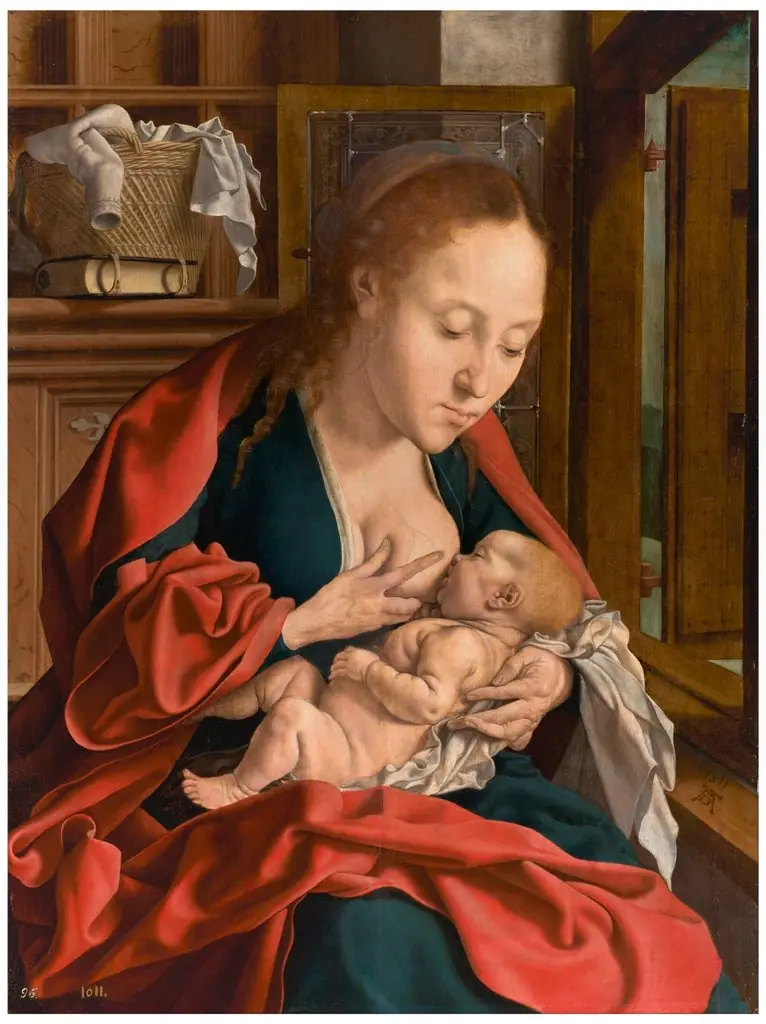 The Virgin Nursing the Child
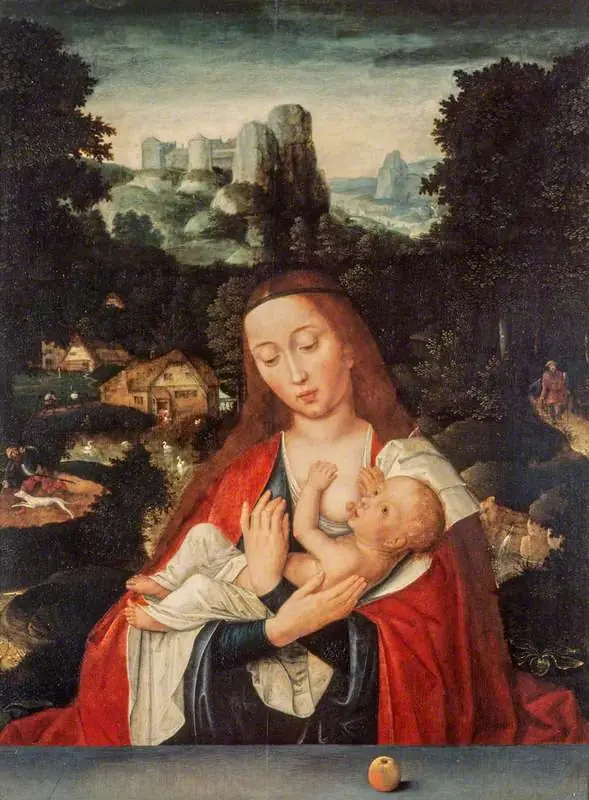 The Virgin and Child
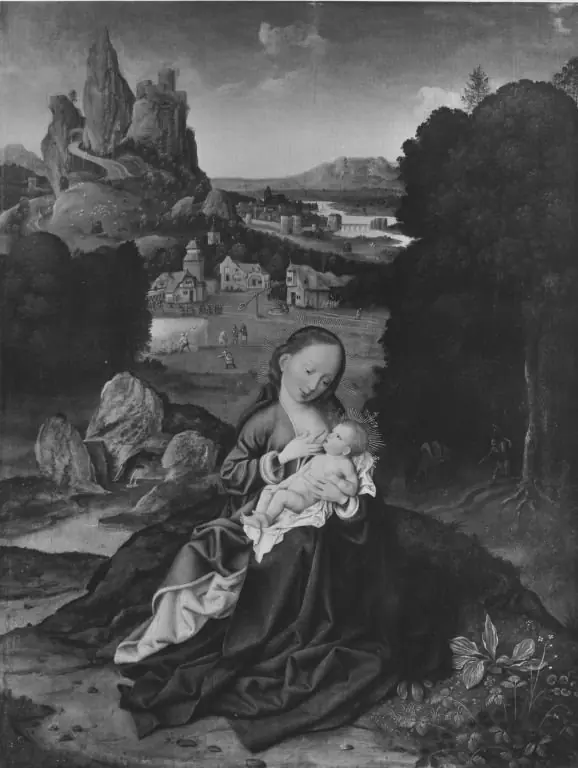 Rest in flight
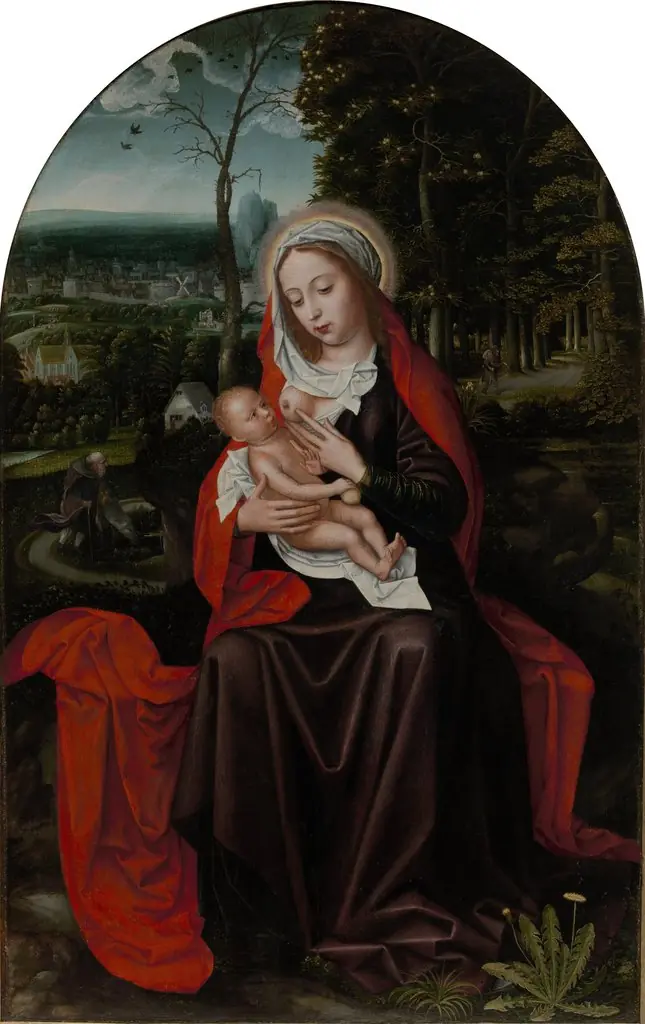 Rest on the flight into Egypt
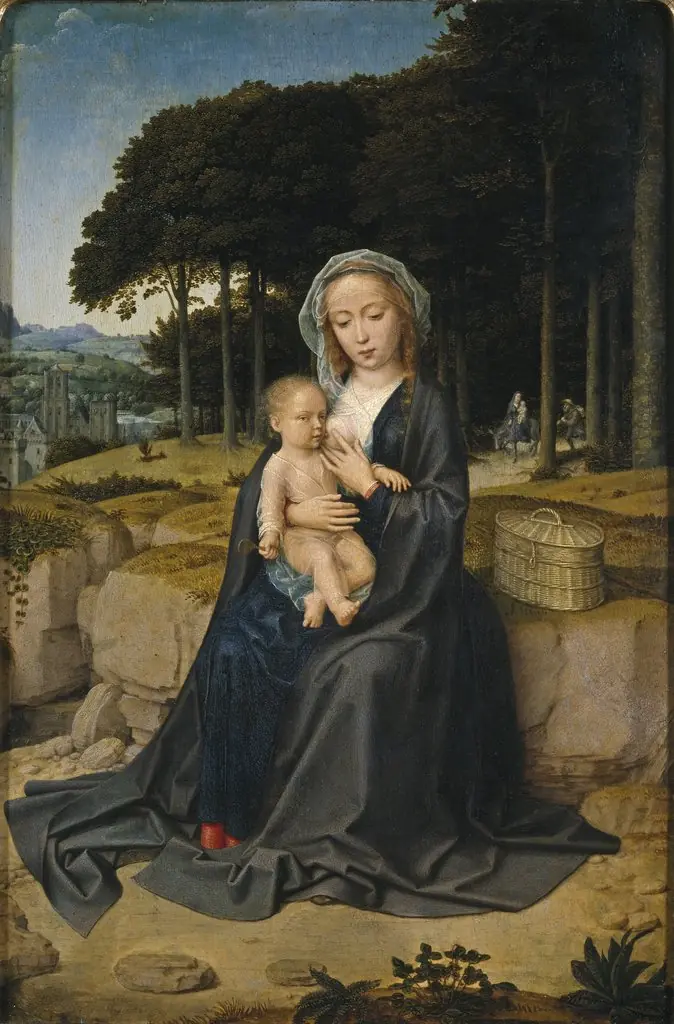 Rest on the Flight into Egypt
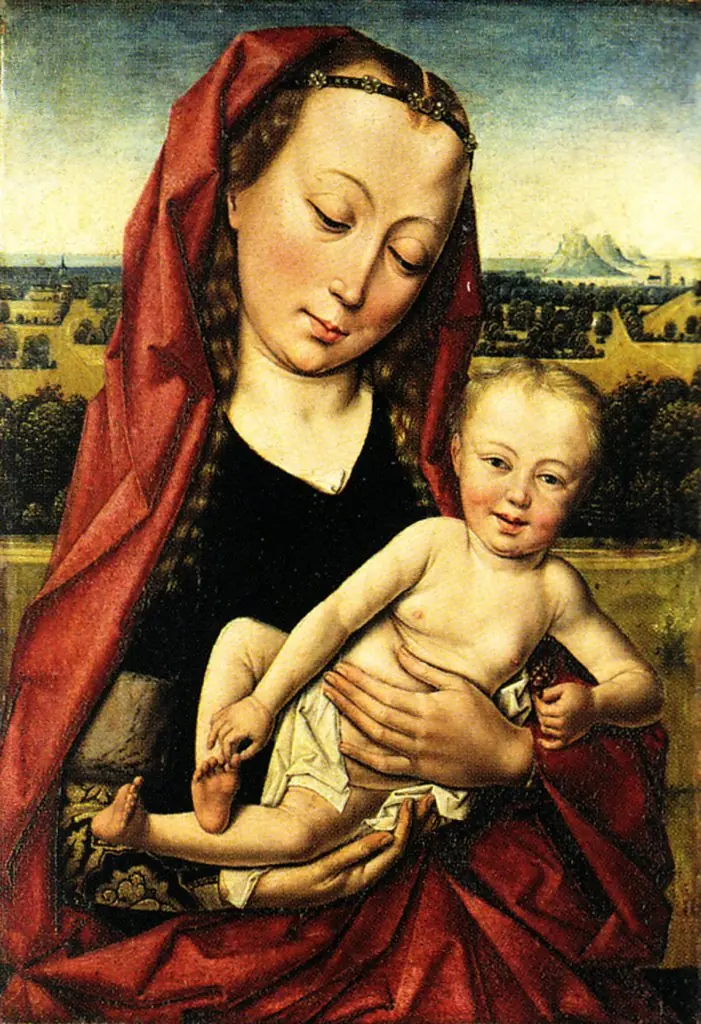 Virgin with child
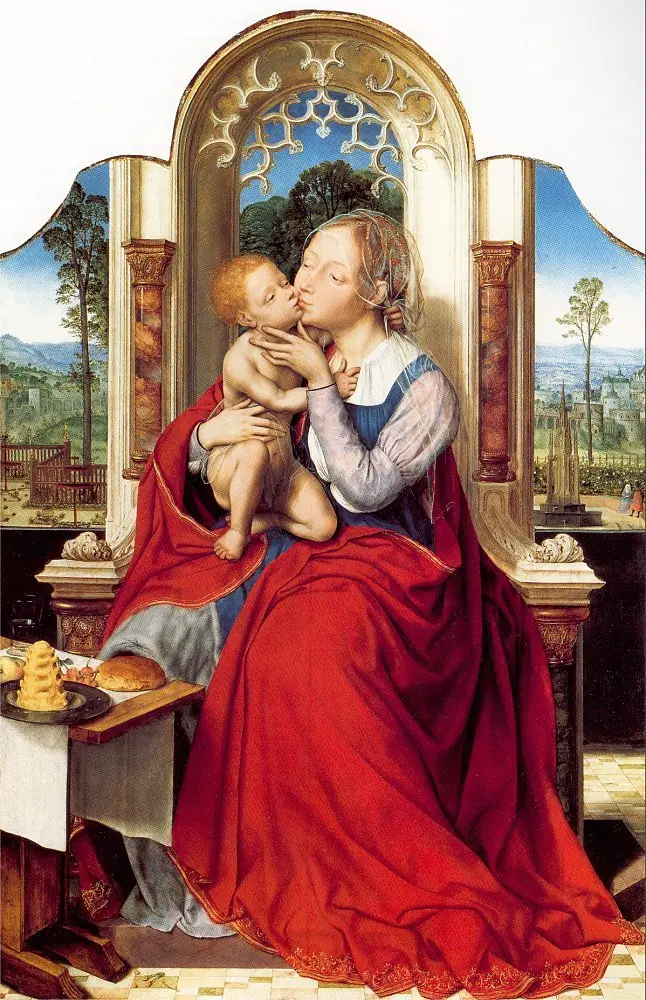 Madonna Enthroned
 The Virgin and Child with the Infant Saint John the Baptist