Artwork
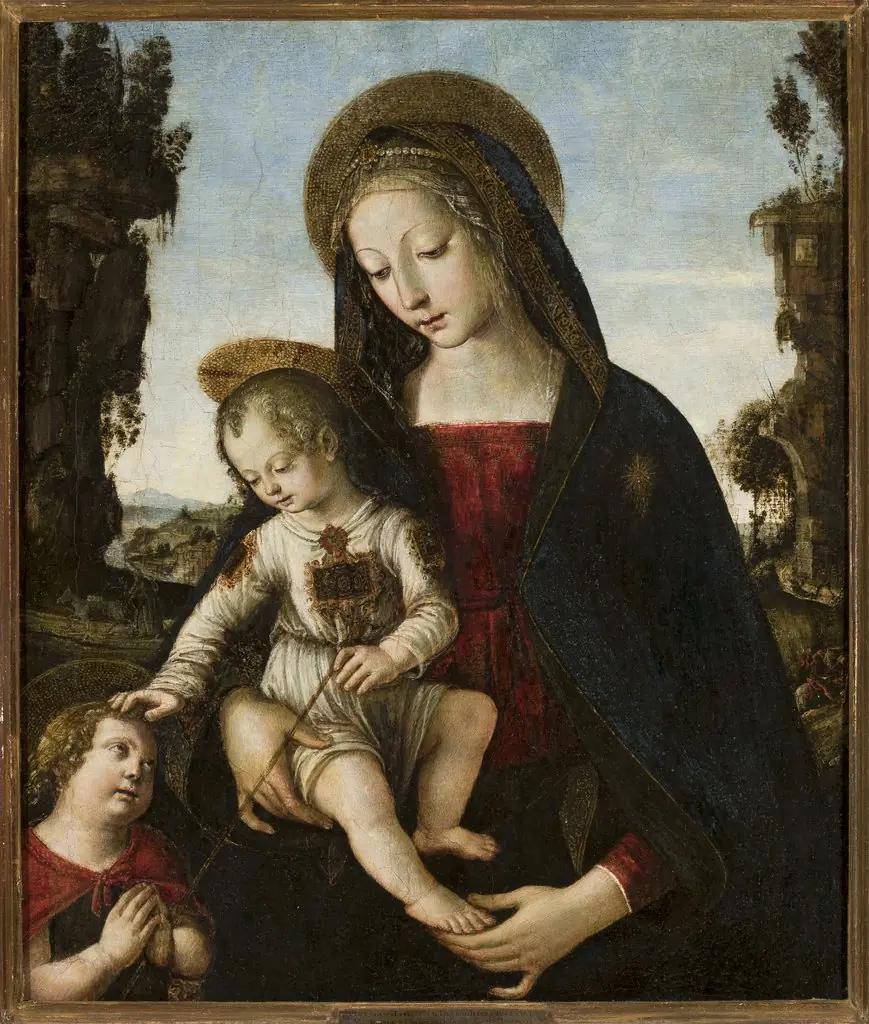
Madonna and Child with Saint John the Baptist
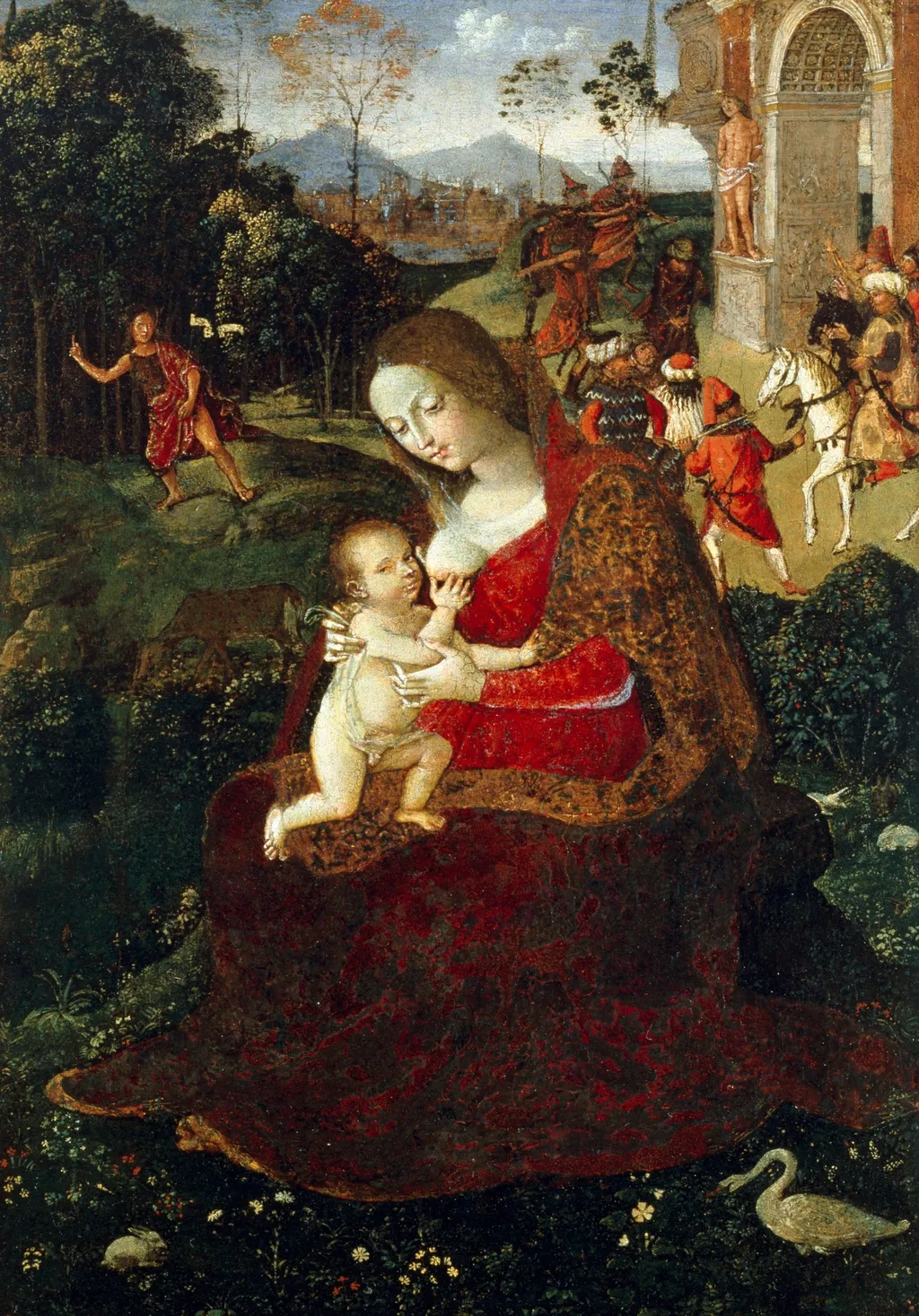
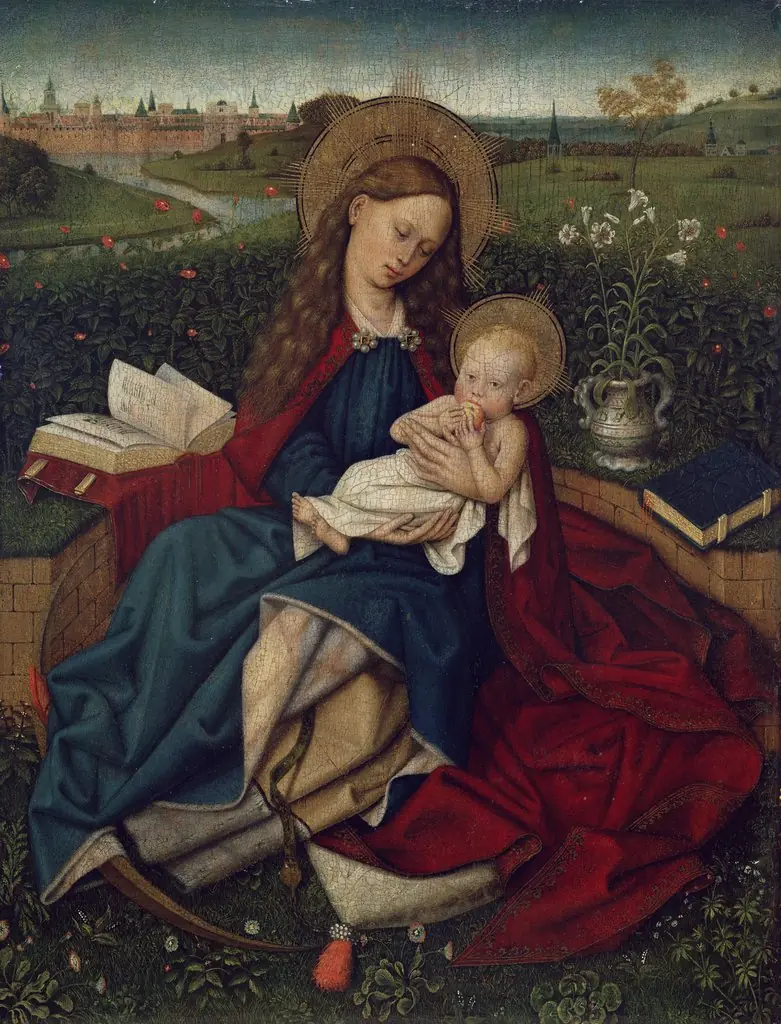
Madonna and Child with Saint John the Baptist is an unspecified painting by the Early Renaissance artist Pinturicchio. It dates from 1496 and is held in the collection of the Museum of Fine Arts, Houston.
About this work
Overview
The work entered the Museum of Fine Arts, Houston’s collection in the 20th century, where it remains part of its European Renaissance holdings.
Painted in 1496 by Bernardino di Betto, known as Pinturicchio, this devotional panel features the Virgin Mary, Christ Child, and the young Saint John the Baptist. Executed in tempera and gold on panel, it reflects the transitional style of late 15th-century Umbrian painting. The work entered the Museum of Fine Arts, Houston’s collection in the 20th century, where it remains part of its European Renaissance holdings.
Subject & Meaning
The composition centers on the Virgin Mary seated with the Christ Child on her lap, while Saint John the Baptist, identified by his simple tunic and staff, stands beside them in quiet reverence. The scene evokes familial tenderness and spiritual anticipation, with John’s presence foreshadowing his future role as the forerunner of Christ. The intimate grouping underscores themes of divine grace and human devotion common in Renaissance religious imagery.
Technique & Style
Pinturicchio employed delicate tempera painting with subtle gold detailing to define halos and fabric edges. The figures are rendered with soft contours and gentle modeling, avoiding dramatic chiaroscuro. The background features a carefully arranged landscape with distant hills and trees, creating depth without overwhelming the foreground. Color contrasts—especially the Virgin’s crimson robe and the Child’s white garment—draw focus while maintaining compositional equilibrium.
History & Provenance
Commissioned during Pinturicchio’s peak activity in central Italy, the painting likely originated in a private chapel or domestic setting. It remained in Italian collections until the 19th century, after which it entered Western private collections before being acquired by the Museum of Fine Arts, Houston. Its provenance reflects the broader movement of Italian Renaissance works into American institutions during the early 1900s.
Context
Created during a period when Umbrian artists blended Florentine naturalism with Sienese elegance, the painting reflects Pinturicchio’s training under Perugino and his engagement with contemporary devotional trends. While not part of a large altarpiece, its scale and subject align with private worship practices among wealthy patrons seeking personal spiritual connection through portable religious imagery.
Legacy
Though less widely known than contemporaries like Raphael, Pinturicchio’s work contributed to the evolution of Renaissance devotional art through refined detail and harmonious composition. This painting exemplifies his ability to convey quiet solemnity within a controlled, lyrical framework. It remains a representative example of small-scale religious panels that sustained spiritual practice beyond church altars.
Own this work as a print
Artist & collection

Artist
Pinturicchio, or Pintoricchio (US: , Italian: ; born Bernardino di Betto; 1454–1513), also known as Benetto di Biagio or Sordicchio, was an Italian Renaissance painter.

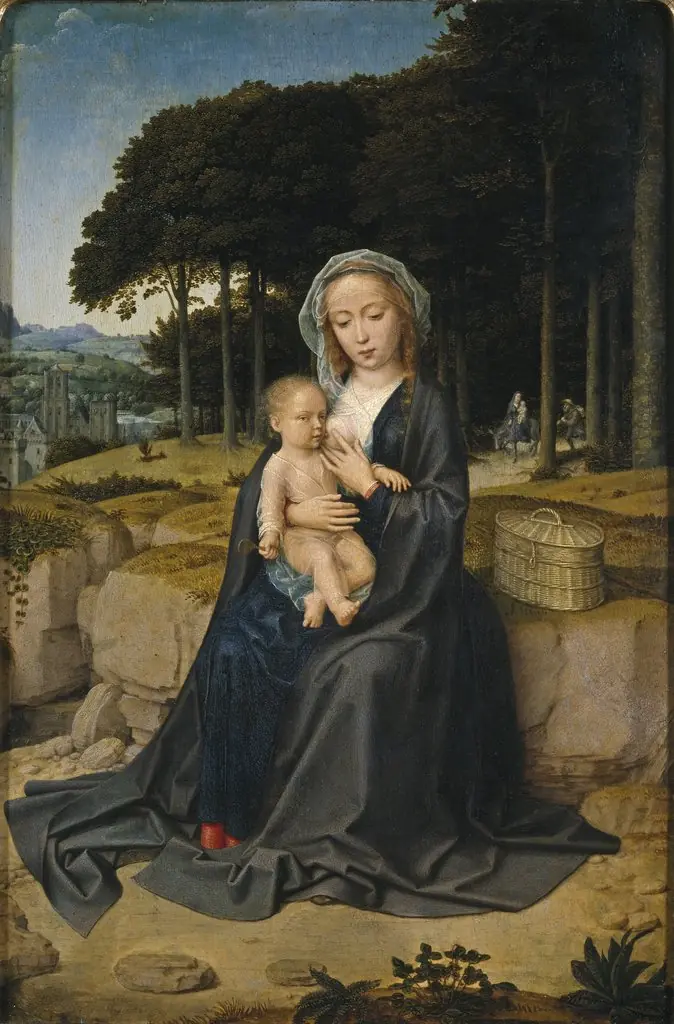 Rest on the Flight into Egypt
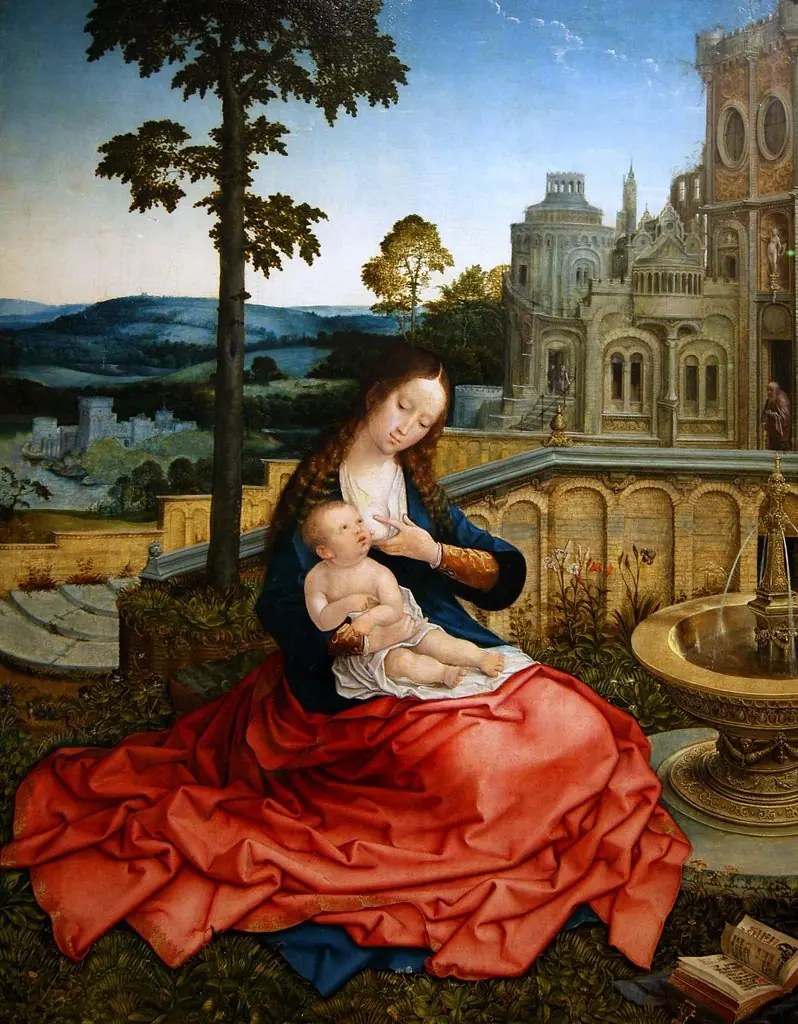 Virgin and Child near a Fountain
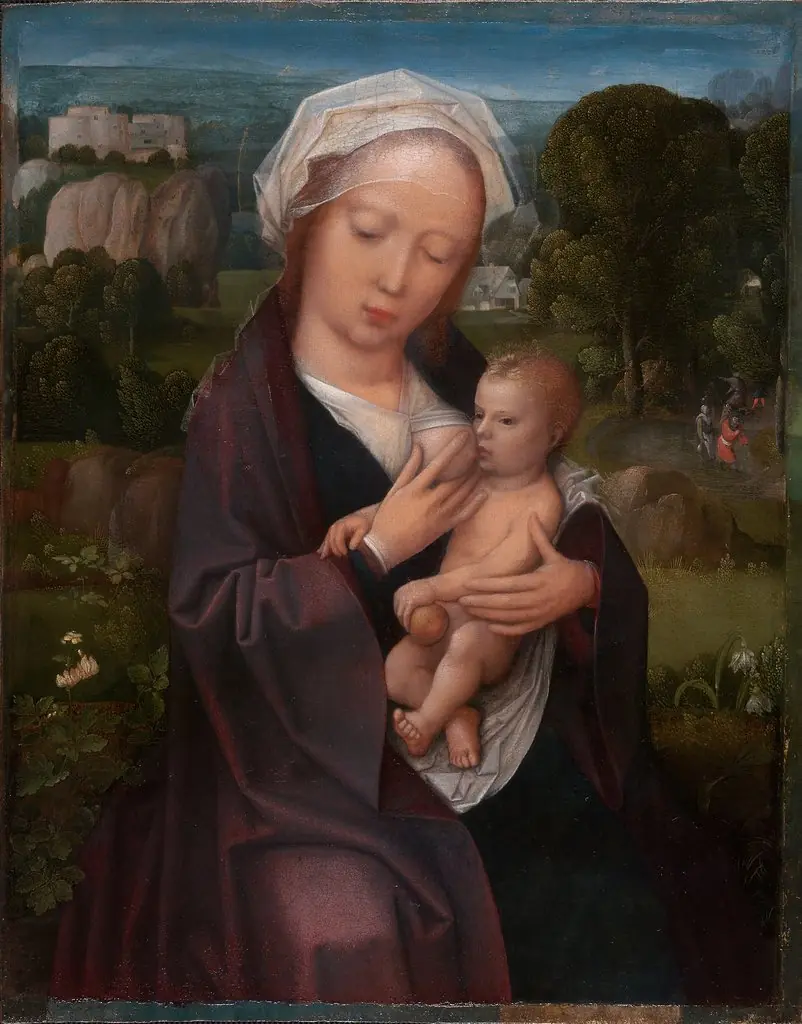 Virgin and Child
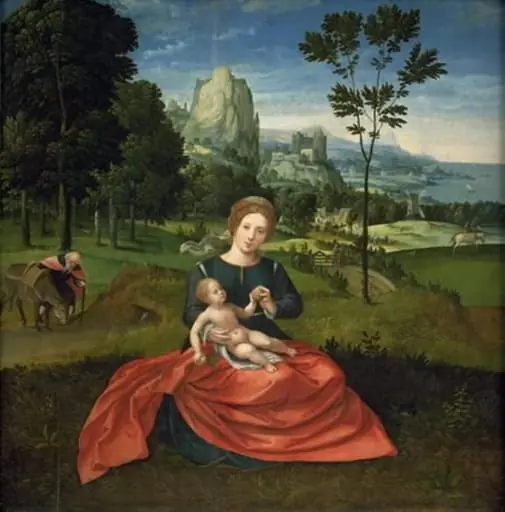 The Rest on the Flight into Egypt
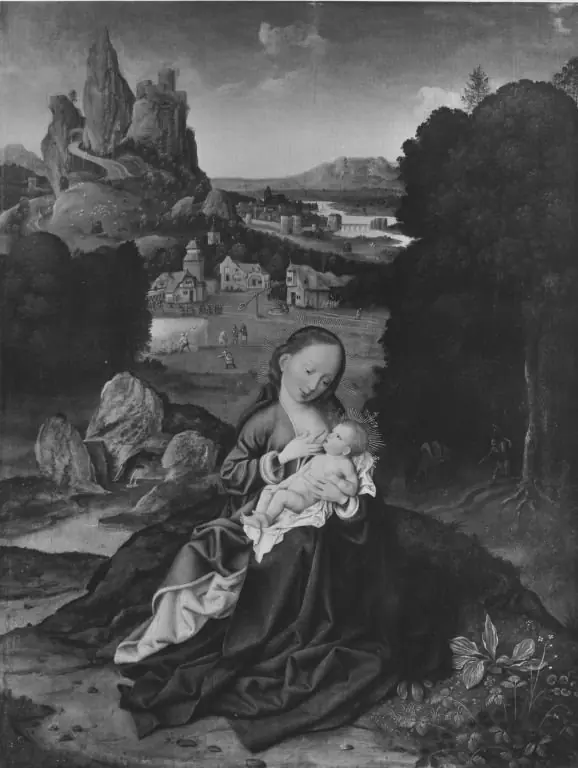 Rest in flight
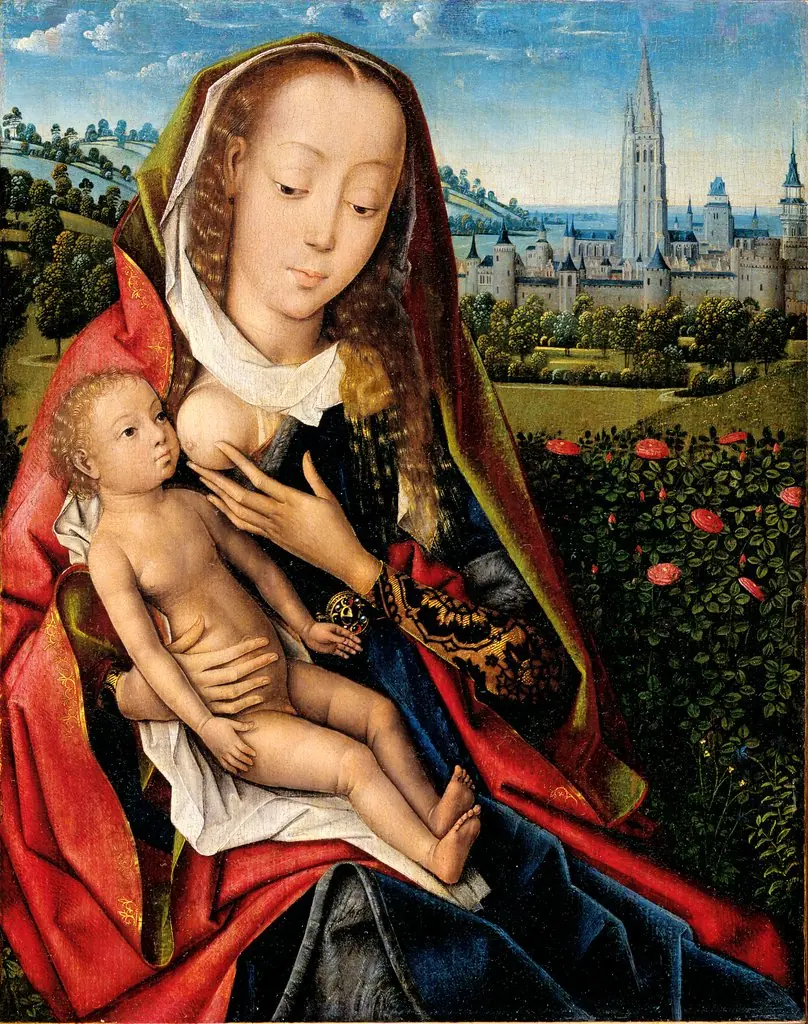 Virgin and Child in a Landscape
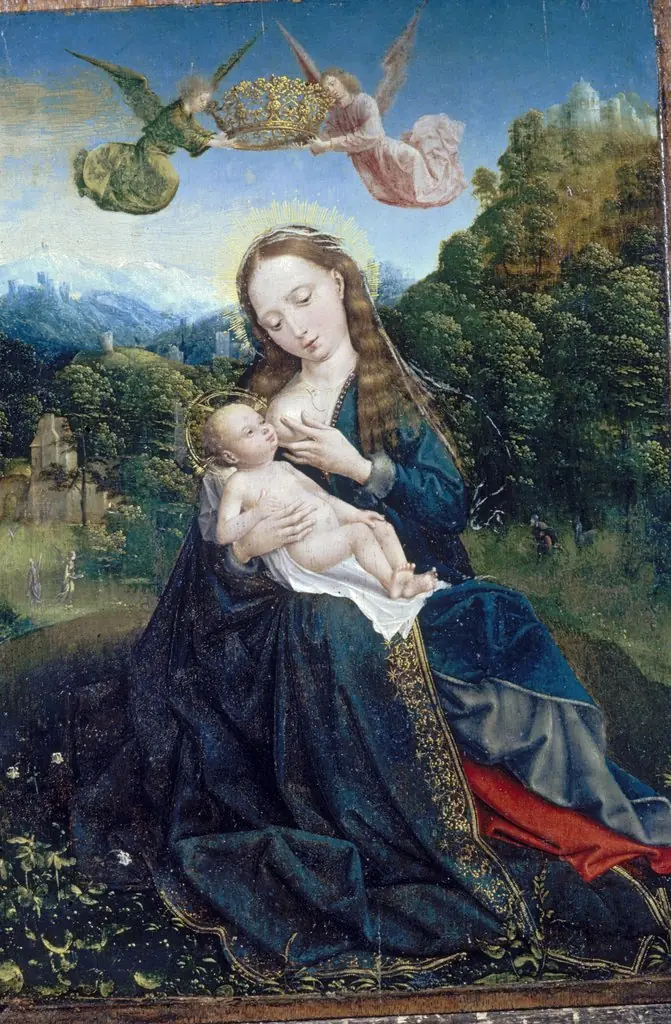 Rest on the Flight into Egypt
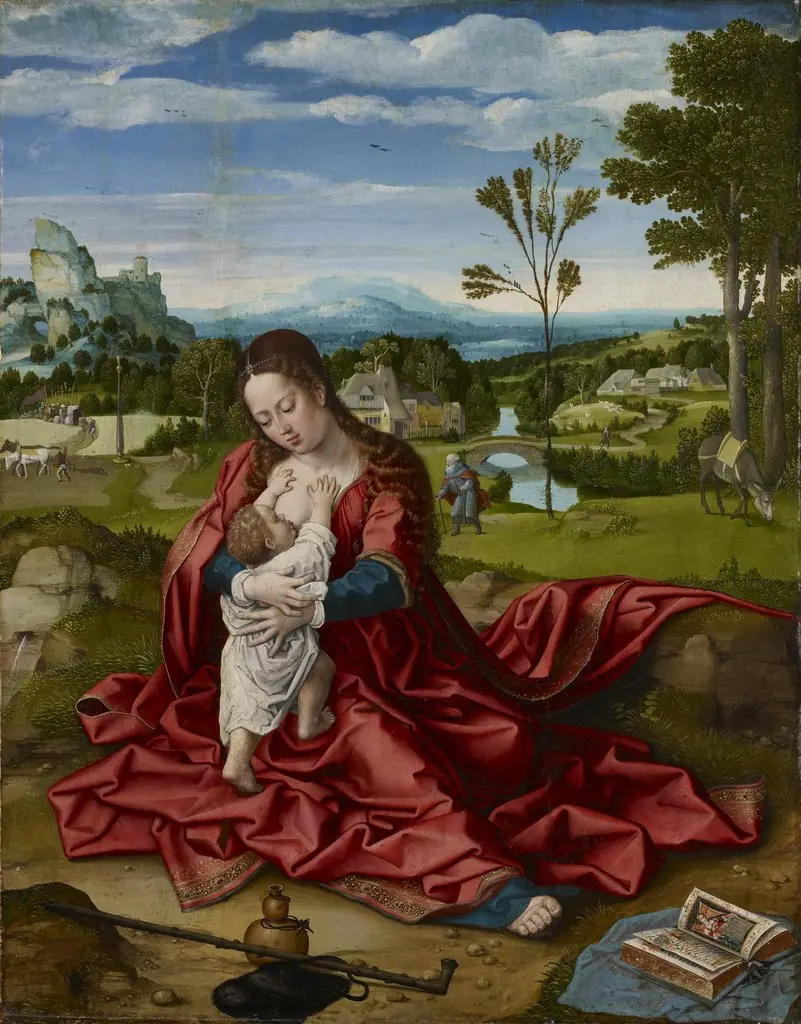 Rest on the Flight into Egypt
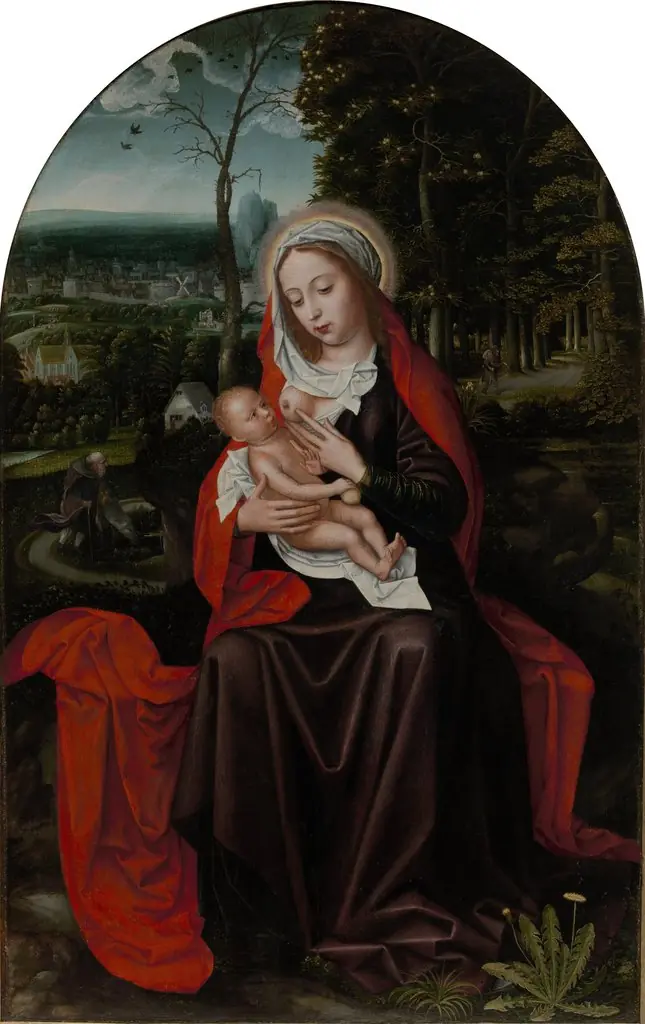 Rest on the flight into Egypt
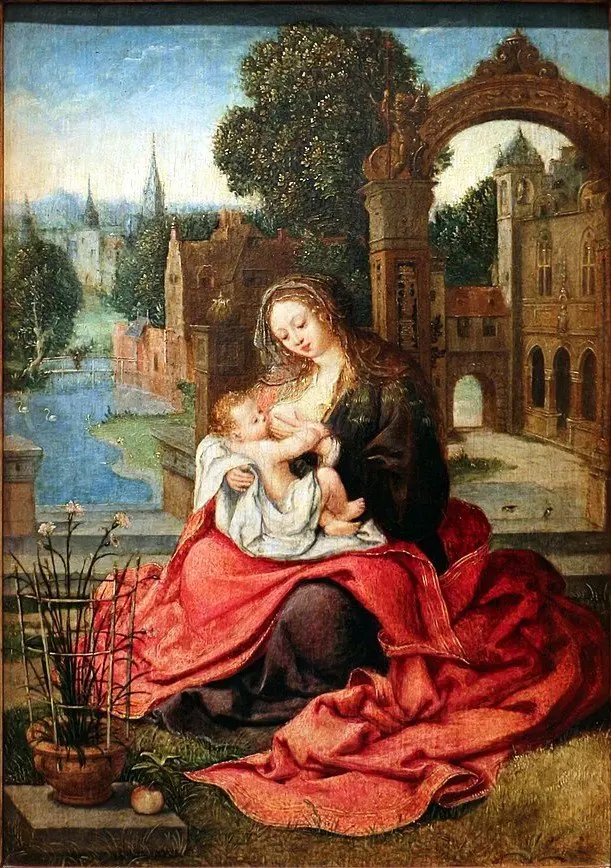 A Virgem e o Menino
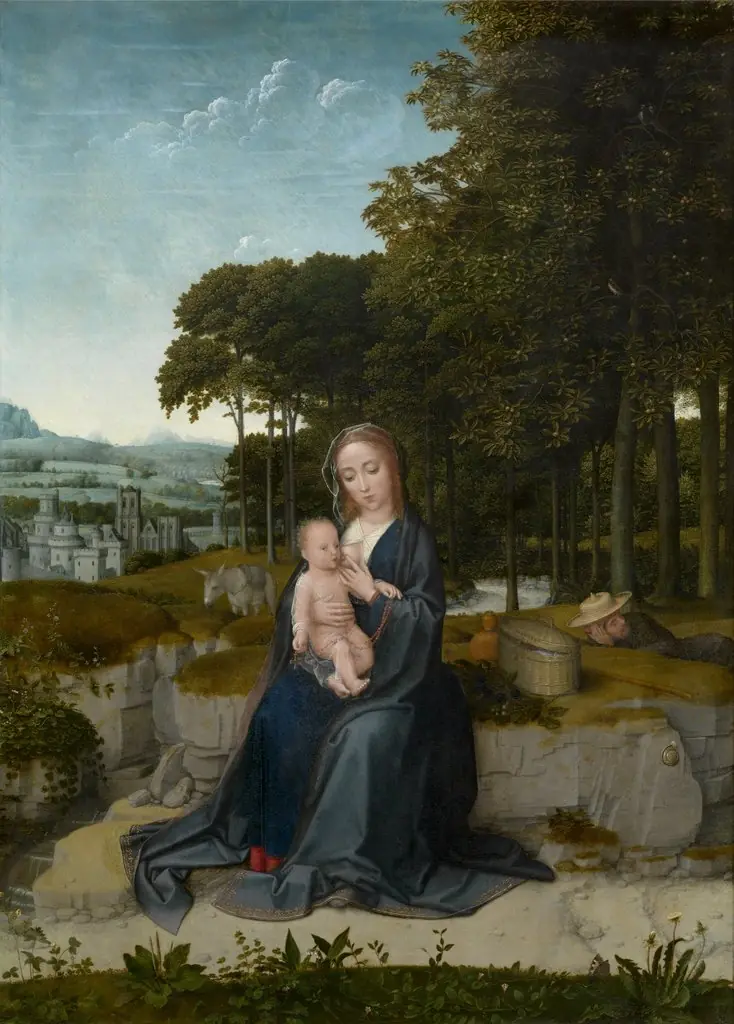 Rest on the Flight into Egypt
 The Madonna of Humility