Artwork
Virgin and Child near a Fountain
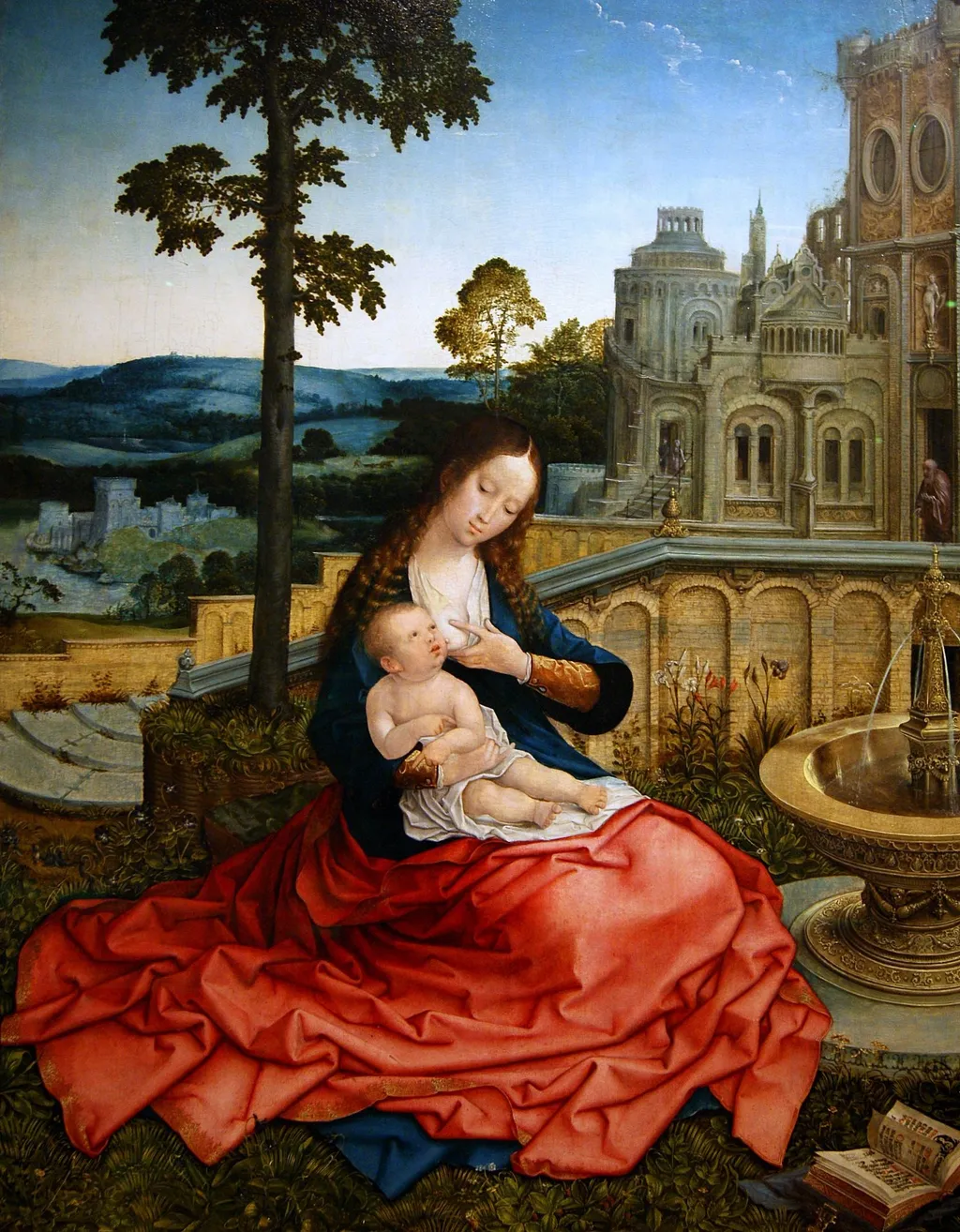
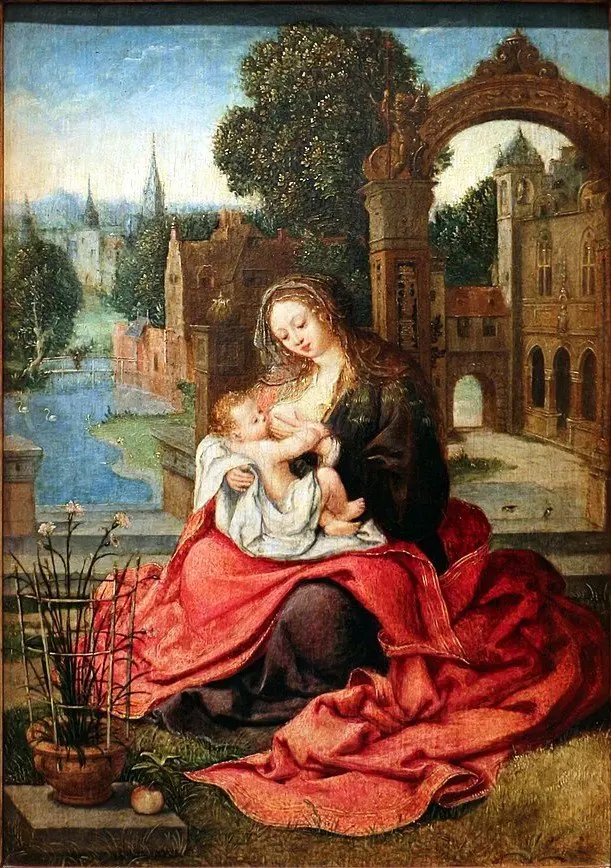
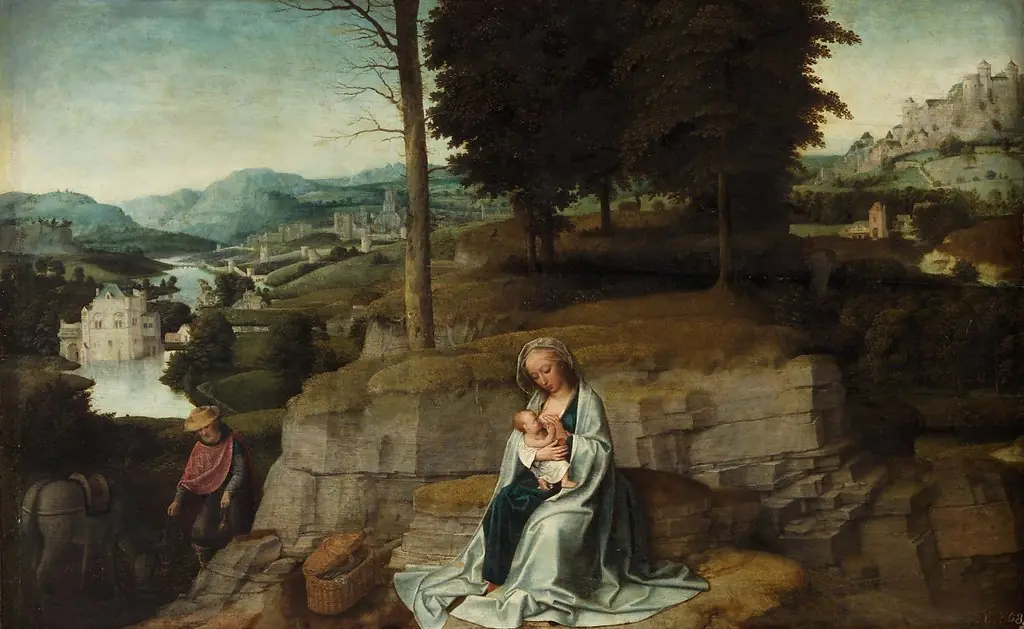
Virgin and Child near a Fountain is an oil painting by the Northern Renaissance artist Bernard Van Orley. It dates from 1518 and is held in the collection of the Kelvingrove Art Gallery and Museum.
About this work
Overview
Van Orley, based in Brussels, was a leading figure in the Northern Renaissance, blending local traditions with Italianate influences.
Painted in 1518 by Bernard van Orley, this oil-on-panel work portrays the Virgin Mary and Christ Child beside a stone fountain. Van Orley, based in Brussels, was a leading figure in the Northern Renaissance, blending local traditions with Italianate influences. The composition reflects his skill in integrating devotional themes with naturalistic detail, characteristic of his broader practice in painting and decorative arts.
Subject & Meaning
The Virgin, seated on the ground, nurses the Christ Child in a quiet, intimate moment. The fountain symbolizes spiritual purity and the source of life, aligning with Marian iconography common in Northern Europe. Her tender gaze and the child’s upward look emphasize maternal devotion, while the serene setting suggests a sacred stillness, transforming a domestic scene into a contemplative religious image.
Technique & Style
Van Orley employs chiaroscuro to model the figures with subtle gradations of light and shadow, enhancing their three-dimensionality. The textures of fabric, stone, and foliage are rendered with precise brushwork, reflecting his training in both panel painting and tapestry design. The palette—deep blues, warm reds, and muted earth tones—grounds the scene in realism while maintaining a reverent tone.
History & Provenance
The painting has remained in institutional hands since at least the 19th century and is now part of the Kelvingrove Art Gallery and Museum’s collection in Glasgow. Its documented history is limited, but its stylistic consistency with van Orley’s other dated works supports its attribution and dating to 1518, a period when he was actively producing religious panels for private and ecclesiastical patrons.
Context
Van Orley belonged to the Romanists, a group of Northern artists who absorbed Italian Renaissance ideals after exposure to prints and travelers’ accounts. While Italian art emphasized idealized form, van Orley retained Northern attention to detail and naturalism. This painting reflects that synthesis: the Virgin’s pose echoes Raphael’s tenderness, yet the setting and textures remain rooted in Flemish observation.
Legacy
Though less widely known than contemporaries like Dürer or Titian, van Orley’s work helped bridge Northern and Italian traditions in early 16th-century Europe. His devotional panels, including this one, influenced regional painters through their quiet dignity and technical refinement. The painting endures as a quiet example of how religious imagery evolved through cross-cultural exchange in the Renaissance.
Own this work as a print
Artist & collection
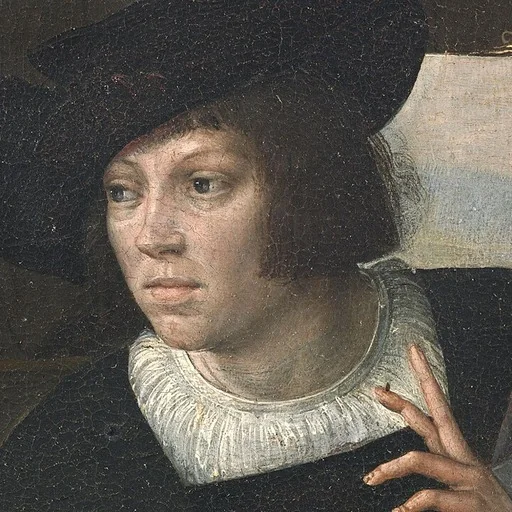
Artist
Bernard van Orley (between 1487 and 1491 – 6 January 1541), also called Barend or Barent van Orley, Bernaert van Orley or Barend van Brussel, was a versatile Flemish artist and representative of Dutch and Flemish…

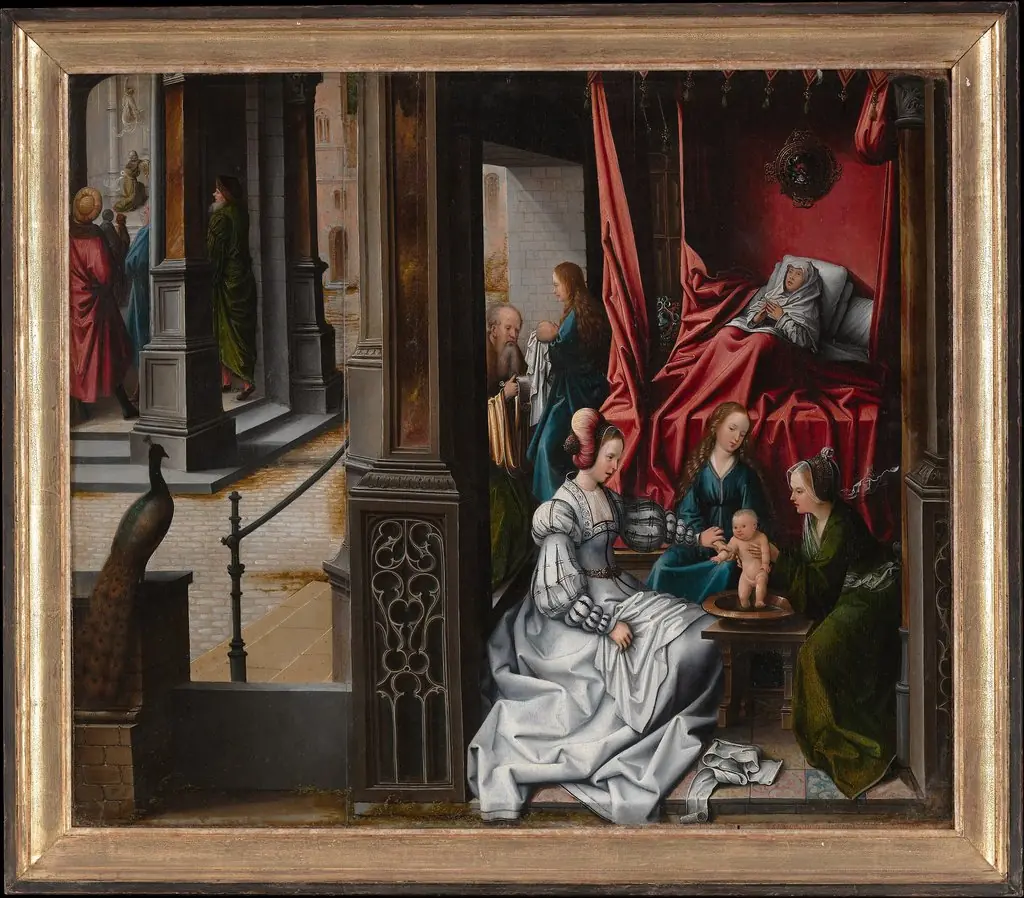 The Birth and Naming of Saint John the Baptist; (reverse) Trompe-l'oeil with Painting of The Man of Sorrows
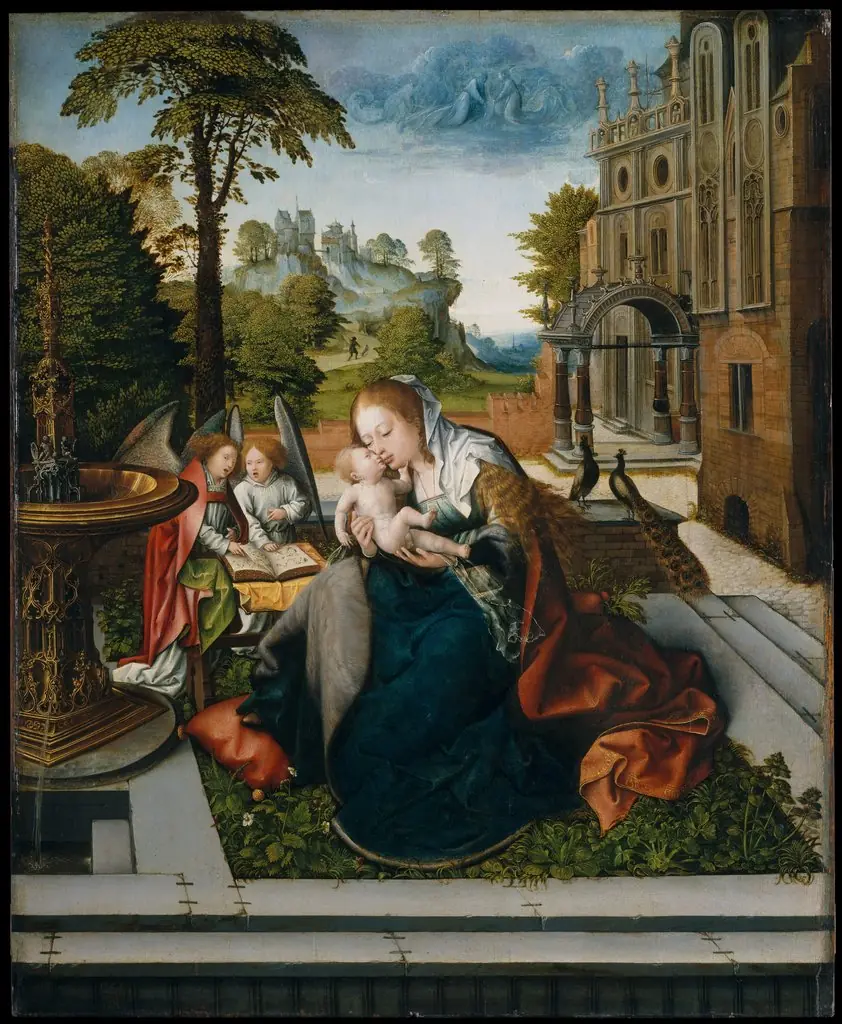 Virgin and Child with Angels
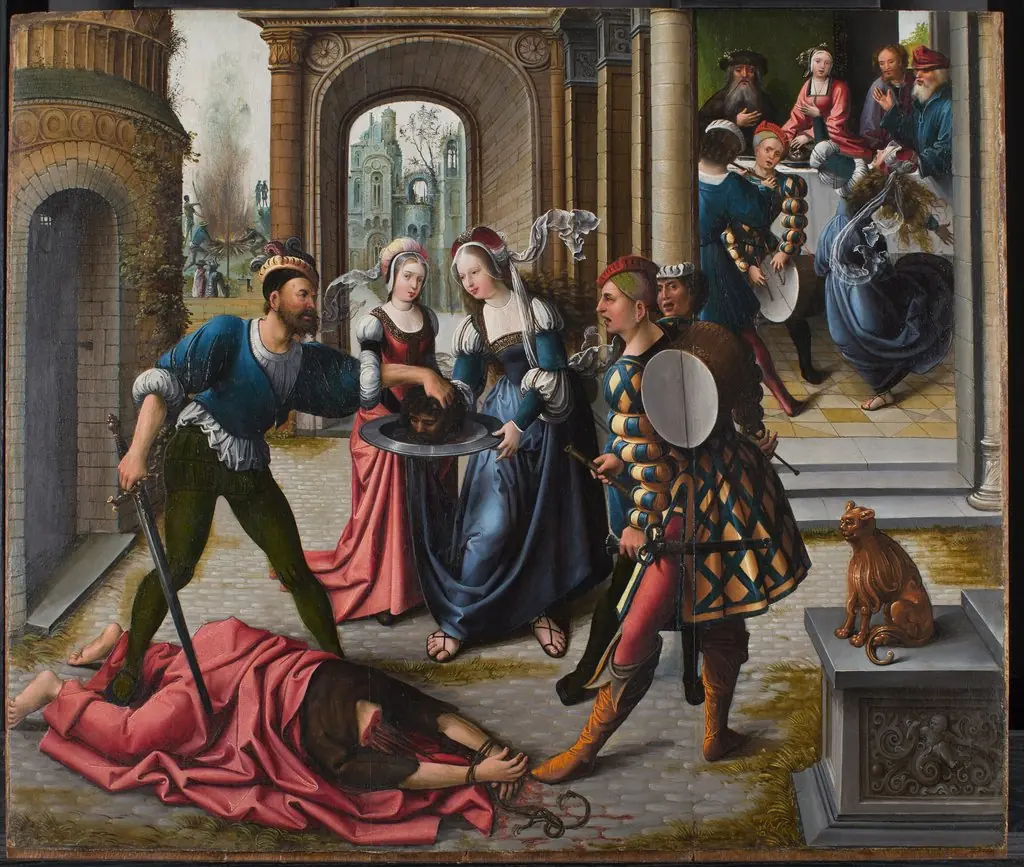 The Martyrdom of Saint John the Baptist
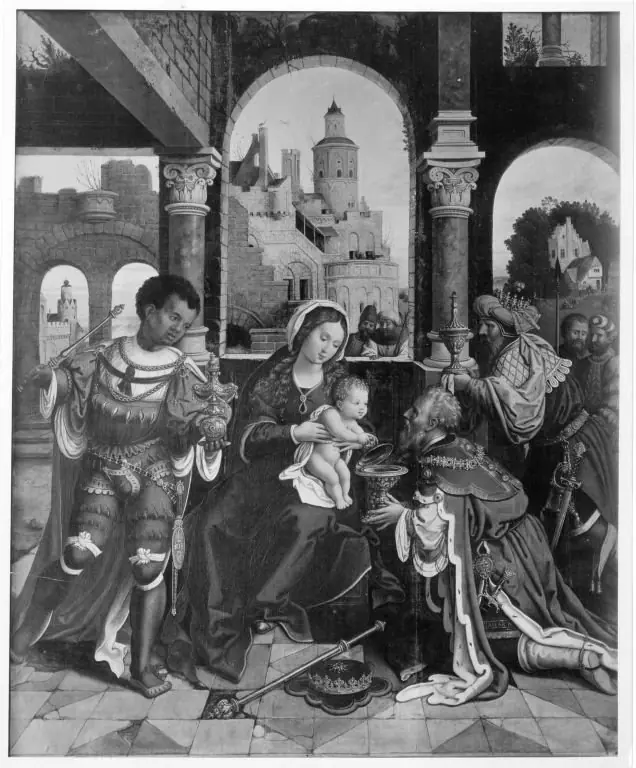 The Adoration of the Magi
![Christ among the Doctors [obverse], by Bernard Van Orley](https://artifactworldgallery.com/img/bernard-van-orley--christ-among-the-doctors-obverse--78795f311364e613-w320.webp) Christ among the Doctors [obverse]
Christ among the Doctors [obverse]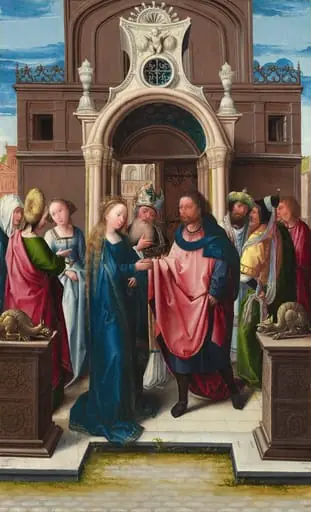 The Marriage of the Virgin
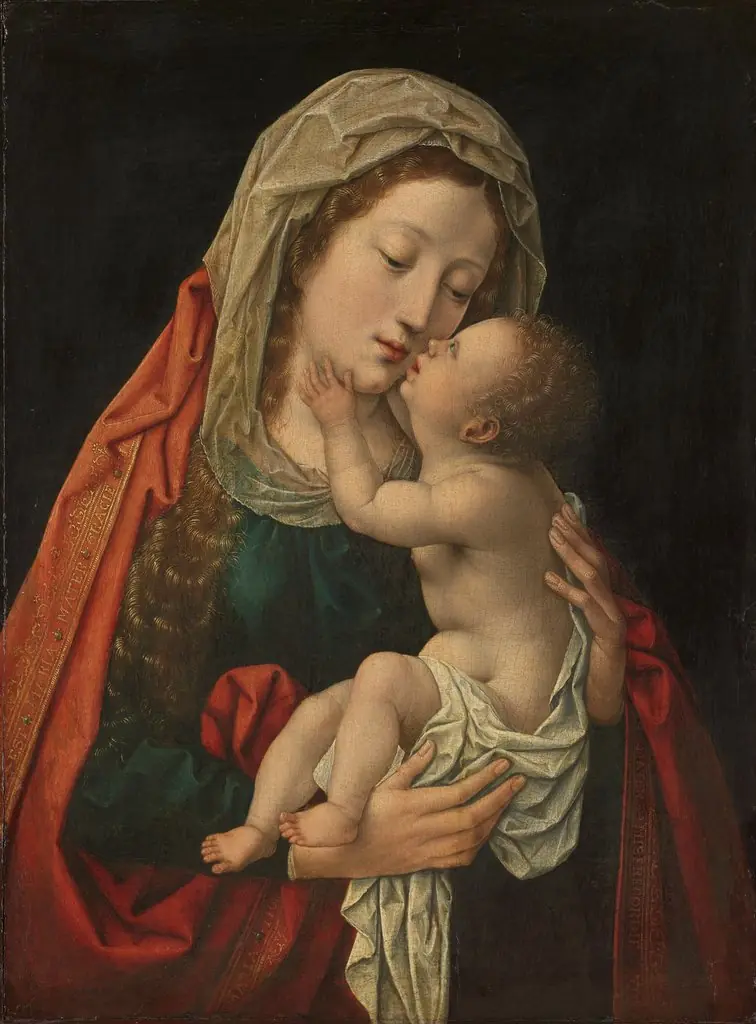 The Virgin and Child
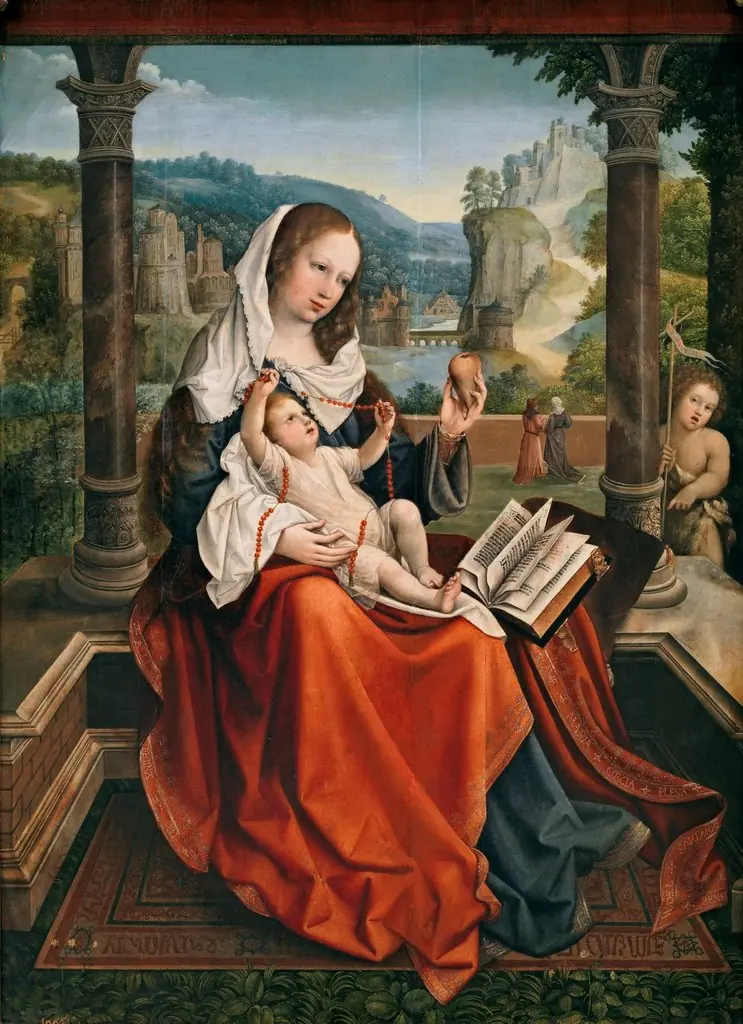 The Virgin and Child with the Infant Saint John the Baptist