Artwork
The Month of Chaitra (March-April), from a manuscript of the Barahmasa ("Twelve Months")
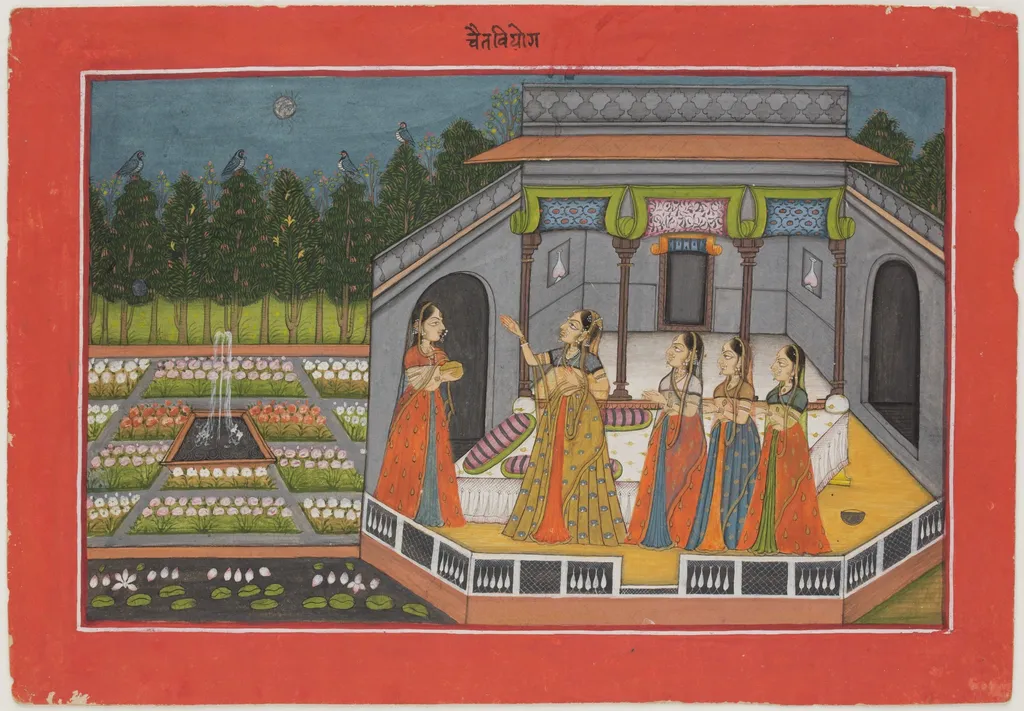
The Month of Chaitra (March-April), from a manuscript of the Barahmasa ("Twelve Months") is an unspecified painting by Unknown. It is held in the collection of the Detroit Institute of Arts.
About this work
Overview
This painting, titled The Month of Chaitra (March-April), is an illustration from a Barahmasa manuscript, which traditionally depicts the twelve months of the Hindu calendar. The scene showcases five women in a domestic setting, conveying a sense of tranquility.
Subject & Meaning
The subject centers on the daily life of women during the Chaitra month, symbolizing the arrival of spring. The serene atmosphere, lush garden, and vibrant attire may represent renewal and joy associated with this period.
Technique & Style
The painting features vibrant colors, notably orange and blue saris, set against a clear blue sky. The use of chiaroscuro creates depth, with contrasting light and dark areas enhancing the three-dimensionality of the indoor and outdoor spaces.
History & Provenance
Due to the lack of specific information provided, the exact historical context, artist, or ownership history of this particular manuscript page cannot be detailed here.
Context
Barahmasa manuscripts, like this one, are part of a traditional Indian literary and artistic genre. They often blended poetry with visual arts to capture the essence of each month, making them both literary works and artistic expressions of seasonal and social life.
Legacy
As part of the Barahmasa tradition, this painting contributes to the preservation of cultural and seasonal narratives in Indian art, influencing subsequent generations in depicting daily life and natural cycles.
Artist & collection

 Domestic Scene
 Giacomo and Cardinal Marco, investing Andrea, Abbot of San Zeno, with his Benefice
 The Nymph of Fontainebleau
 Portrait of a Woman
 Madonna and Child with Saints in the Enclosed Garden
 Venus and Minerva
 Family Group of Four on Sofa
 Wall painting from Room H of the Villa of P. Fannius Synistor at Boscoreale
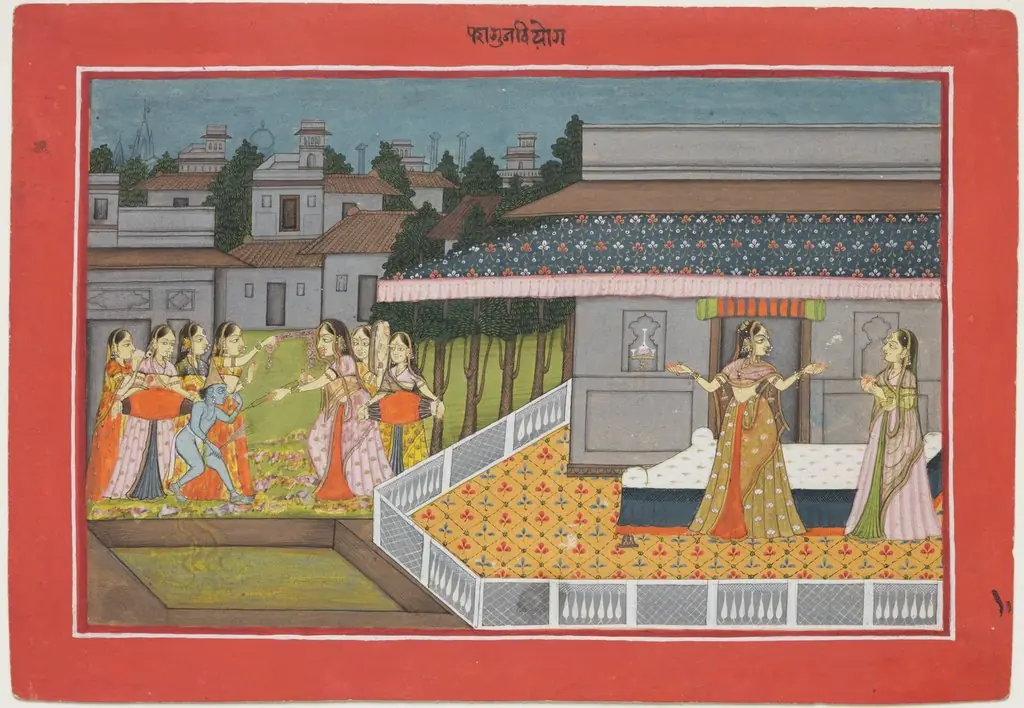 The Month of Phalguna (February-March), from a manuscript of the Barahmasa ("Twelve Months")
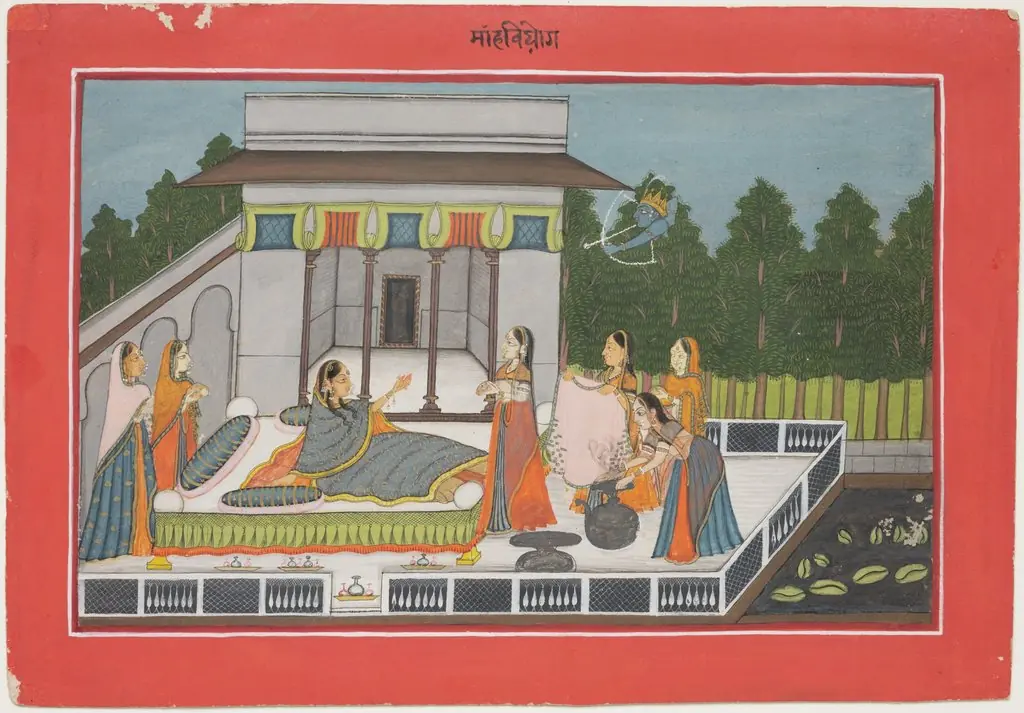 The Month of Magha (January-February), from a manuscript of the Barahmasa ("Twelve Months")
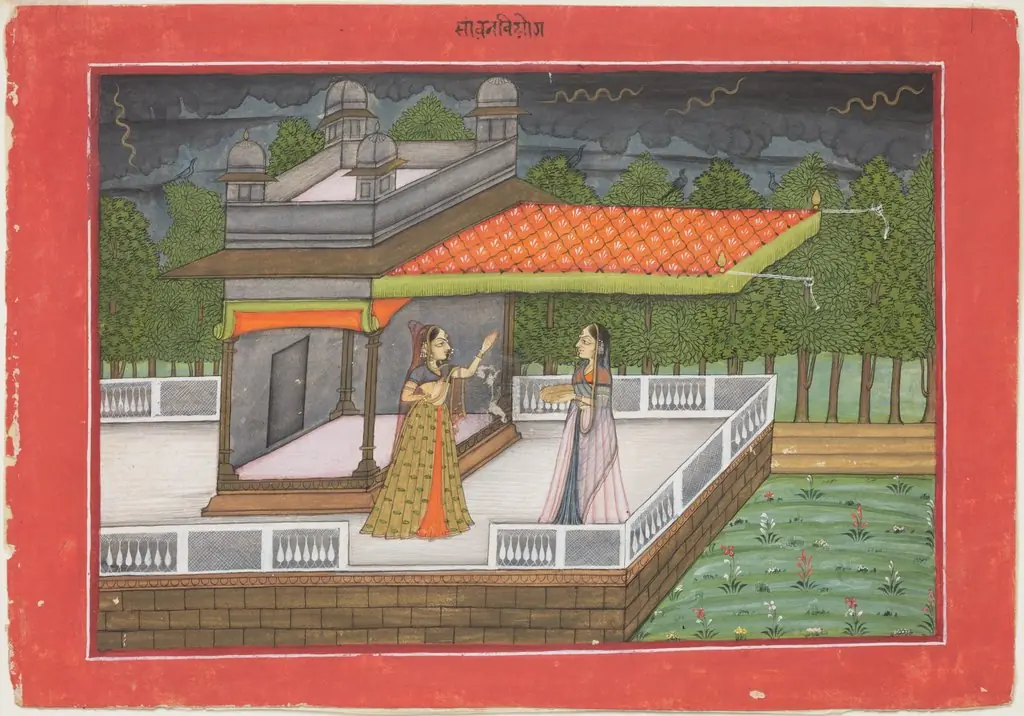 The Month of Shravana (July-August), from a manuscript of the Barahmasa ("Twelve Months")
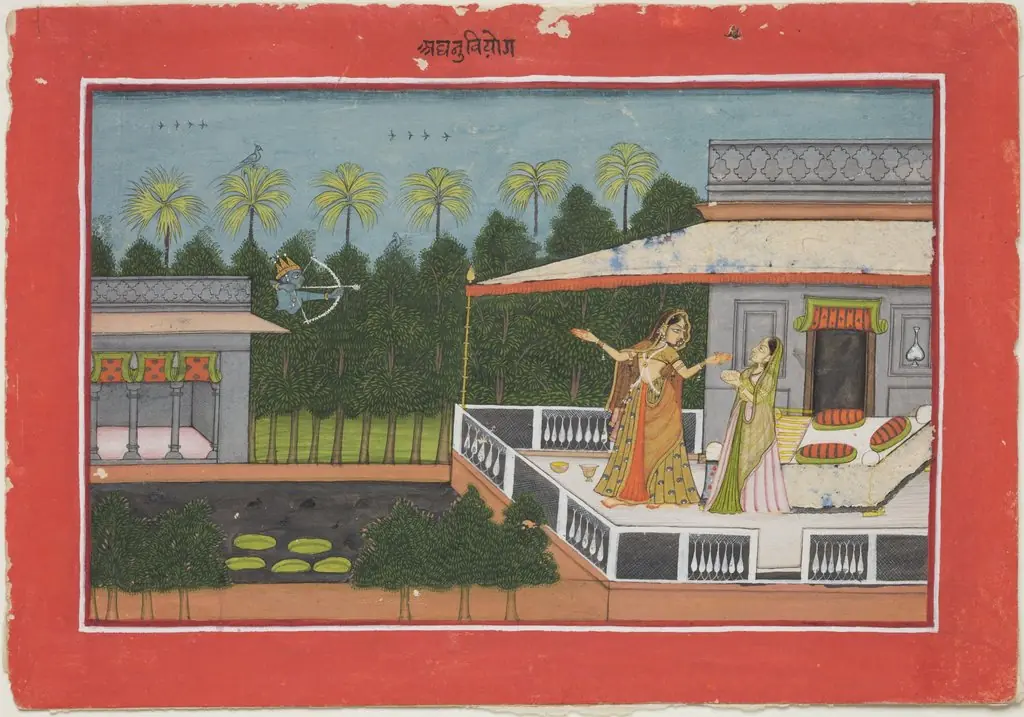 The Month of Aghan (November-December), from a manuscript of the Barahmasa ("Twelve Months")
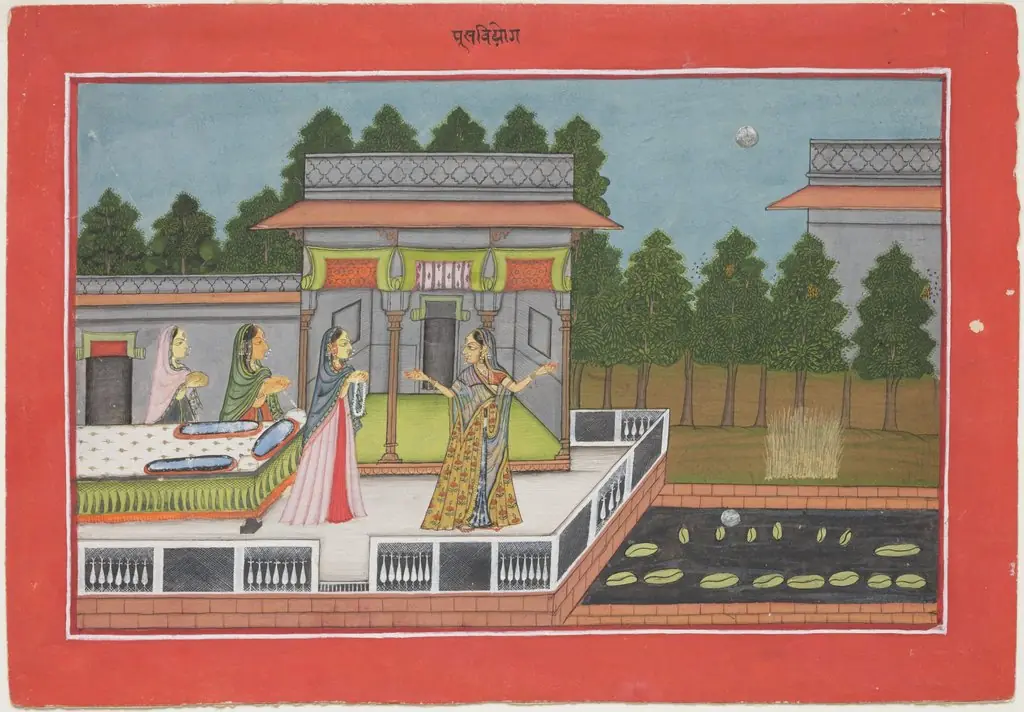 The Month of Pusa (December-January), from a manuscript of the Barahmasa ("Twelve Months")
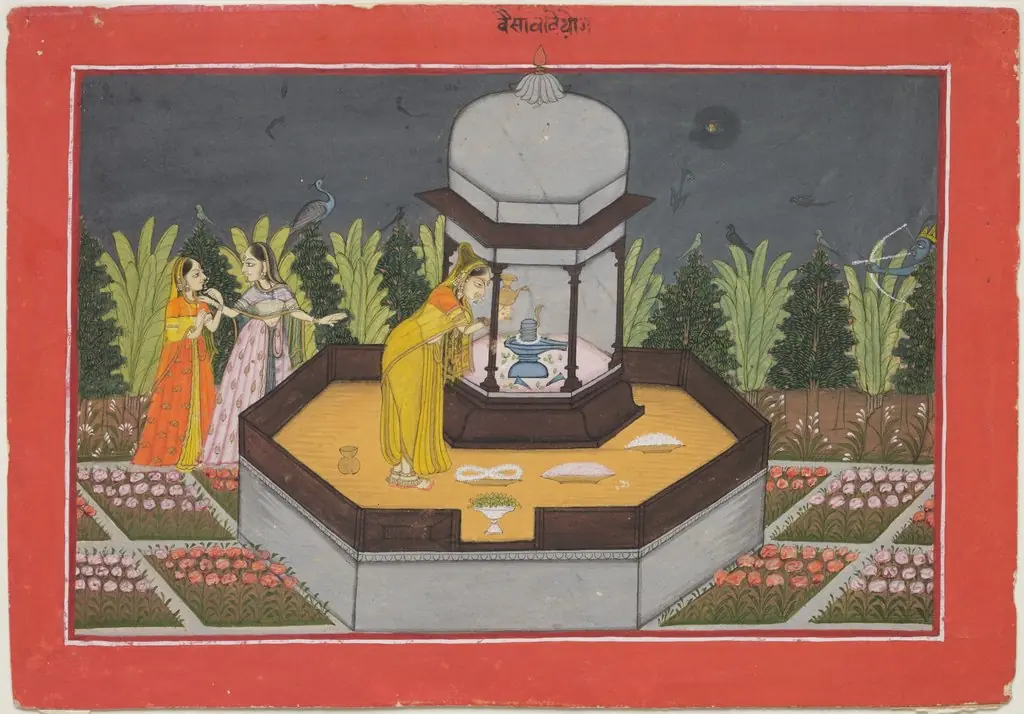 The Month of Vaisakha (April-May), from a manuscript of the Barahmasa ("Twelve Months")
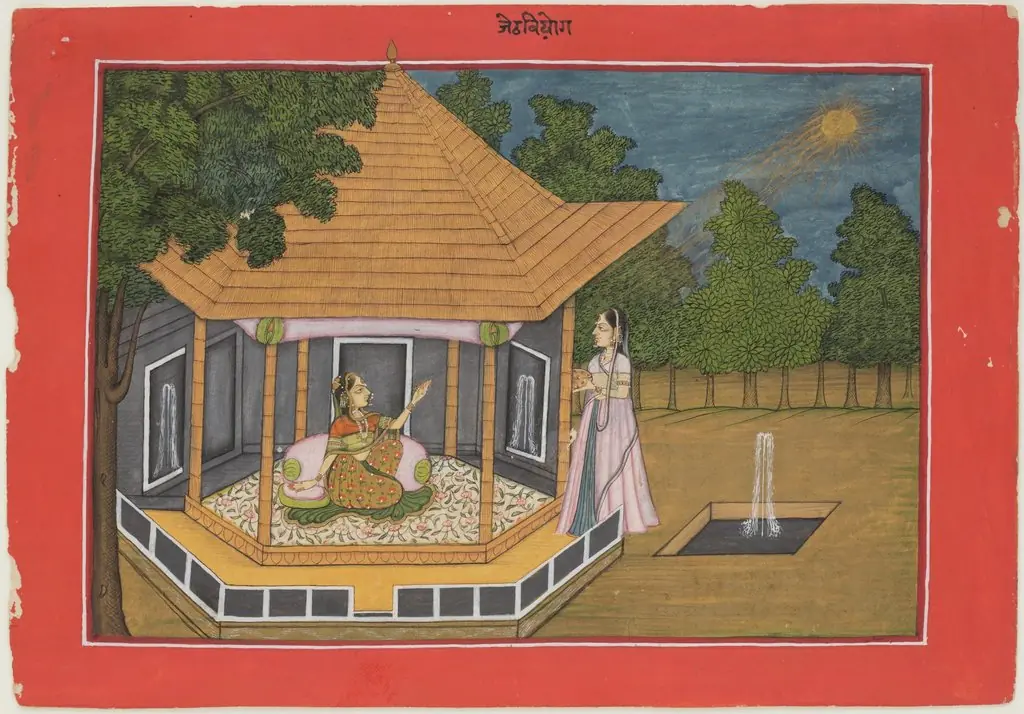 The Month of Jyeshtha (May-June), from a manuscript of the Barahmasa ("Twelve Months")
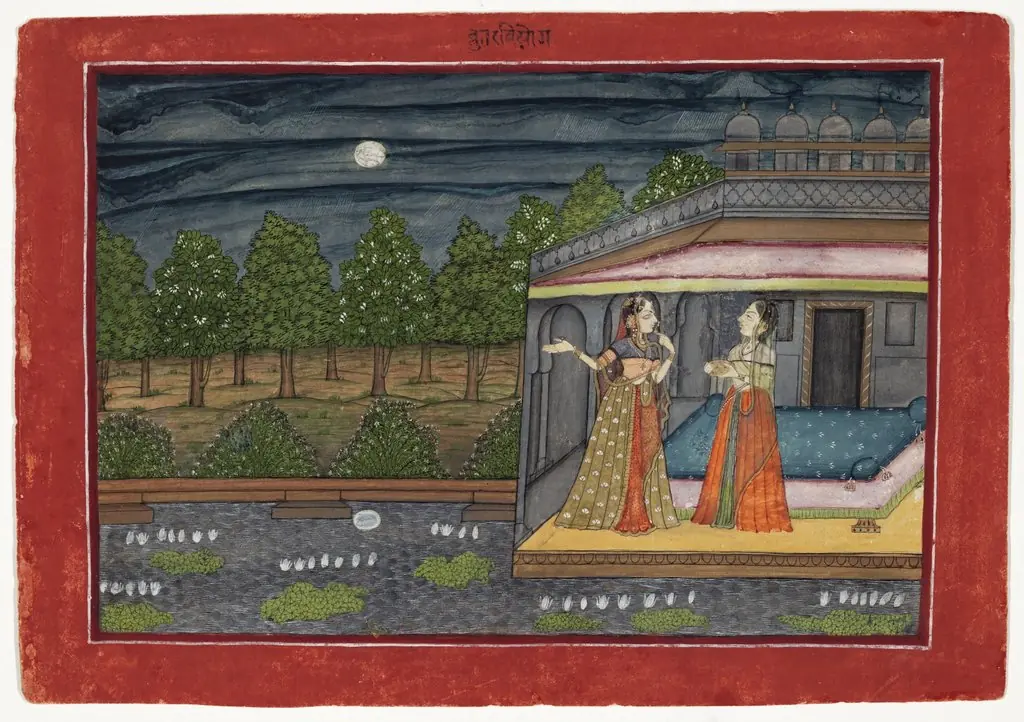 The Month of Ashvin (September-October), from a manuscript of the Barahmasa ("Twelve Months")
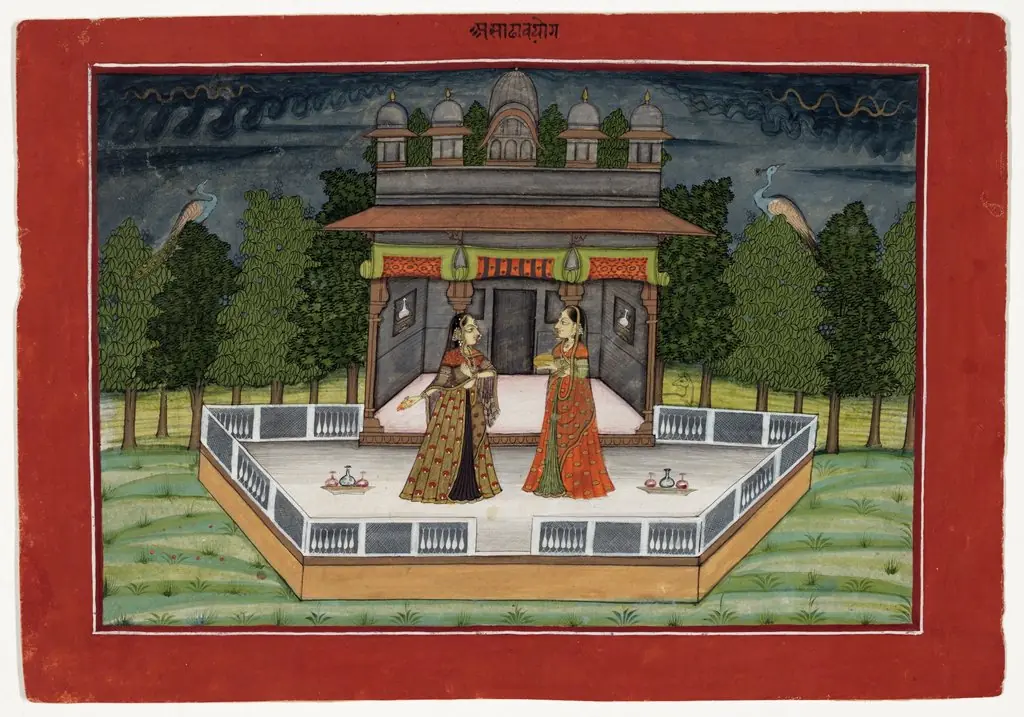 The Month of Asadha (June-July), from a manuscript of the Barahmasa ("Twelve Months")
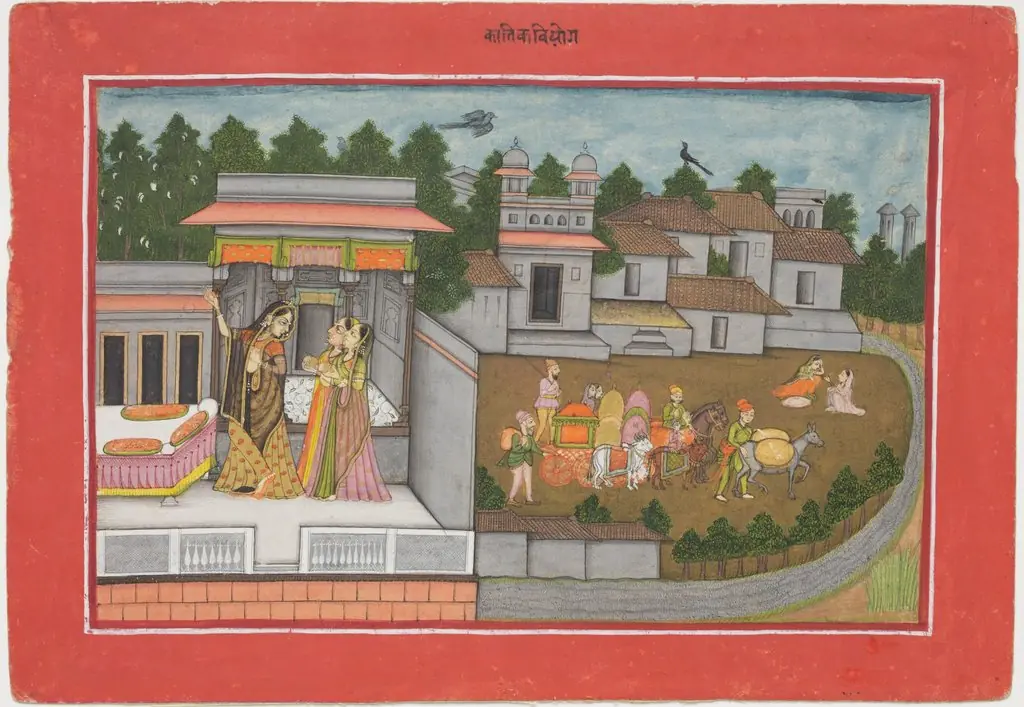 The Month of Kartik (October-November), from a manuscript of the Barahmasa ("Twelve Months")