Artwork
The Month of Phalguna (February-March), from a manuscript of the Barahmasa ("Twelve Months")
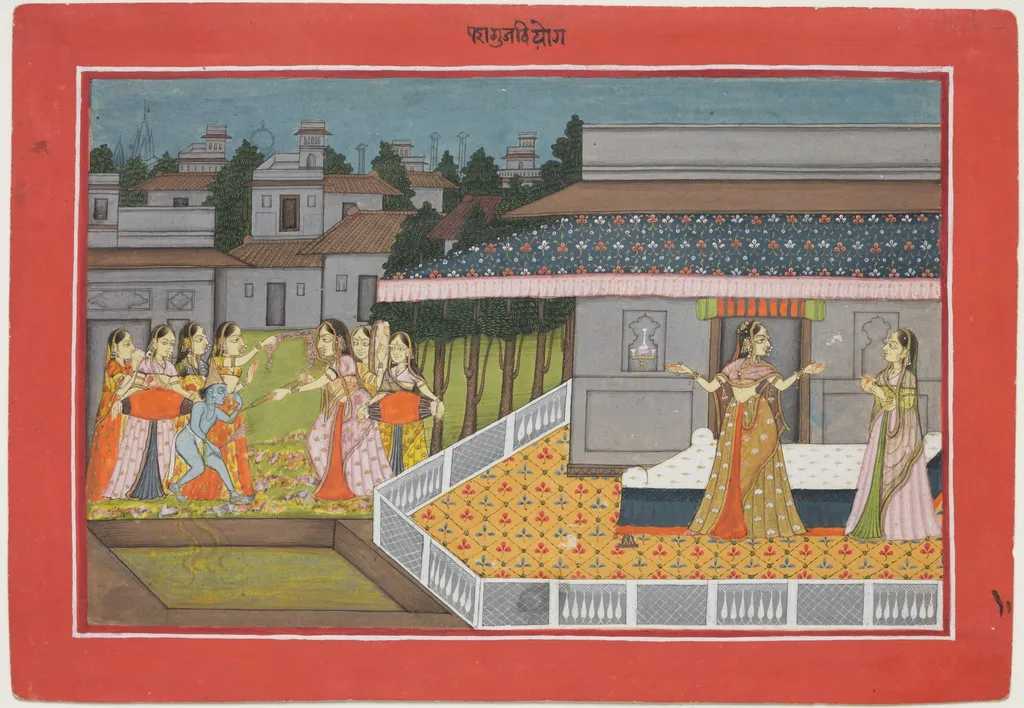
The Month of Phalguna (February-March), from a manuscript of the Barahmasa ("Twelve Months") is an unspecified painting by the Mughal Painting artist Unknown. It is held in the collection of the Detroit Institute of Arts. This painting is one of twelve illustrations from a Barahmasa manuscript, each representing a month of the Indian calendar.
About this work
Overview
This painting is one of twelve illustrations from a Barahmasa manuscript, each representing a month of the Indian calendar. Created in the Pahari style, it depicts Phalguna, the final month of winter, marked by festivals and communal activity. The scene unfolds in a courtyard, where figures interact amid architectural and natural elements, capturing seasonal transitions through daily life.
Subject & Meaning
The scene portrays women engaged in domestic and celebratory acts—spinning, chatting, or preparing for Holi—while a man in blue observes from the periphery. His presence may signify a patron or seasonal deity, subtly anchoring the moment in ritual context. The gathering reflects the month’s association with renewal, fertility, and social bonding as winter yields to spring.
Technique & Style
Executed in opaque watercolor on paper, the painting employs vivid pigments and fine brushwork to render textiles, architecture, and foliage.
Executed in opaque watercolor on paper, the painting employs vivid pigments and fine brushwork to render textiles, architecture, and foliage. Patterns on saris and flooring are meticulously detailed, enhancing visual rhythm. The figures are stylized with elongated eyes and graceful postures, typical of Pahari miniatures, while spatial depth is suggested through layered planes rather than linear perspective.
History & Provenance
The manuscript likely originated in the early 18th century in the hill kingdoms of northern India, possibly Kangra or Guler. It was commissioned by a local ruler or noble patron to commemorate the cyclical rhythms of courtly and rural life. The work remained within regional collections until entering a public collection in the 20th century, though its exact early provenance remains partially undocumented.
Context
Barahmasa poetry and art were popular in North India, blending literary tradition with visual storytelling. Each month was linked to emotional states, agricultural cycles, and religious observances. This painting aligns with a broader cultural practice of using seasonal change as metaphor for human experience, particularly in devotional and courtly contexts.
Legacy
The Barahmasa series influenced later regional painting traditions and remains a key reference for understanding how time, gender, and ritual were visually encoded in pre-colonial India. While not widely exhibited, its detailed depictions of everyday life offer scholars insight into social dynamics, material culture, and aesthetic values of 18th-century hill courts.
Artist & collection

 Domestic Scene
 Giacomo and Cardinal Marco, investing Andrea, Abbot of San Zeno, with his Benefice
 The Nymph of Fontainebleau
 Portrait of a Woman
 Madonna and Child with Saints in the Enclosed Garden
 Venus and Minerva
 Family Group of Four on Sofa
 Wall painting from Room H of the Villa of P. Fannius Synistor at Boscoreale
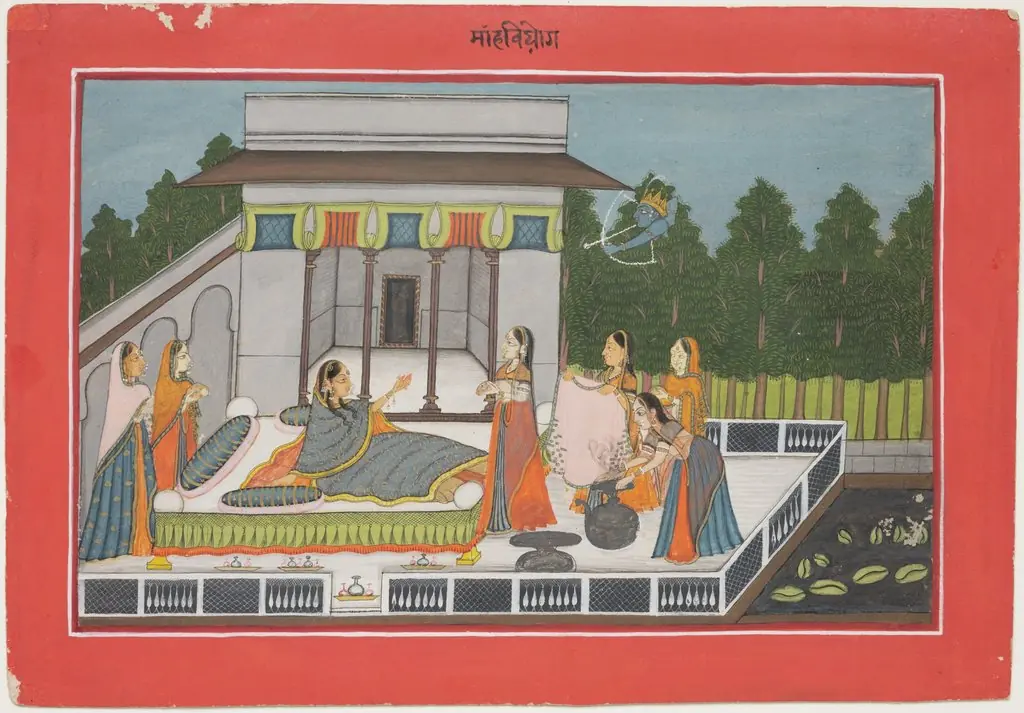 The Month of Magha (January-February), from a manuscript of the Barahmasa ("Twelve Months")
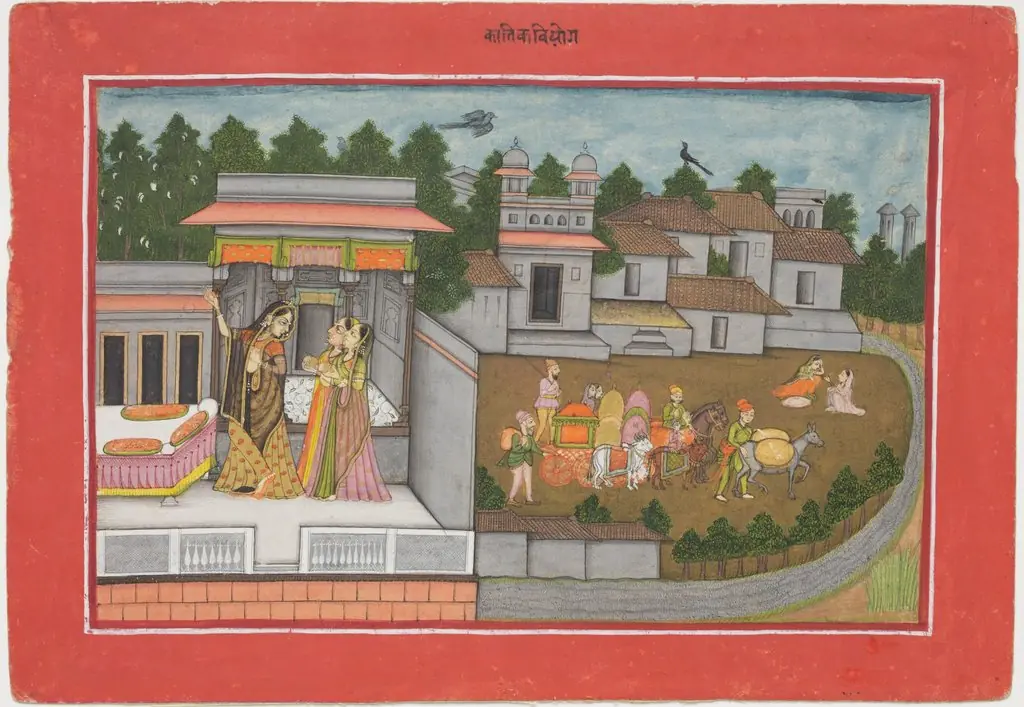 The Month of Kartik (October-November), from a manuscript of the Barahmasa ("Twelve Months")
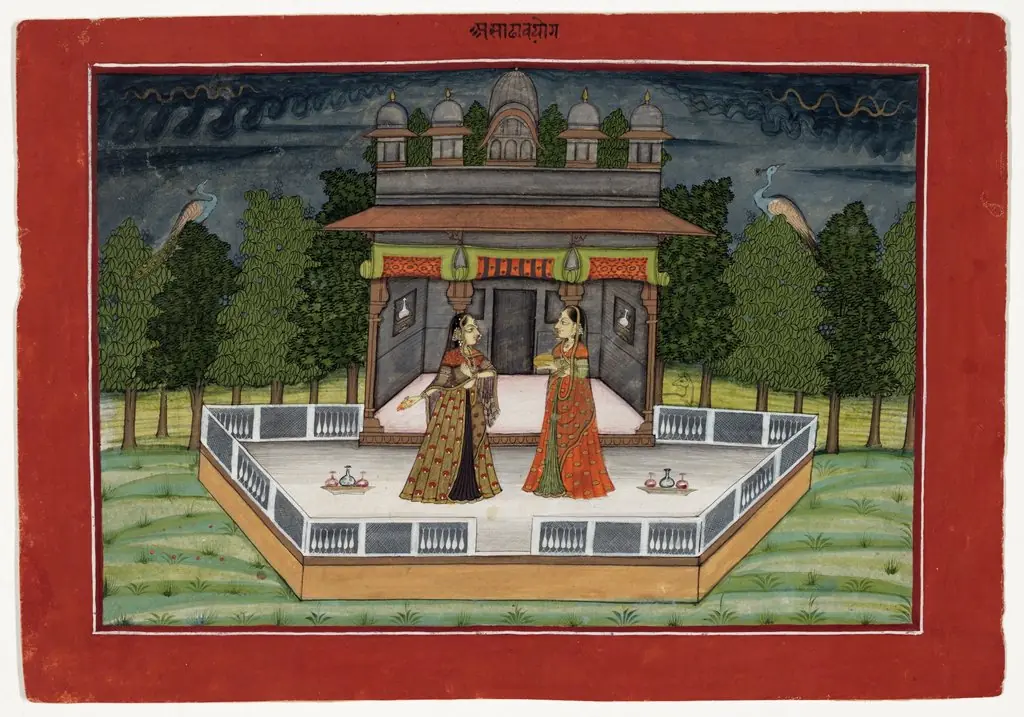 The Month of Asadha (June-July), from a manuscript of the Barahmasa ("Twelve Months")
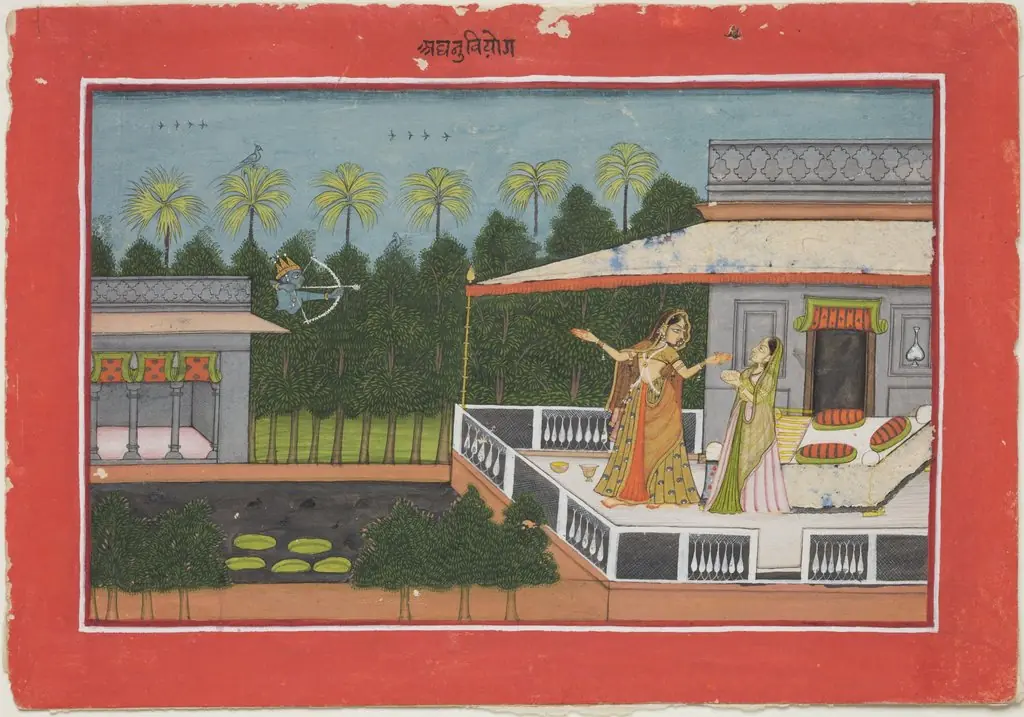 The Month of Aghan (November-December), from a manuscript of the Barahmasa ("Twelve Months")
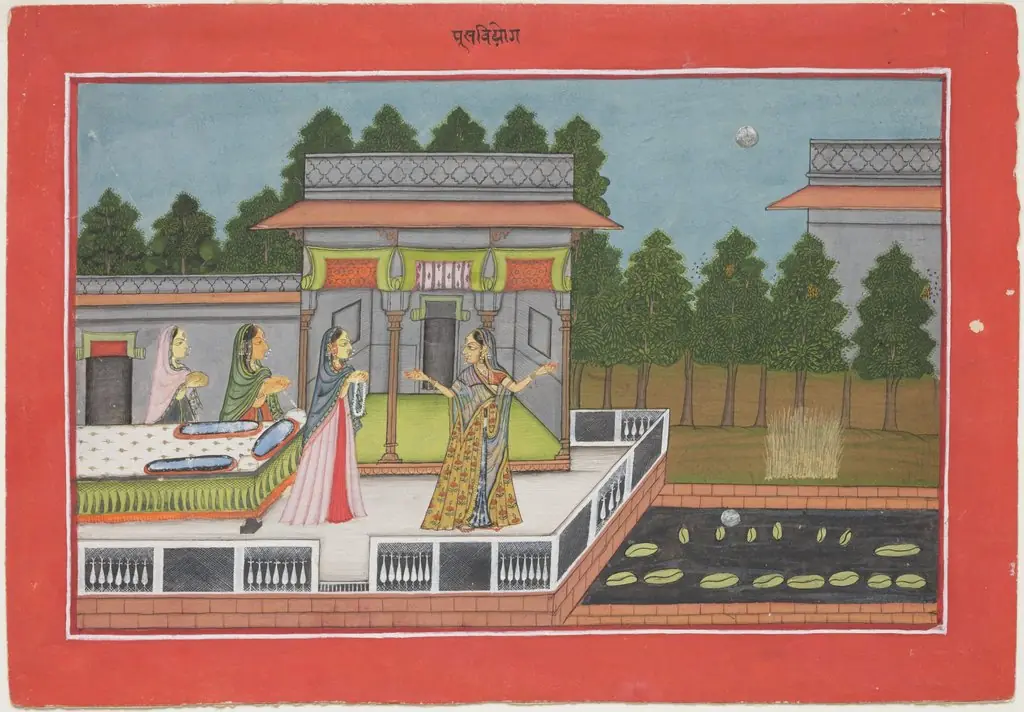 The Month of Pusa (December-January), from a manuscript of the Barahmasa ("Twelve Months")
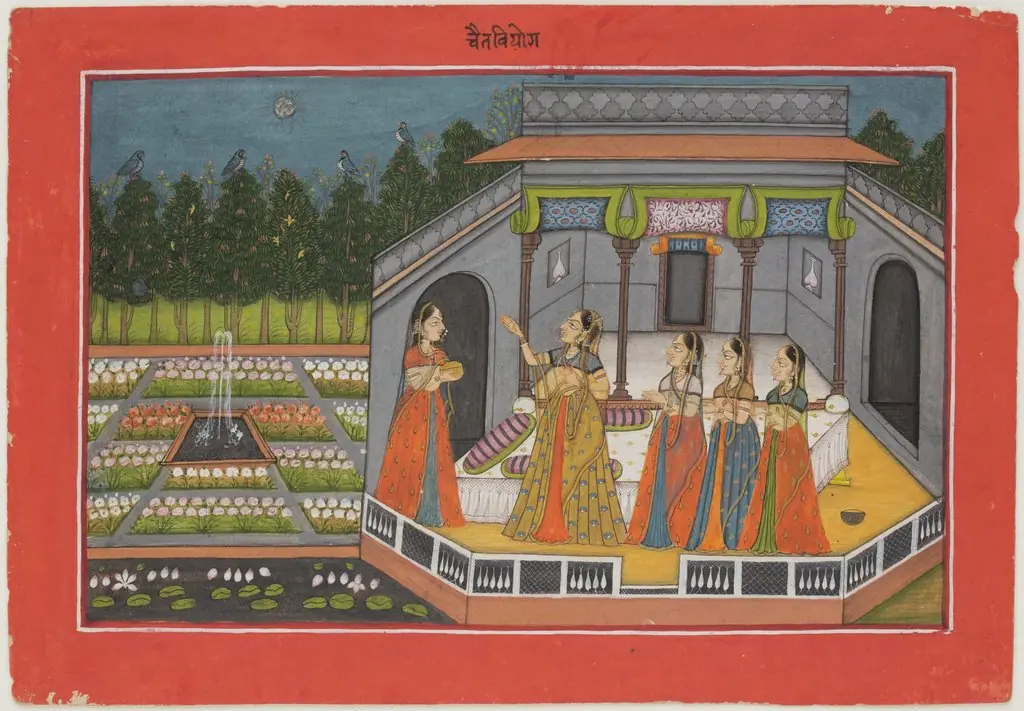 The Month of Chaitra (March-April), from a manuscript of the Barahmasa ("Twelve Months")
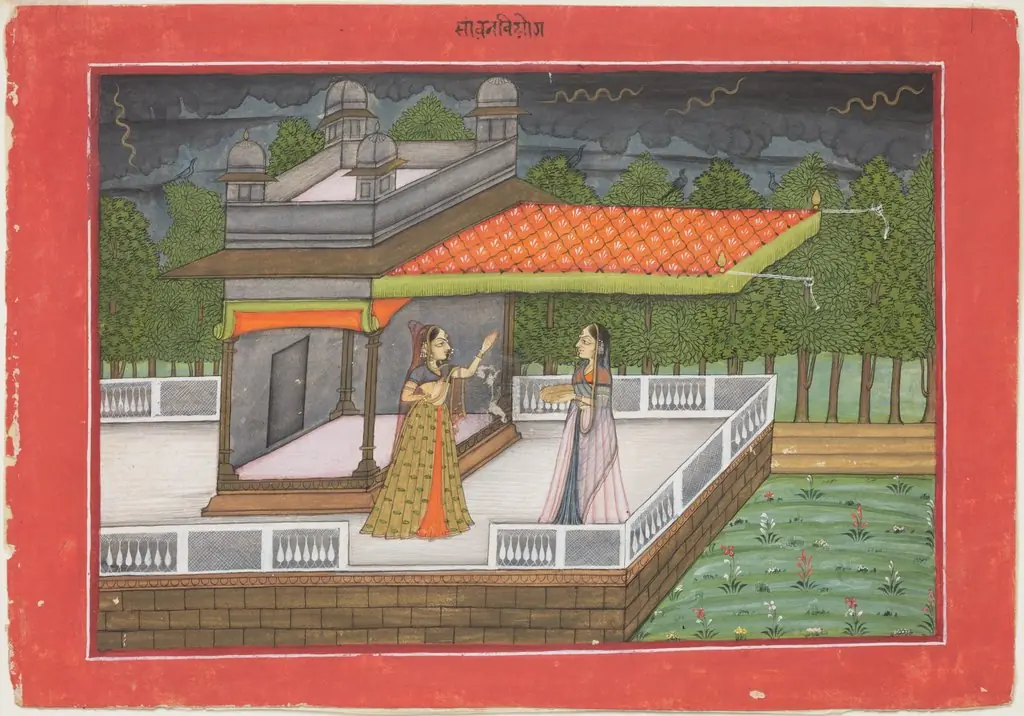 The Month of Shravana (July-August), from a manuscript of the Barahmasa ("Twelve Months")
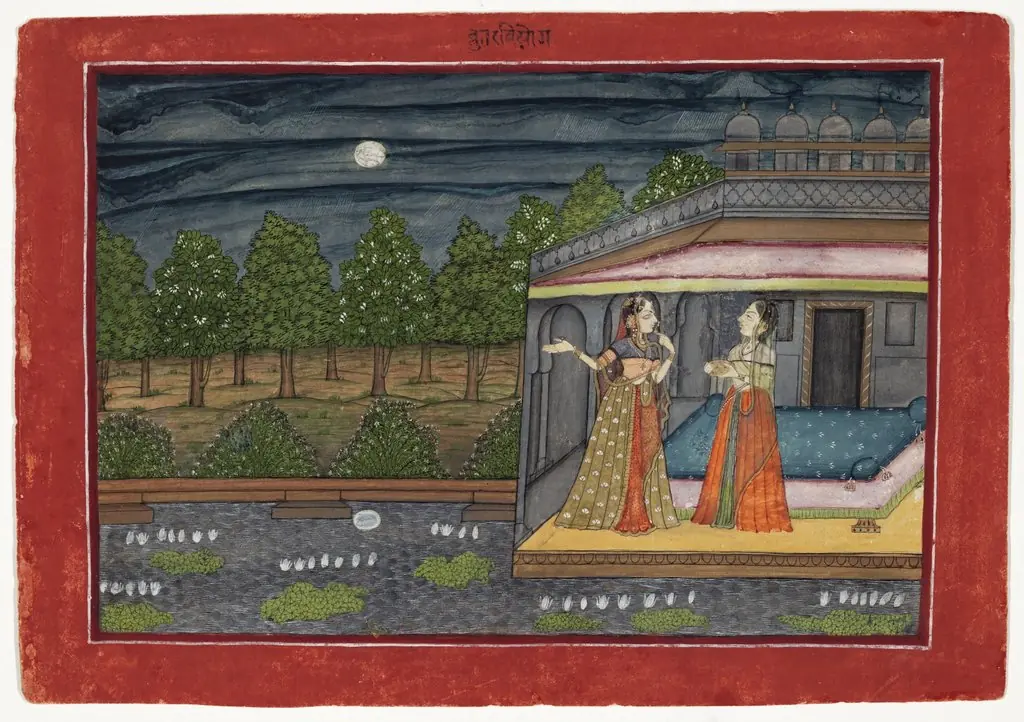 The Month of Ashvin (September-October), from a manuscript of the Barahmasa ("Twelve Months")
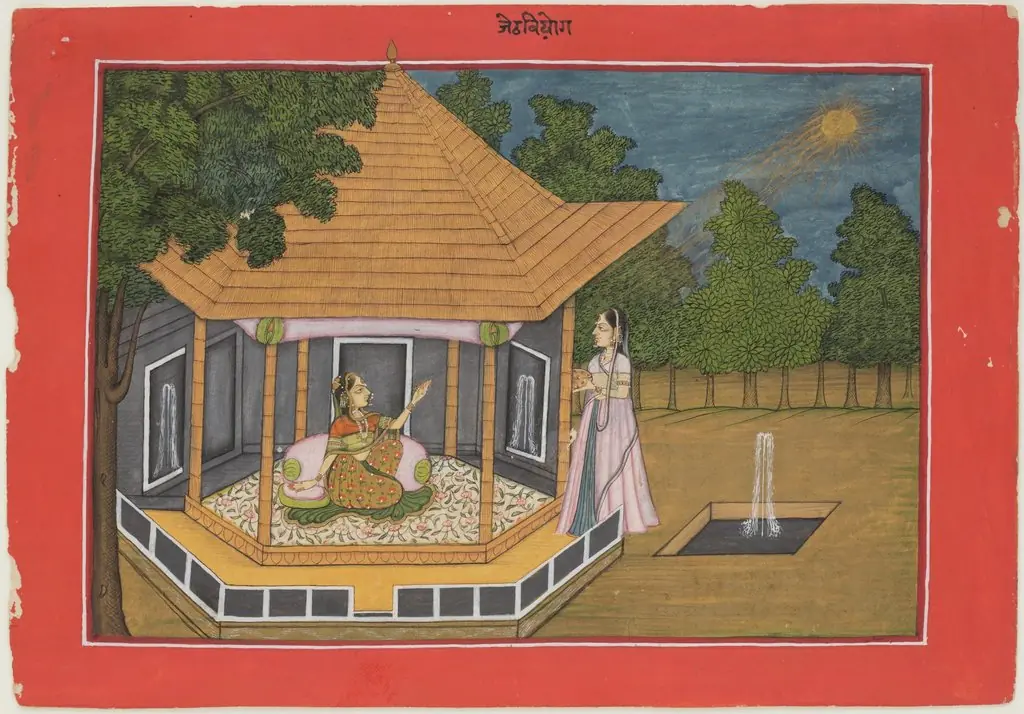 The Month of Jyeshtha (May-June), from a manuscript of the Barahmasa ("Twelve Months")