Artwork
The Month of Pusa (December-January), from a manuscript of the Barahmasa ("Twelve Months")
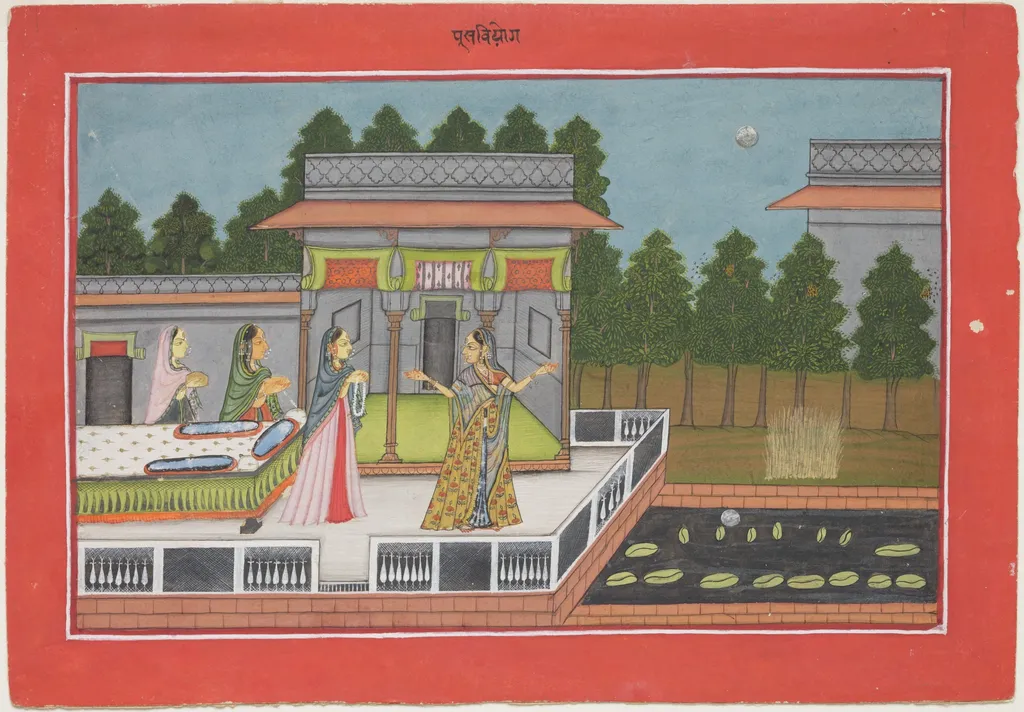
The Month of Pusa (December-January), from a manuscript of the Barahmasa ("Twelve Months") is an unspecified painting by Unknown. It is held in the collection of the Detroit Institute of Arts.
About this work
Overview
The work is a miniature painting illustrating the month of Pusa, corresponding to December‑January, taken from a Barahmasa manuscript that records the twelve months. Executed on paper, the image portrays a serene courtyard scene where several women in brightly coloured saris and headscarves gather on a porch, surrounded by trees, a tiled roof and a pond dotted with lily pads.
Subject & Meaning
The composition celebrates the seasonal transition to winter, emphasizing domestic tranquility and communal interaction among women. The gathering on the porch suggests ritual or festive conversation linked to the month’s cultural observances, while the lush foliage and water elements evoke the lingering fertility of the landscape despite the colder period.
Technique & Style
Rendered in the traditional Indian miniature style, the painting employs fine brushwork and a vivid palette of reds, blues and greens. Delicate line work defines the figures and architectural details, while flat areas of colour and ornamental patterns create depth without perspective, characteristic of courtly manuscript illustration.
History & Provenance
The piece originates from a Barahmasa manuscript produced in northern India during the late Mughal period, likely the 17th‑18th century. It entered a private collection in the early 20th century before being acquired by a museum specializing in South Asian art, where it remains part of the illustrated manuscript holdings.
Context
Barahmasa texts traditionally linked each month to agricultural cycles, festivals and social customs, serving both literary and instructional purposes. This visual representation aligns with that tradition, providing a pictorial record of seasonal attire, architecture and leisure activities within a courtly or elite domestic setting.
Legacy
The painting exemplifies the integration of narrative poetry and visual art in Indian manuscript culture, influencing later regional schools of miniature painting. Its preservation offers scholars insight into gendered spaces, textile patterns and architectural motifs of the period, contributing to broader understandings of pre‑colonial Indian visual heritage.
Artist & collection

 Domestic Scene
 Giacomo and Cardinal Marco, investing Andrea, Abbot of San Zeno, with his Benefice
 The Nymph of Fontainebleau
 Portrait of a Woman
 Madonna and Child with Saints in the Enclosed Garden
 Venus and Minerva
 Family Group of Four on Sofa
 Wall painting from Room H of the Villa of P. Fannius Synistor at Boscoreale
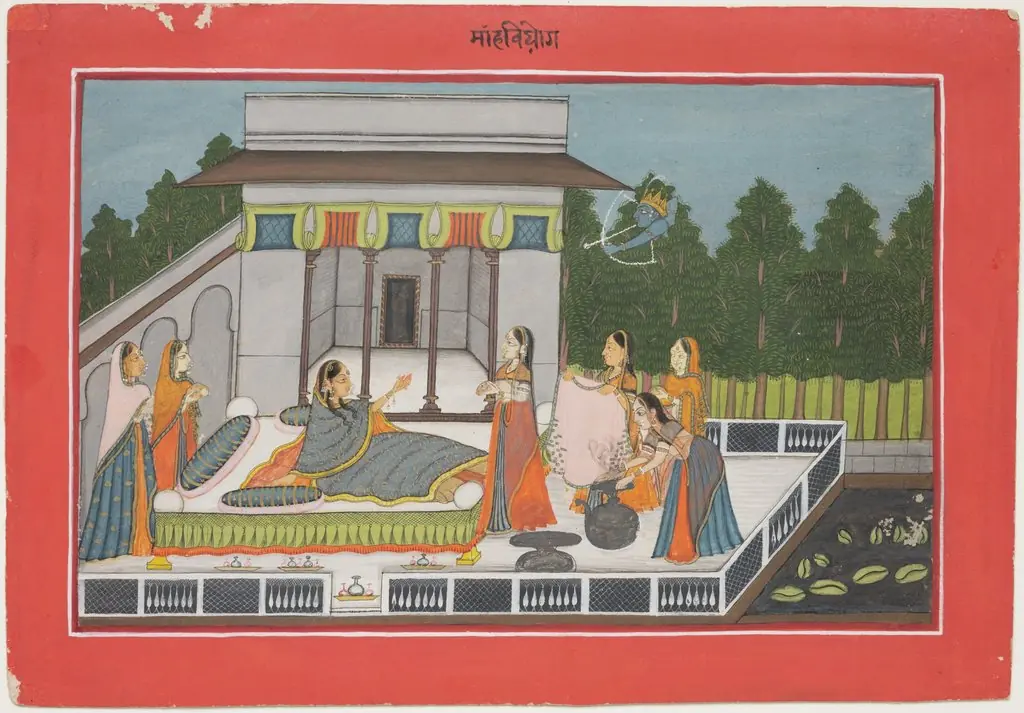 The Month of Magha (January-February), from a manuscript of the Barahmasa ("Twelve Months")
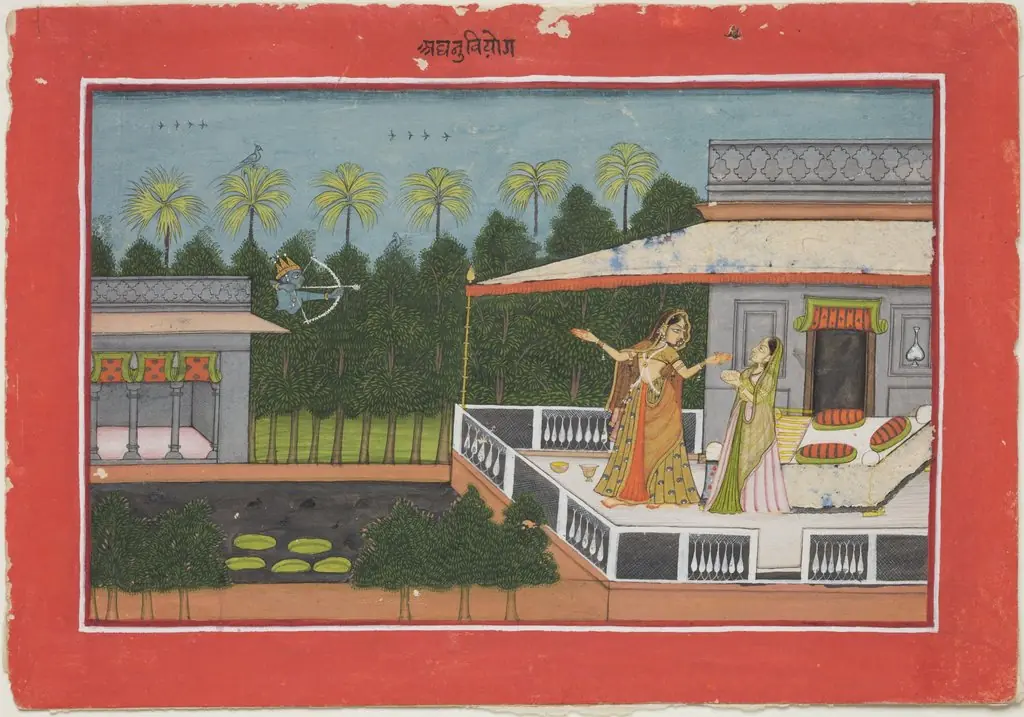 The Month of Aghan (November-December), from a manuscript of the Barahmasa ("Twelve Months")
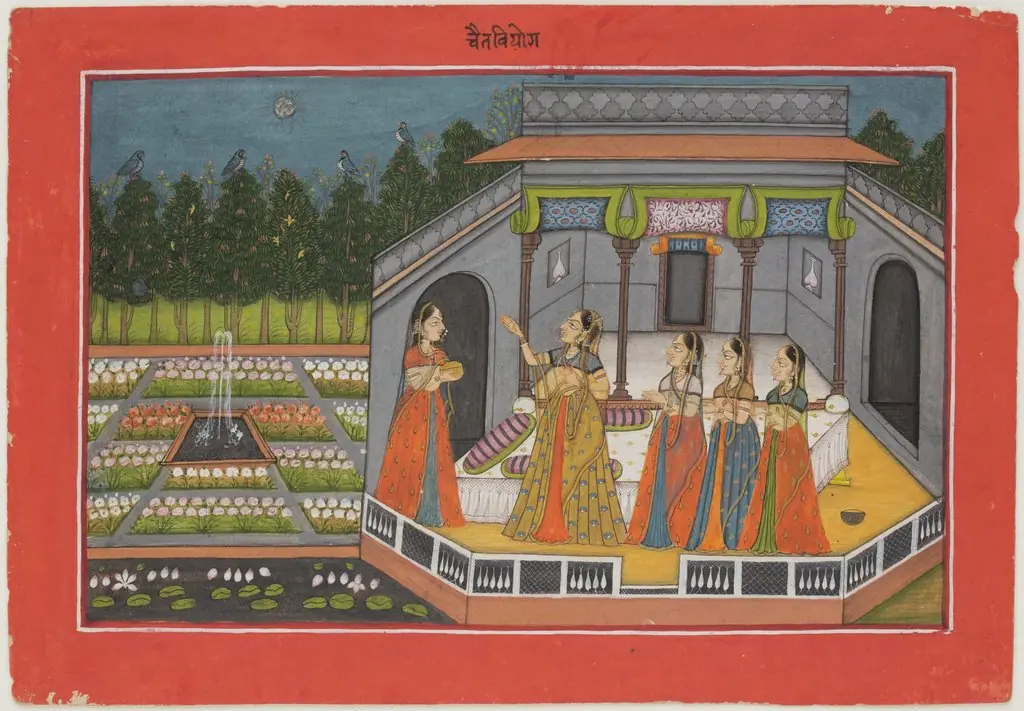 The Month of Chaitra (March-April), from a manuscript of the Barahmasa ("Twelve Months")
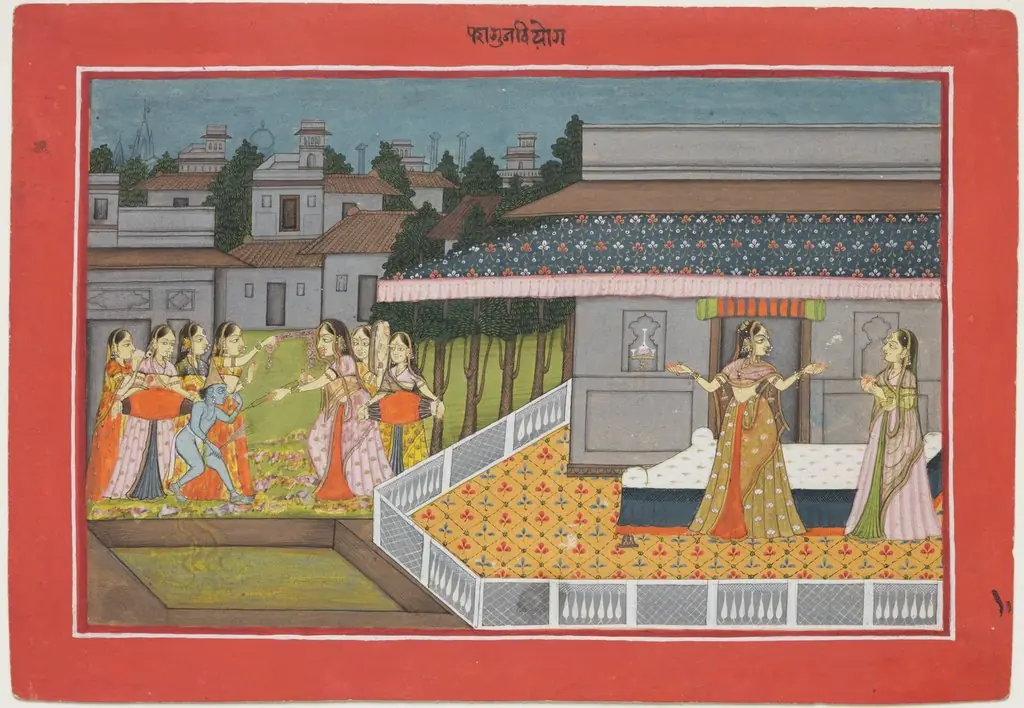 The Month of Phalguna (February-March), from a manuscript of the Barahmasa ("Twelve Months")
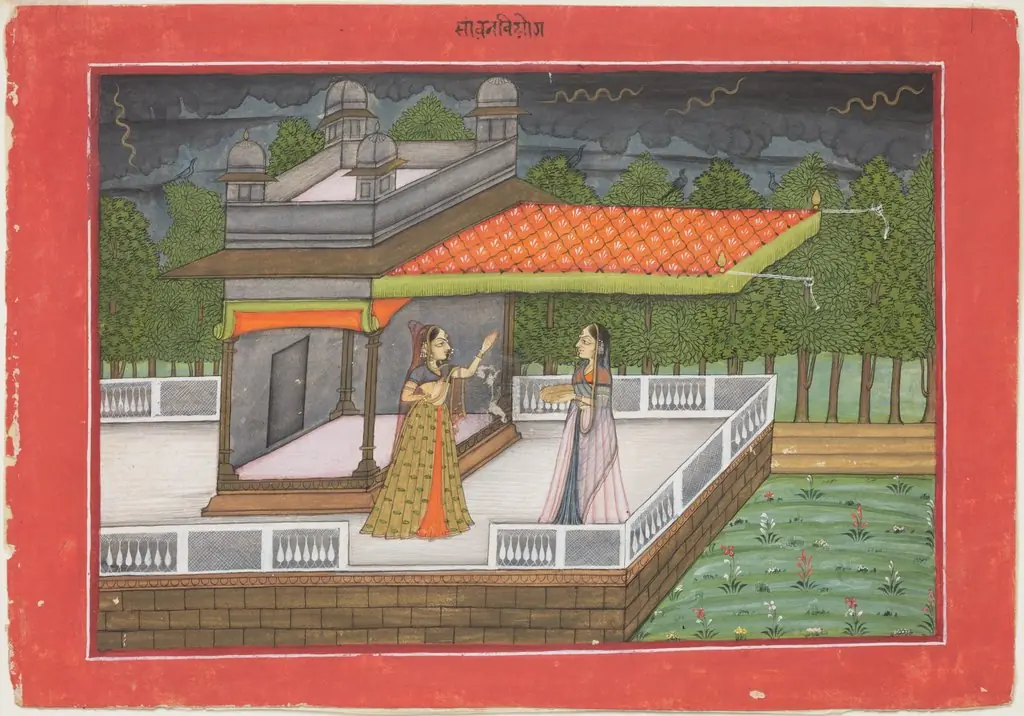 The Month of Shravana (July-August), from a manuscript of the Barahmasa ("Twelve Months")
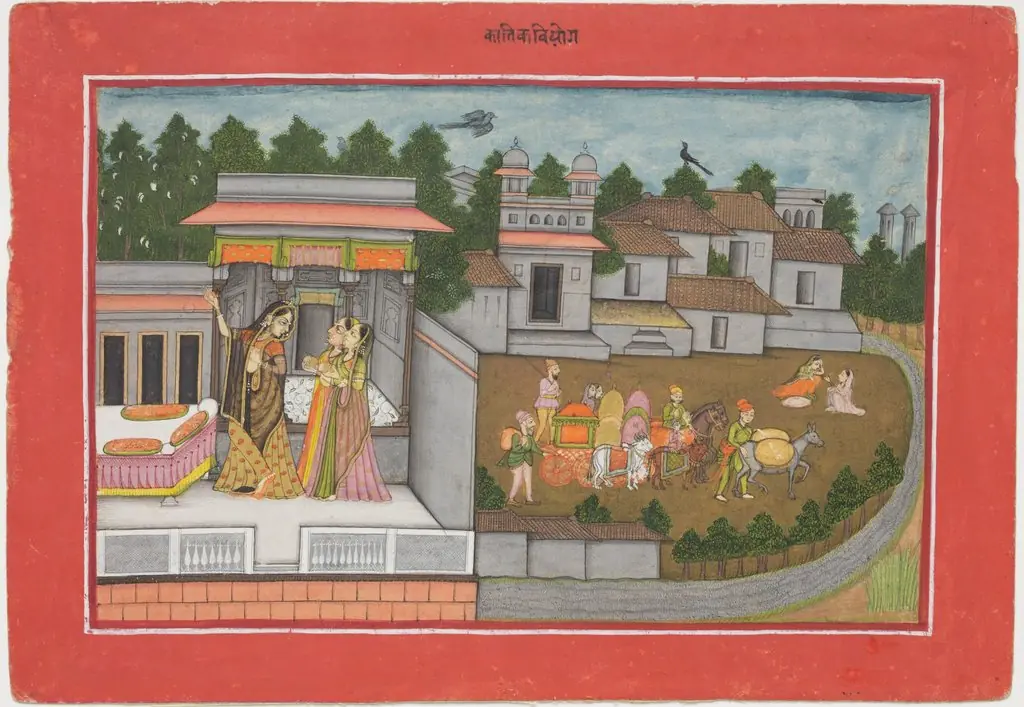 The Month of Kartik (October-November), from a manuscript of the Barahmasa ("Twelve Months")
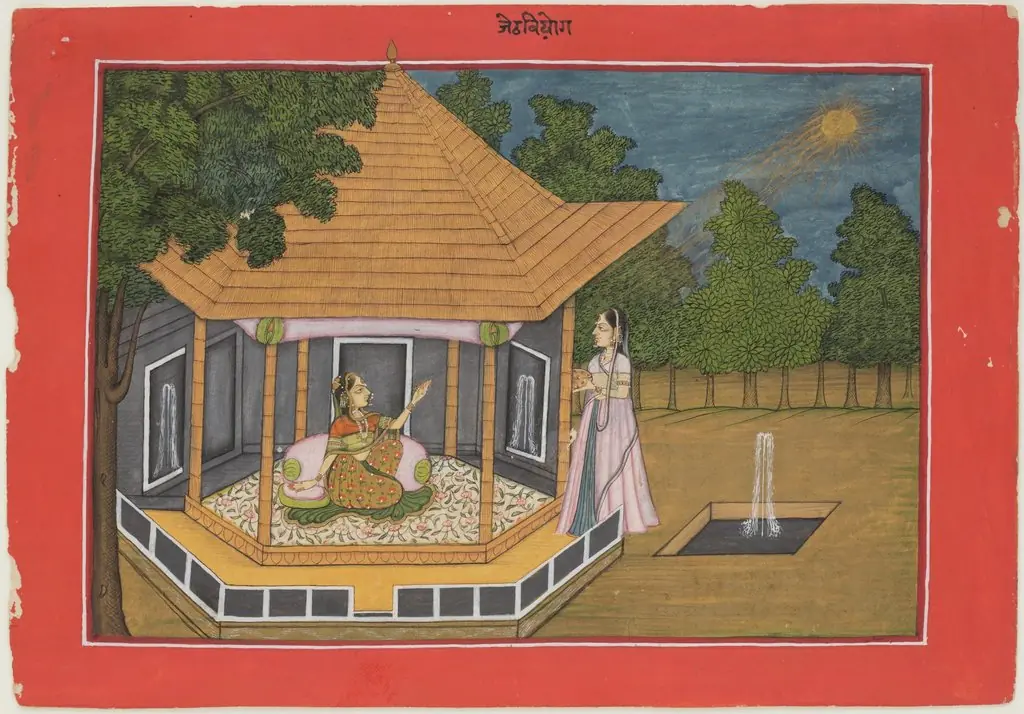 The Month of Jyeshtha (May-June), from a manuscript of the Barahmasa ("Twelve Months")
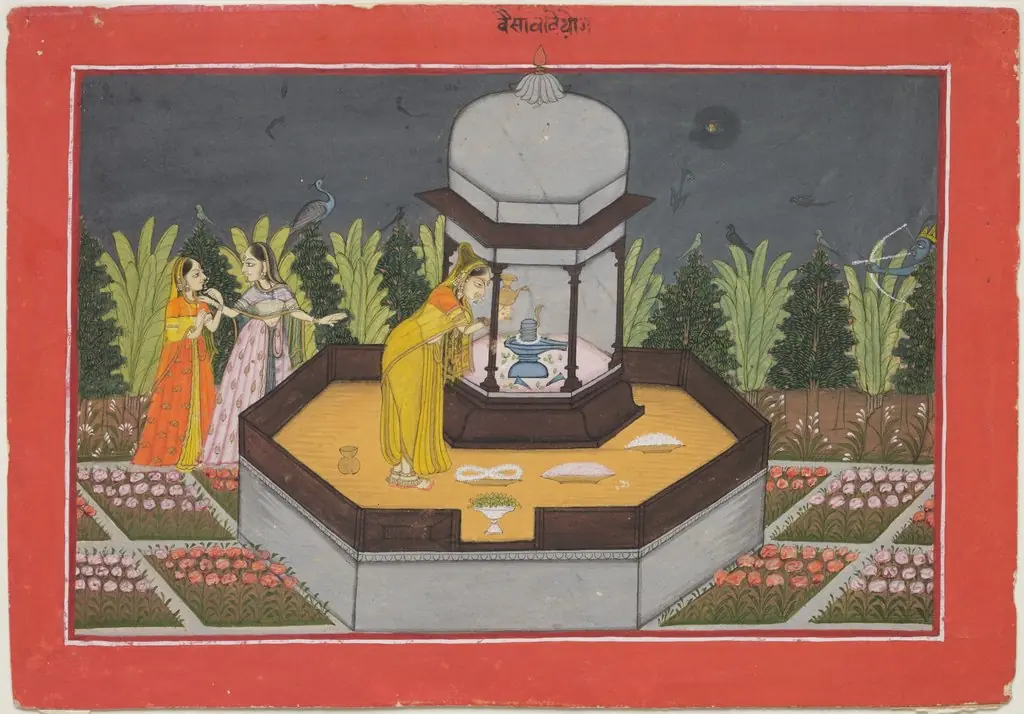 The Month of Vaisakha (April-May), from a manuscript of the Barahmasa ("Twelve Months")
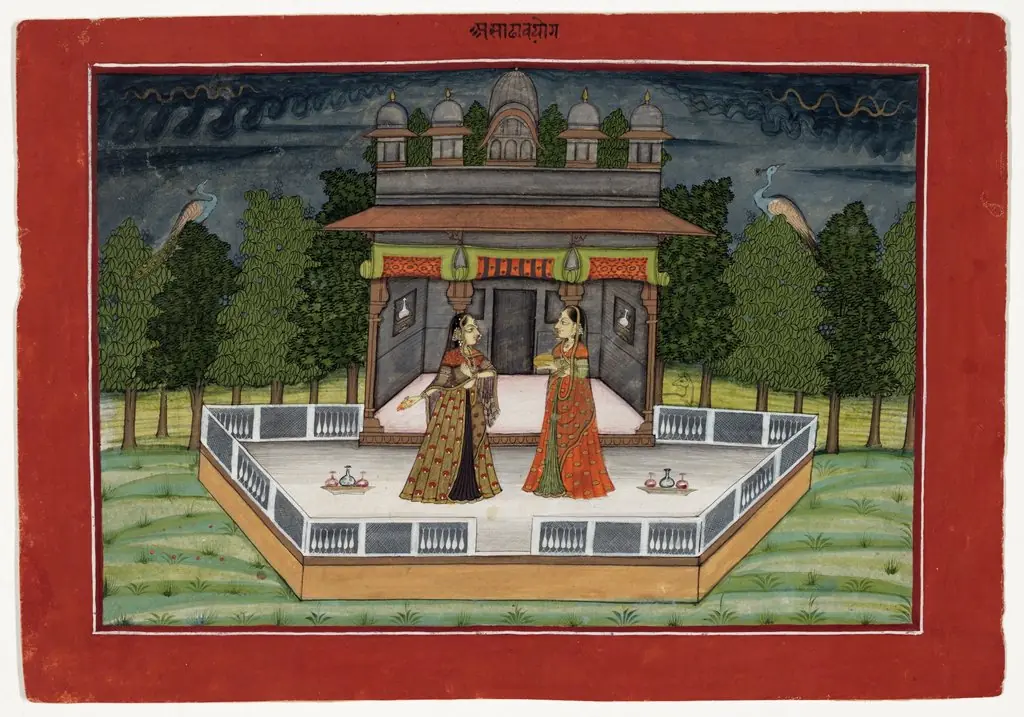 The Month of Asadha (June-July), from a manuscript of the Barahmasa ("Twelve Months")
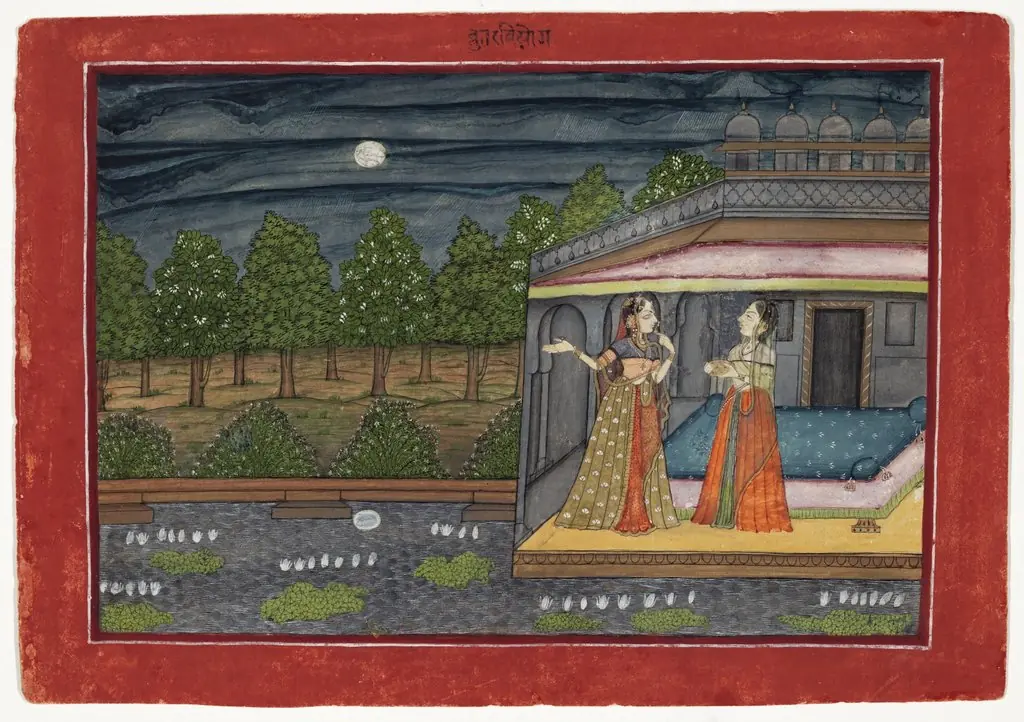 The Month of Ashvin (September-October), from a manuscript of the Barahmasa ("Twelve Months")