Artwork
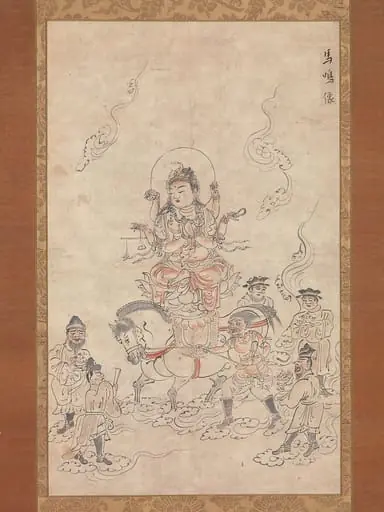
The Bodhisattva Five-Topknot Monju (Manjushri) (Gokei Monju Bosatsu zō)
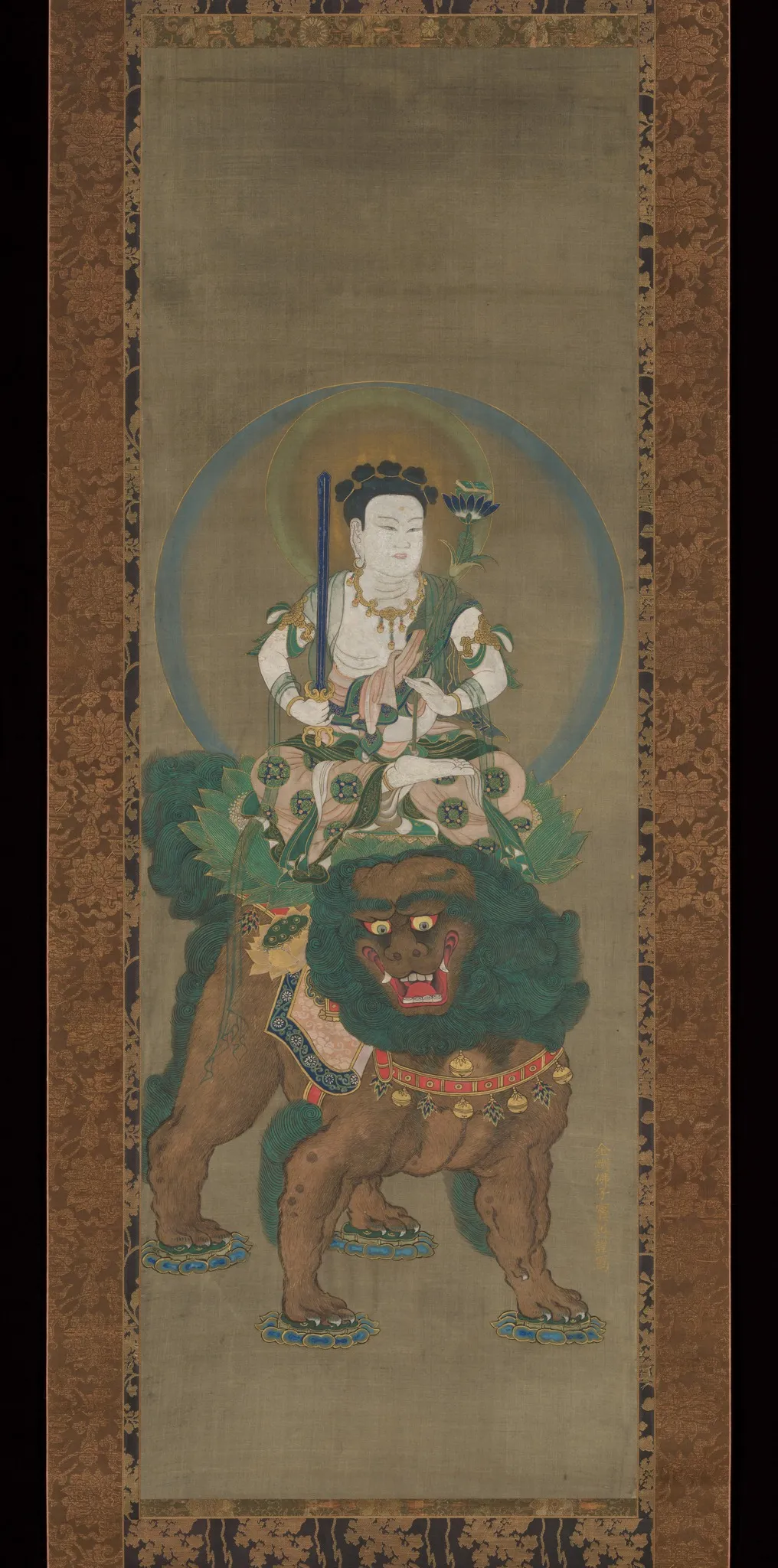
The Bodhisattva Five-Topknot Monju (Manjushri) (Gokei Monju Bosatsu zō) is an unspecified painting by the Rococo painting artist Unknown. It dates from 1749 and is held in the collection of the Metropolitan Museum of Art. The Bodhisattva Five-Topknot Monju (Manjushri) is a painting created in 1749, now part of the collection at The Metropolitan Museum of Art.
About this work
The painting is called The Bodhisattva Five-Topknot Monju.
It was made in 1749.
The Metropolitan Museum of Art has this painting, and that's where you can find it, which is interesting because it shows how art from different times and places can end up in one spot.
You can learn more about this type of art by looking at the museum: The Metropolitan Museum of Art.
Overview
The Bodhisattva Five-Topknot Monju (Manjushri) is a painting created in 1749, now part of the collection at The Metropolitan Museum of Art.
Subject & Meaning
The subject of the painting is Monju (Manjushri), a Bodhisattva in Buddhist tradition, characterized by five topknots. This depiction symbolizes wisdom, as Manjushri is revered as the embodiment of Buddhist wisdom and knowledge.
Technique & Style
While specific technical details of the painting are not provided, works from this period often feature traditional East Asian painting techniques, possibly including ink, color on silk or paper, and stylized forms common in Buddhist art.
History & Provenance
Created in 1749, the painting's history prior to its acquisition by The Metropolitan Museum of Art is not detailed here. Its current location in New York highlights the global dispersion of cultural artifacts.
Context
This painting reflects the cross-cultural exchange and religious practices of its time, with Manjushri being a figure worshipped in various East Asian countries, symbolizing the shared Buddhist heritage.
Legacy
As part of a major museum's collection, The Bodhisattva Five-Topknot Monju contributes to the understanding and appreciation of Buddhist art and its symbolism, making it accessible for international audiences.
Artist & collection

 Domestic Scene
 Giacomo and Cardinal Marco, investing Andrea, Abbot of San Zeno, with his Benefice
 The Nymph of Fontainebleau
 Portrait of a Woman
 Madonna and Child with Saints in the Enclosed Garden
 Venus and Minerva
 Family Group of Four on Sofa
 Wall painting from Room H of the Villa of P. Fannius Synistor at Boscoreale
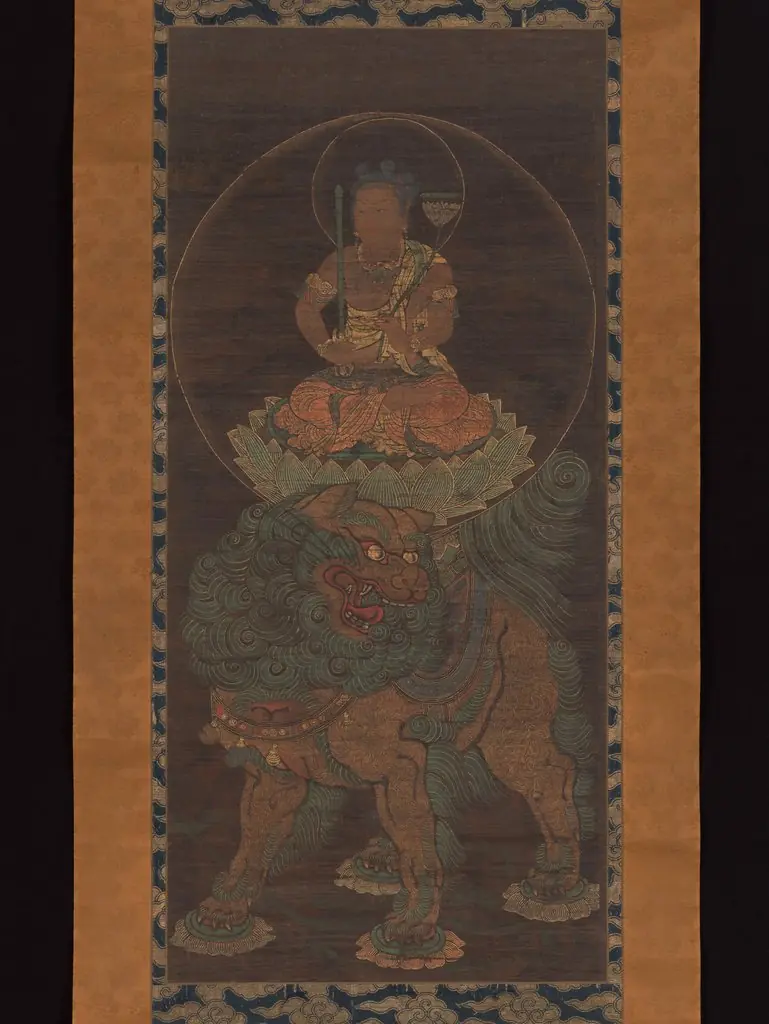 The Bodhisattva Monju (Manjushri) with Five Topknots
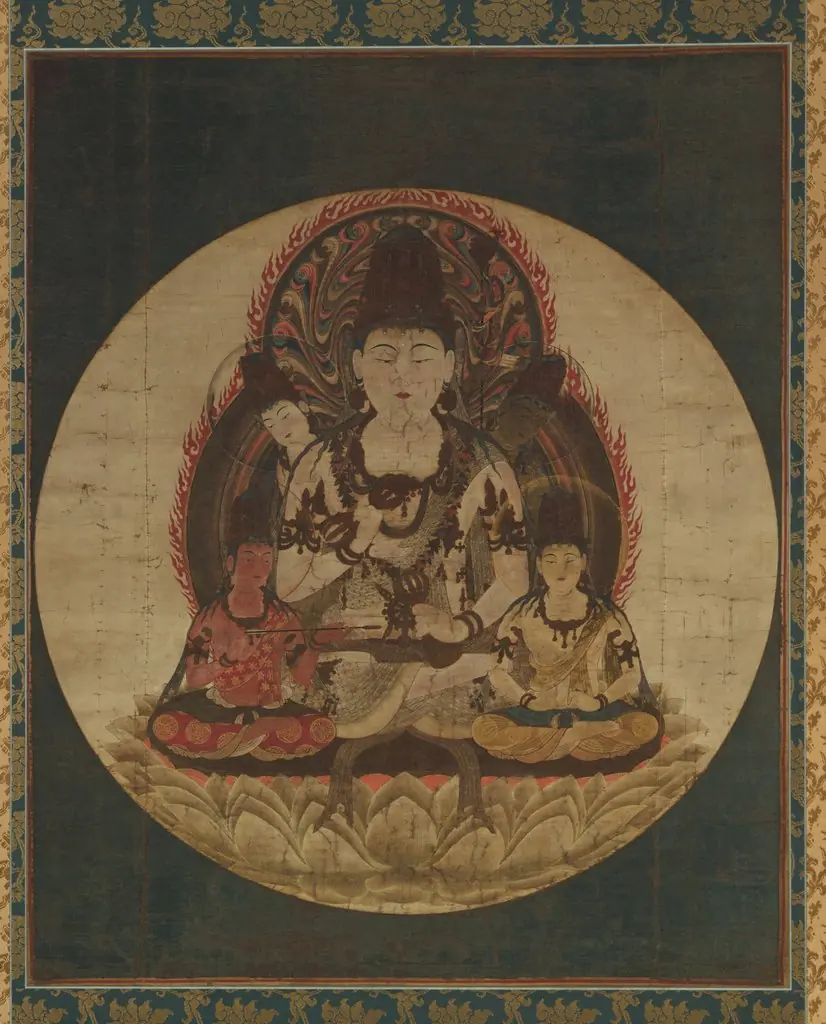 The Secret Five Bodhisattvas (Gohimitsu Bosatsu)
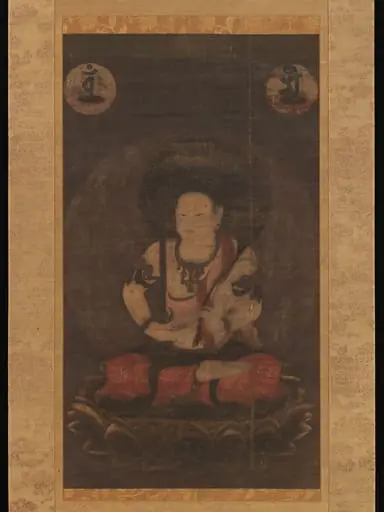 五髻文殊菩薩像|The Bodhisattva Monju (Manjushri) with Five Topknots
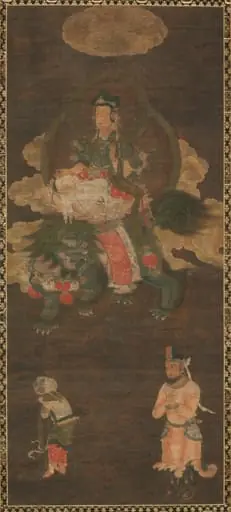 Shakyamuni Triad: Buddha Attended by Manjushri and Samantabhadra (Bodhisattva with Lion)
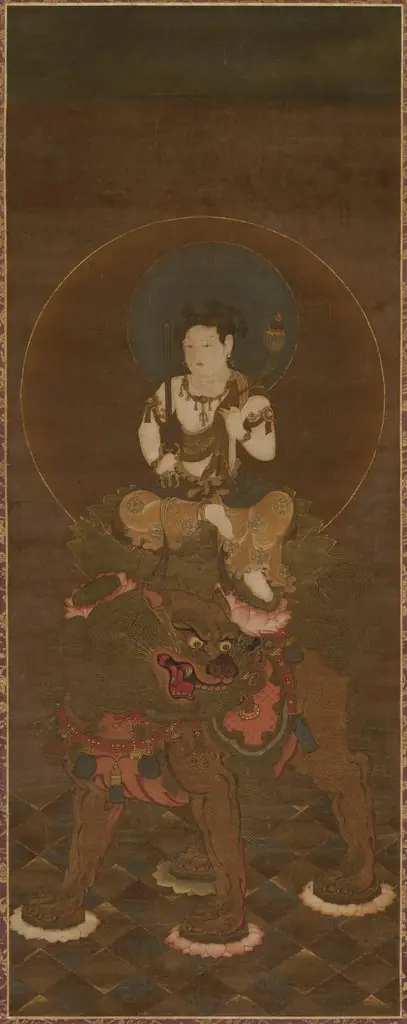 Monju with Five Hair Knots
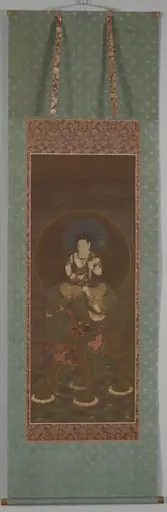 Monju with Five Hair Knots
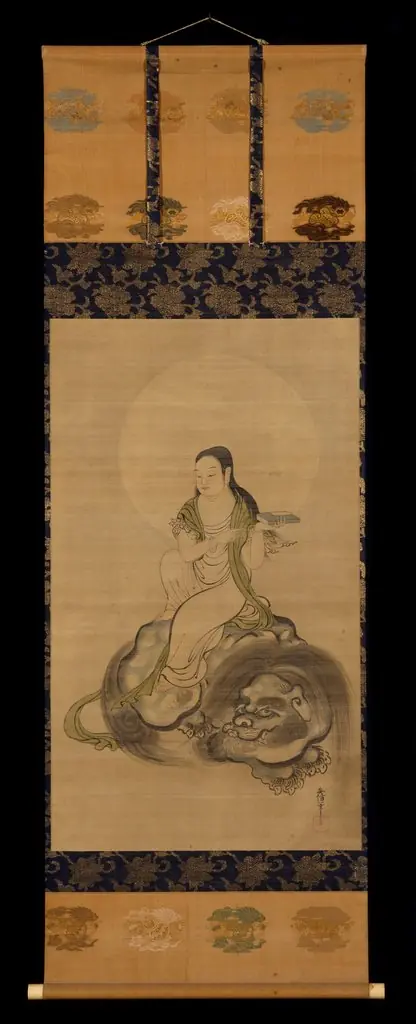 Monju Bosatsu
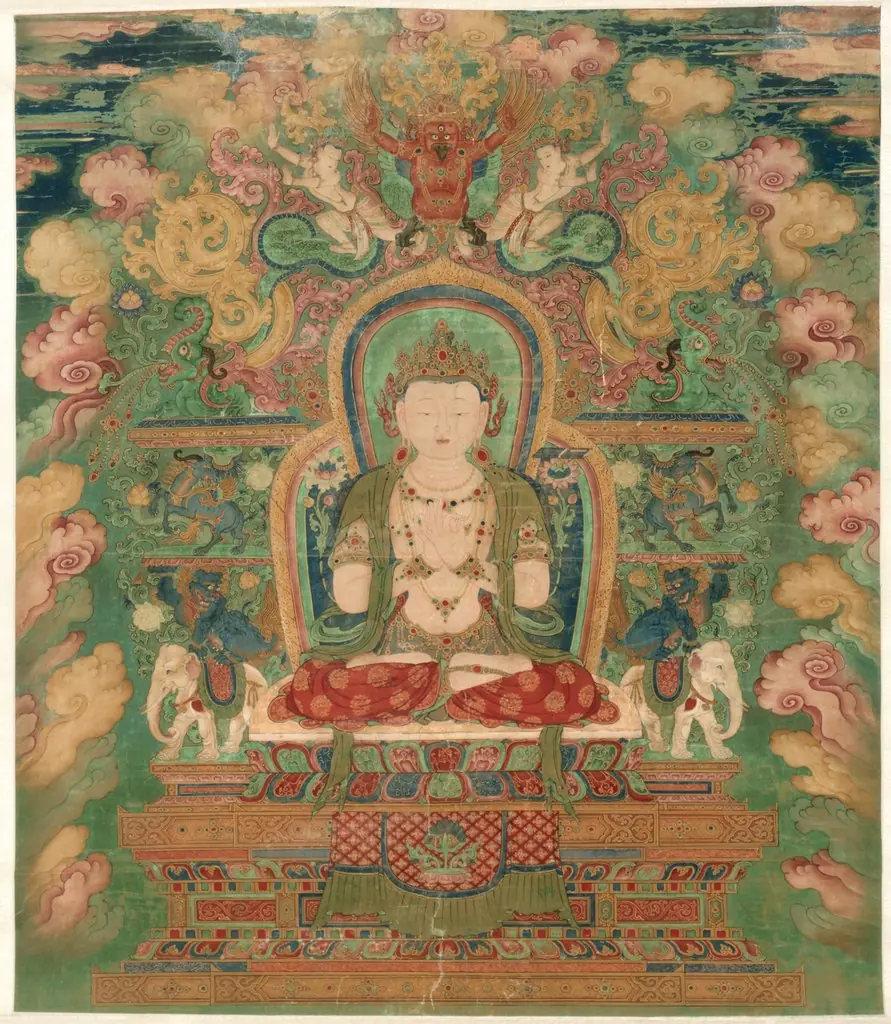 Manjushri
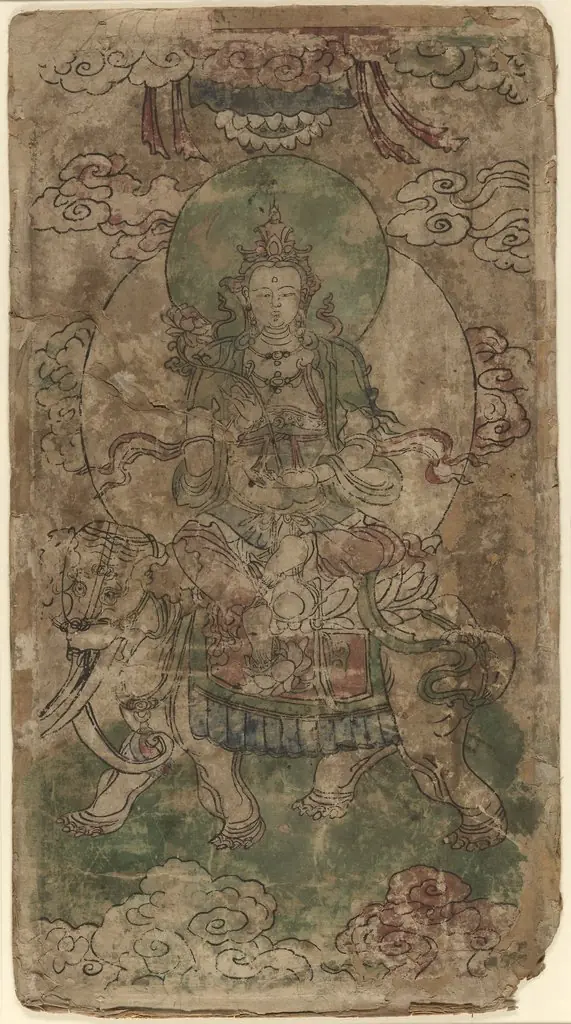 Puxian, the Bodhisattva of Benevolence
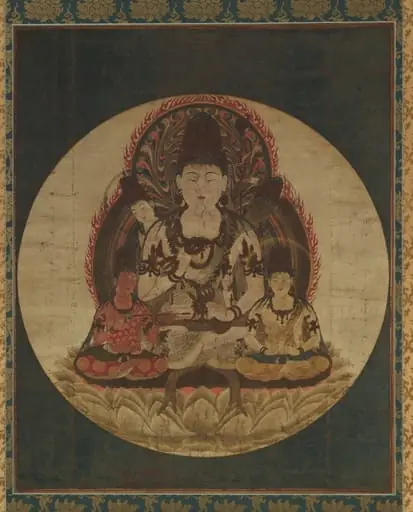 The Secret Five Bodhisattvas (Gohimitsu Bosatsu)
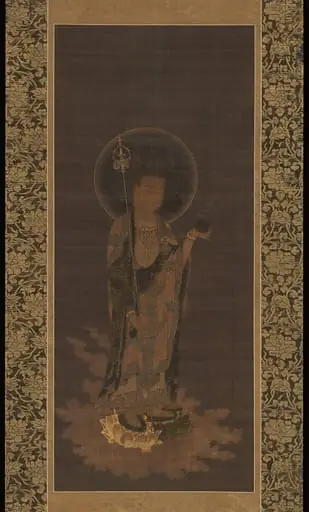 地蔵菩薩来迎図|Welcoming Descent of the Bodhisattva Jizō
 馬鳴菩薩図像|Iconographic Drawing of the Bodhisattva Memyō (Ashvaghosha)