Artwork
Tantric Manuscript, "Sangrahani Sutra"
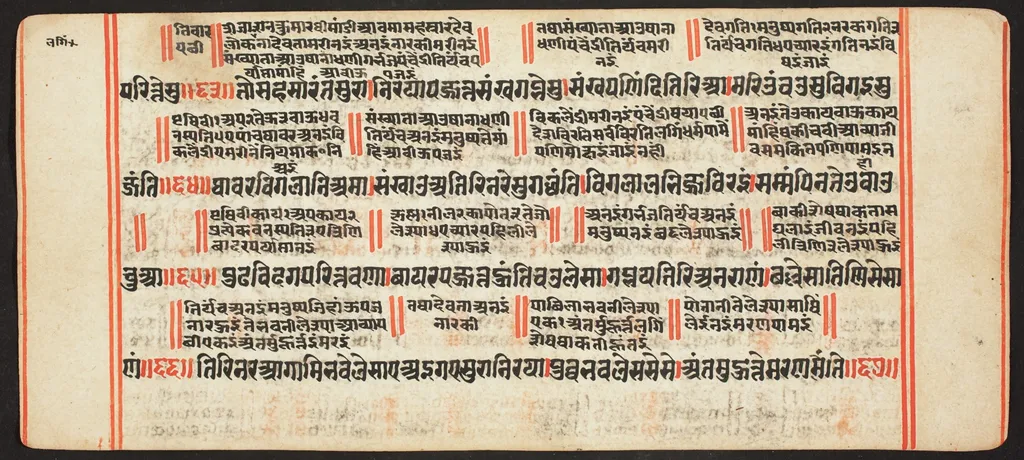
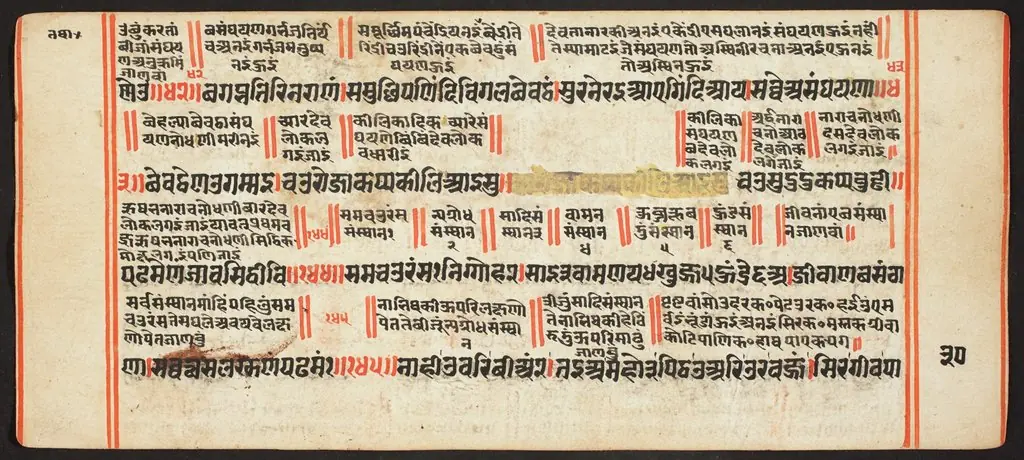
Tantric Manuscript, "Sangrahani Sutra" is an unspecified painting by Unknown. It is held in the collection of the Detroit Institute of Arts. The work is a painted representation of a page from an ancient tantric manuscript identified as the Sangrahani Sutra.
About this work
Overview
The composition emphasizes the visual rhythm of the text and its ornamental flourishes, offering a glimpse into the manuscript’s aesthetic presentation.
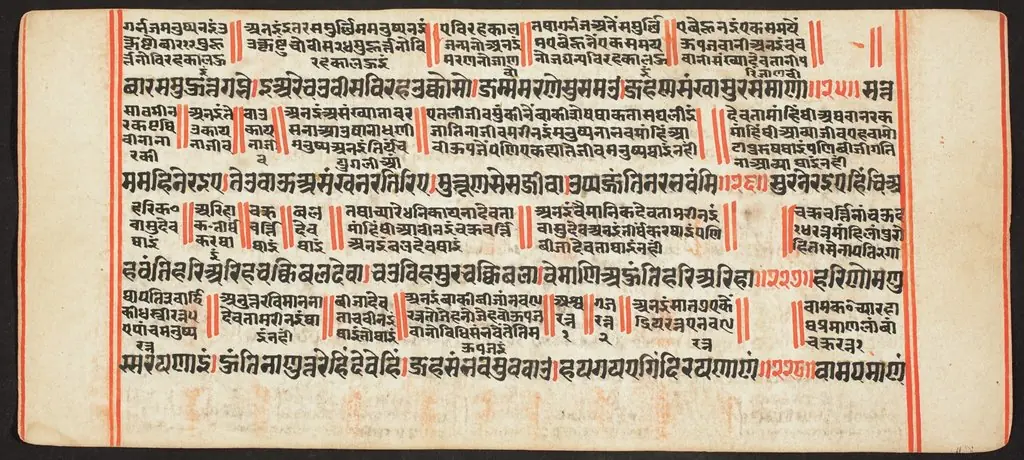
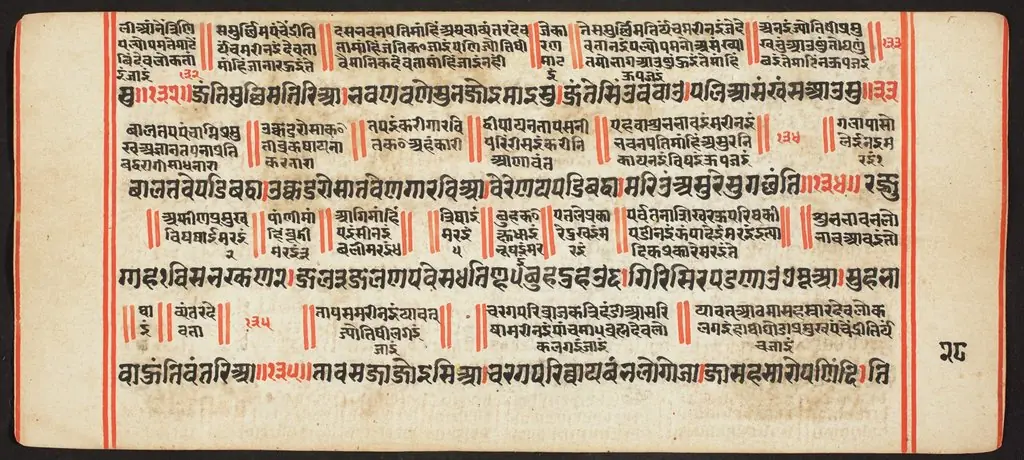
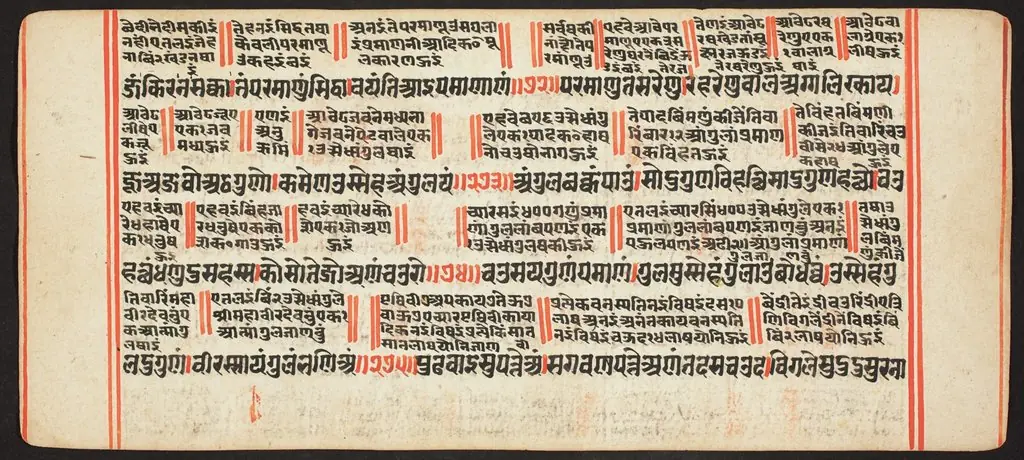
The work is a painted representation of a page from an ancient tantric manuscript identified as the Sangrahani Sutra. Rendered on a light‑brown surface, the image reproduces black cursive script arranged in orderly rows, with selected passages highlighted in red. The composition emphasizes the visual rhythm of the text and its ornamental flourishes, offering a glimpse into the manuscript’s aesthetic presentation.
Subject & Meaning
The depicted page belongs to a tantric Buddhist text, the Sangrahani Sutra, which traditionally functions as a collection of teachings and rituals. The red‑inked words likely mark key doctrinal terms or liturgical instructions, guiding the reader’s focus during recitation or meditation. By foregrounding these highlighted sections, the image reflects the manuscript’s role as both a spiritual guide and a didactic tool.
Technique & Style
The painting employs a restrained palette of earthy browns for the background, contrasted with deep black ink for the script and vivid red for emphasis. The calligraphic hand is formal and cursive, featuring intricate flourishes that echo the decorative conventions of medieval Indian manuscript illumination. Subtle smudges and darker spots suggest an aged surface, enhancing the sense of antiquity.
History & Provenance
While the original manuscript’s date and place of origin are not specified, the Sangrahani Sutra is associated with tantric traditions that flourished in South Asia between the 8th and 12th centuries. The painted rendition likely derives from a later copyist or collector’s effort to preserve the visual character of the text, possibly for scholarly or exhibition purposes.
Context
Tantric manuscripts often combined doctrinal content with elaborate visual design, reflecting a belief that aesthetic beauty could aid spiritual transmission. The use of red highlights aligns with broader South Asian manuscript practices, where color was employed to denote sacred or instructional significance within the text.
Artist & collection

 Domestic Scene
 Giacomo and Cardinal Marco, investing Andrea, Abbot of San Zeno, with his Benefice
 The Nymph of Fontainebleau
 Portrait of a Woman
 Madonna and Child with Saints in the Enclosed Garden
 Venus and Minerva
 Family Group of Four on Sofa
 Wall painting from Room H of the Villa of P. Fannius Synistor at Boscoreale
 Tantric Manuscript, "Sangrahani Sutra"
 Tantric Manuscript, "Sangrahani Sutra"
 Tantric Manuscript, "Sangrahani Sutra"
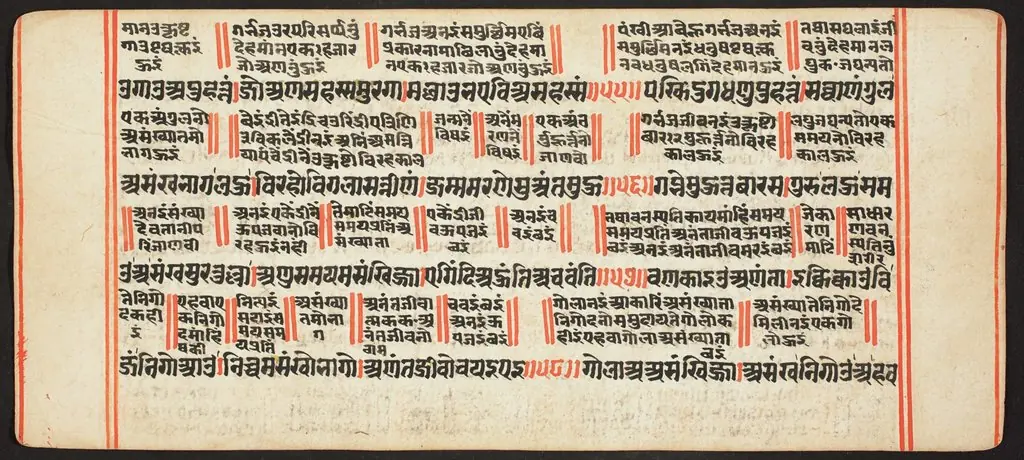 Tantric Manuscript, "Sangrahani Sutra"
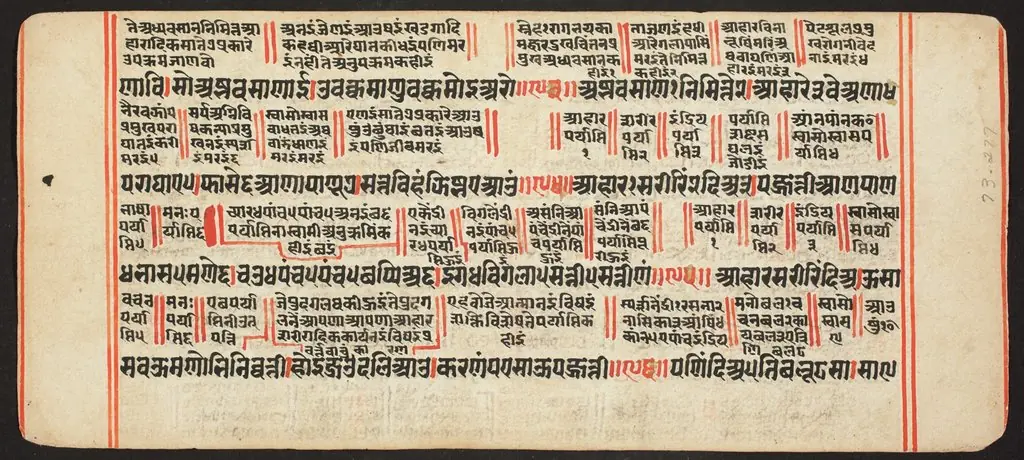 Tantric Manuscript, "Sangrahani Sutra"
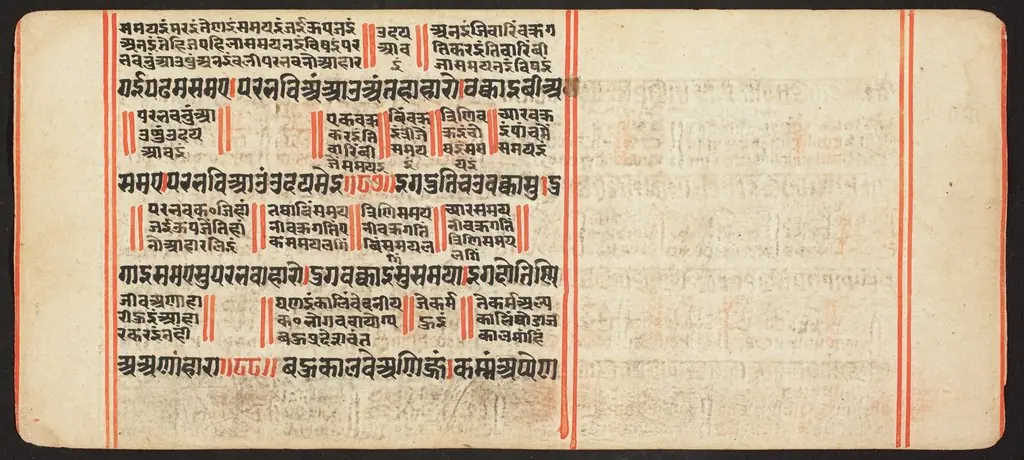 Tantric Manuscript, "Sangrahani Sutra"
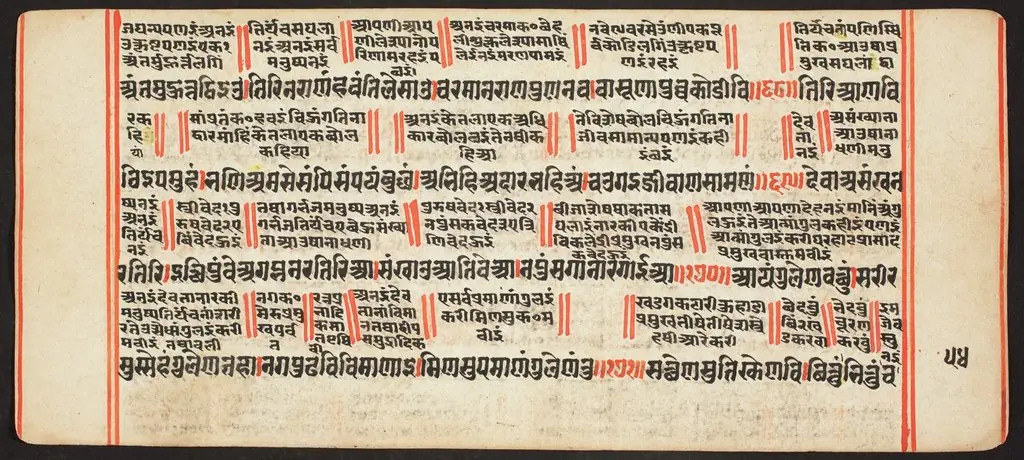 Tantric Manuscript, "Sangrahani Sutra"
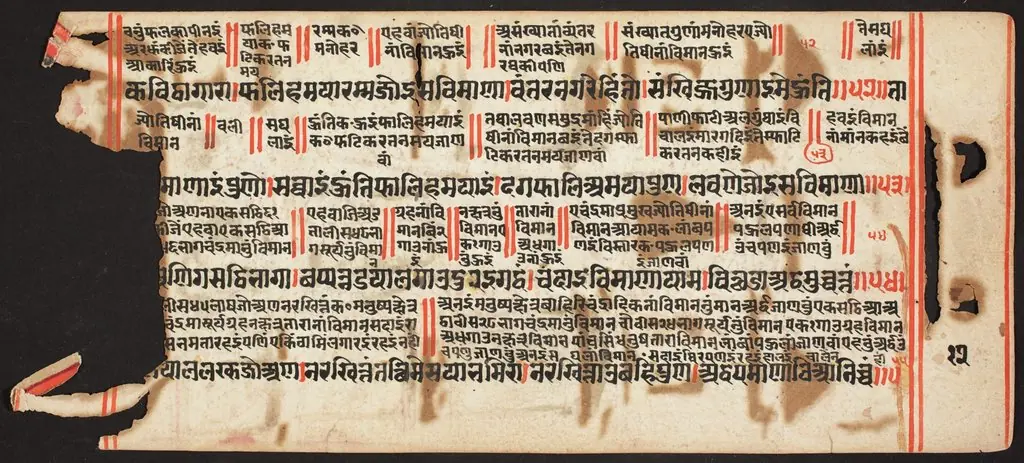 Tantric Manuscript, "Sangrahani Sutra"
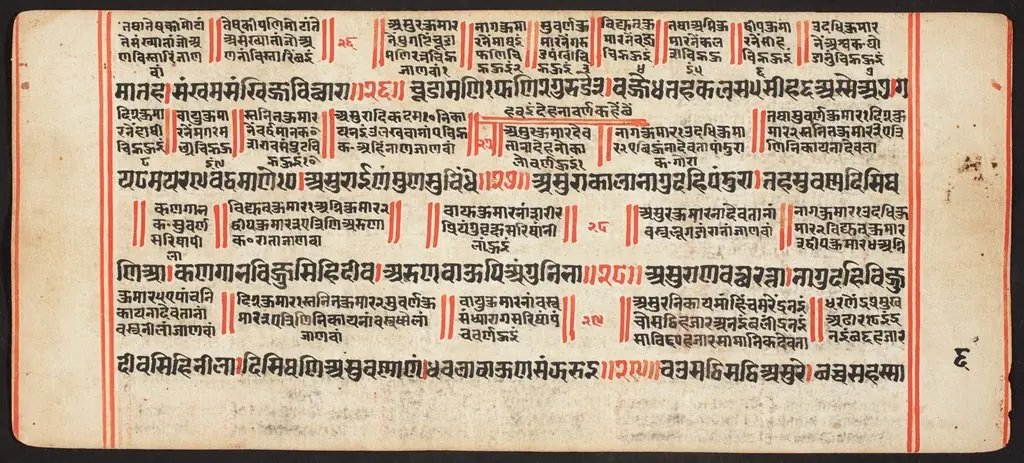 Tantric Manuscript, "Sangrahani Sutra"
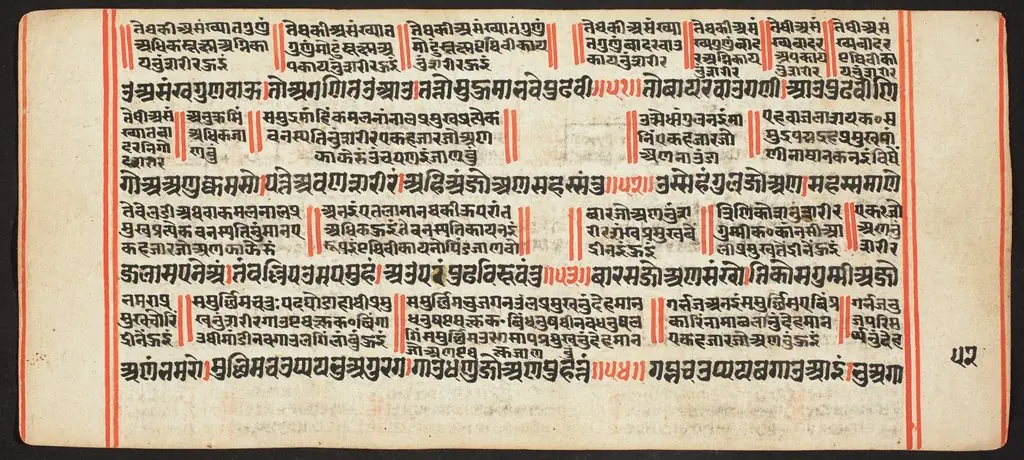 Tantric Manuscript, "Sangrahani Sutra"
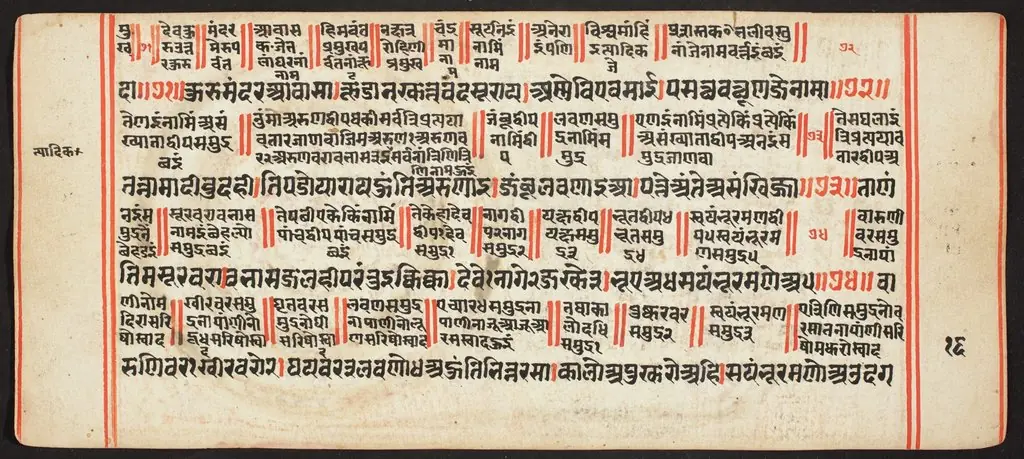 Tantric Manuscript, "Sangrahani Sutra"
 Tantric Manuscript, "Sangrahani Sutra"