Artwork
Tantric Manuscript "Sangrahani Sutra"
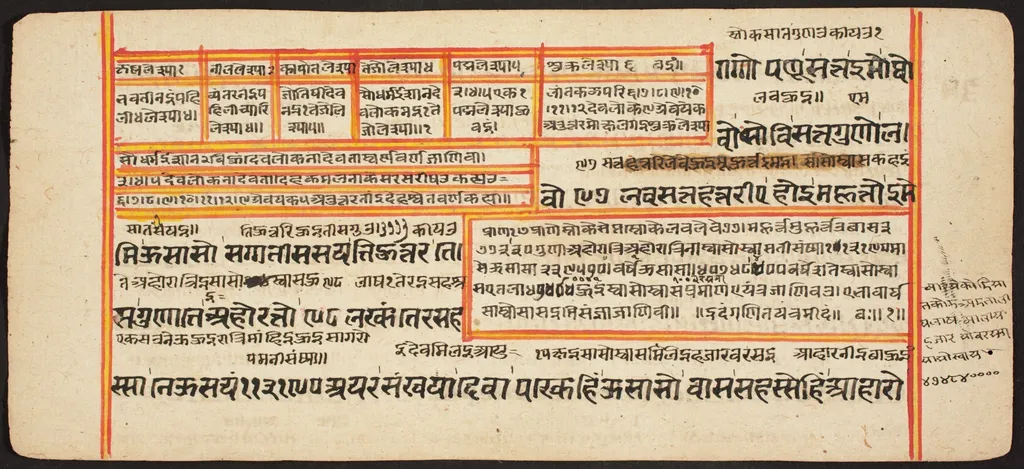
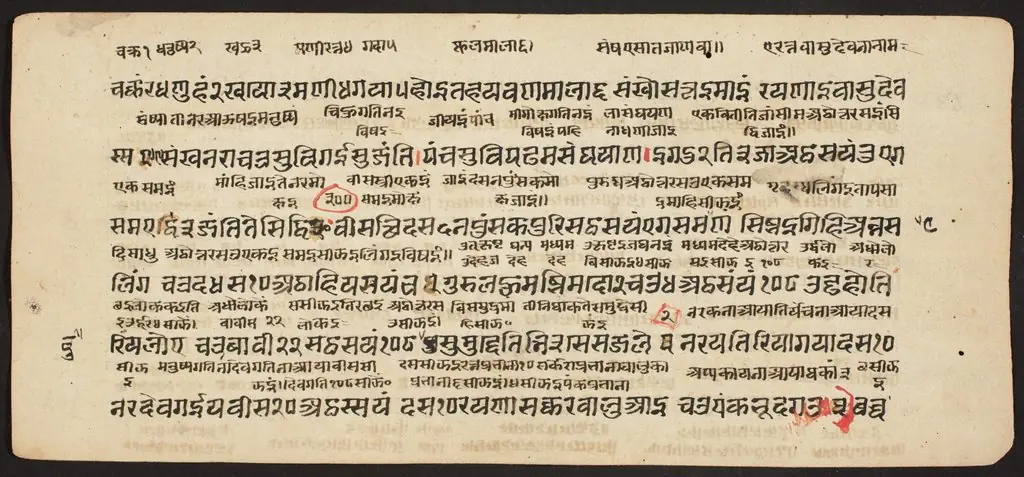
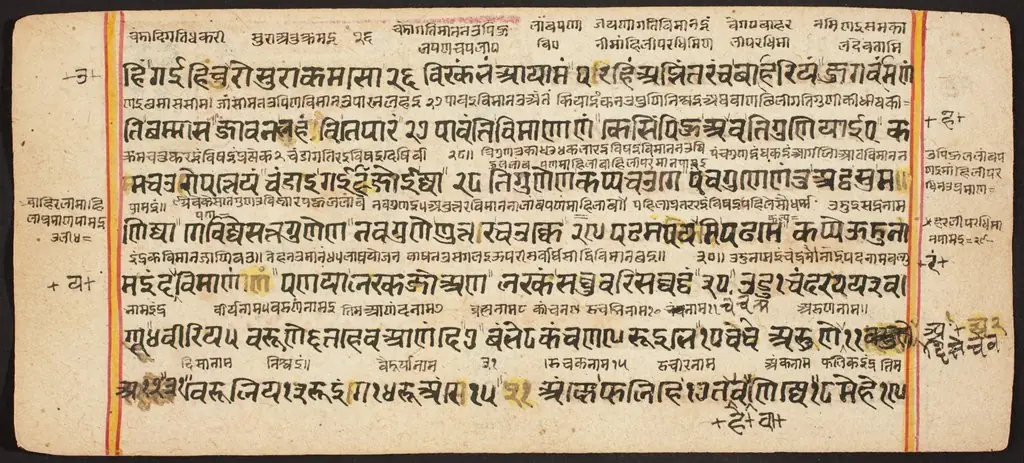
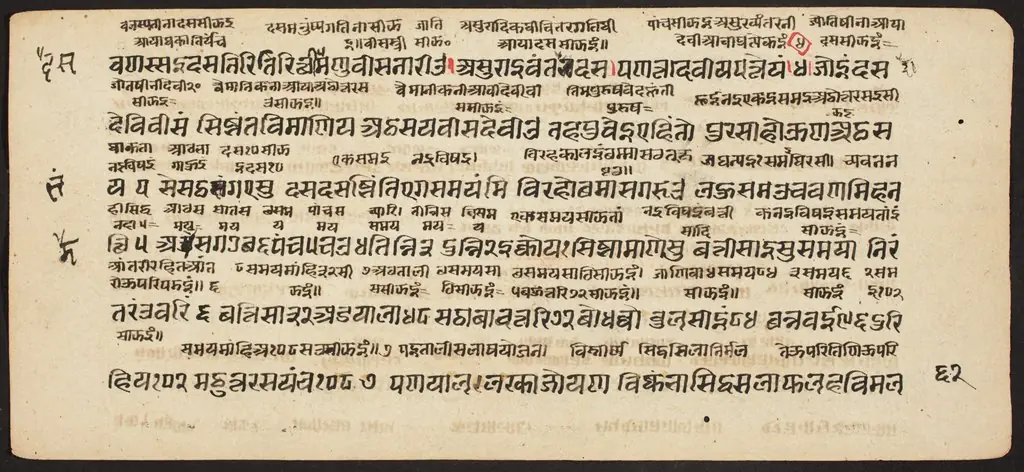
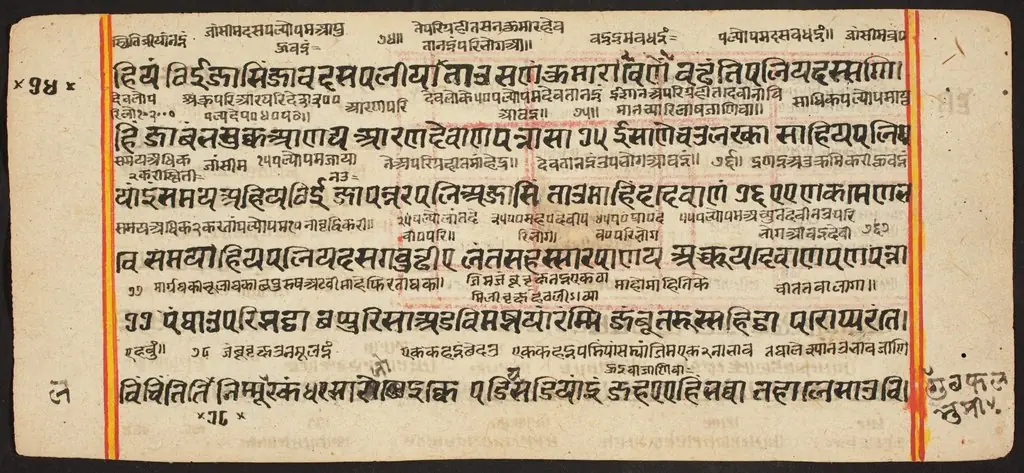
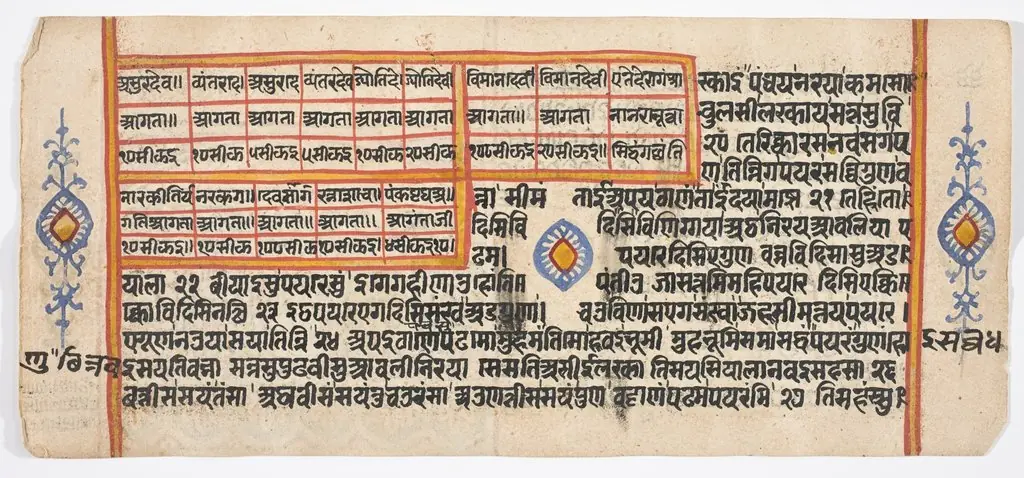
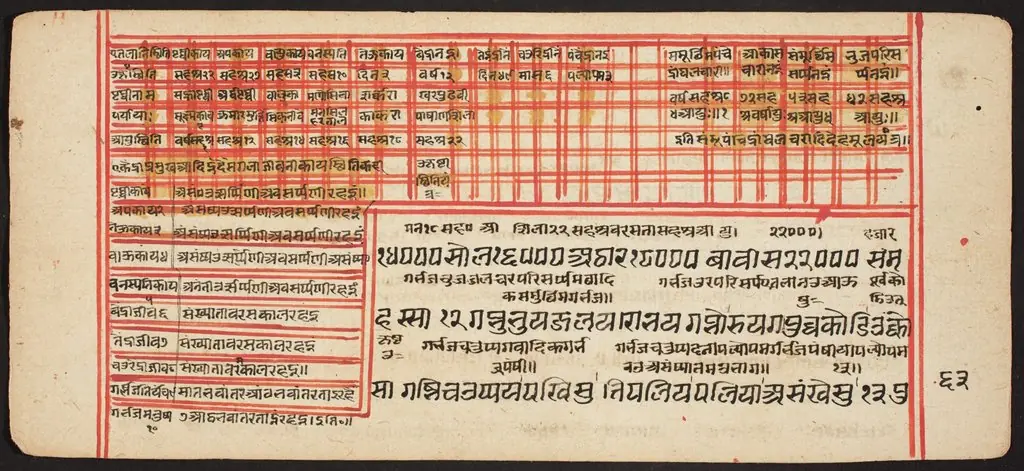
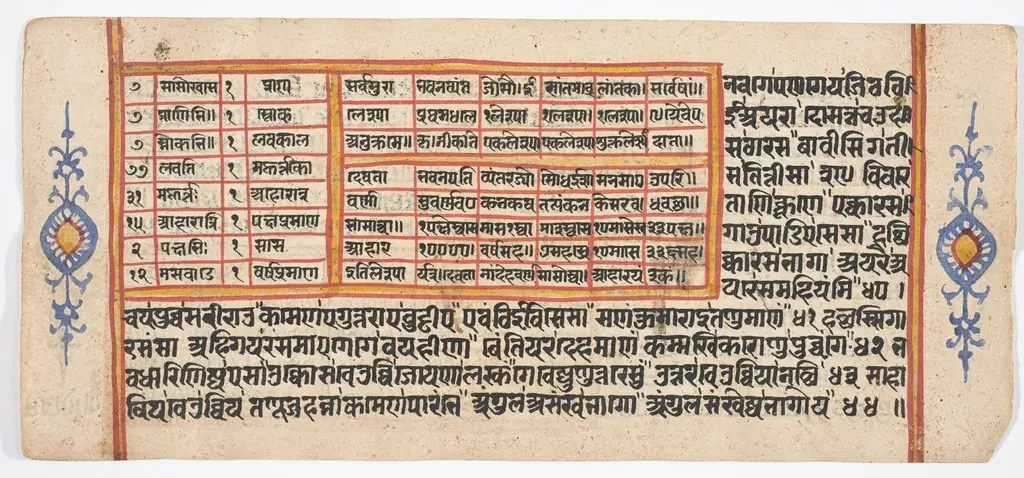
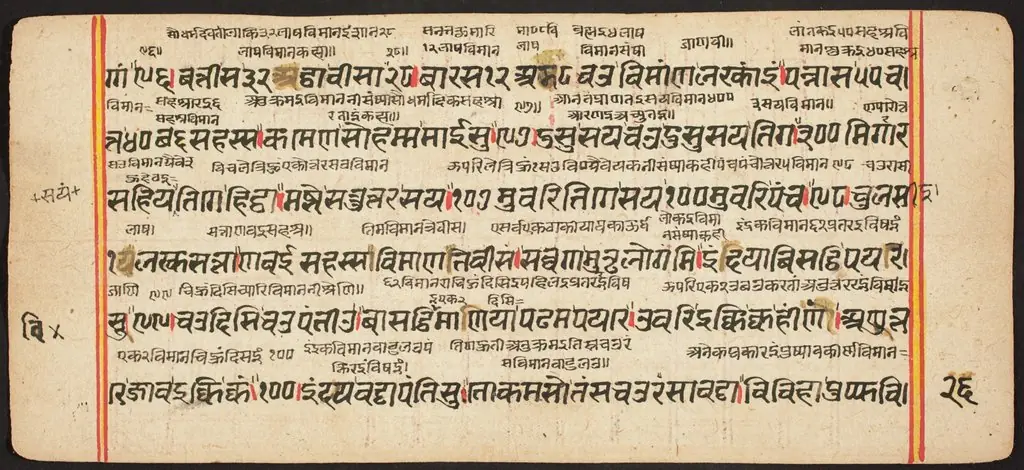
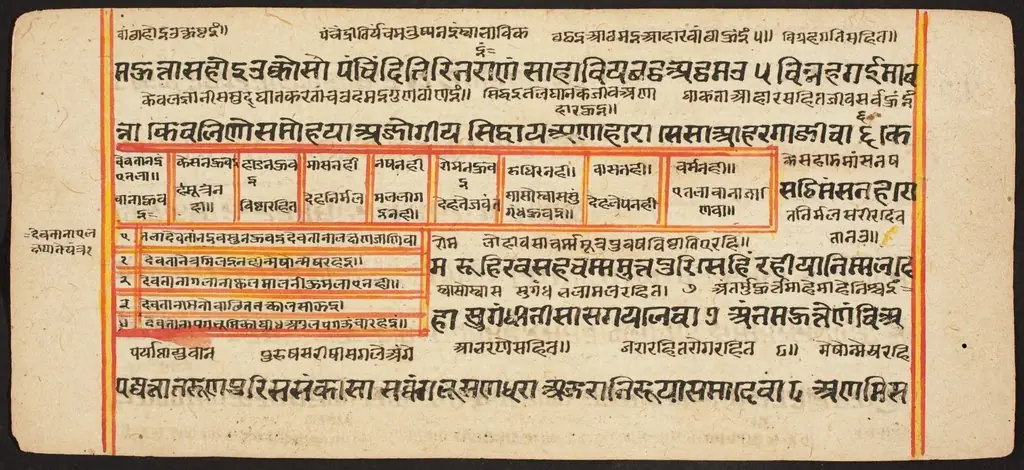
Tantric Manuscript "Sangrahani Sutra" is an unspecified painting by Unknown. It is held in the collection of the Detroit Institute of Arts. The Sangrahani Sutra is a painted page from a historic tantric manuscript.
About this work
Overview
Rendered on yellowed paper, the sheet features densely arranged text in a South‑Asian script, likely Sanskrit or Hindi, set in orderly columns.
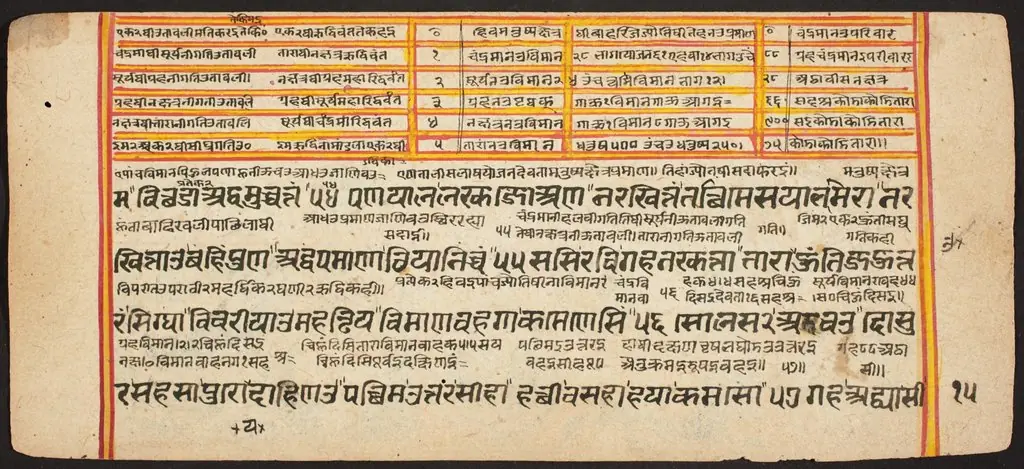
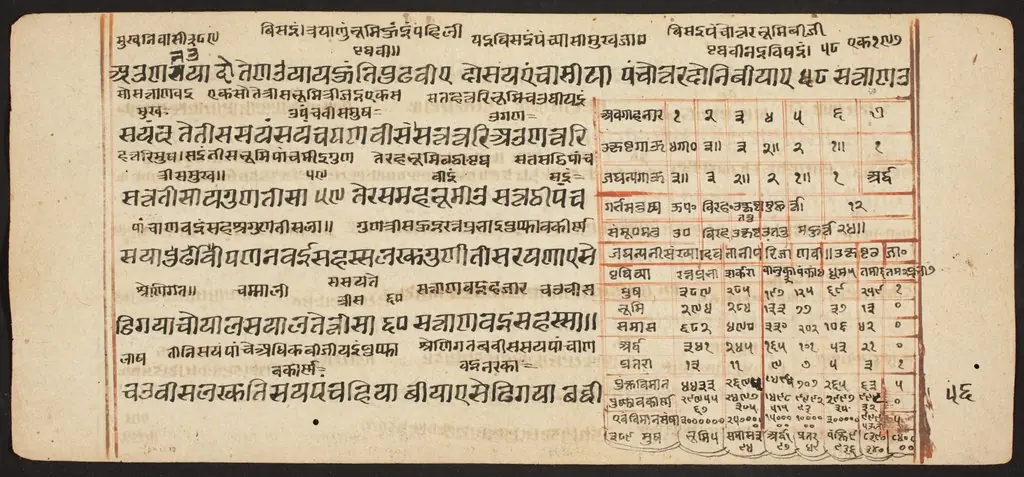
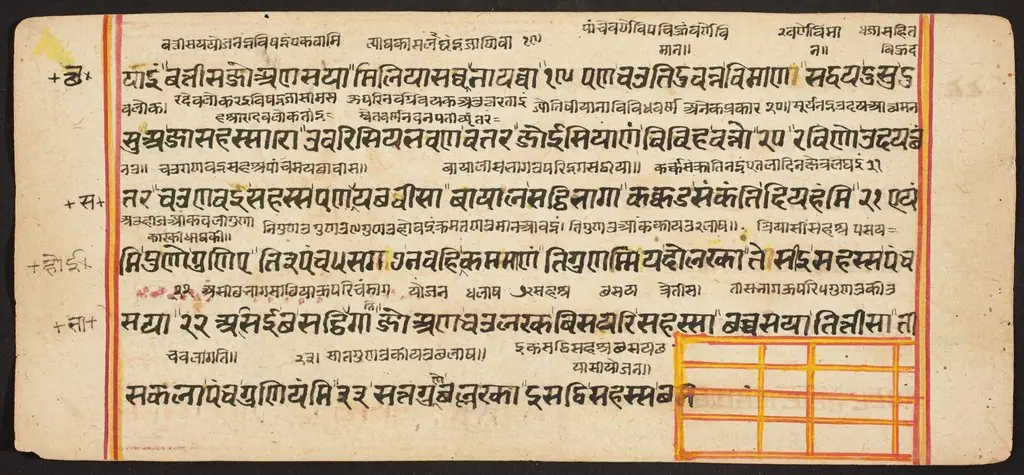
The Sangrahani Sutra is a painted page from a historic tantric manuscript. Rendered on yellowed paper, the sheet features densely arranged text in a South‑Asian script, likely Sanskrit or Hindi, set in orderly columns. Inked primarily in black, certain passages are accentuated with red or orange highlights, while a decorative border of intricate motifs frames the page, conveying a refined aesthetic typical of religious codices.
Subject & Meaning
The manuscript contains portions of the Sangrahani Sutra, a tantric text that outlines ritual practices, meditative visualizations, and doctrinal teachings. The highlighted words may indicate key mantras or instructional points, guiding practitioners in the precise recitation and contemplation required by the tradition.
Technique & Style
Artists employed fine brushwork to apply black ink for the main script, with selective use of red and orange pigments to emphasize important terms. The ornamental border showcases delicate geometric and vegetal patterns, executed with a steady hand, reflecting the meticulous calligraphic standards of manuscript production in the Indian subcontinent.
History & Provenance
The page originates from an older manuscript, as evidenced by the aged, yellowed substrate and partially faded ink. While the exact date and place of creation are not specified, the style aligns with medieval tantric codices produced in northern India, where such texts were copied by monastic scribes for ritual use.
Context
Tantric manuscripts like the Sangrahani Sutra were central to esoteric Buddhist and Hindu practices, serving both as instructional manuals and as objects of veneration. Their elaborate decoration underscores the belief that the visual presentation of sacred words enhances their spiritual potency.
Artist & collection

 Domestic Scene
 Giacomo and Cardinal Marco, investing Andrea, Abbot of San Zeno, with his Benefice
 The Nymph of Fontainebleau
 Portrait of a Woman
 Madonna and Child with Saints in the Enclosed Garden
 Venus and Minerva
 Family Group of Four on Sofa
 Wall painting from Room H of the Villa of P. Fannius Synistor at Boscoreale
 Tantric Manuscript "Sangrahani Sutra"
 Tantric Manuscript "Sangrahani Sutra"
 Tantric Manuscript "Sangrahani Sutra"
 Tantric Manuscript "Sangrahani Sutra"
 Tantric Manuscript "Sangrahani Sutra"
 Tantric Manuscript "Sangrahani Sutra"
 Tantric Manuscript "Sangrahani Sutra"
 Tantric Manuscript "Sangrahani Sutra"
 Tantric Manuscript "Sangrahani Sutra"
 Tantric Manuscript "Sangrahani Sutra"
 Tantric Manuscript "Sangrahani Sutra"
 Tantric Manuscript "Sangrahani Sutra"