Artwork
Tantric Manuscript "Sangrahani Sutra"
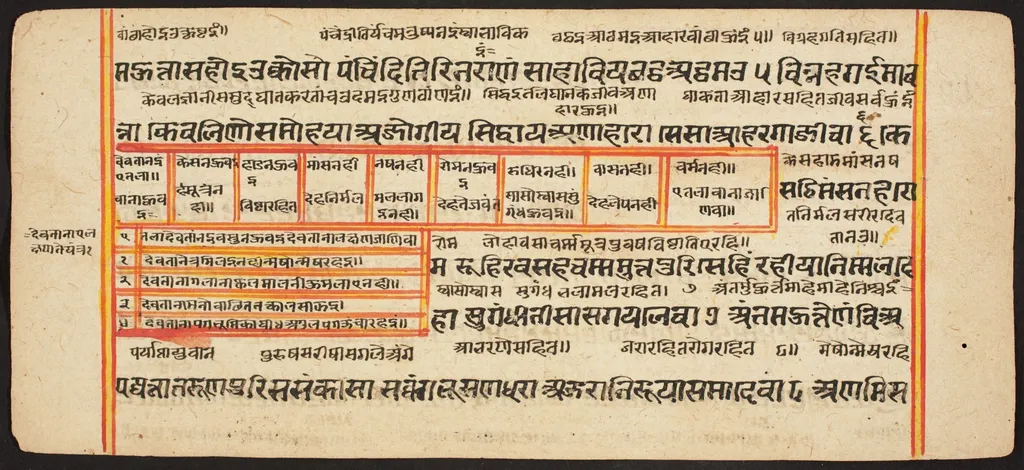
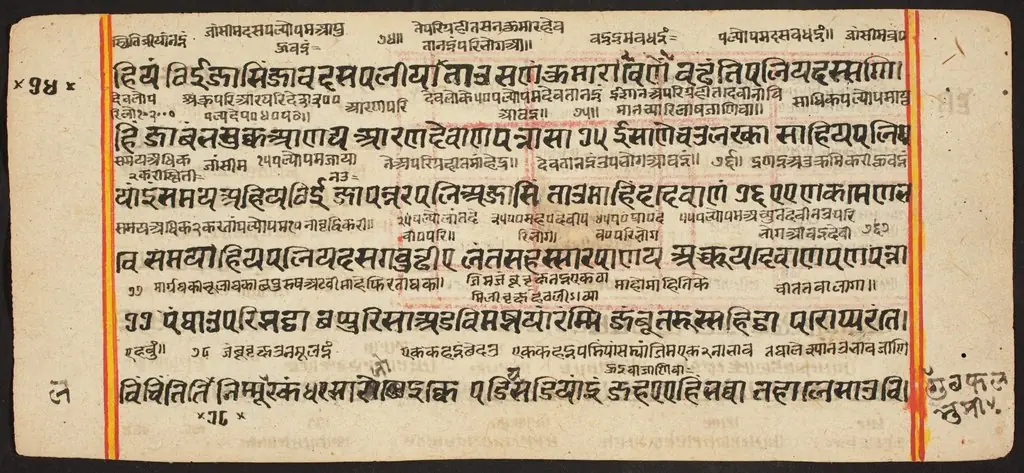
Tantric Manuscript "Sangrahani Sutra" is an unspecified painting by Unknown. It is held in the collection of the Detroit Institute of Arts. This page originates from a handwritten Buddhist manuscript known as the Sangrahani Sutra, produced in medieval India or Nepal.
About this work
Overview
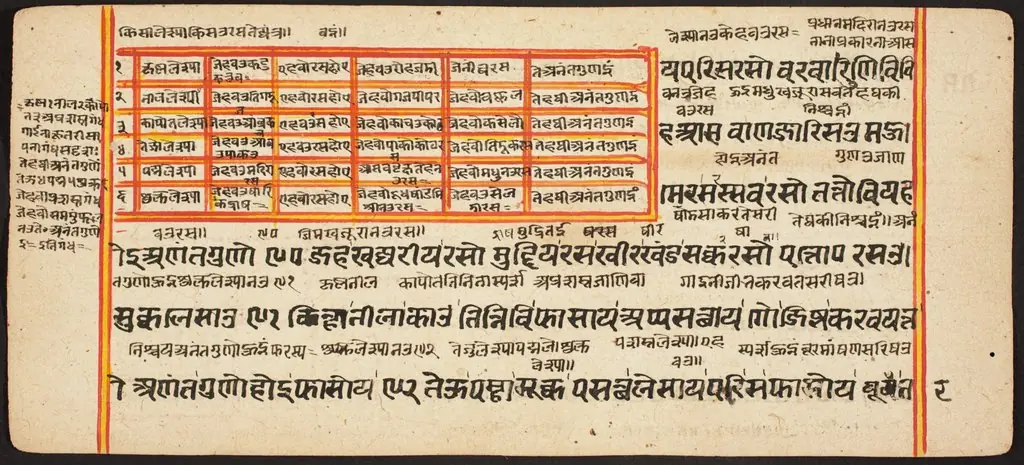
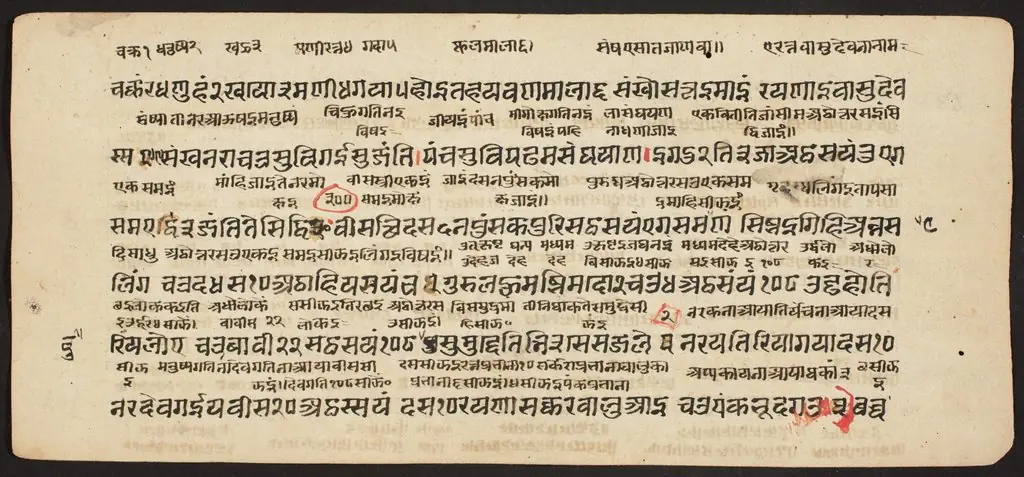
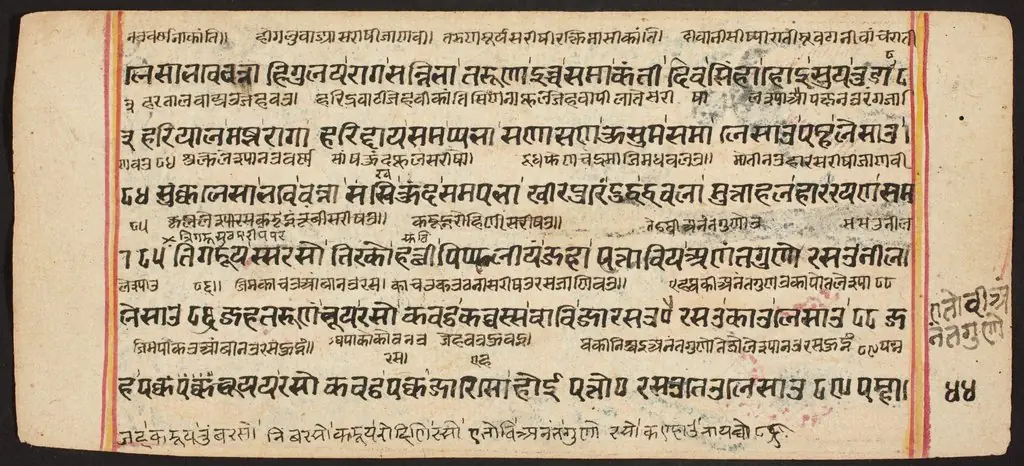
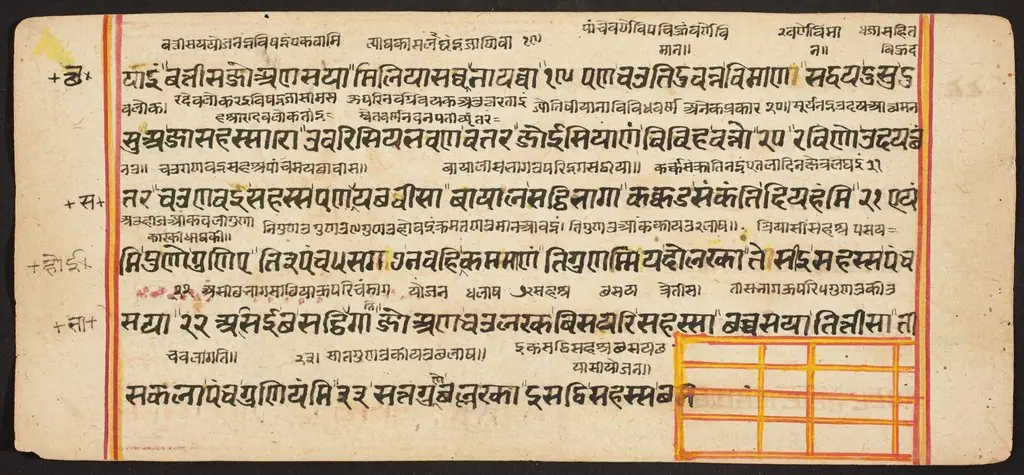
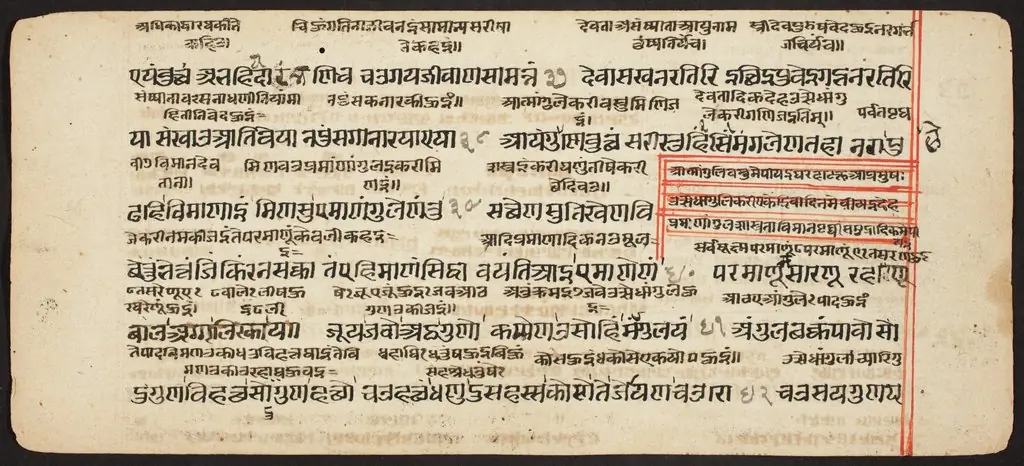
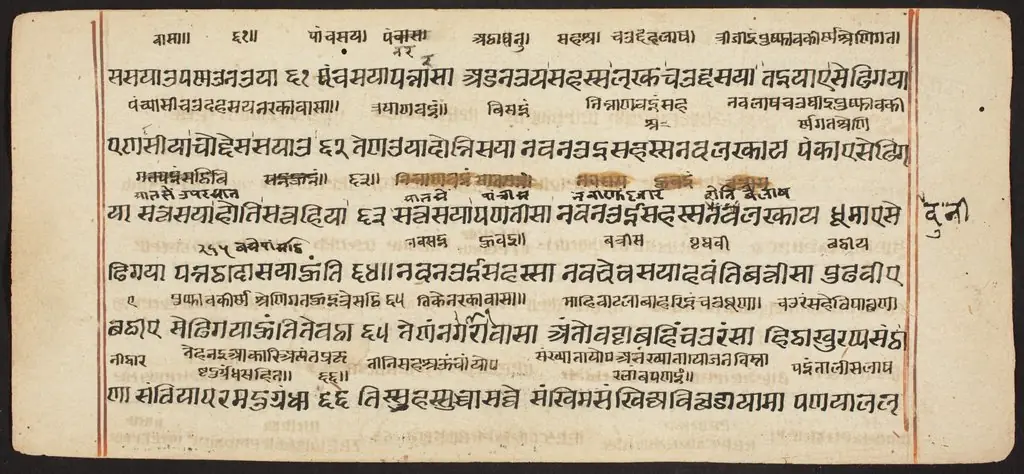
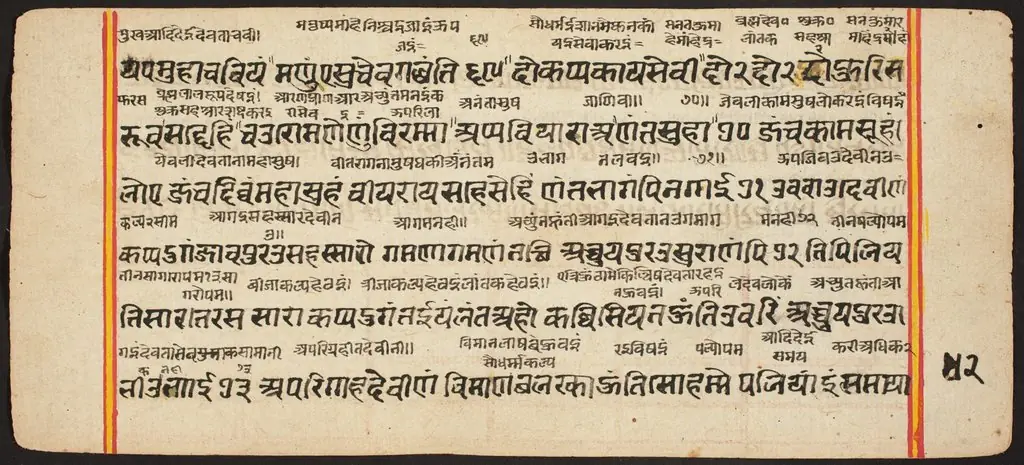
This page originates from a handwritten Buddhist manuscript known as the Sangrahani Sutra, produced in medieval India or Nepal. The text, composed in Sanskrit or a related liturgical language, is rendered in black ink with red accents used for emphasis. The parchment shows signs of age through yellowing and subtle wear, consistent with centuries of handling and storage in monastic settings.
Subject & Meaning
The Sangrahani Sutra is a doctrinal compilation within the tantric Buddhist tradition, summarizing key teachings on ritual practice and meditative discipline.
The Sangrahani Sutra is a doctrinal compilation within the tantric Buddhist tradition, summarizing key teachings on ritual practice and meditative discipline. Its content served as a guide for initiates, with red markings likely indicating sacred phrases or instructional cues. The visual structure reflects a pedagogical intent, guiding readers through complex spiritual concepts through typographic emphasis.
Technique & Style
The script is executed in a precise, ornate calligraphic hand typical of tantric textual traditions. Red ink outlines key passages and frames sections with ruled borders, enhancing legibility and ritual significance. The use of natural pigments and handmade paper, along with the absence of illustrations, underscores the manuscript’s functional, devotional purpose over aesthetic display.
History & Provenance
Though its exact origin is undocumented, similar manuscripts were produced in monastic centers of eastern India or the Himalayan region between the 10th and 14th centuries. The Detroit Institute of Arts holds comparable examples, suggesting this page may have entered a Western collection through early 20th-century acquisitions of South Asian religious artifacts.
Context
Tantric Buddhist manuscripts like this were not merely texts but ritual objects, often used in chanting and meditation. Their production required skilled scribes and was supported by monastic communities. The red annotations functioned as mnemonic and sacred markers, aligning the physical form of the manuscript with its spiritual function in esoteric practice.
Legacy
Surviving fragments of such manuscripts offer insight into the transmission of tantric Buddhism across Asia. Their preservation in institutional collections highlights their value as cultural artifacts, preserving not only doctrinal content but also the material practices of medieval religious scholarship and devotion.
Artist & collection

 Domestic Scene
 Giacomo and Cardinal Marco, investing Andrea, Abbot of San Zeno, with his Benefice
 The Nymph of Fontainebleau
 Portrait of a Woman
 Madonna and Child with Saints in the Enclosed Garden
 Venus and Minerva
 Family Group of Four on Sofa
 Wall painting from Room H of the Villa of P. Fannius Synistor at Boscoreale
 Tantric Manuscript "Sangrahani Sutra"
 Tantric Manuscript "Sangrahani Sutra"
 Tantric Manuscript "Sangrahani Sutra"
 Tantric Manuscript "Sangrahani Sutra"
 Tantric Manuscript "Sangrahani Sutra"
 Tantric Manuscript "Sangrahani Sutra"
 Tantric Manuscript "Sangrahani Sutra"
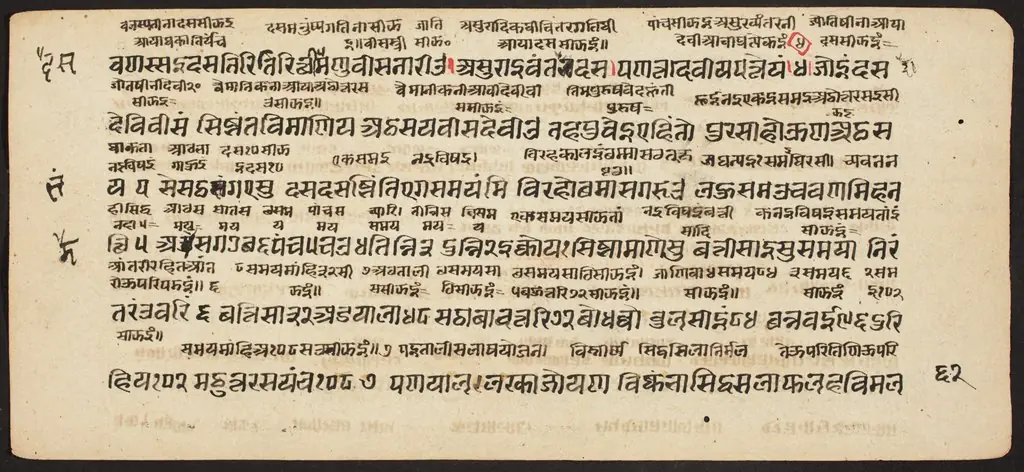 Tantric Manuscript "Sangrahani Sutra"
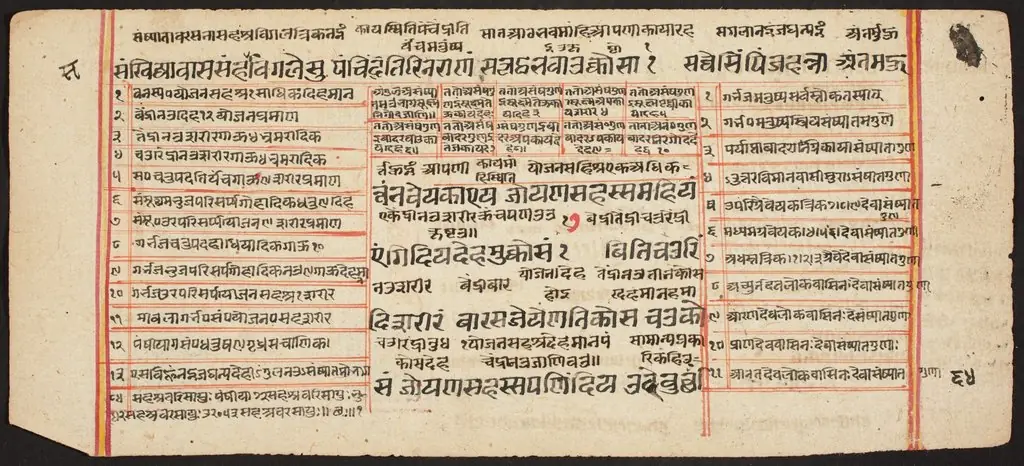 Tantric Manuscript "Sangrahani Sutra"
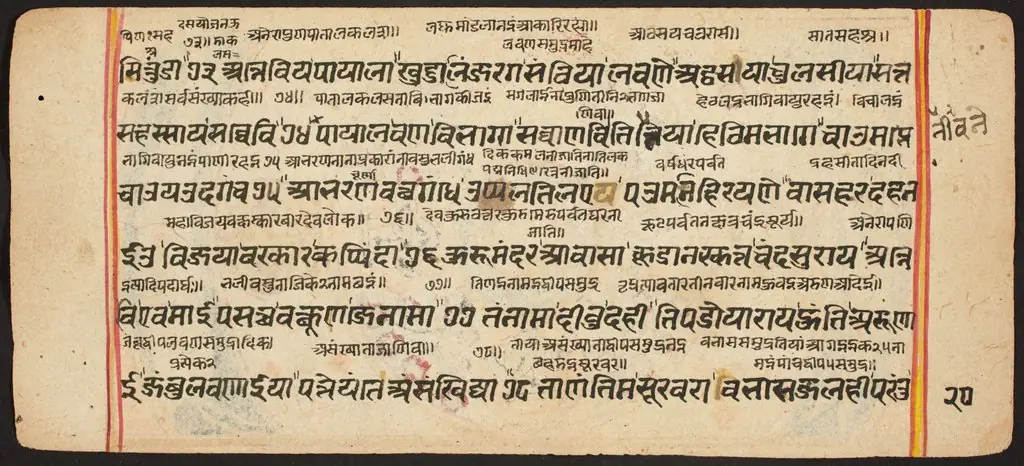 Tantric Manuscript "Sangrahani Sutra"
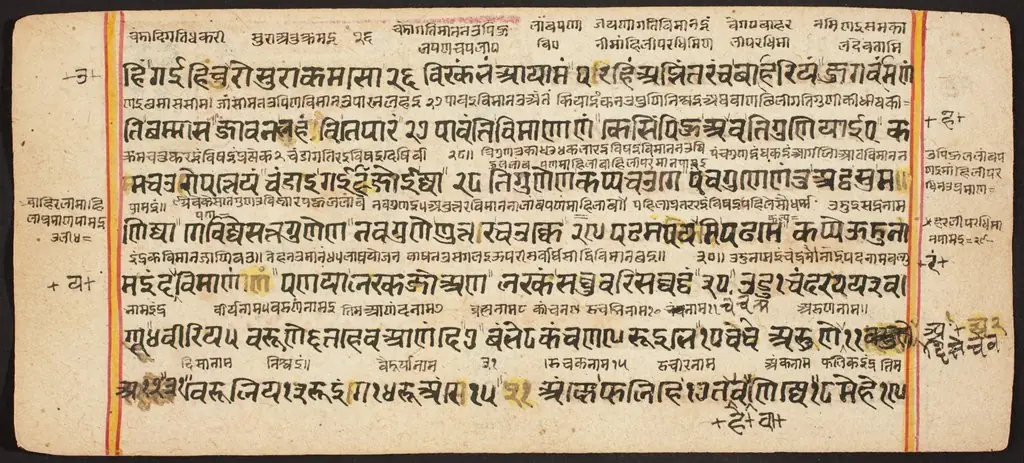 Tantric Manuscript "Sangrahani Sutra"
 Tantric Manuscript "Sangrahani Sutra"