Artwork
Japanese Drawing
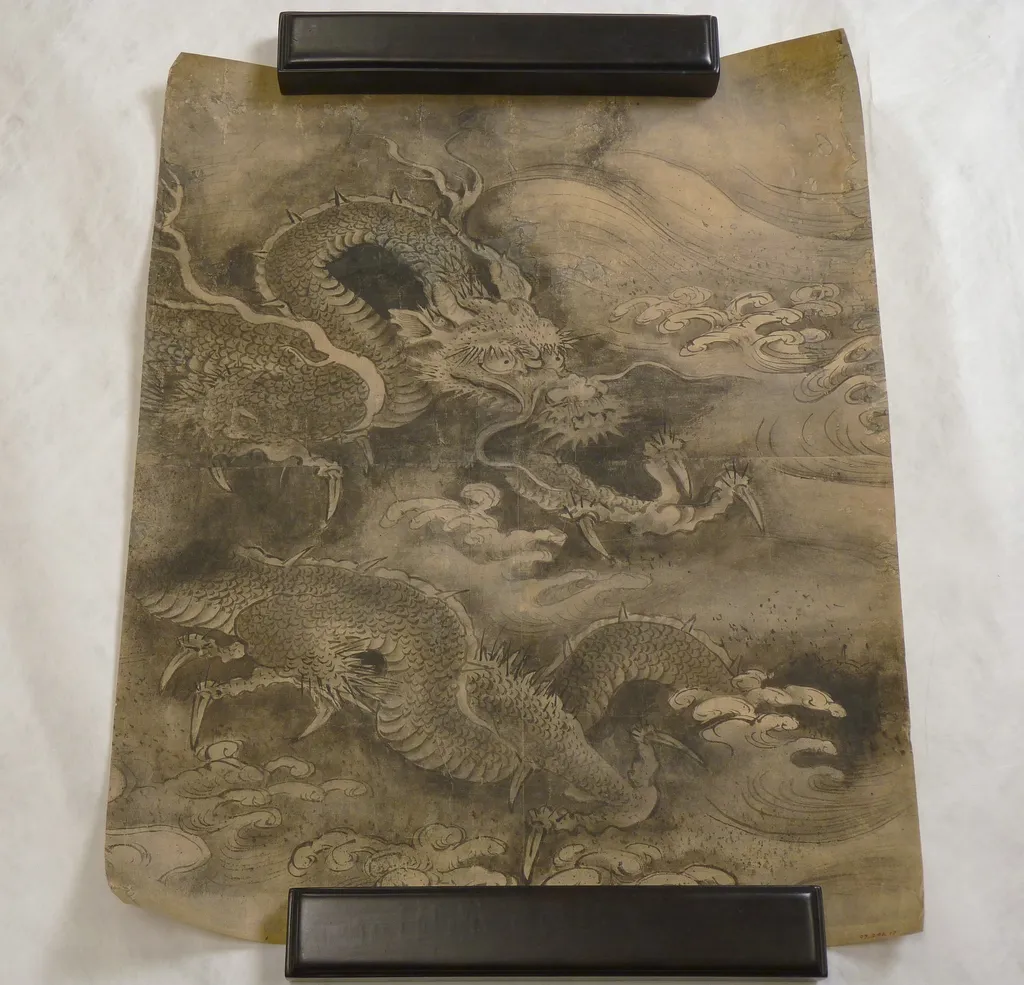
Japanese Drawing is an unspecified painting. It dates from 1816 and is held in the collection of the Metropolitan Museum of Art.
About this work
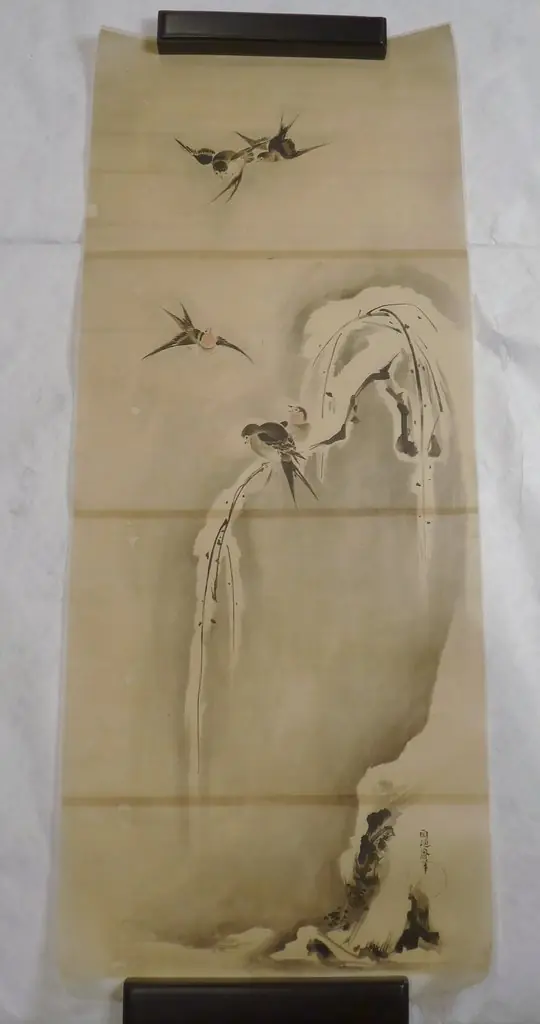
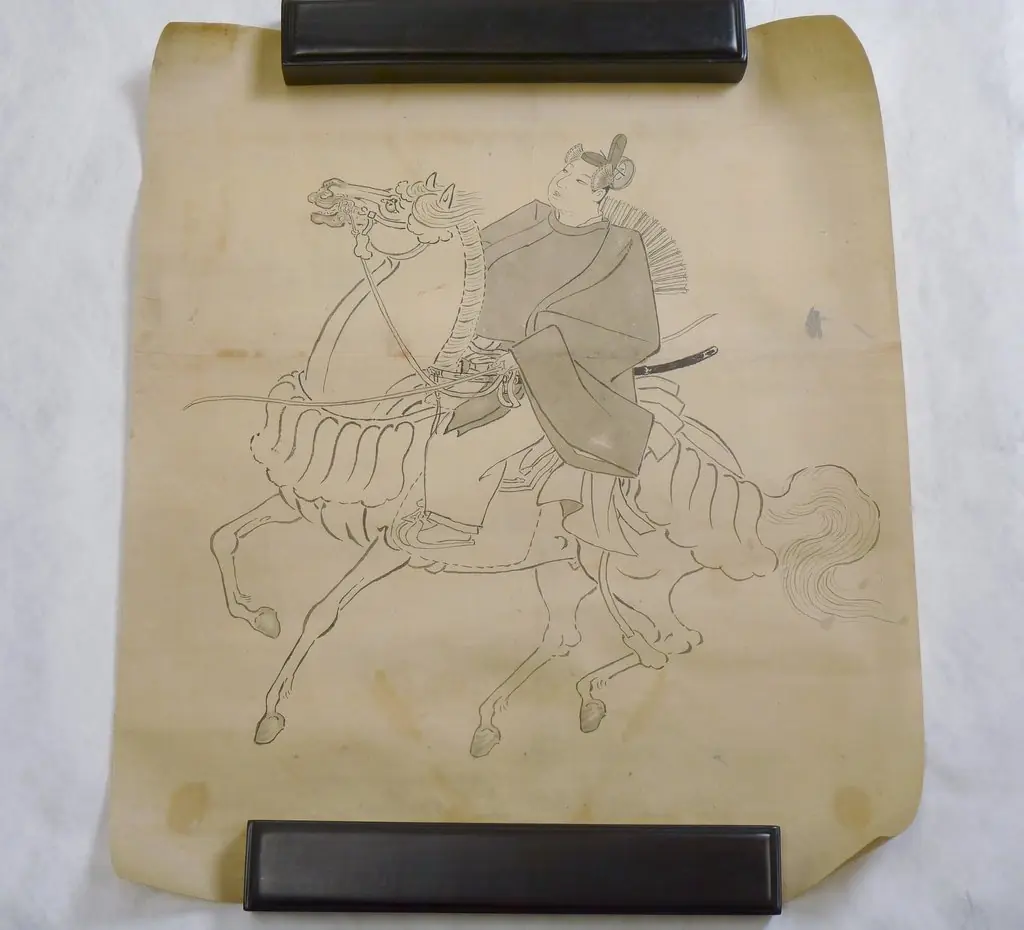
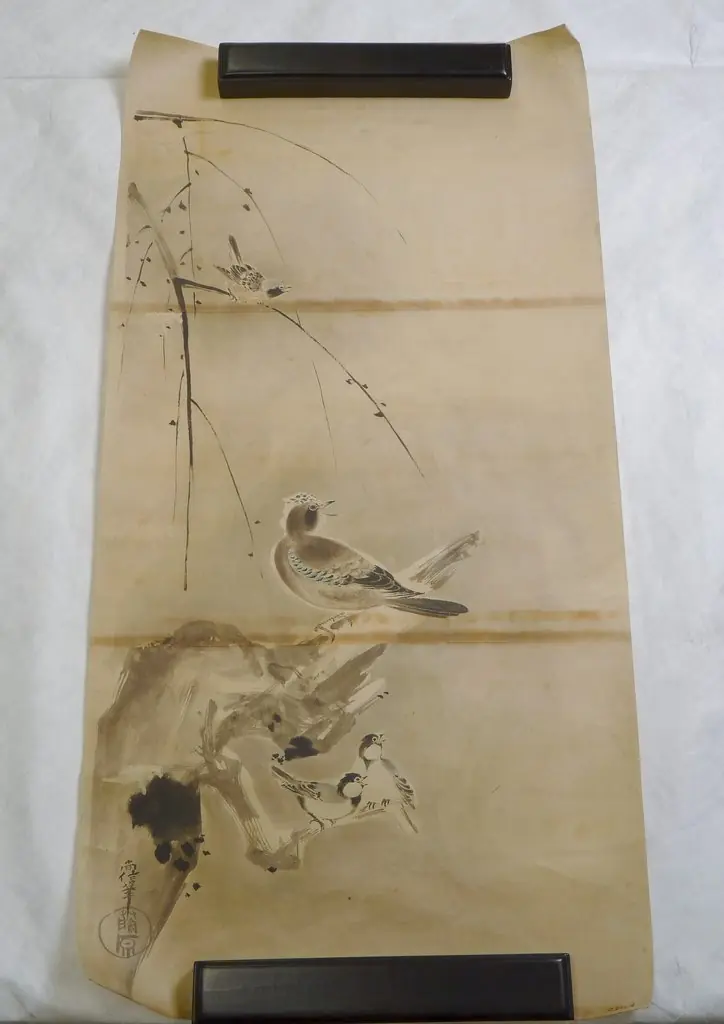
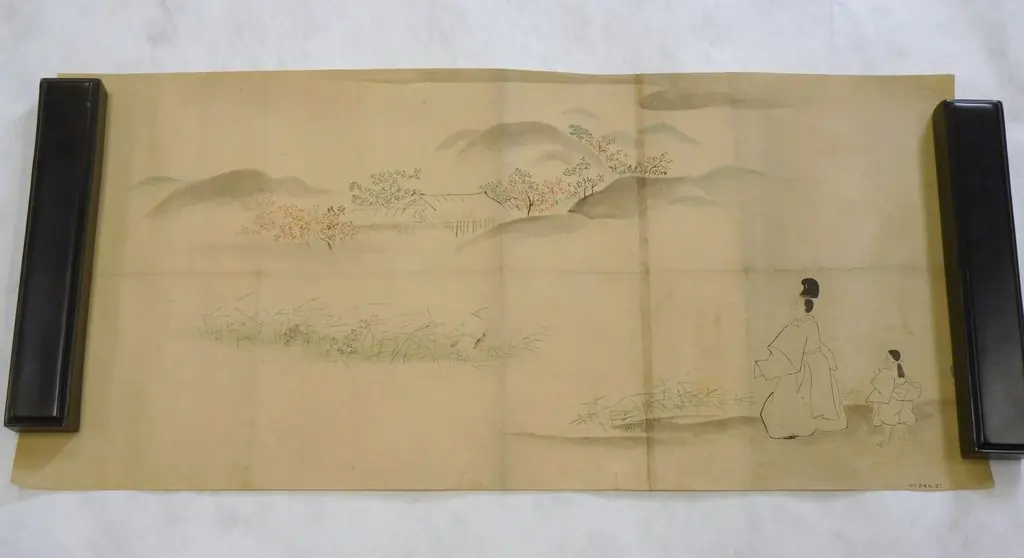
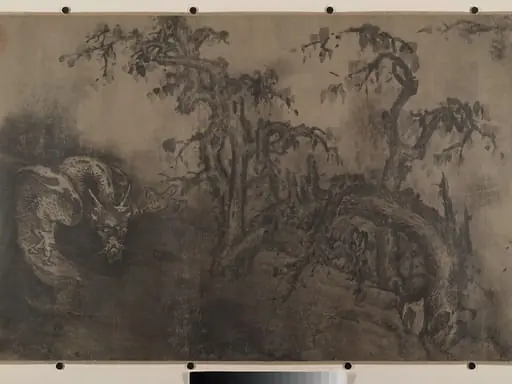
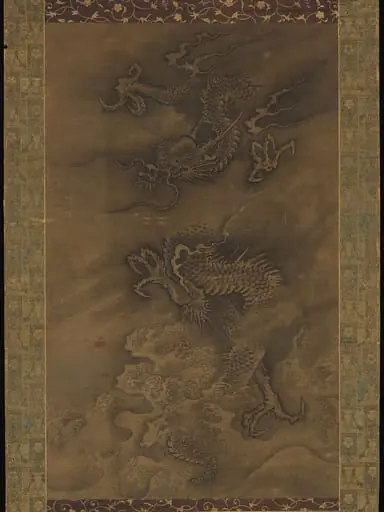
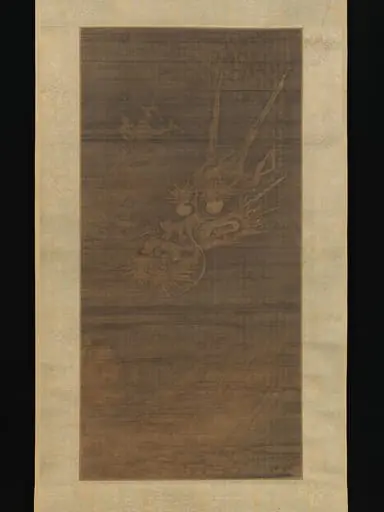
The drawing is rendered in a monochromatic color scheme, with varying shades of gray used to create depth and texture.
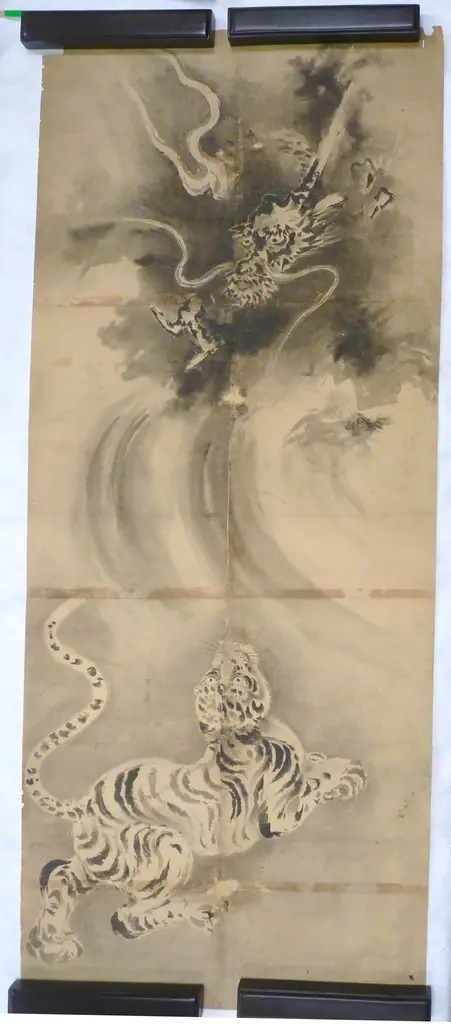
This Japanese drawing from 1816 features a dynamic scene with a dragon and a bird in motion. The dragon is depicted with its mouth open, as if roaring, and its body is coiled around the bird. The bird appears to be struggling to free itself from the dragon's grasp.
The drawing is rendered in a monochromatic color scheme, with varying shades of gray used to create depth and texture. The artist's use of lines and shading adds a sense of energy and movement to the scene.
The drawing is held at The Metropolitan Museum of Art.
Overview
Created in 1816, this Japanese drawing portrays a dramatic encounter between a dragon and a bird. The composition captures the creature’s open mouth and coiled body as it attempts to seize the bird, which struggles to escape. Rendered entirely in shades of gray, the work relies on line and tonal variation to convey tension and motion.
Subject & Meaning
The image juxtaposes two mythic forces: a serpentine dragon, often associated with power and transformation, and a smaller avian figure, symbolizing freedom or vulnerability. Their interaction—dragon’s grasp and bird’s resistance—suggests a narrative of conflict between domination and escape, a theme recurrent in Edo‑period visual storytelling.
Technique & Style
Executed with monochromatic ink, the artist employs a range of gray tones to model form and suggest depth. Precise, fluid lines define the dragon’s sinuous body, while cross‑hatching and subtle washes create texture on the bird’s feathers. The contrast of bold outlines with softer shading generates a sense of kinetic energy across the paper surface.
History & Provenance
The drawing entered the collection of The Metropolitan Museum of Art, where it is currently displayed. Its provenance traces back to early 19th‑century Japan, a period marked by flourishing ukiyo‑e and related print traditions, though the specific artist remains unidentified in the museum’s records.
Artist & collection