Artwork
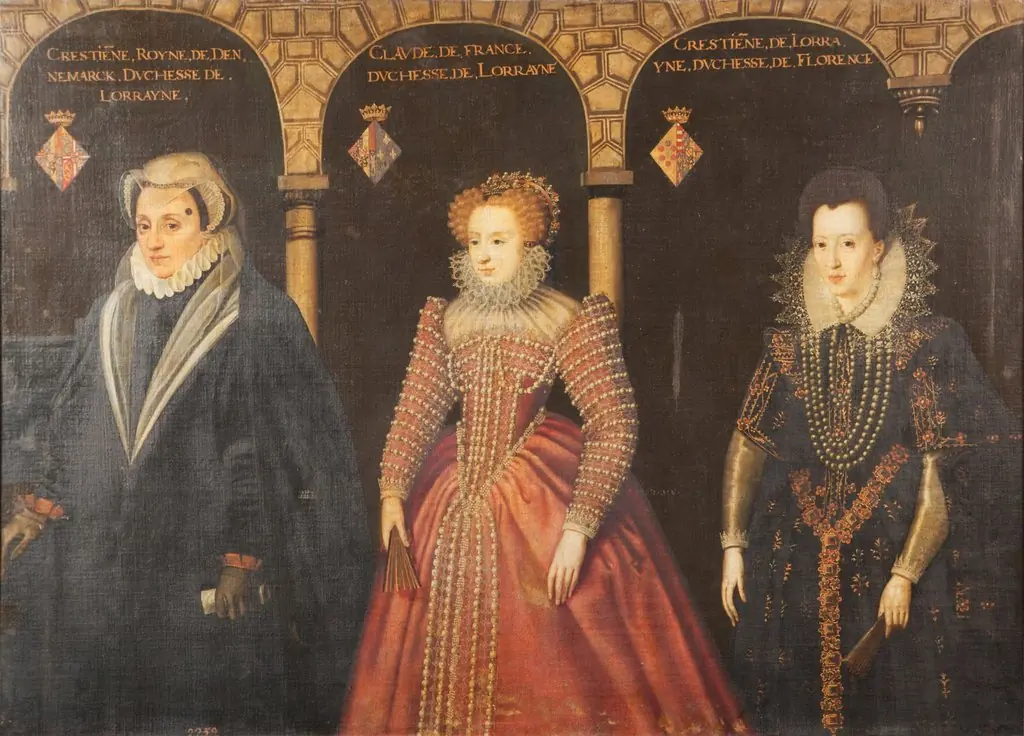
Double portrait of two ladies; Maria of Brandenburg and Christina of Denmark (?)
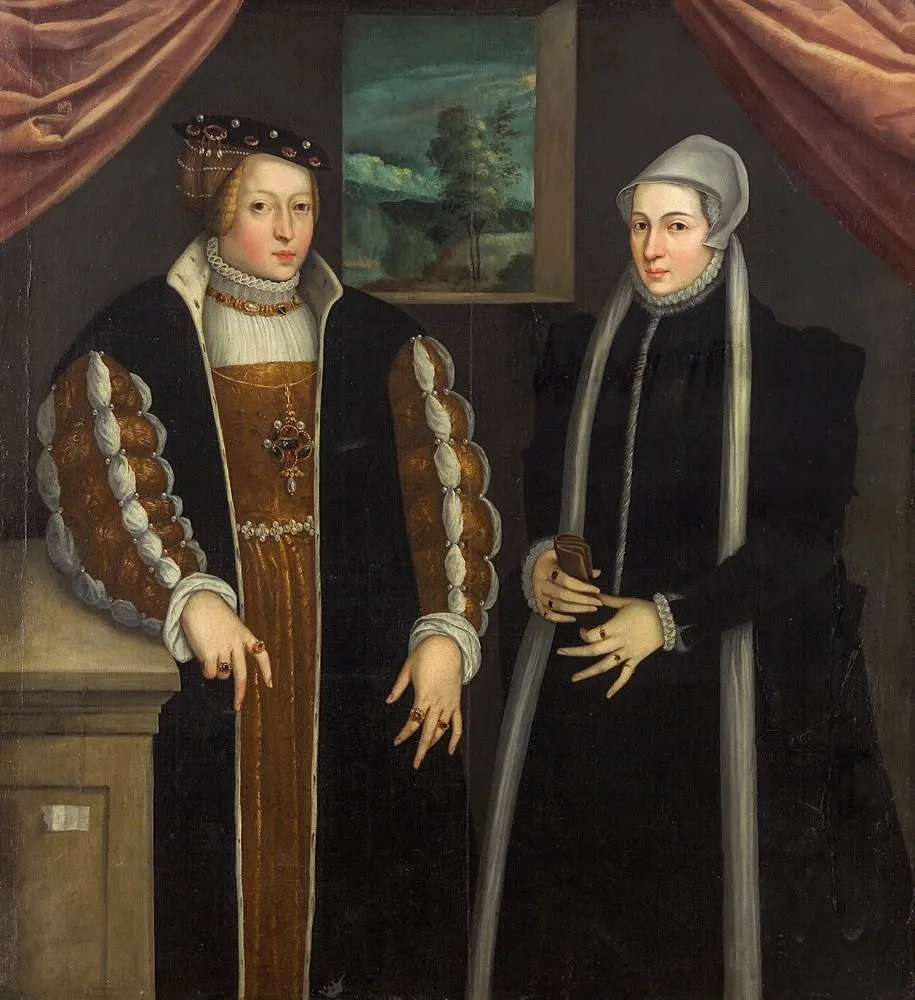
Double portrait of two ladies; Maria of Brandenburg and Christina of Denmark (?) is an oil painting by the Mannerist artist Unknown. It dates from 1590 and is held in the collection of the Kunsthistorisches Museum. The canvas presents a paired portrait of two women positioned side by side.
About this work
Overview
The canvas presents a paired portrait of two women positioned side by side. The figure on the left is attired in an opulent gold‑and‑brown gown with puffed sleeves, a white ruff collar and a jeweled headdress. To her right, a woman in black garments, a white cap and a dark mantle holds a small object in her right hand. A darkened curtain behind them frames a modest landscape painting.
Subject & Meaning
The sitters are identified as Maria of Brandenburg and Christina of Denmark, members of European noble families in the early modern period. Their calm expressions and dignified poses suggest a formal representation of status and alliance, while the contrasting attire may allude to differing roles or personal attributes within their respective courts.
Technique & Style
Executed in oil, the work employs chiaroscuro to model the textures of silk, velvet and metal, creating a sense of depth and material richness. Light falls across the faces and jewelry, highlighting the intricate detailing of the headdress and accessories, while the surrounding darkness isolates the figures and emphasizes their presence within a staged interior.
Context
Portraiture of aristocratic women in the 16th‑17th centuries often served diplomatic or commemorative purposes, reinforcing familial ties across borders. The inclusion of a miniature landscape on the wall behind the sitters reflects contemporary interest in integrating genre elements and domestic settings into formal portraiture.
Legacy
Although the painting’s precise date and author remain uncertain, its careful rendering of fabrics and use of dramatic lighting exemplify the period’s evolving portrait conventions. The work continues to be referenced in studies of dynastic representation and the visual language of power among northern European nobility.
Artist & collection

 Domestic Scene
 Giacomo and Cardinal Marco, investing Andrea, Abbot of San Zeno, with his Benefice
 The Nymph of Fontainebleau
 Portrait of a Woman
 Madonna and Child with Saints in the Enclosed Garden
 Venus and Minerva
 Family Group of Four on Sofa
 Wall painting from Room H of the Villa of P. Fannius Synistor at Boscoreale
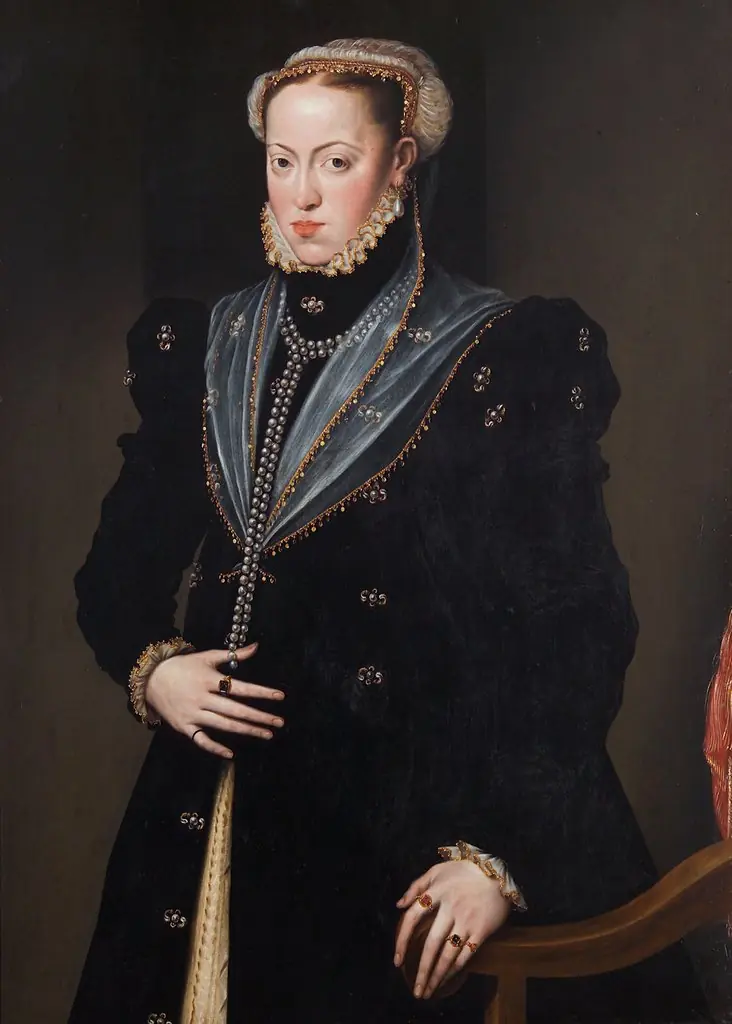 Infantin Maria (1528-1603), Kaiserin, Bildnis in halber Figur
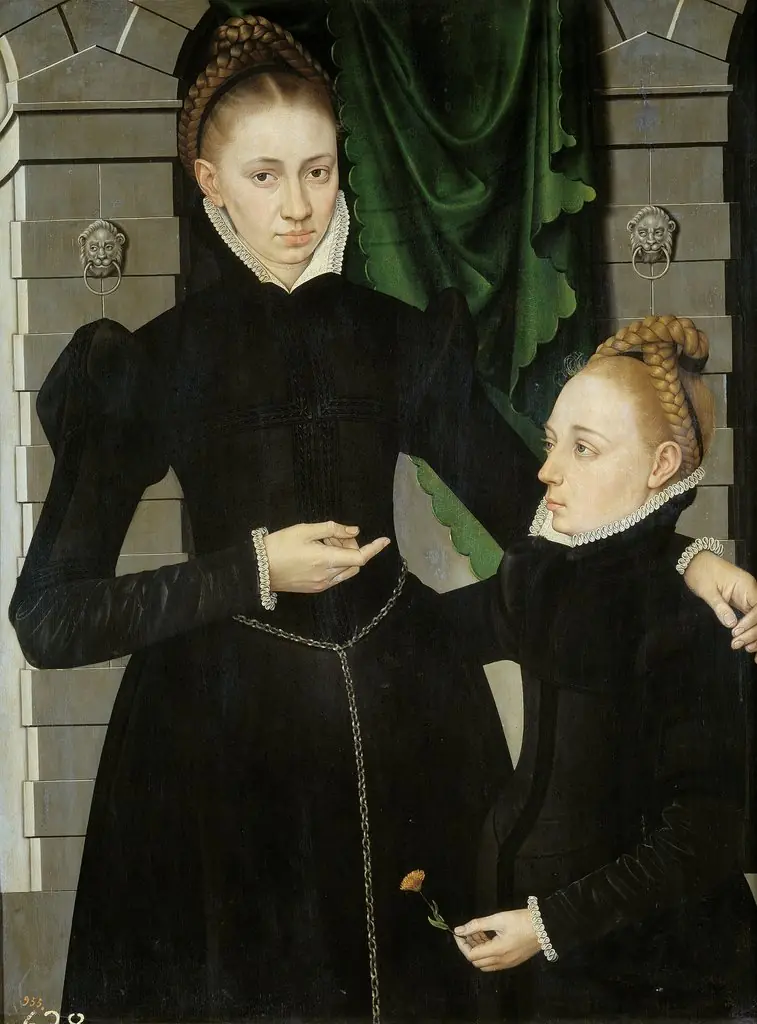 Dama y niña
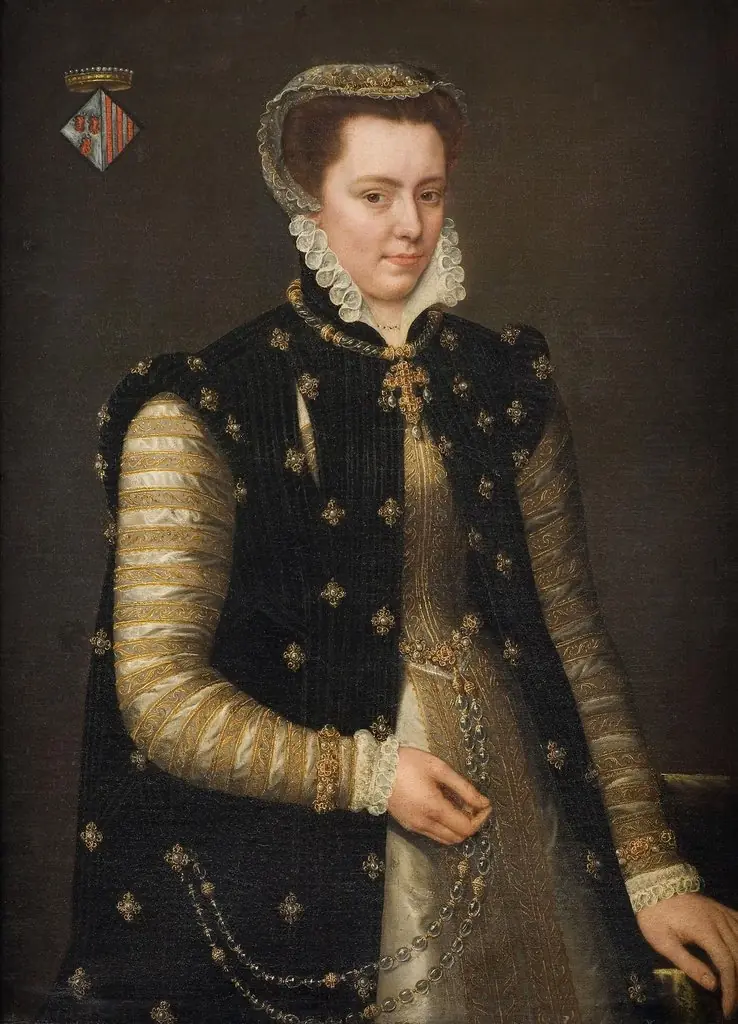 Portrait of Margaret of Parma
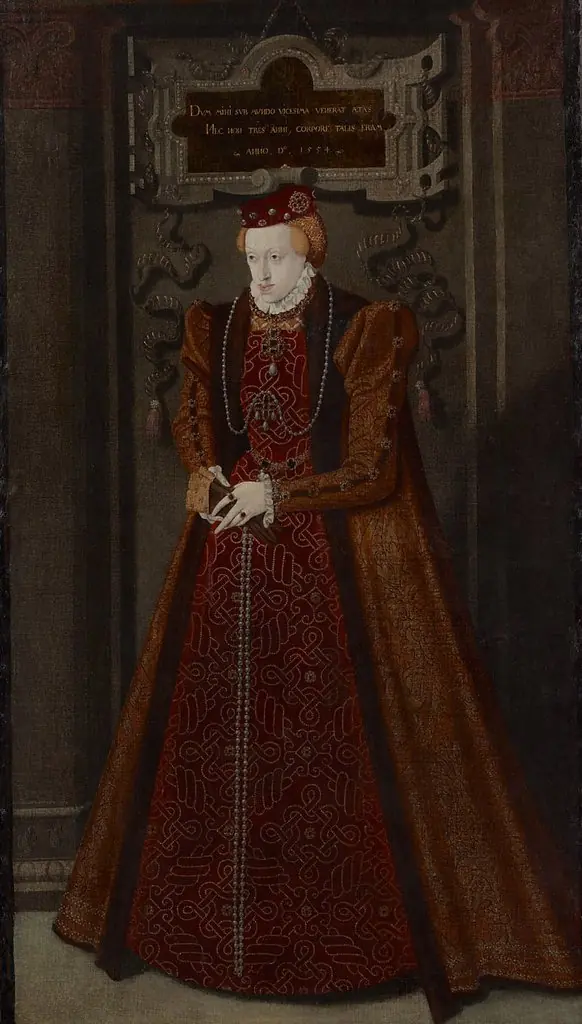 Erzherzogin Maria (1531-1581), Herzogin von Jülich - Cleve - Berg, Bildnis in ganzer Figur
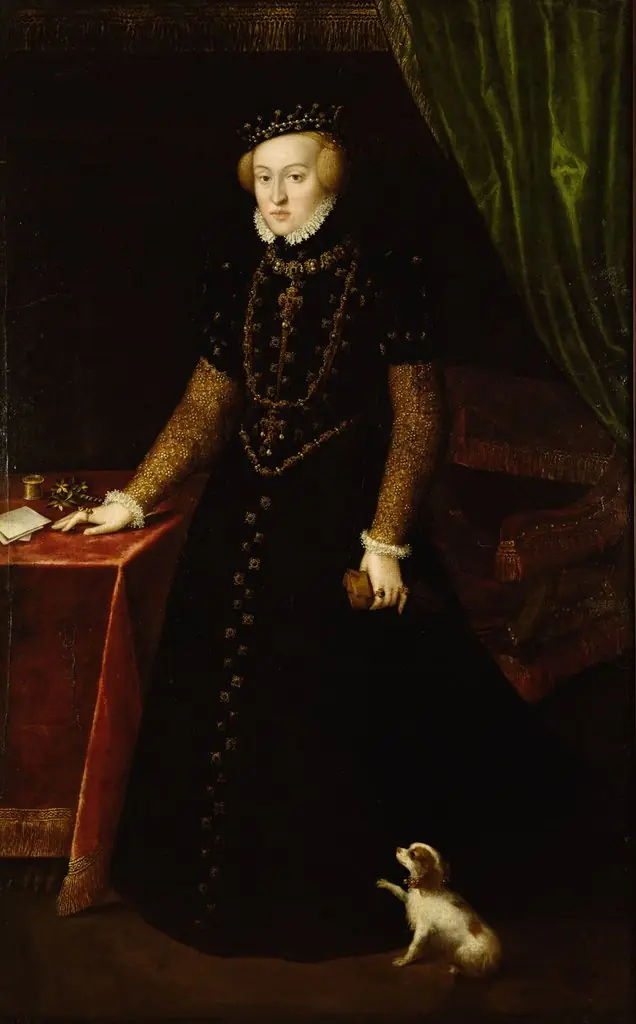 Erzherzogin Eleonore (1534-1594), Herzogin von Mantua in ganzer Figur
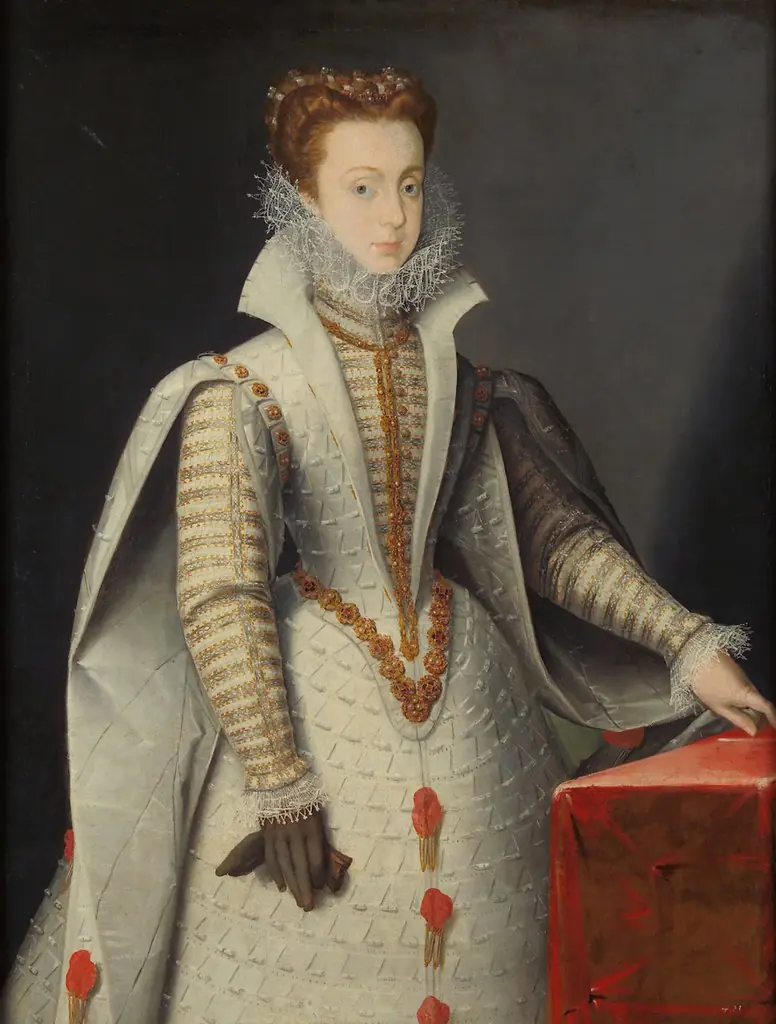 Herzogin Margarete von Joyeuse (1564-1625), Dreiviertelbildnis
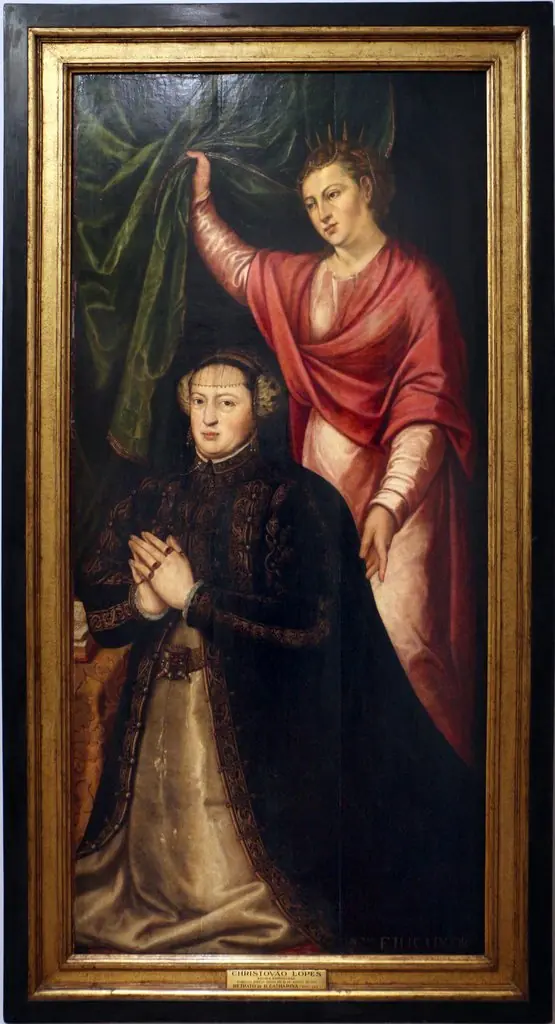 Catherine of Habsberg and St. Catherine of Alexandria altar piece
 Portret de englezoaică aristocrată
 Portrait of a Lady and Her Daughter
 Portrait of Archduchess Mary Anna of Bavaria
 Diane de Poitiers, Lady of Brézé and Duchess of Valentinois
 Portrait of Christina of Denmark, Claude of Valois and Christina of Lorraine