Artwork
Dama y niña
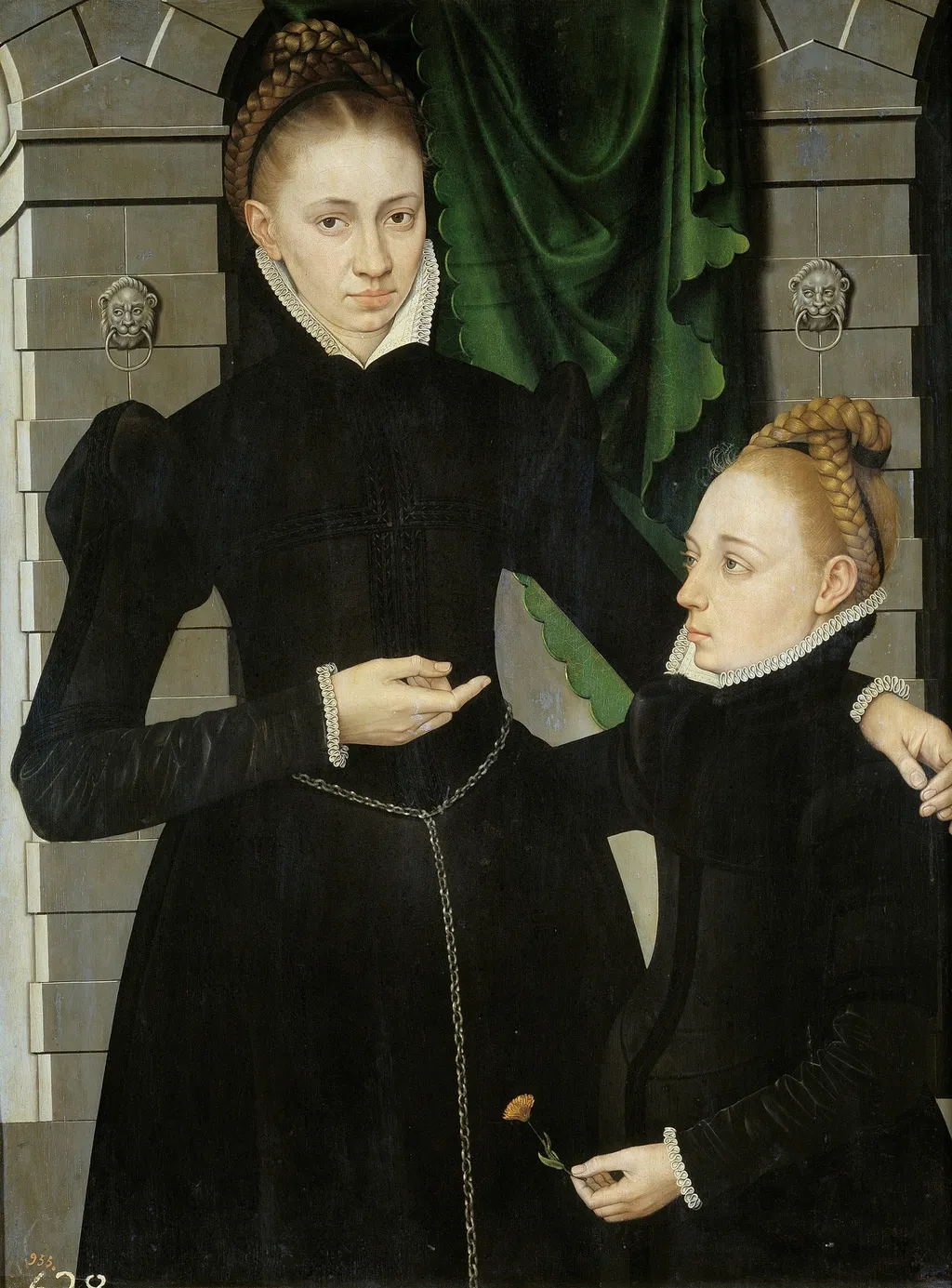
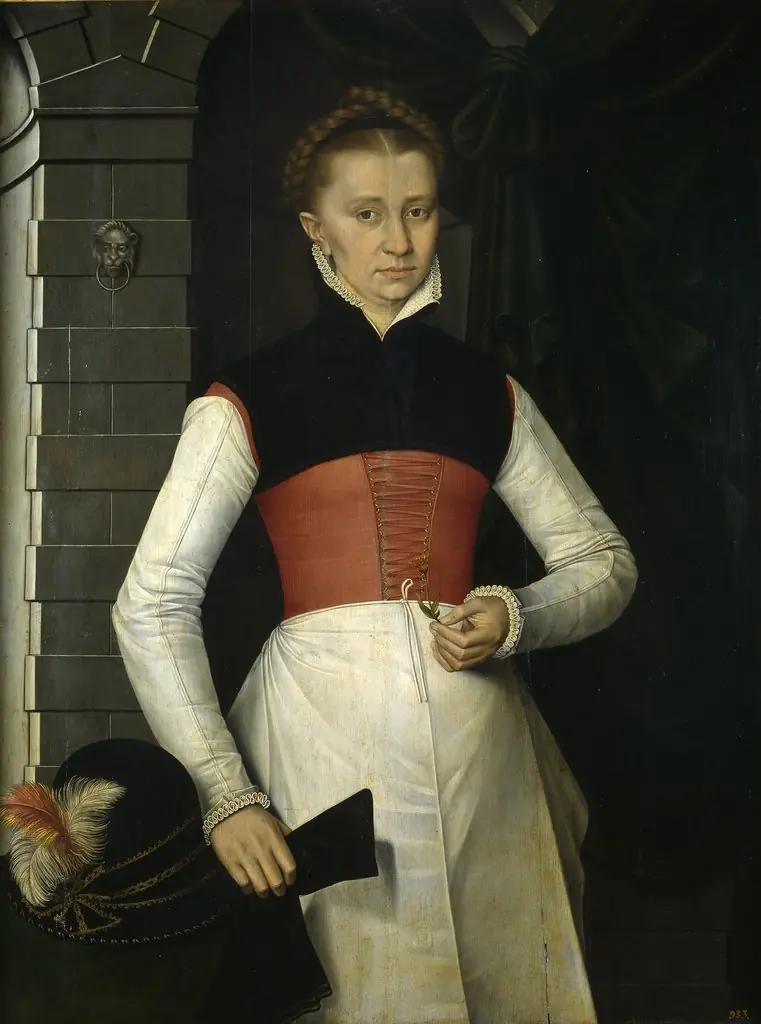
Dama y niña is an oil painting by the Early Baroque Italian artist Adriaen van Cronenburg. It dates from 1567 and is held in the collection of the Museo del Prado.
About this work
Overview
Dama y niña is a 1567 oil painting by Adriaen van Cronenburg, a Northern Netherlandish artist active in Friesland, Groningen, and parts of Belgium during the early Baroque period.
Subject & Meaning
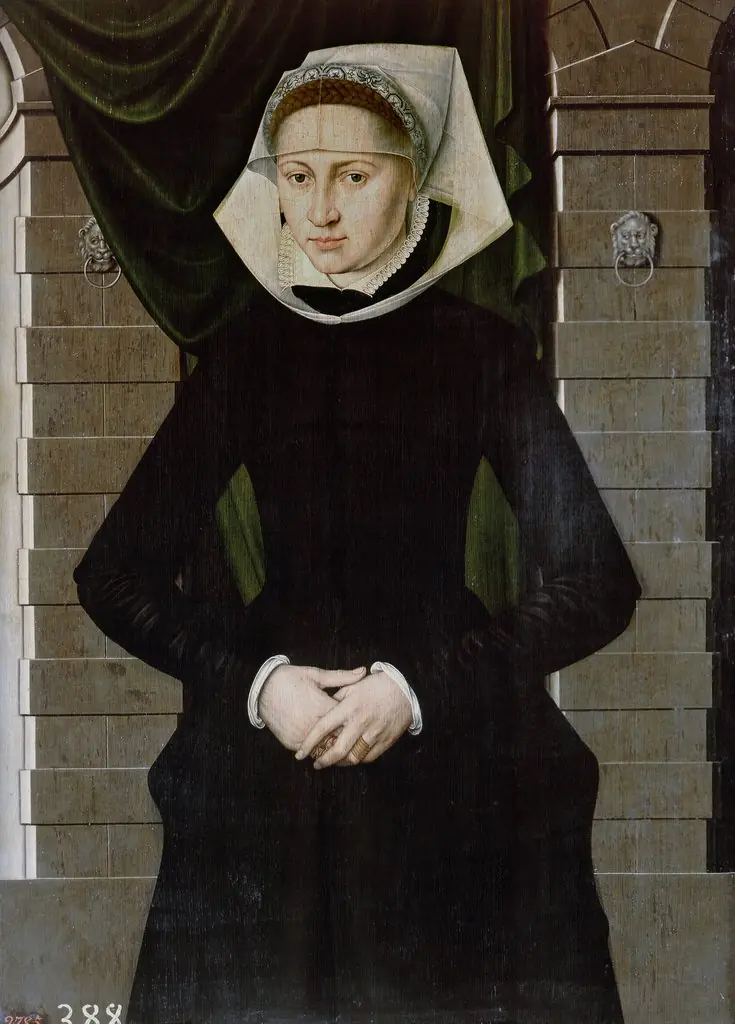
The work is a genre portrait featuring two women of similar attire standing together in a somber, stone-walled room. Their relationship is not explicitly defined, leaving interpretation open.
Technique & Style
Cronenburg employed chiaroscuro to dramatic effect, using a dark background to accentuate the subjects' illuminated faces. Subtle shadows on their cheeks contrast with their bright skin tones, enhancing the overall sense of depth.
History & Provenance
Created in 1567, Dama y niña is now part of the Museo del Prado's collection. Van Cronenburg's experience in Leuven and Antwerp may have influenced the painting's style, though its specific history prior to the Prado is not detailed here.
Context
As an early Baroque piece, Dama y niña reflects the period's emphasis on emotional depth and the use of light and shadow for psychological effect, common in Northern European portraiture of the time.
Legacy
While specific influences or direct artistic heirs are not highlighted in available information, the painting's use of chiaroscuro contributes to the broader legacy of this technique in European art.
Own this work as a print
Artist & collection
Artist
Adriaen van Cronenburg (also Cronenburgh, Cronenburch) (Schagen, c. 1525 – Bergum, after 1604) was a Northern Netherlandish painter. He produced mainly portraits. Cronenburg was active between about 1547 and 1590,…

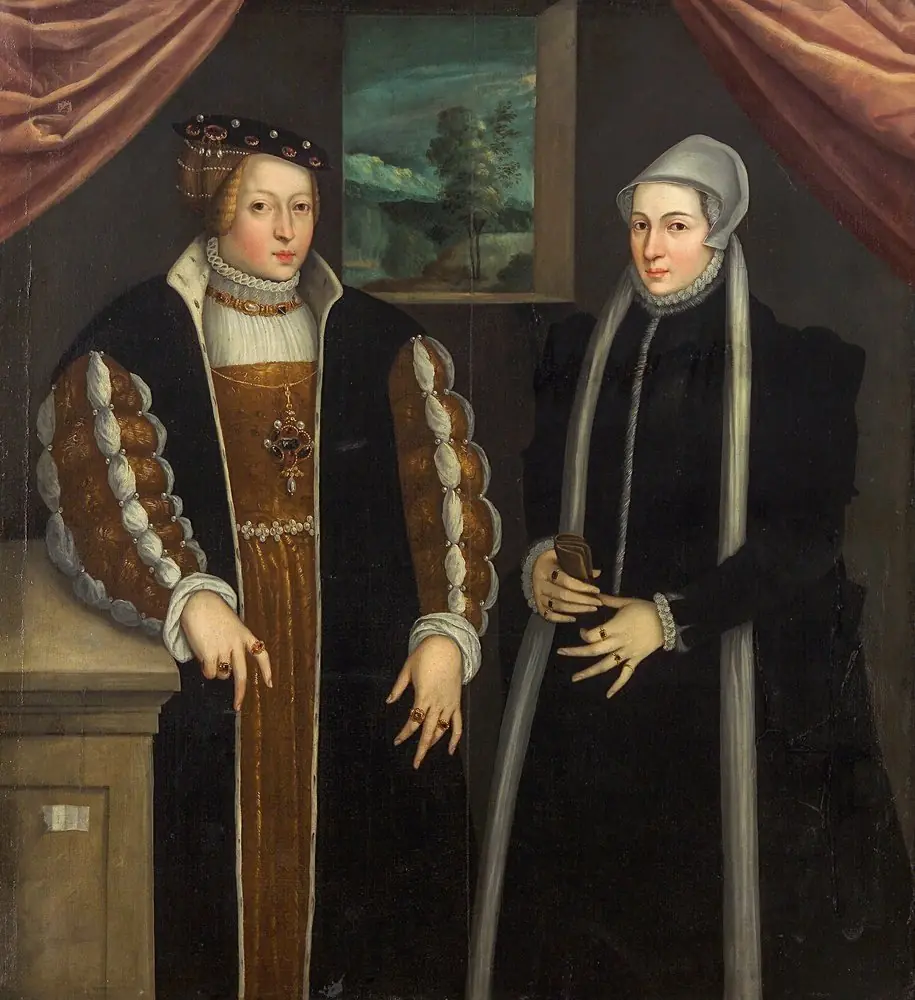 Double portrait of two ladies; Maria of Brandenburg and Christina of Denmark (?)
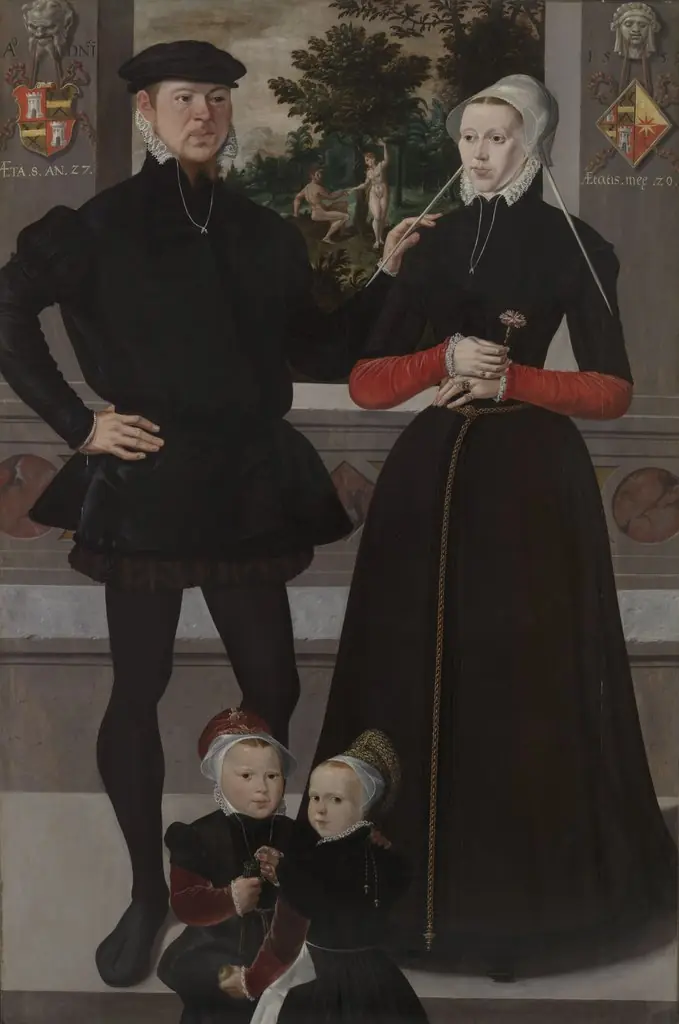 Portrait of a Family
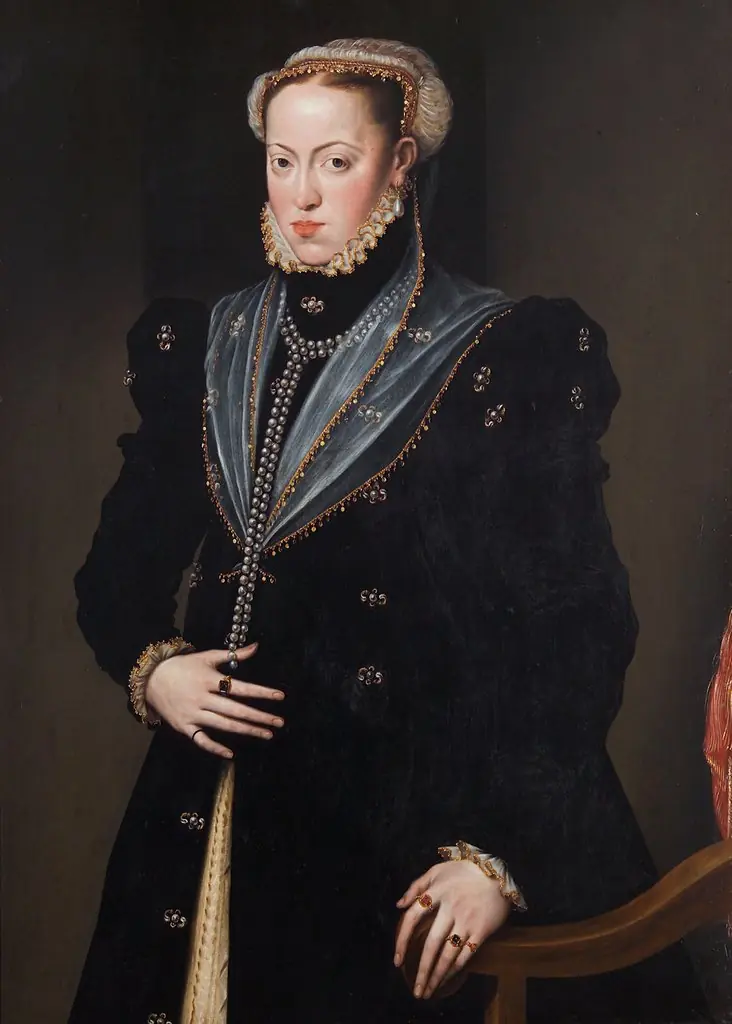 Infantin Maria (1528-1603), Kaiserin, Bildnis in halber Figur
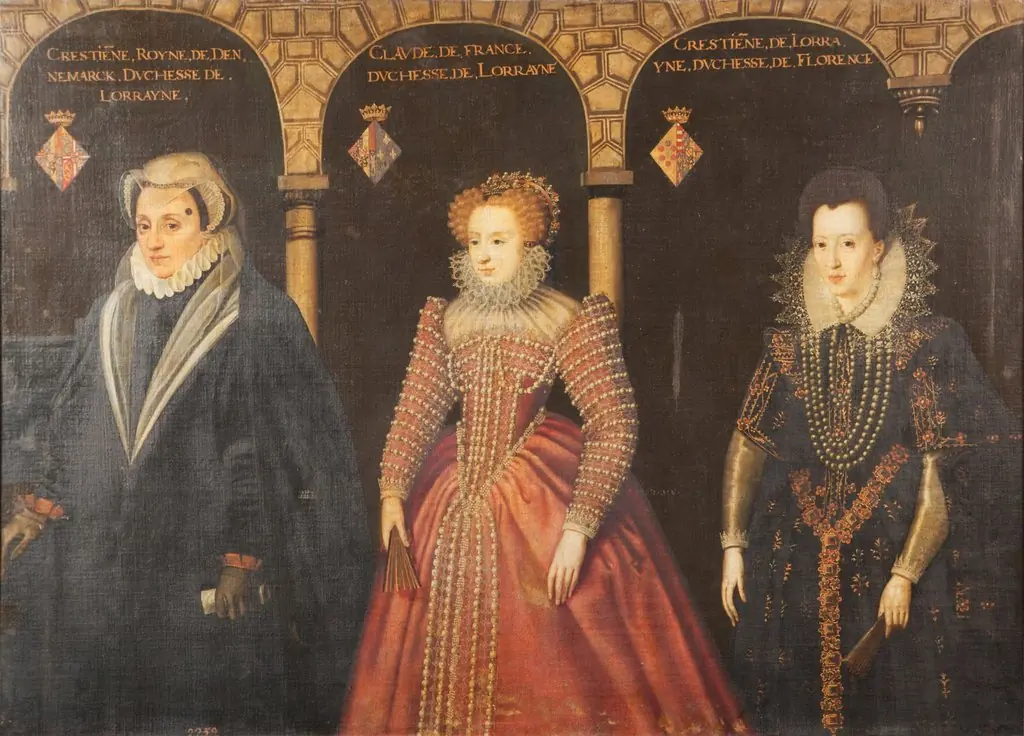 Portrait of Christina of Denmark, Claude of Valois and Christina of Lorraine
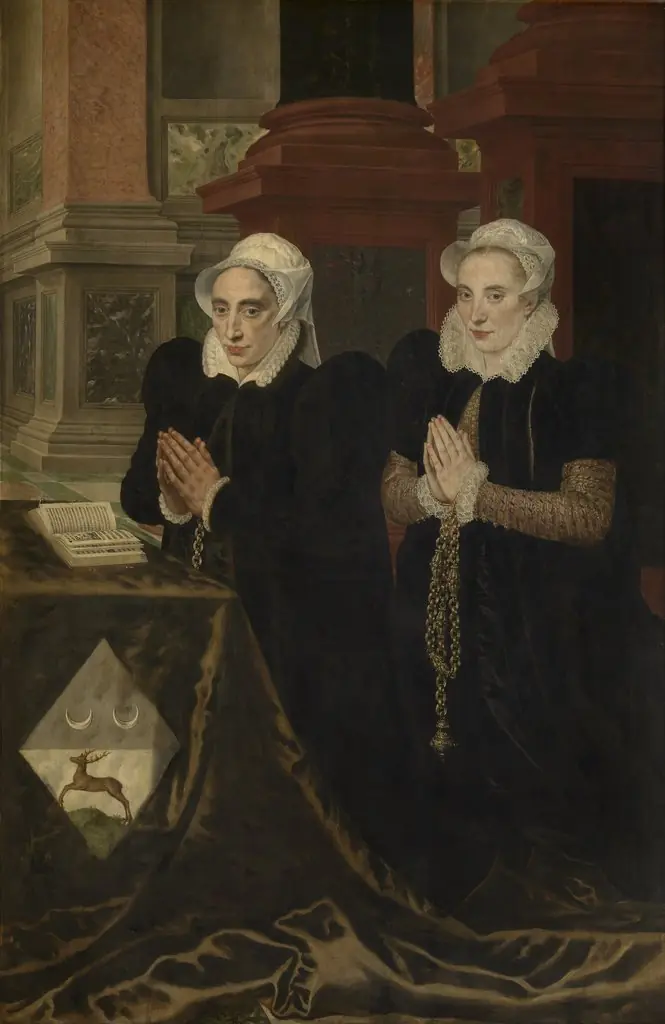 Maria de Deckere, Second Wife of Gillis de Smidt, and Béatrix, One of their Daughters
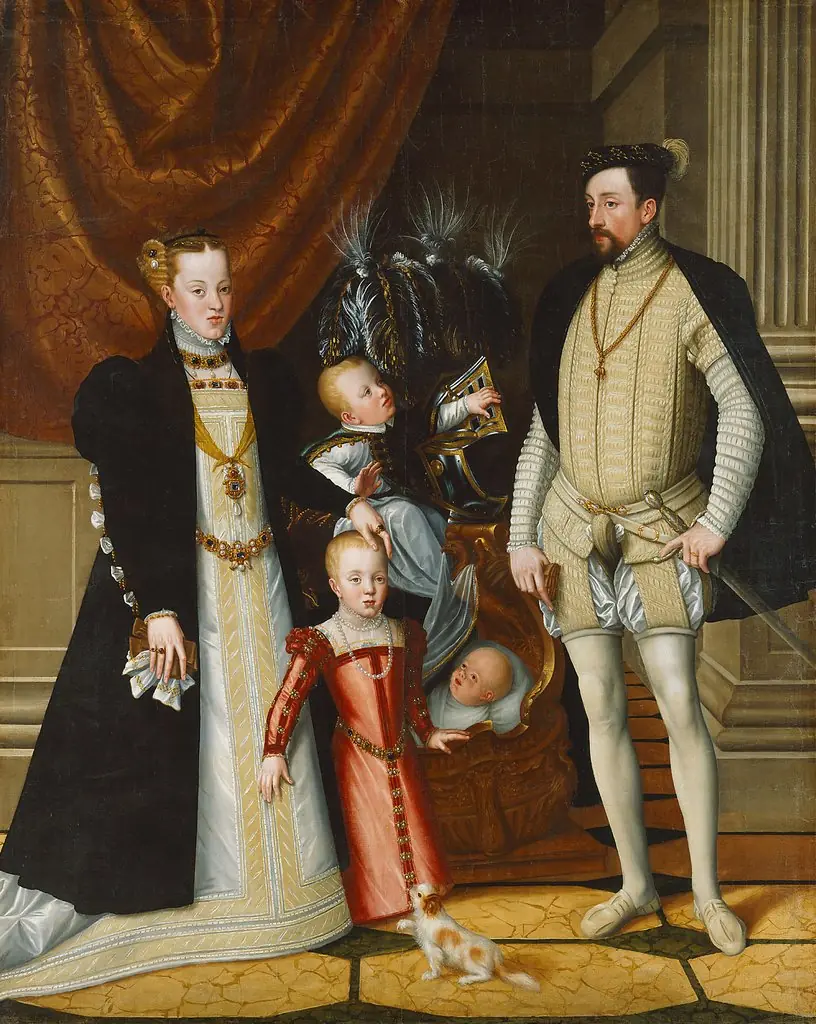 Maximilian II, His Wife and Three Children
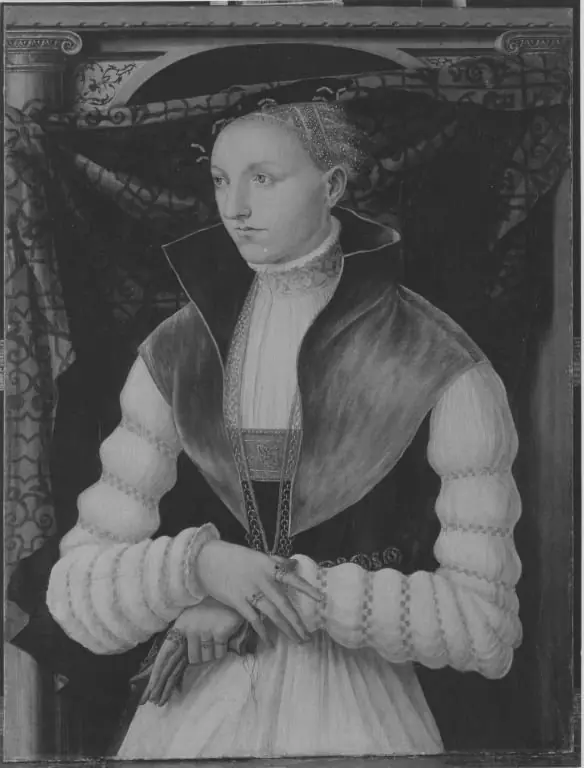 Bildnis einer Dame (?)
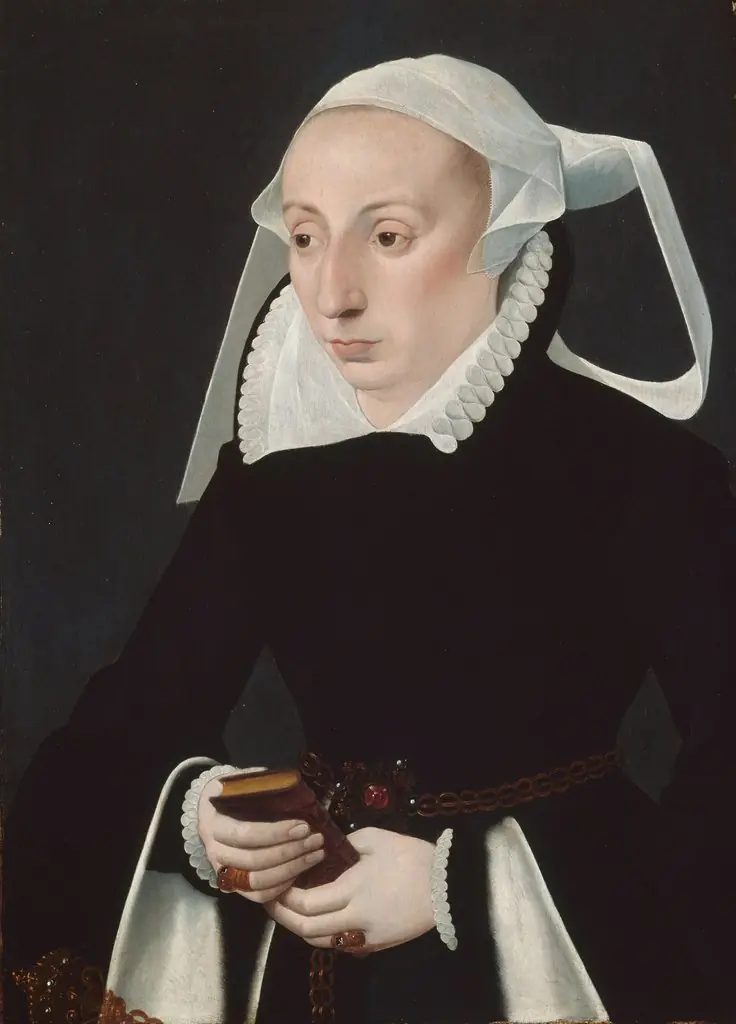 Portrait of a Woman with a Prayer Book
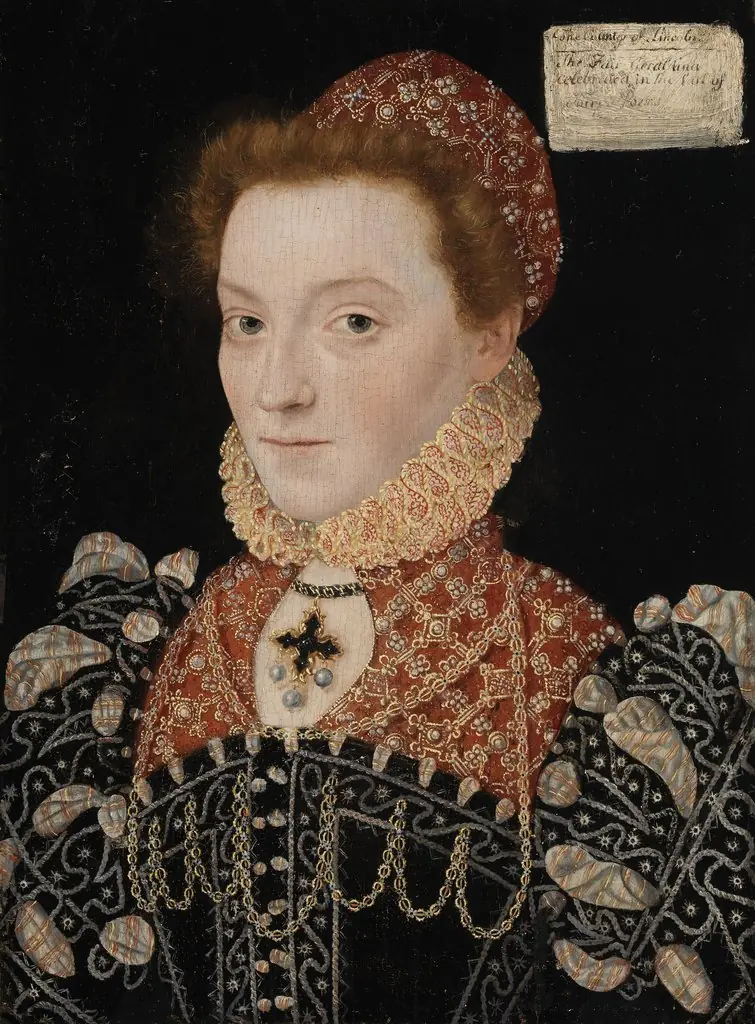 Portrait of 'The Fair Geraldine' (Elizabeth Fitzgerald, Countess of Lincoln, c1528-1590)