Artwork
Portrait of Peter II
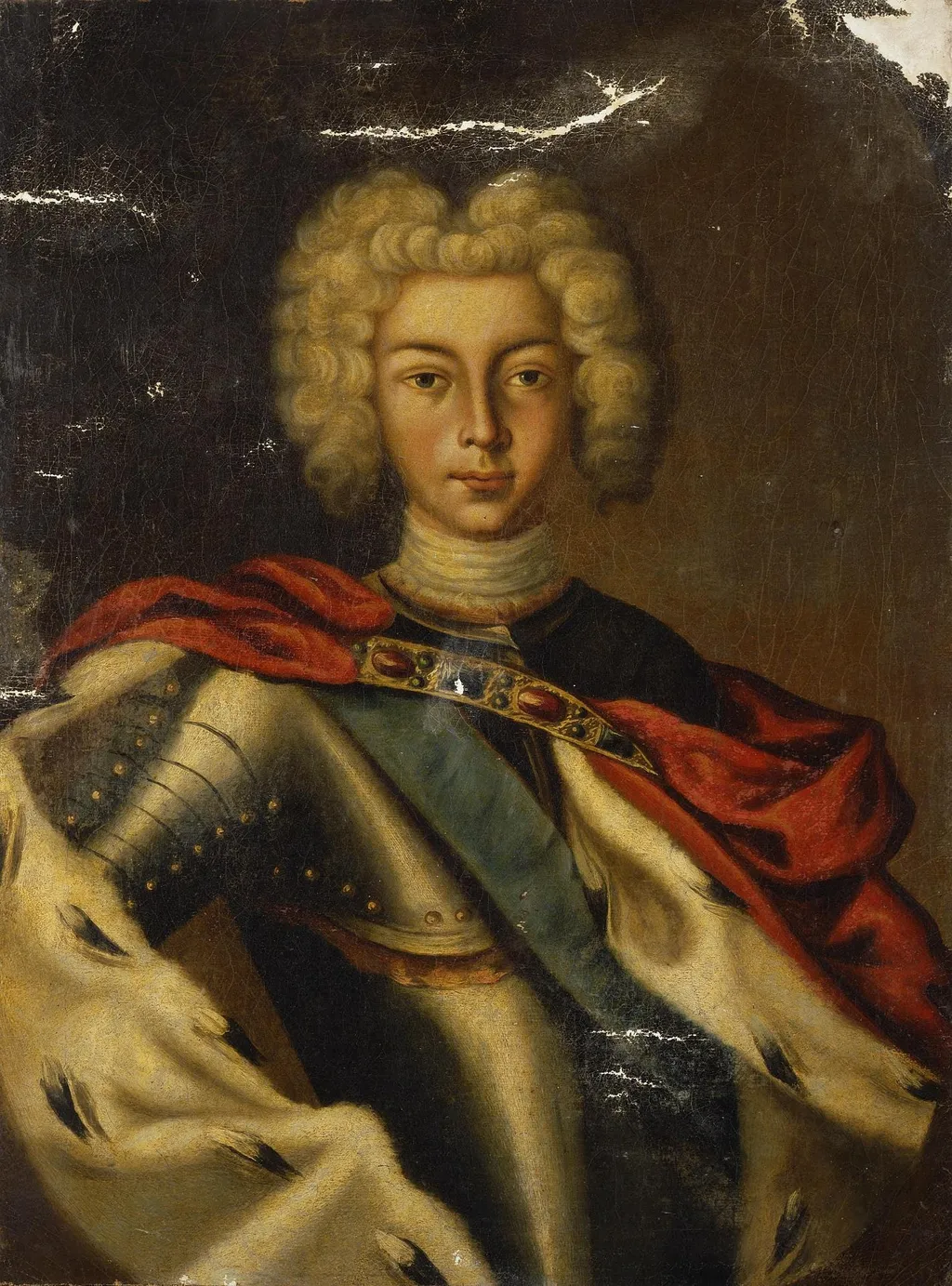
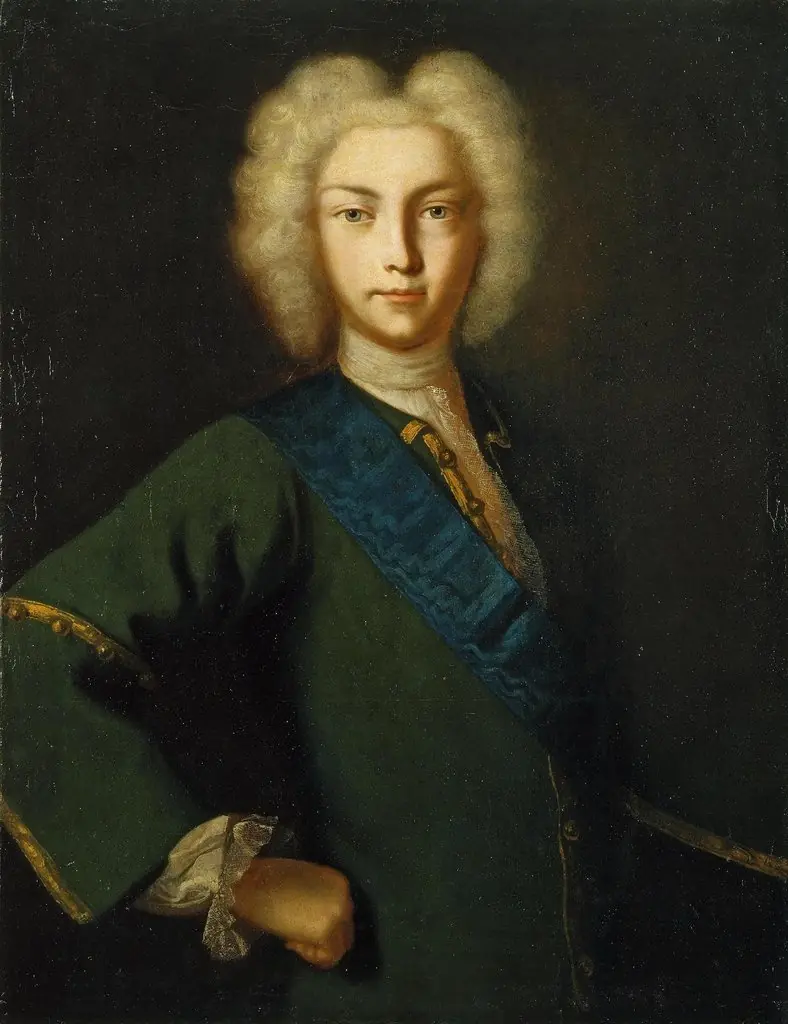
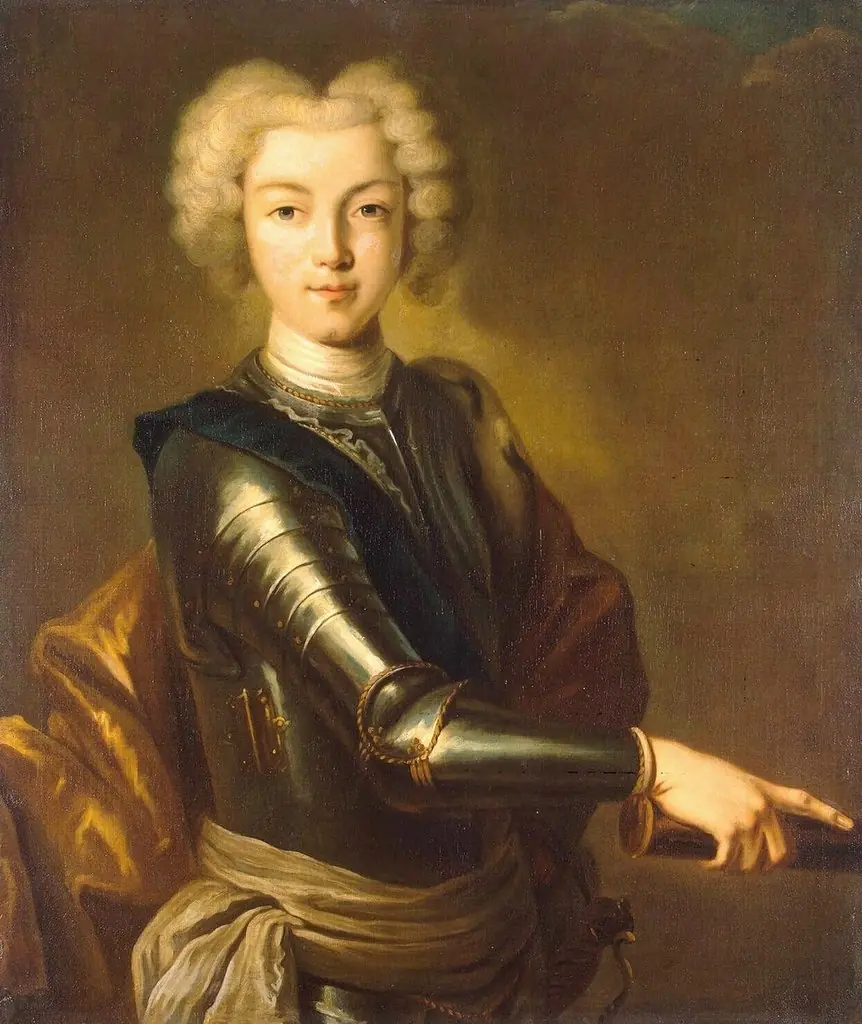
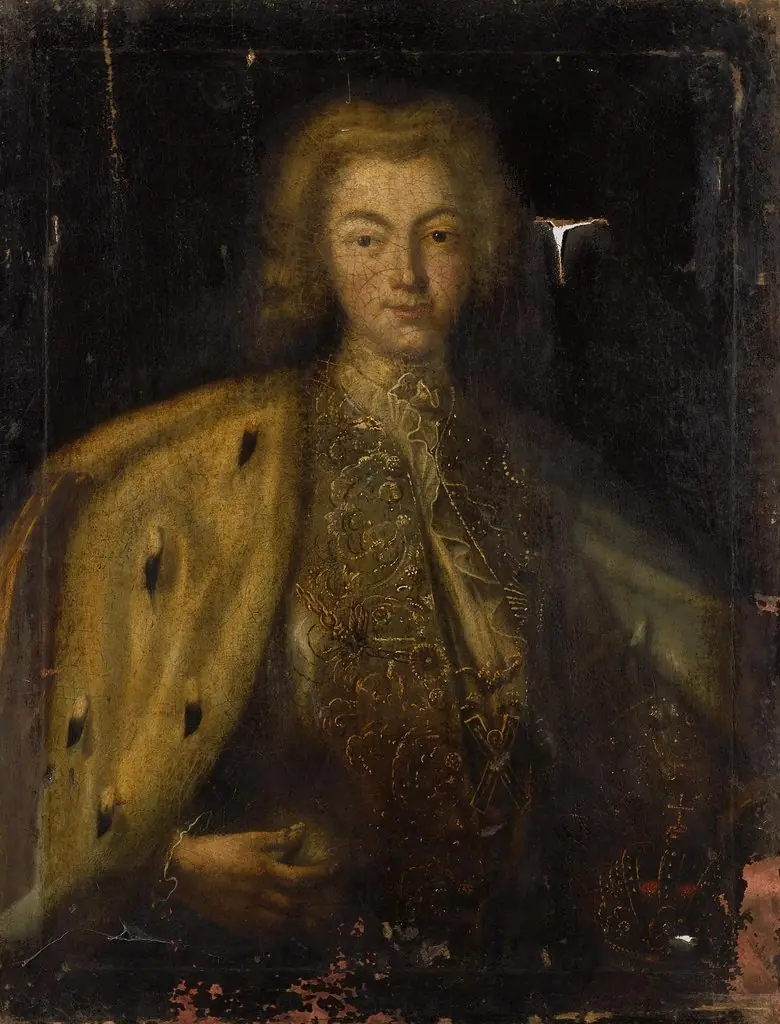
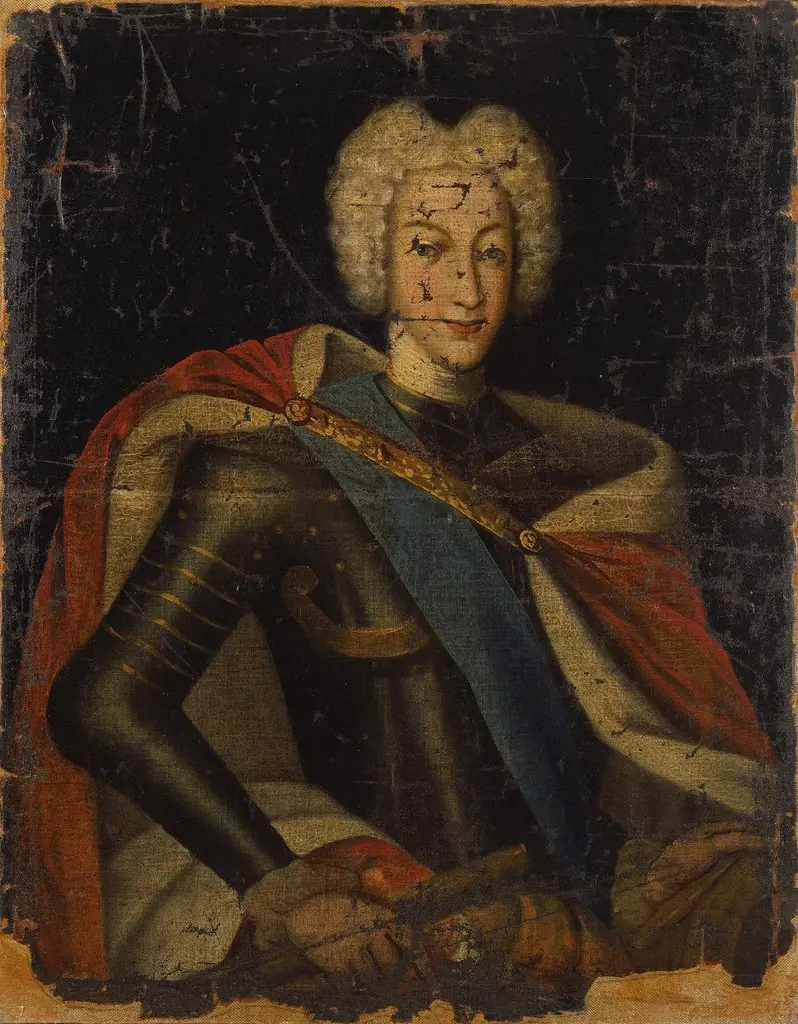
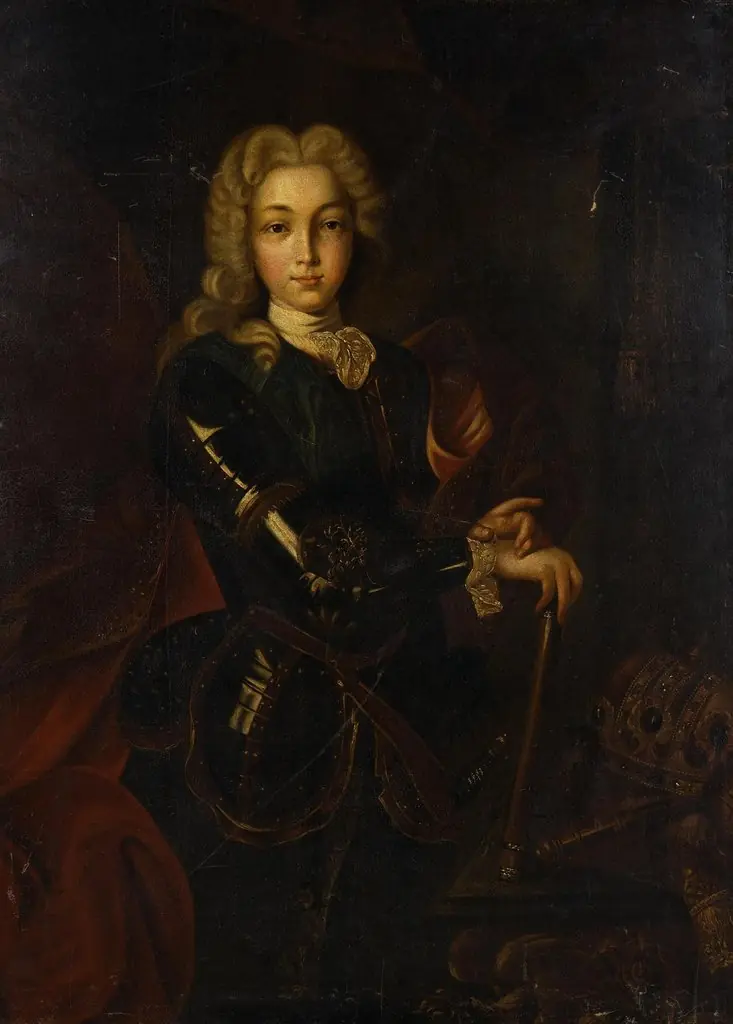
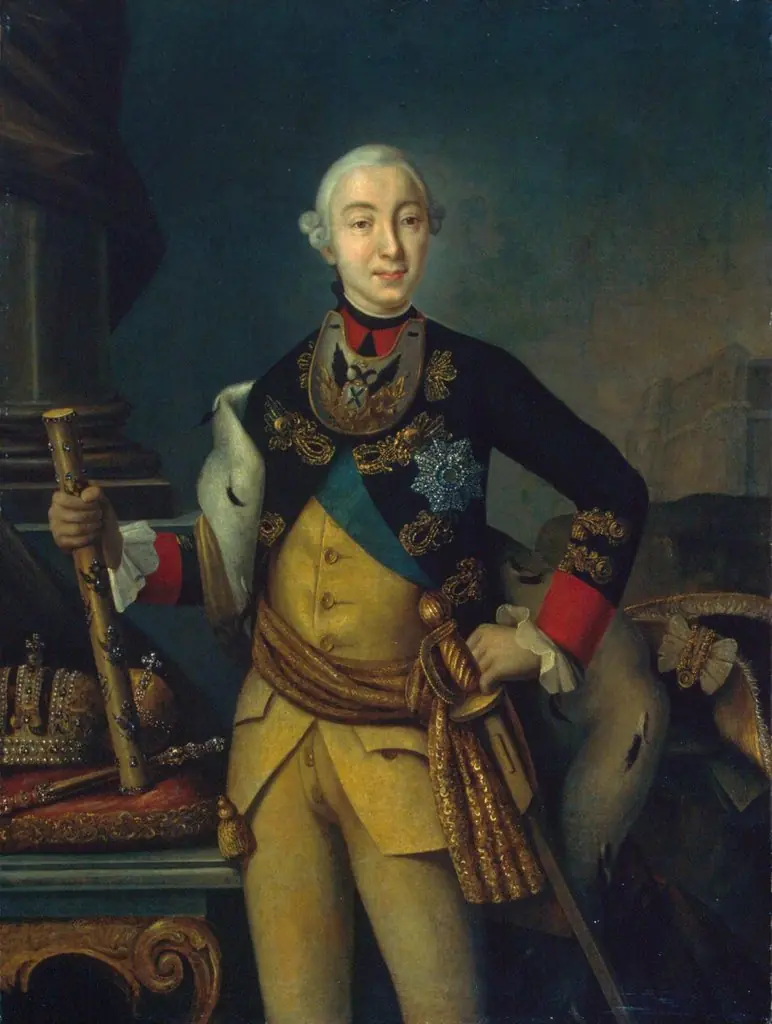
Portrait of Peter II is an oil painting by the Rococo painting artist Unknown. It dates from 1750 and is held in the collection of the Hermitage Museum. This oil painting depicts a man of high status, rendered with restrained elegance.
About this work
Overview
His attire—dark jacket, white cravat, and red cape—signals rank, while the sword hilt he touches reinforces a martial or authoritative role.
This oil painting depicts a man of high status, rendered with restrained elegance. The figure is centered against a dark, unadorned background, emphasizing his presence. His attire—dark jacket, white cravat, and red cape—signals rank, while the sword hilt he touches reinforces a martial or authoritative role. The brushwork is deliberate but not flamboyant, suggesting a portrait intended for dignity rather than theatrical display.
Subject & Meaning
The subject is Peter II, Emperor of Russia, portrayed in ceremonial dress befitting his imperial position. The red cape and sword are symbols of sovereignty and military leadership, common in royal portraiture of the era. His serious expression and direct gaze convey authority and solemn responsibility, aligning with the expectations of rulership in early 18th-century Russia.
Technique & Style
The artist employed a refined, controlled technique typical of court portraiture. Oil paint is applied with smooth transitions, particularly in the rendering of fabric and skin, while subtle brushstrokes define texture without drawing attention to the medium. The dark background isolates the figure, enhancing three-dimensionality and focusing attention on costume and posture.
History & Provenance
Commissioned during Peter II’s brief reign (1727–1730), the portrait was likely created to affirm his legitimacy as ruler. It entered the collection of the State Hermitage Museum in Saint Petersburg, where it remains part of the imperial art holdings. Its preservation reflects its importance as a visual record of Romanov authority in the early 1700s.
Context
Portraits of Russian monarchs during this period served political functions, reinforcing dynastic continuity and autocratic power. Peter II’s image, like those of his predecessors, was circulated among elites to project stability. The restrained style contrasts with the more ornate Baroque trends in Western Europe, reflecting Russia’s evolving aesthetic priorities under Peter the Great’s reforms.
Legacy
The portrait stands as a key example of early 18th-century Russian imperial imagery. It documents the visual language of power adopted by the Romanovs after Peter the Great’s westernizing reforms. Though not widely reproduced, it remains a significant artifact in the Hermitage’s collection, offering insight into courtly representation during a transitional phase in Russian history.
Artist & collection

 Domestic Scene
 Giacomo and Cardinal Marco, investing Andrea, Abbot of San Zeno, with his Benefice
 The Nymph of Fontainebleau
 Portrait of a Woman
 Madonna and Child with Saints in the Enclosed Garden
 Venus and Minerva
 Family Group of Four on Sofa
 Wall painting from Room H of the Villa of P. Fannius Synistor at Boscoreale