Artwork
Portrait of Emperor Peter III
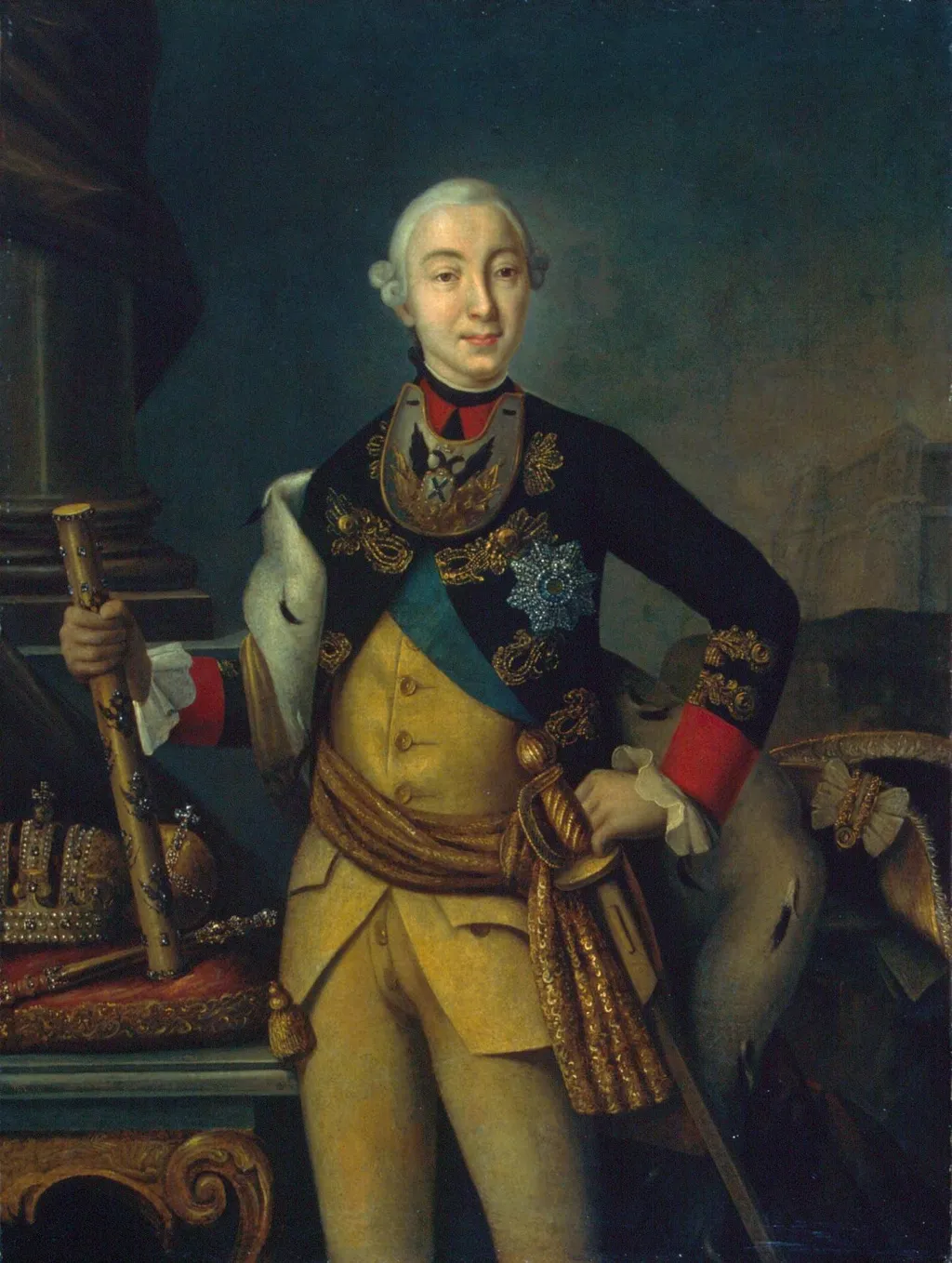
Portrait of Emperor Peter III is an oil painting by the Rococo painting artist Unknown. It dates from 1762 and is held in the collection of the Hermitage Museum. This oil painting depicts Emperor Peter III of Russia in full ceremonial military attire.
About this work
Overview
Executed with careful attention to detail, the portrait emphasizes his imperial authority through formal dress and symbolic accessories.
This oil painting depicts Emperor Peter III of Russia in full ceremonial military attire. Executed with careful attention to detail, the portrait emphasizes his imperial authority through formal dress and symbolic accessories. The dark background isolates the figure, drawing focus to the rich textures of his uniform and the gleam of his decorations. The composition reflects the conventions of 18th-century royal portraiture, prioritizing status over personal expression.
Subject & Meaning
Peter III is portrayed not as a private individual but as an embodiment of imperial power. His military uniform, adorned with gold trim and multiple medals, signals his role as commander-in-chief. The baton and gloved hand reinforce command, while the crowns and helmet in the background allude to sovereignty and martial tradition. The calm expression suggests composure and control, aligning with the expected demeanor of a ruler.
Technique & Style
The artist employs soft, diffused lighting to highlight the metallic elements of the uniform—gold braid, medals, and the baton—against the deep, muted tones of the coat and background. Brushwork is precise yet restrained, favoring clarity over dramatic flourish. The powdered wig and smooth rendering of fabric convey the formal aesthetic of the period, while the subtle gradations in shadow lend depth without distraction.
History & Provenance
Commissioned during Peter III’s brief reign, the portrait was likely created to affirm his legitimacy as emperor. It entered the collection of the State Hermitage Museum in Saint Petersburg, where it remains today. The work reflects the imperial court’s use of visual propaganda to project authority, particularly during a time of political instability and succession uncertainty.
Context
Painted in the mid-1760s, the portrait aligns with European traditions of royal imagery, particularly those of Prussia and Austria, where military dress symbolized state power. Peter III’s short rule and controversial policies made such imagery especially important for reinforcing his position. The inclusion of regalia common in Russian court portraiture situates him within a broader dynastic narrative.
Legacy
The portrait endures as a visual record of a ruler whose reign lasted only six months. It captures the ceremonial language of power in imperial Russia, preserving the visual codes used to legitimize authority. Though Peter III’s historical reputation remains contested, the painting continues to serve as a primary source for understanding courtly representation in 18th-century Russia.
Artist & collection

 Domestic Scene
 Giacomo and Cardinal Marco, investing Andrea, Abbot of San Zeno, with his Benefice
 The Nymph of Fontainebleau
 Portrait of a Woman
 Madonna and Child with Saints in the Enclosed Garden
 Venus and Minerva
 Family Group of Four on Sofa
 Wall painting from Room H of the Villa of P. Fannius Synistor at Boscoreale
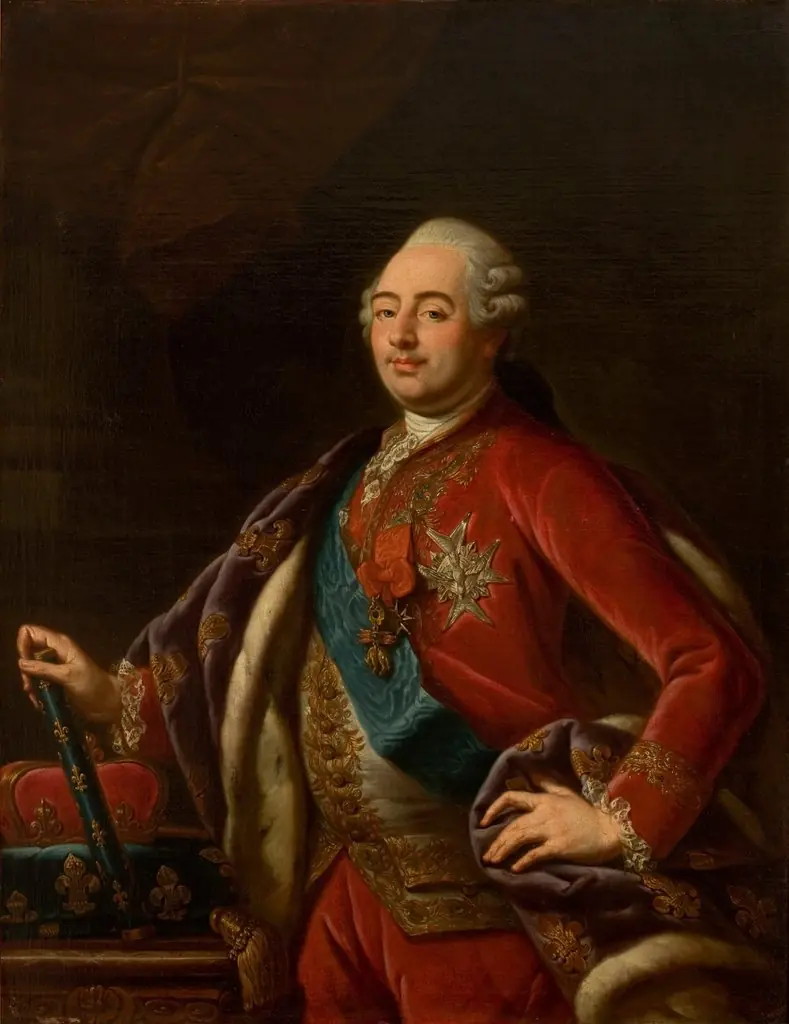 Retrato de Luís XVI
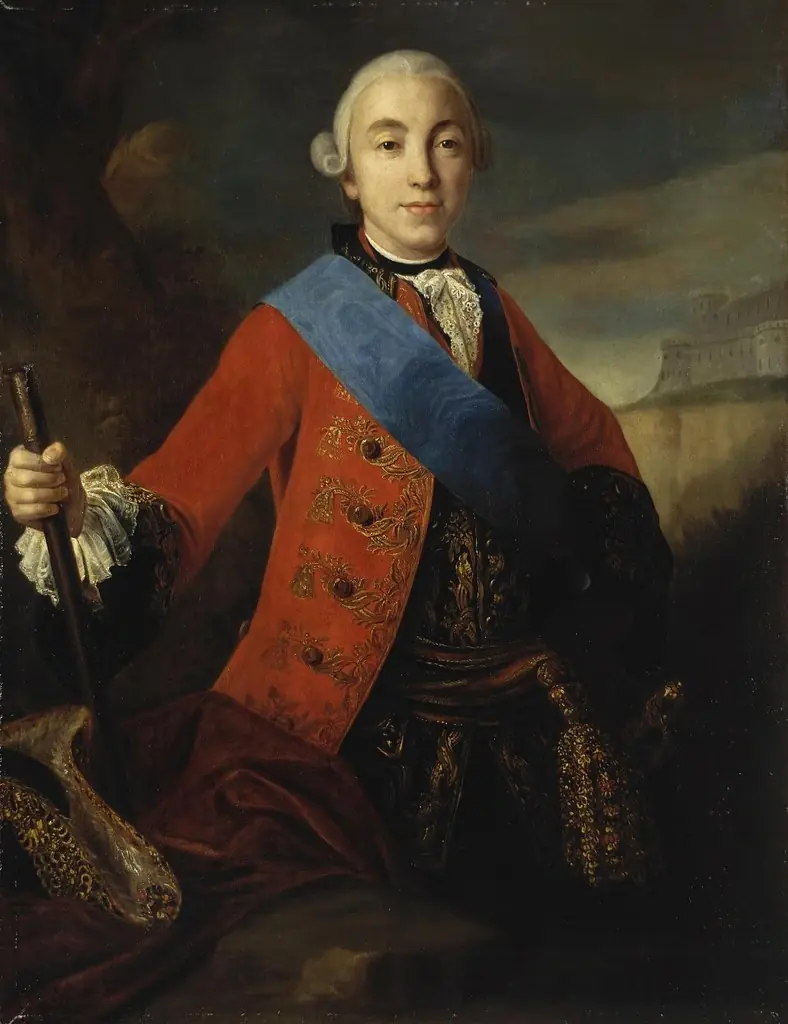 Portrait of Grand Duke Piotr Fiodorovich
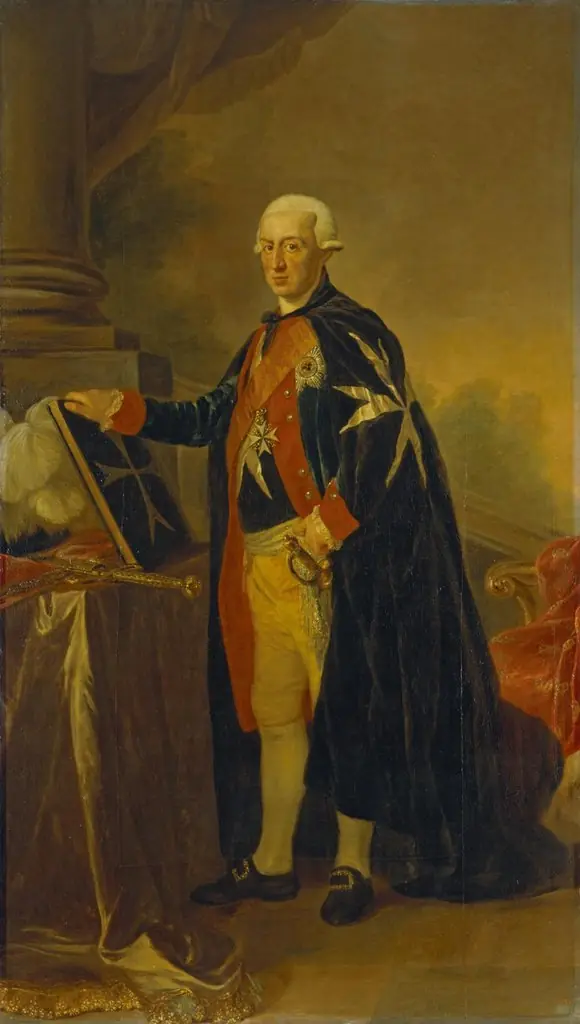 Portrait of Prince Augustus Ferdinand of Prussia
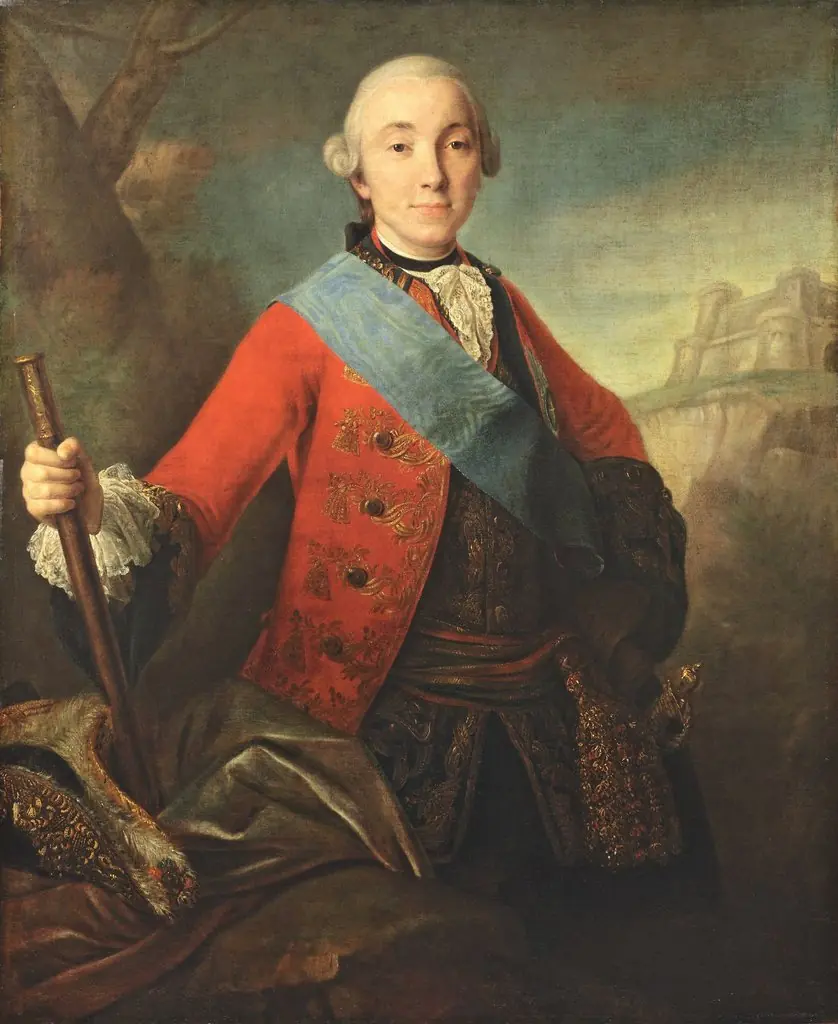 Портрет великого князя Петра Федоровича
 Portretul lui Iosif al II-lea
 Portrait of Count Alexander Suvorov
 Portrait of William V, Prince of Orange-Nassau
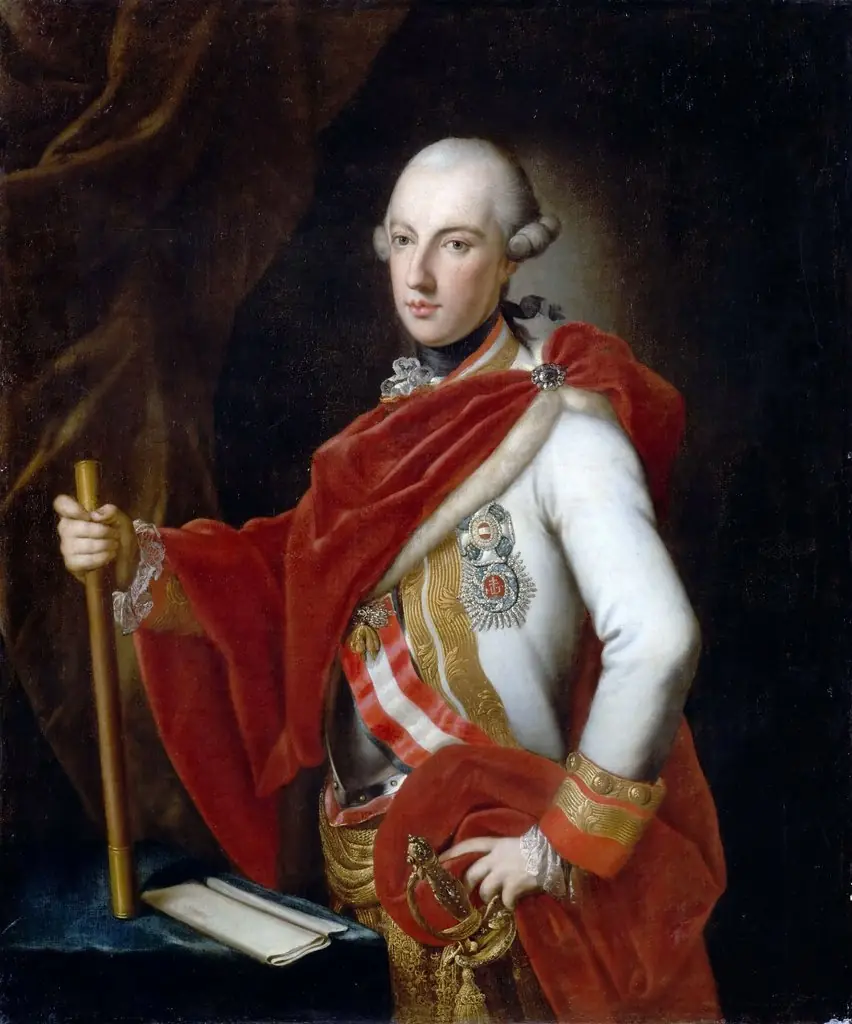 Porträt des Emperor Joseph II (1741-1790)
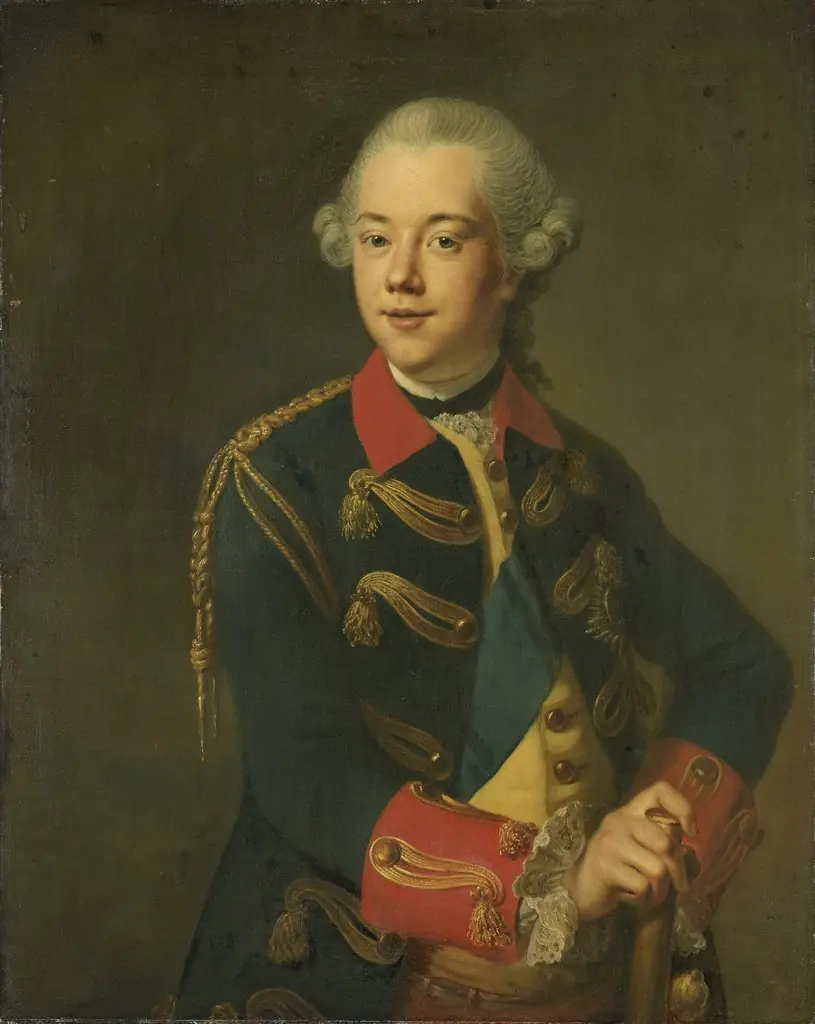 Portrait of William V, Prince of Orange-Nassau