Artwork
Folio from the Bhaktamara Stotra (“Hymn of the Immortal Devotee”)
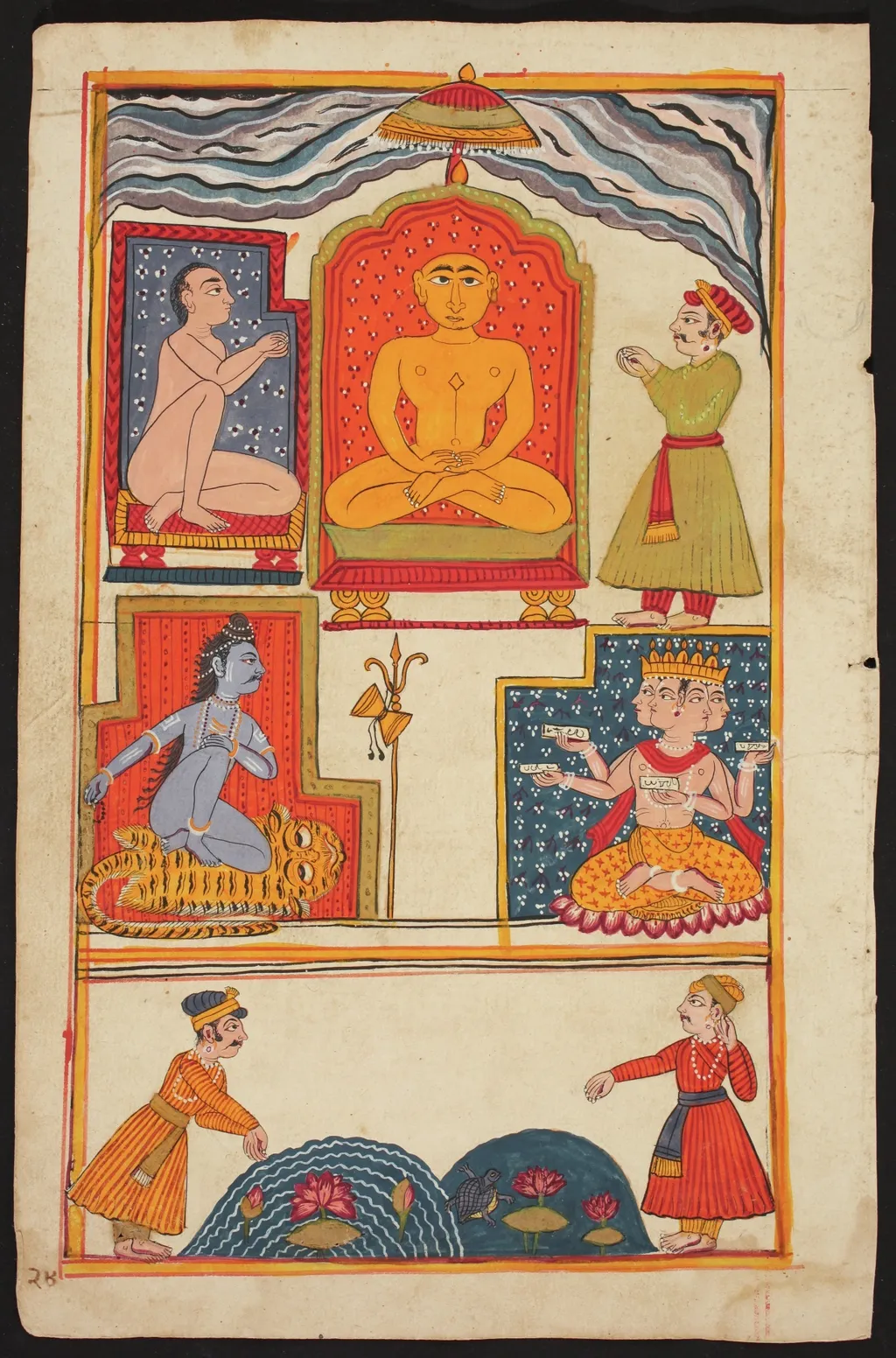
Folio from the Bhaktamara Stotra (“Hymn of the Immortal Devotee”) is an unspecified painting by Unknown. It is held in the collection of the Detroit Institute of Arts. This folio originates from a manuscript illustrating the Bhaktamara Stotra, a Jain devotional text honoring twenty-four Tirthankaras.
About this work
Overview
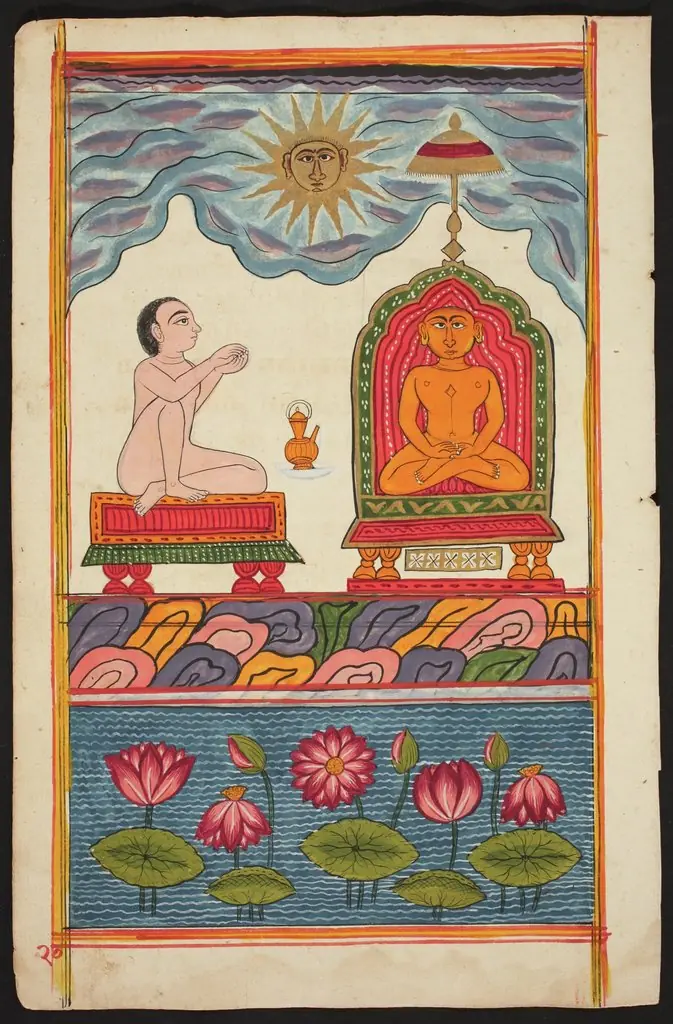
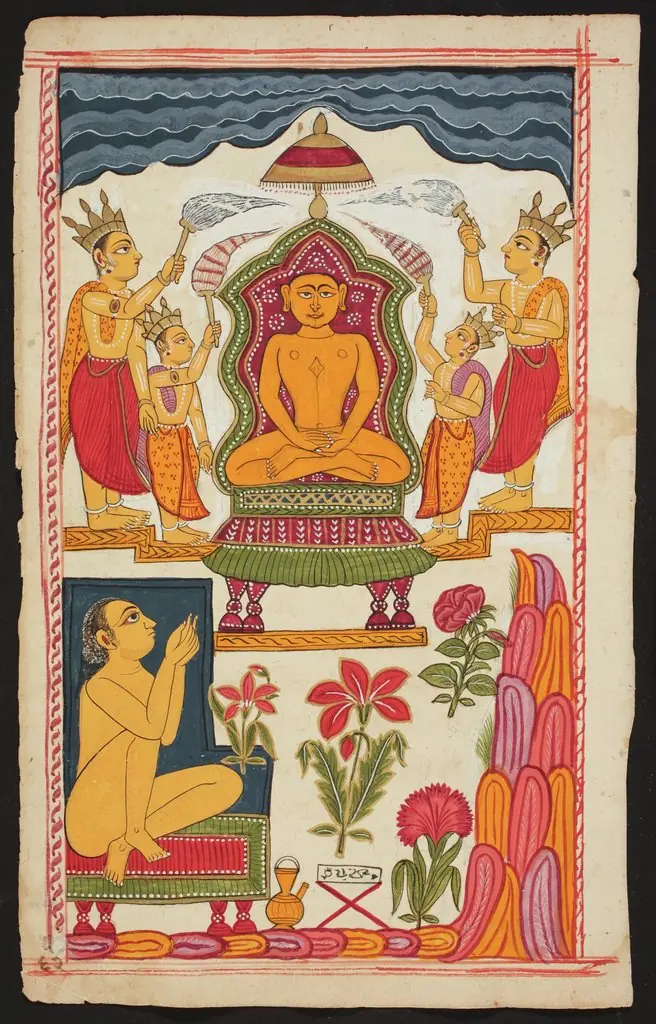
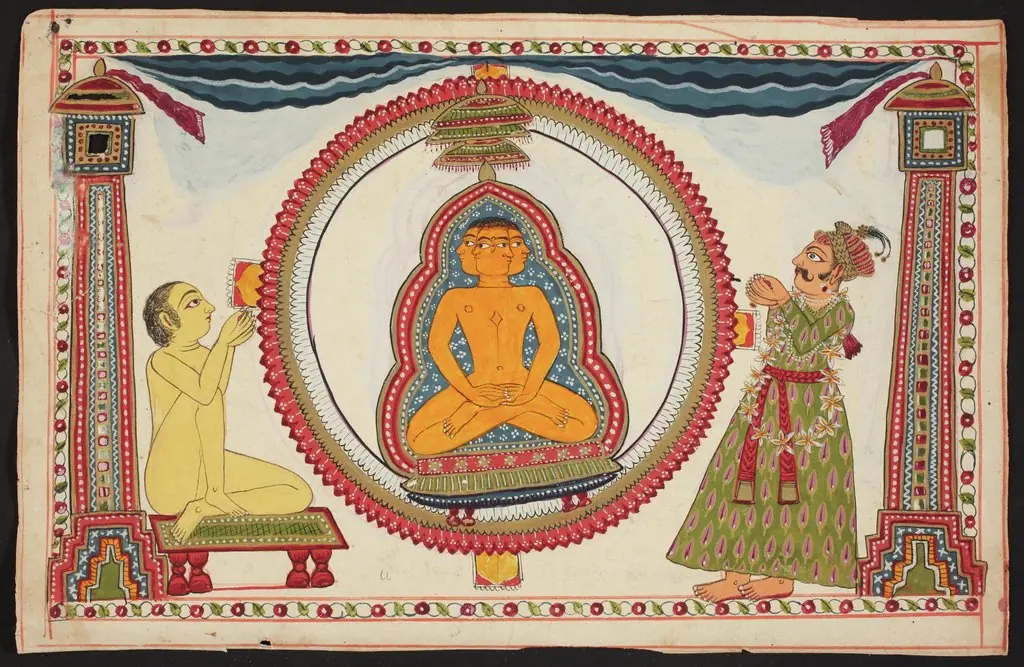
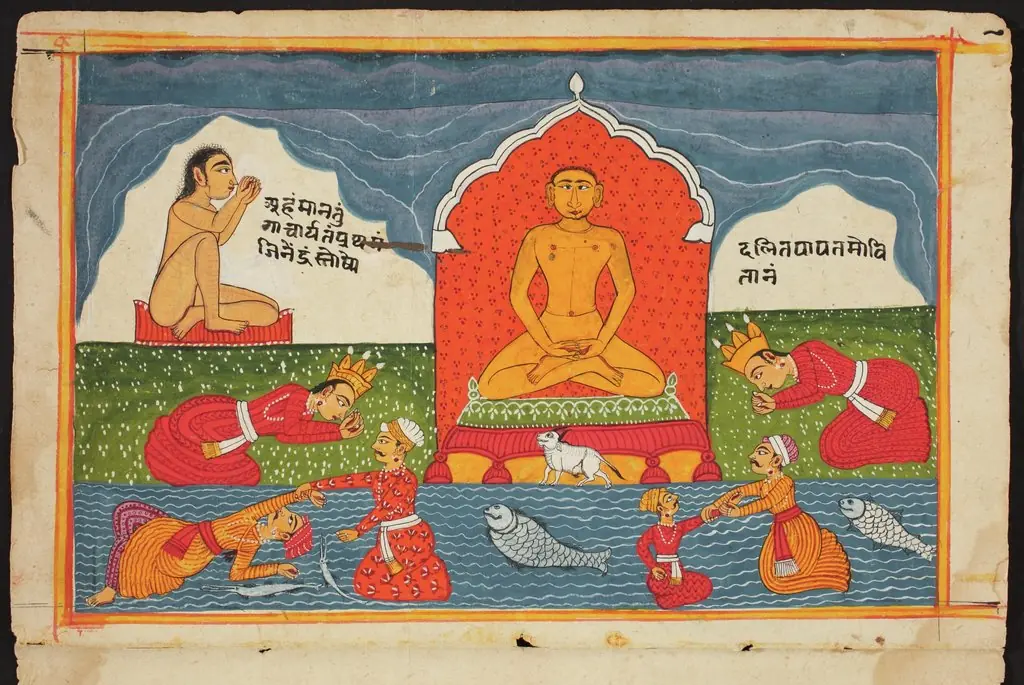
Painted in vivid mineral pigments, it presents a complex composition centered on a seated spiritual figure, surrounded by smaller narrative scenes.
This folio originates from a manuscript illustrating the Bhaktamara Stotra, a Jain devotional text honoring twenty-four Tirthankaras. Painted in vivid mineral pigments, it presents a complex composition centered on a seated spiritual figure, surrounded by smaller narrative scenes. The work reflects the meticulous craftsmanship of Jain manuscript illumination, likely produced in western India during the 15th or 16th century. Its preservation in the Detroit Institute of Arts underscores its significance as a rare visual record of Jain liturgical tradition.
Subject & Meaning
The central orange figure represents a Tirthankara, a liberated soul revered in Jainism for teaching the path to enlightenment. Surrounding vignettes depict devotees in acts of worship, symbolizing the idealized devotion central to the hymn. Figures kneeling, standing, and seated near natural elements like water and animals reflect the Jain emphasis on nonviolence and spiritual discipline. The composition serves as both a devotional aid and a visual meditation on the virtues of the Tirthankaras.
Technique & Style
Executed in opaque watercolor with gold accents, the painting employs fine brushwork and flat, saturated hues typical of western Indian manuscript painting. Details such as textile patterns, floral motifs, and architectural elements are rendered with precision. The spatial arrangement is hierarchical rather than perspectival, prioritizing symbolic importance over naturalism. This stylistic approach aligns with Jain artistic conventions that emphasize clarity and sacred order over illusionistic depth.
History & Provenance
The folio was once part of a larger illustrated manuscript commissioned by Jain patrons for ritual use. Its survival is uncommon, as many such manuscripts were worn through frequent handling or lost over time. Acquired by the Detroit Institute of Arts in the 20th century, its provenance traces back to private collections in Gujarat or Rajasthan. The painting’s condition suggests careful preservation, likely due to its religious value and artistic merit.
Context
Created during a period of flourishing Jain manuscript culture in western India, this folio reflects the close relationship between religious practice and visual art. Jain communities supported artists to produce devotional texts that reinforced doctrinal teachings. The inclusion of natural elements and lay devotees highlights Jainism’s integration of spiritual ideals into daily life, distinguishing it from more ascetic portrayals found in other traditions.
Legacy
As one of the few surviving illustrated folios of the Bhaktamara Stotra, it provides critical insight into Jain visual theology and manuscript production. It continues to inform scholarly understanding of how devotional texts were experienced visually in pre-modern India. Its presence in a major Western museum also facilitates cross-cultural dialogue about the role of art in religious contemplation beyond dominant narratives of South Asian art.
Artist & collection

 Domestic Scene
 Giacomo and Cardinal Marco, investing Andrea, Abbot of San Zeno, with his Benefice
 The Nymph of Fontainebleau
 Portrait of a Woman
 Madonna and Child with Saints in the Enclosed Garden
 Venus and Minerva
 Family Group of Four on Sofa
 Wall painting from Room H of the Villa of P. Fannius Synistor at Boscoreale
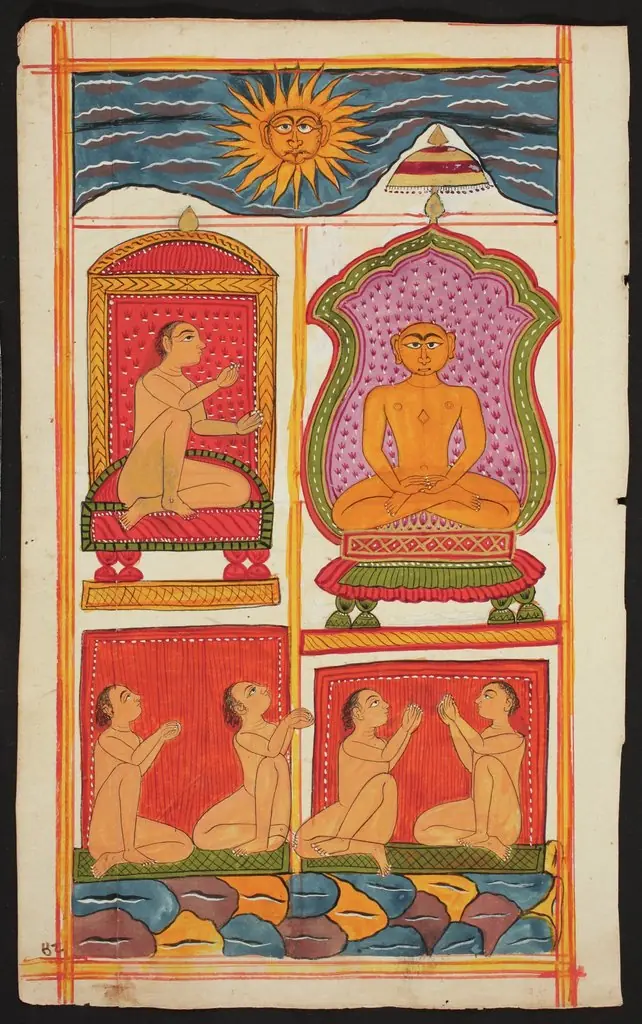 Folio from the Bhaktamara Stotra (“Hymn of the Immortal Devotee”)
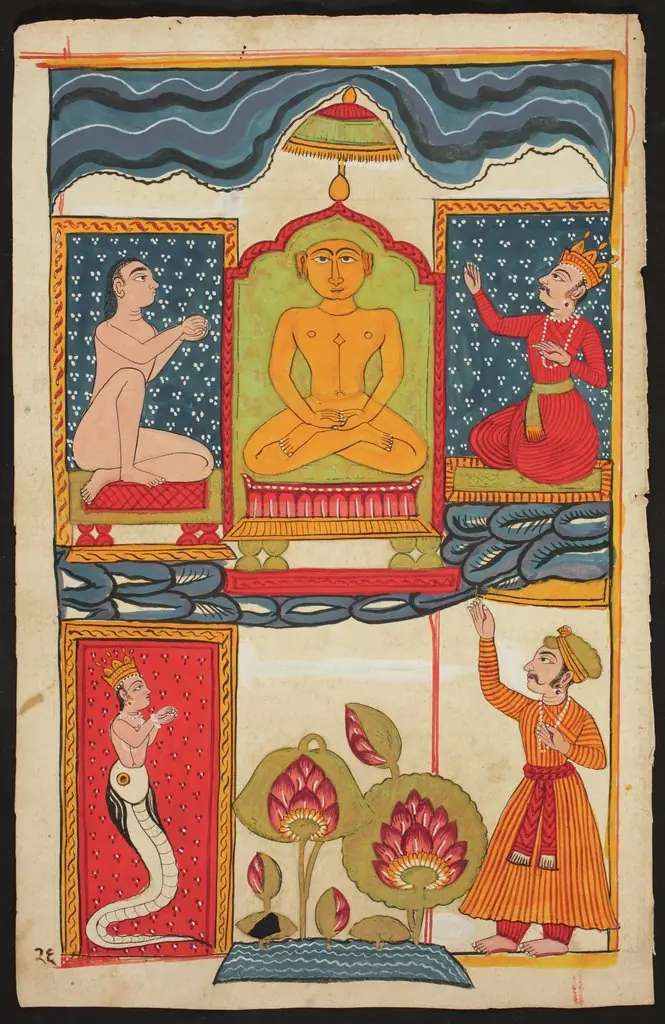 Folio from the Bhaktamara Stotra (“Hymn of the Immortal Devotee”)
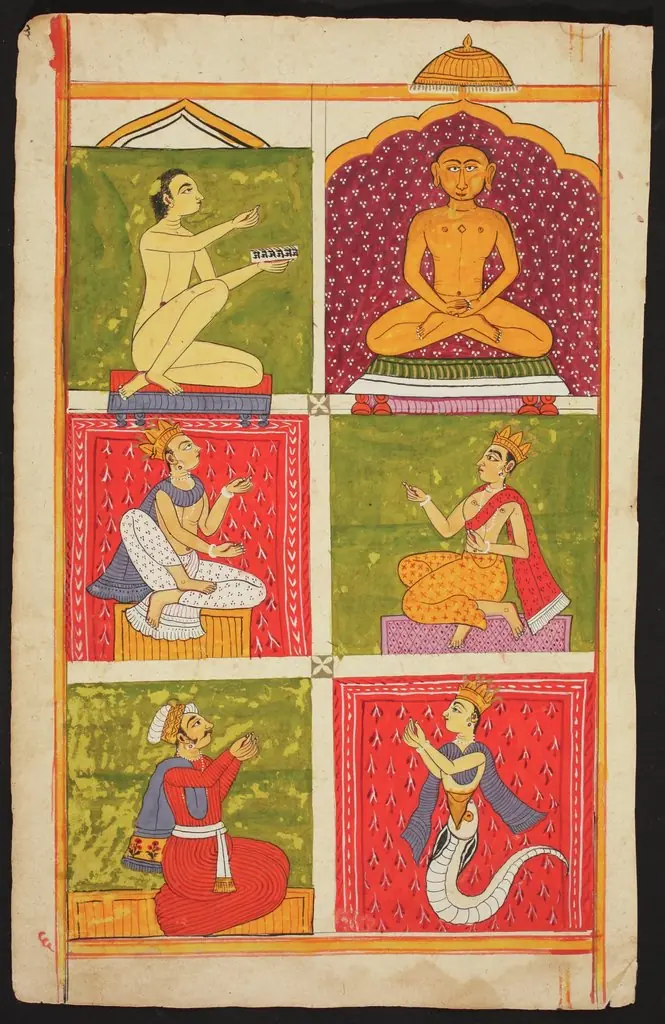 Folio from the Bhaktamara Stotra (“Hymn of the Immortal Devotee”)
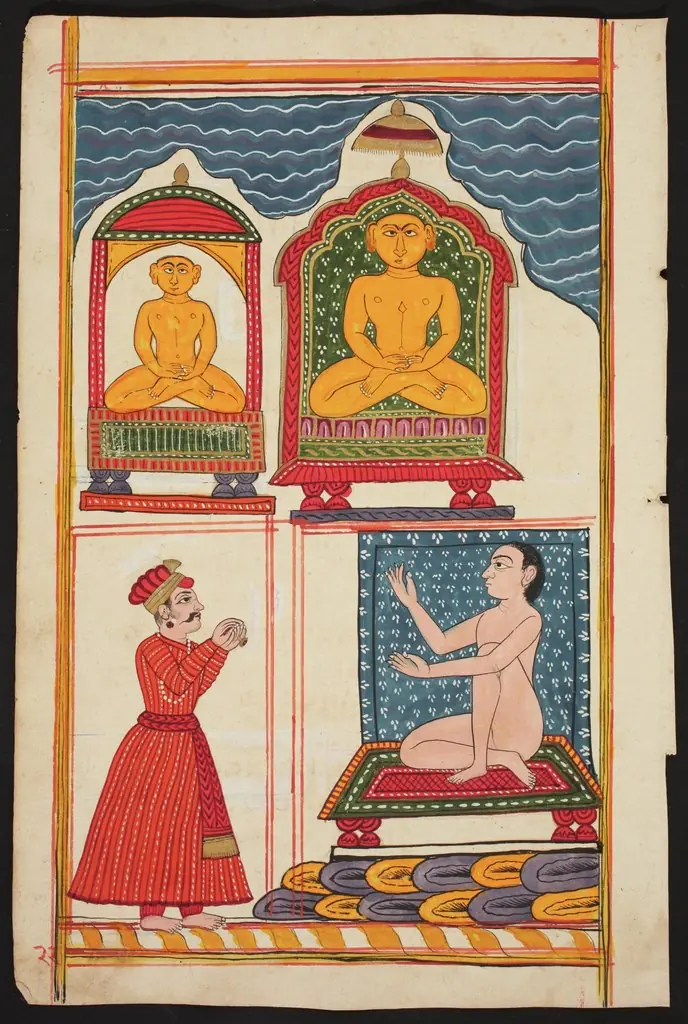 Folio from the Bhaktamara Stotra (“Hymn of the Immortal Devotee”)
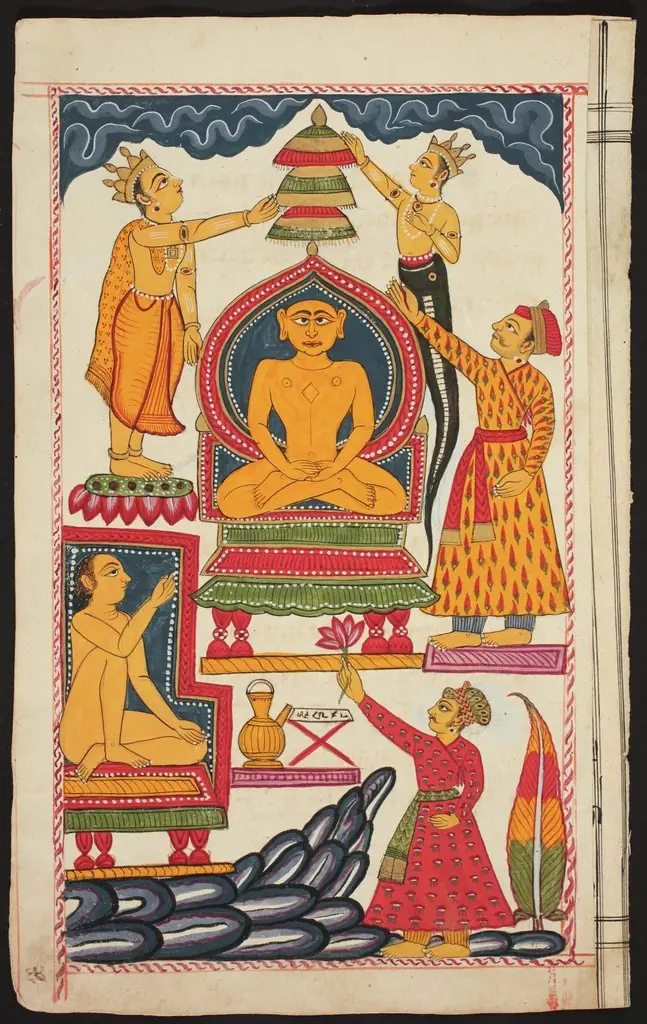 Folio from the Bhaktamara Stotra (“Hymn of the Immortal Devotee”)
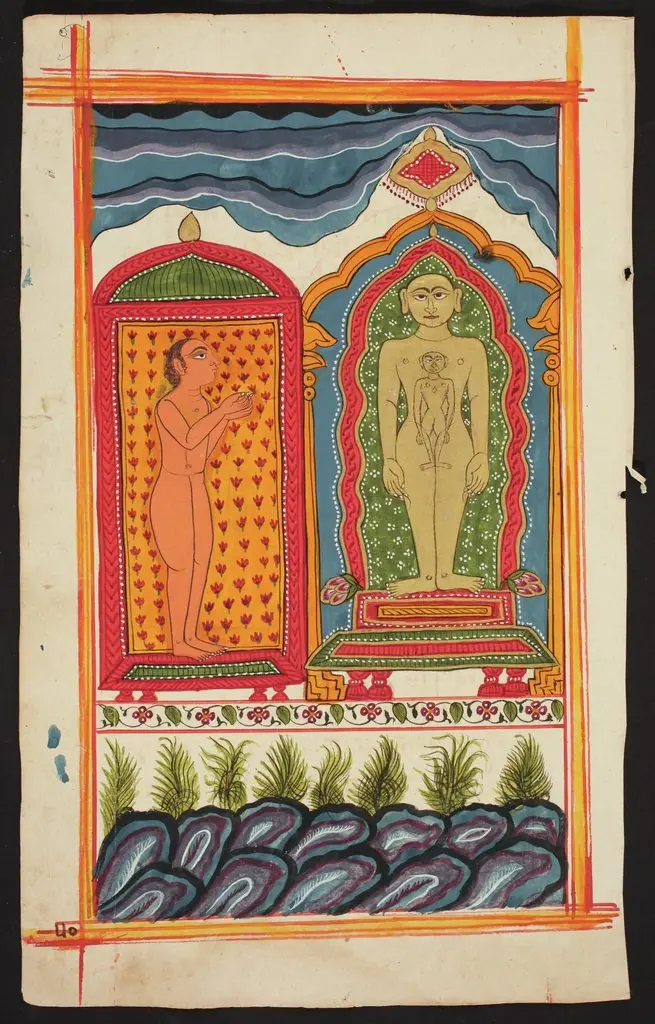 Folio from the Bhaktamara Stotra (“Hymn of the Immortal Devotee”)
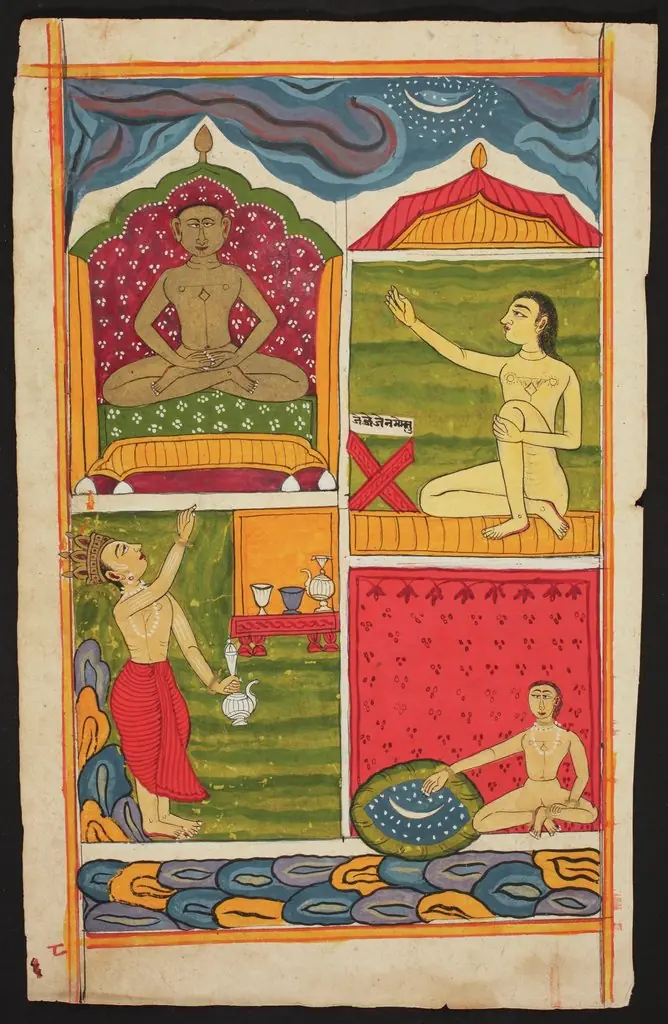 Folio from the Bhaktamara Stotra (“Hymn of the Immortal Devotee”)
 Folio from the Bhaktamara Stotra (“Hymn of the Immortal Devotee”)
 Folio from the Bhaktamara Stotra ("Hymn of the Immortal Devotee")
 Folio from the Bhaktamara Stotra (“Hymn of the Immortal Devotee”)
 Folio from the Bhaktamara Stotra (“Hymn of the Immortal Devotee”)