Artwork
Folio from the Bhaktamara Stotra (“Hymn of the Immortal Devotee”)
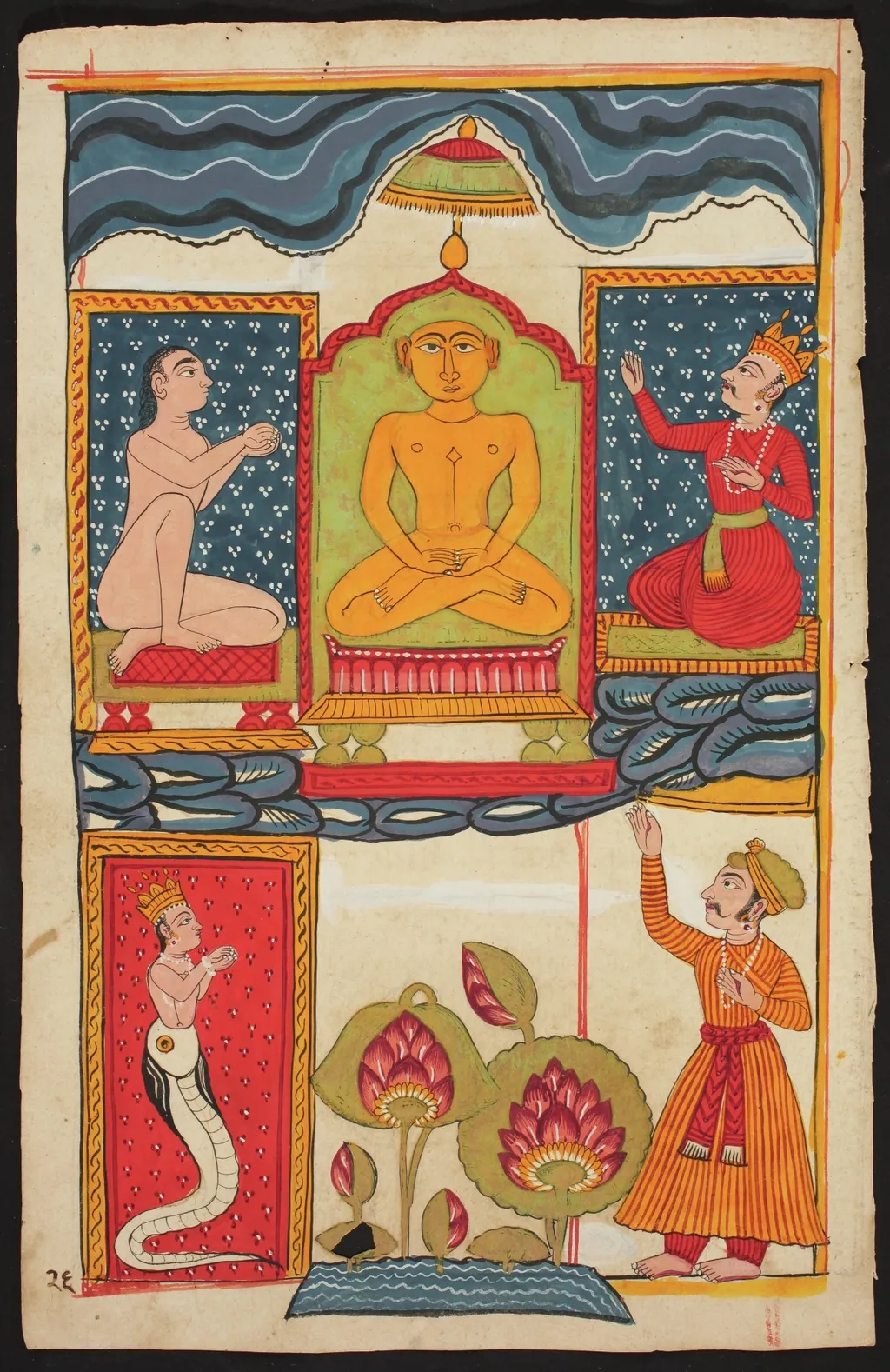
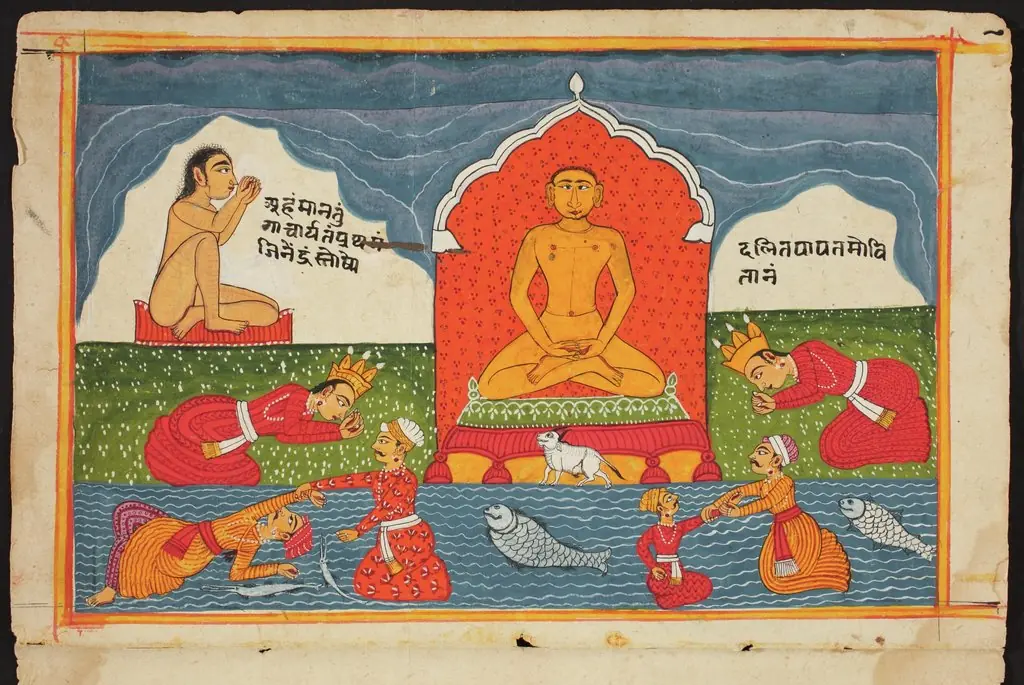
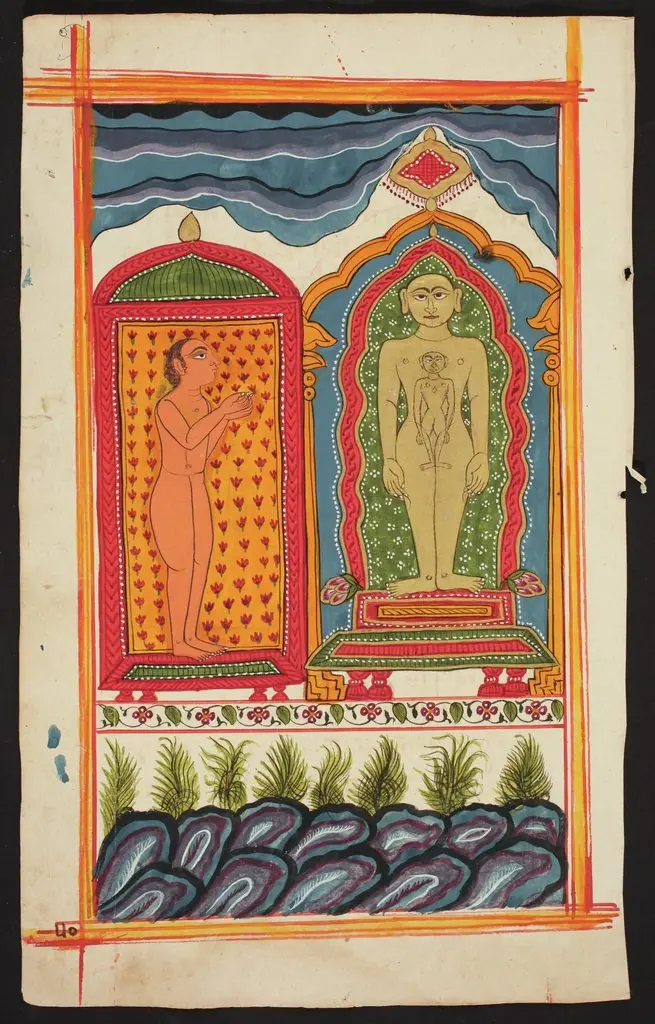
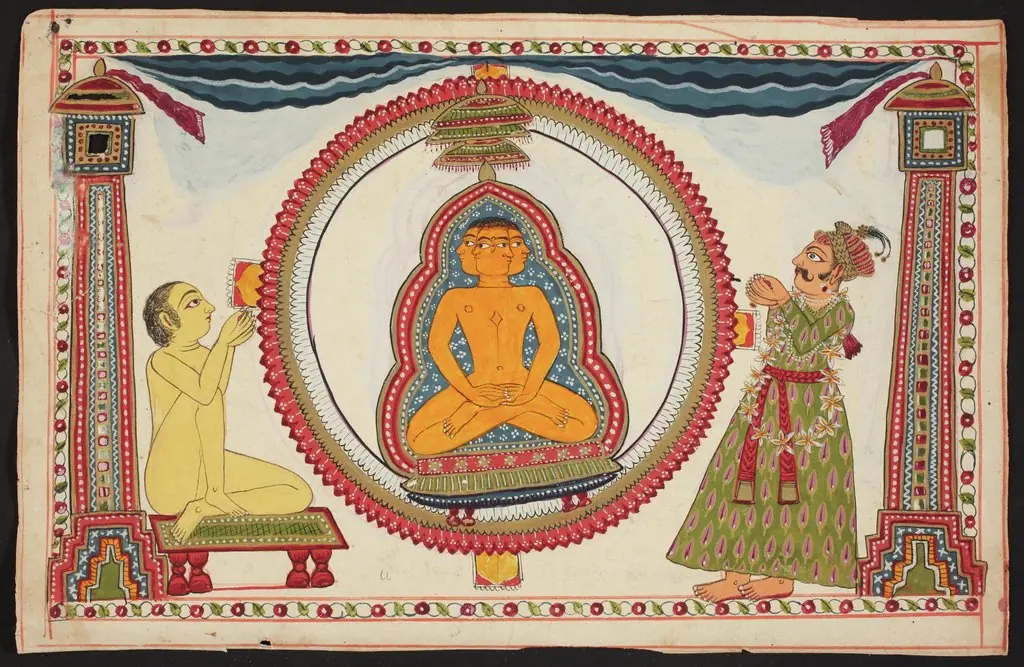
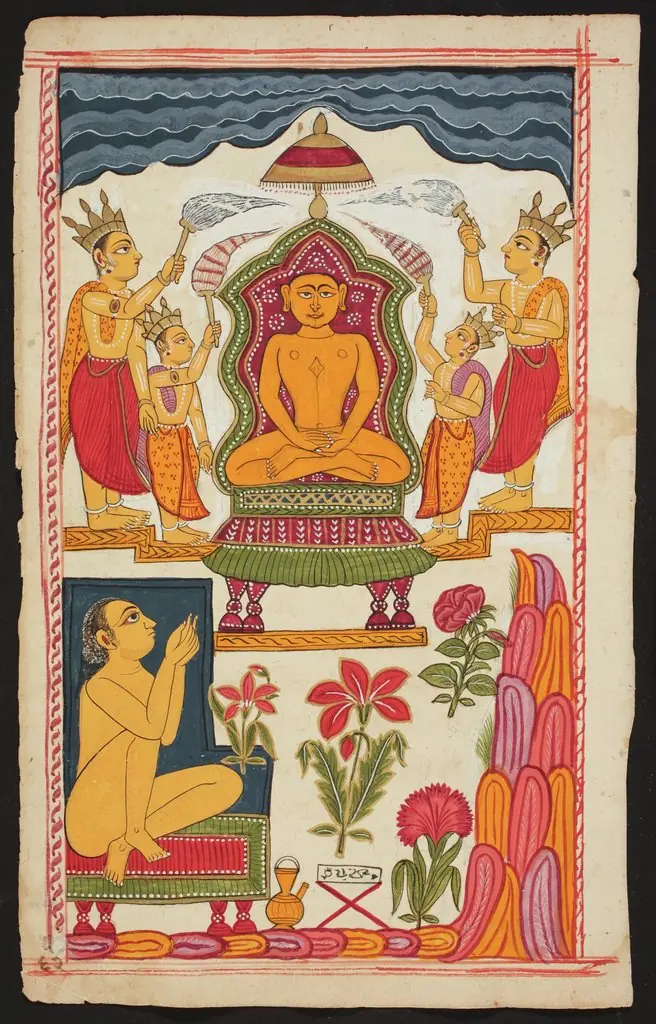
Folio from the Bhaktamara Stotra (“Hymn of the Immortal Devotee”) is an unspecified painting by Unknown. It is held in the collection of the Detroit Institute of Arts. This folio originates from a manuscript of the Bhaktamara Stotra, a Jain devotional text composed in the 8th century.
About this work
Overview
This folio originates from a manuscript of the Bhaktamara Stotra, a Jain devotional text composed in the 8th century.
This folio originates from a manuscript of the Bhaktamara Stotra, a Jain devotional text composed in the 8th century. Each page illustrates a verse honoring a Tirthankara, the enlightened teachers of Jainism. The painting is part of a larger illustrated codex, likely produced in western India during the 15th or 16th century, where manuscript illumination flourished among Jain communities as an act of religious devotion.
Subject & Meaning
The image depicts a Tirthankara seated in meditation, surrounded by celestial beings and devotees. The figure is rendered with idealized symmetry and minimal ornamentation, reflecting Jain ideals of asceticism and spiritual purity. The composition emphasizes stillness and detachment, reinforcing the text’s purpose: to inspire reverence and internalize the virtues of the Tirthankaras through visual contemplation.
Technique & Style
Executed in opaque watercolor on paper, the painting employs fine brushwork and flat, saturated pigments. Gold leaf accents highlight halos and architectural details, while the lack of perspective creates a timeless, sacred space. Figures are outlined with precision, and backgrounds are often left plain or minimally patterned, directing focus entirely to the central spiritual figure.
History & Provenance
The manuscript was likely commissioned by a wealthy Jain layperson or monastic community in Gujarat or Rajasthan. Its survival suggests careful preservation within religious institutions. Individual folios later entered private and institutional collections, often separated from the original codex during the colonial era, as manuscripts were dispersed through trade and acquisition.
Context
Jain manuscript painting in this period was closely tied to ritual practice and textual study. Unlike broader Indian traditions, Jain art avoided mythological narratives, focusing instead on the lives and attributes of the Tirthankaras. These illuminated texts served as objects of veneration, used in recitation and meditation, and were often stored in temple libraries alongside sacred scriptures.
Legacy
Folios from the Bhaktamara Stotra remain significant for understanding Jain visual theology and the continuity of manuscript traditions in pre-modern India. They represent a quiet but enduring artistic lineage, where religious devotion shaped aesthetic choices. Today, they are studied as both spiritual artifacts and examples of regional painting styles distinct from Mughal or Rajput traditions.
Artist & collection

 Domestic Scene
 Giacomo and Cardinal Marco, investing Andrea, Abbot of San Zeno, with his Benefice
 The Nymph of Fontainebleau
 Portrait of a Woman
 Madonna and Child with Saints in the Enclosed Garden
 Venus and Minerva
 Family Group of Four on Sofa
 Wall painting from Room H of the Villa of P. Fannius Synistor at Boscoreale
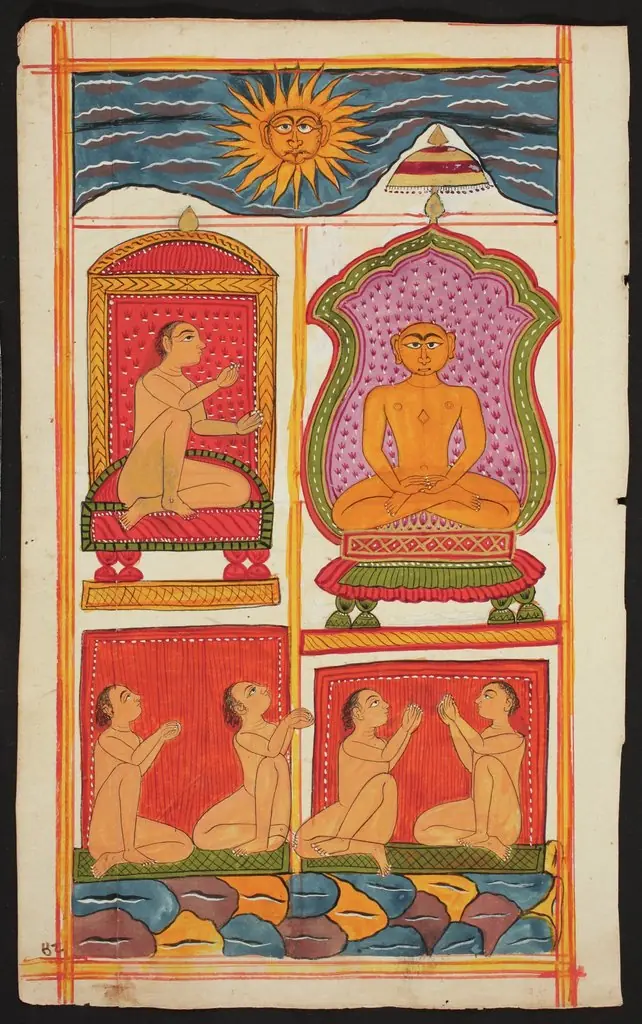 Folio from the Bhaktamara Stotra (“Hymn of the Immortal Devotee”)
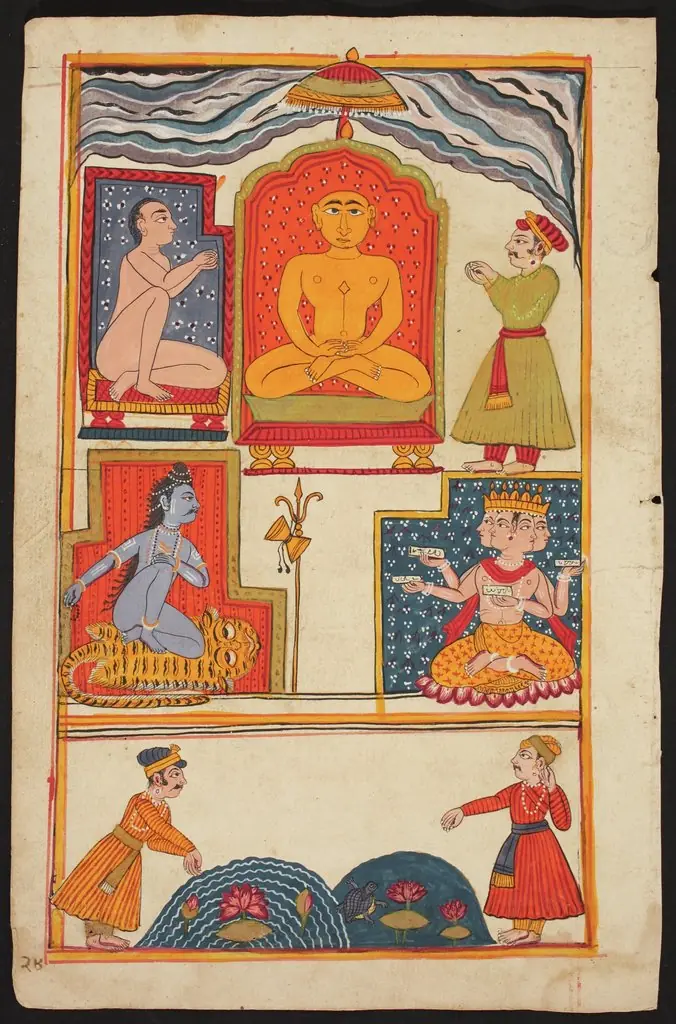 Folio from the Bhaktamara Stotra (“Hymn of the Immortal Devotee”)
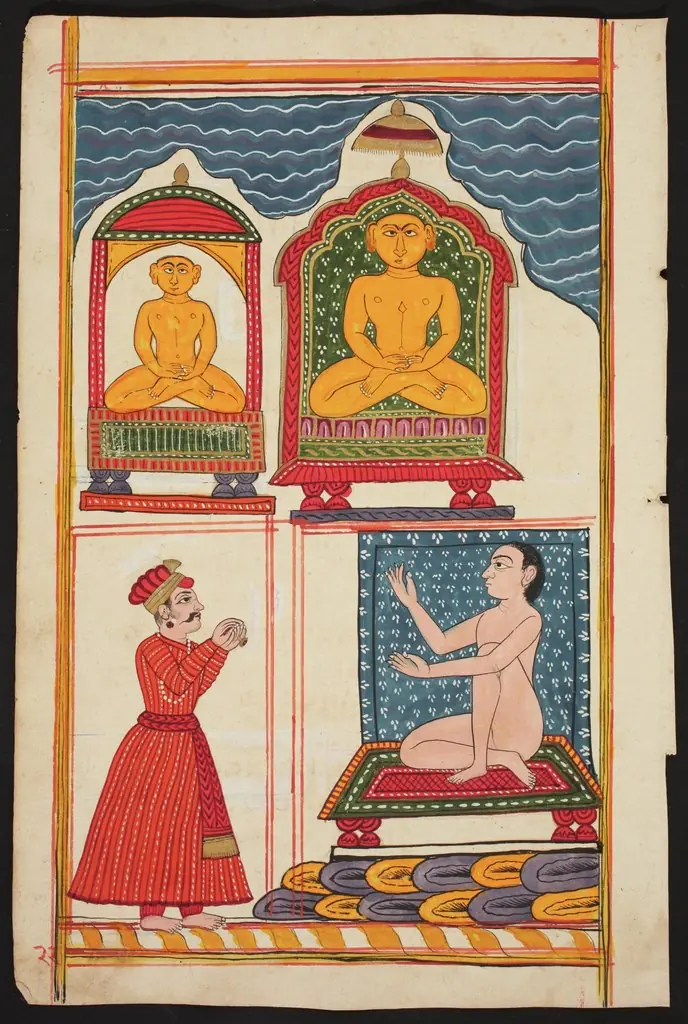 Folio from the Bhaktamara Stotra (“Hymn of the Immortal Devotee”)
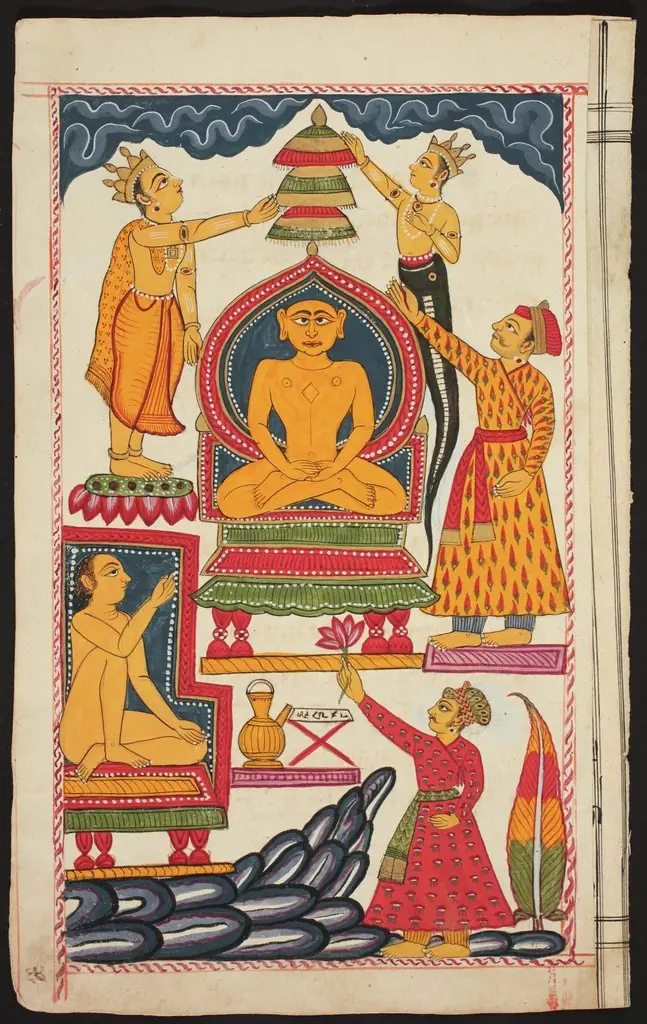 Folio from the Bhaktamara Stotra (“Hymn of the Immortal Devotee”)
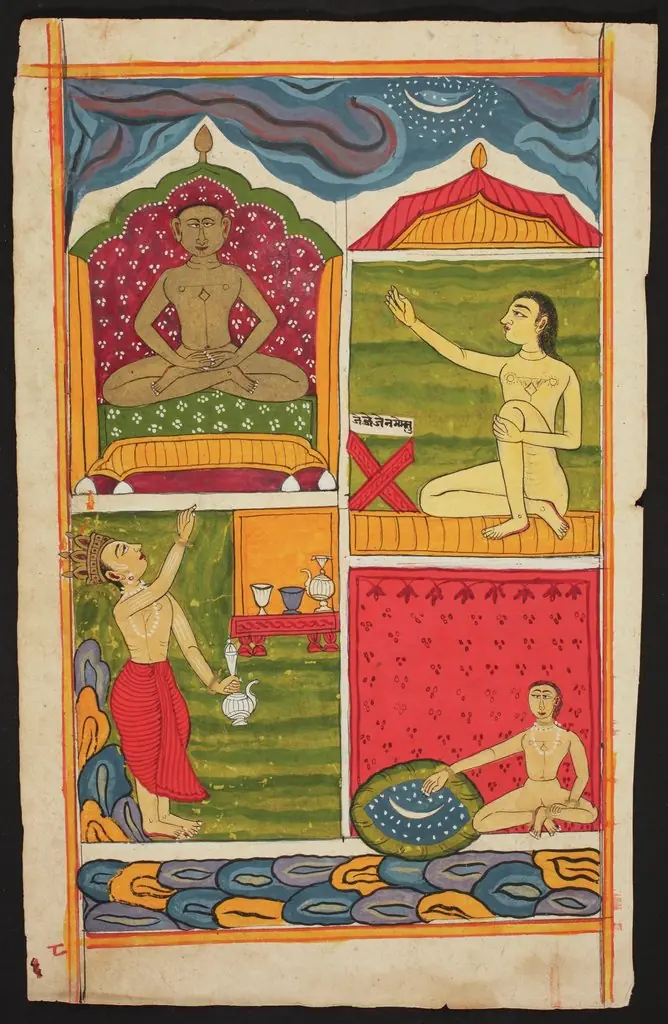 Folio from the Bhaktamara Stotra (“Hymn of the Immortal Devotee”)
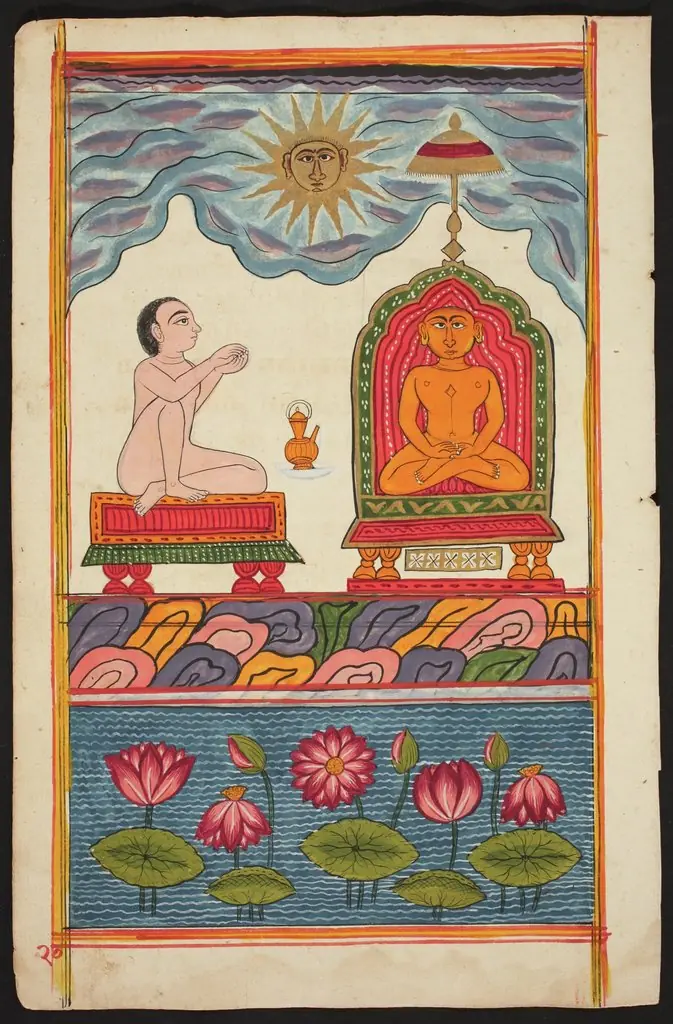 Folio from the Bhaktamara Stotra (“Hymn of the Immortal Devotee”)
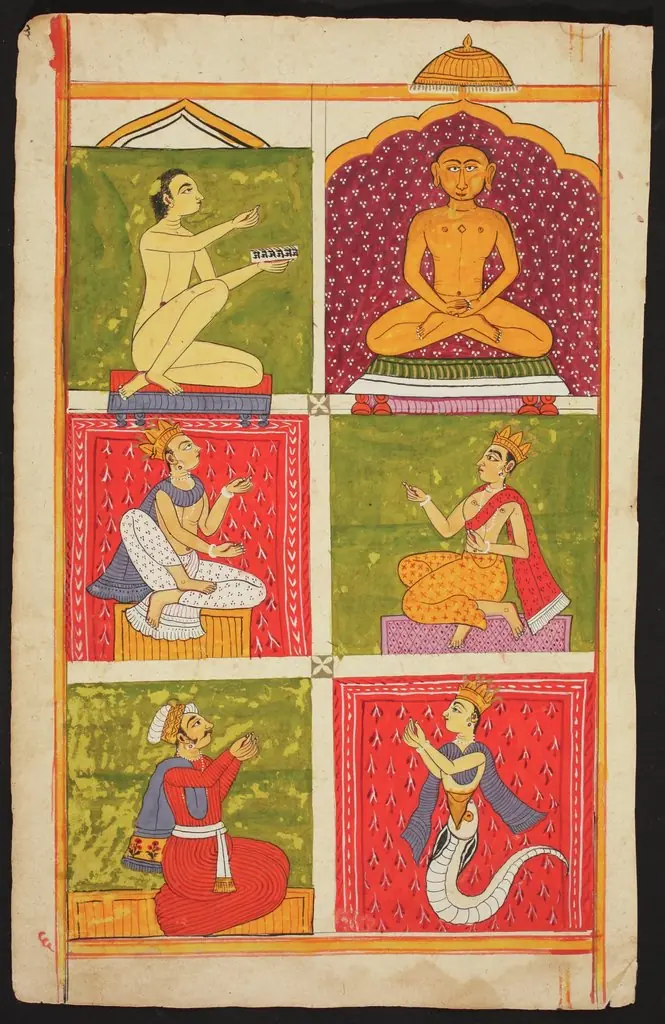 Folio from the Bhaktamara Stotra (“Hymn of the Immortal Devotee”)
 Folio from the Bhaktamara Stotra (“Hymn of the Immortal Devotee”)
 Folio from the Bhaktamara Stotra (“Hymn of the Immortal Devotee”)
 Folio from the Bhaktamara Stotra (“Hymn of the Immortal Devotee”)
 Folio from the Bhaktamara Stotra ("Hymn of the Immortal Devotee")