Artwork
Folio from the Bhaktamara Stotra (“Hymn of the Immortal Devotee”)
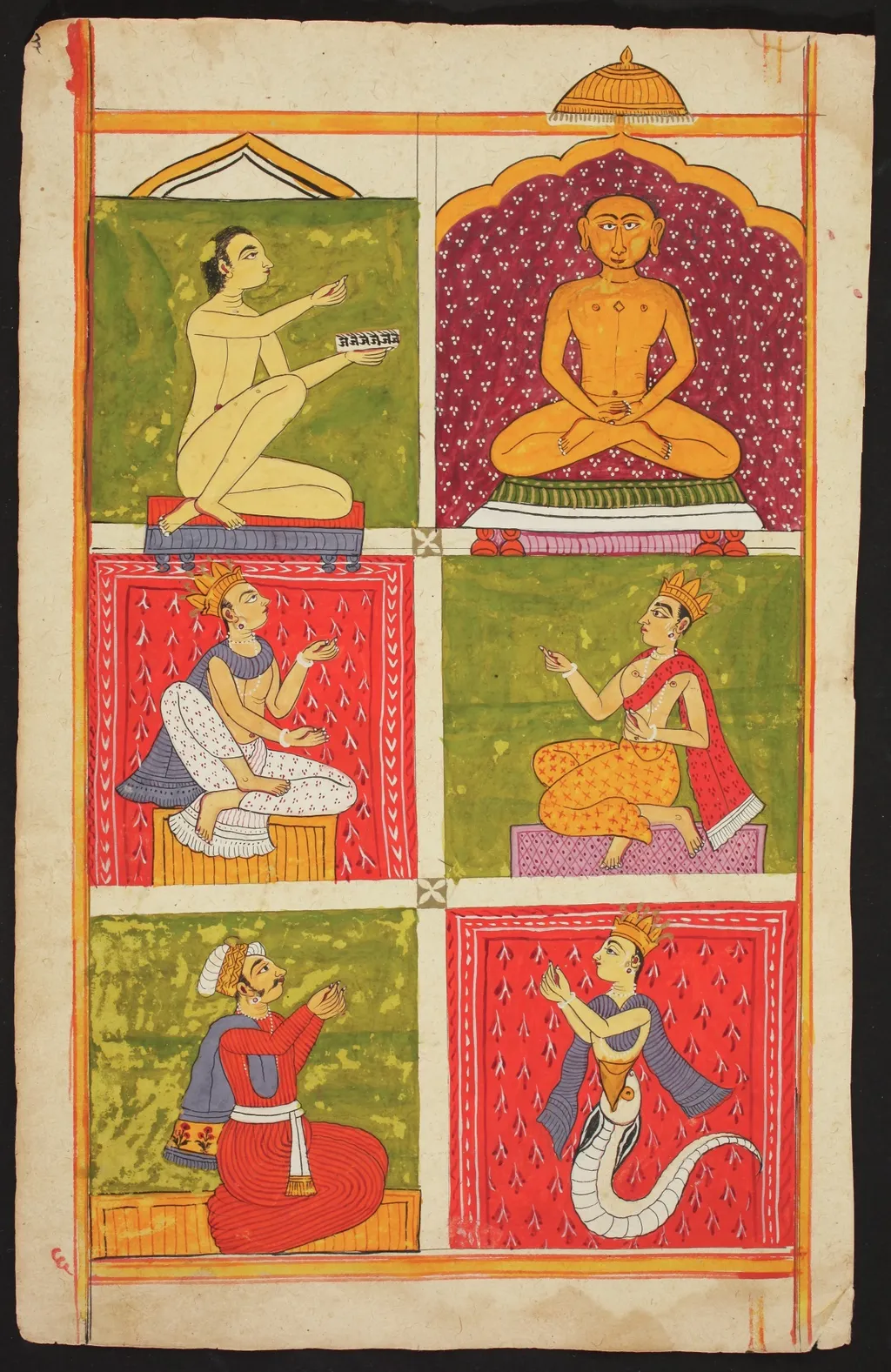
Folio from the Bhaktamara Stotra (“Hymn of the Immortal Devotee”) is an unspecified painting by Unknown. It is held in the collection of the Detroit Institute of Arts. This folio originates from a manuscript illustrating the Bhaktamara Stotra, a Jain devotional text honoring twenty-four Tirthankaras.
About this work
Overview
This folio originates from a manuscript illustrating the Bhaktamara Stotra, a Jain devotional text honoring twenty-four Tirthankaras. Divided into six distinct panels, it visually narrates key moments of reverence and spiritual attainment. The composition uses a vibrant palette of red, green, and yellow, framed by ornate decorative patterns typical of medieval Indian manuscript painting.
Subject & Meaning
The three figures below represent devotees in varied postures, reflecting diverse paths of devotion within Jain practice.
Each panel represents a Tirthankara or devotee in a moment of spiritual significance. The central figure in the top right, seated in meditation on a colored platform, likely symbolizes a liberated soul. The naked figure to the left may depict a renunciant, emphasizing ascetic ideals. The three figures below represent devotees in varied postures, reflecting diverse paths of devotion within Jain practice.
Technique & Style
Executed in opaque watercolor on paper, the painting employs fine brushwork and flat planes of color with minimal shading. Gold leaf accents highlight divine figures, while intricate borders and floral motifs frame each scene. The lack of perspective and stylized forms align with regional Jain manuscript traditions, prioritizing symbolic clarity over naturalism.
History & Provenance
Created in western India, likely in Gujarat or Rajasthan, during the 15th or 16th century, this folio was part of a larger devotional manuscript. Such texts were commissioned by Jain lay patrons for ritual use or temple libraries. Its survival suggests careful preservation within religious communities, though its exact provenance before modern collection remains undocumented.
Context
Jainism emphasizes nonviolence, asceticism, and the veneration of Tirthankaras as spiritual guides. Manuscripts like this served both liturgical and didactic purposes, aiding devotees in meditating on the lives of enlightened beings. The visual structure reflects Jain cosmology, where each figure occupies a sacred space, reinforcing spiritual hierarchy and devotion.
Legacy
This folio exemplifies the enduring tradition of Jain manuscript painting, which preserved religious narratives through centuries of political change. Though production declined after the 17th century, such works remain vital to understanding Jain visual culture and the role of art in devotional practice, influencing later regional styles in Indian miniature painting.
Artist & collection

 Domestic Scene
 Giacomo and Cardinal Marco, investing Andrea, Abbot of San Zeno, with his Benefice
 The Nymph of Fontainebleau
 Portrait of a Woman
 Madonna and Child with Saints in the Enclosed Garden
 Venus and Minerva
 Family Group of Four on Sofa
 Wall painting from Room H of the Villa of P. Fannius Synistor at Boscoreale
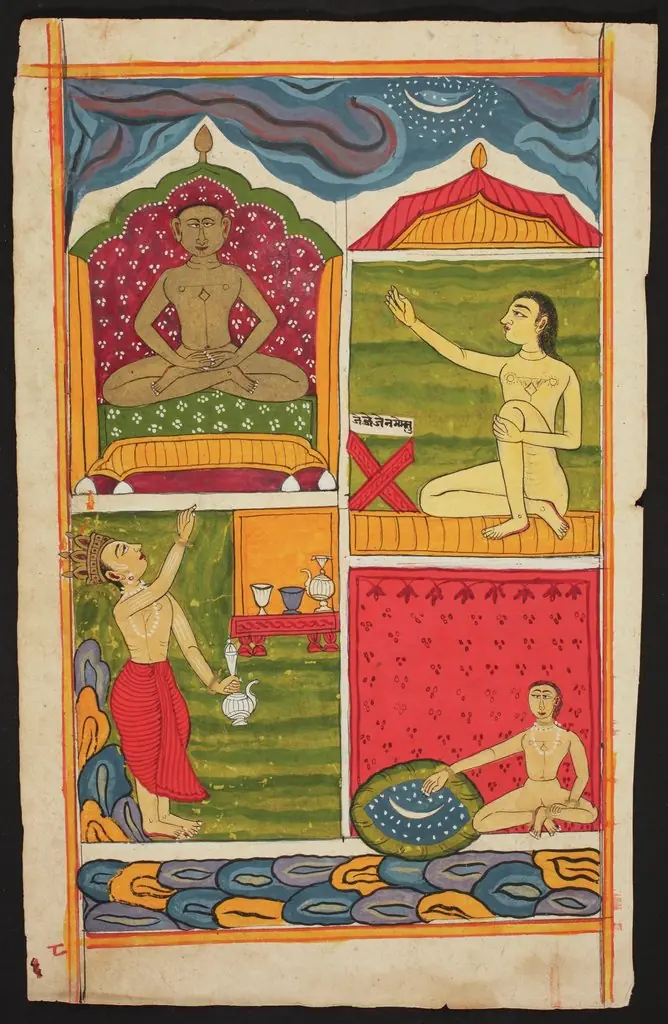 Folio from the Bhaktamara Stotra (“Hymn of the Immortal Devotee”)
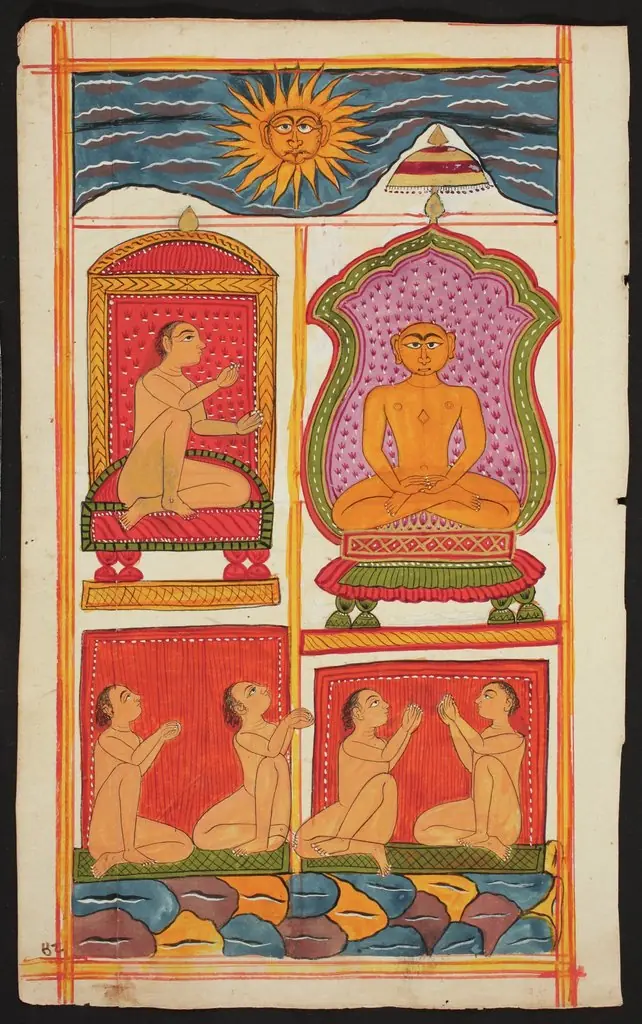 Folio from the Bhaktamara Stotra (“Hymn of the Immortal Devotee”)
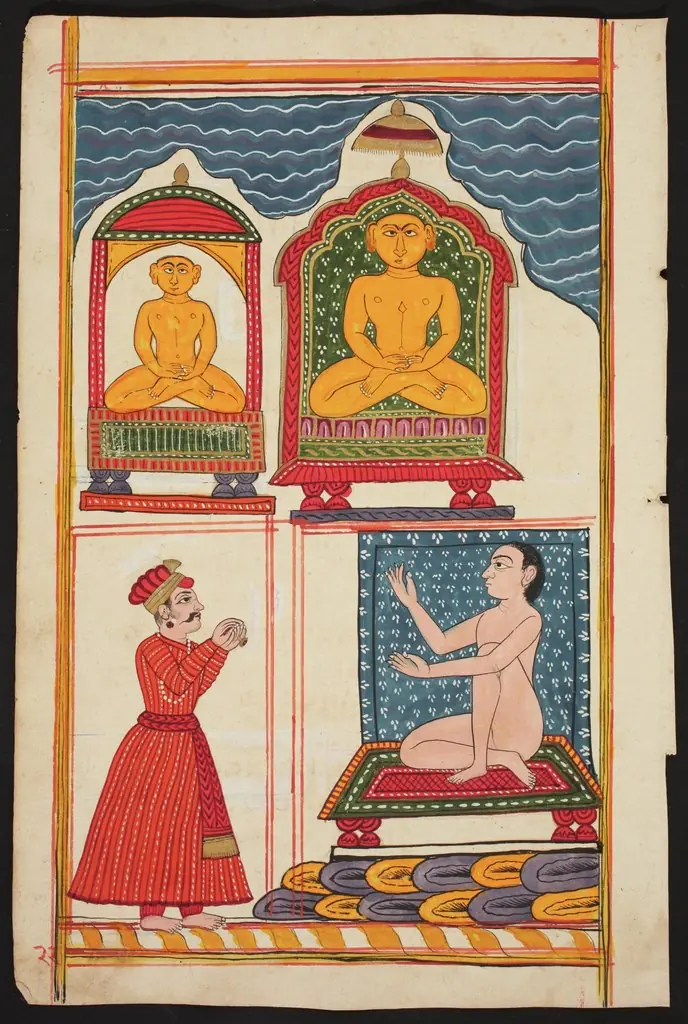 Folio from the Bhaktamara Stotra (“Hymn of the Immortal Devotee”)
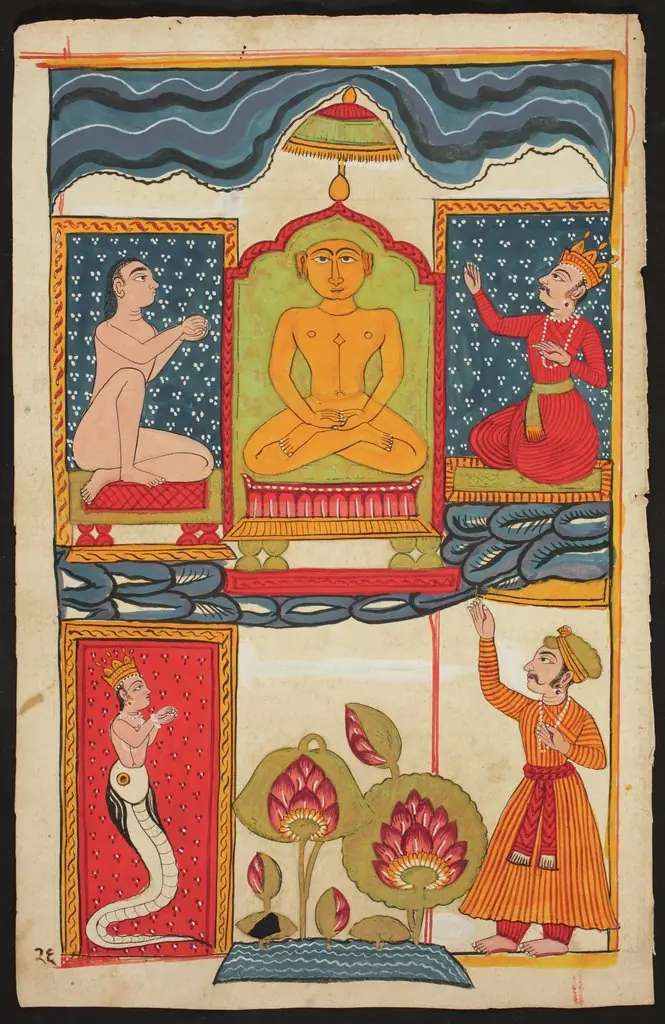 Folio from the Bhaktamara Stotra (“Hymn of the Immortal Devotee”)
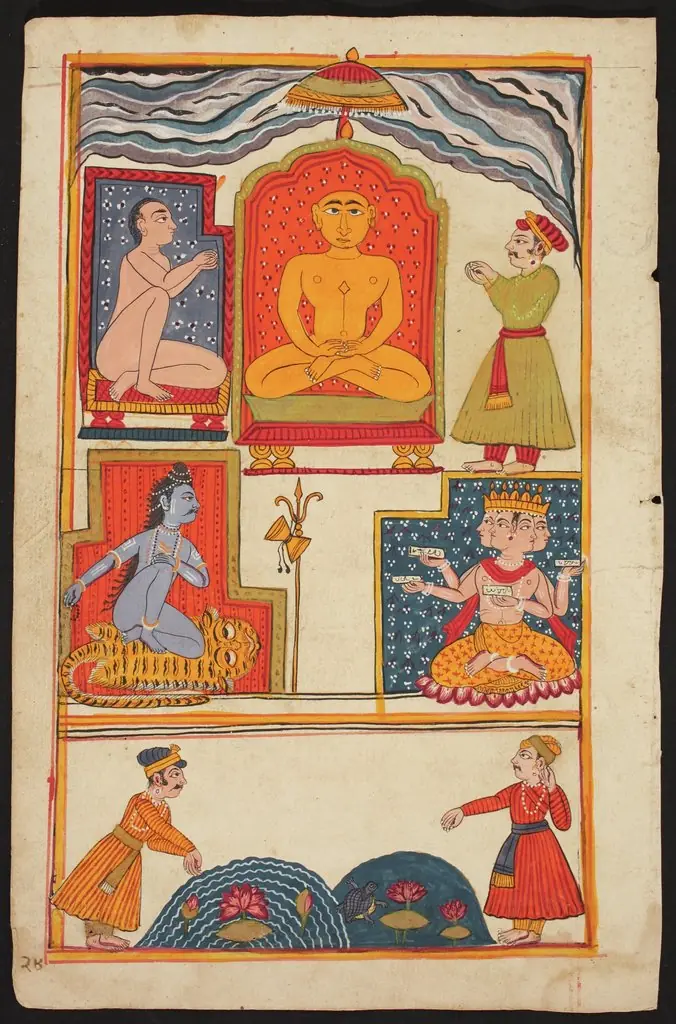 Folio from the Bhaktamara Stotra (“Hymn of the Immortal Devotee”)
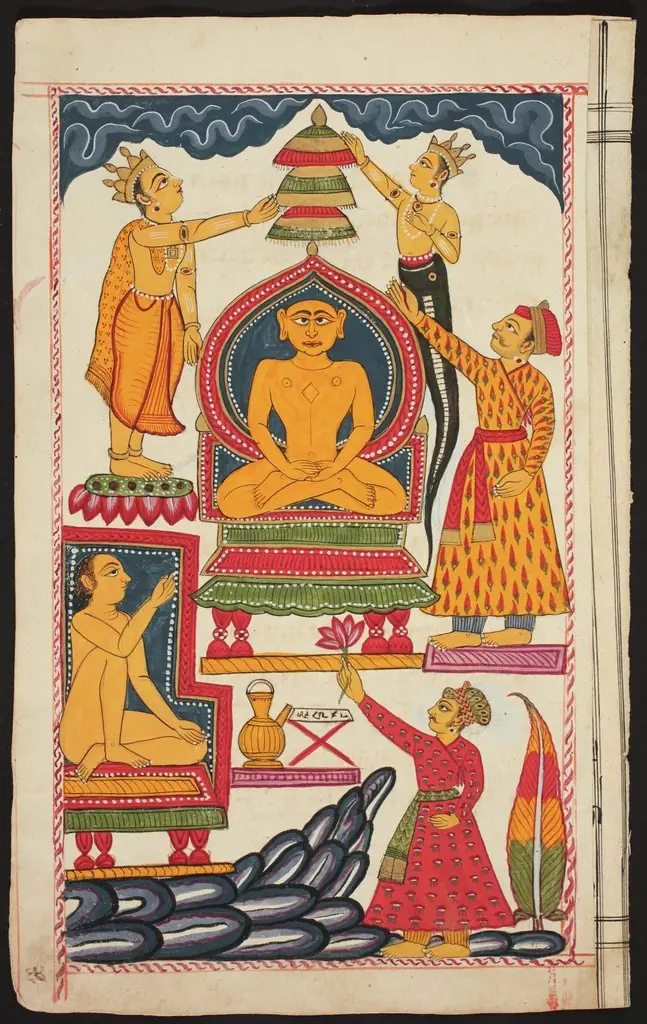 Folio from the Bhaktamara Stotra (“Hymn of the Immortal Devotee”)
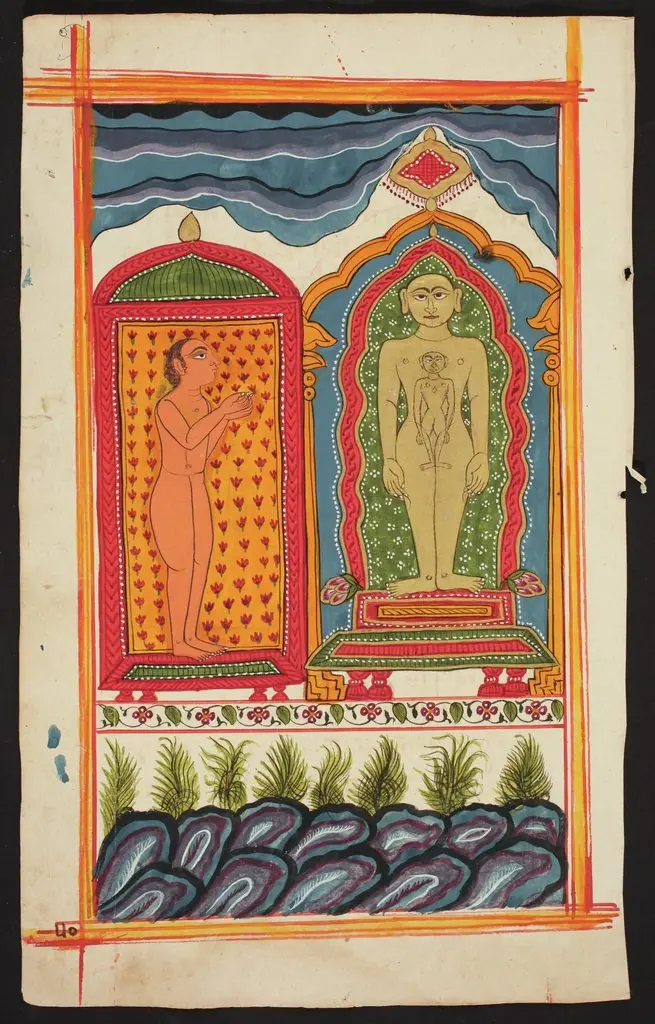 Folio from the Bhaktamara Stotra (“Hymn of the Immortal Devotee”)
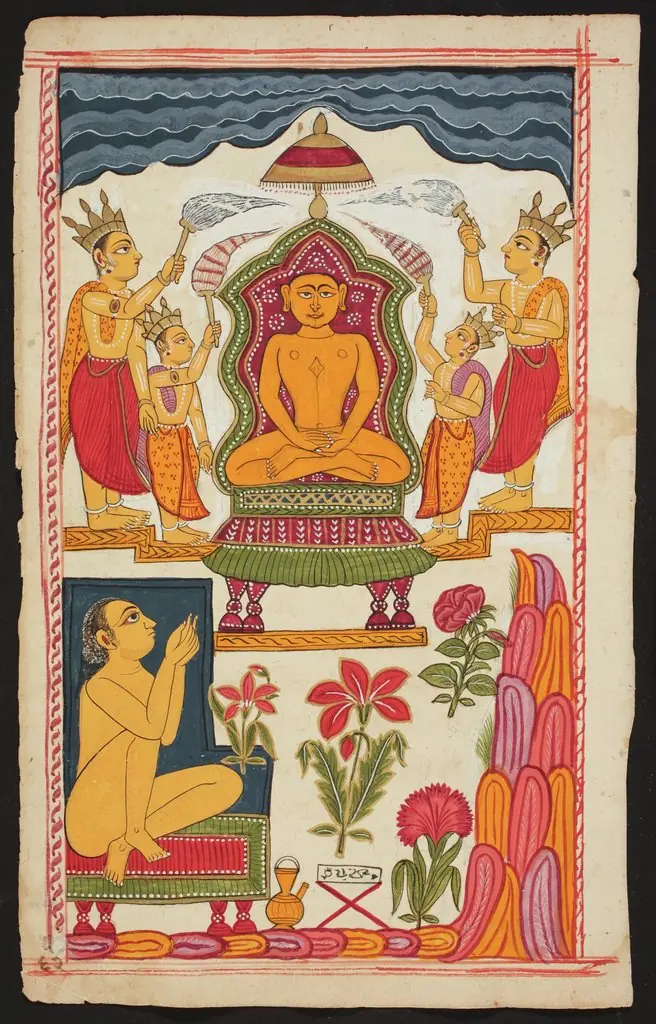 Folio from the Bhaktamara Stotra ("Hymn of the Immortal Devotee")
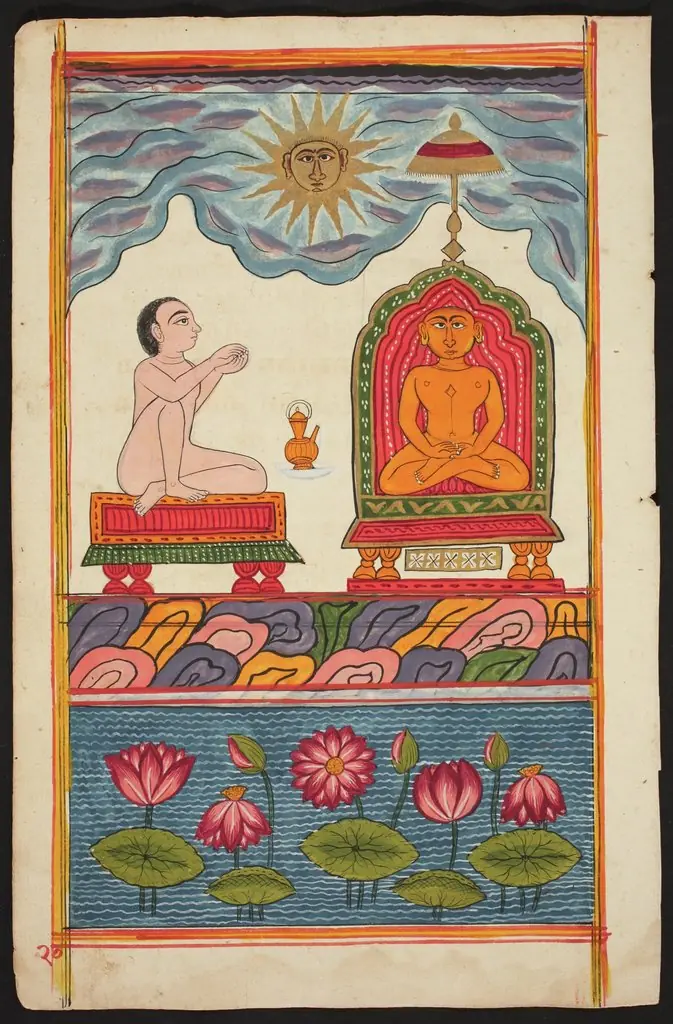 Folio from the Bhaktamara Stotra (“Hymn of the Immortal Devotee”)
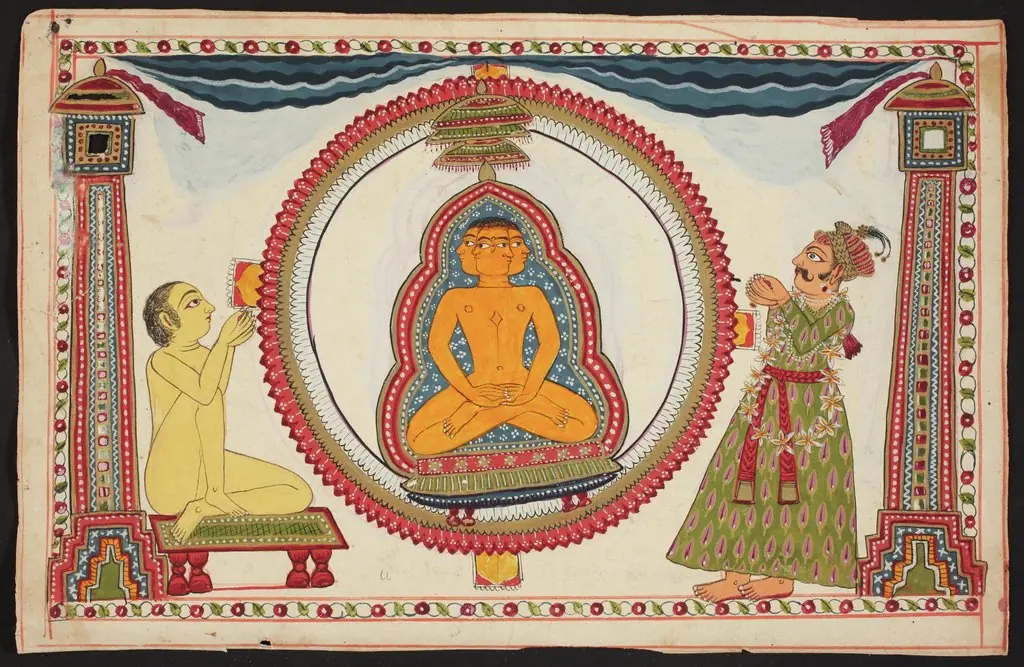 Folio from the Bhaktamara Stotra (“Hymn of the Immortal Devotee”)
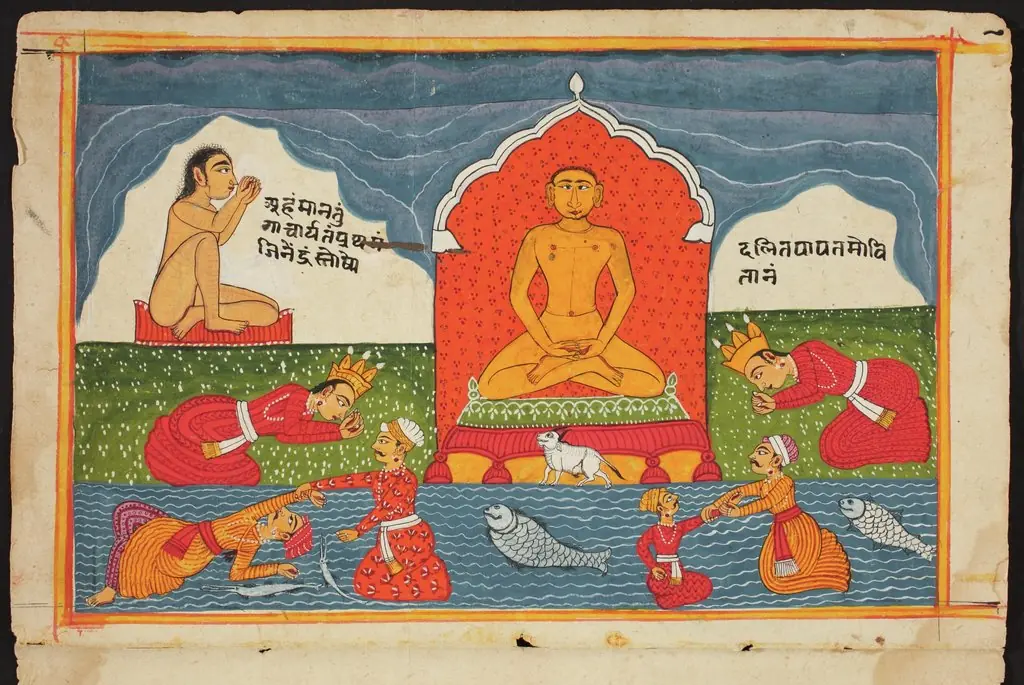 Folio from the Bhaktamara Stotra (“Hymn of the Immortal Devotee”)