Artwork
Folio from the Bhaktamara Stotra (“Hymn of the Immortal Devotee”)
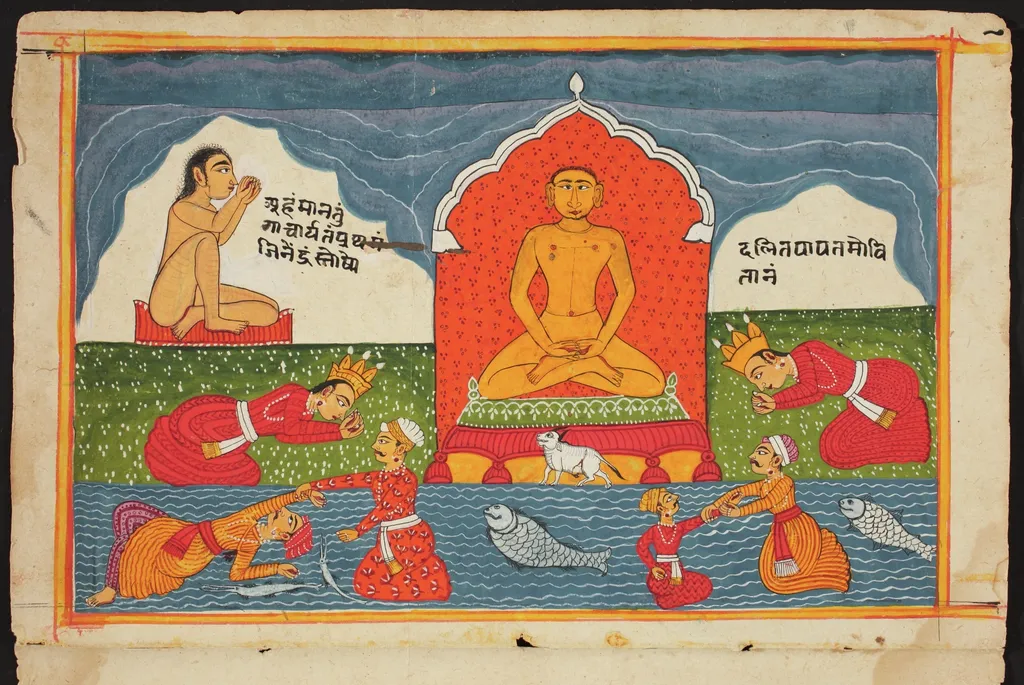
Folio from the Bhaktamara Stotra (“Hymn of the Immortal Devotee”) is an unspecified painting by Unknown. It is held in the collection of the Detroit Institute of Arts.
About this work
Overview
The work, titled Folio from the Bhaktamara Stotra, presents a tranquil composition centered on a seated figure on a red throne beneath a matching arch. The central figure wears a plain orange robe, hands resting in the lap, while a smaller attendant on a red cushion offers prayer. Surrounding figures bow, kneel, or appear in water with fish, all set against a blue sky dotted with white clouds.
Subject & Meaning
The scene illustrates a devotional moment drawn from the Bhaktamara Stotra, a hymn praising the Jain Tirthankara. The central seated figure likely represents the revered spiritual teacher, while the attendant’s prayerful posture and the surrounding gestures of reverence convey collective worship and the aspirant’s humility before the divine.
Technique & Style
Executed in a painted medium, the folio employs a limited palette of reds, orange, and blue, creating visual harmony. The figures are rendered with simplified outlines and flat areas of color, characteristic of manuscript illumination traditions. The composition balances frontal symmetry with subtle narrative details, such as the fish in water, to enrich the devotional atmosphere.
History & Provenance
The folio is part of the Detroit Institute of Arts collection, acquired through the museum’s acquisitions of South Asian religious manuscripts. Its provenance traces back to a Jain devotional manuscript, though specific details of its original patronage or production workshop remain undocumented in the available record.
Context
The Bhaktamara Stotra originates in the 6th‑7th century and is central to Jain liturgical practice. Visual representations of its verses often appear in illuminated manuscripts, serving both as objects of veneration and as instructional aids for recitation. This folio reflects that tradition, situating the viewer within a ritual space that emphasizes contemplation and reverence.
Artist & collection

 Domestic Scene
 Giacomo and Cardinal Marco, investing Andrea, Abbot of San Zeno, with his Benefice
 The Nymph of Fontainebleau
 Portrait of a Woman
 Madonna and Child with Saints in the Enclosed Garden
 Venus and Minerva
 Family Group of Four on Sofa
 Wall painting from Room H of the Villa of P. Fannius Synistor at Boscoreale
 Folio from the Bhaktamara Stotra (“Hymn of the Immortal Devotee”)
 Folio from the Bhaktamara Stotra (“Hymn of the Immortal Devotee”)
 Folio from the Bhaktamara Stotra (“Hymn of the Immortal Devotee”)
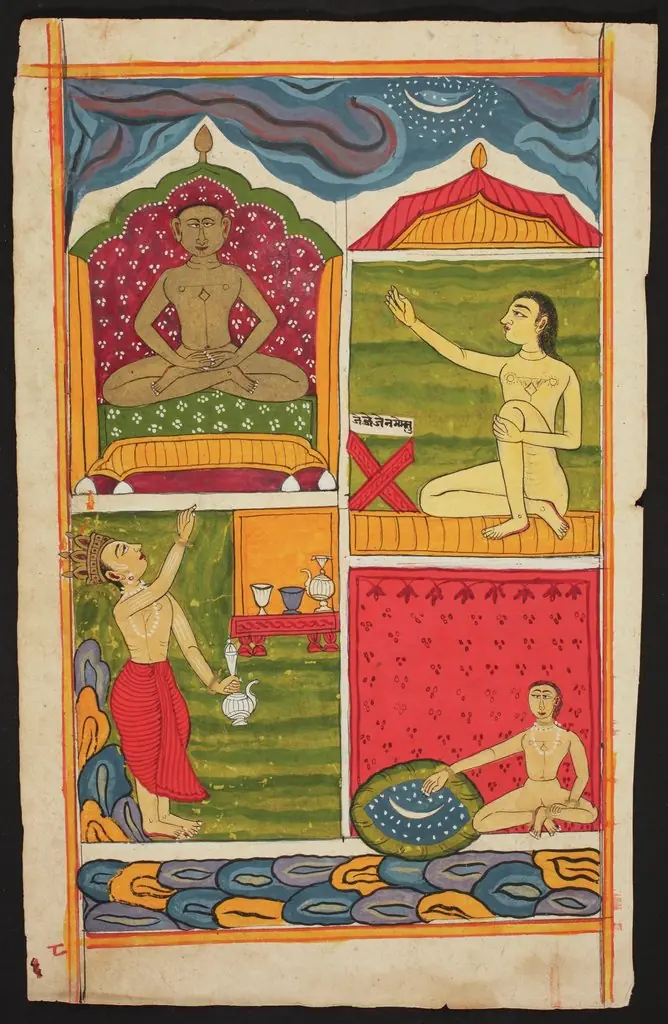 Folio from the Bhaktamara Stotra (“Hymn of the Immortal Devotee”)
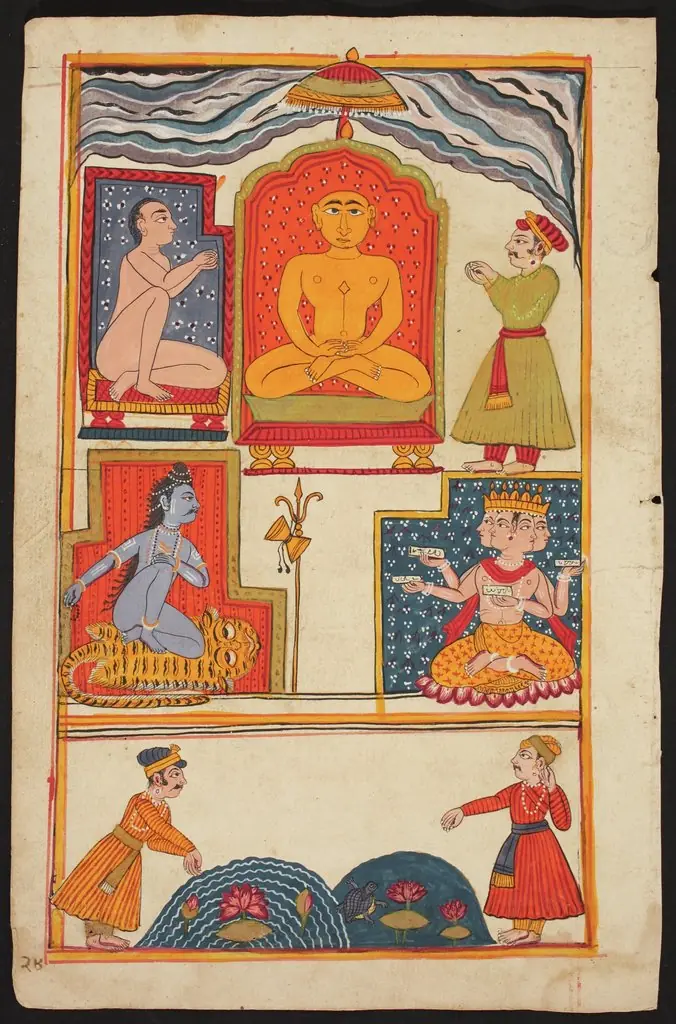 Folio from the Bhaktamara Stotra (“Hymn of the Immortal Devotee”)
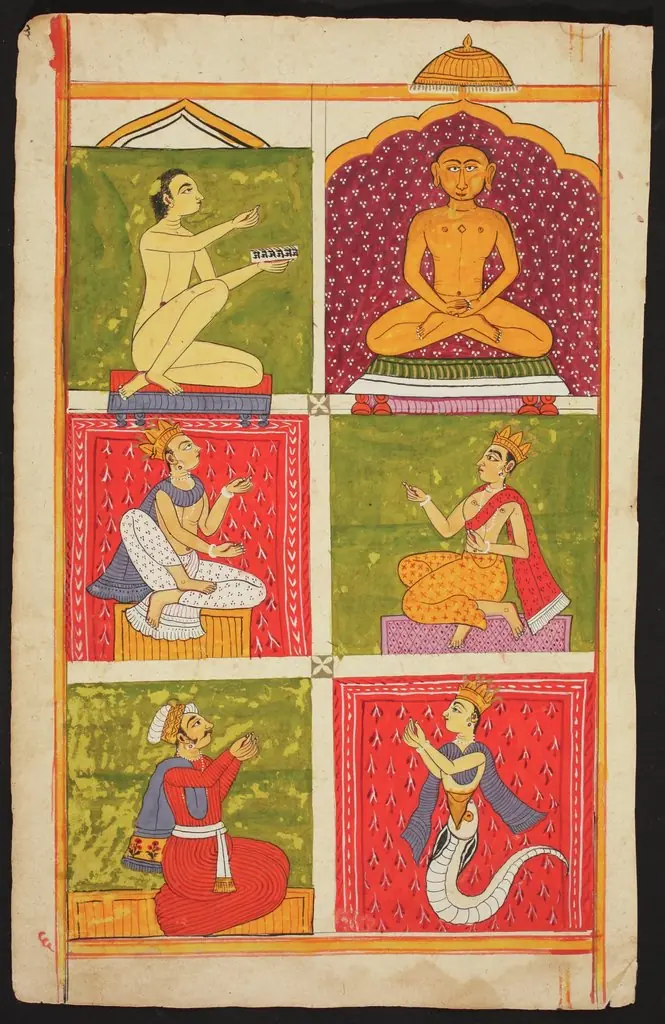 Folio from the Bhaktamara Stotra (“Hymn of the Immortal Devotee”)
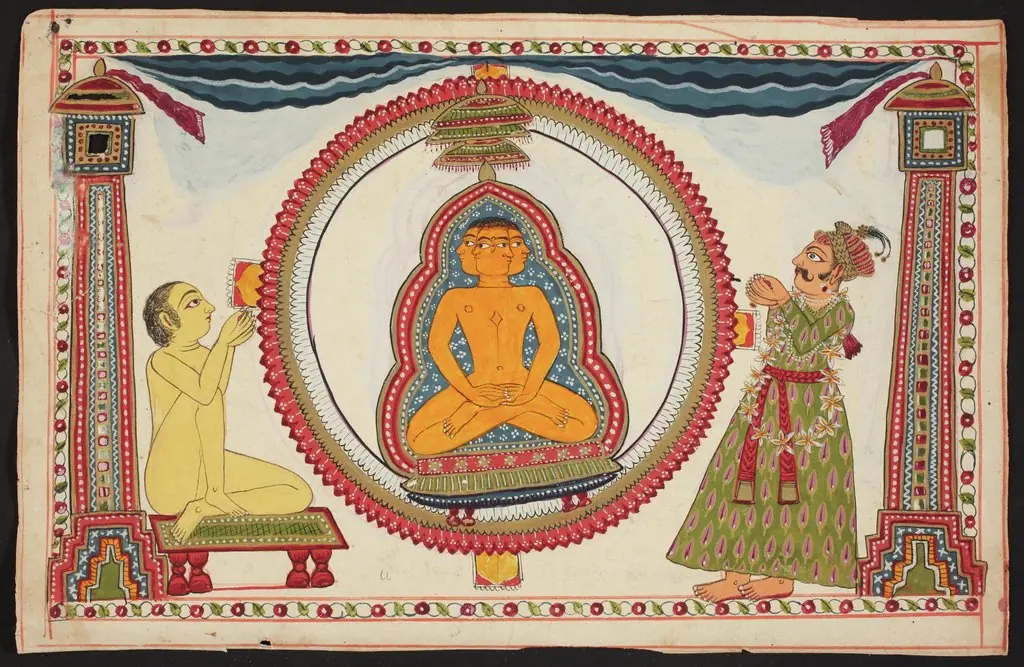 Folio from the Bhaktamara Stotra (“Hymn of the Immortal Devotee”)
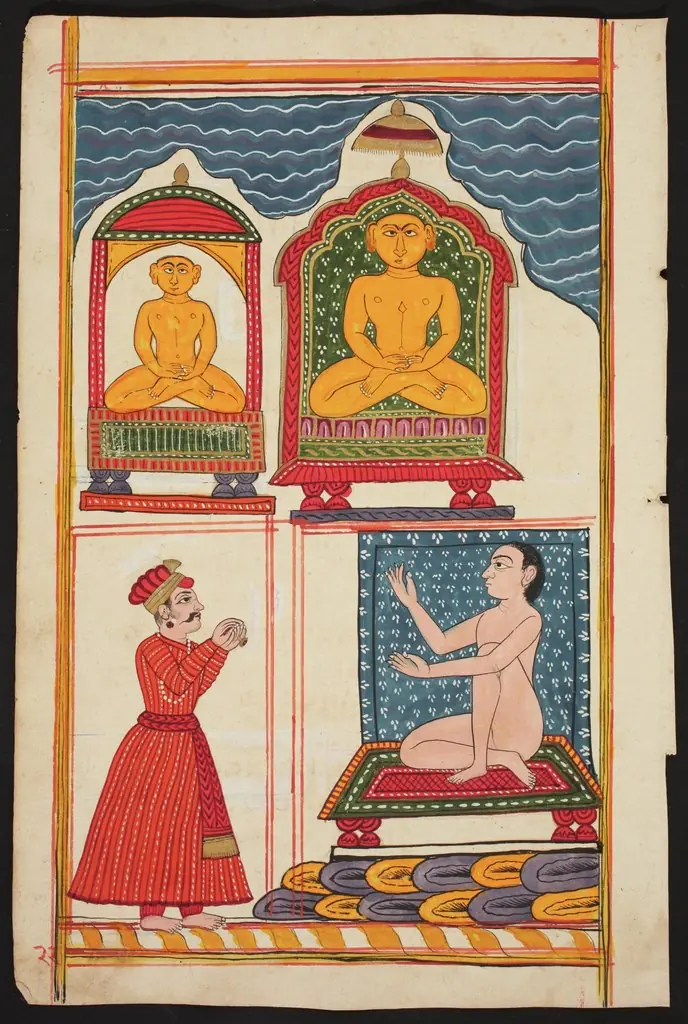 Folio from the Bhaktamara Stotra (“Hymn of the Immortal Devotee”)
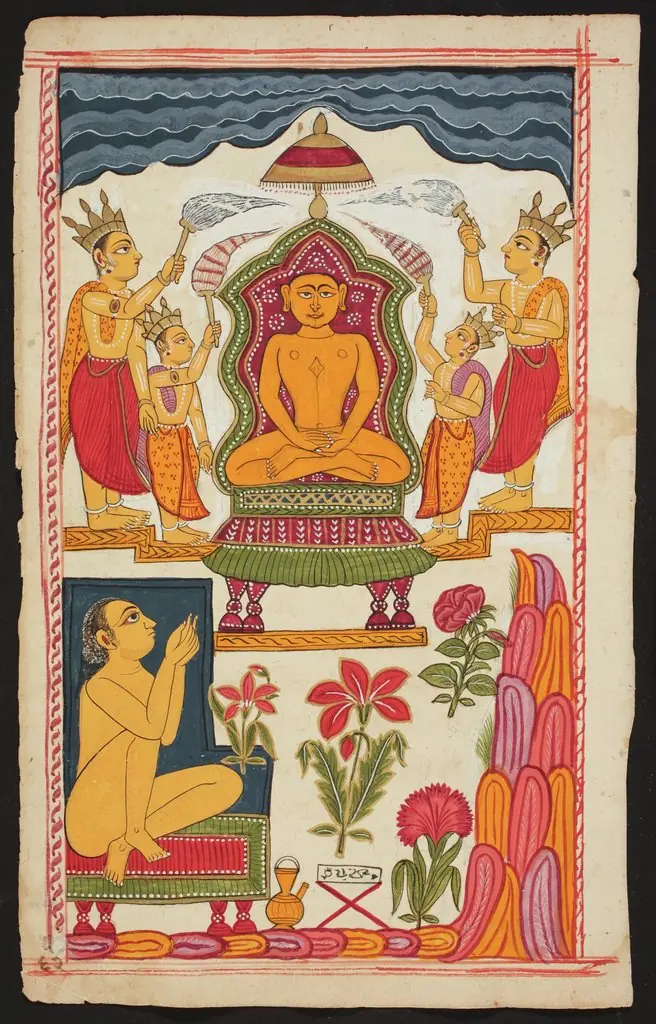 Folio from the Bhaktamara Stotra ("Hymn of the Immortal Devotee")
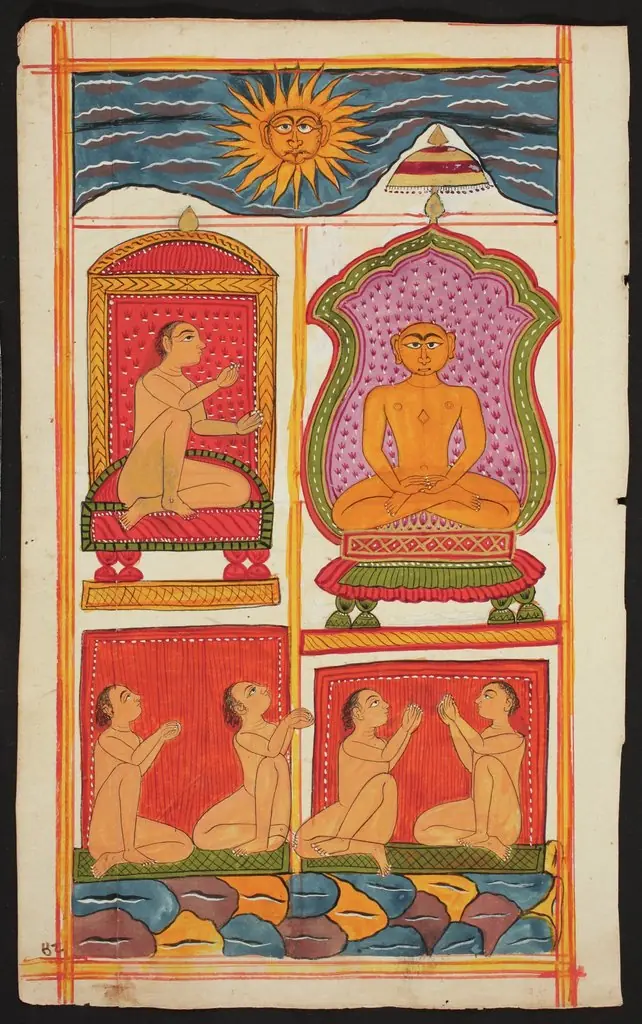 Folio from the Bhaktamara Stotra (“Hymn of the Immortal Devotee”)
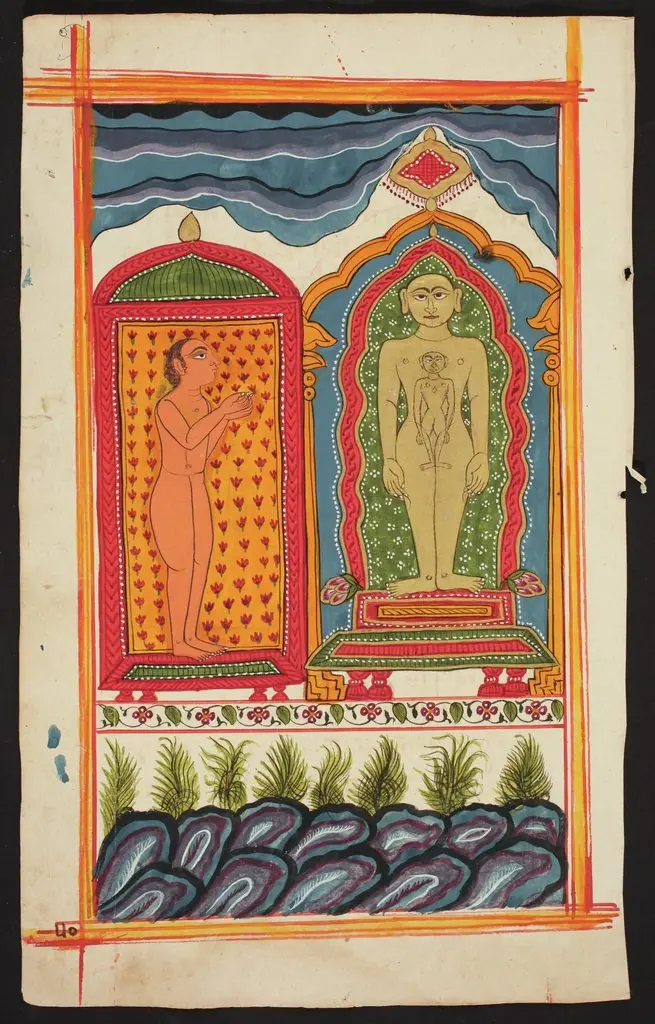 Folio from the Bhaktamara Stotra (“Hymn of the Immortal Devotee”)