Artwork
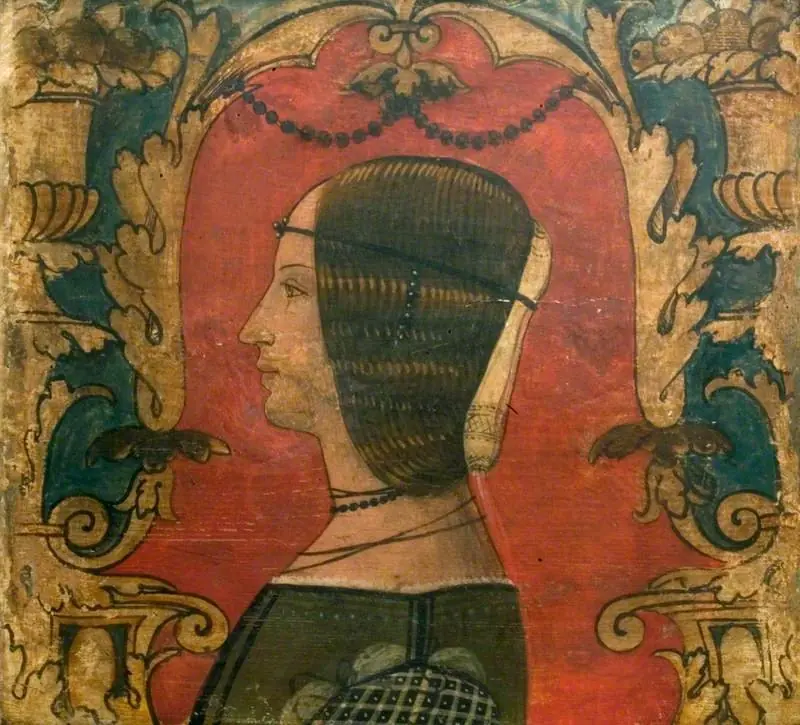
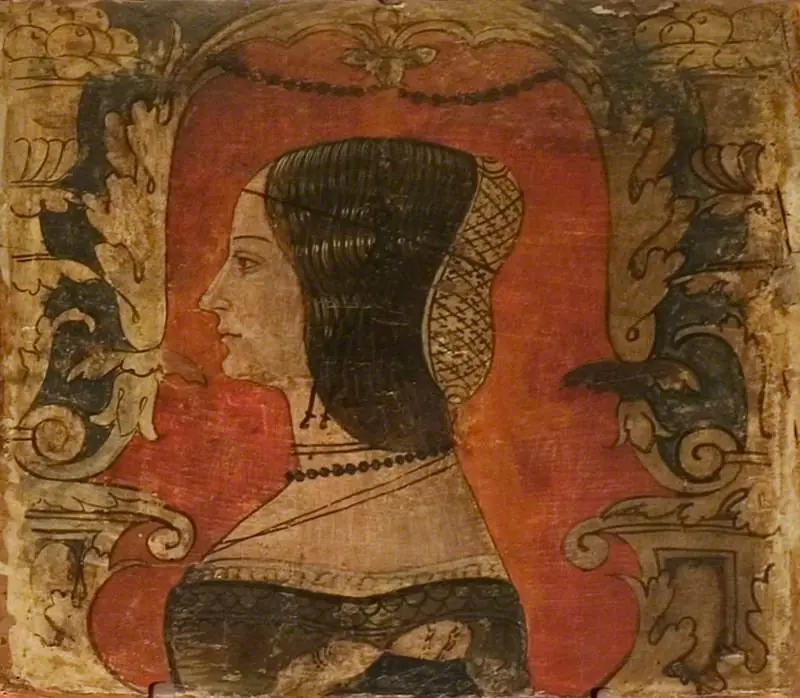
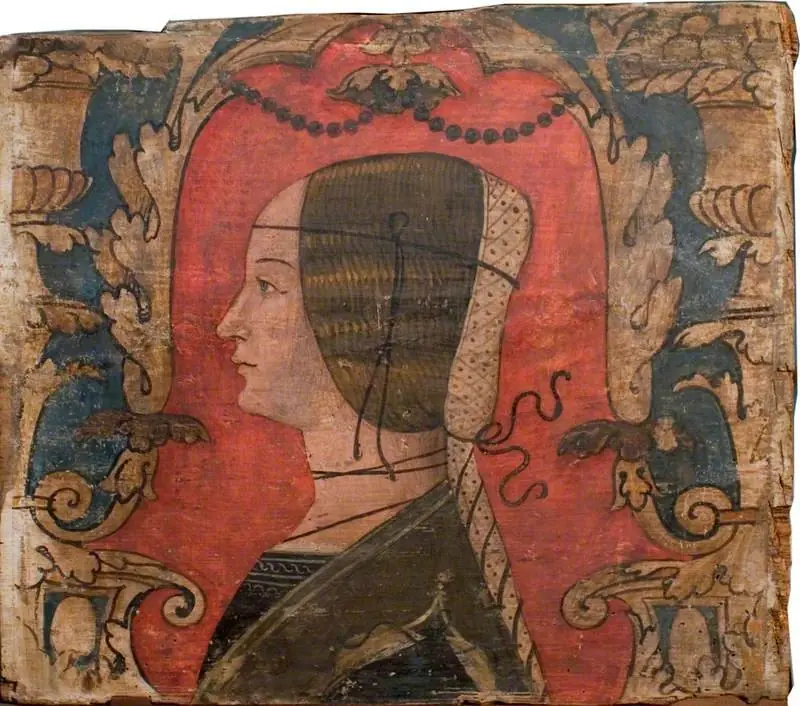
Profile of a Woman Facing Left (one of 29 painted panels from a frieze)
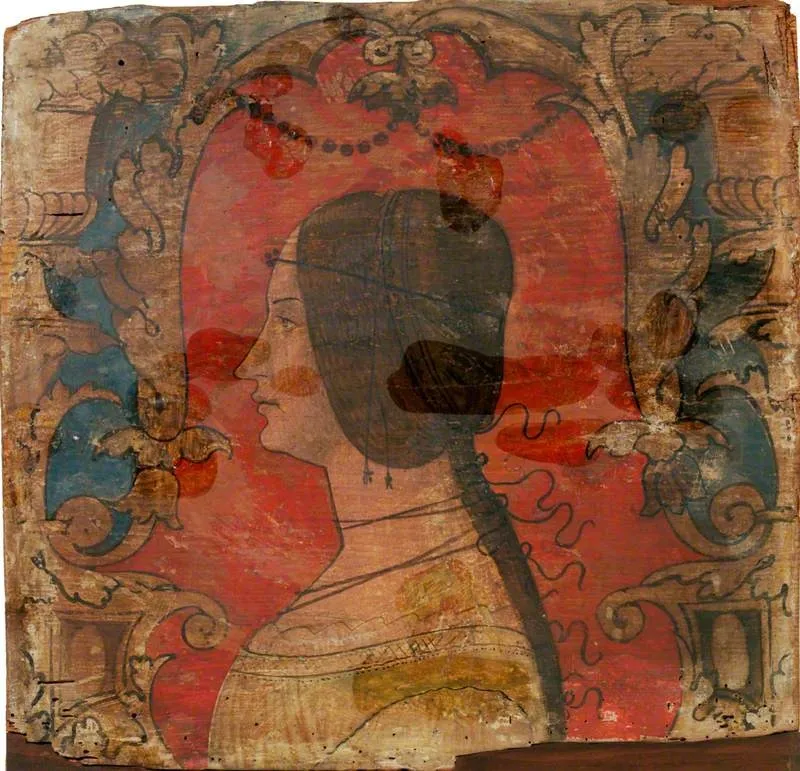
Profile of a Woman Facing Left (one of 29 painted panels from a frieze) is an unspecified painting by the High Renaissance artist Unknown. It dates from 1500 and is held in the collection of the Victoria and Albert Museum. The work is a painted panel depicting a woman in profile, turned toward the left.
About this work
The background of the painting is red, and there are decorative elements around the woman's head.
This painting is a profile of a woman facing left. The woman's head is turned to the left, and her dark hair is pulled back. She is wearing a white dress with a high neckline. The background of the painting is red, and there are decorative elements around the woman's head. The painting is one of 29 panels from a frieze, and it is held at the Victoria and Albert Museum. The artist is unknown, and the medium used to create the painting is not specified. The painting is dated to 1500-01-01, but no specific movement is associated with it.
Overview
The work is a painted panel depicting a woman in profile, turned toward the left. She is shown with dark hair gathered back, dressed in a white, high‑necked garment against a solid red ground. Decorative motifs frame her head, emphasizing the figure. This panel forms part of a larger series of twenty‑nine panels that once composed a continuous frieze, now held by the Victoria and Albert Museum.
Subject & Meaning
The figure represents an idealized female portrait, rendered in a stylised profile that echoes classical conventions of ancient relief sculpture. The white attire and restrained pose suggest a dignified, perhaps allegorical, presence rather than a specific individual. The surrounding ornamentation functions as a visual border, focusing attention on the sitter’s serene expression and reinforcing the panel’s role within a decorative narrative sequence.
Technique & Style
Executed in paint on a flat panel, the image employs a limited palette of white, dark brown for the hair, and a vivid red background. The rendering is flat, with little modelling, reflecting a decorative rather than naturalistic approach typical of early sixteenth‑century panel painting in Northern Europe. The linear contours and stylised hair treatment point to a workshop practice that favored pattern over illusionistic depth.
History & Provenance
The panel dates to around the turn of the sixteenth century, though the precise year remains uncertain. Its creator is unknown, and no documentary evidence links it to a specific workshop or patron. The set of twenty‑nine panels was eventually acquired by the Victoria and Albert Museum, where it is catalogued as part of the museum’s decorative arts collection.
Context
During the early 1500s, painted friezes were popular as interior embellishments in domestic and civic settings, often serving as continuous decorative bands above doorways or along walls. The use of a single, repeated figure in profile aligns with contemporary trends that borrowed from classical motifs while adapting them to the tastes of a Northern European audience. The red ground and ornamental framing echo the visual language of contemporary tapestries and wood panels.
Artist & collection

 Domestic Scene
 Giacomo and Cardinal Marco, investing Andrea, Abbot of San Zeno, with his Benefice
 The Nymph of Fontainebleau
 Portrait of a Woman
 Madonna and Child with Saints in the Enclosed Garden
 Venus and Minerva
 Family Group of Four on Sofa
 Wall painting from Room H of the Villa of P. Fannius Synistor at Boscoreale
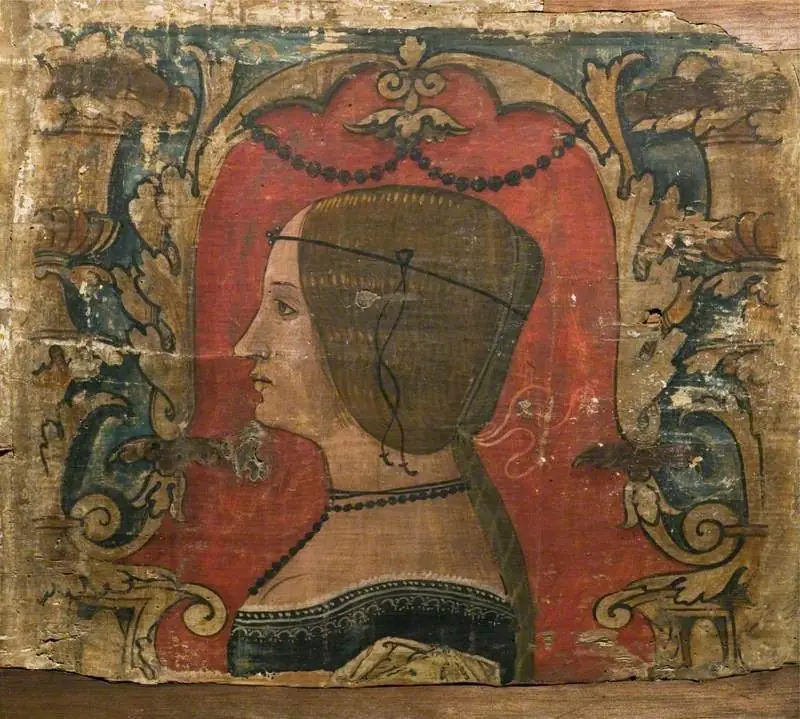 Profile Bust of a Lady Facing Left (one of 29 painted panels from a frieze)
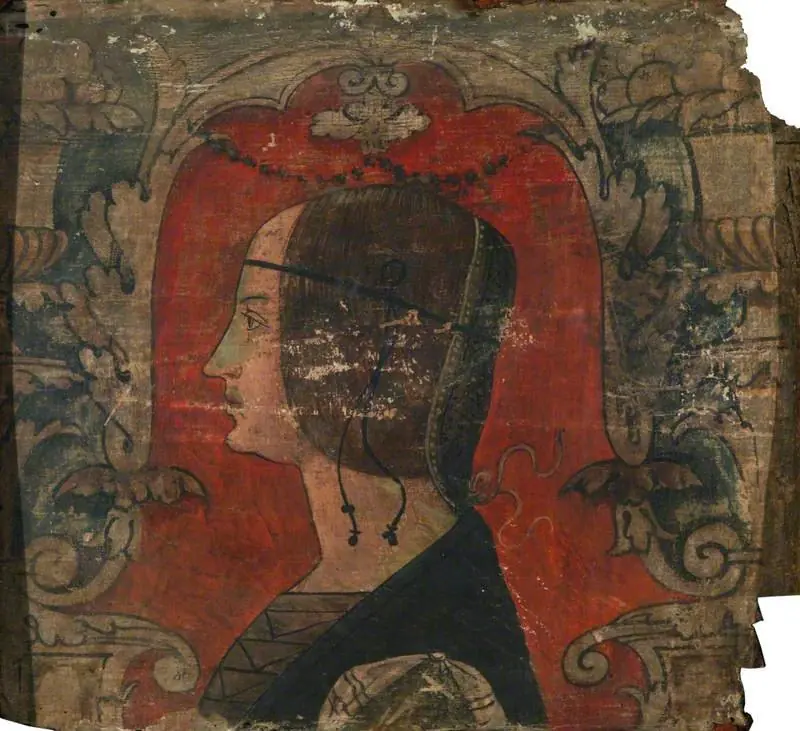 Profile Bust of a Lady Facing Left (one of 29 painted panels from a frieze)
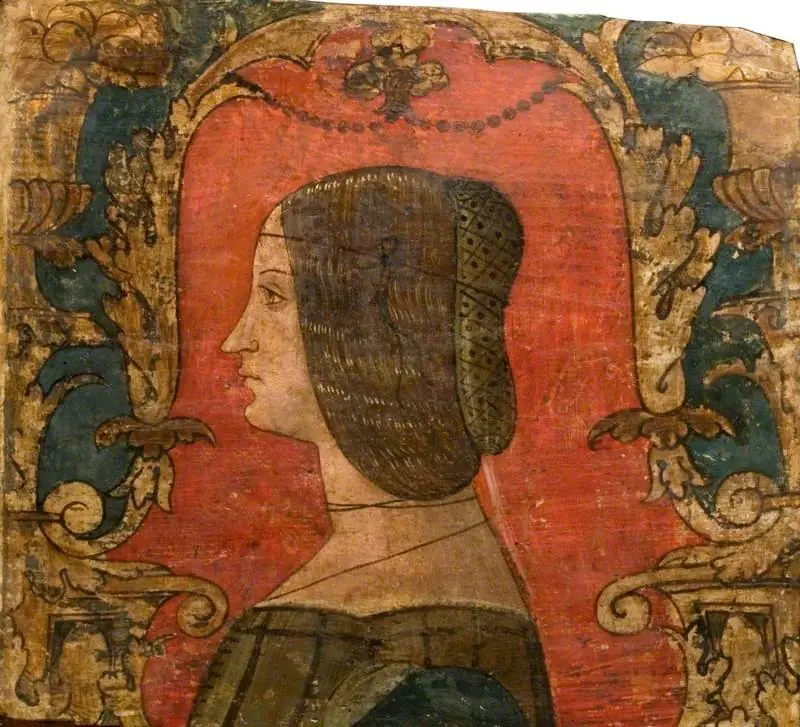 Profile Bust of a Lady Facing Left (one of 29 painted panels from a frieze)
 Profile Bust of a Lady Facing Left (one of 29 painted panels from a frieze)
 Profile Bust of a Lady Facing Left (one of 29 painted panels from a frieze)
 Profile Bust of a Lady Facing Left (one of 29 painted panels from a frieze)
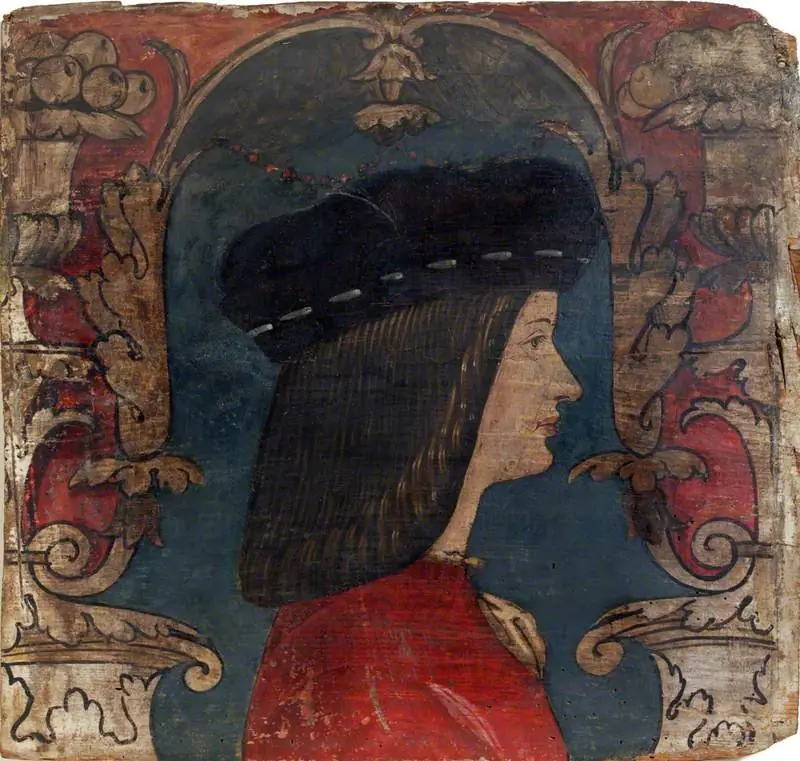 Profile Bust of a Man Facing Right (one of 29 painted panels from a frieze)
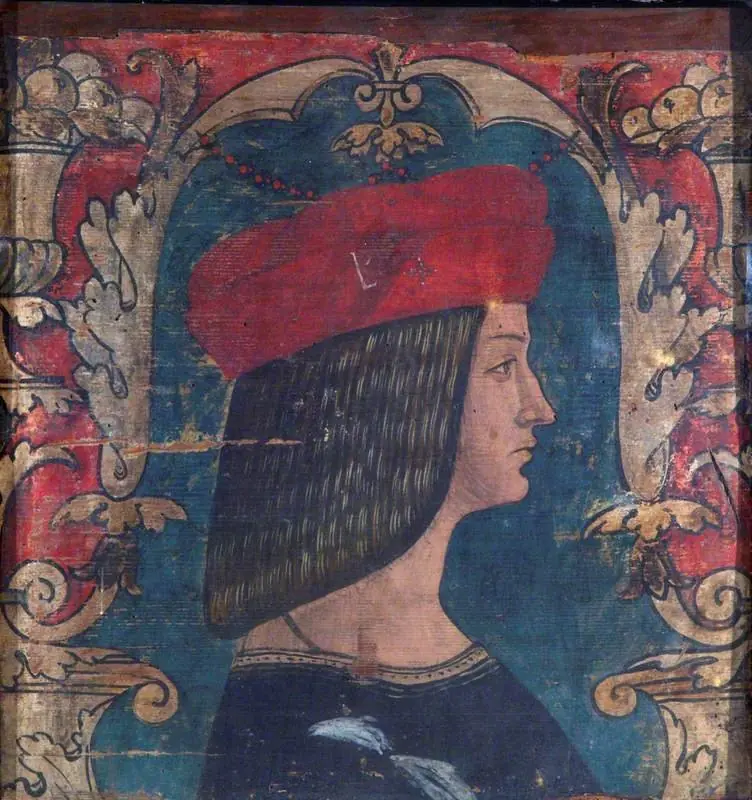 Profile Bust of a Man Facing Right (one of 29 painted panels from a frieze)
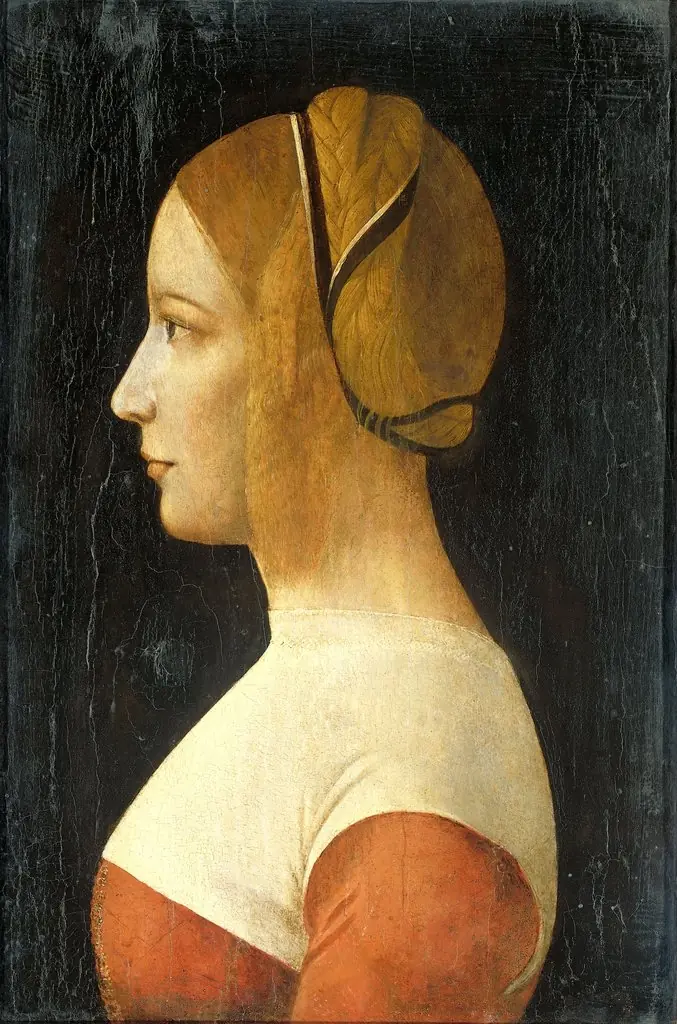 Portrait of a young woman facing left