Artwork
Profile Bust of a Lady Facing Left (one of 29 painted panels from a frieze)
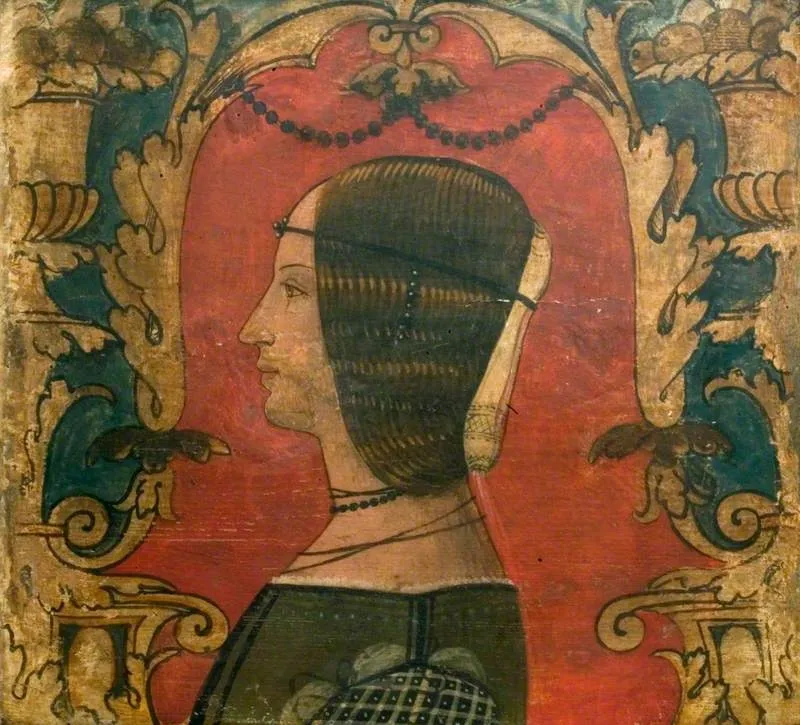
Profile Bust of a Lady Facing Left (one of 29 painted panels from a frieze) is an unspecified painting by the High Renaissance artist Unknown. It dates from 1500 and is held in the collection of the Victoria and Albert Museum. This painted panel is one of twenty-nine from a decorative frieze, depicting a woman in profile facing left.
About this work
Overview
Rendered with restrained detail, the figure is framed by ornamental borders of gold and blue, set against a rich red ground.
This painted panel is one of twenty-nine from a decorative frieze, depicting a woman in profile facing left. Rendered with restrained detail, the figure is framed by ornamental borders of gold and blue, set against a rich red ground. Her posture and attire suggest aristocratic bearing, while the composition emphasizes symmetry and quiet dignity. The work belongs to a series designed for architectural integration, likely part of a larger ceremonial or domestic space.
Subject & Meaning
The subject is a noblewoman, identified only by her refined appearance and adornments. Her dark hair, bound with a slender headband, and the white collar against a dark gown indicate status and modesty. The black necklace adds a touch of formal elegance. The slight turn of her gaze toward the viewer introduces a subtle engagement, possibly signaling presence rather than narrative. The image functions as a portrait of social identity, not individual character.
Technique & Style
The painting employs flat, even planes of color with minimal modeling, typical of late medieval panel painting. Details like the collar and necklace are rendered with precision, while the background ornaments are executed in metallic pigments to catch light. The profile view, common in heraldic and devotional imagery, prioritizes clarity and symbolic presence over naturalism. The limited palette and decorative framing reflect a stylized aesthetic rooted in courtly tradition.
History & Provenance
The panel originates from a frieze likely commissioned for a noble residence or chapel in late 14th-century Italy. Its survival among twenty-eight others suggests it was preserved as part of a cohesive decorative scheme. The work passed through private collections before entering a public collection, where it was recognized as part of a rare surviving ensemble of secular painted panels from the period.
Context
Created during a time when secular portraiture was emerging alongside religious imagery, this panel reflects the growing emphasis on individual status in aristocratic circles. Similar friezes adorned walls in Italian courts, blending heraldic symbolism with personal representation. The use of gold and blue pigments, costly and labor-intensive, underscores the patron’s wealth and the panel’s role in projecting authority within domestic architecture.
Legacy
As one of the few surviving secular painted friezes from the late Middle Ages, this panel offers insight into early portrait conventions outside religious contexts. Its preservation allows study of how identity was visually encoded in non-narrative formats. Though not widely known, it contributes to understanding the transition from symbolic representation to more individualized portraiture in Renaissance Italy.
Artist & collection

 Domestic Scene
 Giacomo and Cardinal Marco, investing Andrea, Abbot of San Zeno, with his Benefice
 The Nymph of Fontainebleau
 Portrait of a Woman
 Madonna and Child with Saints in the Enclosed Garden
 Venus and Minerva
 Family Group of Four on Sofa
 Wall painting from Room H of the Villa of P. Fannius Synistor at Boscoreale
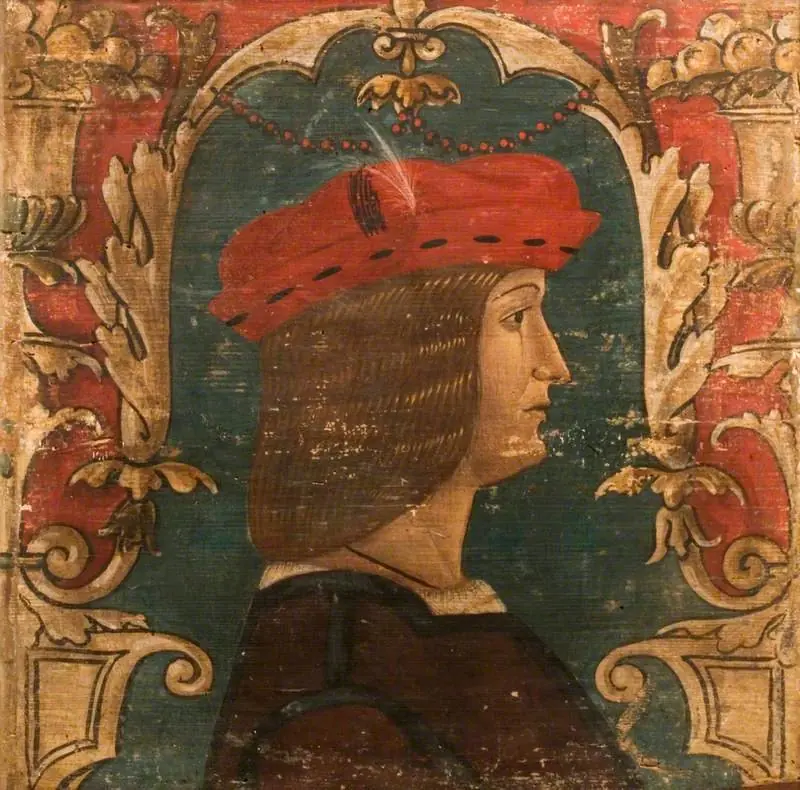 Profile Bust of a Man Facing Right (one of 29 painted panels from a frieze)
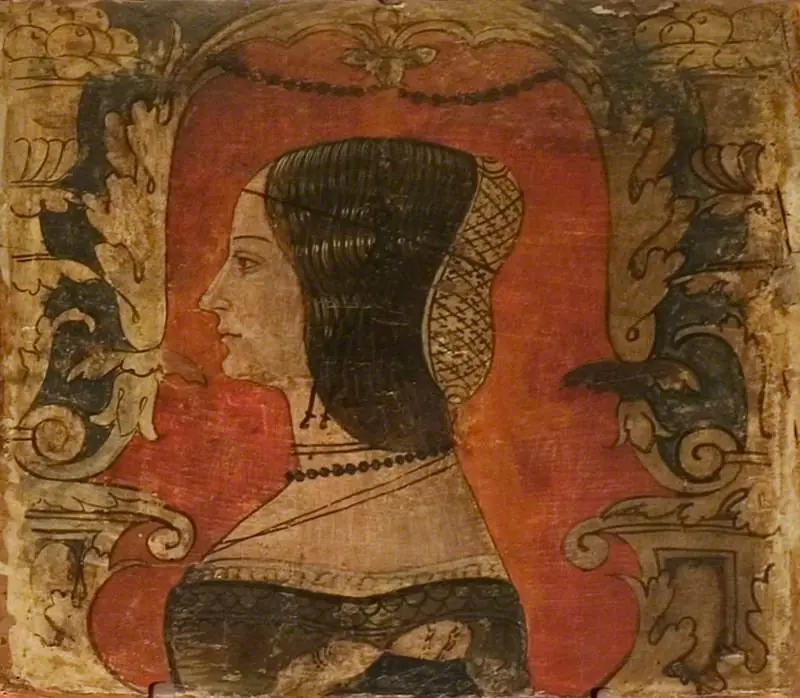 Profile Bust of a Lady Facing Left (one of 29 painted panels from a frieze)
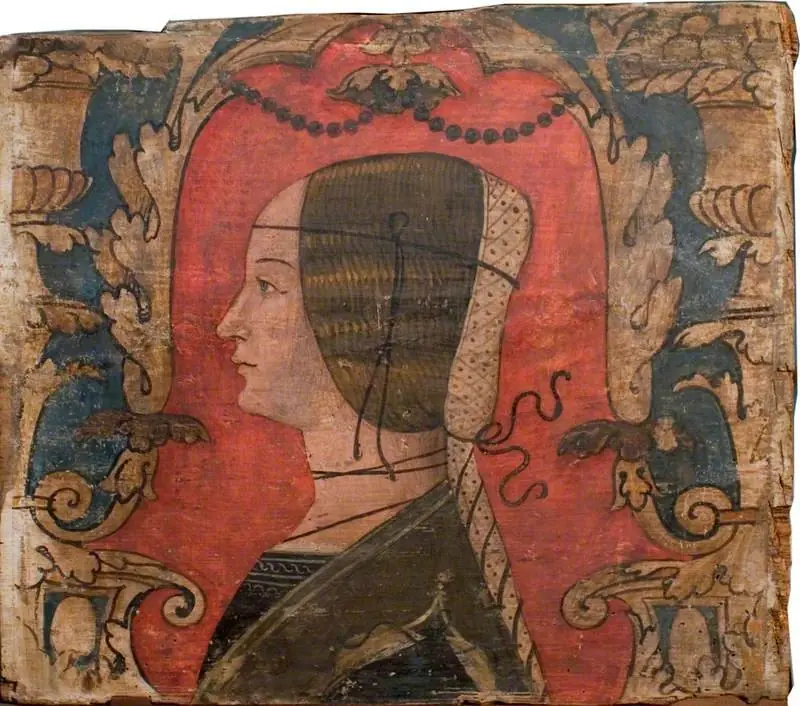 Profile Bust of a Lady Facing Left (one of 29 painted panels from a frieze)
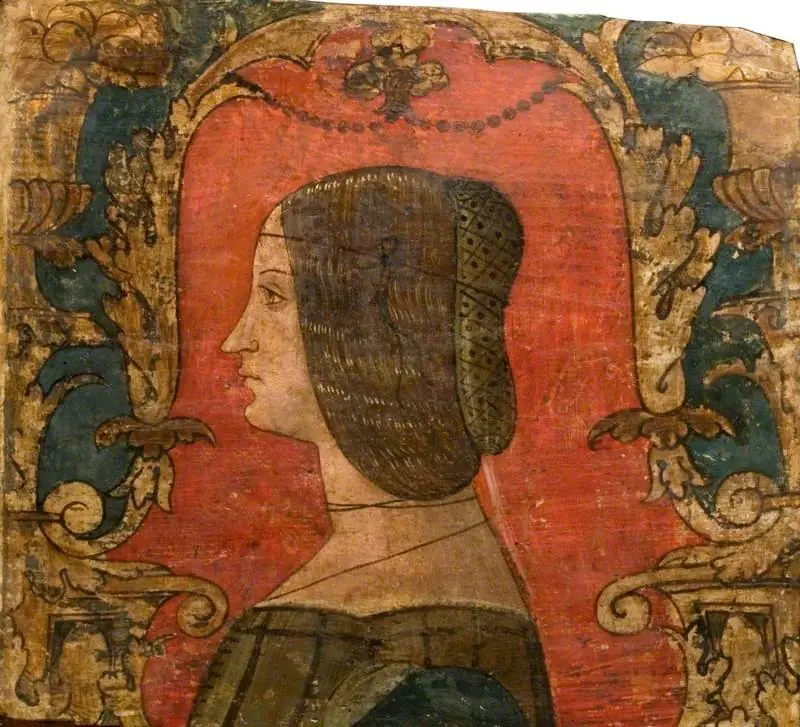 Profile Bust of a Lady Facing Left (one of 29 painted panels from a frieze)
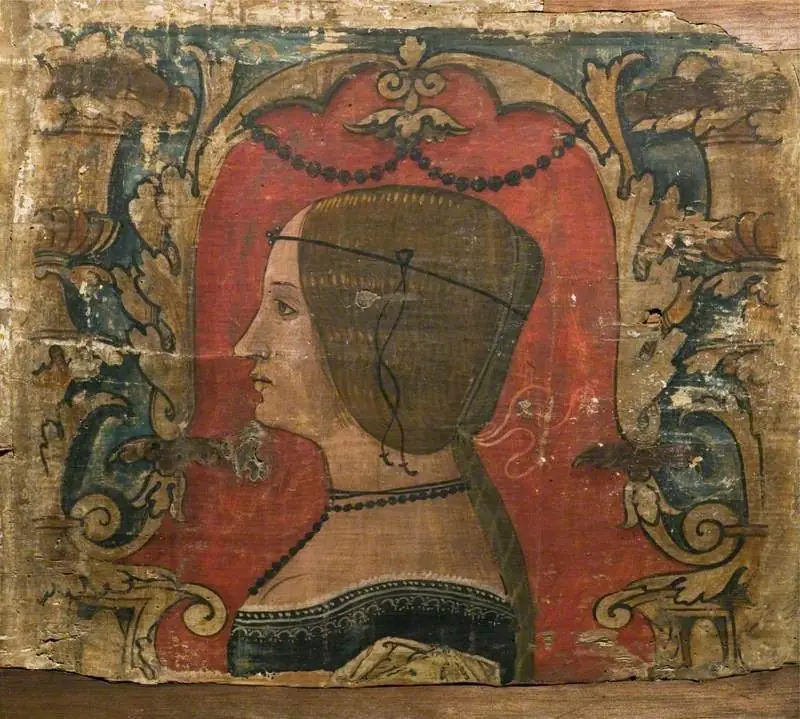 Profile Bust of a Lady Facing Left (one of 29 painted panels from a frieze)
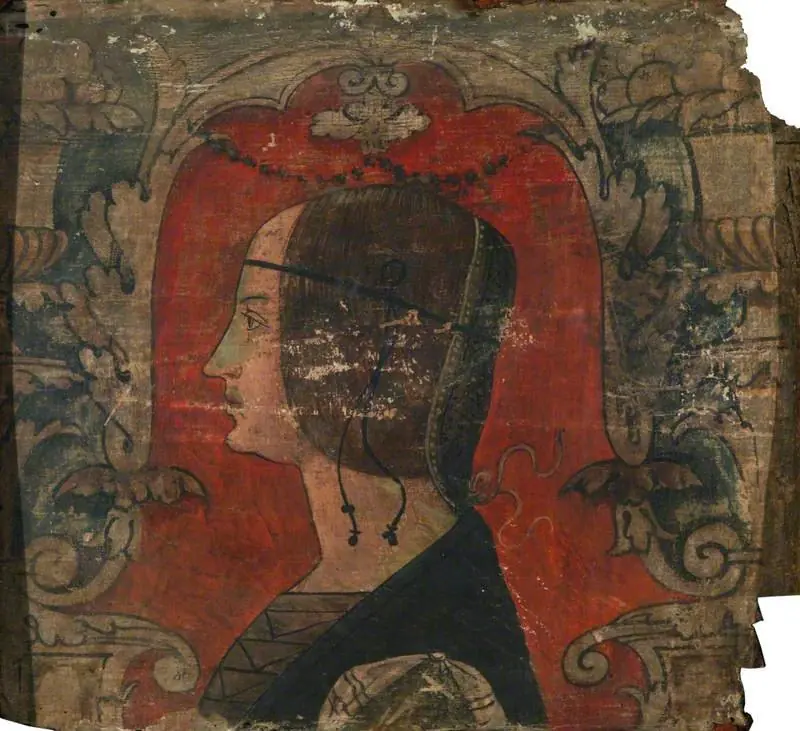 Profile Bust of a Lady Facing Left (one of 29 painted panels from a frieze)
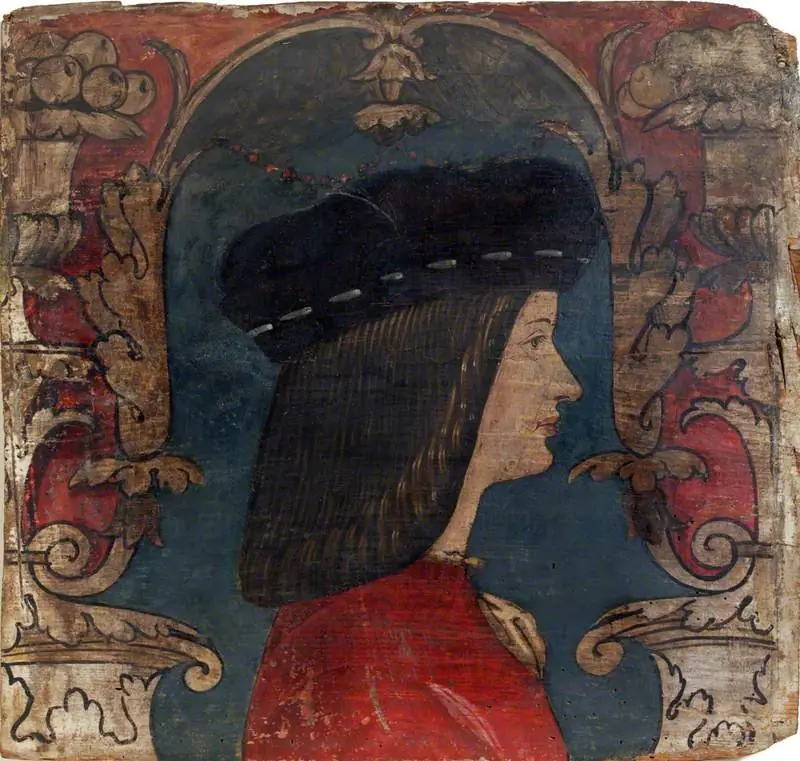 Profile Bust of a Man Facing Right (one of 29 painted panels from a frieze)
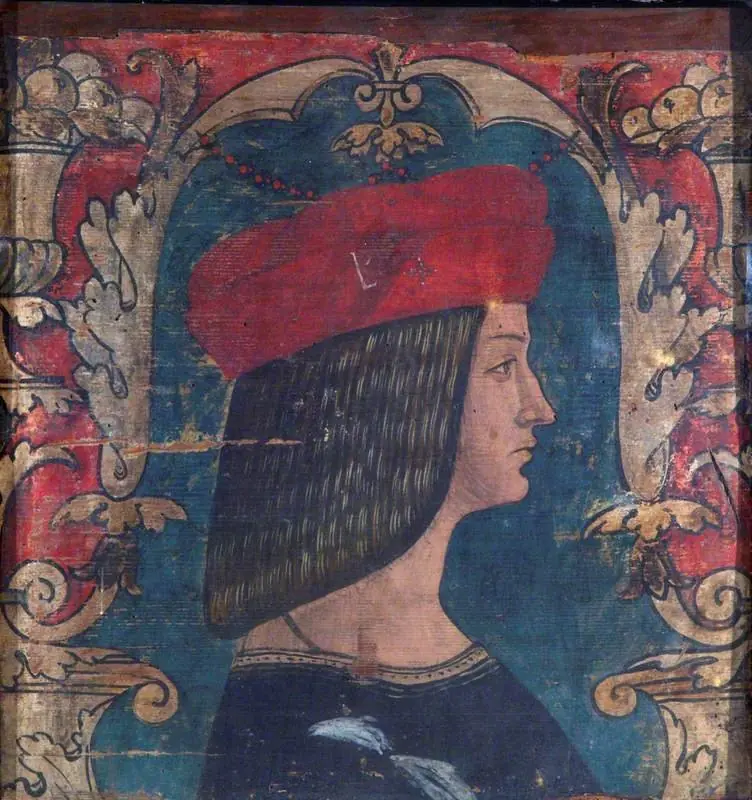 Profile Bust of a Man Facing Right (one of 29 painted panels from a frieze)
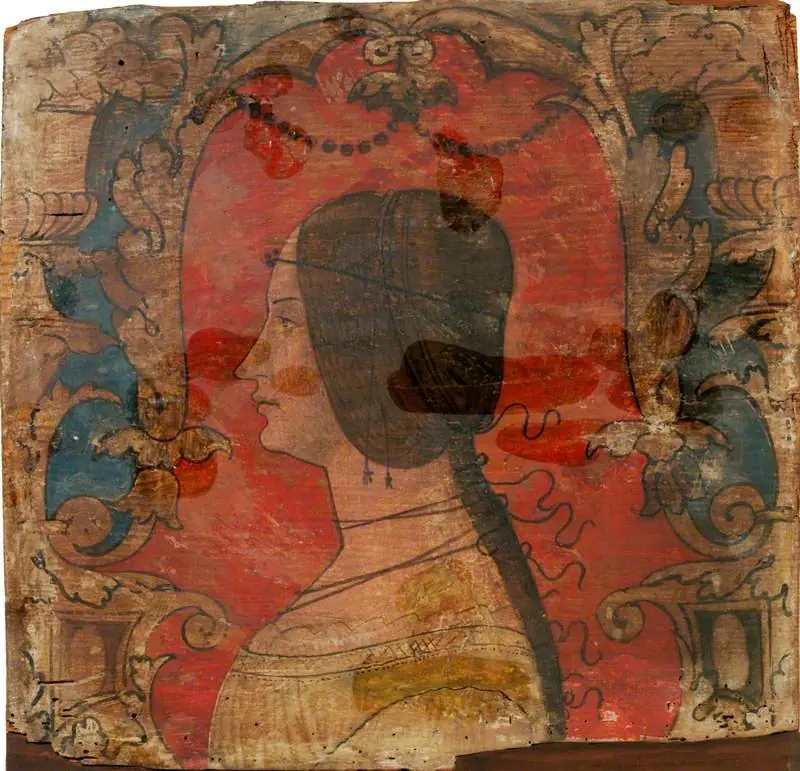 Profile of a Woman Facing Left (one of 29 painted panels from a frieze)
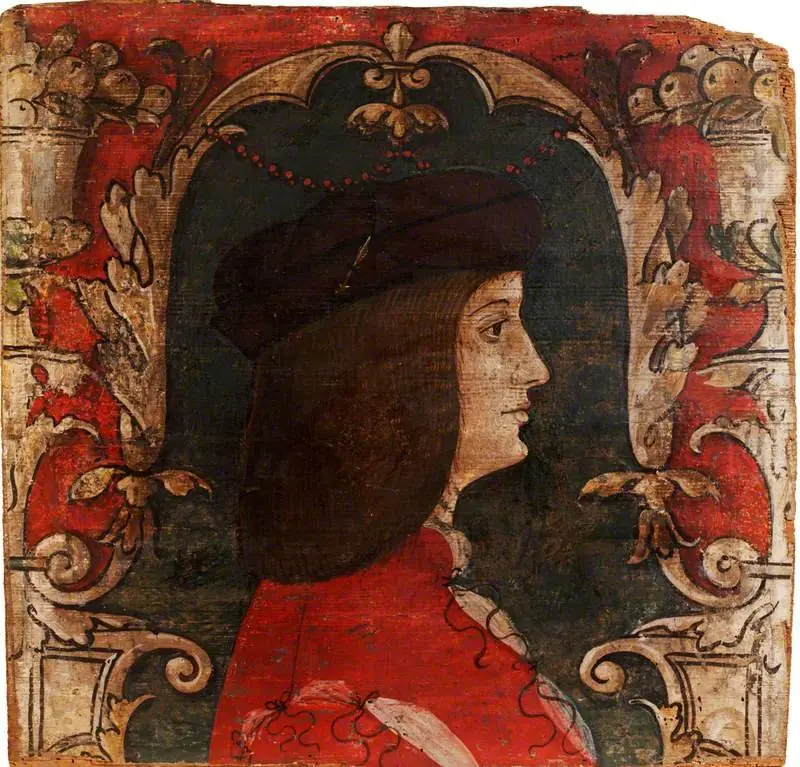 Profile Bust of a Man Facing Right (one of 29 painted panels from a frieze)
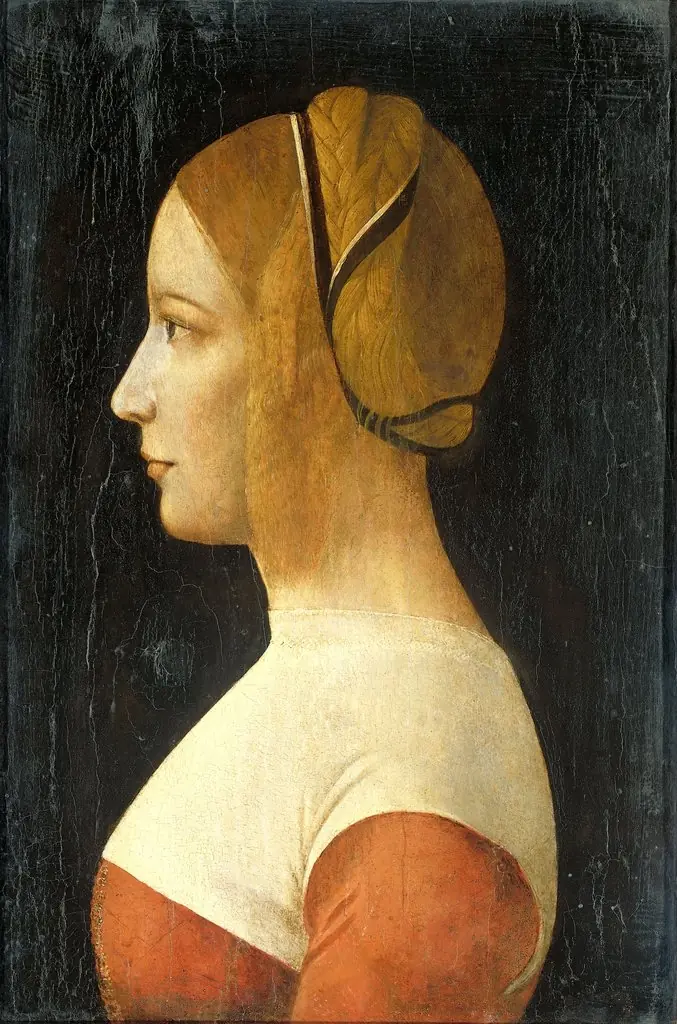 Portrait of a young woman facing left
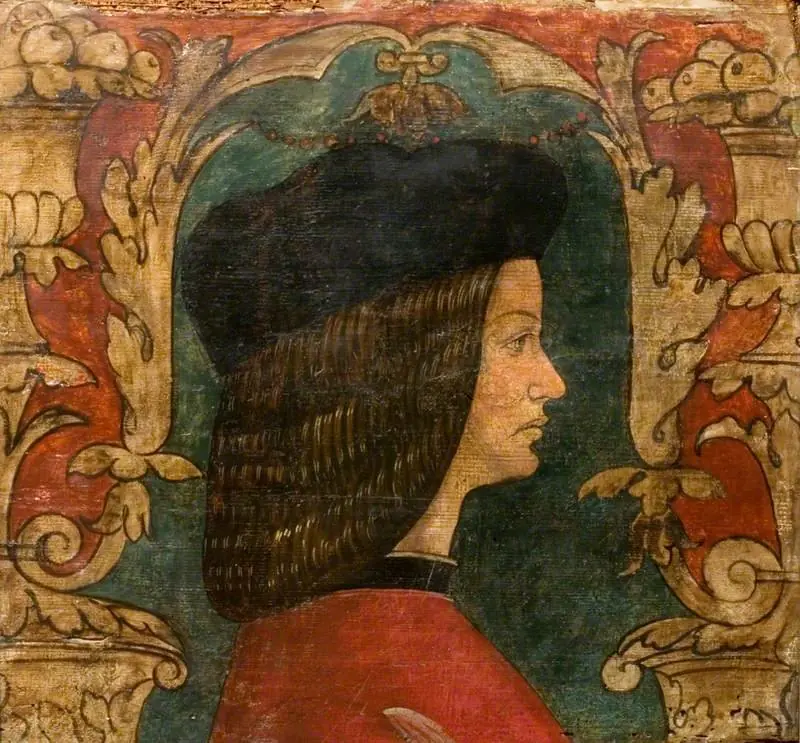 Profile Bust of a Man Facing Right (one of 29 painted panels from a frieze)