Artwork
Tantric Manuscript "Sangrahani Sutra"
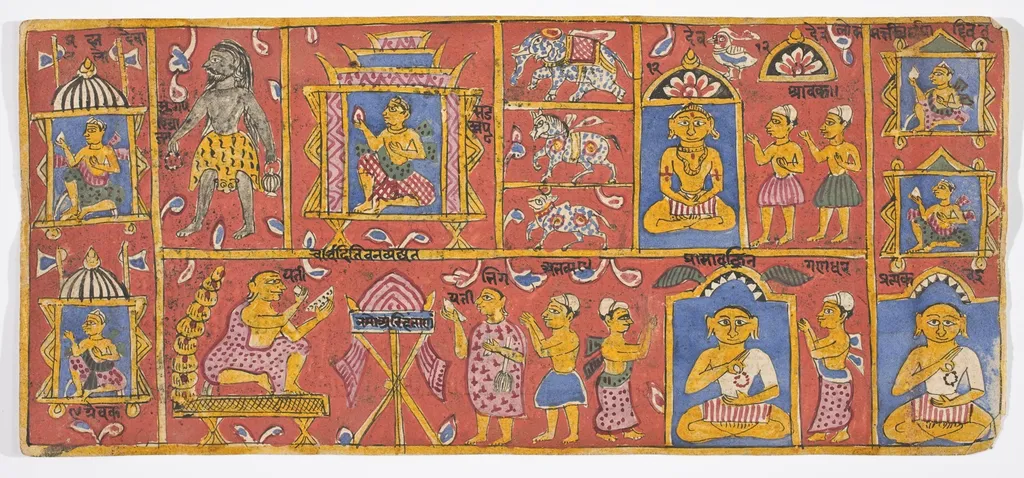
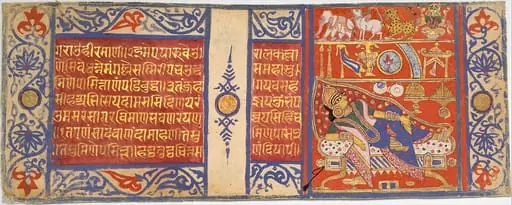
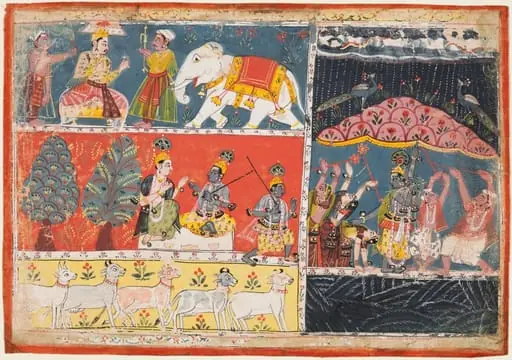
Tantric Manuscript "Sangrahani Sutra" is an unspecified painting by Unknown. It is held in the collection of the Detroit Institute of Arts.
About this work
Overview
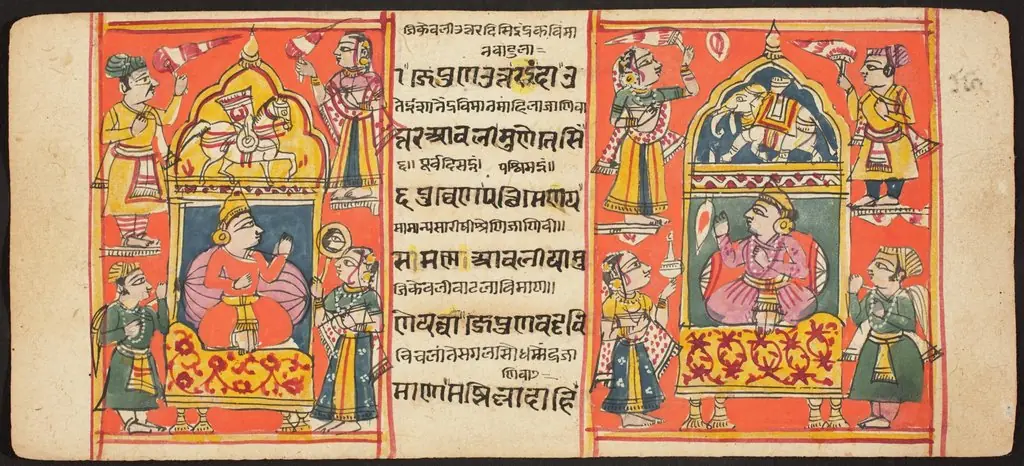
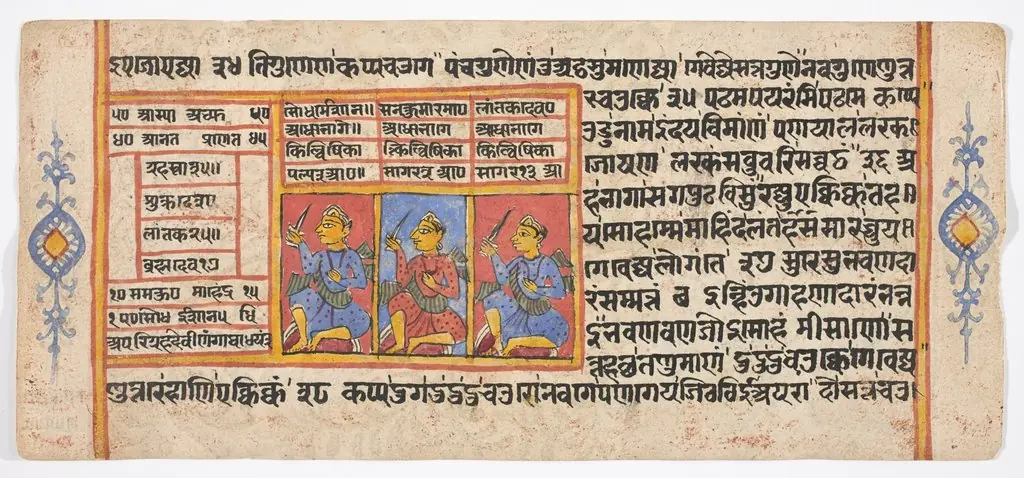
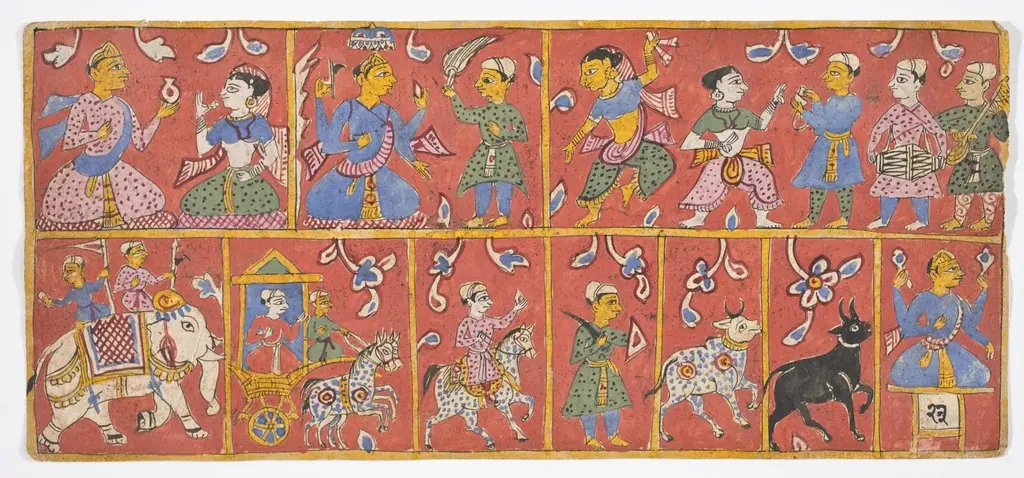
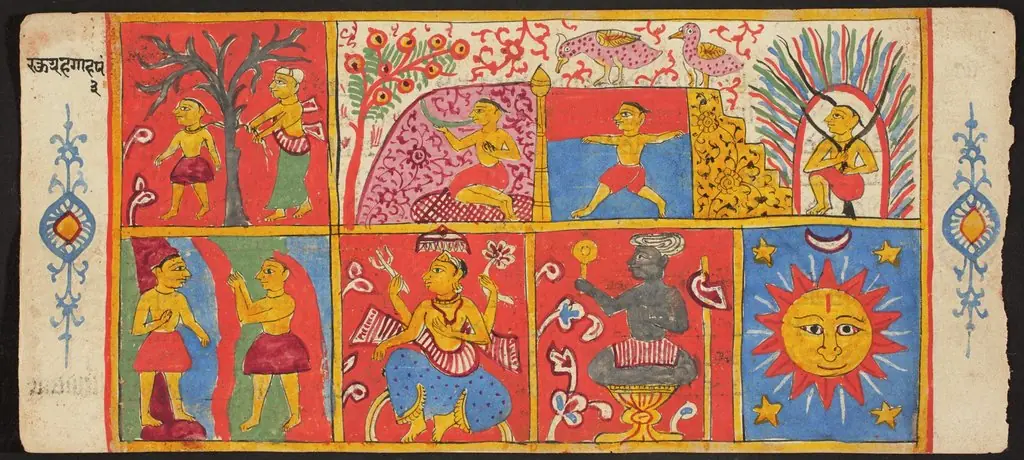
A painted manuscript page from the Sangrahani Sutra, produced in medieval India, exemplifies the integration of Buddhist doctrinal texts with visual symbolism.
A painted manuscript page from the Sangrahani Sutra, produced in medieval India, exemplifies the integration of Buddhist doctrinal texts with visual symbolism. Created on palm leaf or paper, it served as a devotional and instructional object within esoteric Buddhist traditions. The work combines scriptural content with intricate iconography, reflecting the ritual importance of both word and image in tantric practice.
Subject & Meaning
The Sangrahani Sutra depicts deities and mandalic forms central to tantric Buddhism, illustrating principles of cosmic order and meditative realization. Figures are arranged according to symbolic geometry, representing the union of wisdom and method. Each element—posture, color, gesture—encodes spiritual states, guiding practitioners through visualization practices essential to tantric path.
Technique & Style
The painting employs mineral pigments and fine brushwork, typical of Indian manuscript illumination. Lines are precise, compositions tightly structured, and colors muted yet deliberate, avoiding naturalism in favor of symbolic clarity. Gold accents highlight sacred elements, while the layout mirrors textual hierarchy, ensuring visual rhythm aligns with liturgical recitation.
History & Provenance
This manuscript likely originated in eastern India during the Pala or Sena period, between the 8th and 12th centuries. It was probably produced in a monastic scriptorium, used by monks for ritual study. Surviving fragments suggest it traveled with monastic communities, possibly to Nepal or Tibet, where tantric traditions were preserved after Buddhism’s decline in India.
Context
Produced during a time when tantric Buddhism flourished in monastic centers of Bihar and Bengal, the manuscript reflects a broader cultural shift toward esoteric practices. It coexisted with elaborate temple sculpture and ritual texts, serving as a portable aid for meditation. Its creation required collaboration between scribes, painters, and ritual specialists, underscoring the institutional support for such works.
Legacy
Though few intact examples survive, this type of manuscript influenced later Himalayan thangka painting and Tibetan textual illustration. Its visual language became a model for transmitting tantric doctrine across regions. Modern scholarship recognizes it as a key artifact in understanding how abstract Buddhist philosophy was rendered tangible through art.
Artist & collection

 Domestic Scene
 Giacomo and Cardinal Marco, investing Andrea, Abbot of San Zeno, with his Benefice
 The Nymph of Fontainebleau
 Portrait of a Woman
 Madonna and Child with Saints in the Enclosed Garden
 Venus and Minerva
 Family Group of Four on Sofa
 Wall painting from Room H of the Villa of P. Fannius Synistor at Boscoreale
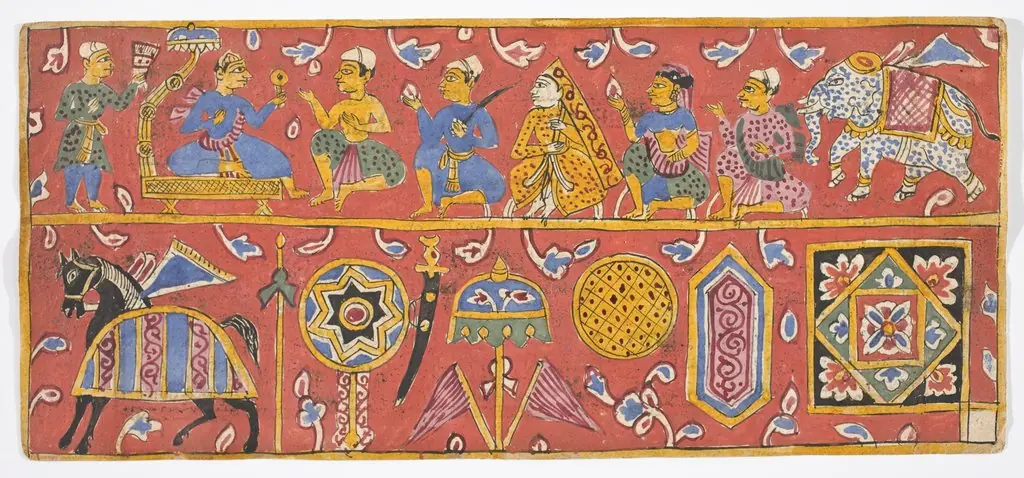 Tantric Manuscript "Sangrahani Sutra"
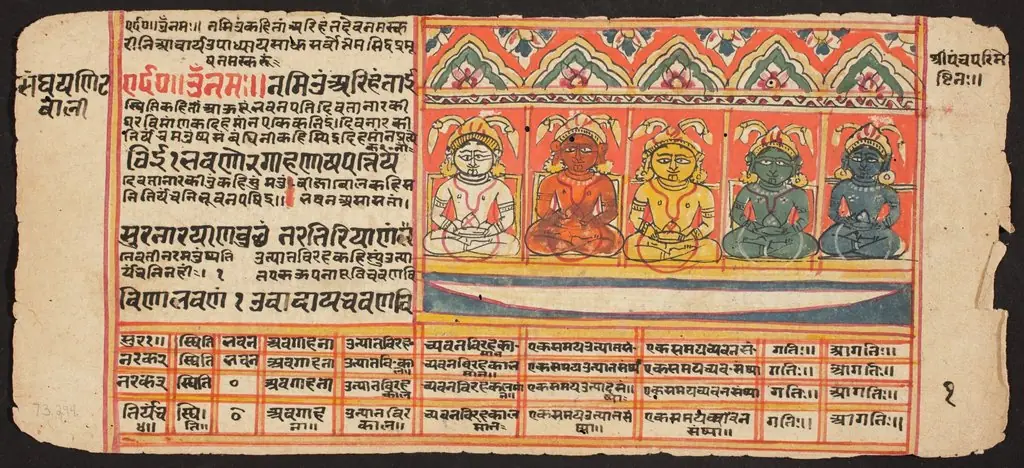 Tantric Manuscript "Sangrahani Sutra"
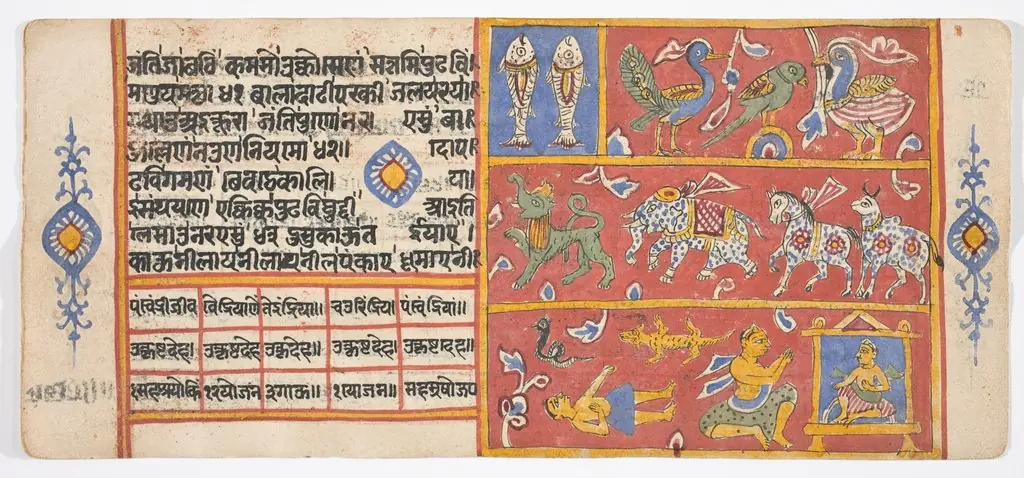 Tantric Manuscript "Sangrahani Sutra"
 Tantric Manuscript "Sangrahani Sutra"
 Tantric Manuscript "Sangrahani Sutra"
 Tantric Manuscript "Sangrahani Sutra"
 Tantric Manuscript "Sangrahani Sutra"
 Untitled
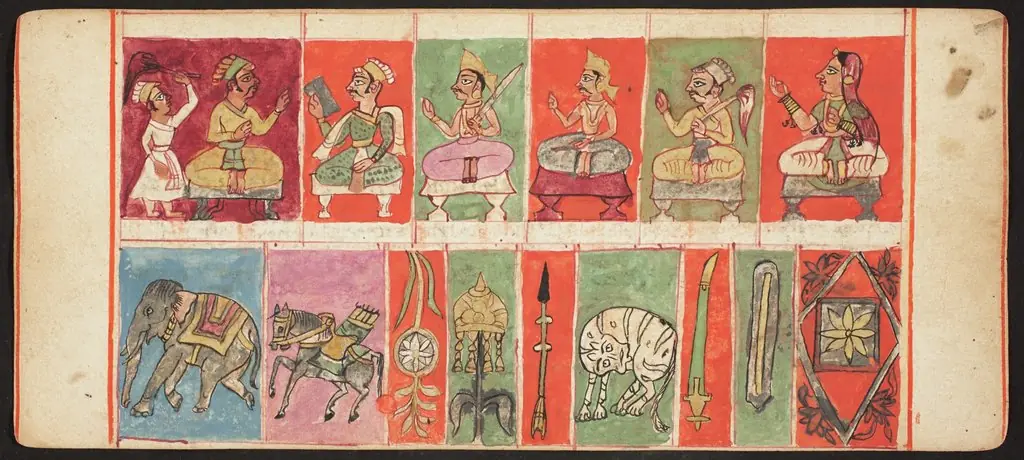 Tantric Manuscript, "Sangrahani Sutra"
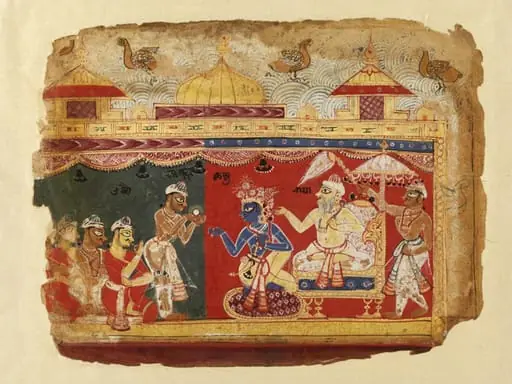 Akrura and Krishna
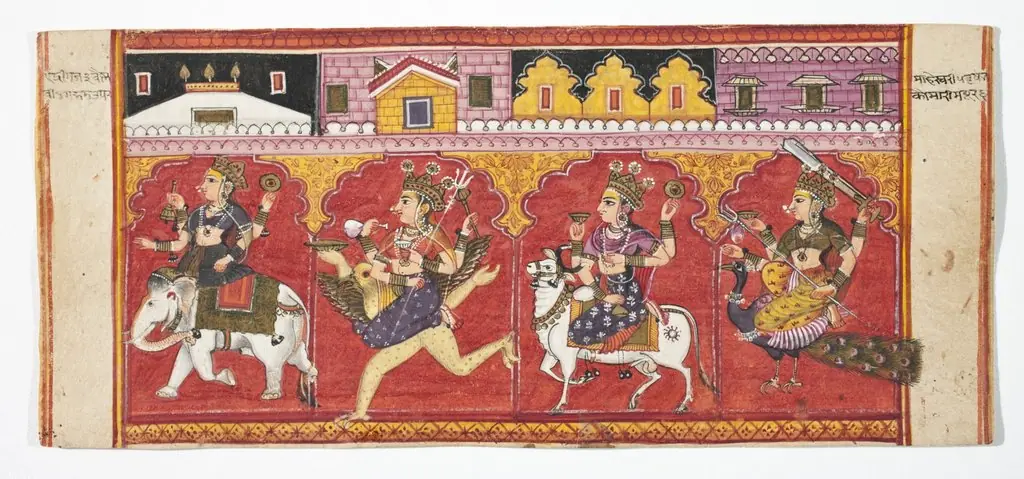 Legend of Durga
 Krishna Lifts Mount Govardhan, from a Bhagavata Purana