Artwork
Portrait of Marie Louise-Elisabeth d'Orléans
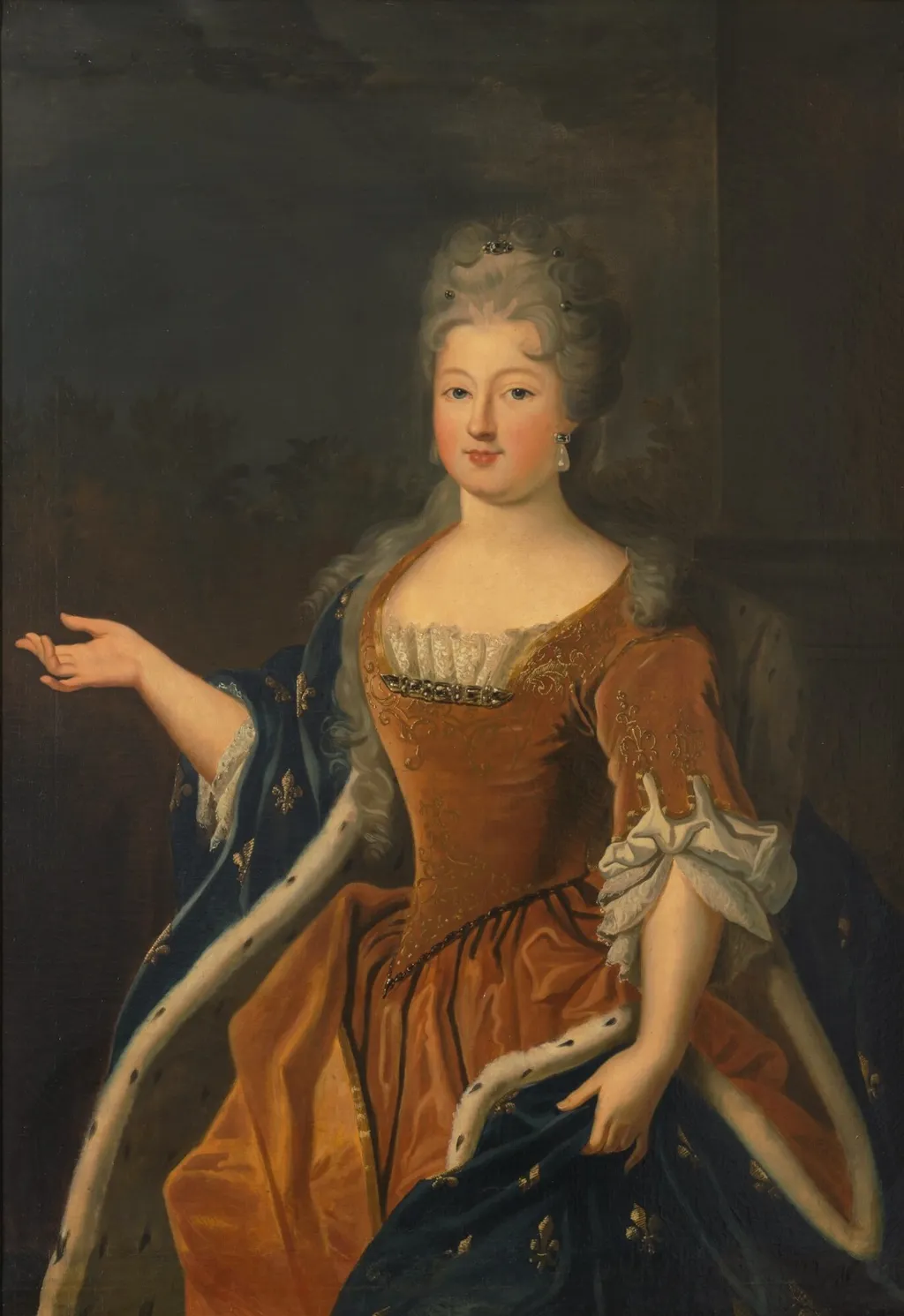
Portrait of Marie Louise-Elisabeth d'Orléans is an oil painting by Auguste de Châtillon. It dates from 1838 and is held in the collection of the Palace of Versailles. This oil painting, completed in 1838, depicts Marie Louise-Elisabeth d'Orléans, a member of the French royal family.
About this work
Overview
Created by Auguste de Châtillon, a lesser-known artist linked to Parisian literary circles, the portrait is part of the Palace of Versailles collection.
This oil painting, completed in 1838, depicts Marie Louise-Elisabeth d'Orléans, a member of the French royal family. Created by Auguste de Châtillon, a lesser-known artist linked to Parisian literary circles, the portrait is part of the Palace of Versailles collection. It exemplifies early 19th-century French portraiture, emphasizing aristocratic presence through careful attention to costume and posture.
Subject & Meaning
Marie Louise-Elisabeth d'Orléans, Duchess of Berry, is portrayed with composed dignity, her extended right hand suggesting grace rather than gesture. The elaborate dress and ornate accessories signal her status within the Bourbon-Orléans branch. The restrained background focuses attention on her figure, reinforcing the portrait’s function as a visual assertion of noble identity during a period of political transition in France.
Technique & Style
Châtillon employs rich, saturated colors—particularly the orange gown and gold embroidery—to draw the eye, while the dark, neutral background enhances the subject’s luminosity. The brushwork is precise in rendering fabric textures and jewelry, yet softer in the rendering of skin and hair. The composition is formal but not rigid, balancing elegance with a subtle naturalism in the sitter’s expression and posture.
History & Provenance
Painted in 1838, the portrait entered the Palace of Versailles collection shortly after its completion. Its preservation there reflects the continued cultural significance of the Orléans family despite their diminished political power after the July Monarchy. The work remained largely unremarked upon in public scholarship until recent efforts to document lesser-known royal portraits in the museum’s holdings.
Context
Created during the reign of Louis-Philippe, the portrait reflects the lingering influence of pre-revolutionary aristocratic aesthetics amid a shifting social order. Châtillon, though associated with bohemian literary groups, was commissioned by royal patrons, illustrating the blurred boundaries between artistic subcultures and institutional power in post-Napoleonic France.
Legacy
The portrait remains a quiet example of early 19th-century French portraiture, valued for its documentation of royal dress and demeanor rather than its artistic innovation. While Châtillon’s broader oeuvre is obscure, this work endures as a material record of a noblewoman’s public image during a time of dynastic uncertainty.
Artist & collection
Artist
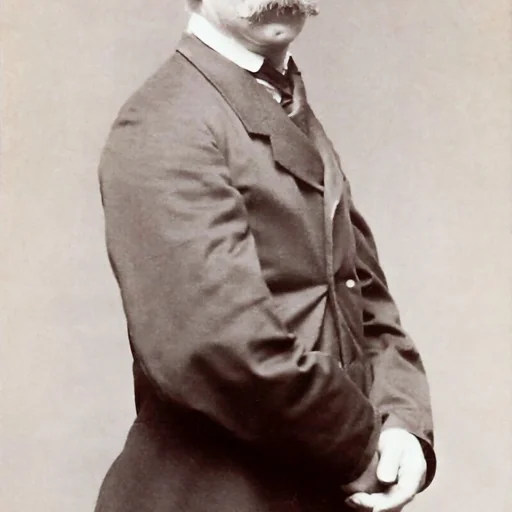
Auguste de Châtillon (29 January 1808 – 26 March 1881) was a French painter, sculptor and poet. He was born and died in Paris. He, Théophile Gautier, Gérard de Nerval and Arsène Houssaye formed the "bohème du Doyenné".

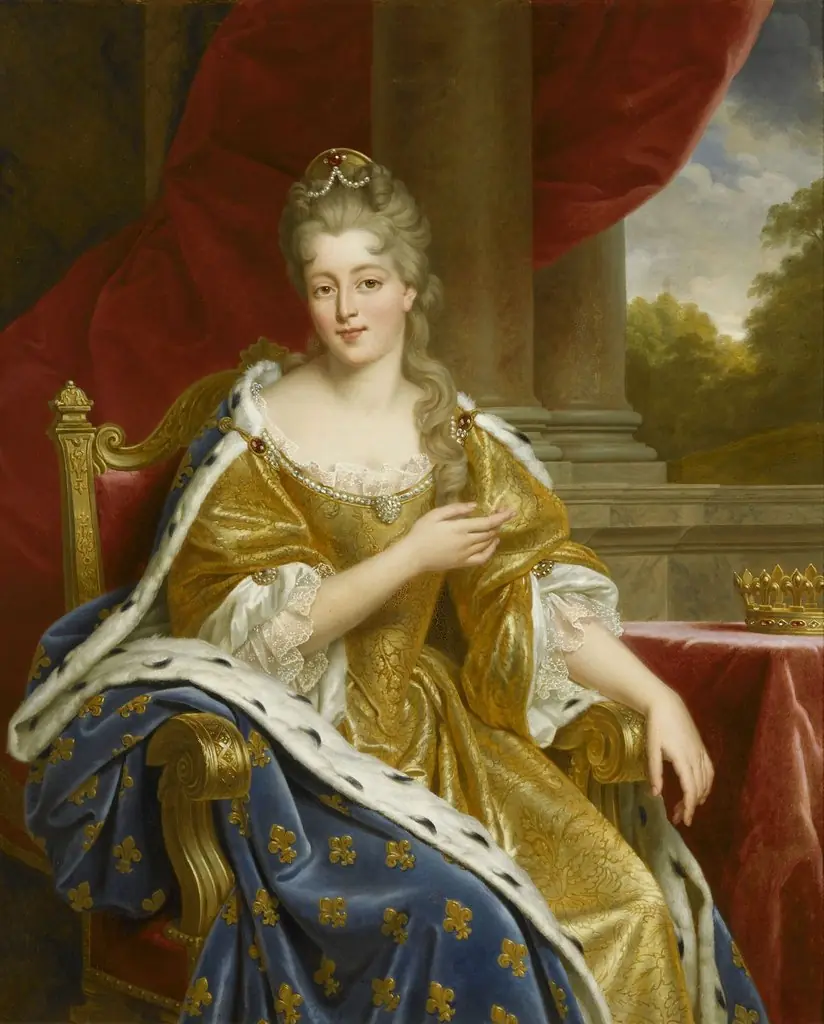 Françoise-Marie de Bourbon, Mademoiselle de Blois, duchesse d'Orléans
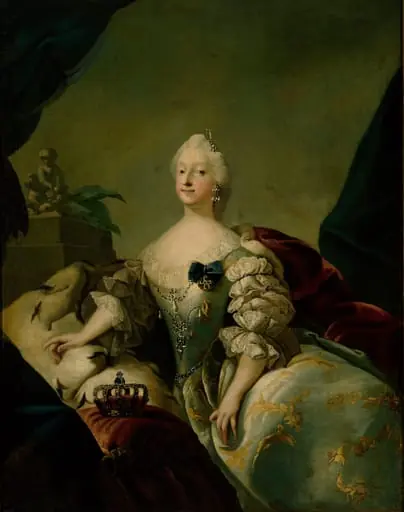 Tanskan kuningatar Louise
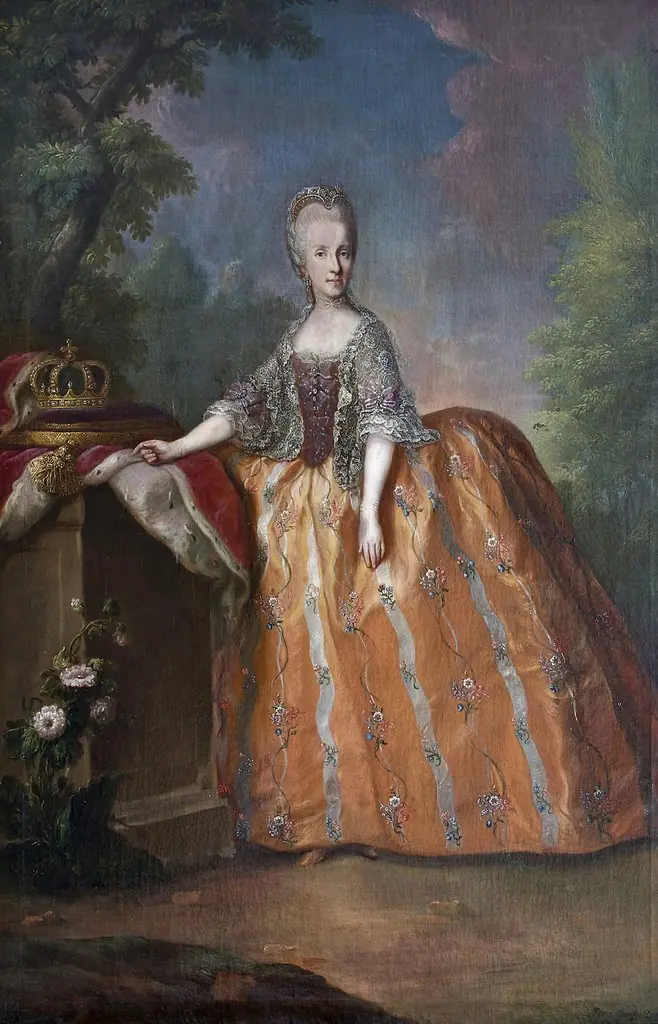 Maria Luisa of Spain, Holy Roman Empress
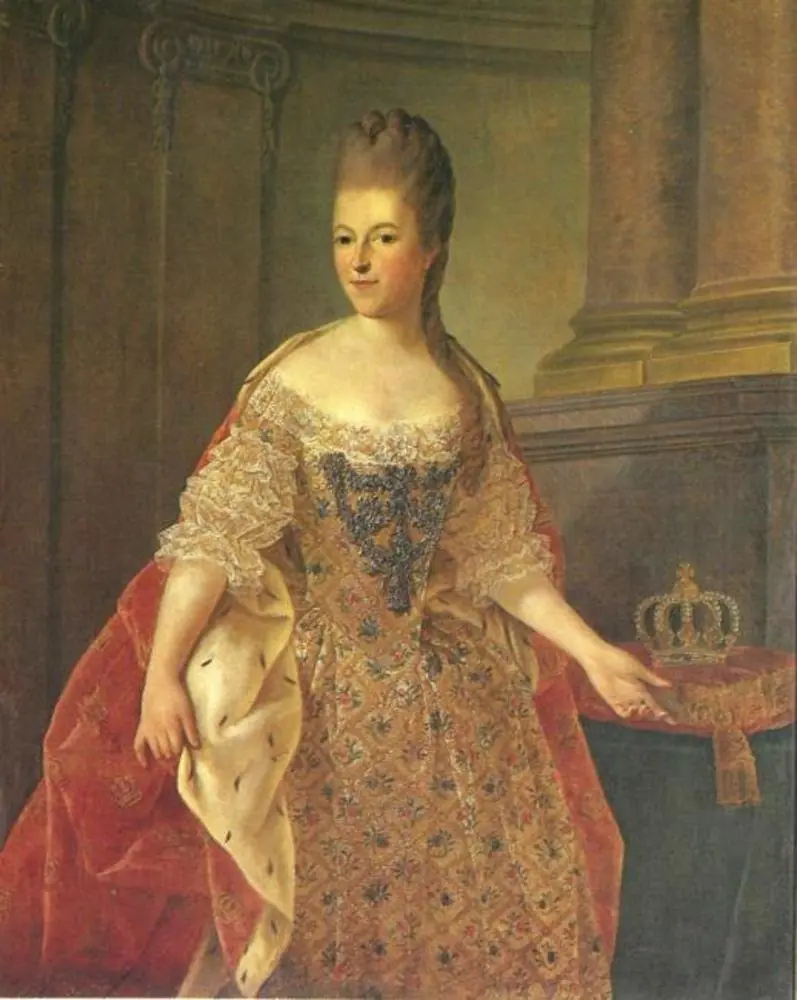 Frederika Sophia Wilhelmina (Wilhelmina; 1751-1820), prinses van Pruisen. Echtgenote van prins Willem V
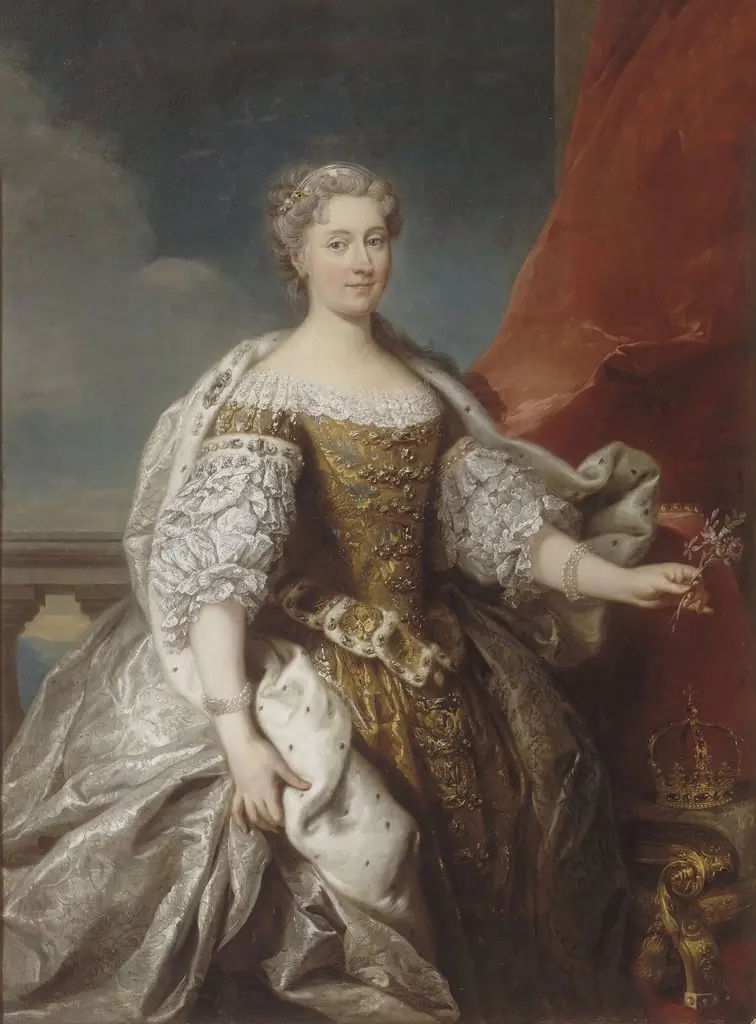 Catherine Opalińska, Queen of Poland
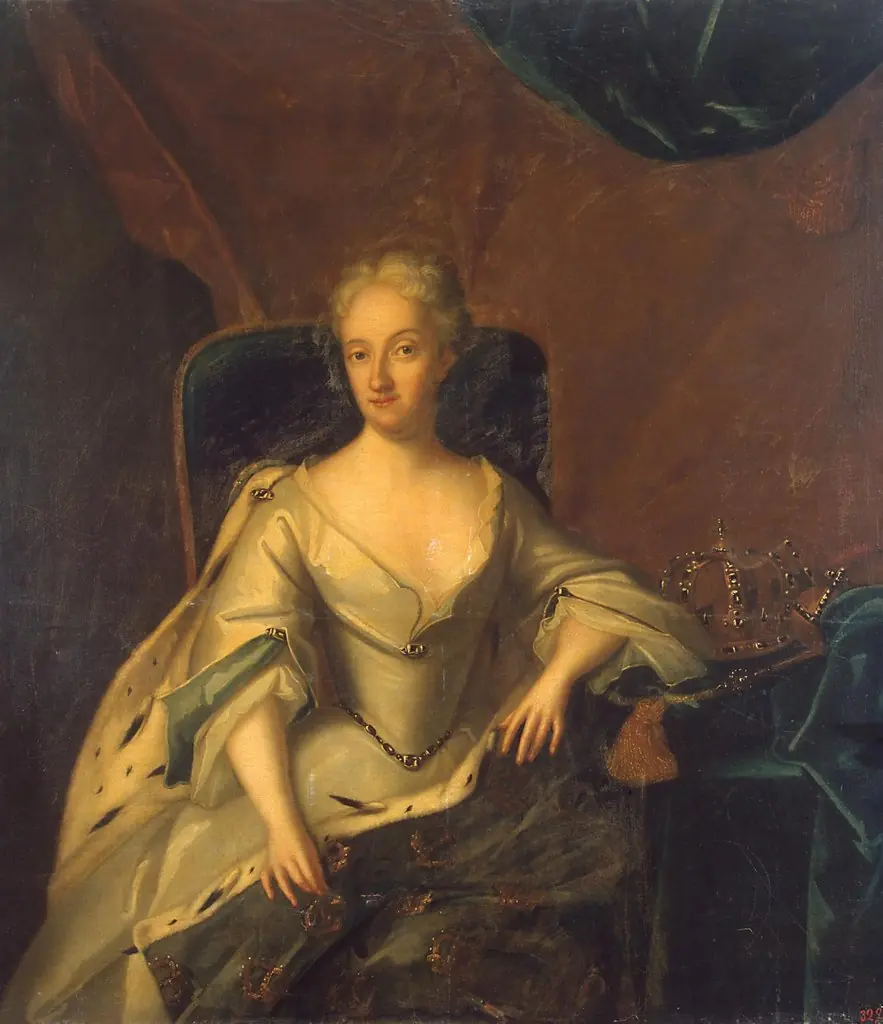 Portrait of Ulrika Eleonora the Younger, Queen of Sweden
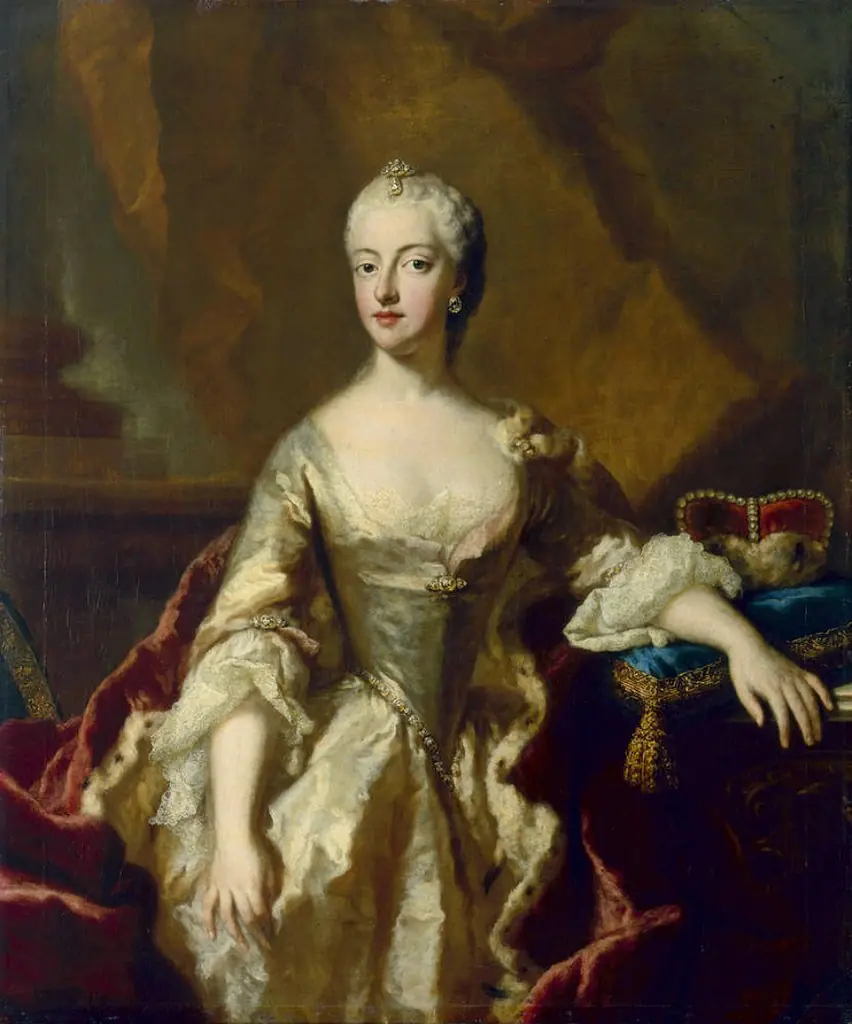 Margravine Maria Anna Josepha of Baden-Baden
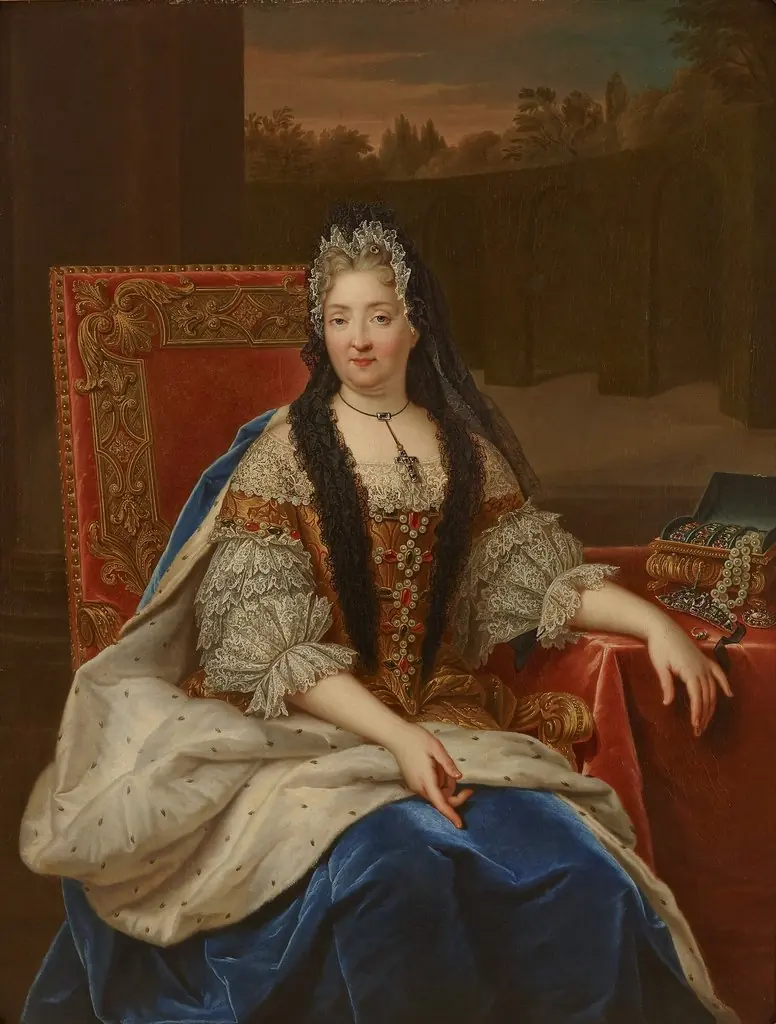 Charlotte de La Mothe Houdancourt, duchesse de Ventadour
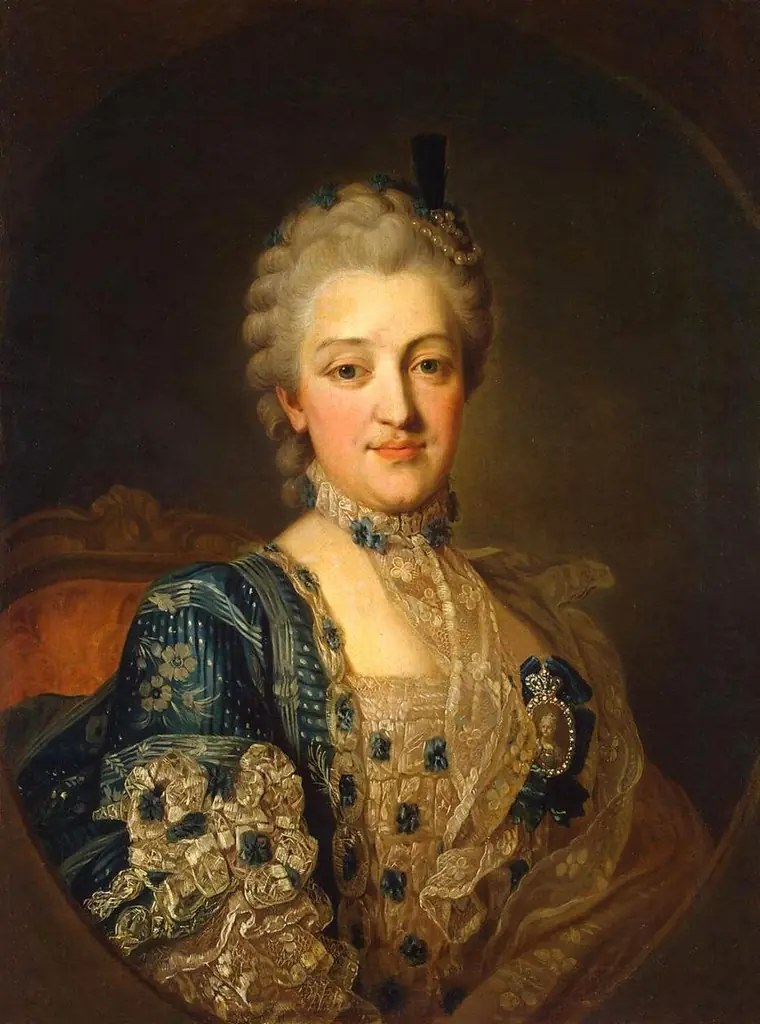 Portrait of Natalia Alexandrovna Repnina
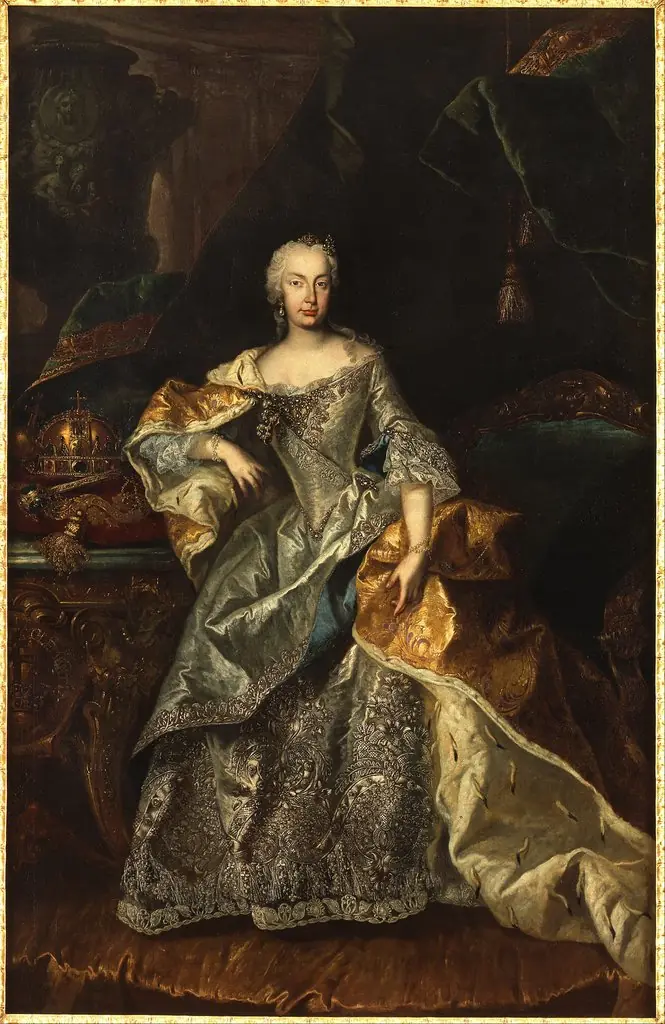 Maria Theresa as Queen of Hungary
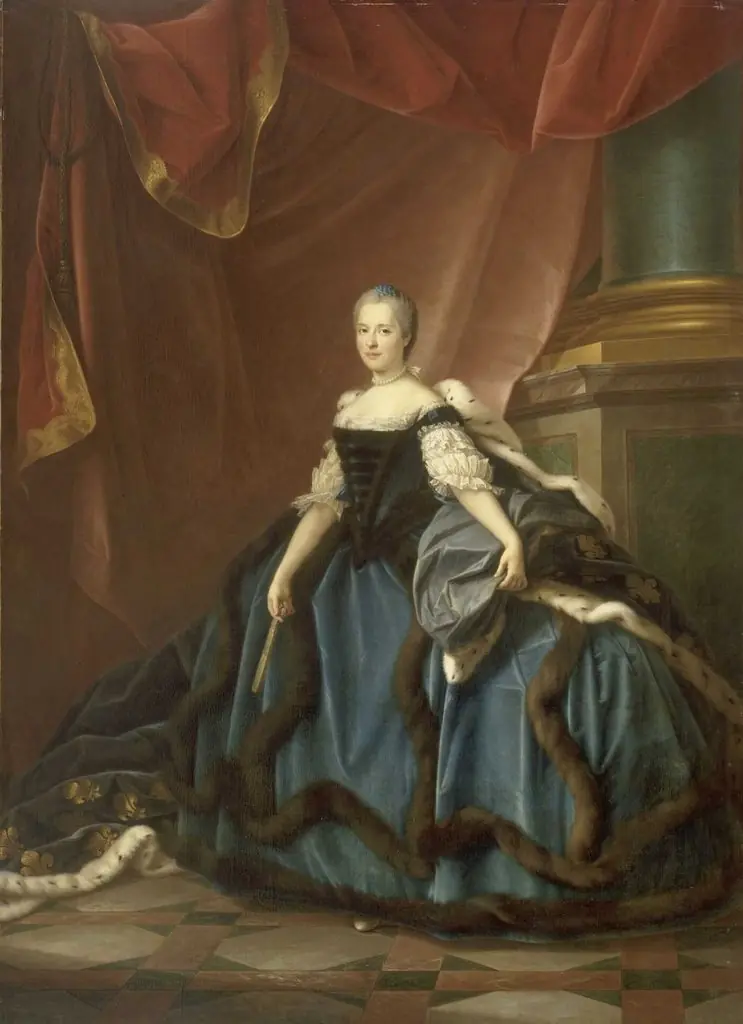 Marie-Josephus of Saxe
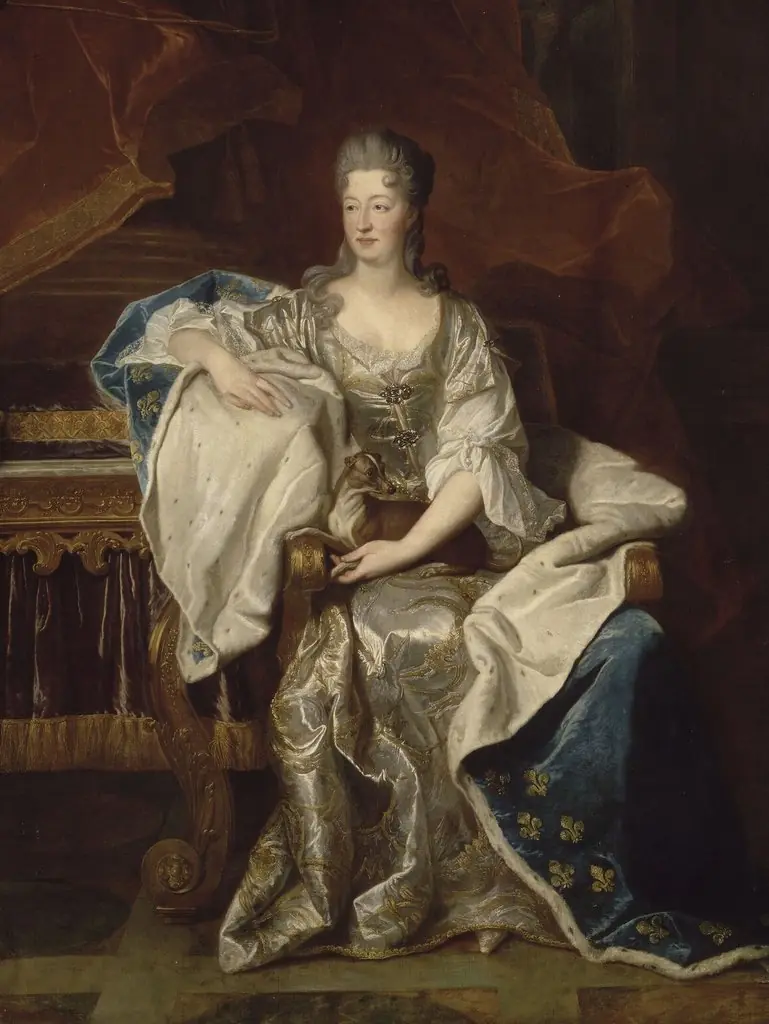 Portrait of Marie Anne de Bourbon, Princess of Conti