Artwork
Pope Benedict XIII
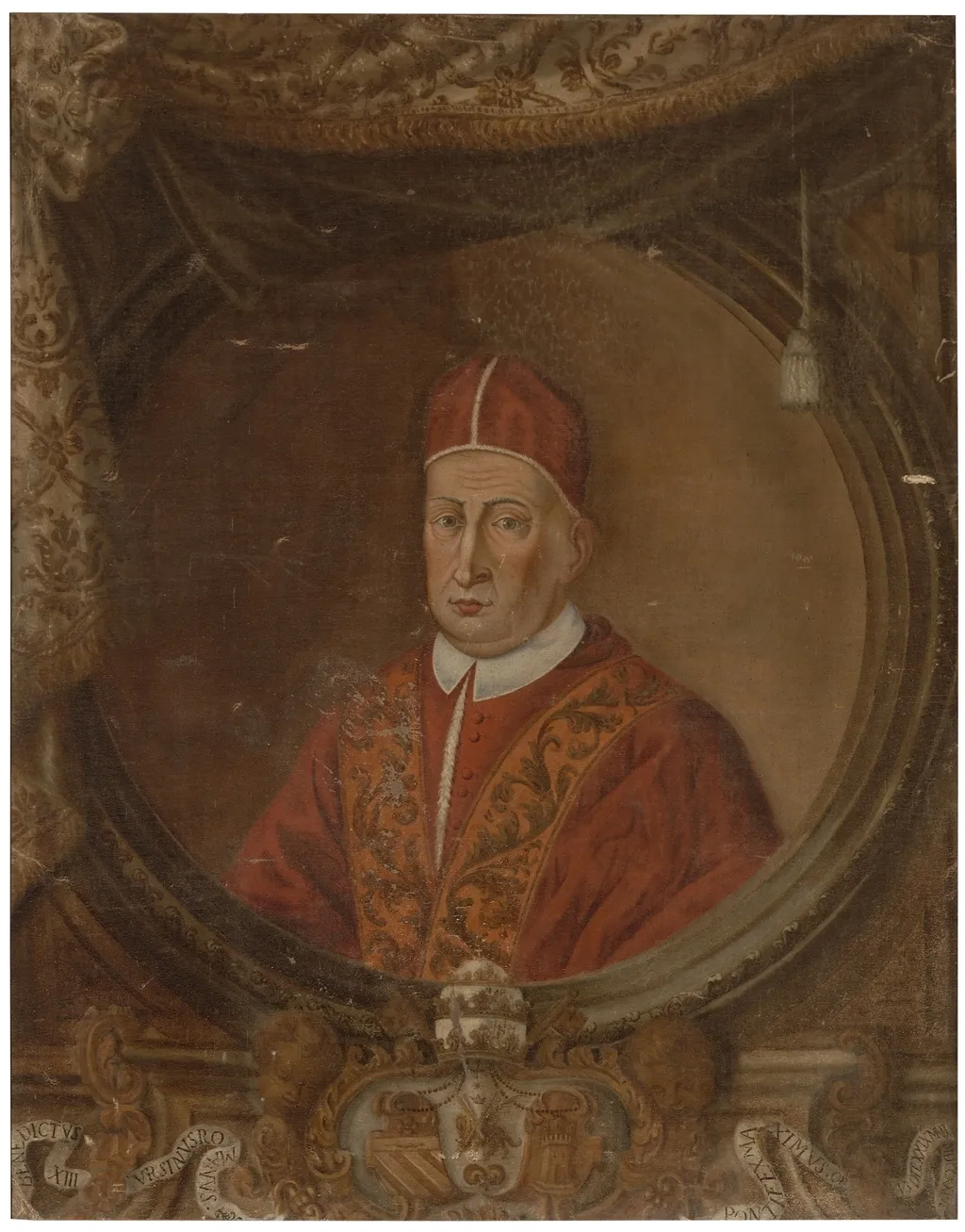
Pope Benedict XIII is an oil painting by the Rococo painting artist Unknown. It dates from 1729 and is held in the collection of the Museo del Prado.
About this work
Overview
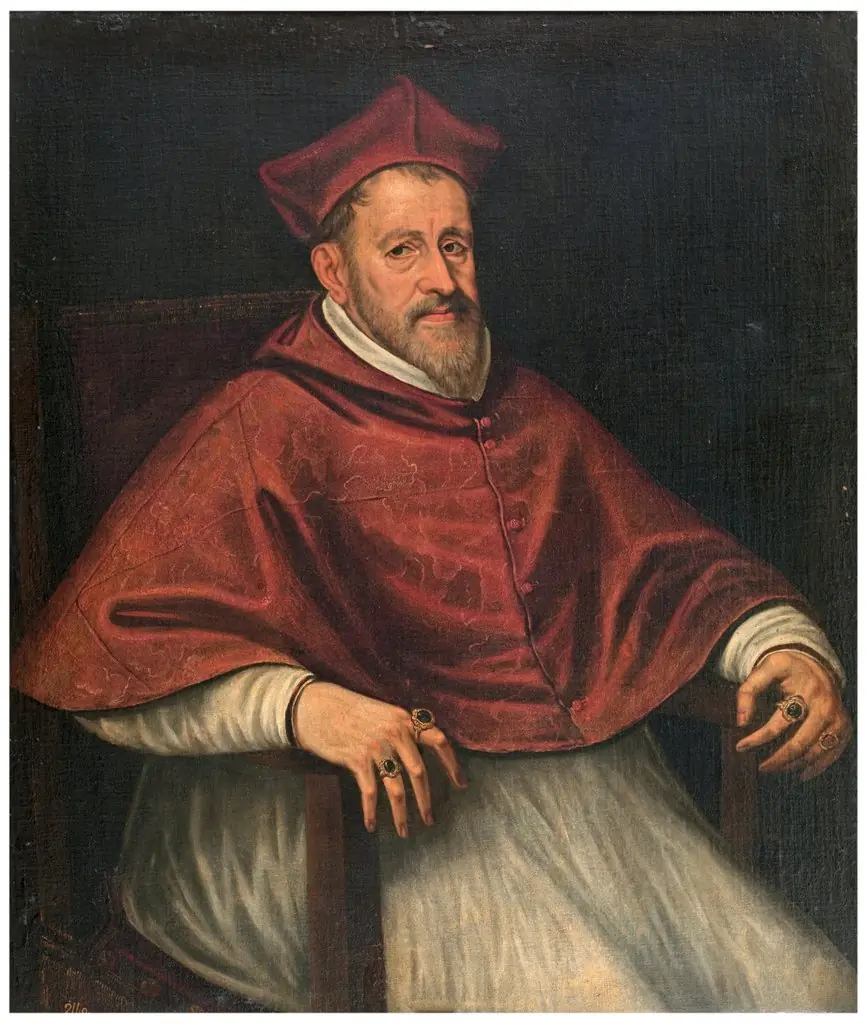
The figure is depicted from the chest upward, facing directly forward, against a deep brown background that emphasizes his presence.
This oil painting presents a formal portrait of Pope Benedict XIII, rendered in a restrained, dignified manner. The figure is depicted from the chest upward, facing directly forward, against a deep brown background that emphasizes his presence. His attire and regalia are rendered with careful attention to detail, reflecting both his ecclesiastical rank and the conventions of early 18th-century papal portraiture.
Subject & Meaning
The subject is Pope Benedict XIII, who reigned from 1724 to 1730. His attire—red robes, white collar, and tall pointed hat with a white band—signifies his papal authority. The large cross worn prominently on his chest underscores his spiritual role. The composition avoids embellishment, focusing instead on solemnity and gravitas, aligning with the Church’s emphasis on tradition and divine legitimacy during this period.
Technique & Style
The artist employed oil paint to achieve subtle gradations of light and texture, particularly in the fabric of the robe and the metallic sheen of the cross. Intricate patterns on the robe are rendered with fine brushwork, while the background remains uniformly dark to isolate the figure. The pose is static and frontal, typical of ecclesiastical portraiture, prioritizing symbolic presence over psychological depth.
History & Provenance
The painting was likely commissioned during or shortly after Benedict XIII’s papacy, possibly for a religious institution or royal court. Its survival suggests it was preserved within ecclesiastical collections, though its specific early ownership remains undocumented. No major alterations or restorations are recorded, indicating stable conservation over time.
Context
In the early 1700s, papal portraits served as instruments of authority, circulated to reinforce the Pope’s image across Catholic Europe. This work aligns with the Baroque tradition of dignified representation, though it lacks the theatricality seen in some contemporaneous works. The restrained palette and formal composition reflect a shift toward clarity and restraint in religious imagery following the Counter-Reformation.
Legacy
The portrait stands as a representative example of papal iconography from the early 18th century. While not widely exhibited today, it contributes to the visual record of papal authority during a period of political and religious transition. Its enduring presence in collections underscores its role as a historical document as much as an artistic object.
Artist & collection

 Domestic Scene
 Giacomo and Cardinal Marco, investing Andrea, Abbot of San Zeno, with his Benefice
 The Nymph of Fontainebleau
 Portrait of a Woman
 Madonna and Child with Saints in the Enclosed Garden
 Venus and Minerva
 Family Group of Four on Sofa
 Wall painting from Room H of the Villa of P. Fannius Synistor at Boscoreale
 The Pope Paulus V
 Pope Clement VII
 Portrait of Pope Sixtus IV
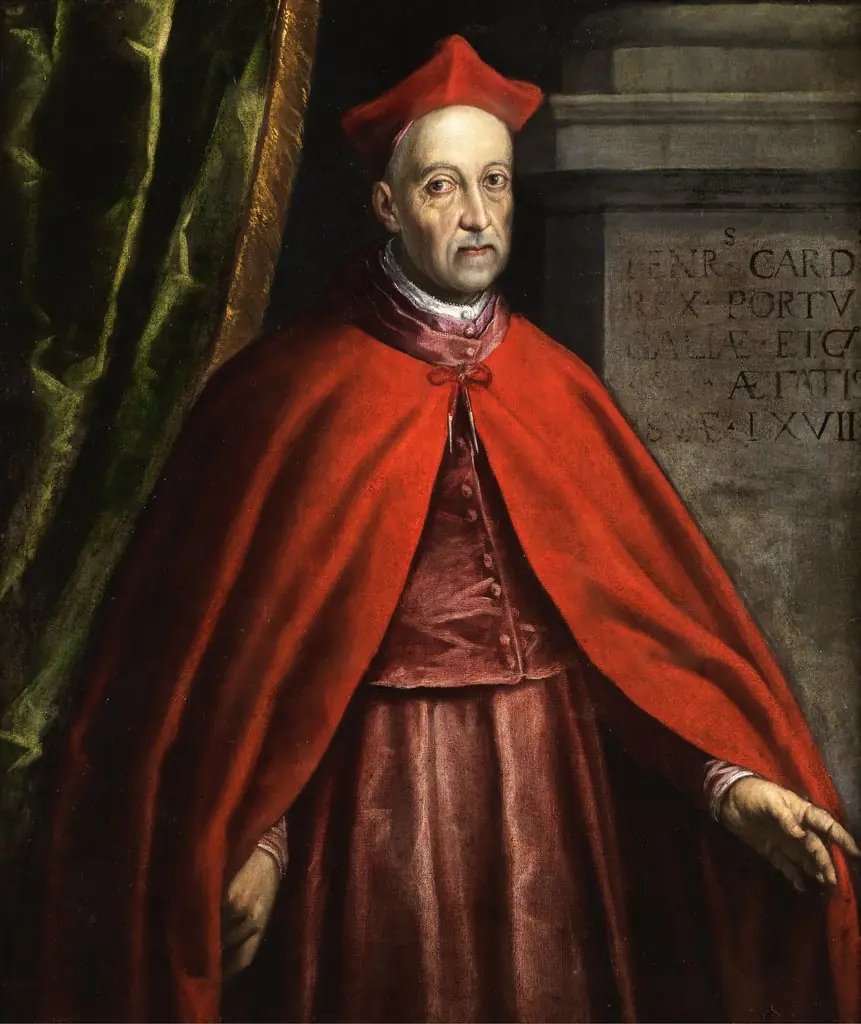 Retrato do Cardeal D. Henrique
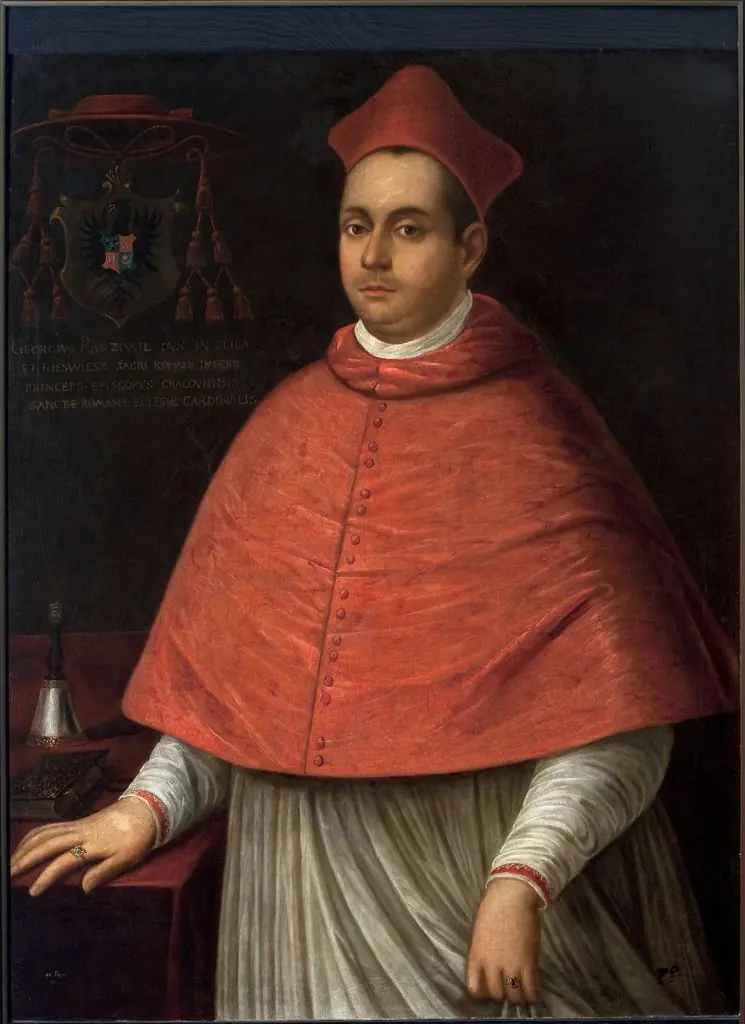 Portrait of Jerzy Radziwiłł (1556–1600), cardinal
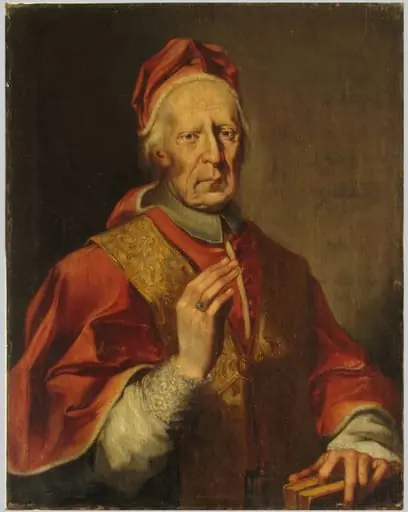 Papa Clemens XII (în registrul inventar: Papa Clemens XVI (Ganganelli))
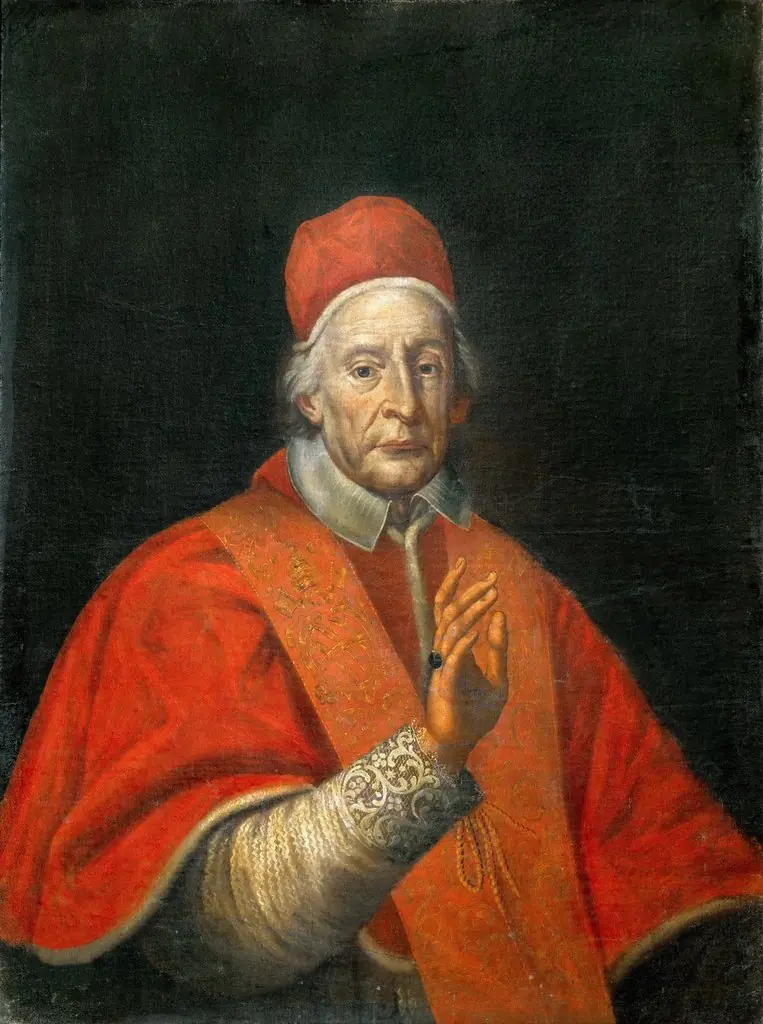 Portrait of Clement XII
 Cardinal Gaspar Quiroga
 Bartholomew Fabro y Palacios, Bishop of Huamanga