Artwork
Retrato do Cardeal D. Henrique
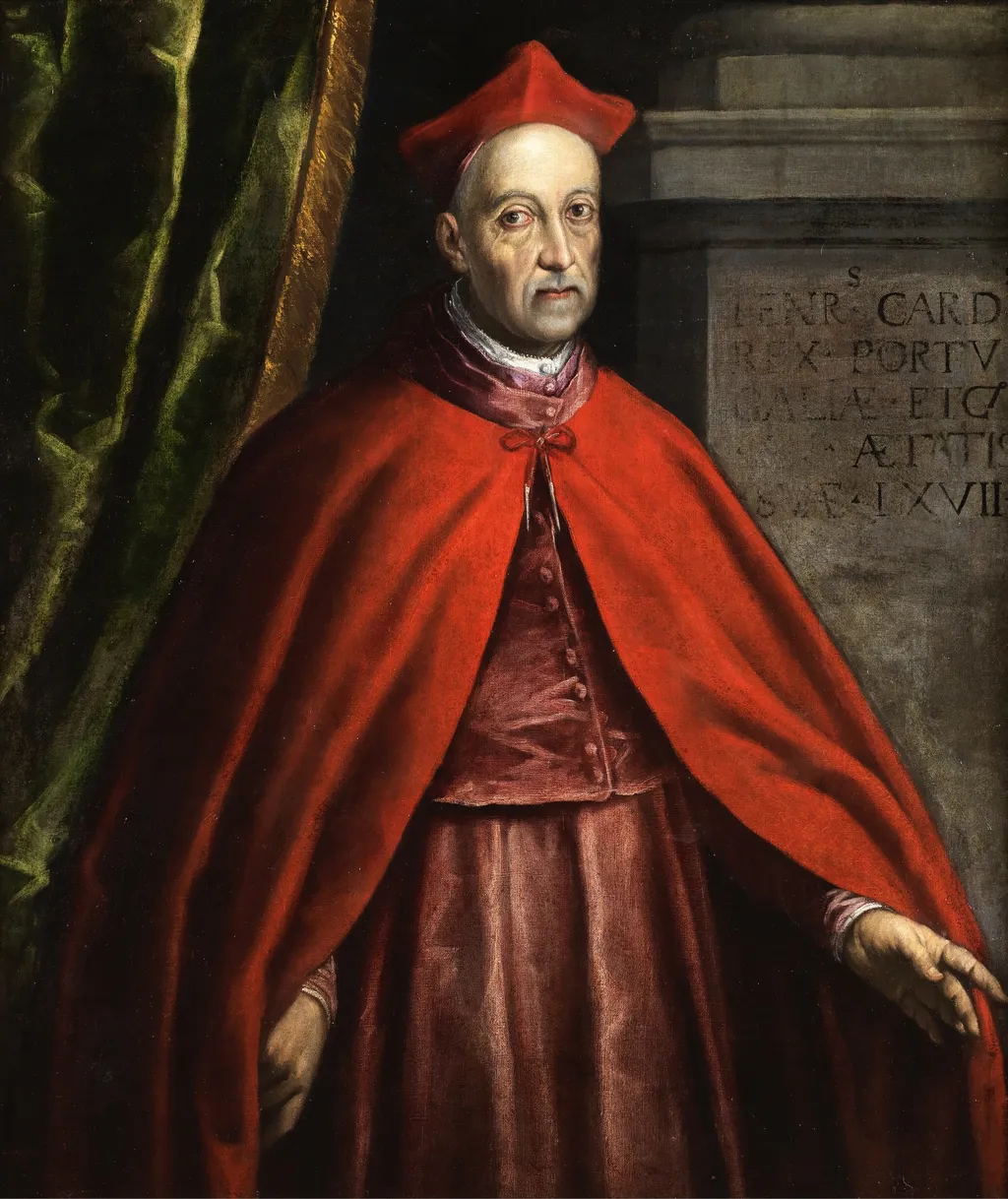
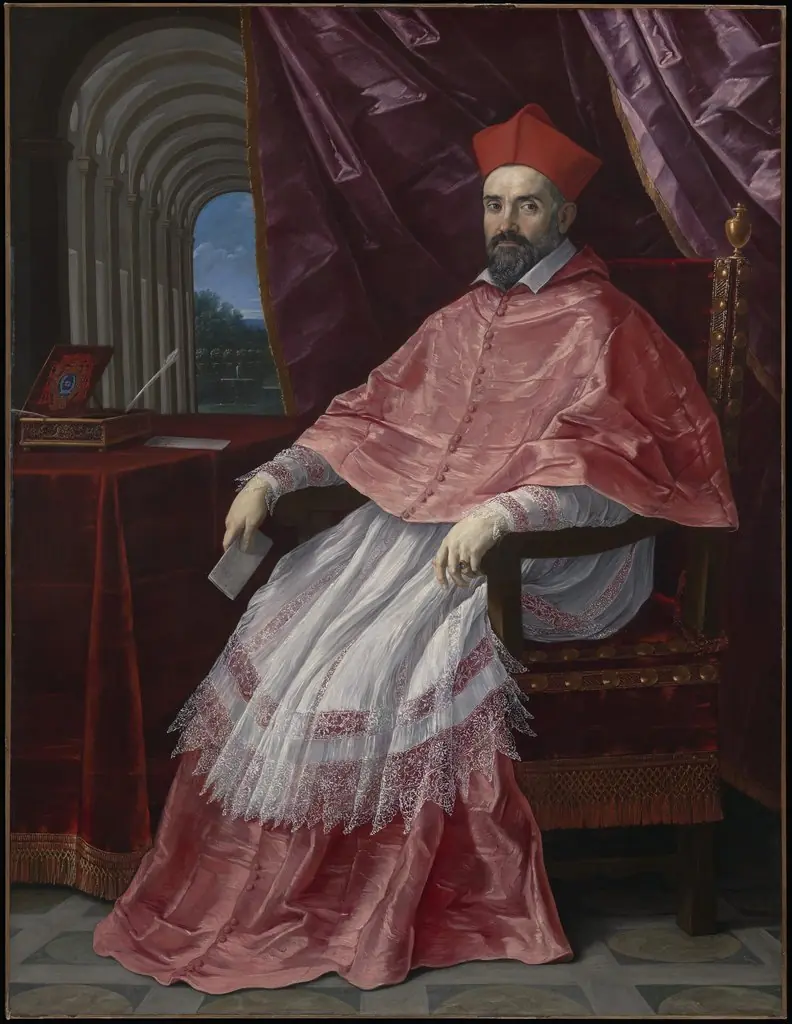
Retrato do Cardeal D. Henrique is an unspecified painting by the Mannerist artist Domenico Tintoretto. It dates from 1600 and is held in the collection of the National Museum of Ancient Art.
About this work
Overview
Painted around 1600 by Domenico Tintoretto, this portrait portrays Henry I of Portugal, who served as both king and cardinal.
Painted around 1600 by Domenico Tintoretto, this portrait portrays Henry I of Portugal, who served as both king and cardinal. The work is part of the collection at the National Museum of Ancient Art in Lisbon. It captures the subject in formal ecclesiastical dress, emphasizing his dual role in church and state. The composition is restrained, focusing on the figure against a plain architectural backdrop.
Subject & Meaning
The sitter is Henry I, the last monarch of the Portuguese Aviz dynasty and a cardinal of the Catholic Church. His red cardinal’s cloak and white collar signify his high rank within the Church, while his stance and gesture suggest authority and solemnity. The carved letters on the stone wall may reference religious inscriptions or institutional identity, though their text remains illegible, reinforcing the portrait’s focus on presence over narrative.
Technique & Style
Domenico Tintoretto employs a muted palette dominated by deep reds and earth tones, with careful attention to the texture of fabric and stone. The figure is rendered with soft modeling, avoiding dramatic lighting in favor of even illumination. Brushwork is precise but unobtrusive, prioritizing dignified realism over theatricality. The background is simplified, directing focus entirely to the cardinal’s composed demeanor.
History & Provenance
The painting entered the collection of the National Museum of Ancient Art in Lisbon through royal or ecclesiastical holdings, likely following Henry I’s death in 1580. Its attribution to Domenico Tintoretto, son of Jacopo Tintoretto, reflects the artist’s known activity in Portugal during the late 16th century. The work has remained in Portugal since its creation, with no documented relocation or major restoration.
Context
Painted shortly after Henry I’s death, the portrait serves as a posthumous commemoration during a period of dynastic crisis in Portugal. As the last Aviz ruler, his image carried political weight amid the succession conflict that led to Spanish rule. Religious portraiture of this era often emphasized clerical authority to reinforce legitimacy, especially when secular power was unstable.
Legacy
The portrait remains one of the few surviving likenesses of Henry I, offering insight into how Portuguese ecclesiastical leaders were visually represented at the turn of the 17th century. While not widely exhibited internationally, it holds significance within Portuguese art history as a document of late Renaissance portraiture and the intersection of religious and monarchical identity.
Own this work as a print
Artist & collection

Artist
Domenico Robusti, also known as Domenico Tintoretto, was an Italian painter from Venice. He grew up under the tutelage of his father, the renowned painter Jacopo Tintoretto.

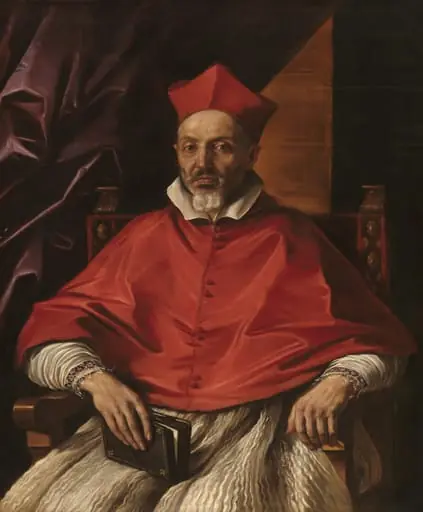 Cardinal Francesco Cennini
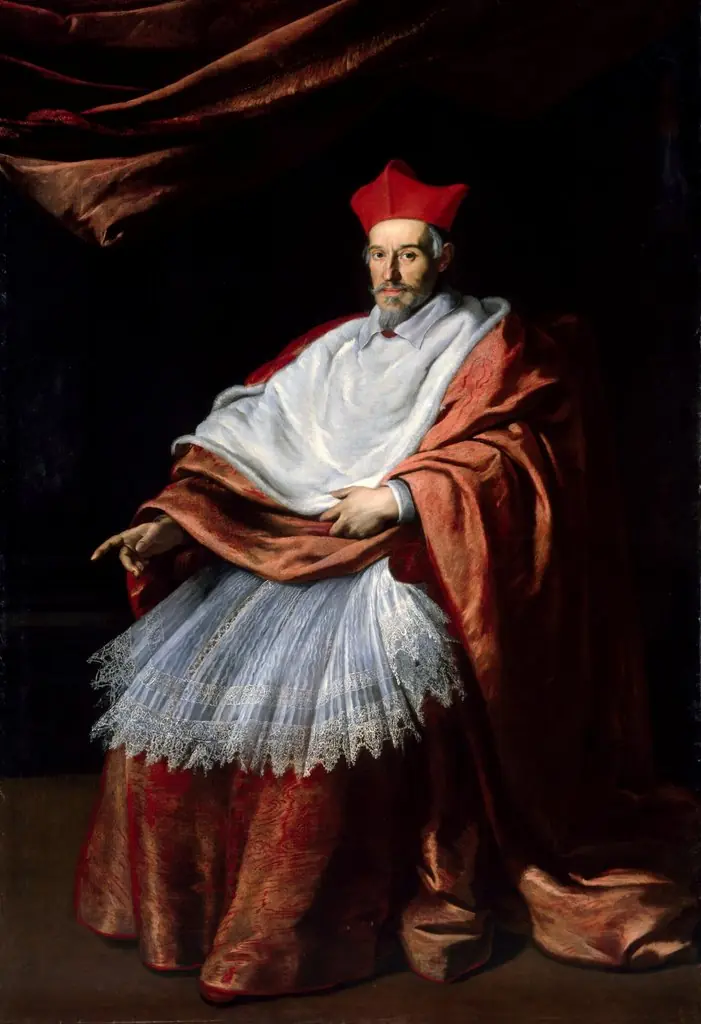 Portrait of Cardinal Luigi Capponi
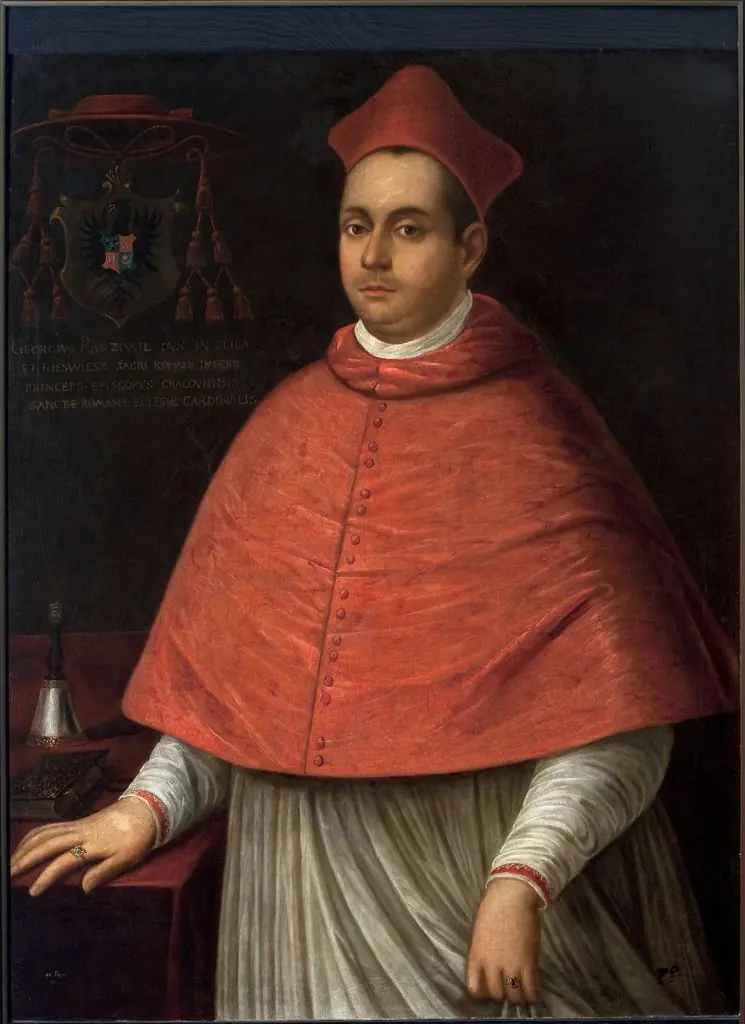 Portrait of Jerzy Radziwiłł (1556–1600), cardinal
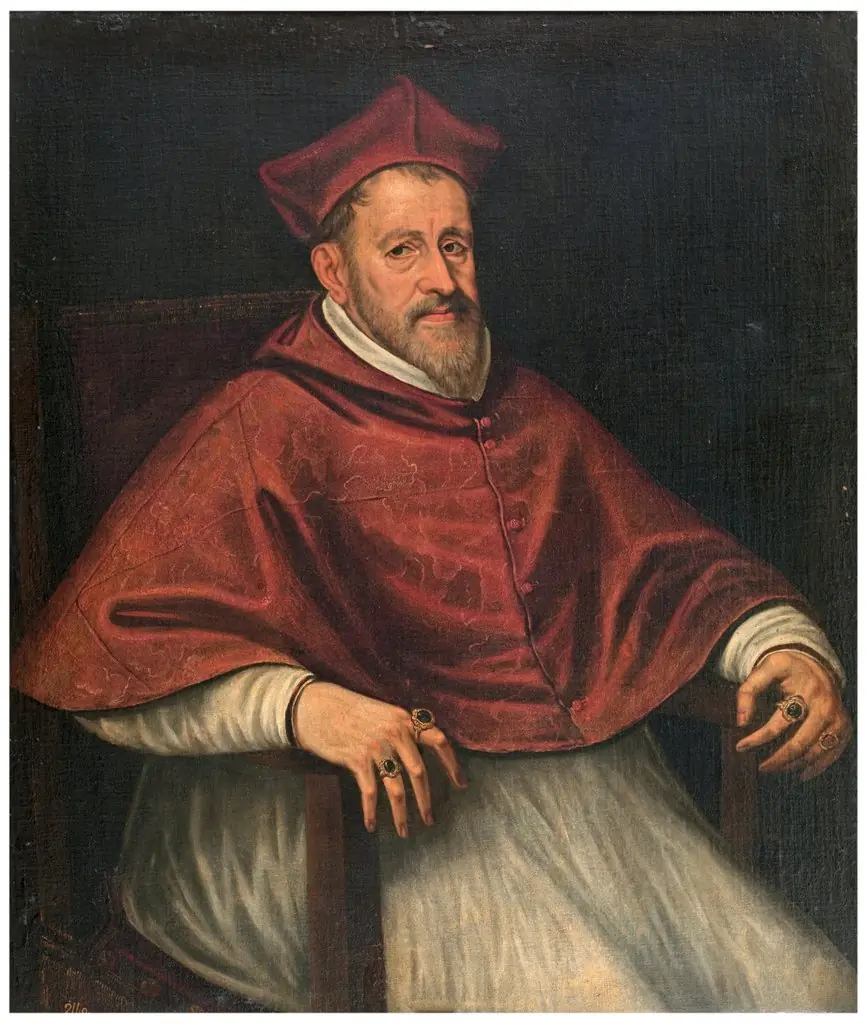 Cardinal Gaspar Quiroga
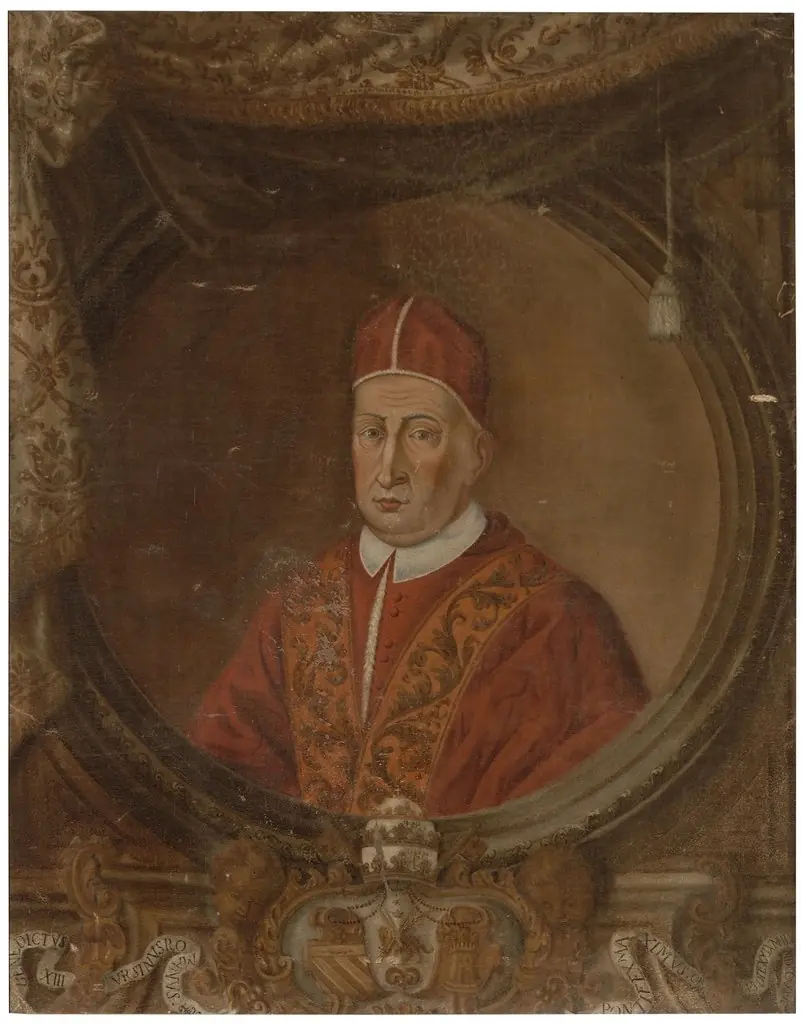 Pope Benedict XIII
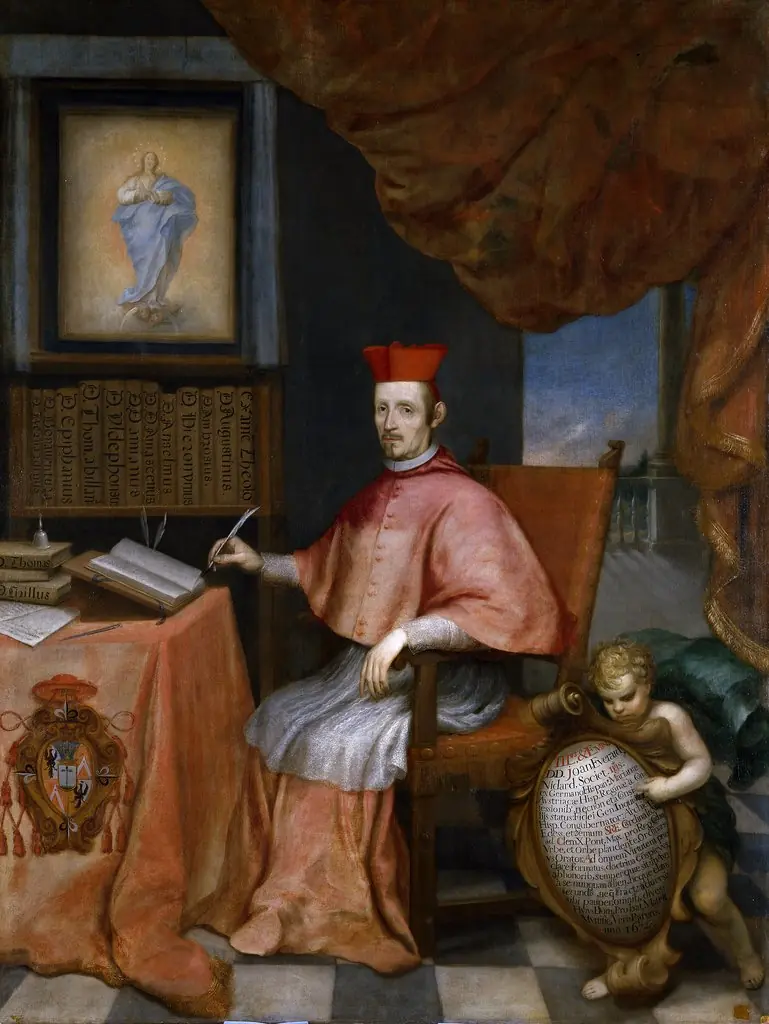 Cardinal Juan Everardo Nithard
 Cardinal Giulio Cesare Sacchetti (1586-1663)
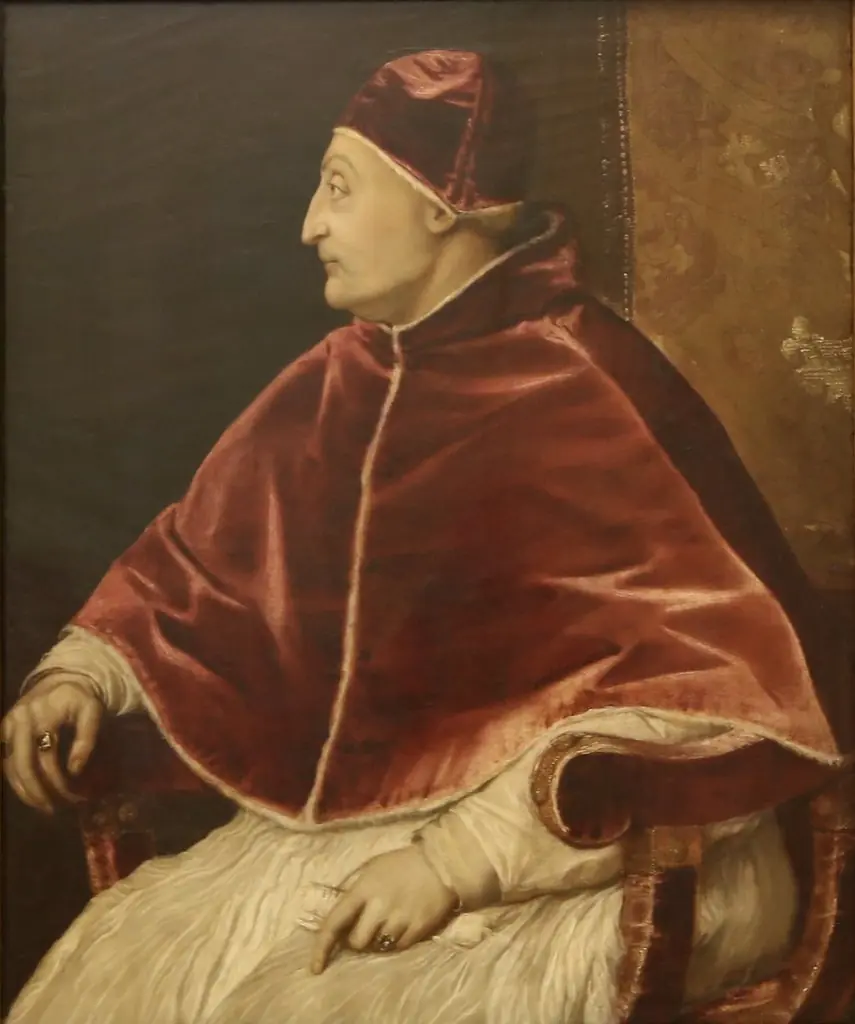 Portrait of Pope Sixtus IV
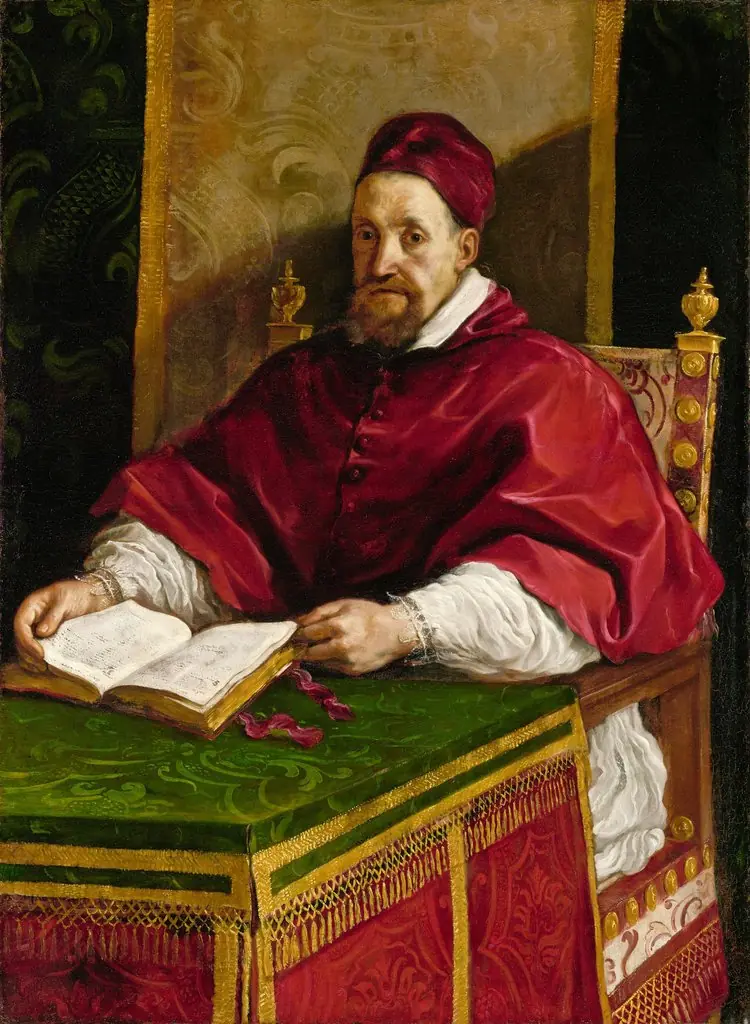 Portrait of Pope Gregory XV
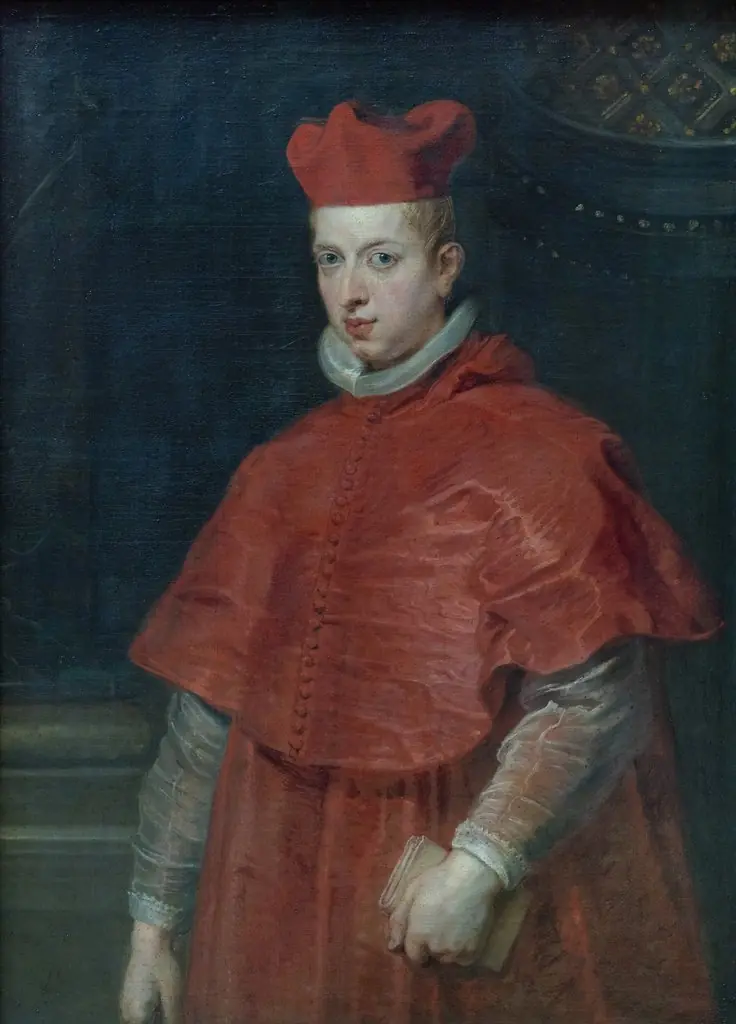 Portrait of Don Fernando, Cardinal-Infante of Spain
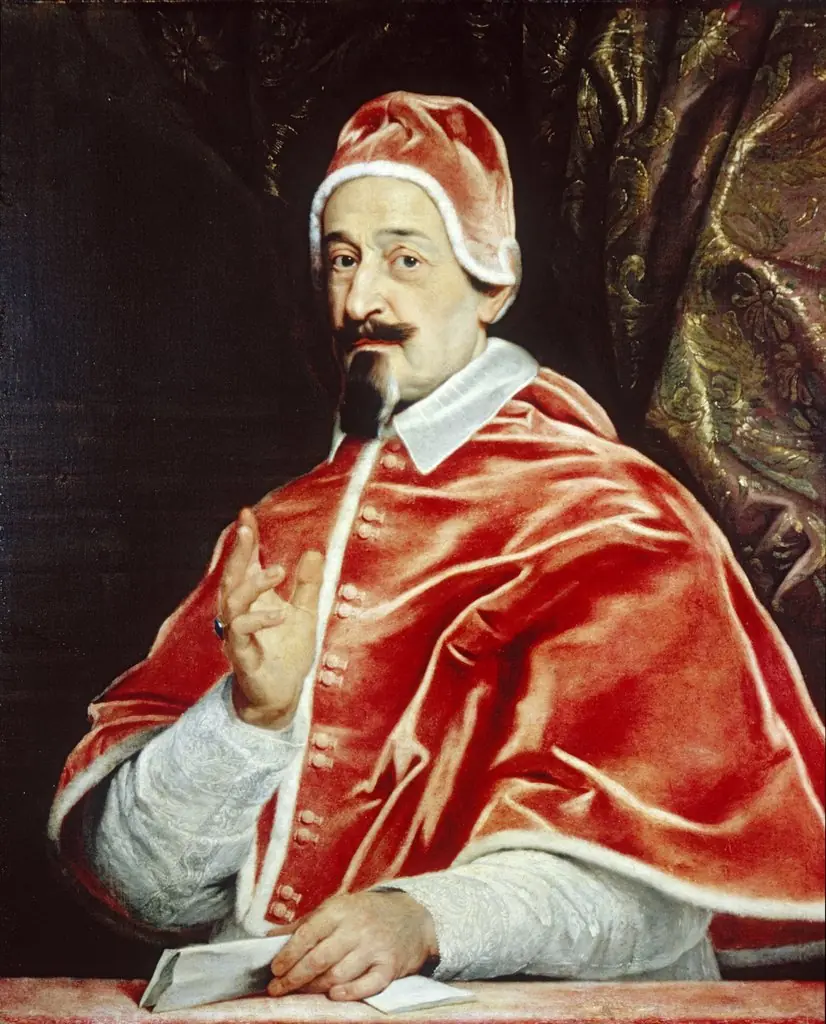 Portrait of Pope Alexander VII (Fabio Chigi)
 Portrait of Cardinal Roberto Ubaldini, Papal Legate to Bologna