Artwork
Portrait of Clement XII
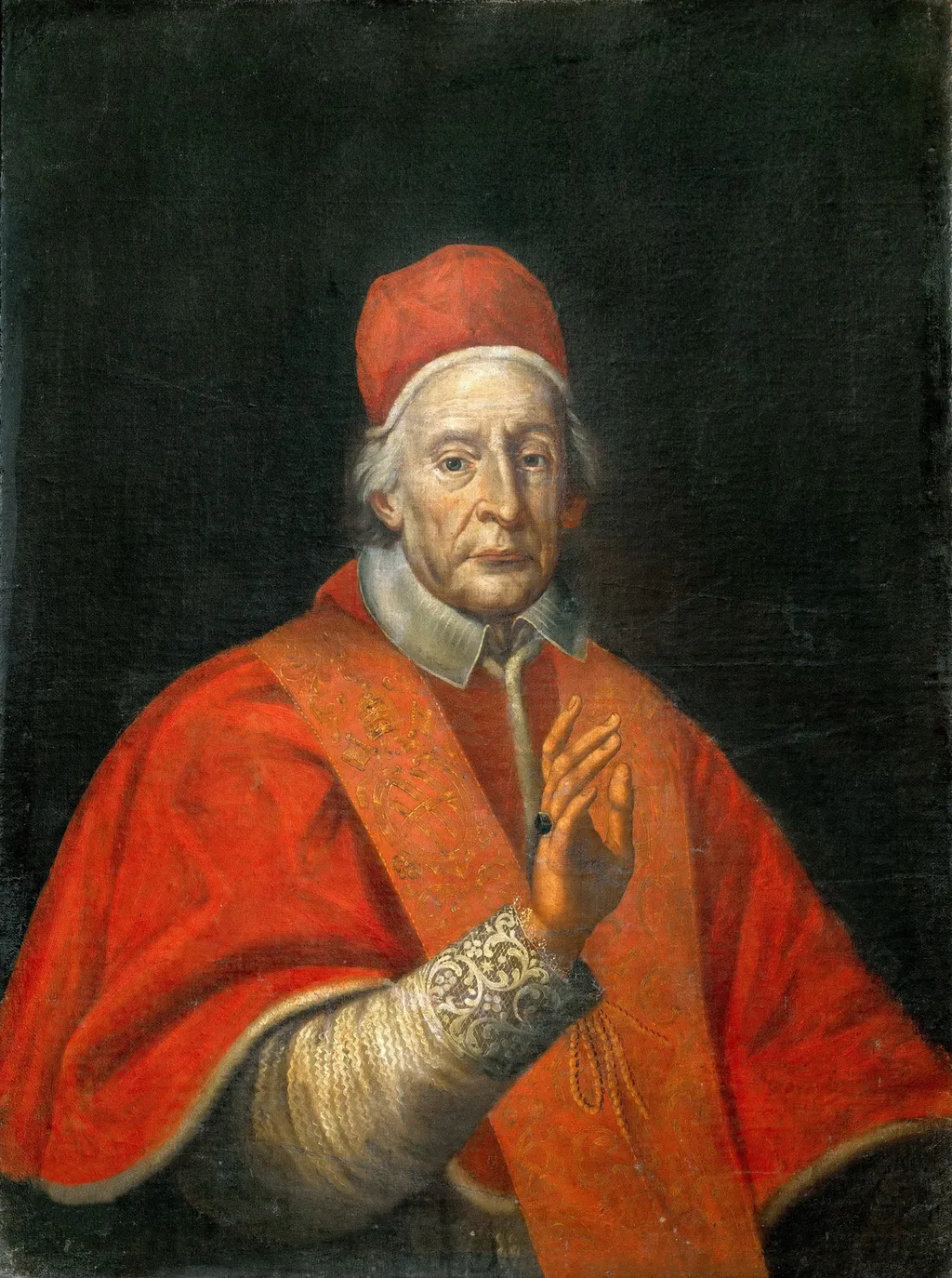
Portrait of Clement XII is an oil painting by the Baroque artist Unknown. It dates from 1735 and is held in the collection of the Vatican Museums. This oil painting depicts Pope Clement XII in full ceremonial attire, rendered with precise realism.
About this work
Overview
This oil painting depicts Pope Clement XII in full ceremonial attire, rendered with precise realism. The figure is centered against a dark, unobtrusive background that enhances the prominence of his garments and facial features. The composition emphasizes dignity and authority through stillness and focused detail, particularly in the rendering of fabric and skin.
Subject & Meaning
The subject is Clement XII, pope from 1730 to 1740, portrayed in the vestments of his office: a red cassock, mozzetta, and zucchetto. His raised right hand, palm outward, suggests a gesture of blessing or solemn address. The serious expression and lined face convey the weight of his ecclesiastical role, reinforcing the image of a leader shaped by responsibility and age.
Technique & Style
The artist employed fine brushwork to capture the texture of silk, gold embroidery, and the subtle variations of skin tone. Light falls naturally across the face and hands, modeling form without theatricality. The dark background isolates the figure, drawing attention to the intricate details of the papal regalia and the psychological depth of the portrait.
History & Provenance
Commissioned during Clement XII’s papacy, the portrait likely served to affirm his authority within the Church and among European courts. It remained in Vatican collections for centuries before entering a public museum. Its preservation reflects its significance as a document of papal representation in the early 18th century.
Context
Painted during the Baroque era, the portrait aligns with traditions of ecclesiastical portraiture that prioritized solemnity and hierarchical presence over individuality. Unlike more flamboyant court portraits, this work favors restraint, reflecting the Church’s emphasis on spiritual gravitas amid the ornate aesthetics of the period.
Legacy
The portrait stands as a representative example of mid-18th-century papal imagery, influencing later depictions of religious leaders through its balance of realism and ceremonial formality. It remains a key reference for understanding how the Vatican visually communicated authority during a time of political and cultural transition.
Artist & collection

 Domestic Scene
 Giacomo and Cardinal Marco, investing Andrea, Abbot of San Zeno, with his Benefice
 The Nymph of Fontainebleau
 Portrait of a Woman
 Madonna and Child with Saints in the Enclosed Garden
 Venus and Minerva
 Family Group of Four on Sofa
 Wall painting from Room H of the Villa of P. Fannius Synistor at Boscoreale
 Papa Clemens XII (în registrul inventar: Papa Clemens XVI (Ganganelli))
 Portrait of Pope Pius VII
 Pope Pius VII (1742-1823)
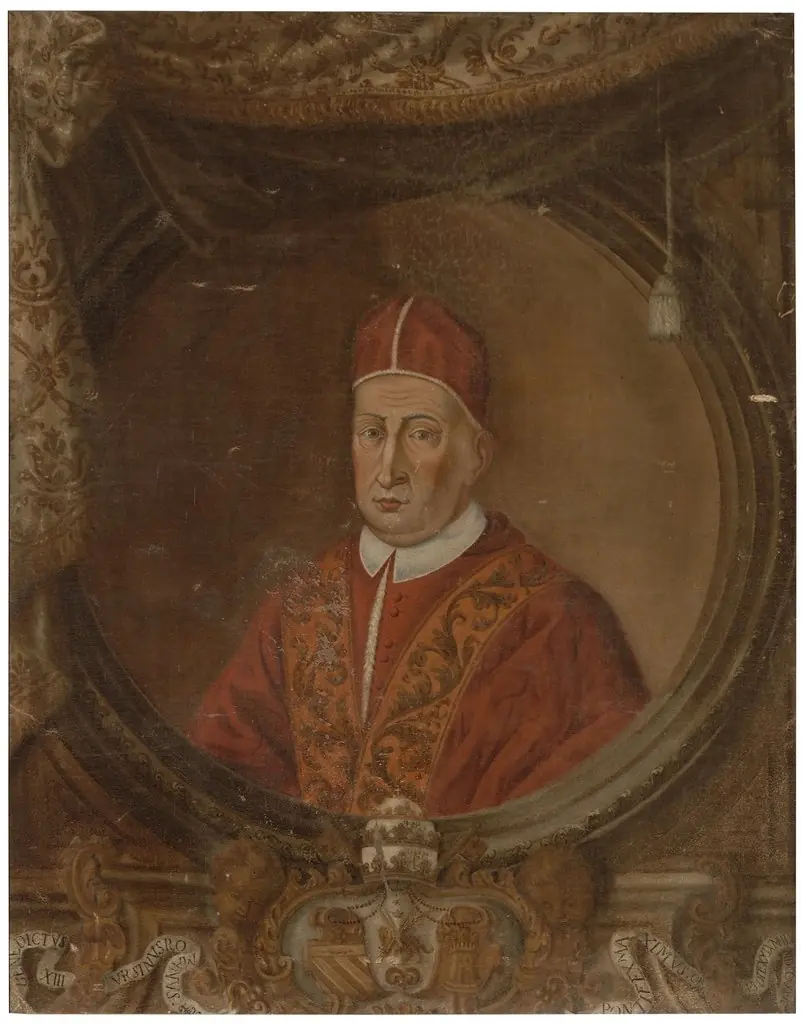 Pope Benedict XIII
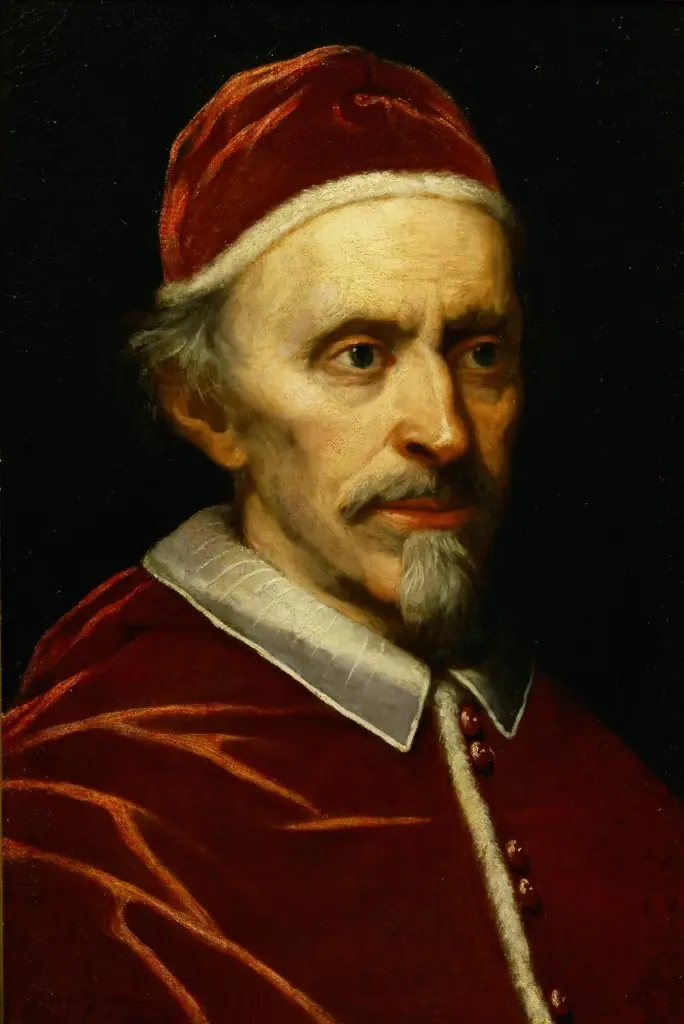 Papst Innozenz XI. (1611-1689)
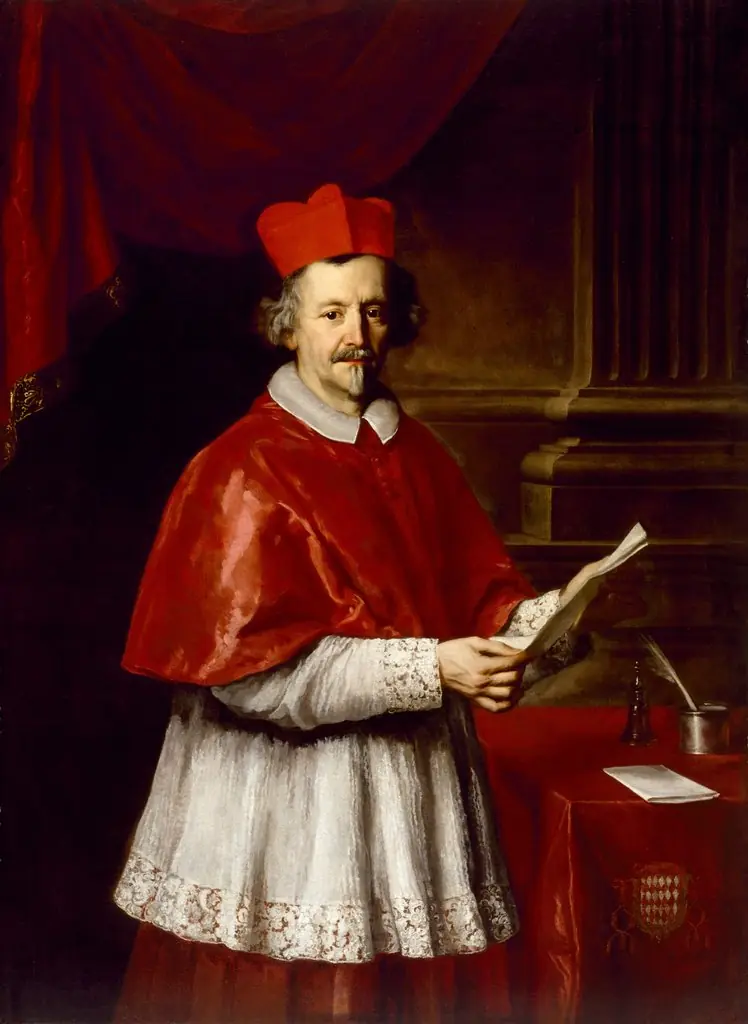 Cardinal Giulio Spinola
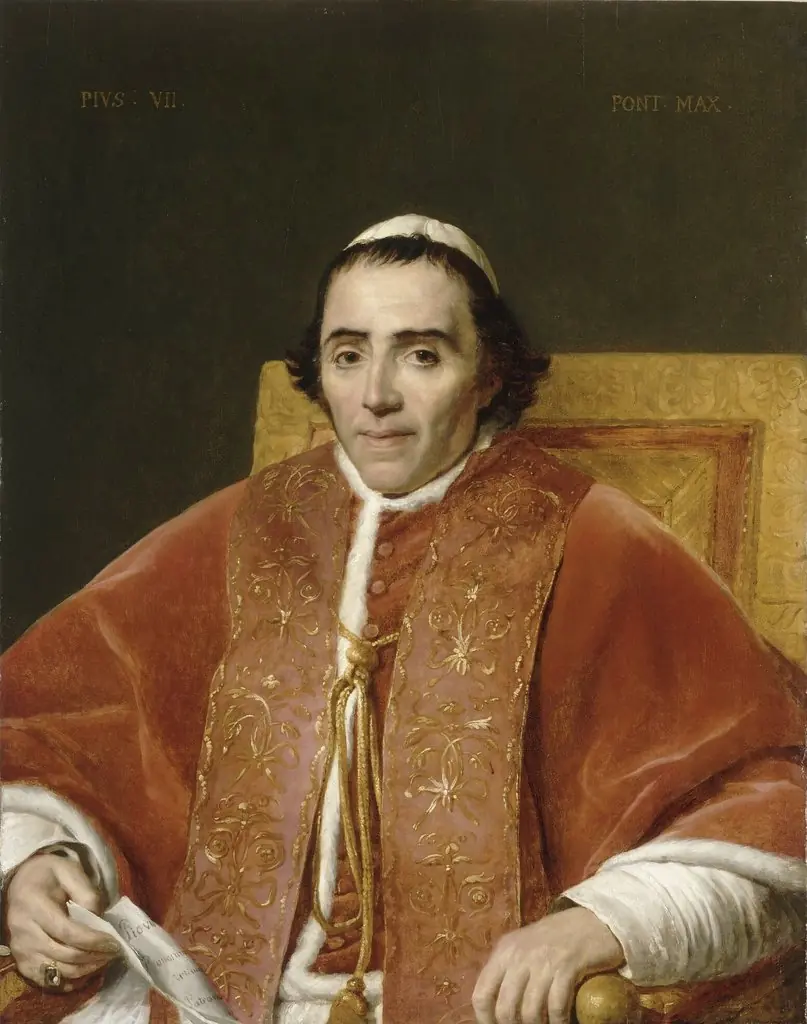 Pius VII, pope (1740-1823)
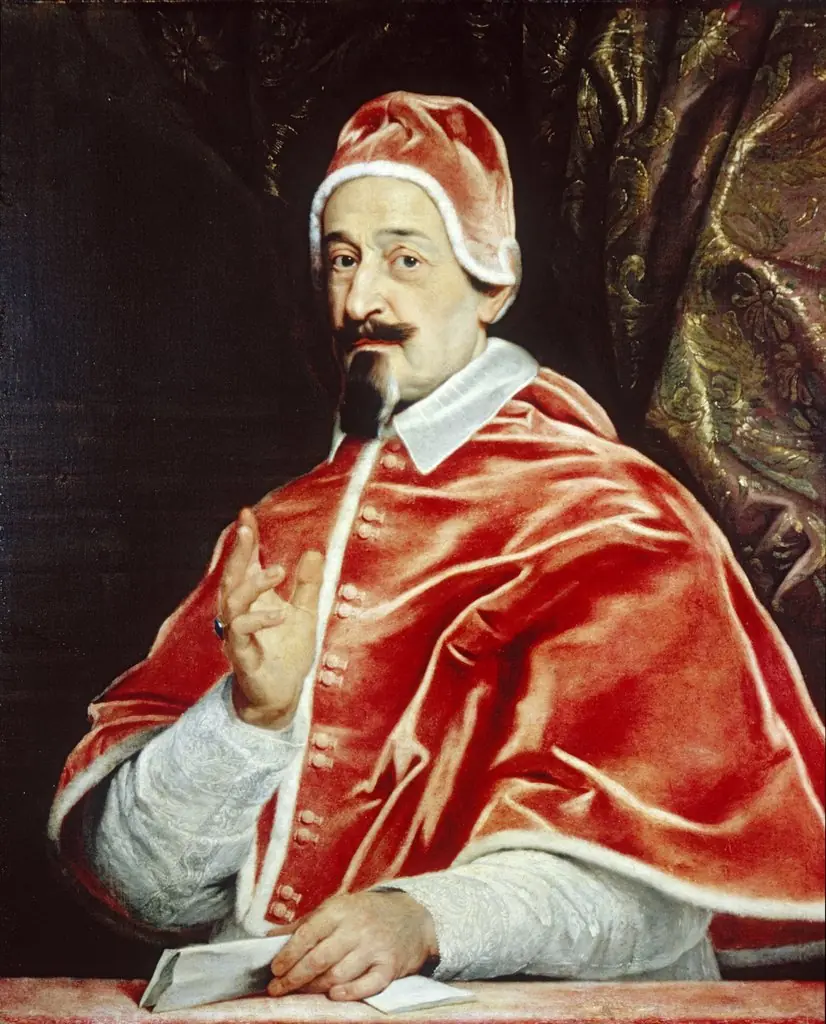 Portrait of Pope Alexander VII (Fabio Chigi)
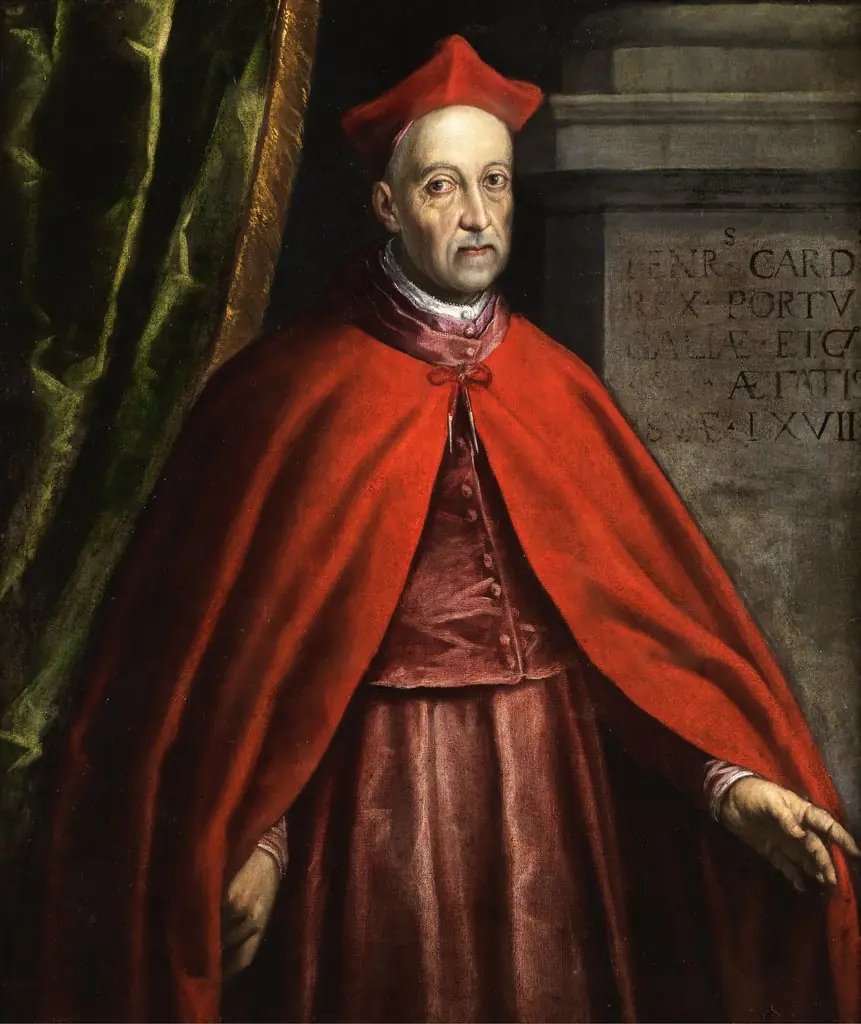 Retrato do Cardeal D. Henrique
 Portrait of Pope Benedict XIII, Pietro Francesco Orsini (1649-1730)