Artwork
Portrait of Ludwik Konstanty Pociej (1664–1730), Grand Hetman of Lithuania
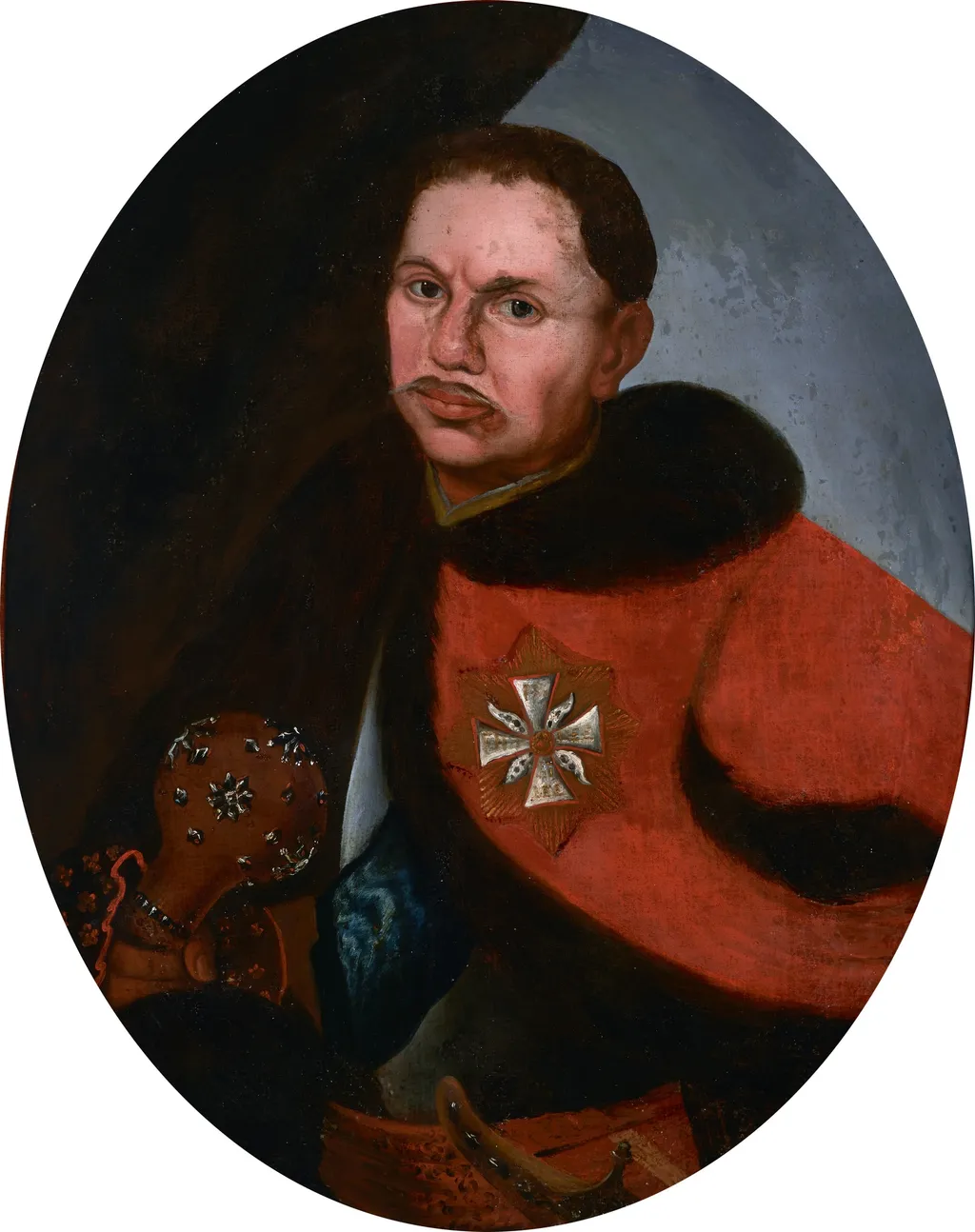
Portrait of Ludwik Konstanty Pociej (1664–1730), Grand Hetman of Lithuania is an oil painting by Unknown. It dates from 1770 and is held in the collection of the National Museum in Kraków. The portrait presents Ludwik Konstanty Pociej, Grand Hetman of Lithuania, rendered in oil on canvas.
About this work
Overview
He is shown in a vivid red coat trimmed with a black collar, a gold‑and‑silver cross emblazoned on his chest, and a black belt at his waist.
The portrait presents Ludwik Konstanty Pociej, Grand Hetman of Lithuania, rendered in oil on canvas. He is shown in a vivid red coat trimmed with a black collar, a gold‑and‑silver cross emblazoned on his chest, and a black belt at his waist. His right hand holds a brown object topped with a silver star, while the background splits into a shadowed left side and a muted gray right side, creating a balanced composition.
Subject & Meaning
Pociej’s attire and insignia identify him as a high‑ranking military noble of the Polish‑Lithuanian Commonwealth. The cross signals his Christian faith and possibly a chivalric order, while the star‑capped object may represent a baton of command or a ceremonial staff, underscoring his authority as Grand Hetman. The portrait thus functions as a visual affirmation of status, duty, and personal piety.
Technique & Style
Executed in oil, the work employs chiaroscuro to model the figure, contrasting the illuminated red coat against the darker background on the left. The subtle gradations of light on the fabric and the reflective metal of the cross and star create a sense of three‑dimensionality. The division of the backdrop into dark and light zones enhances depth and directs focus toward the sitter’s face and regalia.
History & Provenance
Painted in the early eighteenth century, the portrait has remained associated with the Pociej family and the Lithuanian aristocracy. Documentation traces its ownership through successive generations of the family’s estate, eventually entering a public collection where it serves as a reference for the visual culture of the Commonwealth’s military elite.
Artist & collection

 Domestic Scene
 Giacomo and Cardinal Marco, investing Andrea, Abbot of San Zeno, with his Benefice
 The Nymph of Fontainebleau
 Portrait of a Woman
 Madonna and Child with Saints in the Enclosed Garden
 Venus and Minerva
 Family Group of Four on Sofa
 Wall painting from Room H of the Villa of P. Fannius Synistor at Boscoreale
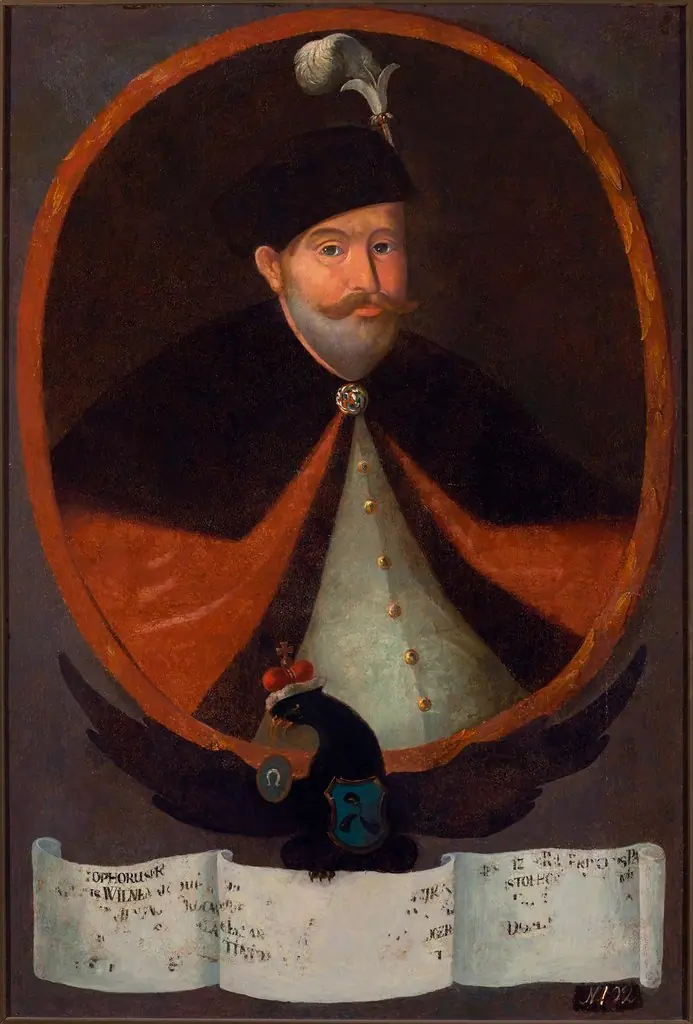 Portrait of Krzysztof II Radziwiłł (1585–1640), Great Hetman of Lithuania
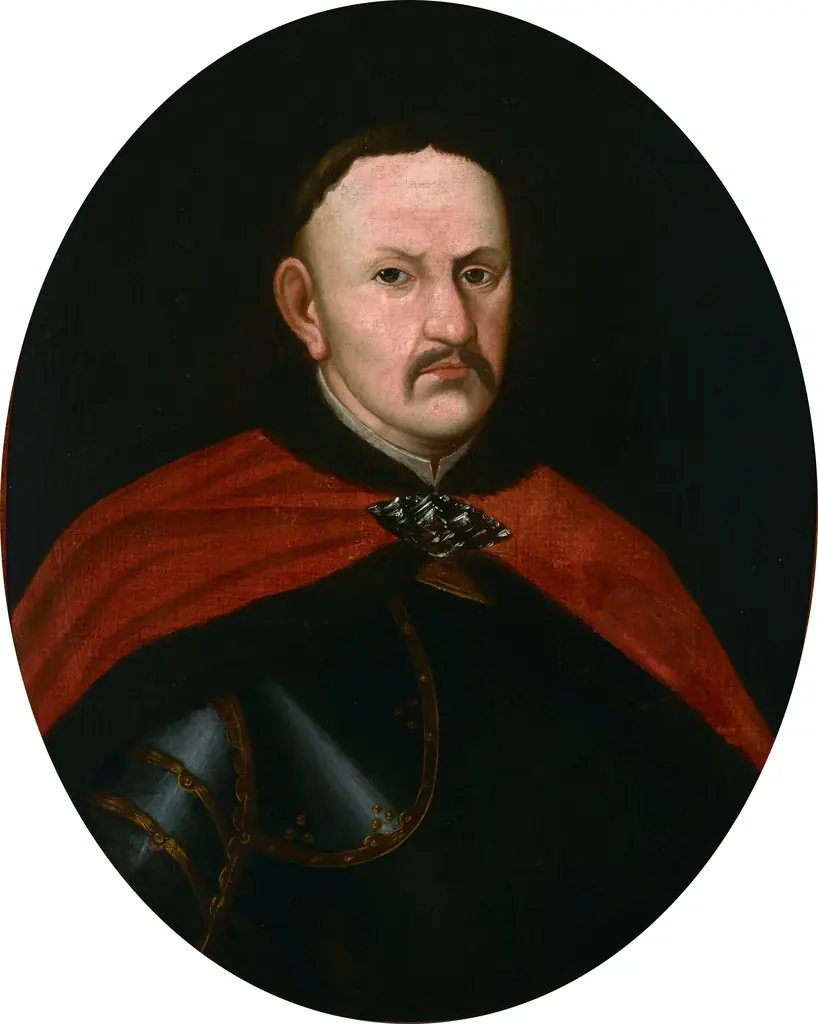 Portrait of Leonard Pociej (1632–1695), Voivode of Vitebsk
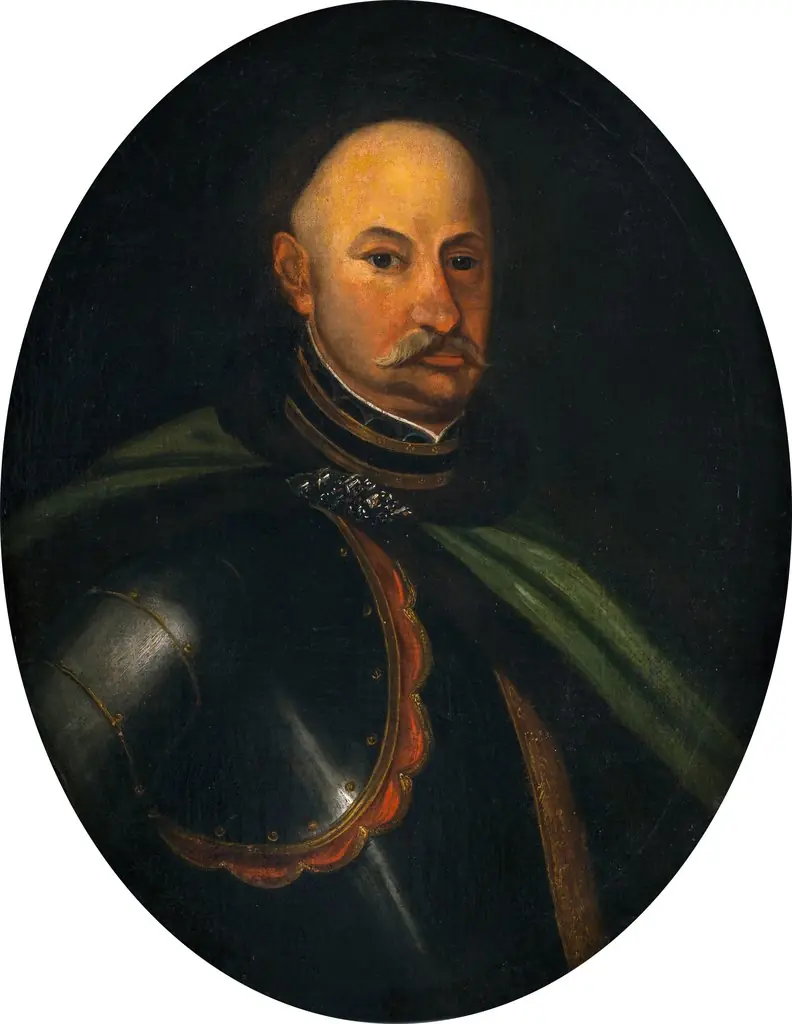 Portrait of Kazimierz Pociej (d. 1728), Voivode of Vitebsk
 Portrait of Dominik I Mikołaj Radziwiłł (1643–1697)
 Portrait of Stanisław Żółkiewski (1547–1620), Grand Hetman of the Crown and Grand Chancellor of the Crown
 Portrait of Michał Tyszkiewicz, Leliwa coat of arms (?–after 1549), field hetman of the Grand Duchy of Lithuania
 Portrait of Antoni Jan Tyszkiewicz (1609–1649), Leliwa coat of arms, court marshal of the Grand Duchy of Lithuania
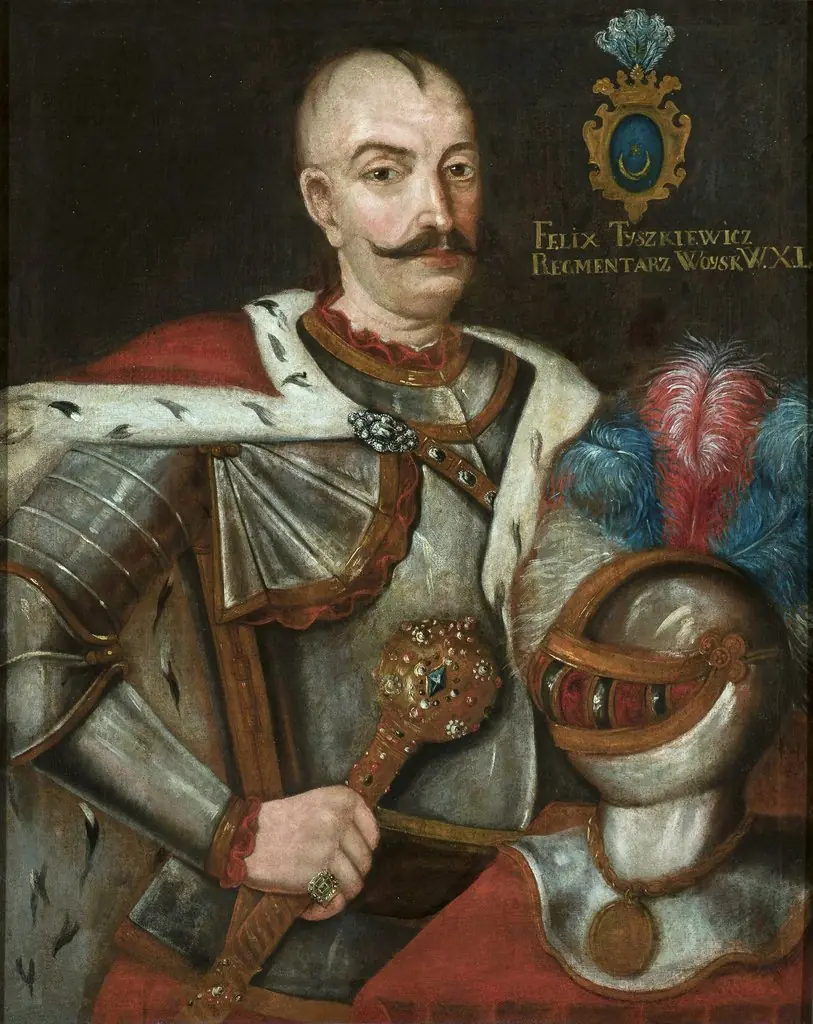 Portrait of Felix Tyszkiewicz (?–1649), Leliwa coat of arms, regimentarius (deputy hetman) of the Grand Duchy of Lithuania
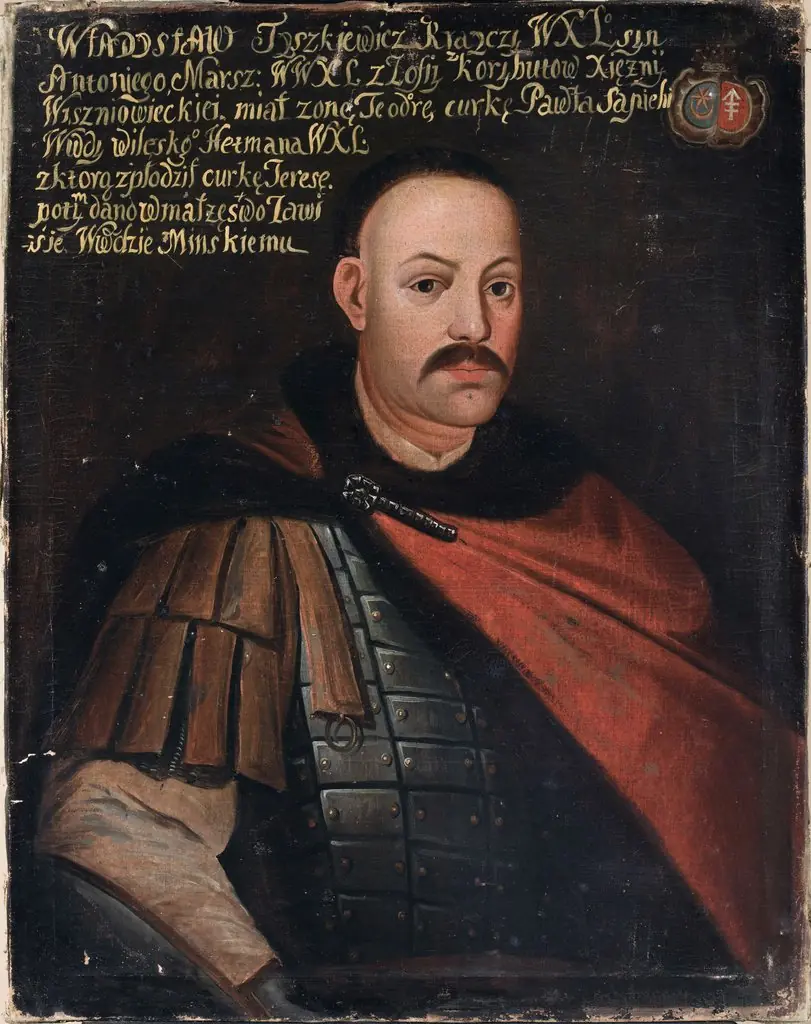 Portrait of Władysław Tyszkiewicz, Leliwa coat of arms (1644–1684), carver of the Grand Duchy of Lithuania
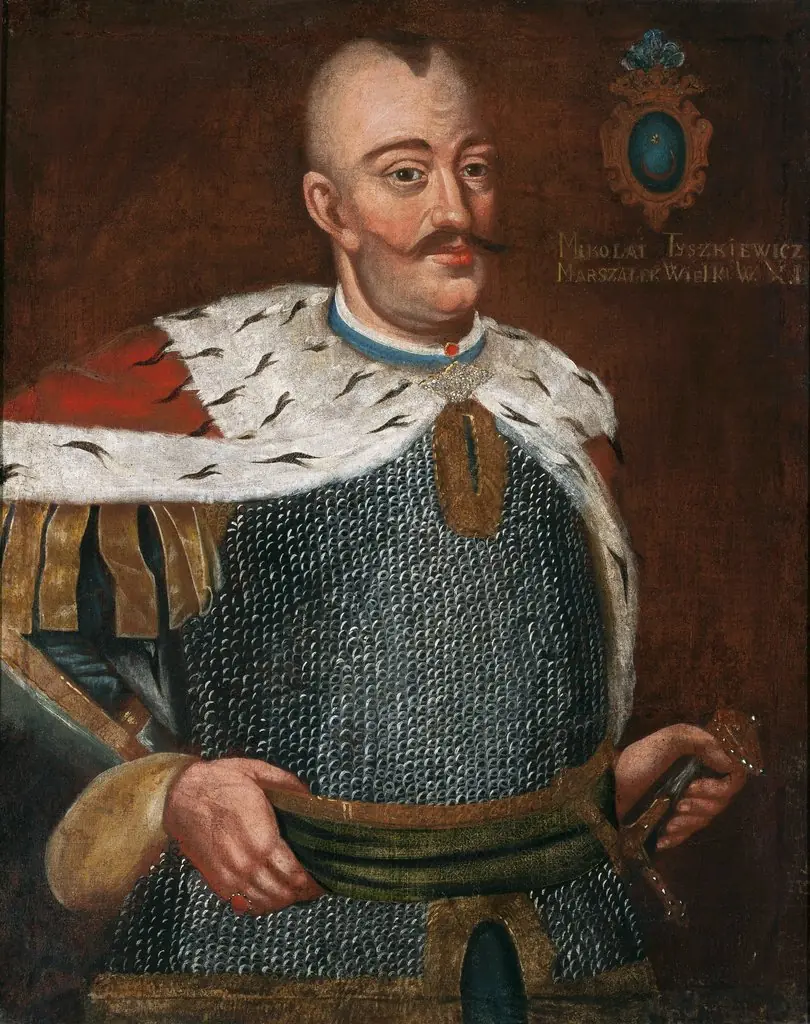 Portrait of Mikołaj Tyszkiewicz, Leliwa coat of arms, marshal of the Grand Duchy of Lithuania
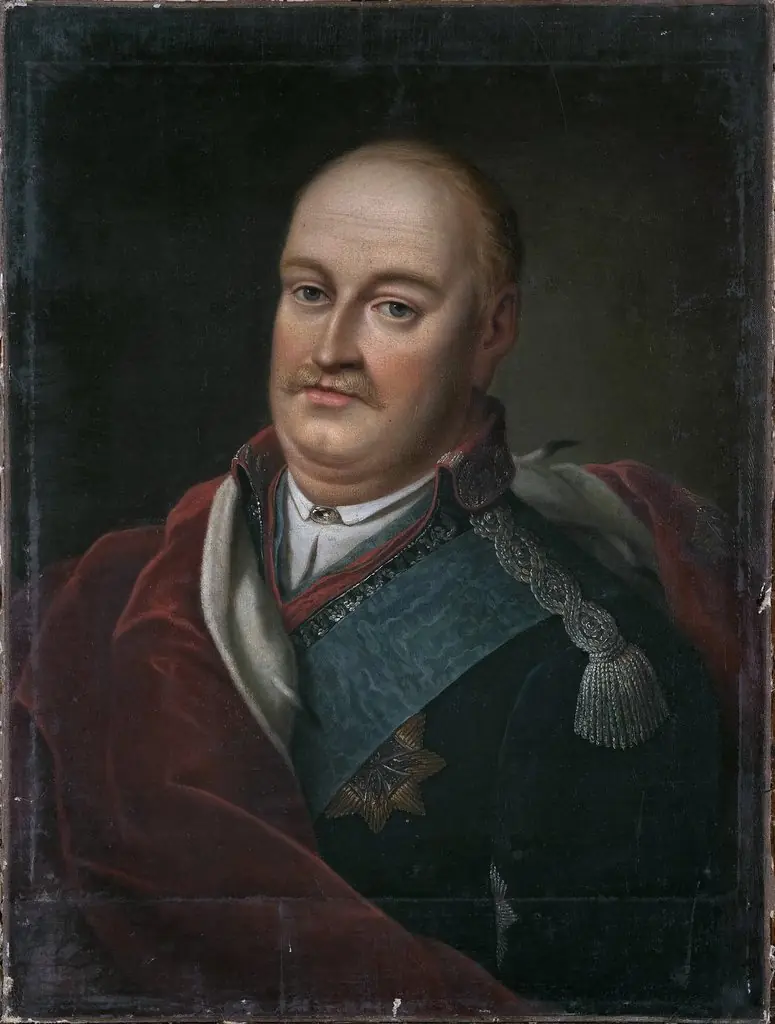 Portrait of Karol II Stanisław Radziwiłł (1734–1790) nicknamed “Panie Kochanku”