Artwork
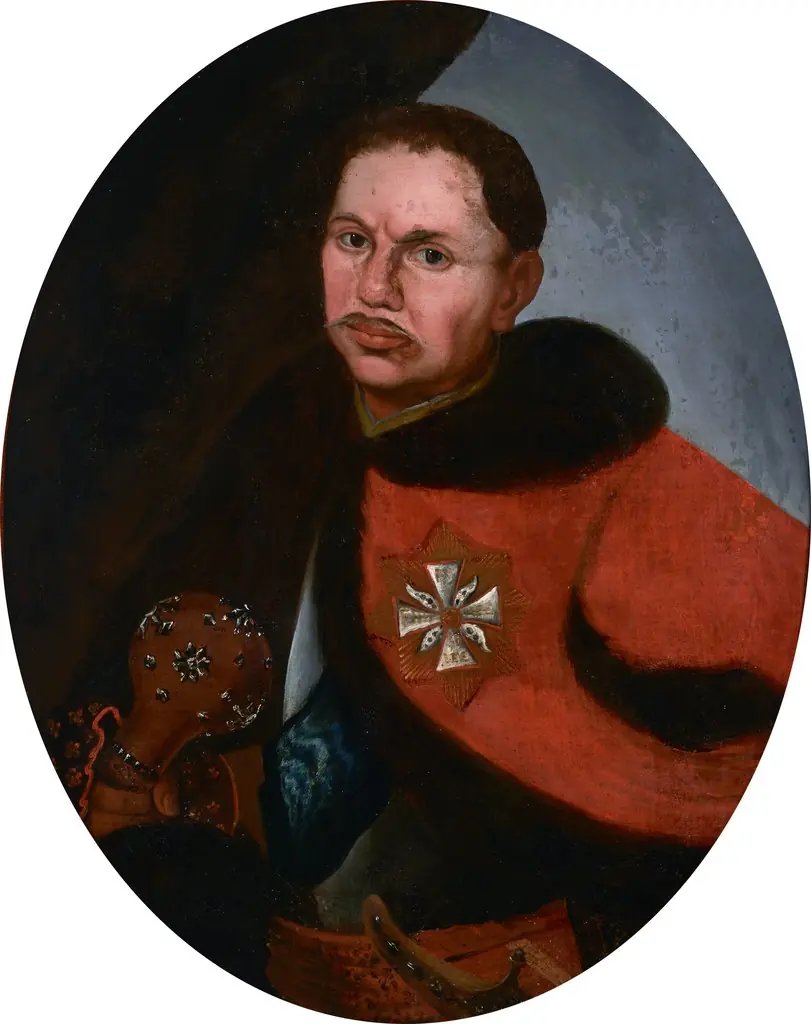
Portrait of Felix Tyszkiewicz (?–1649), Leliwa coat of arms, regimentarius (deputy hetman) of the Grand Duchy of Lithuania
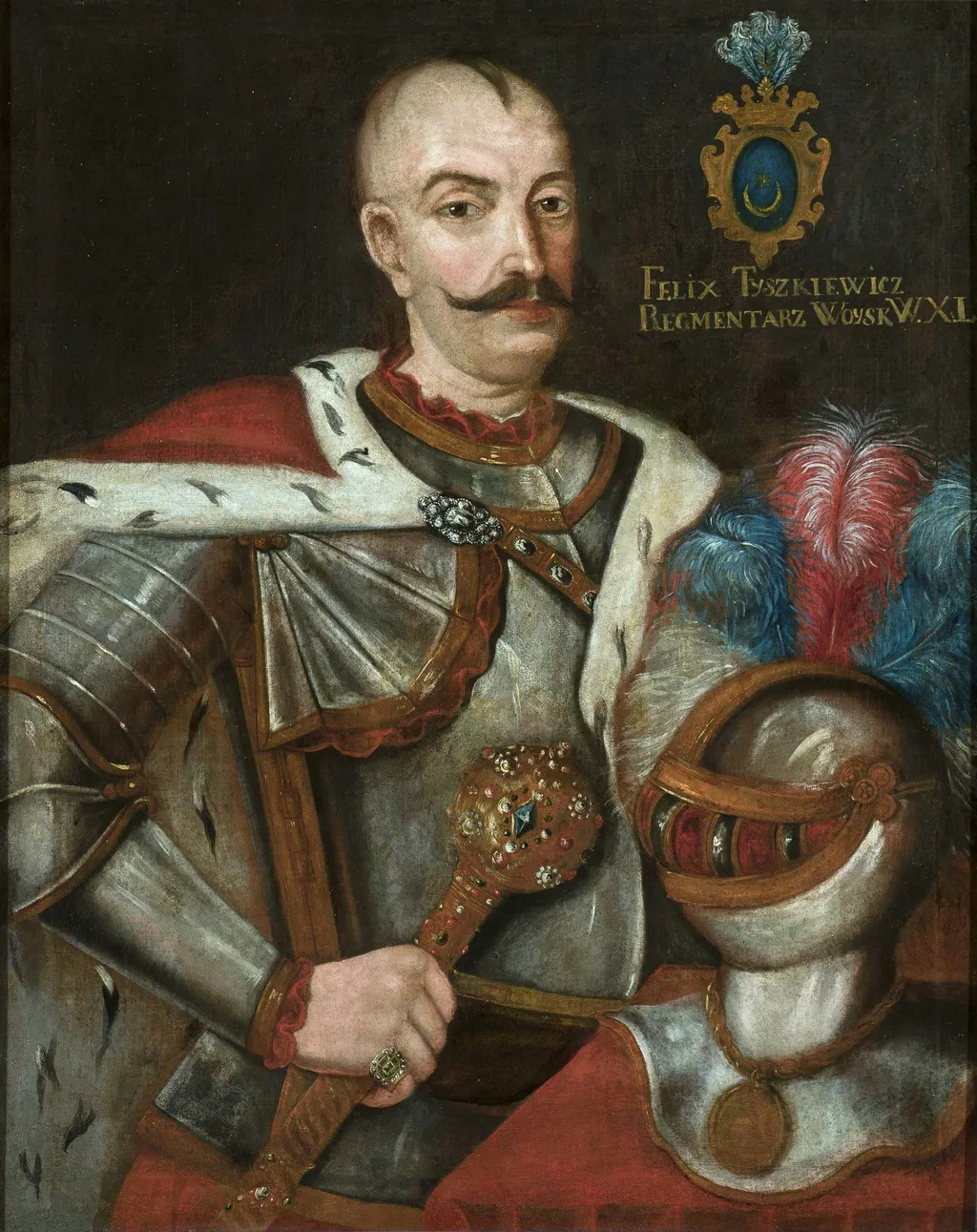
Portrait of Felix Tyszkiewicz (?–1649), Leliwa coat of arms, regimentarius (deputy hetman) of the Grand Duchy of Lithuania is an oil painting by the Neoclassicist artist Unknown. It dates from 1797 and is held in the collection of the National Museum in Warsaw.
About this work
Overview
This 17th-century oil painting portrays Felicijonas Tiškevičius, a deputy hetman of the Grand Duchy of Lithuania, identified by the Leliwa coat of arms. The subject is depicted in elaborate armor, with a sword, white cape (red-lined), and distinctive facial features including a mustache and receding hairline. A prominent ring adorns his right hand.
Subject & Meaning
The portrait honors Felicijonas Tiškevičius, a significant figure in Lithuanian history, emphasizing his military and noble status through the depiction of armor, sword, and coat of arms. The Leliwa emblem specifically denotes his family lineage and heritage.
Technique & Style
The artist employed chiaroscuro to create depth, contrasting the subject's illuminated attire against a dark background. This technique accentuates the intricate details of the armor and the subject's facial expressions, contributing to the painting's dimensional quality.
History & Provenance
While the artist remains unspecified, the subject's identity as Felicijonas Tiškevičius (?–1649) provides a temporal context for the painting's creation, likely during his lifetime or shortly after. Provenance details are not provided.
Context
The painting reflects the artistic and social conventions of 17th-century portraiture in Eastern Europe, particularly among the nobility and military leaders of the Grand Duchy of Lithuania. It highlights the importance of heraldic symbols and military regalia in portraying status.
Artist & collection

 Domestic Scene
 Giacomo and Cardinal Marco, investing Andrea, Abbot of San Zeno, with his Benefice
 The Nymph of Fontainebleau
 Portrait of a Woman
 Madonna and Child with Saints in the Enclosed Garden
 Venus and Minerva
 Family Group of Four on Sofa
 Wall painting from Room H of the Villa of P. Fannius Synistor at Boscoreale
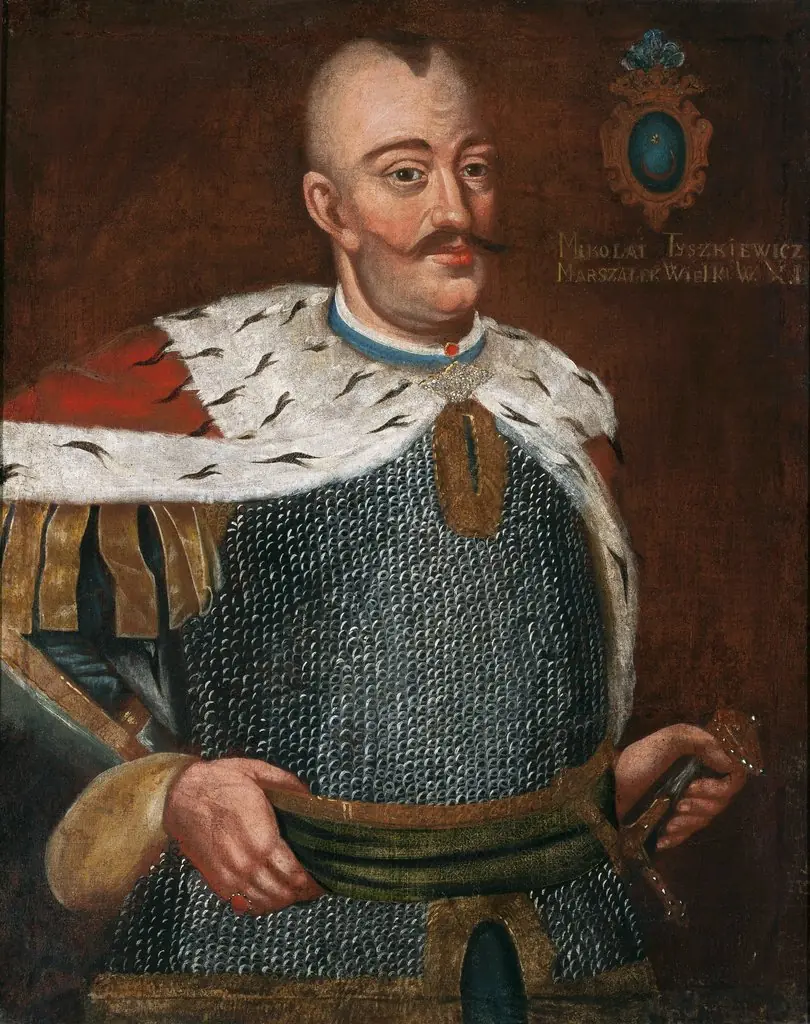 Portrait of Mikołaj Tyszkiewicz, Leliwa coat of arms, marshal of the Grand Duchy of Lithuania
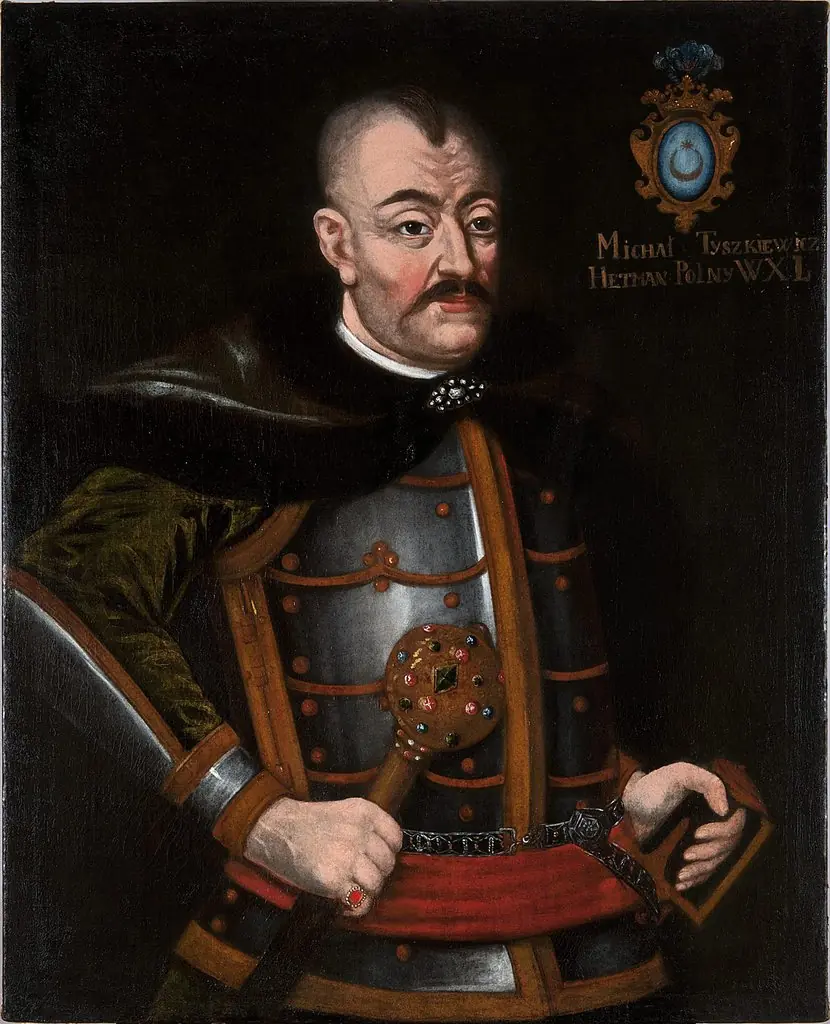 Portrait of Michał Tyszkiewicz, Leliwa coat of arms (?–after 1549), field hetman of the Grand Duchy of Lithuania
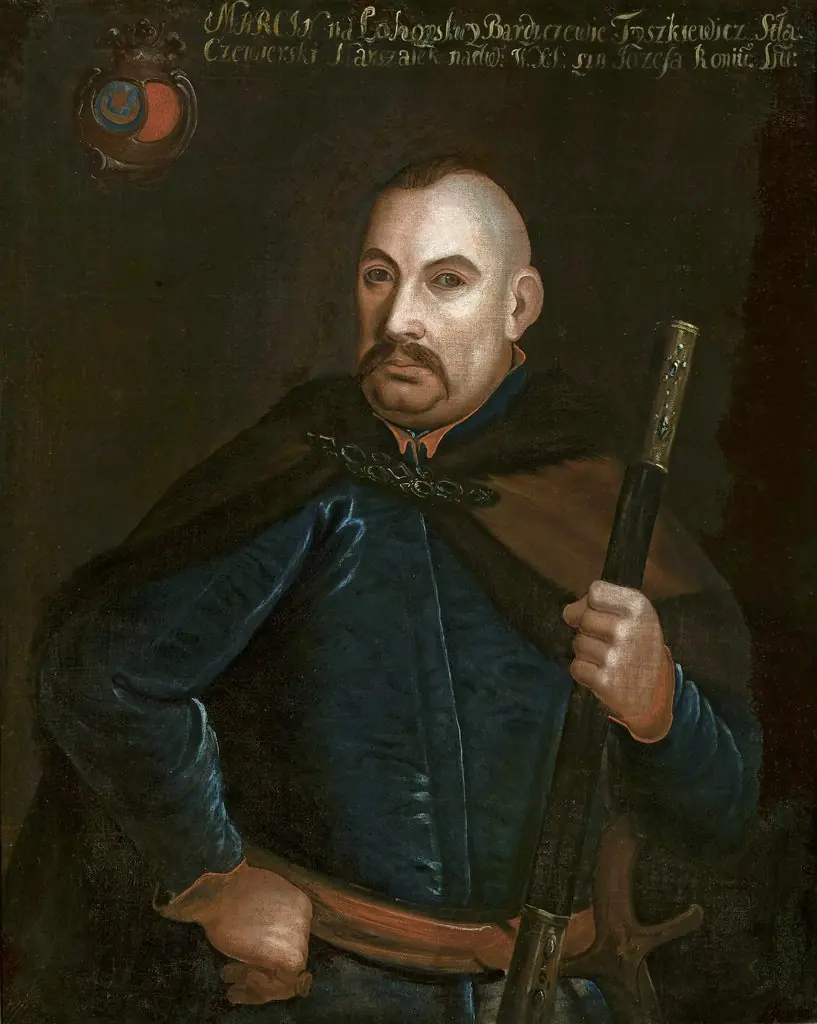 Portrait of Marcin Tyszkiewicz, Leliwa coat of arms (?–after 1631), court marshal of the Grand Duchy of Lithuania
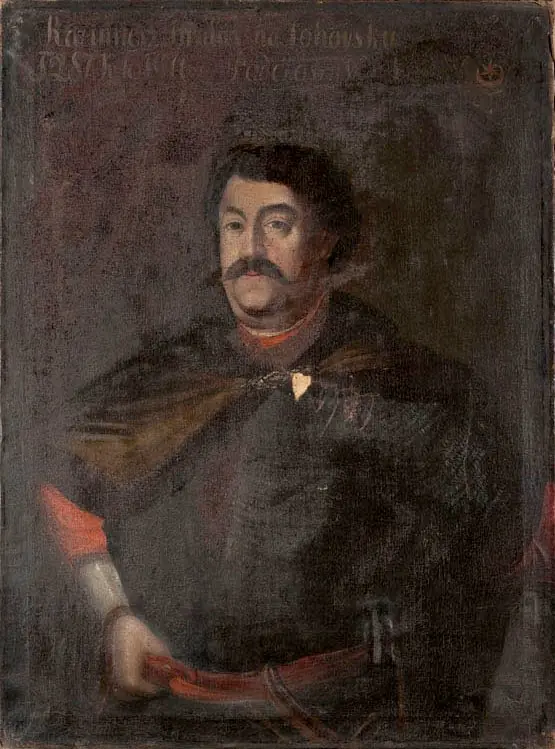 Portrait of Kazimierz Tyszkiewicz, Leliwa coat of arms (?–1652), cup-bearer of the Grand Duchy of Lithuania
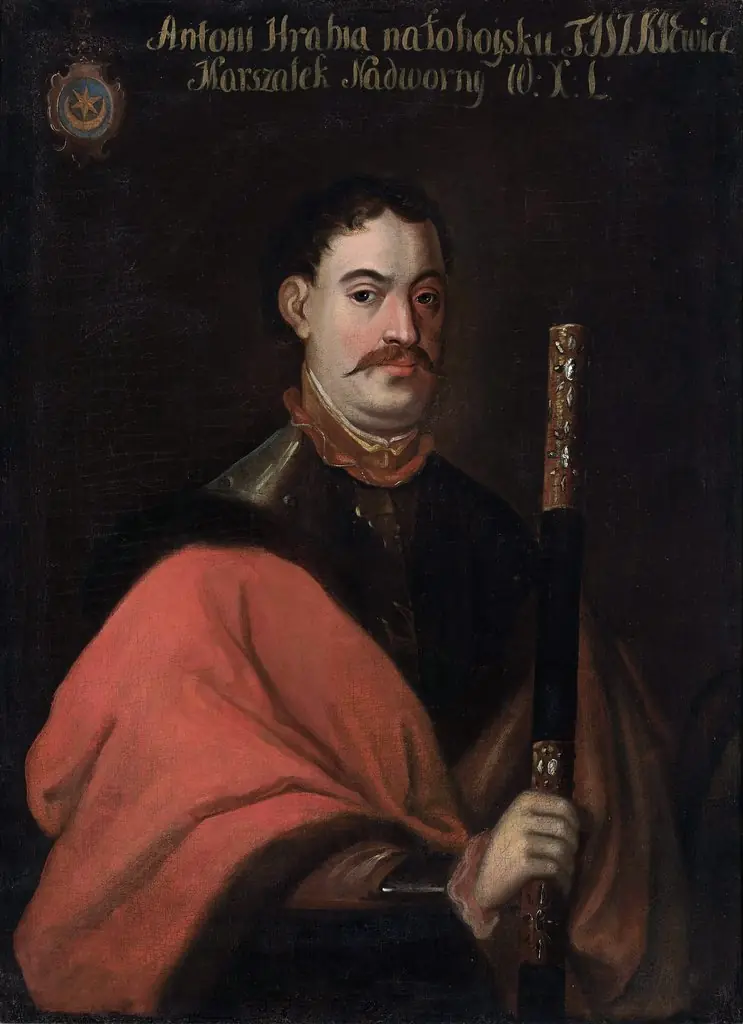 Portrait of Antoni Jan Tyszkiewicz (1609–1649), Leliwa coat of arms, court marshal of the Grand Duchy of Lithuania
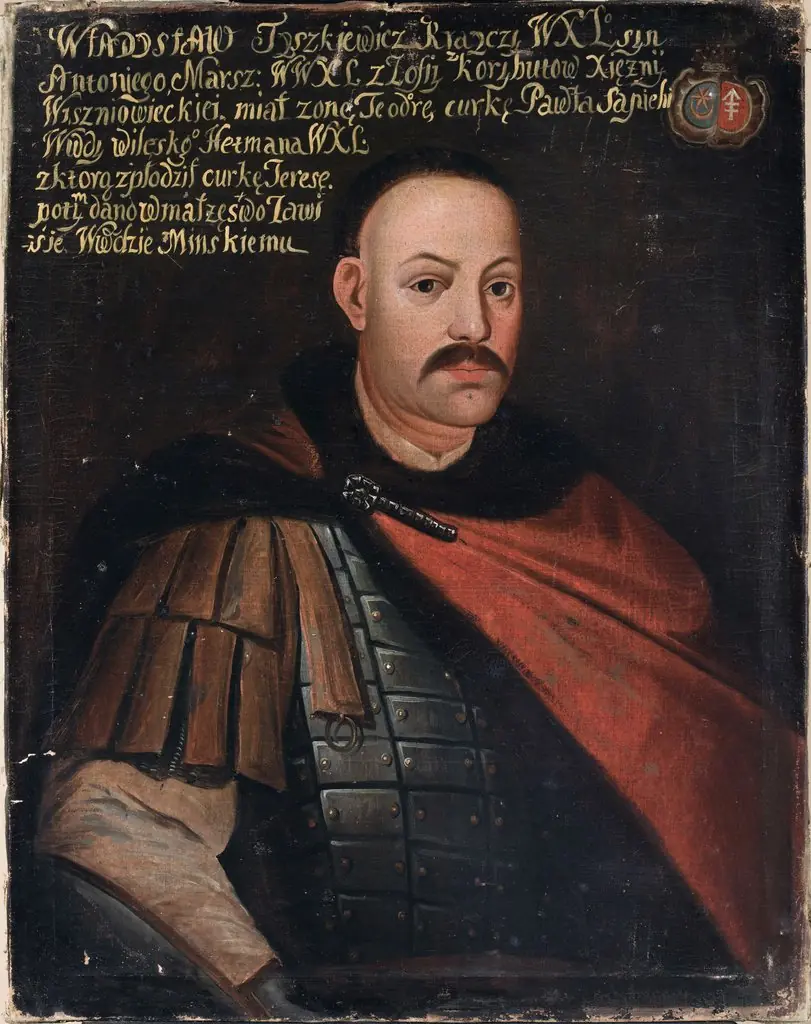 Portrait of Władysław Tyszkiewicz, Leliwa coat of arms (1644–1684), carver of the Grand Duchy of Lithuania
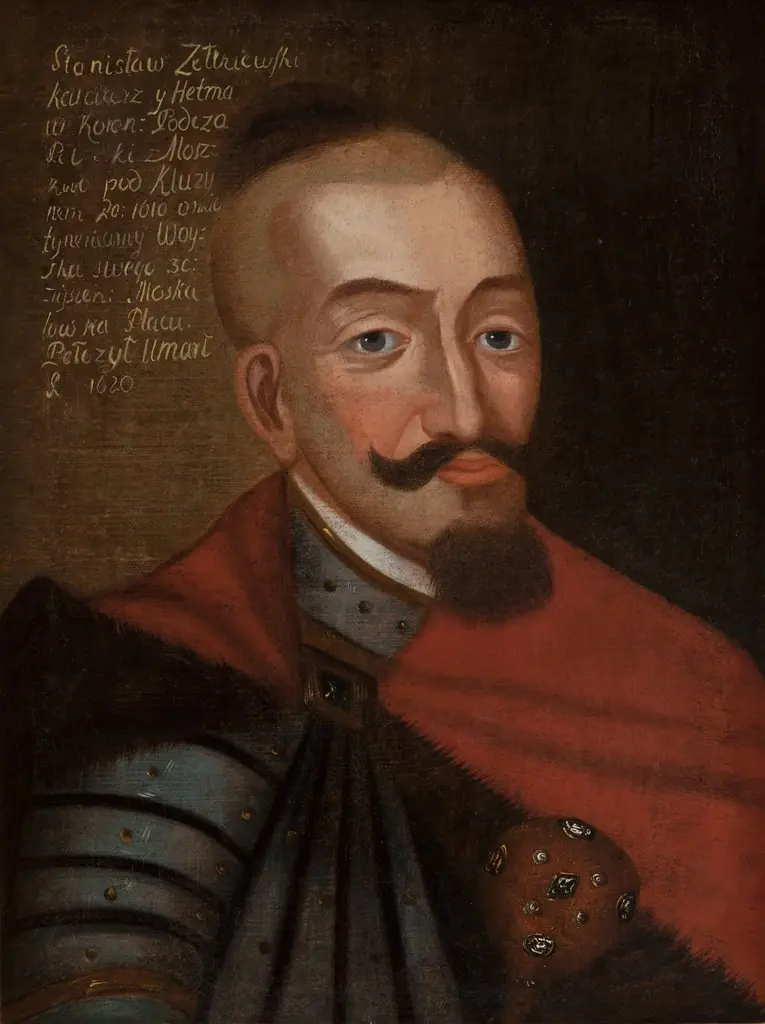 Portrait of Stanisław Żółkiewski (1547–1620), Grand Hetman of the Crown and Grand Chancellor of the Crown
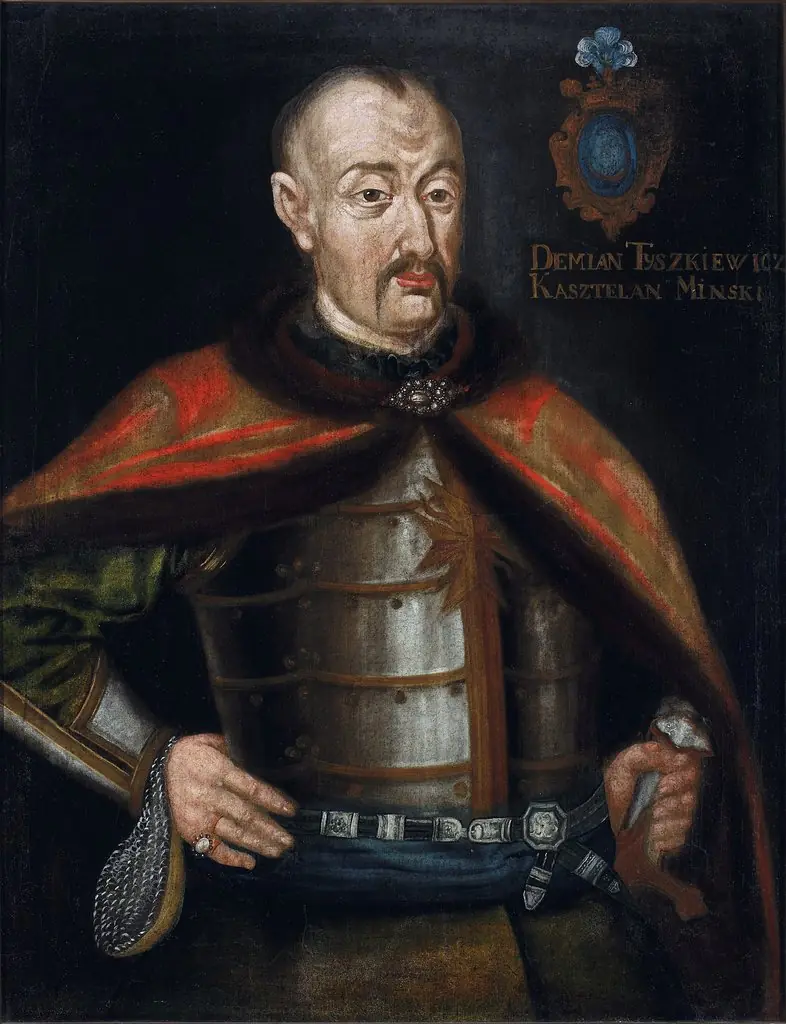 Portrait of Demian (Dmitri) Skumin Tyszkiewicz, Leliwa coat of arms (?–1609), castellan of Minsk
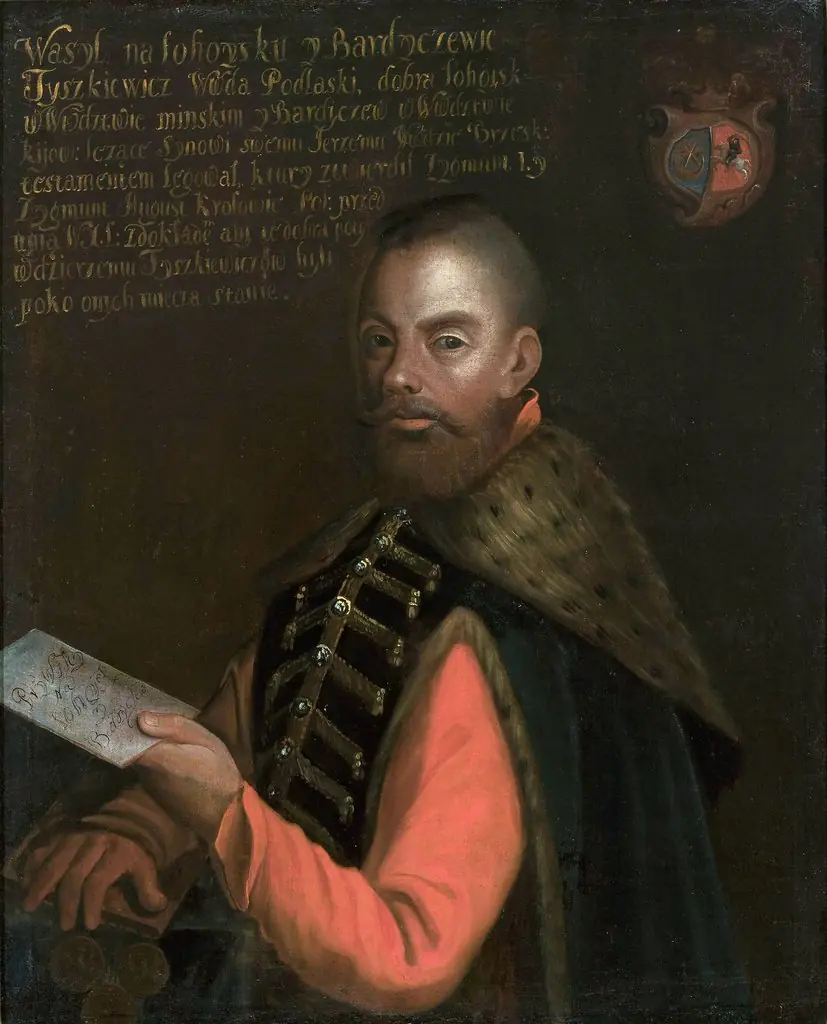 Portrait of Wasyl Tyszkiewicz, Leliwa coat of arms (?–1571), voivode of Podlasie
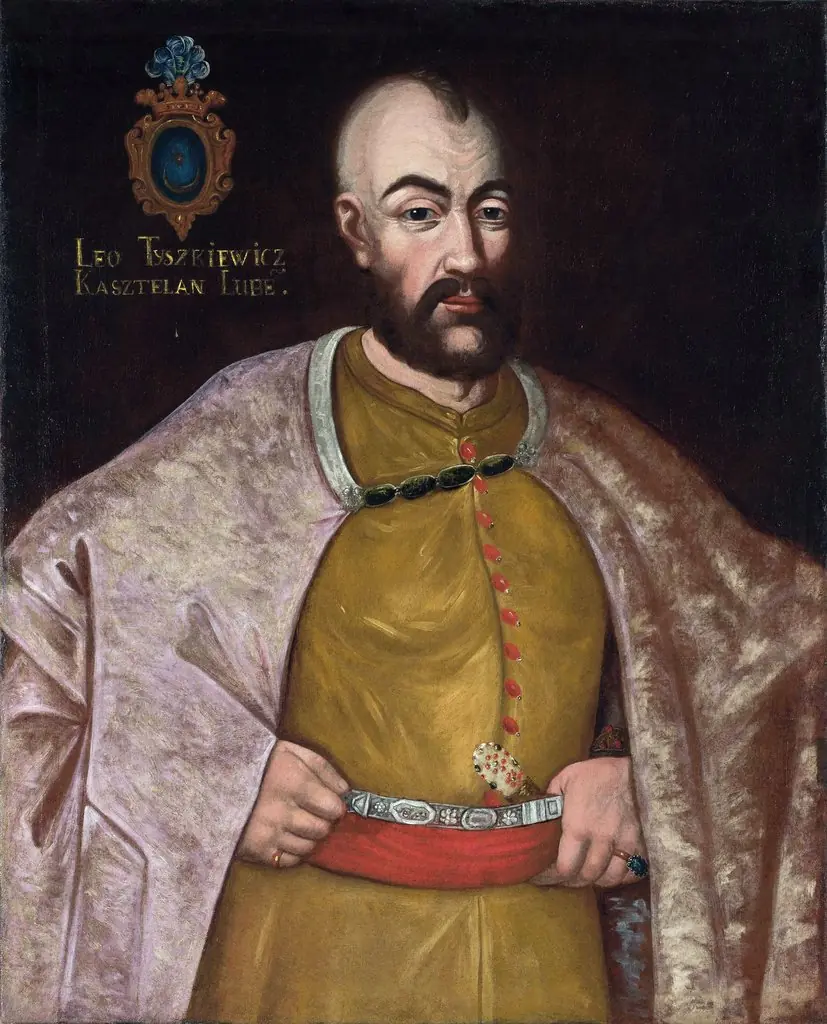 Portrait of Leo (Lew) Tyszkiewicz, Leliwa coat of arms (?–before 1515), castellan of Liubech (?)
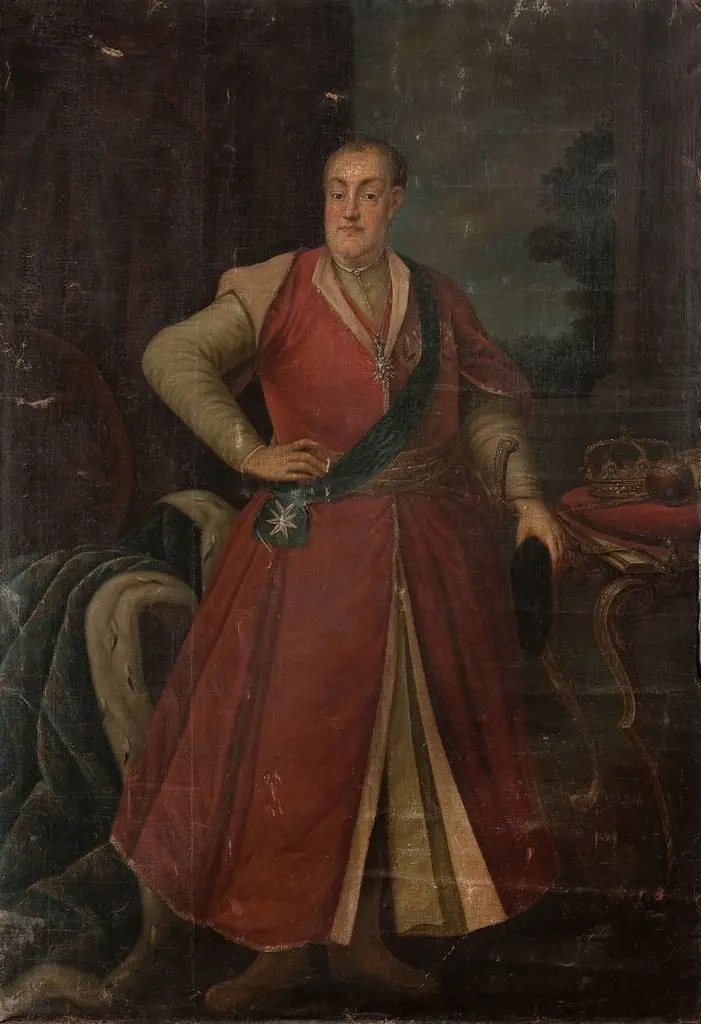 Portrait of Augustus III (1696–1763), King of Poland
 Portrait of Ludwik Konstanty Pociej (1664–1730), Grand Hetman of Lithuania