Artwork
Children Begging
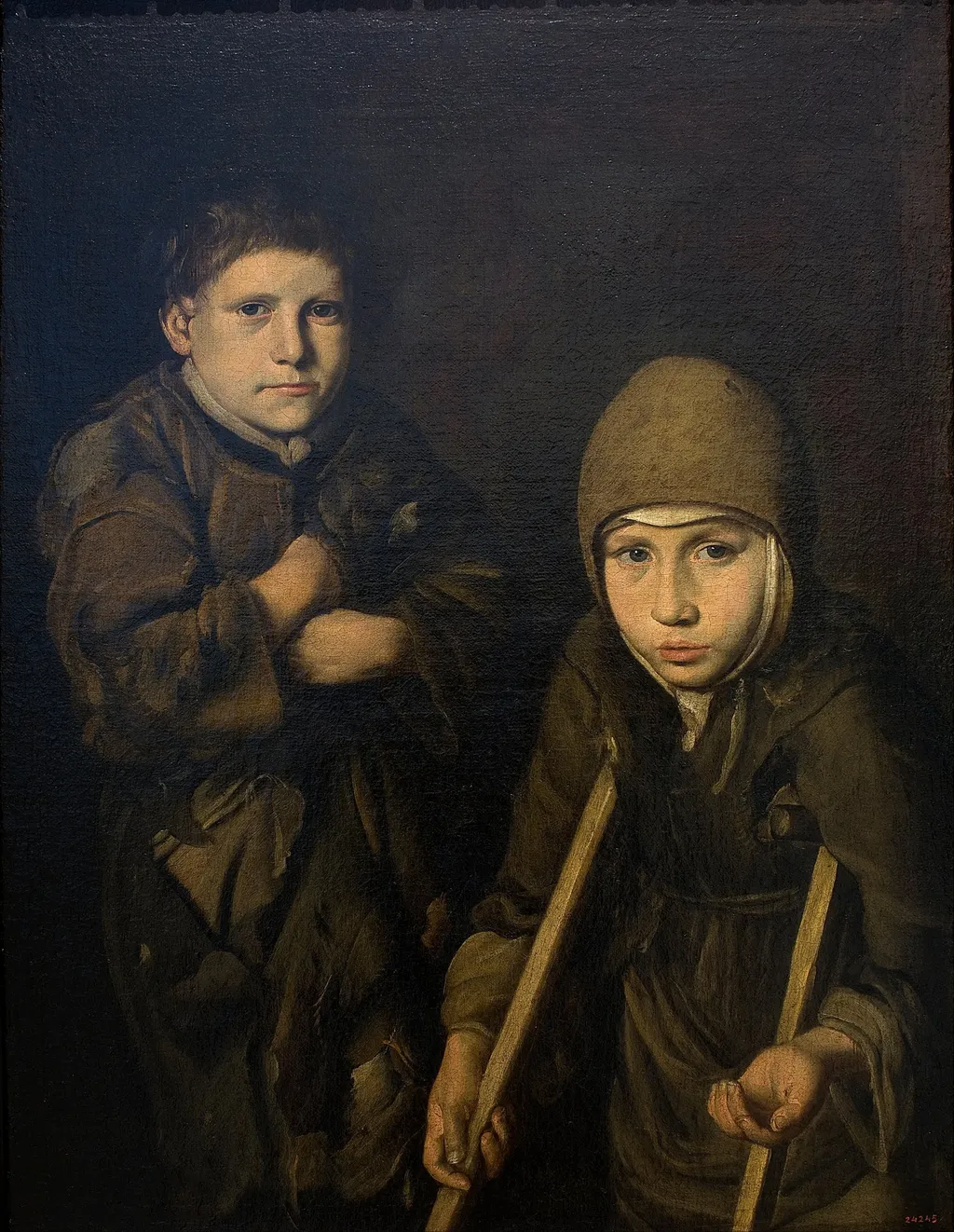
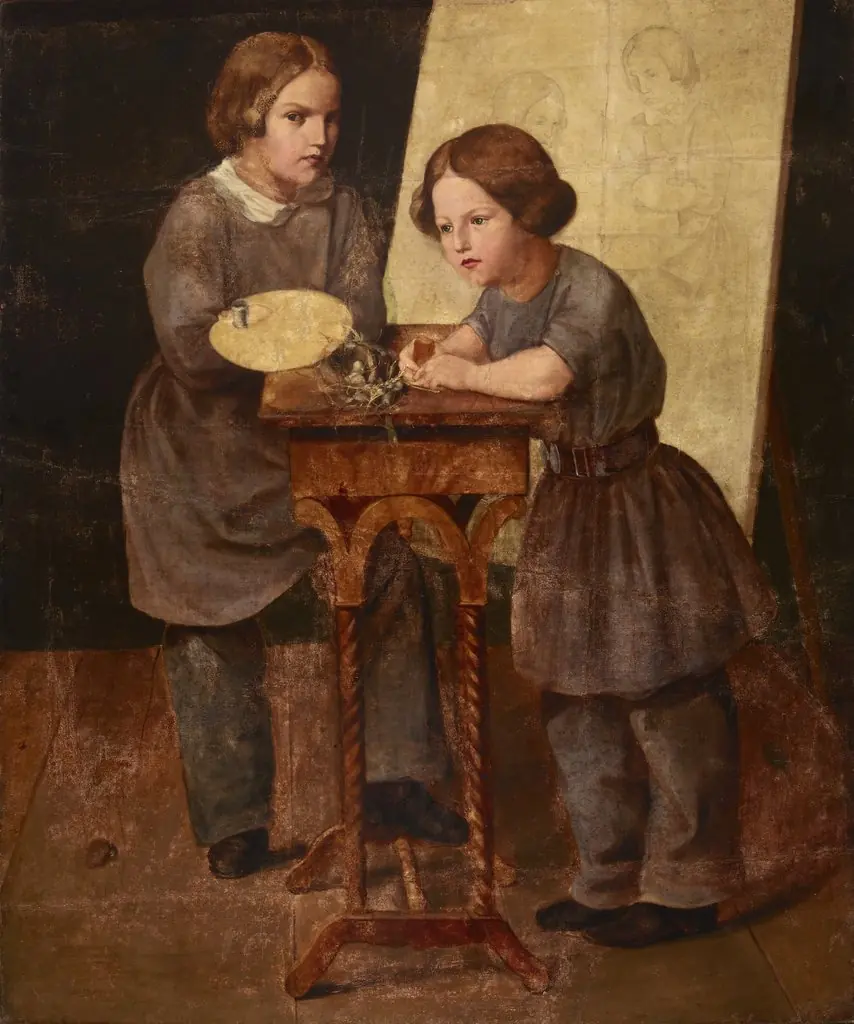
Children Begging is an oil painting by the Dutch Golden Age artist Unknown. It dates from 1650 and is held in the collection of the Museu Nacional d'Art de Catalunya. This oil painting portrays two young boys in a dim interior, their postures and expressions conveying quiet gravity.
About this work
Overview
This oil painting portrays two young boys in a dim interior, their postures and expressions conveying quiet gravity. The composition centers on their stillness, framed by deep shadows that isolate them from any identifiable setting. The limited palette and restrained lighting focus attention on their faces and gestures, suggesting a narrative of hardship without explicit detail.
Subject & Meaning
The two boys appear to be beggars, their clothing worn and their demeanor subdued. The older boy meets the viewer’s gaze with solemnity, while the younger one averts his eyes, clutching a wooden staff. Their silence and physical proximity imply a shared fate, evoking themes of vulnerability and social marginalization without overt sentimentality or moral judgment.
Technique & Style
The artist employs chiaroscuro to model the figures with sharp contrasts between light and shadow, enhancing their three-dimensionality and emotional weight. Brushwork is restrained, with smooth transitions in skin tones and textured details in fabric. The dark background recedes subtly, deepening the sense of isolation and concentrating the viewer’s attention on the boys’ presence.
History & Provenance
The painting’s origin is undocumented in public records, and its early ownership remains unclear. It has been attributed to a late 17th-century Northern European painter, likely influenced by Caravaggisti traditions. No exhibition history or documented collector prior to the 20th century has been verified, leaving its early context speculative.
Context
In the late 1600s, depictions of impoverished children were uncommon in formal art, often reserved for religious or moral allegories. This work stands apart by presenting its subjects without symbolic embellishment, reflecting a growing interest in everyday realism among certain regional painters who observed urban poverty with quiet empathy.
Legacy
Though not widely known during its time, the painting has since been recognized for its restrained emotional power and technical precision. It contributes to a quieter strand of genre painting that prioritized observation over narrative, influencing later realist artists who sought dignity in ordinary, overlooked lives.
Artist & collection

 Domestic Scene
 Giacomo and Cardinal Marco, investing Andrea, Abbot of San Zeno, with his Benefice
 The Nymph of Fontainebleau
 Portrait of a Woman
 Madonna and Child with Saints in the Enclosed Garden
 Venus and Minerva
 Family Group of Four on Sofa
 Wall painting from Room H of the Villa of P. Fannius Synistor at Boscoreale
 En pige og en dreng, der varmer sig ved et kulbækken
 Errand Boy Seated on a Basket
 The Village Fool
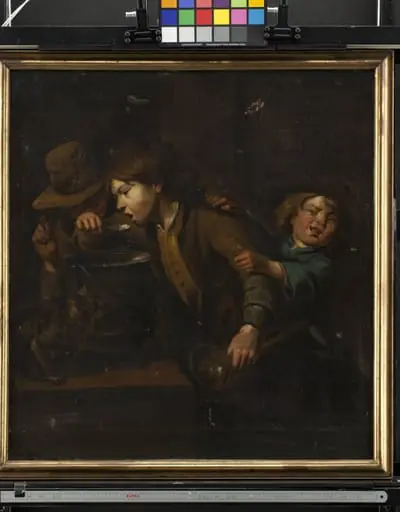 Drengene om vællingen
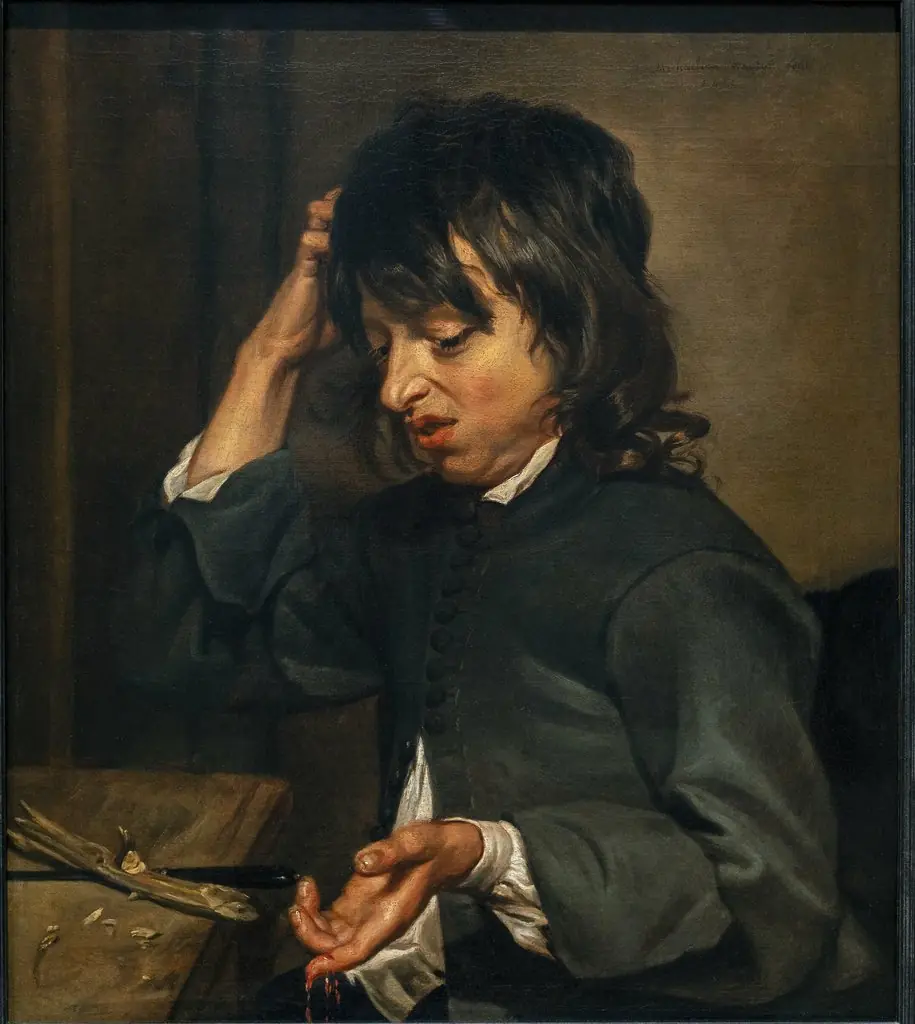 Touch
Touch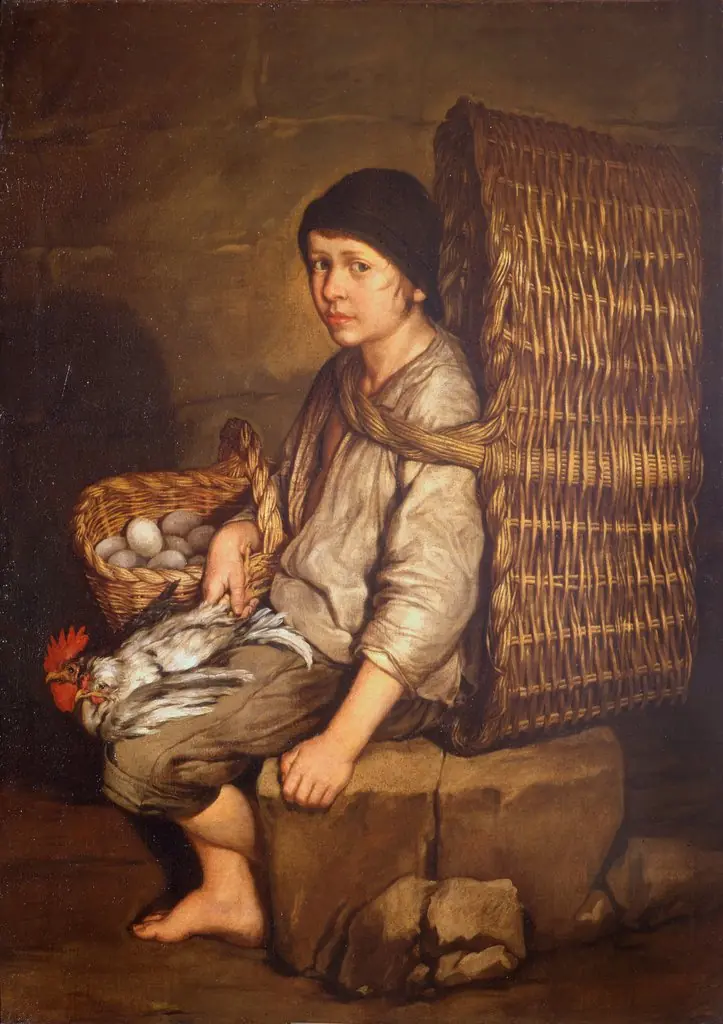 Errand Boy Seated with a Basket on His Back, Eggs and Poultry
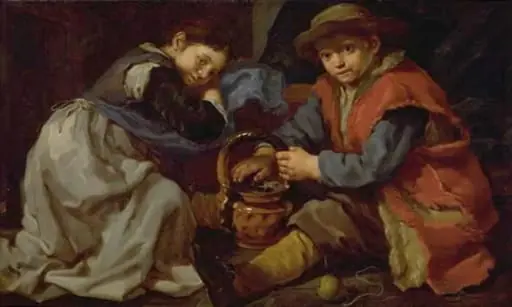 A Girl and a Boy with a Brazier
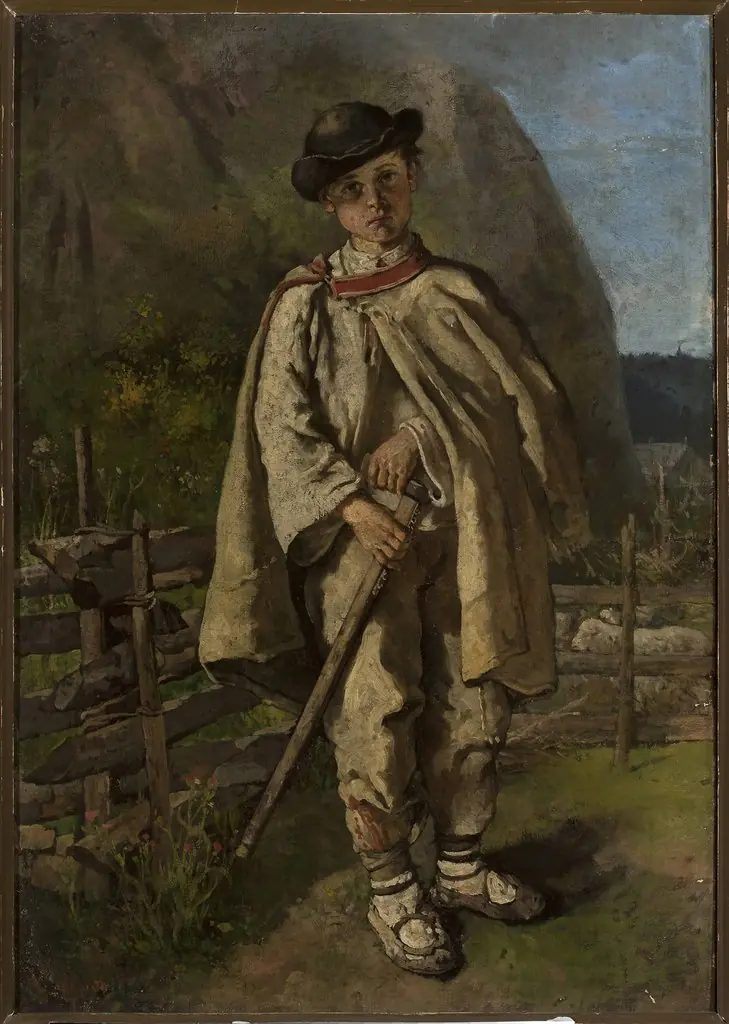 Portrait of a Highlander boy
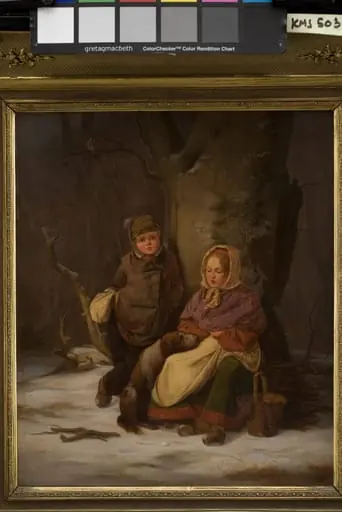 To fattige børn
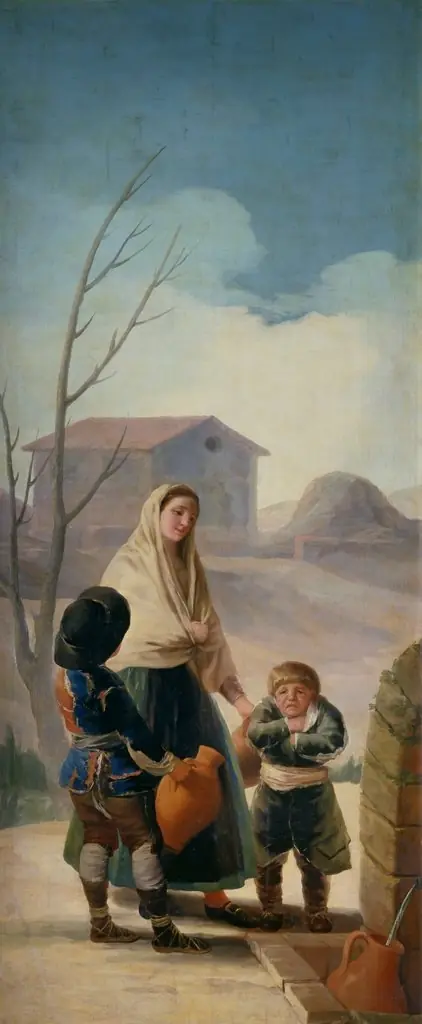 The Poor at the Fountain
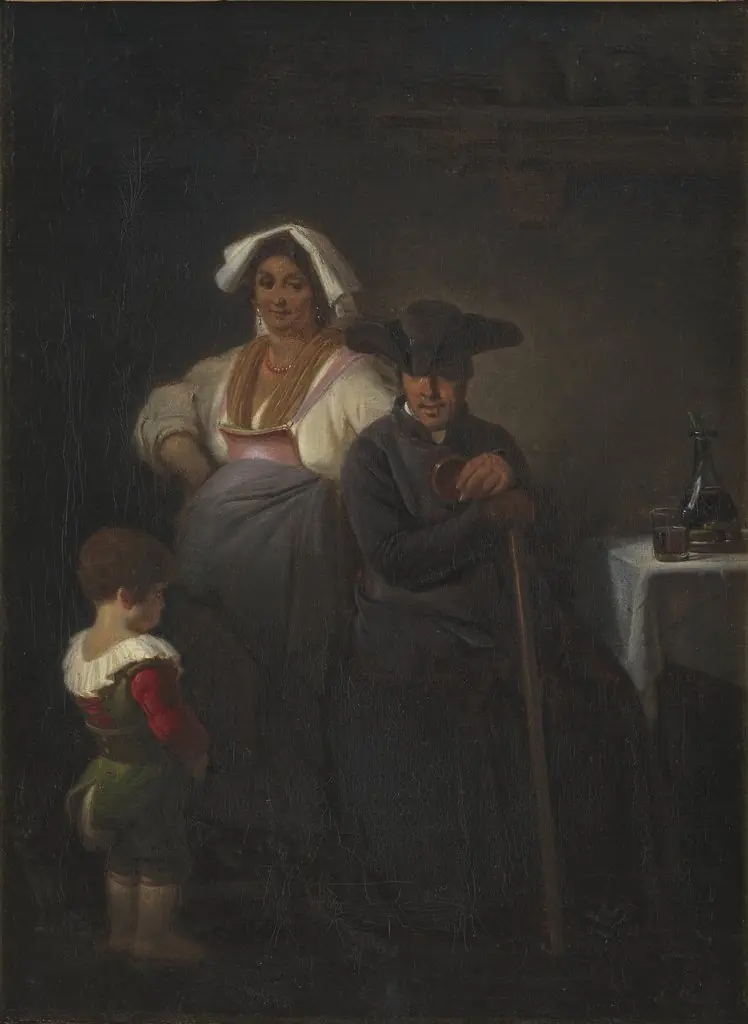 A Little Boy being Presented to a Priest
 Two Boys at the Table