Artwork
Mandsportræt
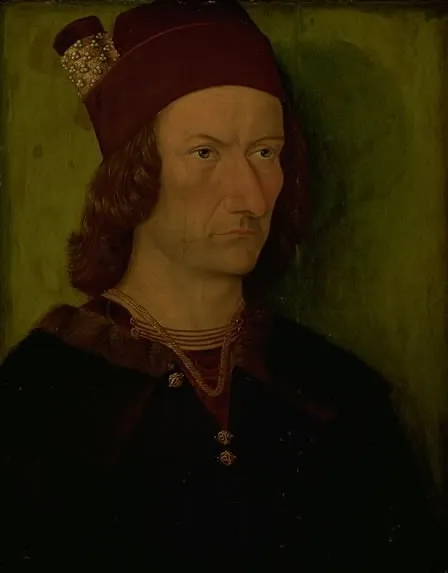
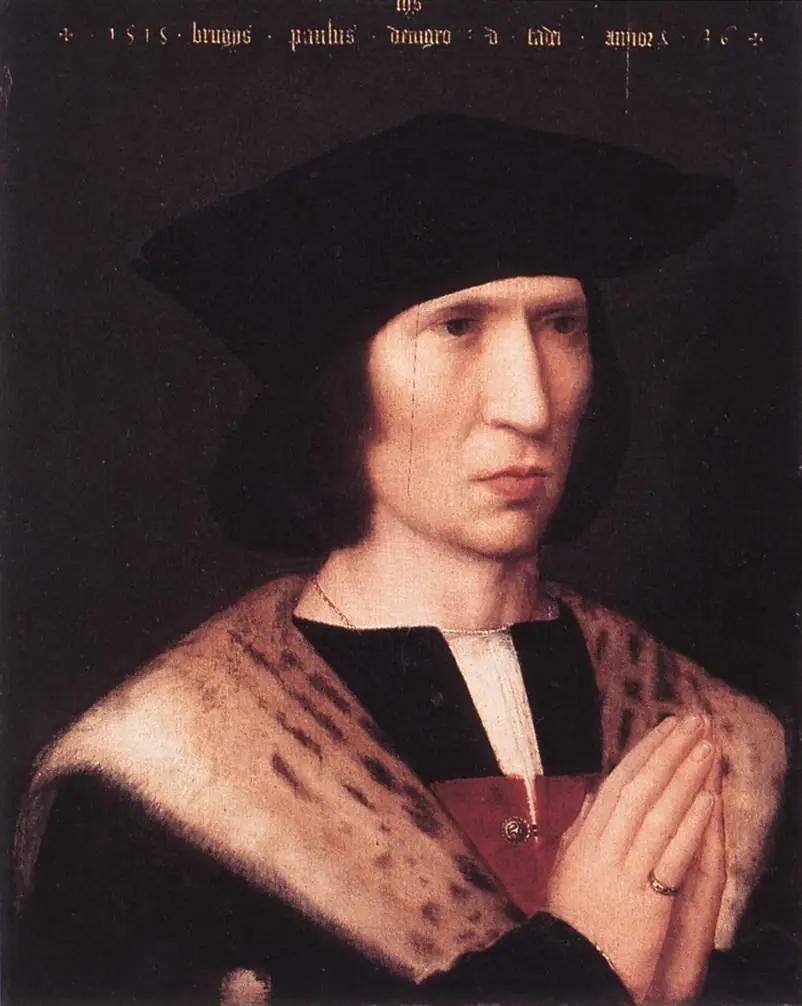
Mandsportræt is an oil painting by the Northern Renaissance artist Unknown. It dates from 1472 and is held in the collection of the Statens Museum for Kunst. This oil painting presents a half-length portrait of a man, rendered with quiet realism.
About this work
Overview
This oil painting presents a half-length portrait of a man, rendered with quiet realism. The composition centers on his face and upper torso, framed by a dark hat and high-collared shirt. The muted green background isolates the figure, emphasizing his presence without distraction. The artist avoids theatricality, favoring a restrained, intimate observation of the subject.
Subject & Meaning
The man’s serious expression and formal attire suggest a person of social standing, possibly a merchant, scholar, or civic official. His gaze is direct but unemotional, inviting contemplation rather than narrative. The gold brooch and buttons hint at modest wealth, yet the overall tone remains subdued, reflecting values of dignity and restraint common in 17th-century portraiture.
Technique & Style
The painter employs subtle gradations of light and shadow to model the face and hands, creating a sense of volume without harsh contrasts. Brushwork is fine and controlled, particularly in the rendering of hair and fabric textures. The palette is limited to earth tones and muted greens, reinforcing the portrait’s quiet intensity and focus on the sitter’s physiognomy.
History & Provenance
The painting’s origin and early ownership are undocumented, but its style aligns with Northern European portraiture of the late 1500s to early 1600s. It likely originated in the Low Countries or Germany, where such intimate, non-idealized likenesses were common among the urban elite. Its survival suggests it was preserved within a private collection for generations.
Context
During this period, secular portraiture flourished as the middle class gained influence and sought to document personal identity outside religious or royal contexts. Unlike grand court portraits, these works emphasized individuality through quiet detail—clothing, expression, and posture—rather than symbols of power or lineage.
Legacy
The painting exemplifies a shift toward psychological realism in early modern portraiture. Its lack of ornamentation and focus on the individual’s presence influenced later generations of Northern European painters who valued authenticity over spectacle. It remains a quiet testament to the dignity of ordinary, non-noble subjects in an era of emerging civic identity.
Artist & collection

 Domestic Scene
 Giacomo and Cardinal Marco, investing Andrea, Abbot of San Zeno, with his Benefice
 The Nymph of Fontainebleau
 Portrait of a Woman
 Madonna and Child with Saints in the Enclosed Garden
 Venus and Minerva
 Family Group of Four on Sofa
 Wall painting from Room H of the Villa of P. Fannius Synistor at Boscoreale
 Portrait of a young man
 Portrait of a Man
 Portrait of William of Croÿ, lord of Chièvres
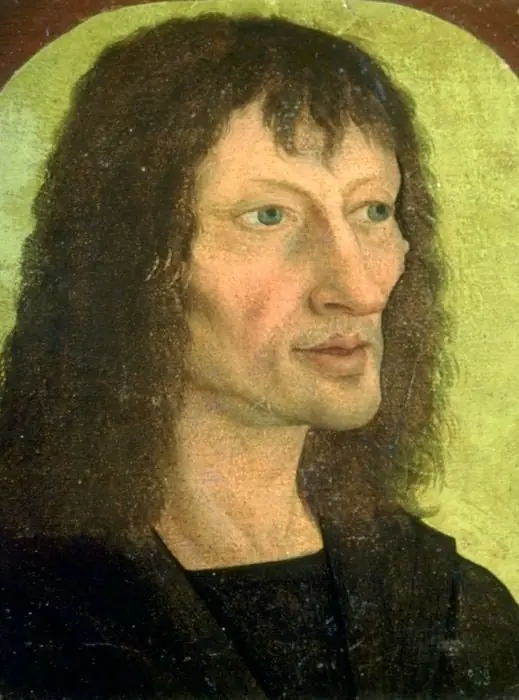 Bildnis eines Mannes
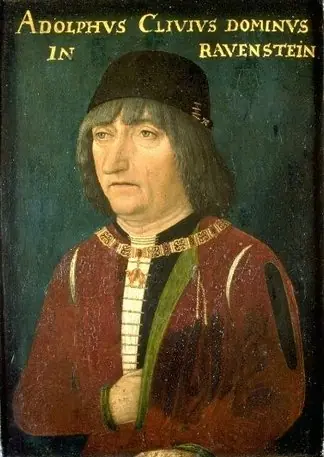 Portrait of Adolf van Kleef (1425-1492) (op de achterzijde: initialen van Adolf van kleef en zijn beide echtgenoten)
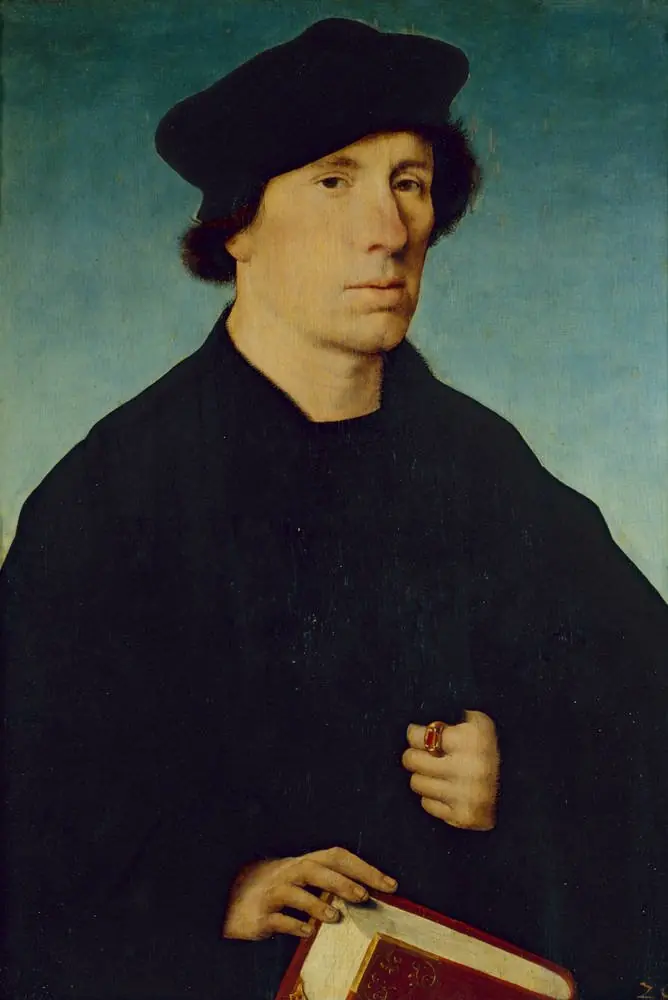 Portrait of a Beardless Man
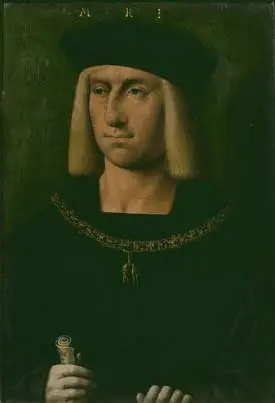 Portrait of Maximiliaan I (1459-1519), Keizer van het Heilige Roomse Rijk 1493-1519
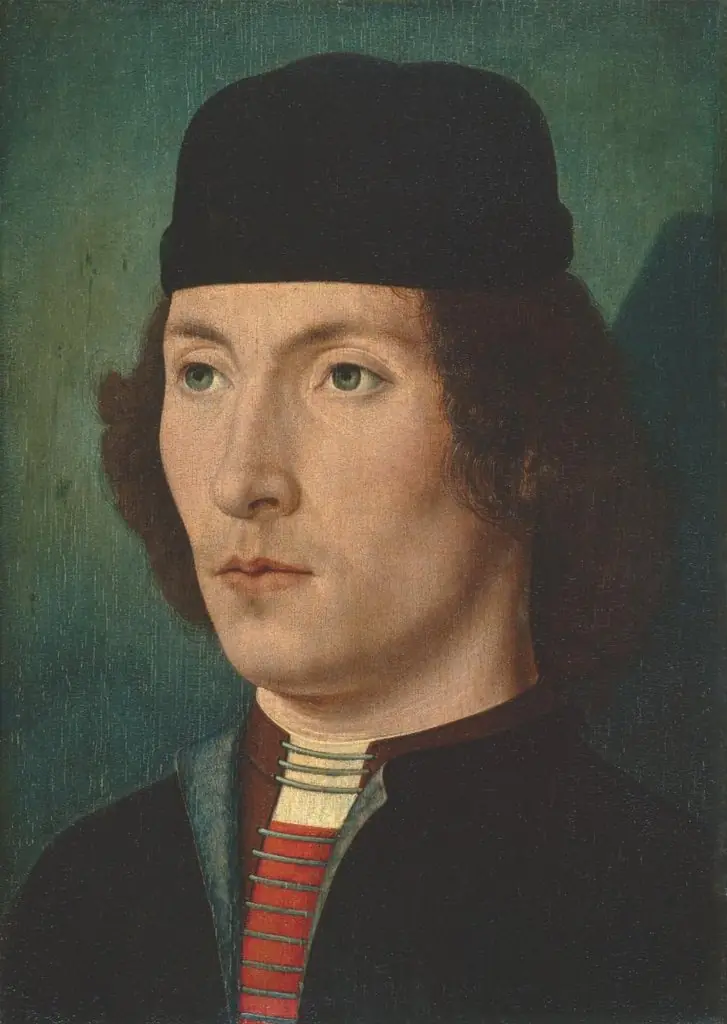 Portrait of a young man
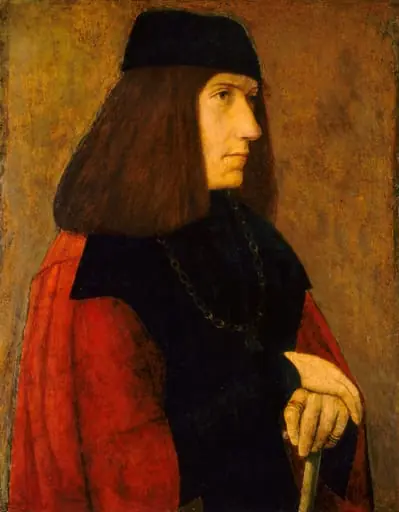 A Knight of the Golden Fleece
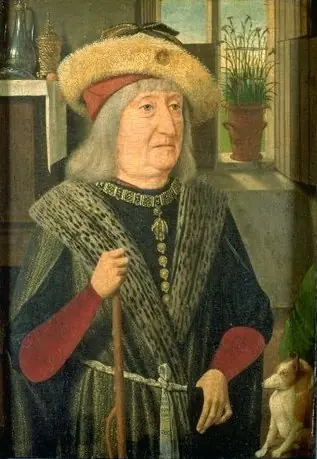 Portrait of hertog Adolf van Kleef (1425-1492)
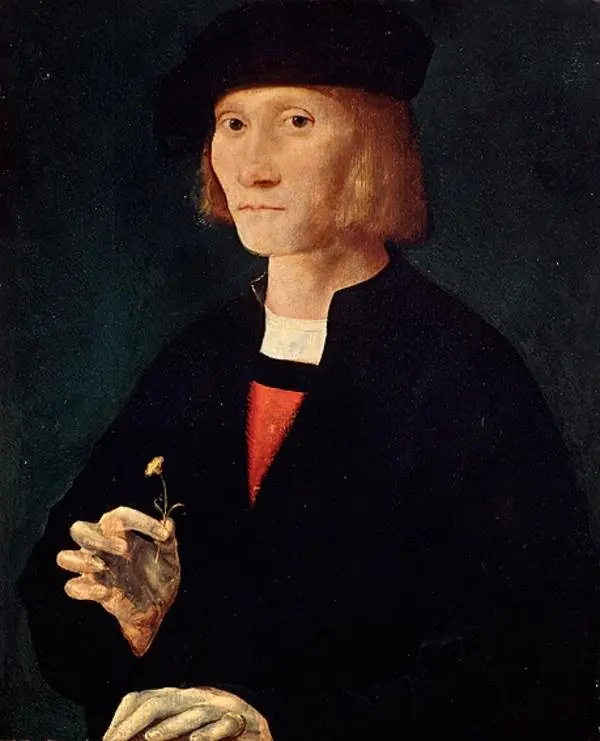 Portrait of a Man, called James IV (1488 - 1513)
 Portrait of Paulus de Nigro