Artwork
Christus unter den Schriftgelehrten
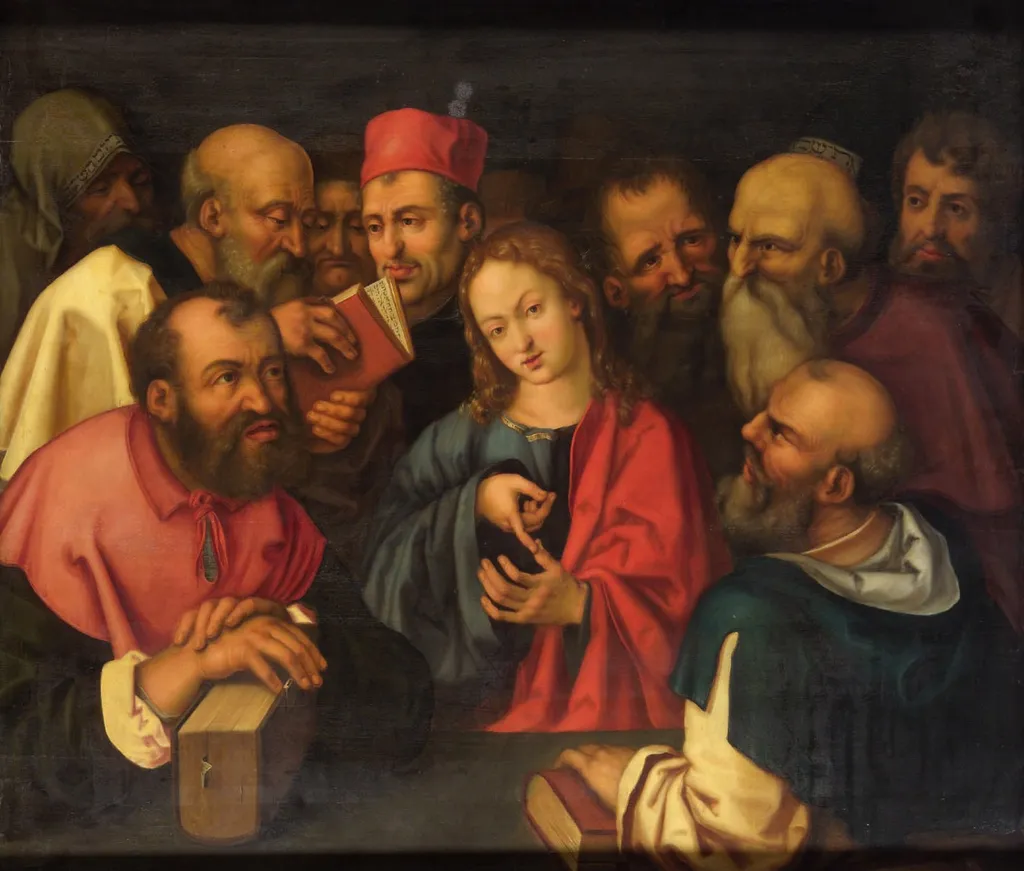
Christus unter den Schriftgelehrten is an unspecified painting by the Early Baroque Italian artist Unknown. It dates from 1600 and is held in the collection of the Kunsthistorisches Museum.
About this work
Overview
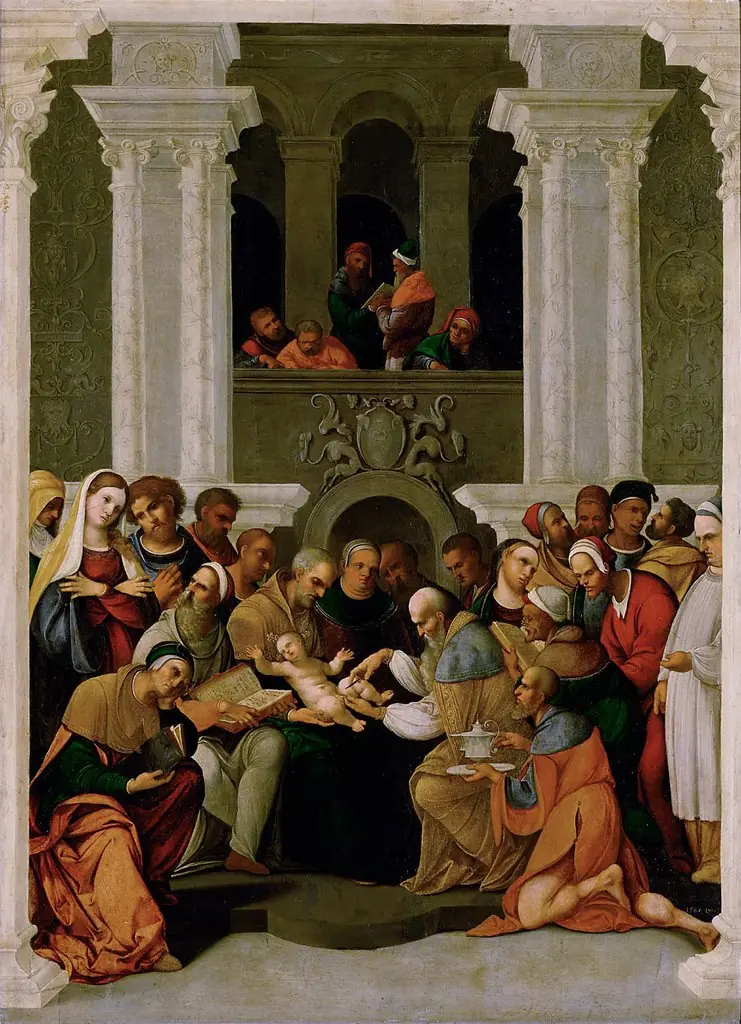
This painting depicts a scene from the Gospel of Luke, in which the twelve-year-old Jesus engages in discussion with religious scholars in the Temple.
This painting depicts a scene from the Gospel of Luke, in which the twelve-year-old Jesus engages in discussion with religious scholars in the Temple. The composition centers on a tight group of figures, their expressions and gestures conveying intellectual exchange. Warm tones of red, brown, and gold dominate the palette, contrasting with a dark, undefined background that isolates the figures and draws focus to their interactions.
Subject & Meaning
The scene illustrates Jesus, though young, demonstrating profound understanding of religious law, surprising the learned men around him. The woman holding an object may represent a scribe or witness, while the man in the red hat, likely a rabbi, reads from scripture. Their varied reactions—curiosity, doubt, attention—reflect the tension between youthful insight and established authority, underscoring the theological theme of divine wisdom surpassing human learning.
Technique & Style
The artist employs chiaroscuro to model the faces with dramatic light and shadow, enhancing the three-dimensionality of the figures. Brushwork is precise yet fluid, particularly in the rendering of fabric folds and facial expressions. The close grouping and intimate scale create a sense of immediacy, while the dark background eliminates distraction, focusing attention entirely on the psychological dynamics of the conversation.
History & Provenance
The painting originates from the early 15th century, likely produced in the Netherlands or Germany during a period of heightened interest in biblical narratives for private devotion. It was probably commissioned by a wealthy patron for domestic use. Its survival through centuries suggests careful preservation, though its early ownership records remain incomplete, with documented provenance beginning in the 18th century.
Context
Created during the Northern Renaissance, the work reflects a broader trend of humanizing religious subjects through naturalistic detail and emotional nuance. Unlike Italian contemporaries who emphasized idealized form, Northern artists prioritized texture, expression, and psychological realism. This painting aligns with devotional practices that encouraged personal meditation on biblical episodes, especially those involving Christ’s early life.
Legacy
The painting contributed to the visual tradition of depicting Christ among scholars, influencing later Northern European religious art. Its emphasis on individualized expression and lighting effects became a model for depicting intellectual and spiritual encounters. Though not widely reproduced, its compositional approach resonated in devotional panels and manuscript illuminations of the 16th century.
Artist & collection

 Domestic Scene
 Giacomo and Cardinal Marco, investing Andrea, Abbot of San Zeno, with his Benefice
 The Nymph of Fontainebleau
 Portrait of a Woman
 Madonna and Child with Saints in the Enclosed Garden
 Venus and Minerva
 Family Group of Four on Sofa
 Wall painting from Room H of the Villa of P. Fannius Synistor at Boscoreale
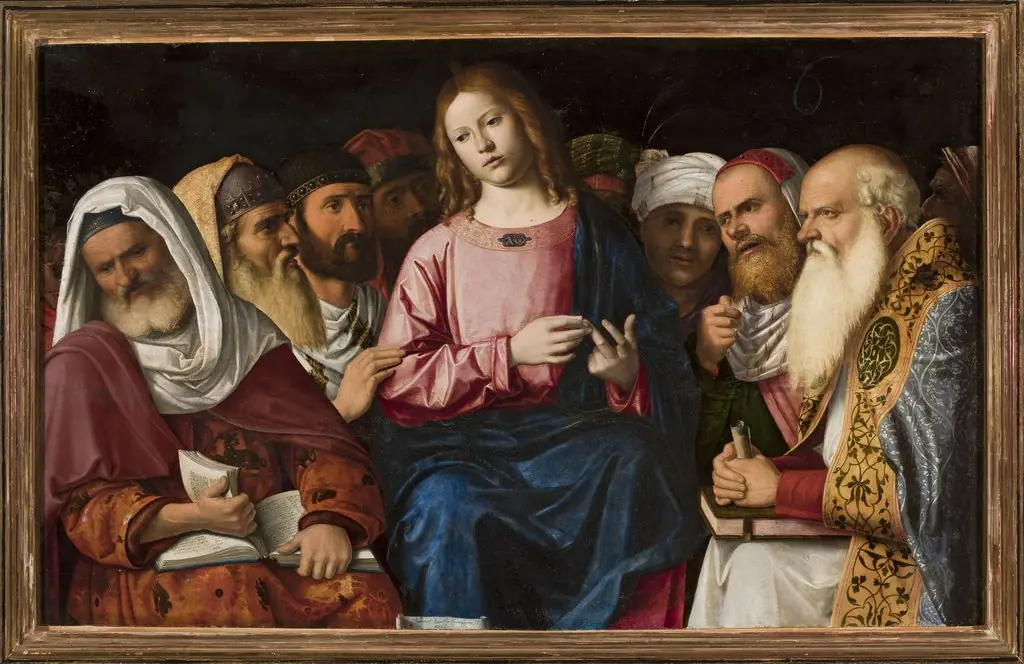 Christ among the Doctors
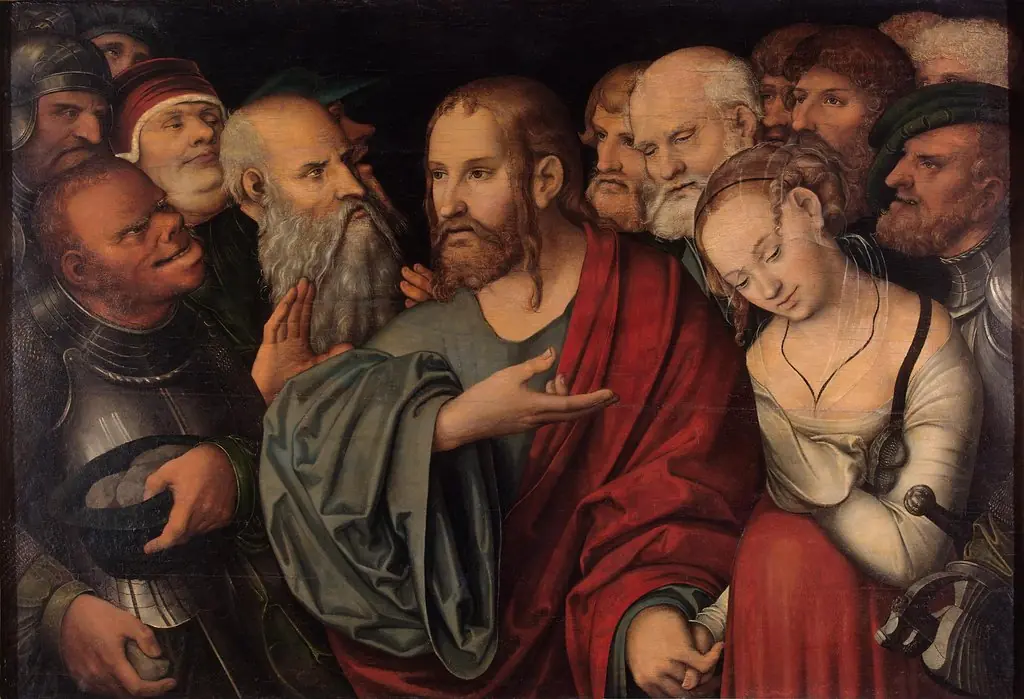 Christ and the Woman Taken in Adultery
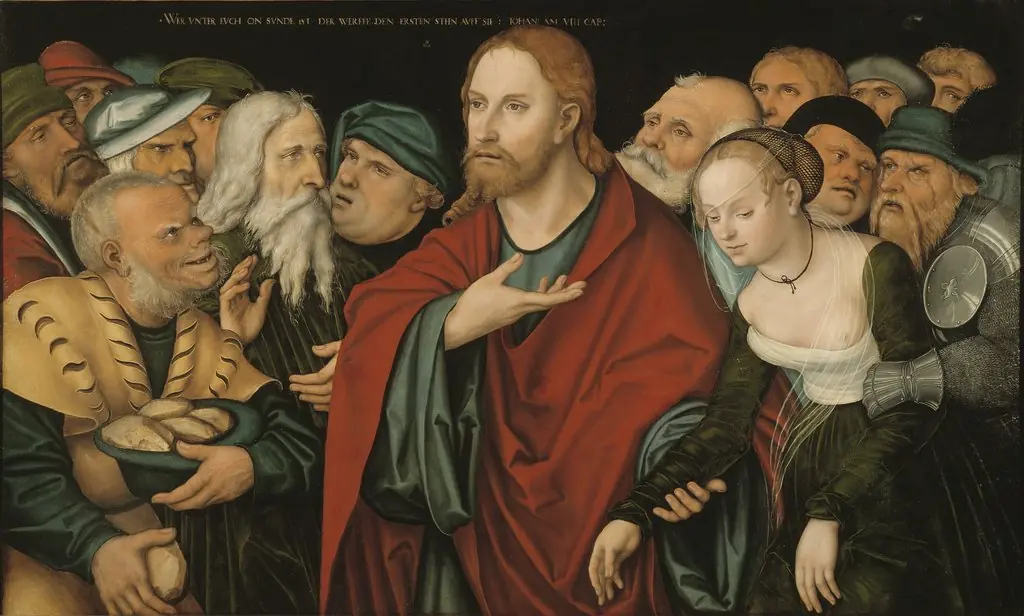 Christ and the Woman Taken in Adultery
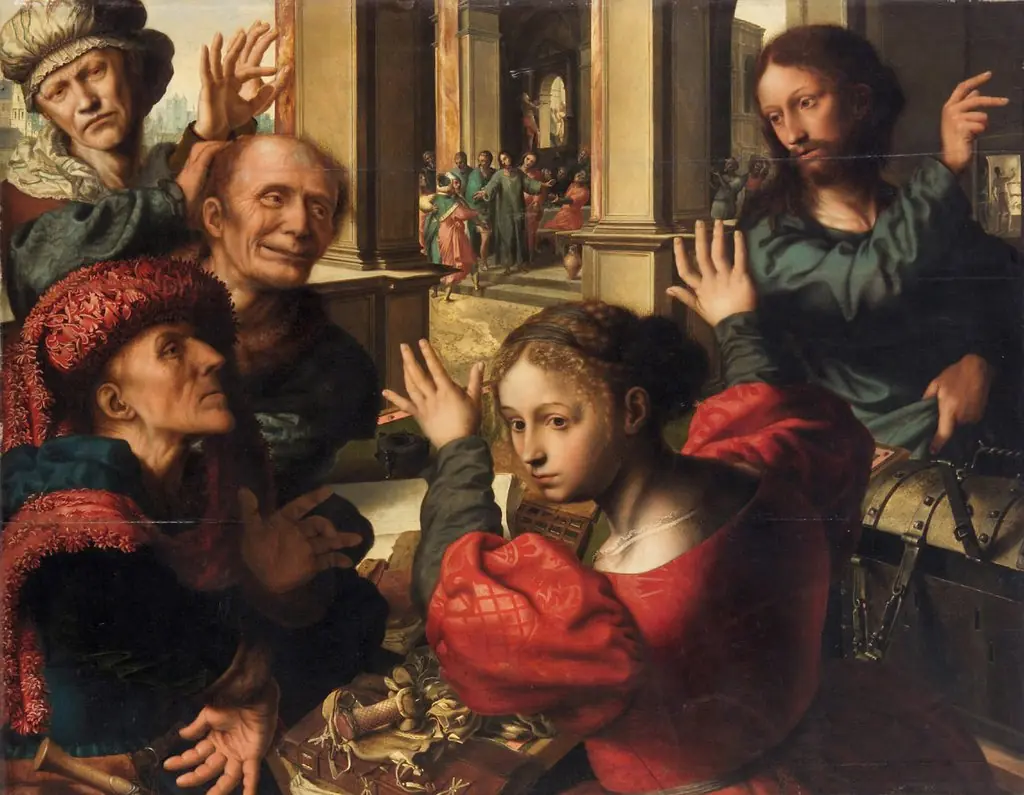 The Calling of Saint Matthew
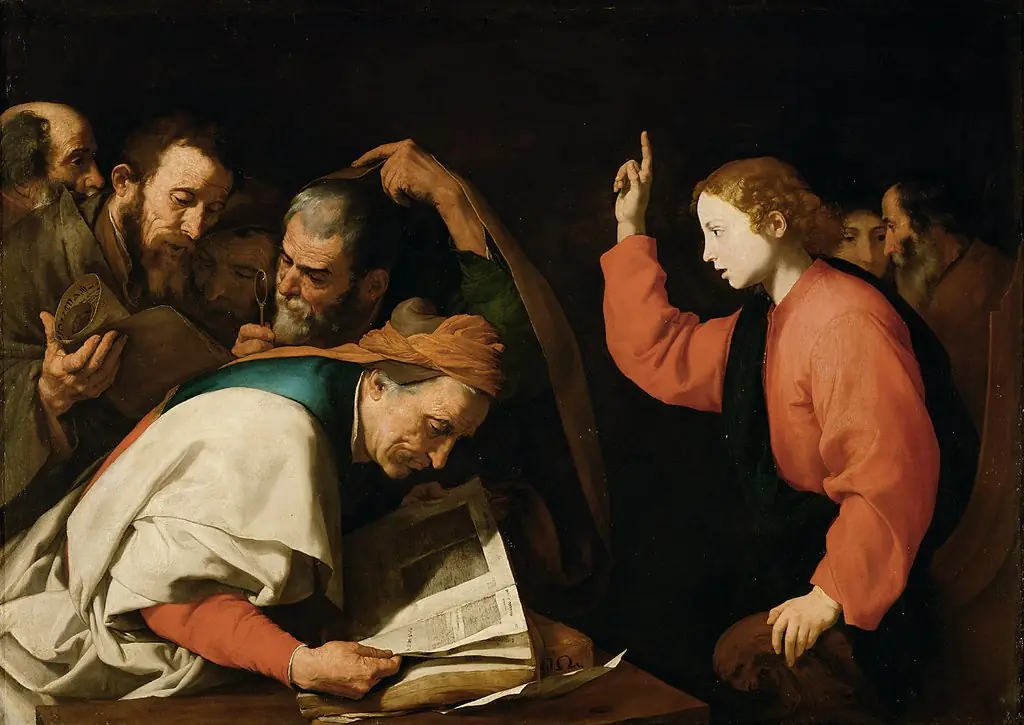 Jesus among the Doctors
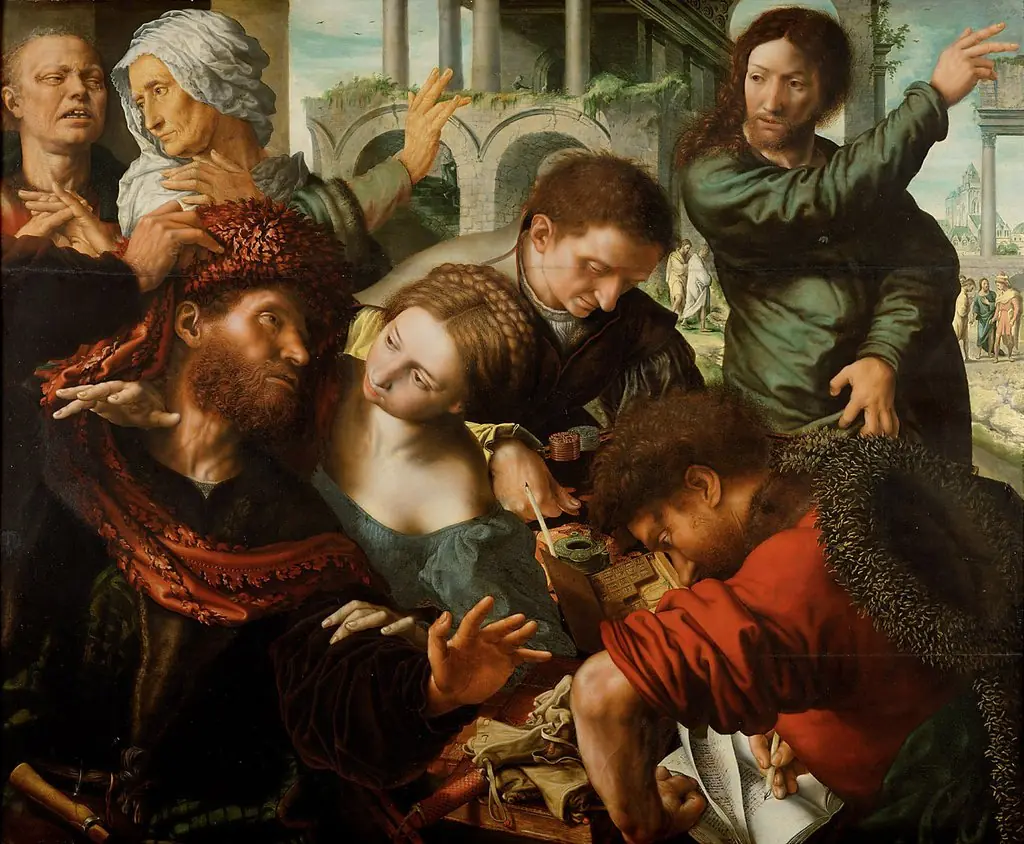 The Calling of Saint Matthew
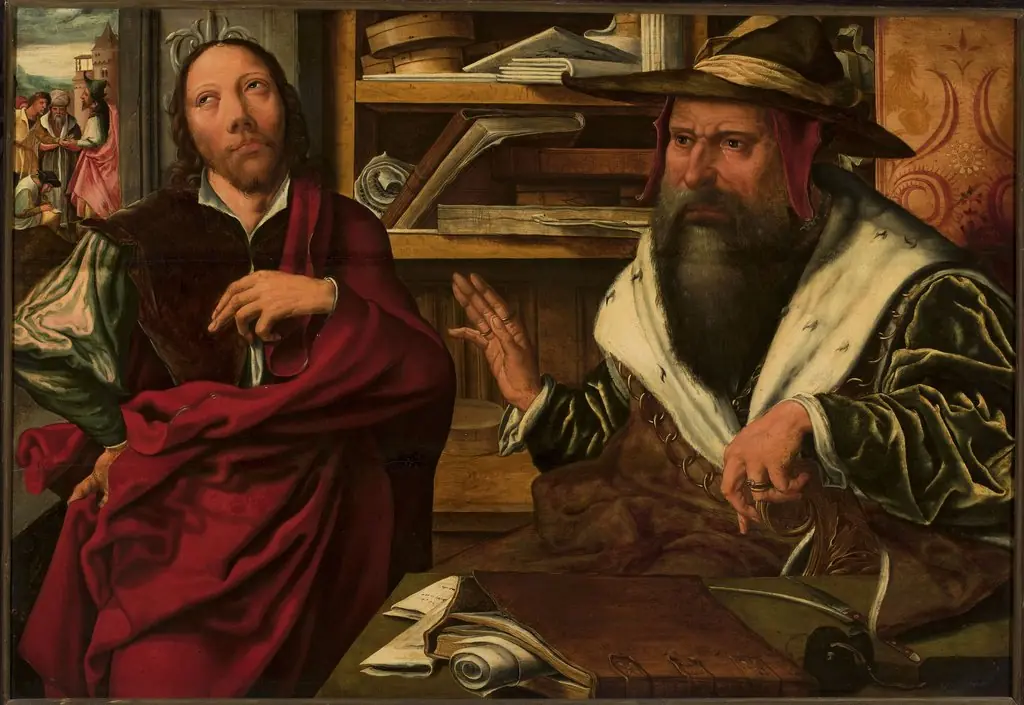 Parable of the unjust steward (Luke 16:1-13)
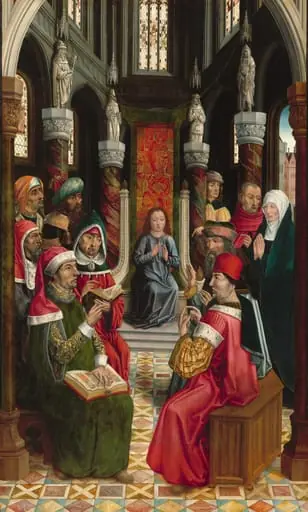 Christ among the Doctors
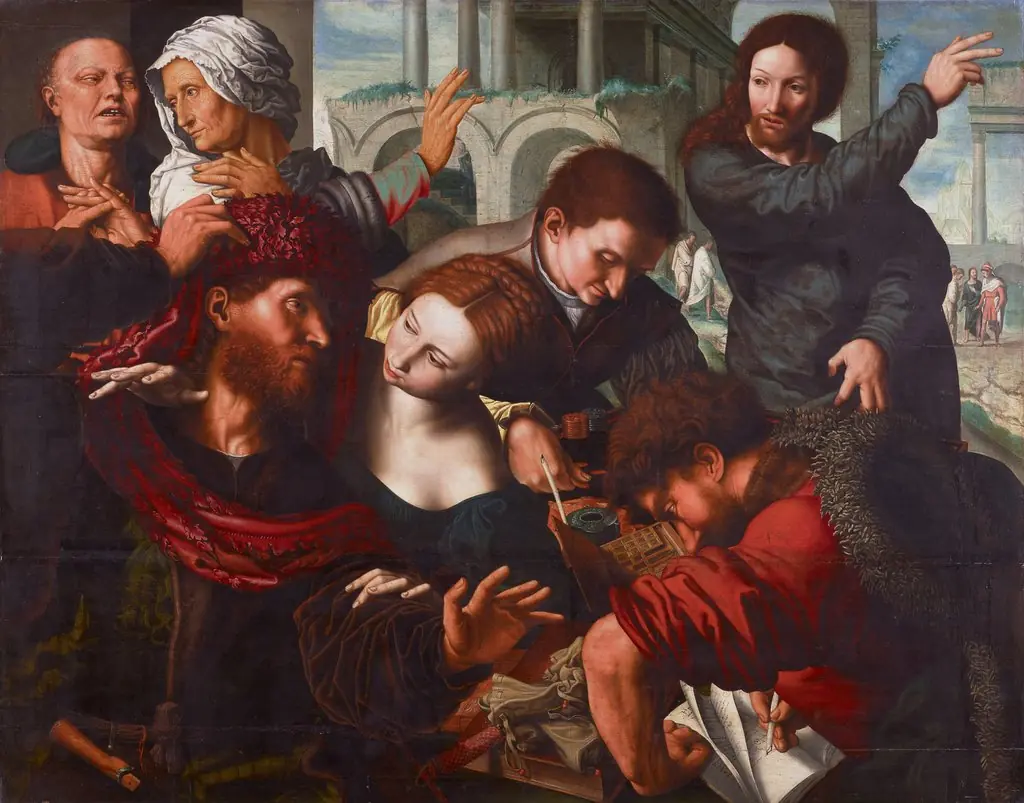 The Calling of Saint Matthew
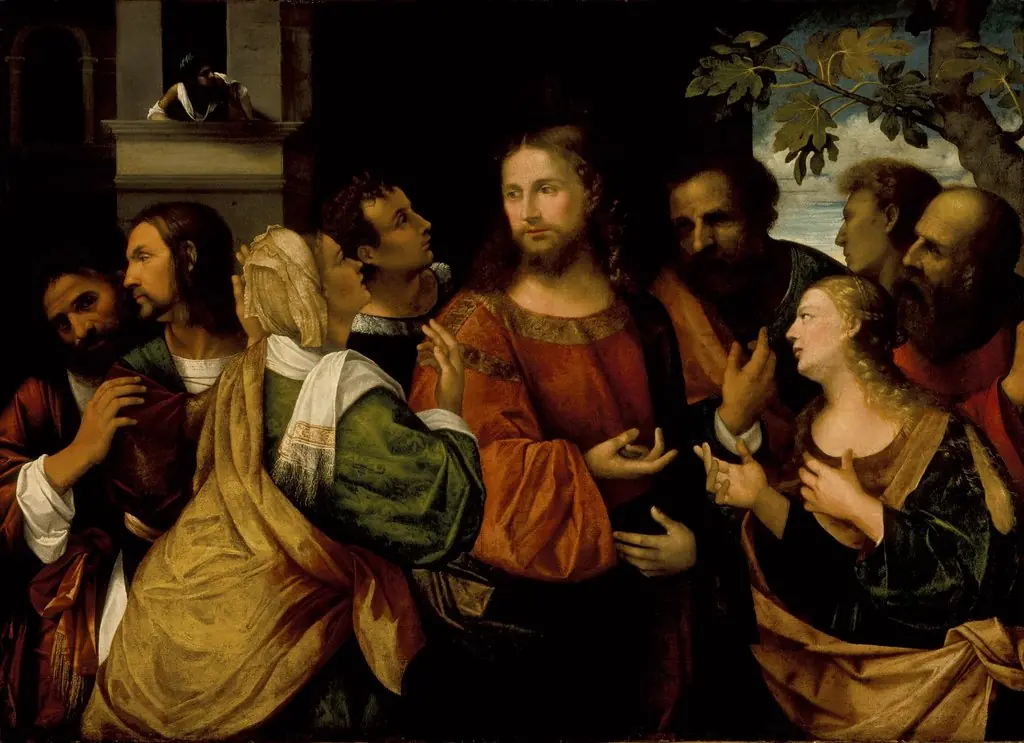 Christ and the Women of Canaan
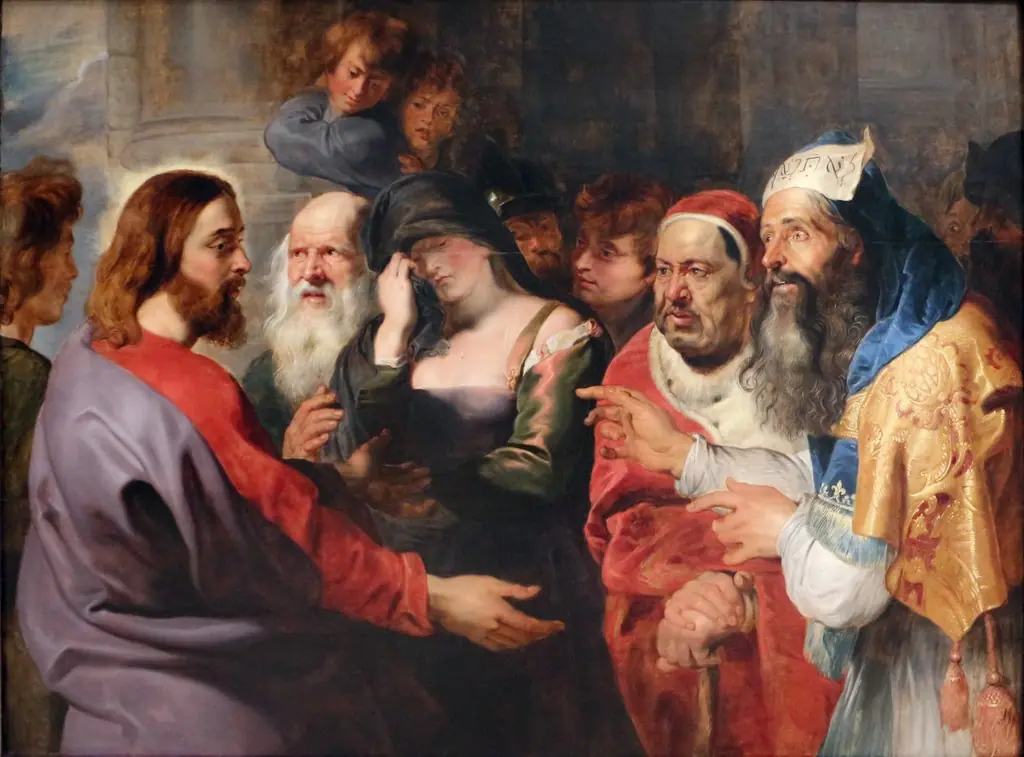 Christ and the Woman Taken in Adultery
 Beschneidung Christi