Artwork
Beschneidung Christi
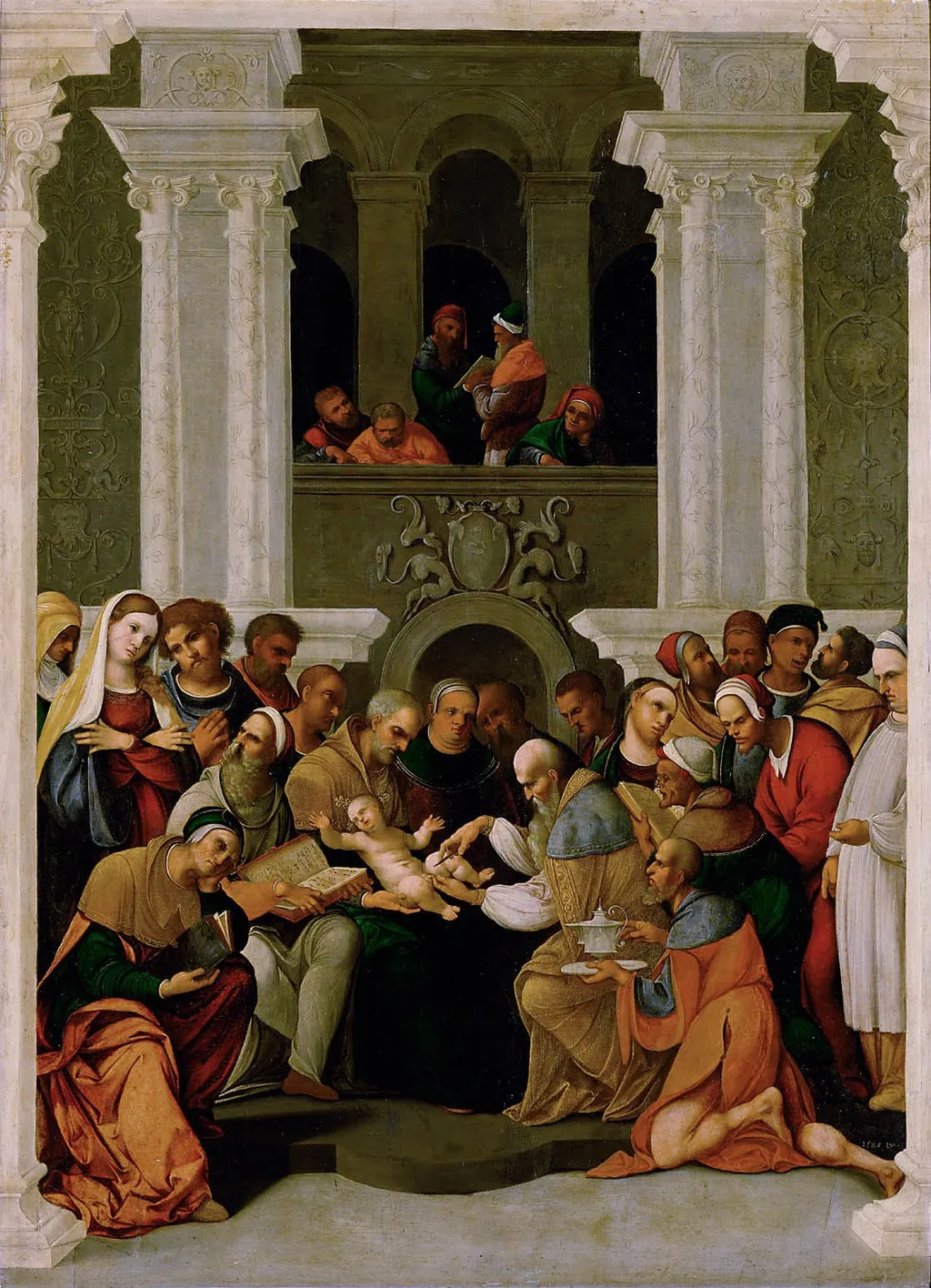
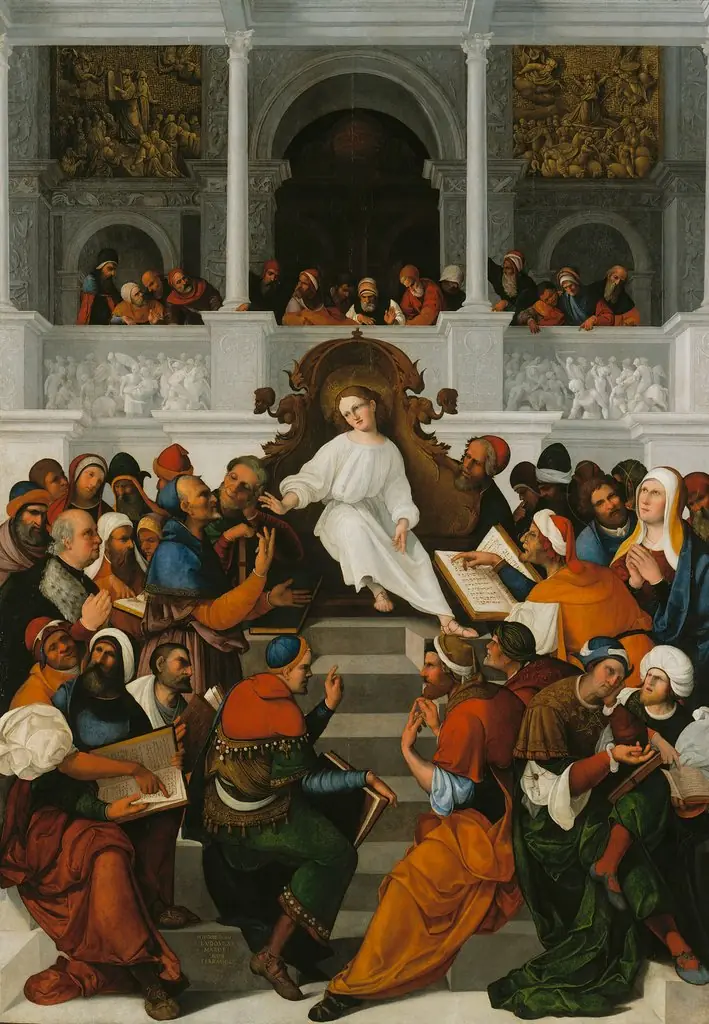
Beschneidung Christi is an unspecified painting by the Early Baroque Italian artist Ludovico Mazzolino. It dates from 1526 and is held in the collection of the Kunsthistorisches Museum.
About this work
Overview
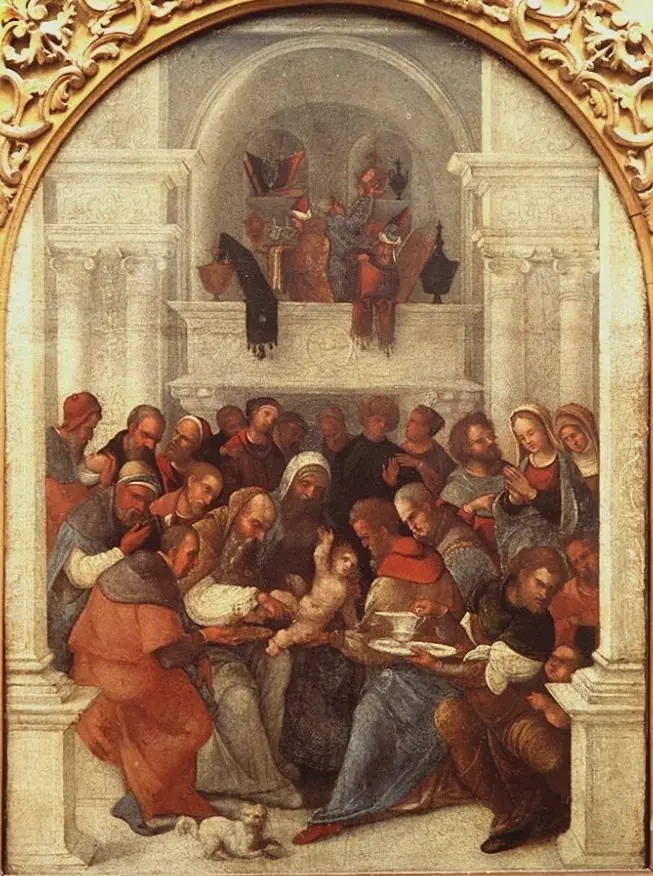
Ludovico Mazzolino’s *Beschneidung Christi* (1526) portrays the biblical circumcision of the infant Jesus. Executed in the early Baroque period, the oil painting is part of the Kunsthistorisches Museum’s collection. The composition gathers a group of figures within an architecturally elaborate interior, focusing attention on the central act of the rite.
Subject & Meaning
The work visualises the Jewish ceremony of Jesus’ circumcision, a moment that underscores his adherence to Mosaic law. Central to the scene is the infant held by a figure, surrounded by witnesses who represent both religious authority and familial devotion, highlighting the theological significance of the event within Christian narrative.
Technique & Style
Mazzolino employs chiaroscuro to model forms, allowing the illuminated central group to emerge from a darker background. The figures are rendered in Renaissance attire, with detailed drapery and expressive gestures. Architectural elements such as columns and arches frame the scene, creating spatial depth characteristic of early Baroque experimentation.
History & Provenance
Created in Ferrara in 1526, the painting entered the holdings of the Kunsthistorisches Museum, where it remains on display. Its attribution to Mazzolino reflects his activity in Ferrara and Bologna, linking the work to the regional artistic currents of early sixteenth‑century Italy.
Artist & collection
Artist
Ludovico Mazzolino (1480 – c. 1528) - also known as Mazzolini da Ferrara, Lodovico Ferraresa, and Il Ferrarese - was an Italian Renaissance painter active in Ferrara and Bologna.

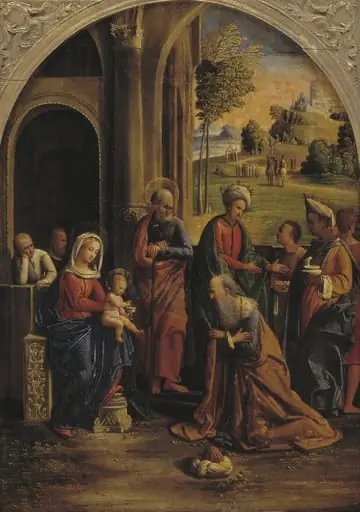 The Adoration of the Kings
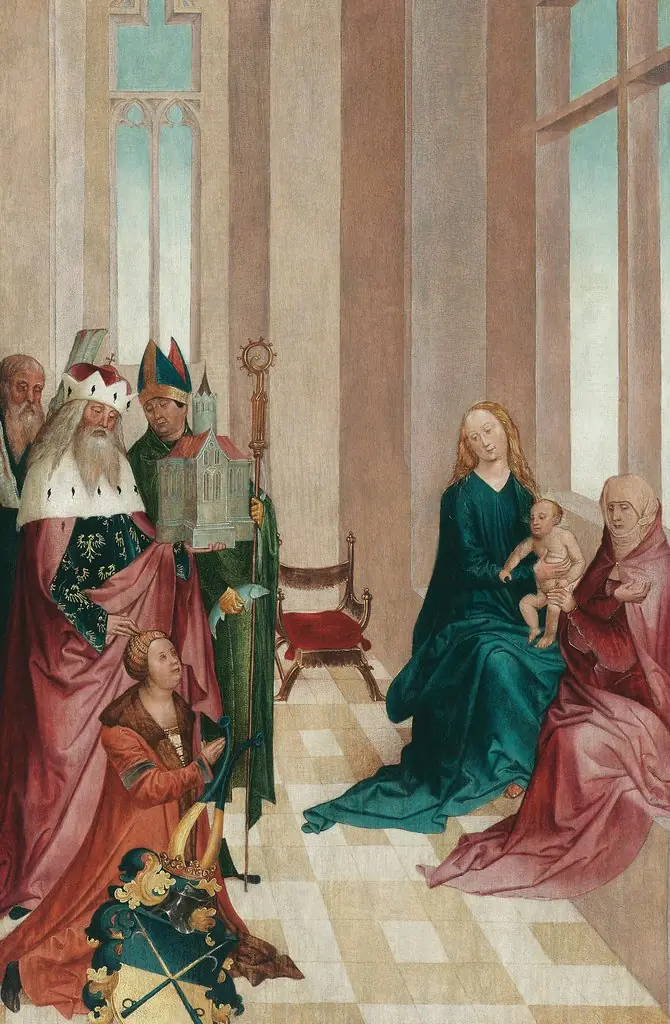 Anna Selbdritt
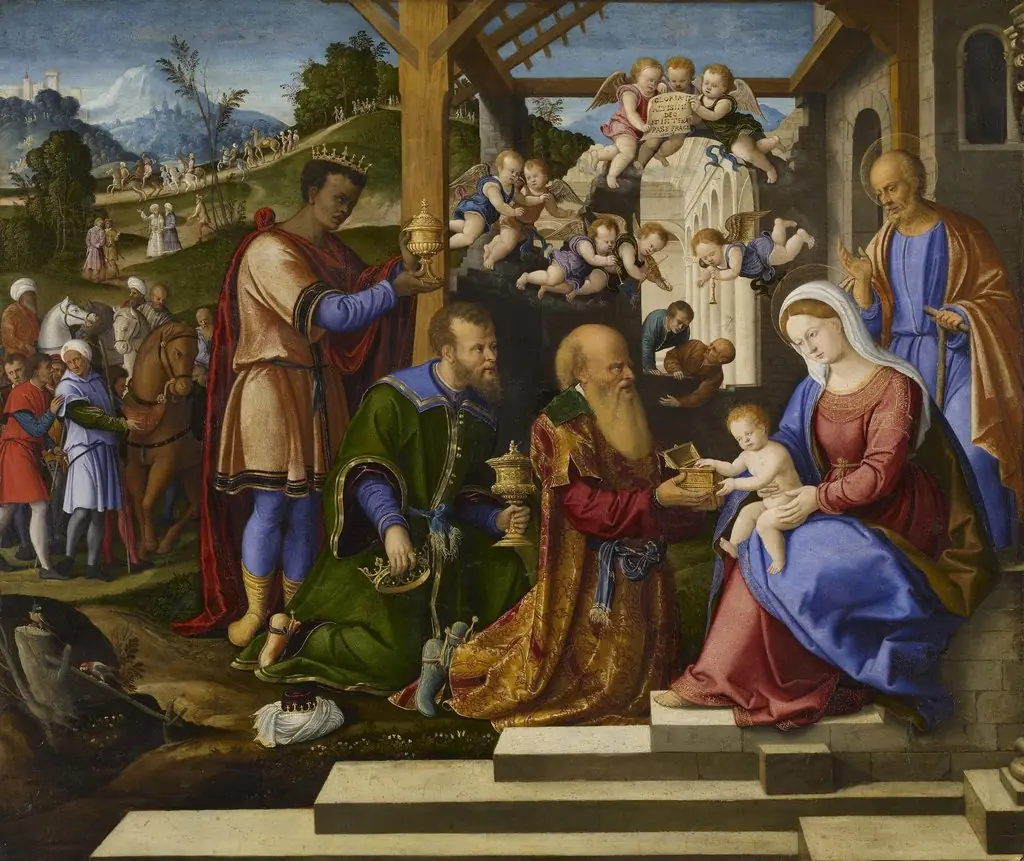 The Adoration of the Three Kings
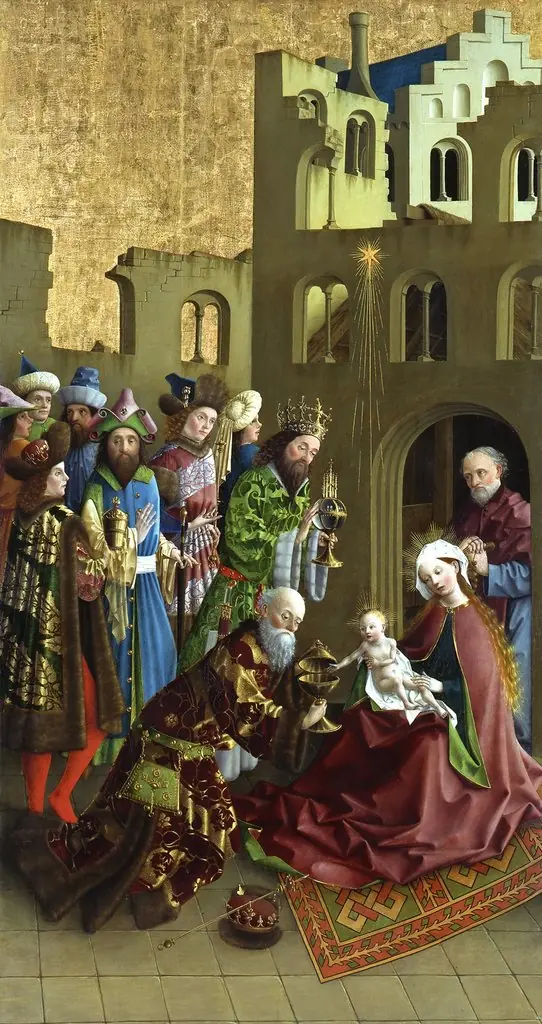 Darmstadt Altarpiece: The Epiphany
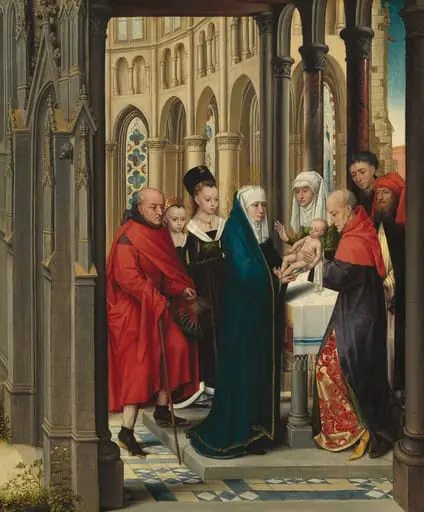 The Presentation in the Temple
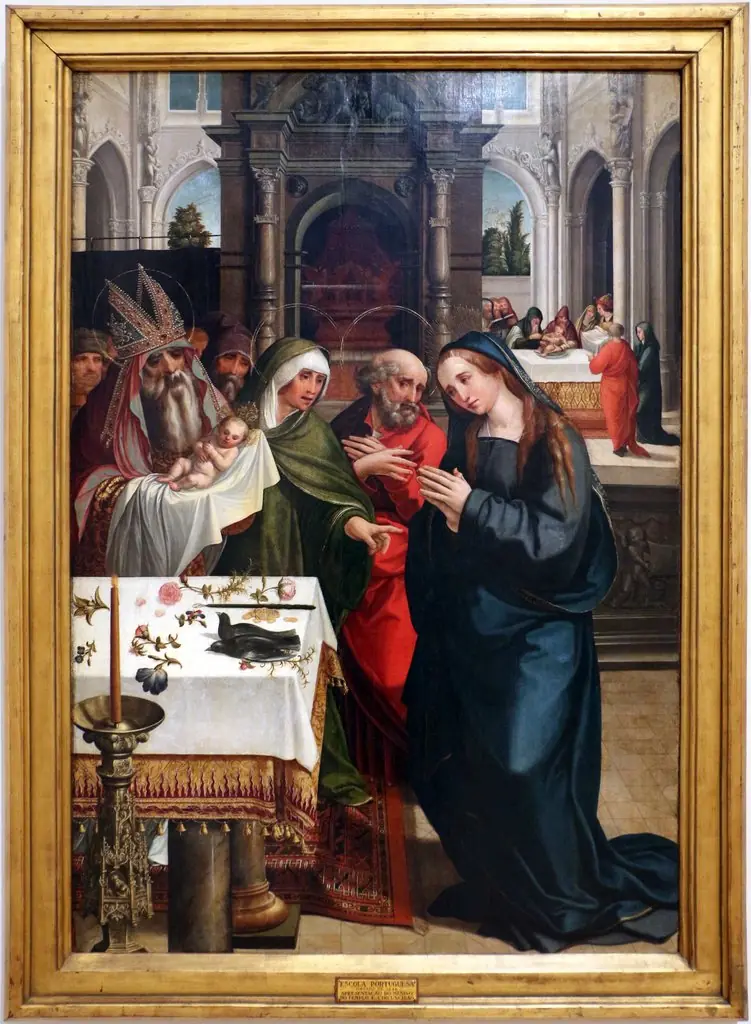 Presentation of Jesus at the Temple
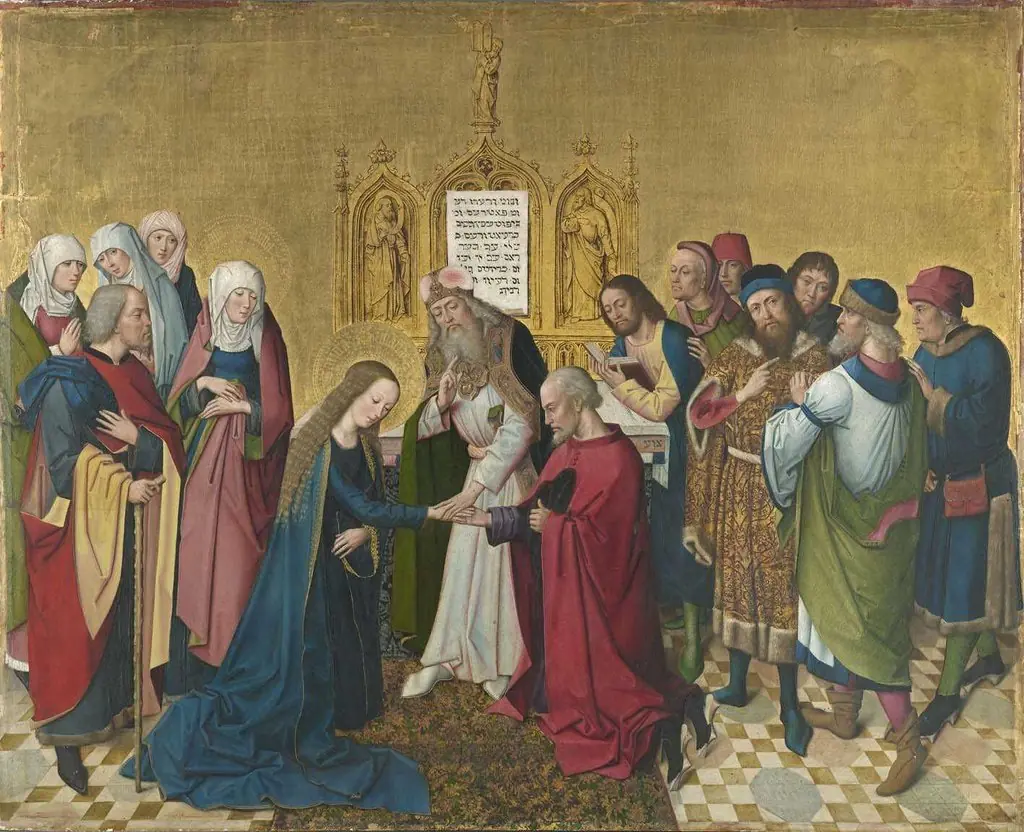 The Engagement of Mary (verso: upper half of the Coronation of Mary)
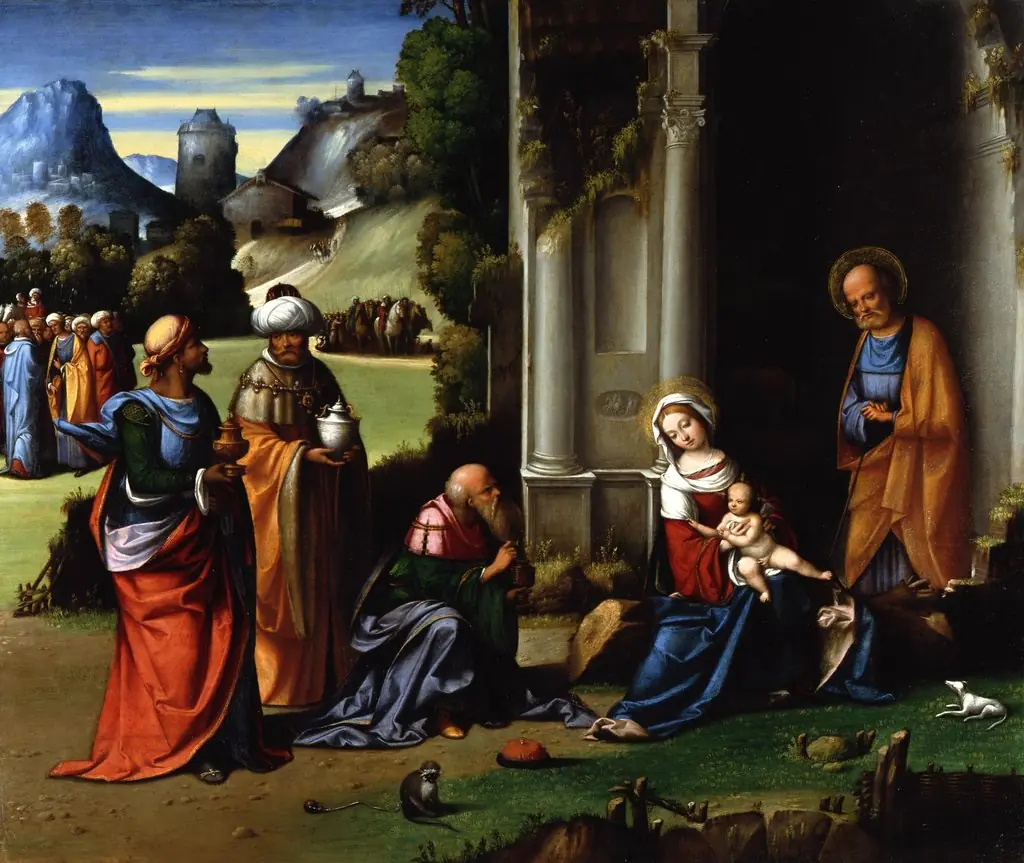 The Adoration of the Magi
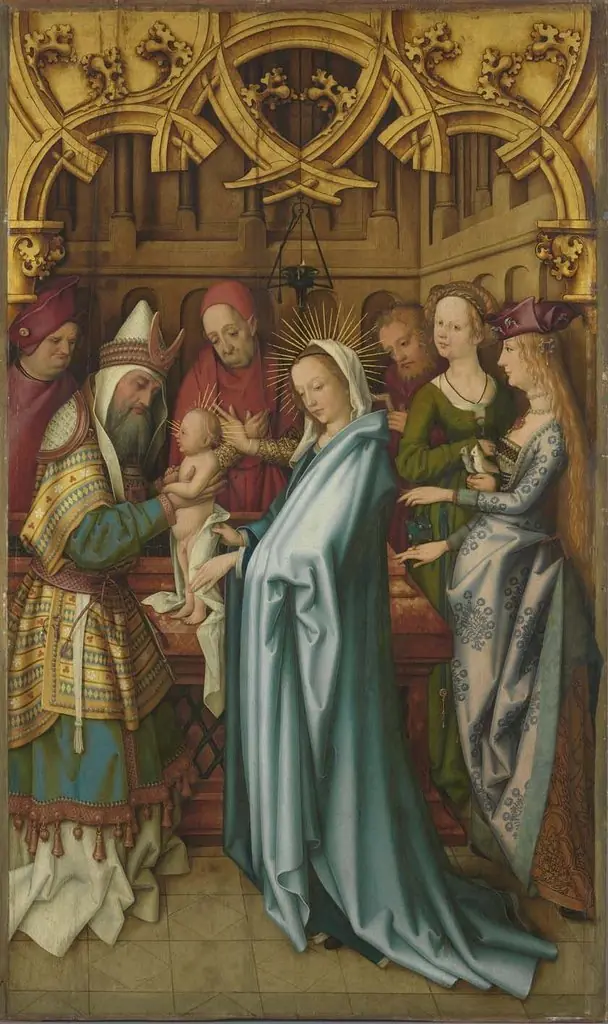 Kaisheimer Altar: Darbringung im Tempel
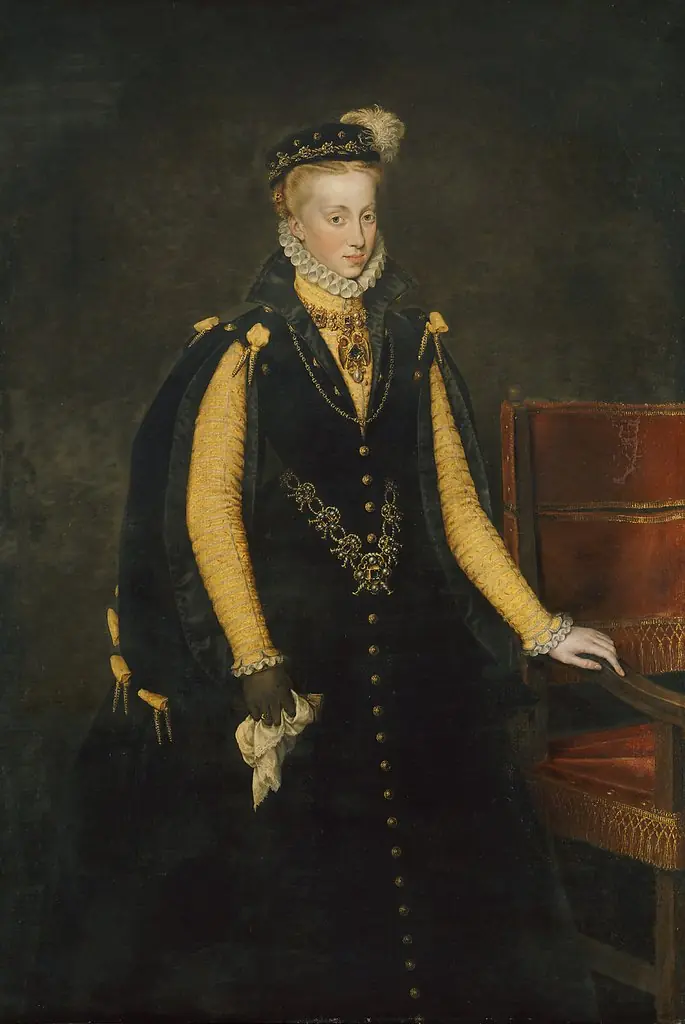 Anna von Österreich, Königin von Spanien