Artwork
Tantric Manuscript "Sangrahani Sutra"
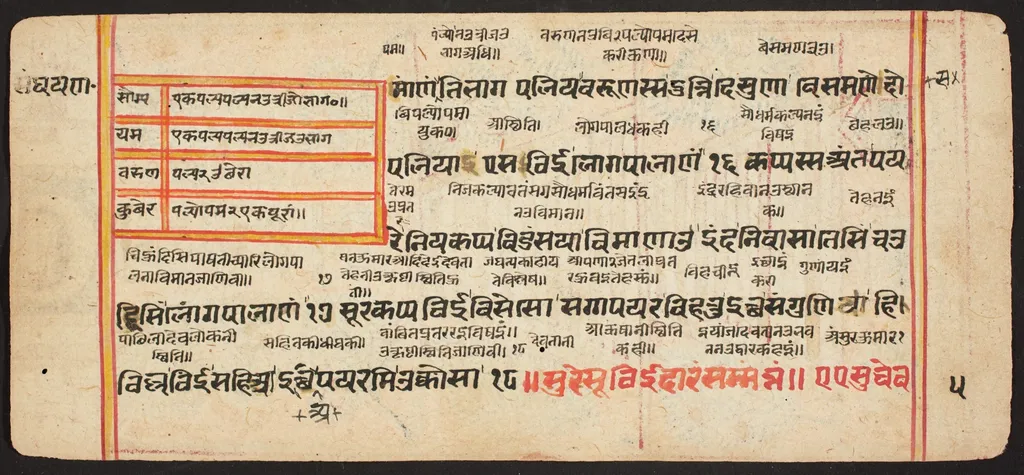
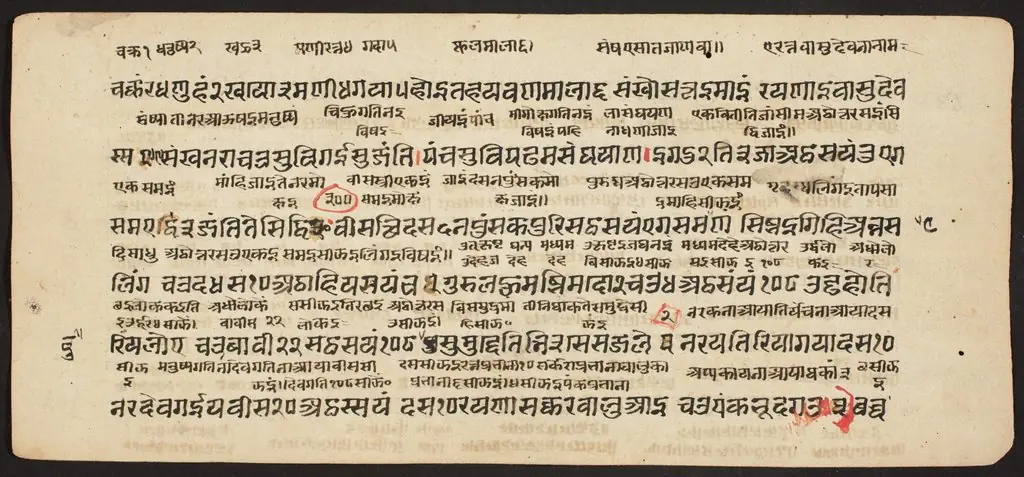
Tantric Manuscript "Sangrahani Sutra" is an unspecified painting by Unknown. It is held in the collection of the Detroit Institute of Arts. This manuscript contains the Sangrahani Sutra, a Buddhist text preserved in a handwritten format.
About this work
Overview
The pale background enhances the legibility of the inked characters, while the consistent spacing and alignment reflect disciplined craftsmanship.
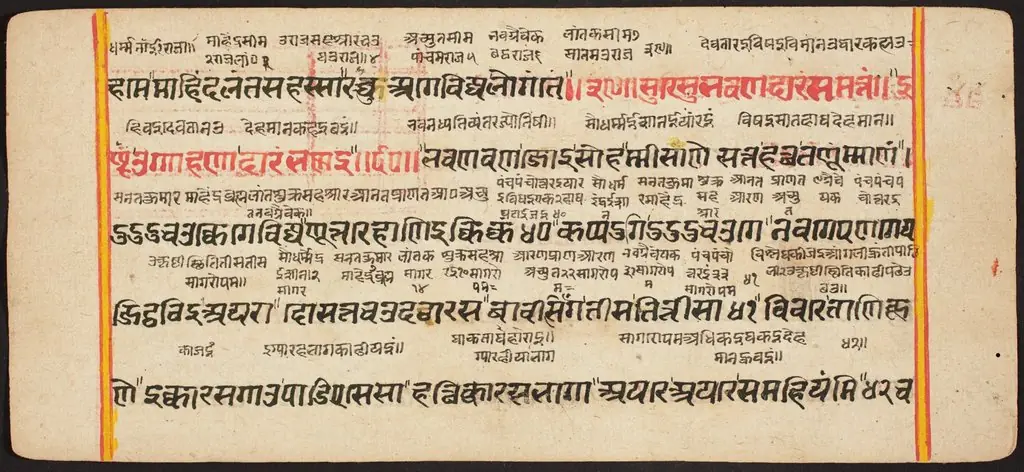
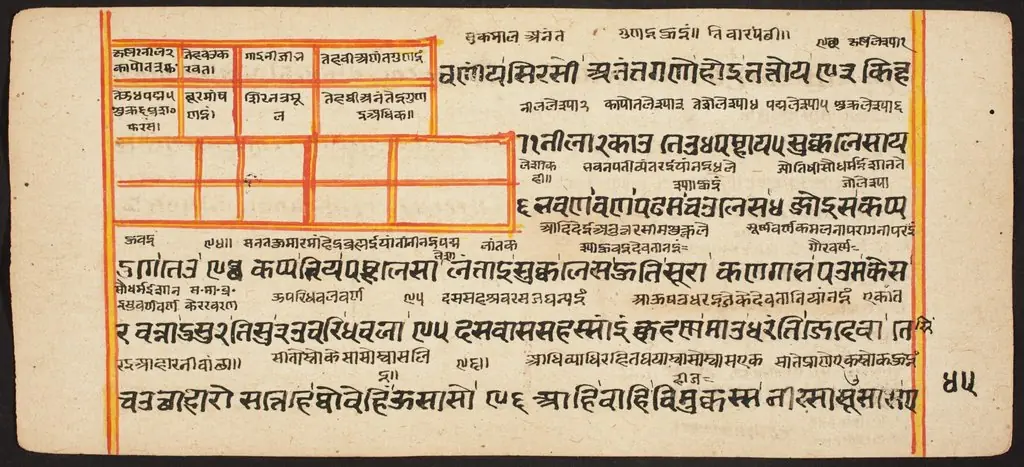
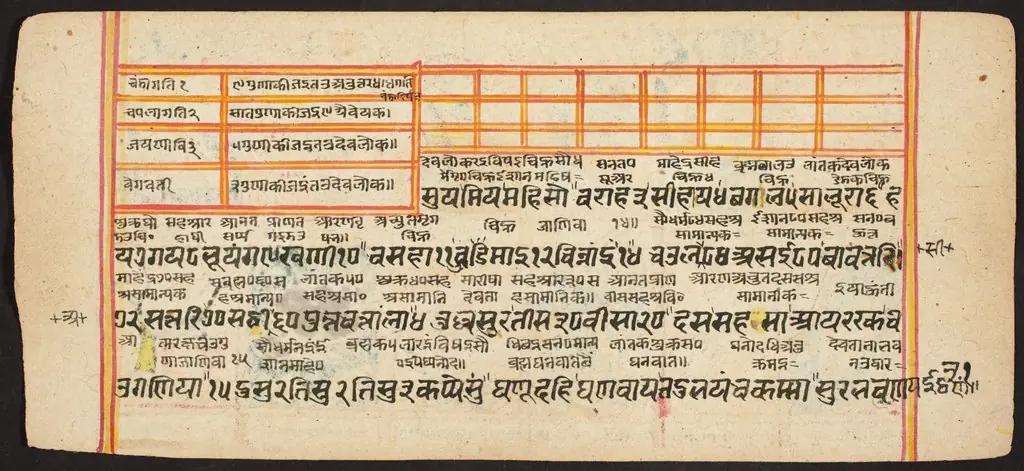
This manuscript contains the Sangrahani Sutra, a Buddhist text preserved in a handwritten format. Its layout features vertical columns of script, arranged for sequential reading from top to bottom. The pale background enhances the legibility of the inked characters, while the consistent spacing and alignment reflect disciplined craftsmanship. The work belongs to a tradition where textual accuracy and visual order were equally valued.
Subject & Meaning
The Sangrahani Sutra is a doctrinal text within the Buddhist canon, likely used for liturgical or meditative study. Its presentation in a finely rendered script suggests it was intended for ritual use or veneration, not casual reading. The care given to its form implies the text was treated as a sacred object, where the beauty of the writing reinforced the spiritual weight of its content.
Technique & Style
The script is executed in a formal cursive hand with deliberate flourishes, indicating trained calligraphic skill. Ink lines are uniform, and decorative elements are restrained yet precise, enhancing readability without distraction. Thin vertical dividers separate columns, maintaining structural clarity. The palette is minimal—dark ink on a neutral ground—emphasizing the purity of the written word.
History & Provenance
The manuscript’s origin is tied to a tantric Buddhist community, likely in South or Southeast Asia, where such texts were copied by monastic scribes. Its survival suggests it was preserved in a temple or monastery, possibly over centuries. The absence of known dates or colophons limits precise attribution, but its style aligns with medieval manuscript traditions in the region.
Context
In tantric Buddhist practice, sacred texts were not merely read but ritually engaged. Manuscripts like this served as physical embodiments of doctrine, often used in ceremonies or as objects of devotion. The emphasis on elegant script reflects a broader cultural belief that the form of the text mirrored the harmony of the teachings it contained.
Legacy
This manuscript stands as an example of how religious knowledge was transmitted through material culture. Its survival offers insight into the aesthetics of monastic literacy and the reverence for textual form in pre-modern Buddhist communities. Though its specific scribe and date remain unknown, its craftsmanship continues to inform studies of sacred writing traditions.
Artist & collection

 Domestic Scene
 Giacomo and Cardinal Marco, investing Andrea, Abbot of San Zeno, with his Benefice
 The Nymph of Fontainebleau
 Portrait of a Woman
 Madonna and Child with Saints in the Enclosed Garden
 Venus and Minerva
 Family Group of Four on Sofa
 Wall painting from Room H of the Villa of P. Fannius Synistor at Boscoreale
 Tantric Manuscript "Sangrahani Sutra"
 Tantric Manuscript "Sangrahani Sutra"
 Tantric Manuscript "Sangrahani Sutra"
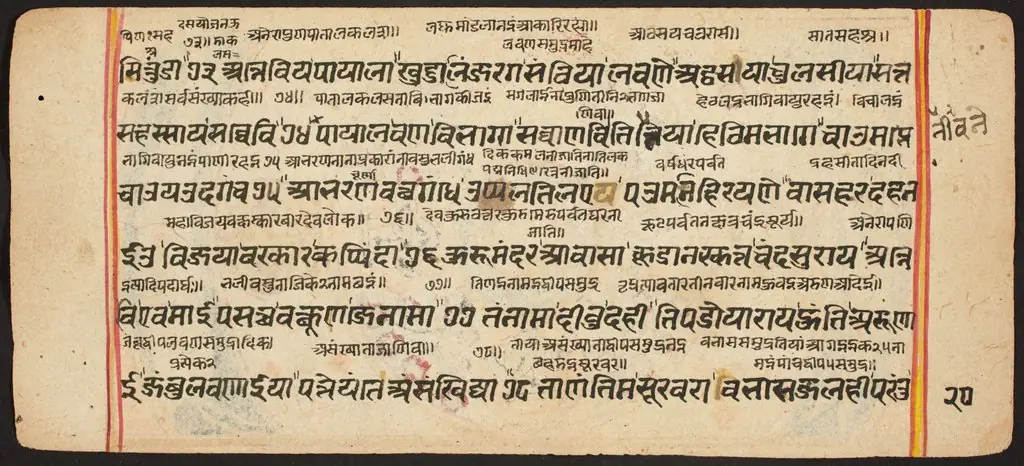 Tantric Manuscript "Sangrahani Sutra"
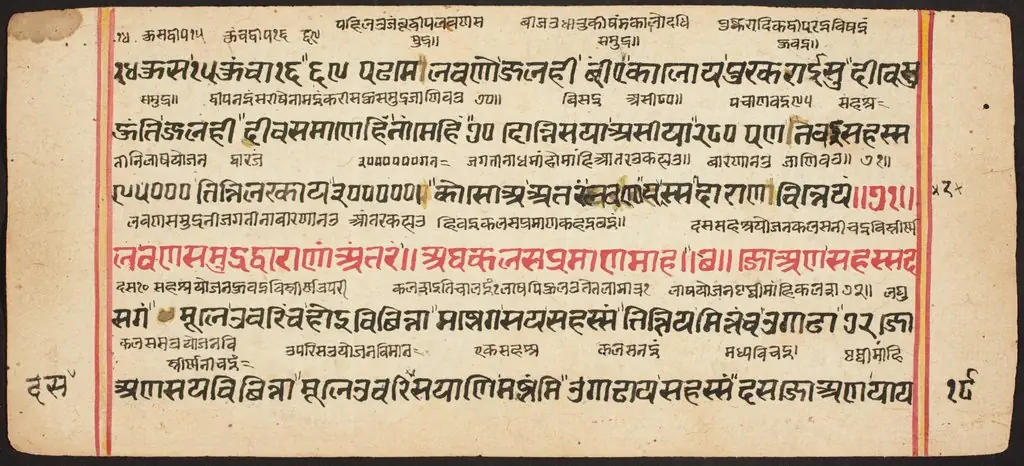 Tantric Manuscript "Sangrahani Sutra"
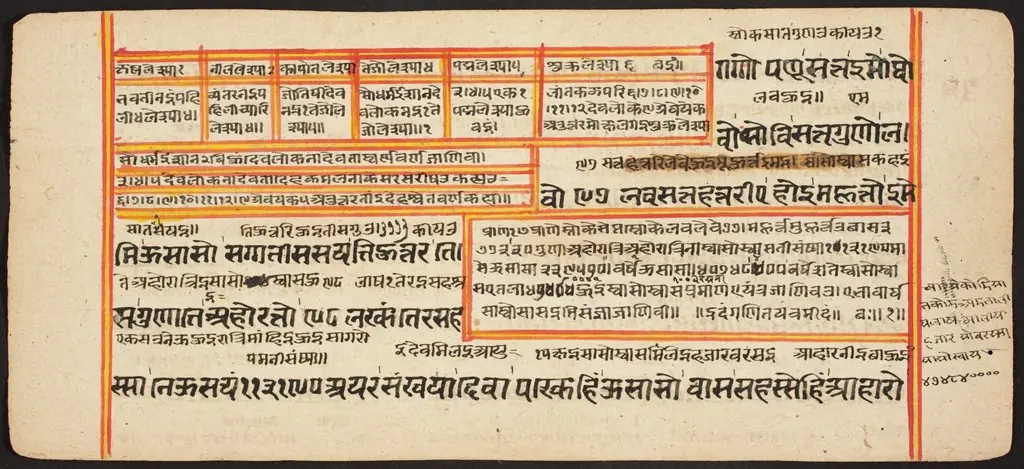 Tantric Manuscript "Sangrahani Sutra"
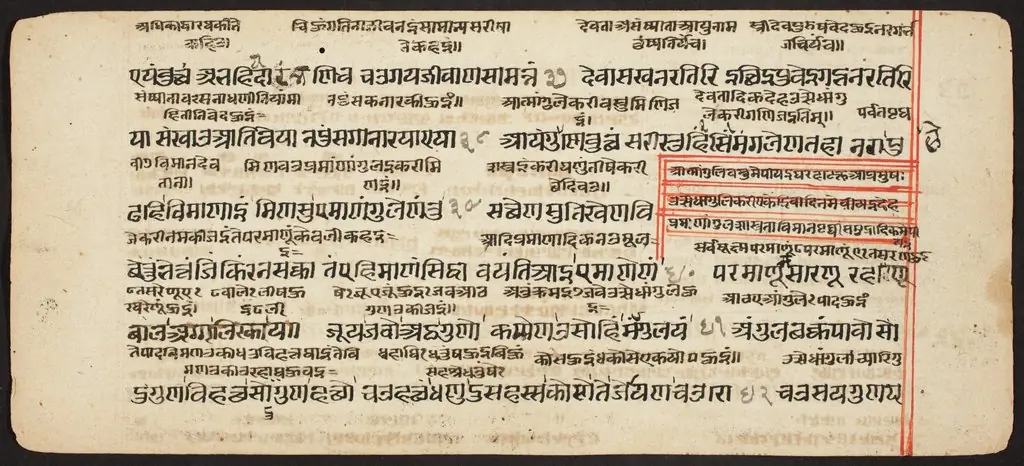 Tantric Manuscript "Sangrahani Sutra"
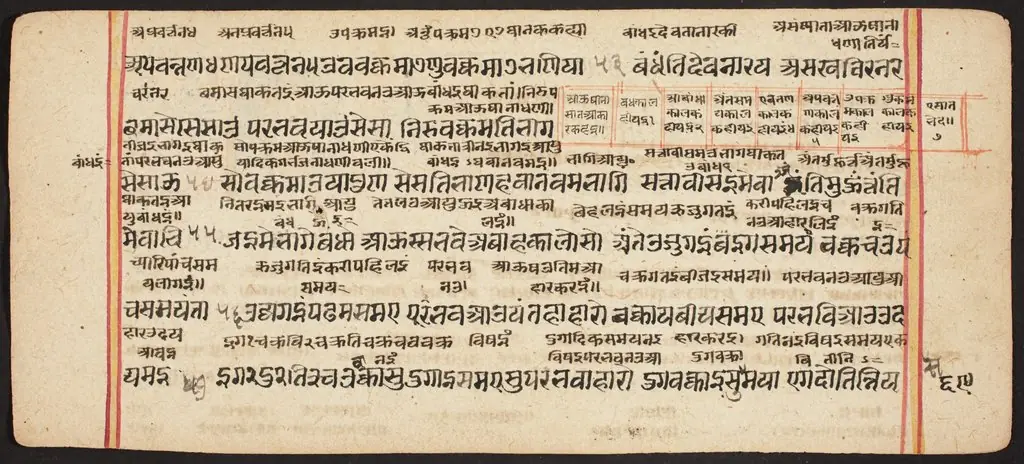 Tantric Manuscript "Sangrahani Sutra"
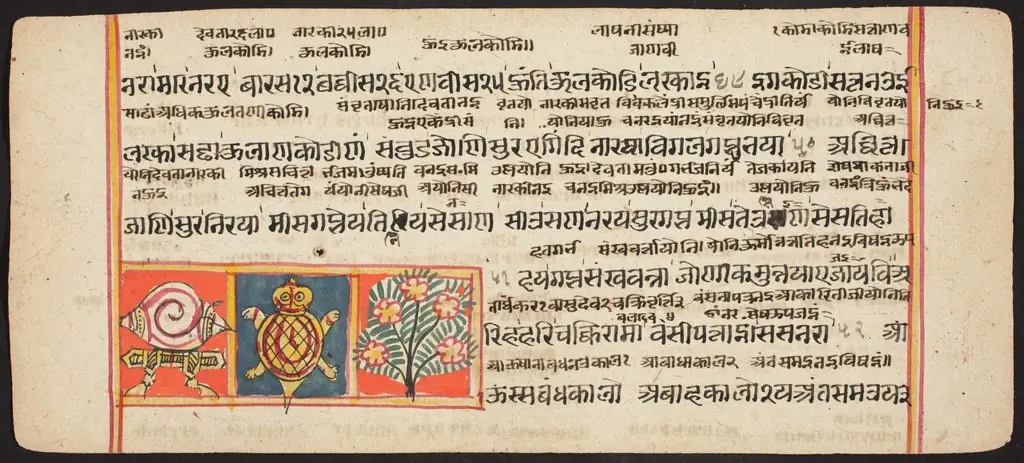 Tantric Manuscript "Sangrahani Sutra"
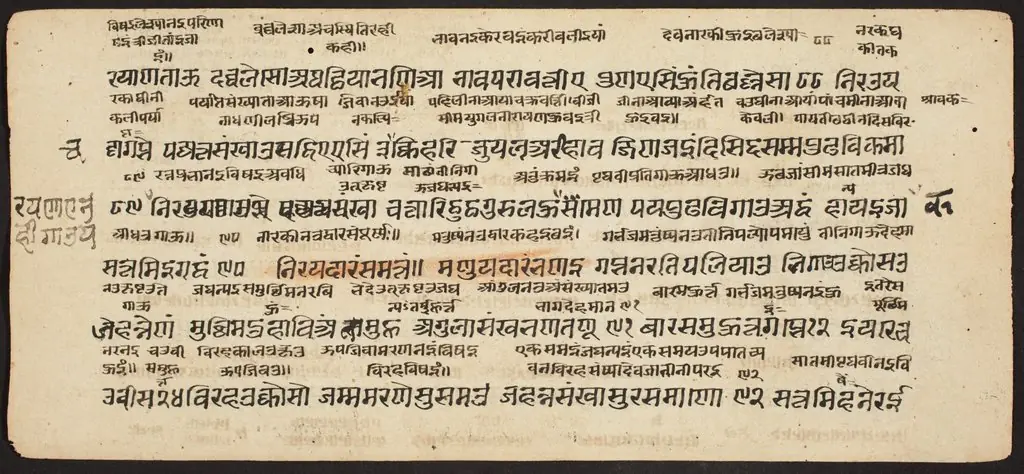 Tantric Manuscript "Sangrahani Sutra"
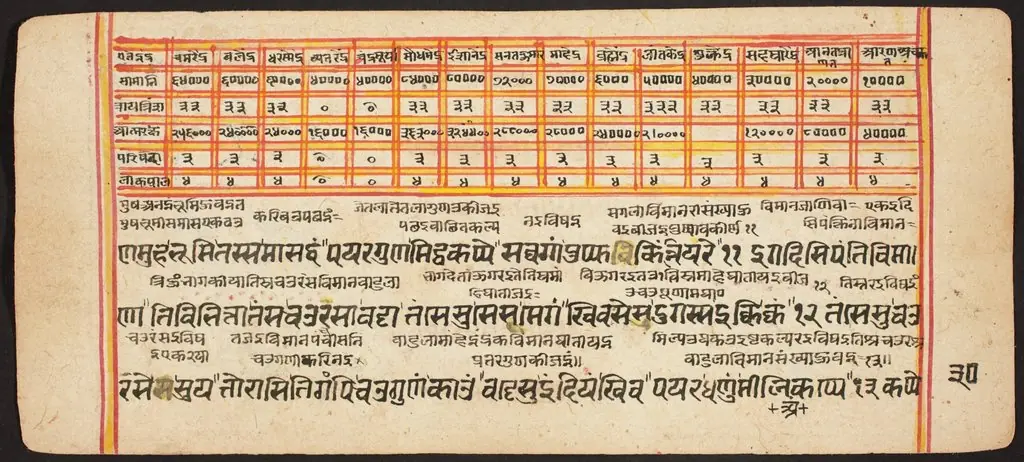 Tantric Manuscript "Sangrahani Sutra"
 Tantric Manuscript "Sangrahani Sutra"