Artwork
Tantric Manuscript, "Sangrahani Sutra"
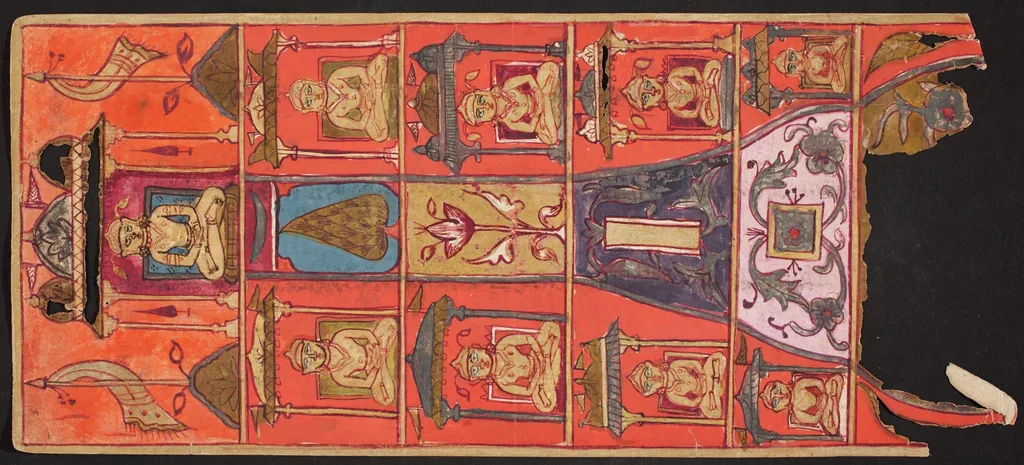
Tantric Manuscript, "Sangrahani Sutra" is an unspecified painting by Unknown. It is held in the collection of the Detroit Institute of Arts.
About this work
Overview
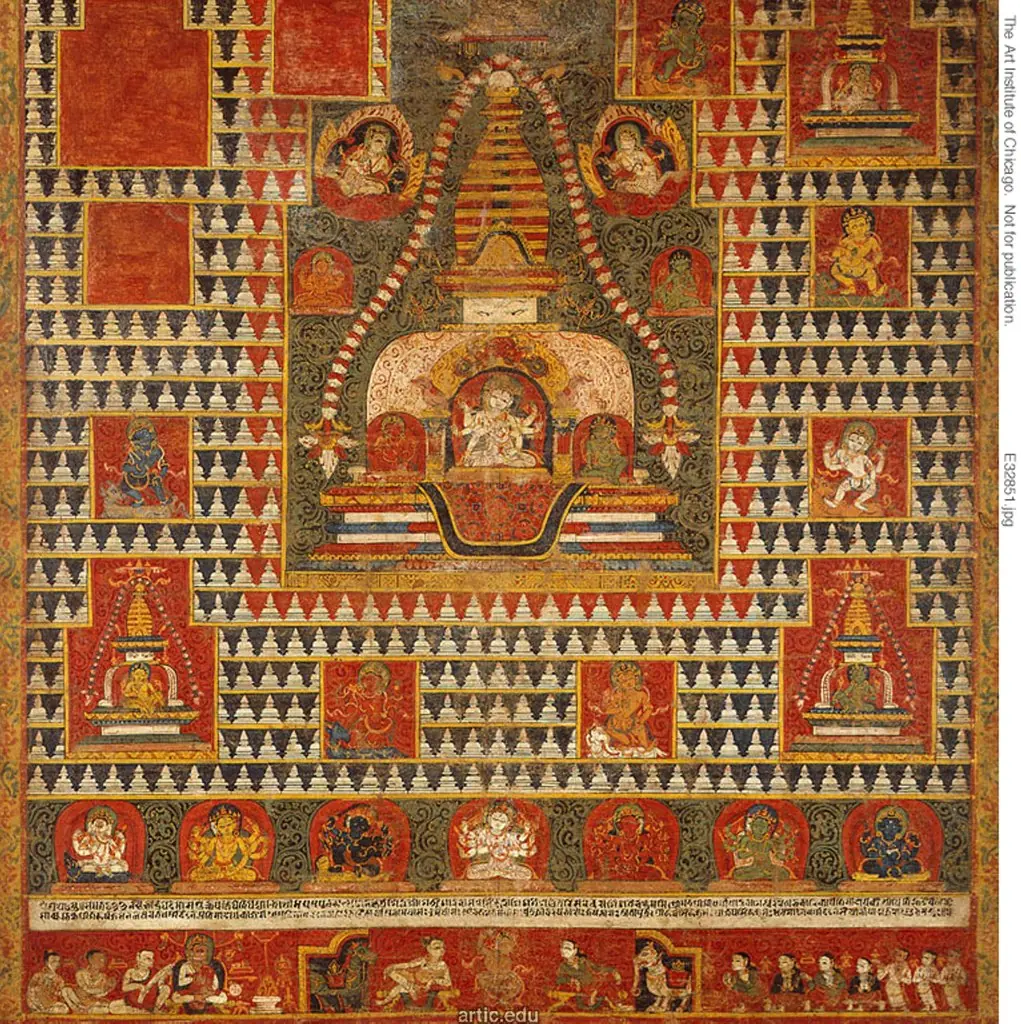
A painted manuscript leaf from the Sangrahani Sutra, produced in medieval India, exemplifies the integration of textual devotion and visual symbolism in tantric Buddhist practice. Executed on palm leaf or paper, it served as a ritual object rather than a decorative piece, intended for meditative contemplation and esoteric instruction within monastic circles.
Subject & Meaning
The imagery depicts deities, mandalas, and symbolic motifs drawn from tantric cosmology, illustrating the union of wisdom and method. Figures are arranged in precise geometric patterns, representing cosmic order and the path to enlightenment. Each element corresponds to specific mantras, mudras, or meditative states, encoding spiritual knowledge in visual form for initiated practitioners.
Technique & Style
The painting employs mineral pigments and fine brushwork, with outlines rendered in ink and colors applied in flat, unmodulated planes. Composition is highly symmetrical, emphasizing balance and sacred geometry. Gold leaf may be used sparingly to highlight divine attributes, reflecting the manuscript’s liturgical function and the material value assigned to sacred texts.
History & Provenance
This leaf likely originated in eastern India or Nepal during the late medieval period, among communities practicing Vajrayana Buddhism. It was probably part of a larger codex, now dispersed, and may have been preserved in temple libraries or private collections. Its survival suggests continuous ritual use or careful storage in humid climates unsuitable for organic materials.
Context
Produced during a time when tantric Buddhism flourished in monastic centers, such manuscripts were tools for transmission of esoteric teachings. Unlike public art, they were restricted to initiates, reinforcing the secrecy and hierarchical structure of tantric lineages. Their creation required both artistic skill and doctrinal knowledge, blending scholarly and devotional labor.
Legacy
Surviving fragments like this one offer insight into the material culture of tantric Buddhism, often overlooked in favor of monumental sculpture or architecture. They contribute to scholarly understanding of how abstract philosophy was rendered tangible, influencing later Himalayan artistic traditions and preserving ritual knowledge through visual means.
Artist & collection

 Domestic Scene
 Giacomo and Cardinal Marco, investing Andrea, Abbot of San Zeno, with his Benefice
 The Nymph of Fontainebleau
 Portrait of a Woman
 Madonna and Child with Saints in the Enclosed Garden
 Venus and Minerva
 Family Group of Four on Sofa
 Wall painting from Room H of the Villa of P. Fannius Synistor at Boscoreale
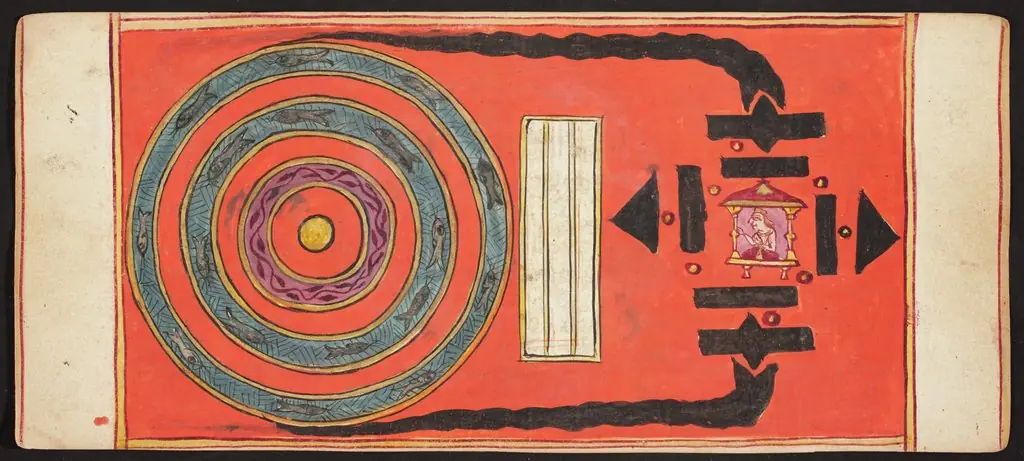 Tantric Manuscript, "Sangrahani Sutra"
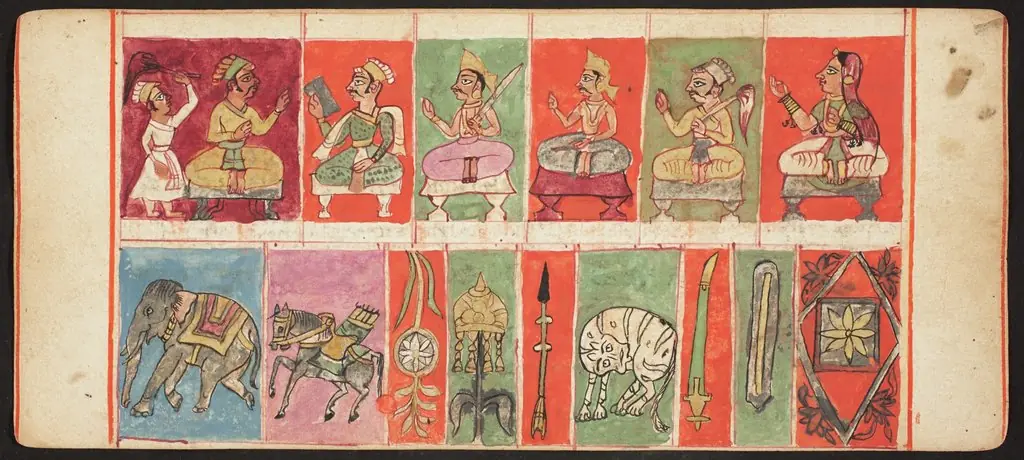 Tantric Manuscript, "Sangrahani Sutra"
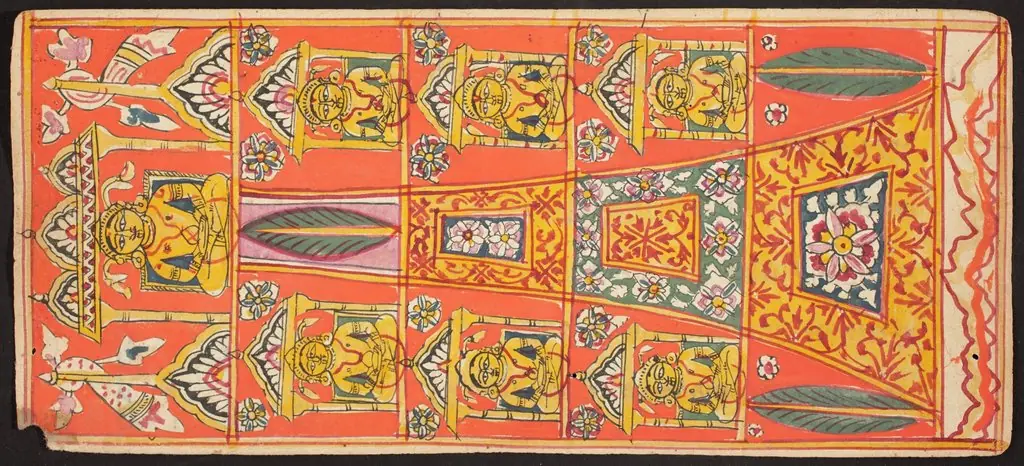 Tantric Manuscript "Sangrahani Sutra"
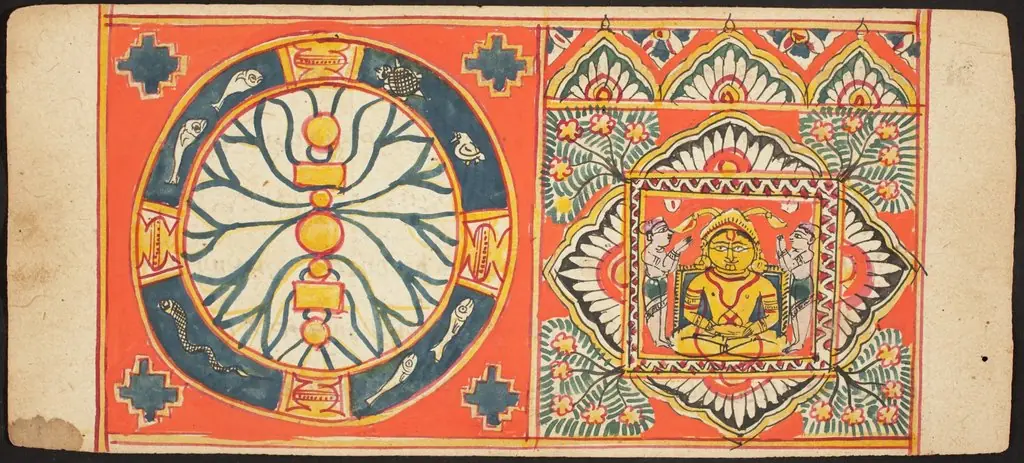 Tantric Manuscript "Sangrahani Sutra"
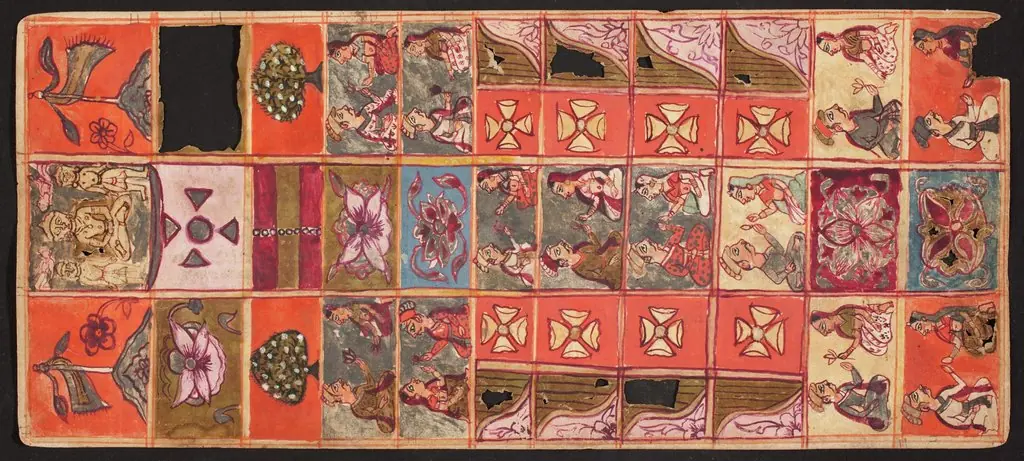 Tantric Manuscript, "Sangrahani Sutra"
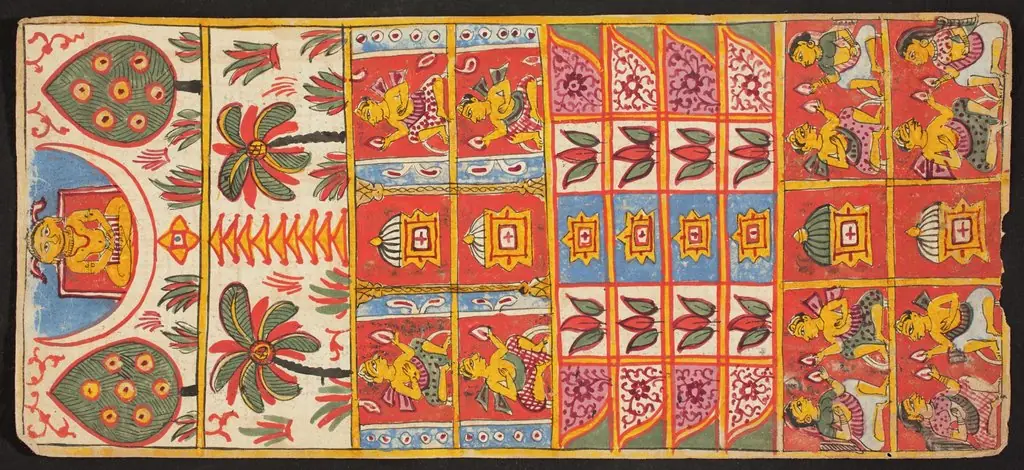 Tantric Manuscript "Sangrahani Sutra"
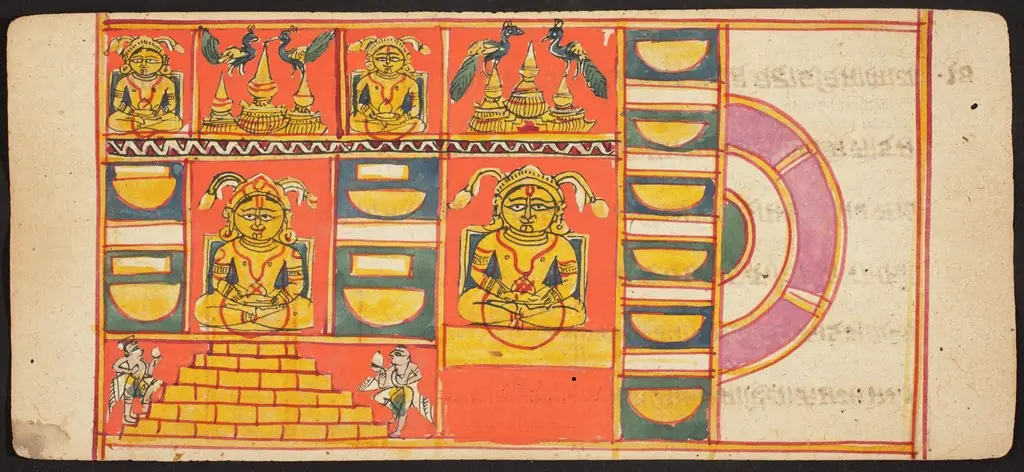 Tantric Manuscript "Sangrahani Sutra"
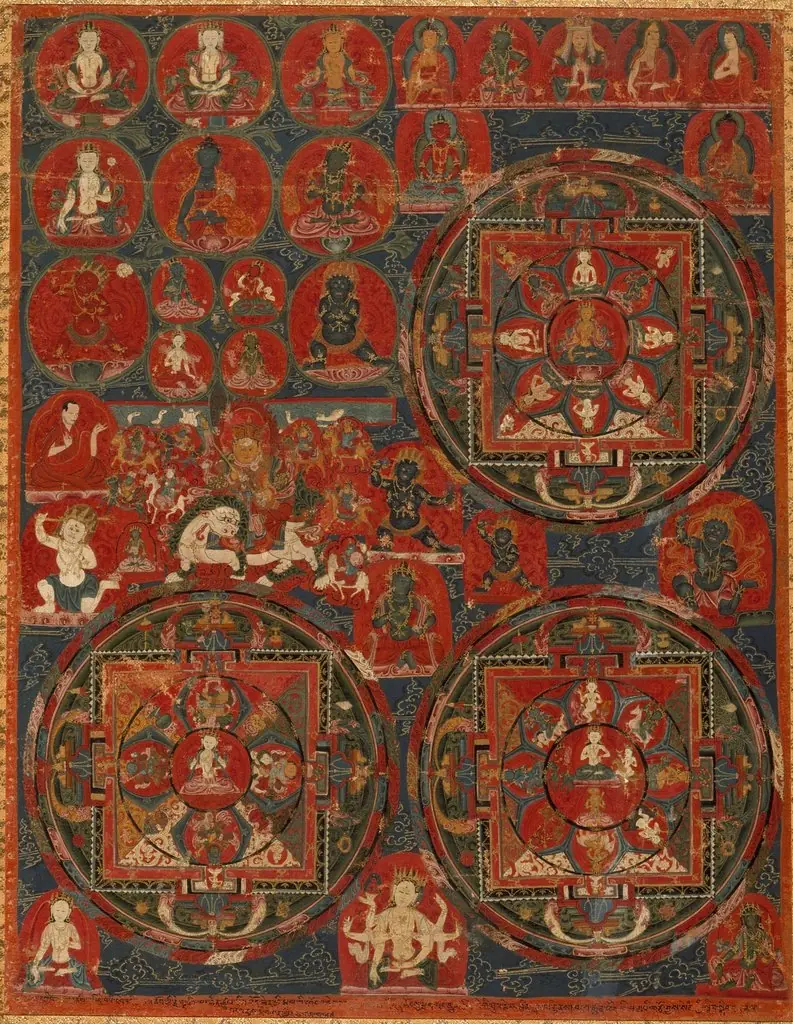 Three Mandalas
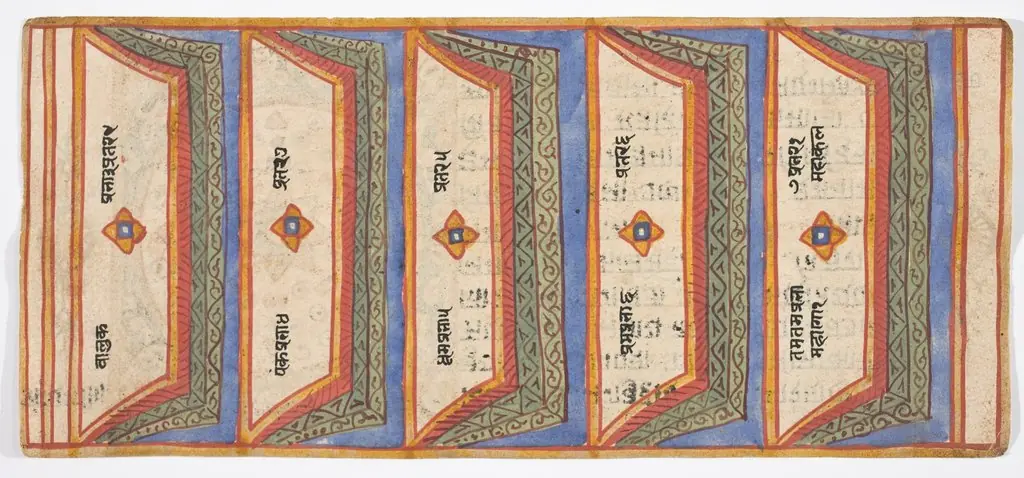 Tantric Manuscript "Sangrahani Sutra"
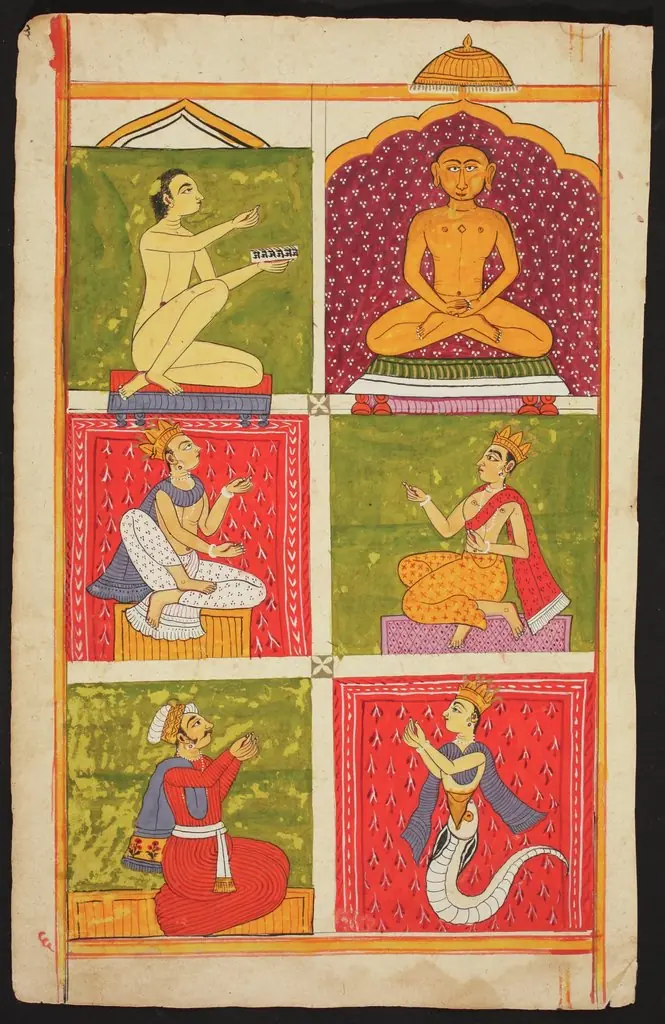 Folio from the Bhaktamara Stotra (“Hymn of the Immortal Devotee”)
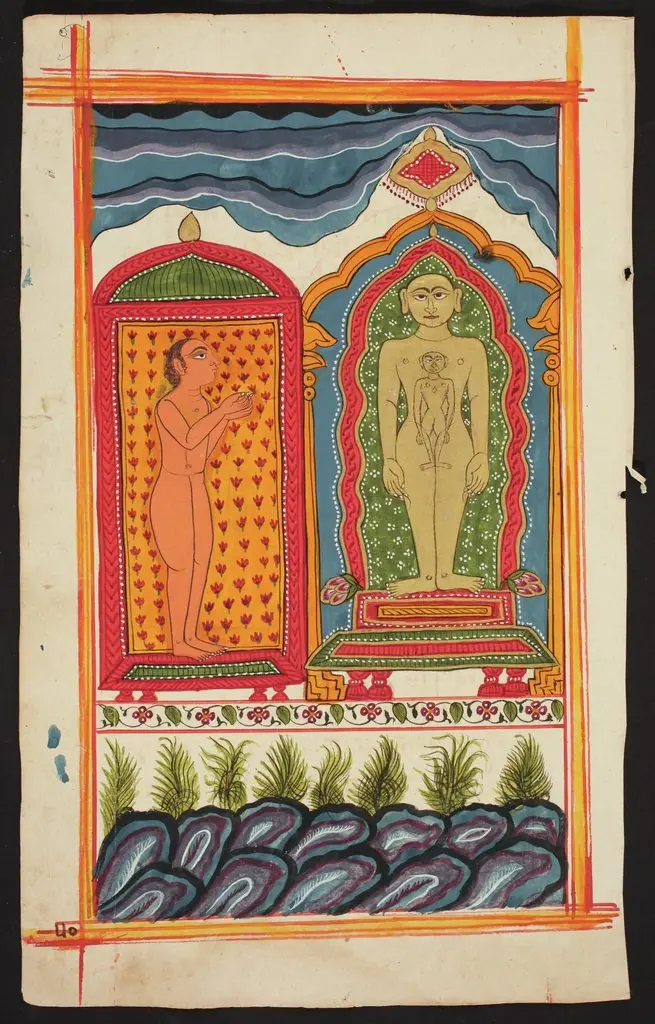 Folio from the Bhaktamara Stotra (“Hymn of the Immortal Devotee”)
 Painted Banner (paubha) of Goddess Ushnishavijaya Within a Funerary Mound (chaitya) and Surrounded by Chaityas