Artwork
Tantric Manuscript "Sangrahani Sutra"
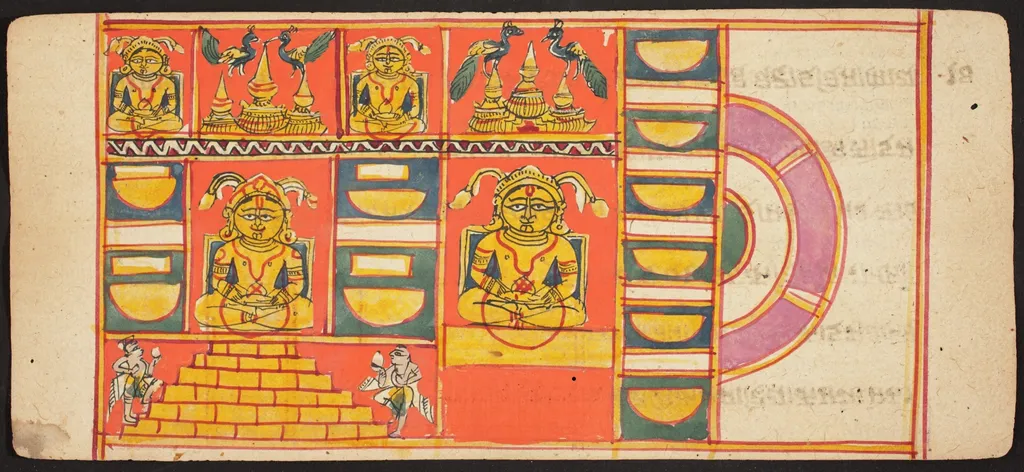
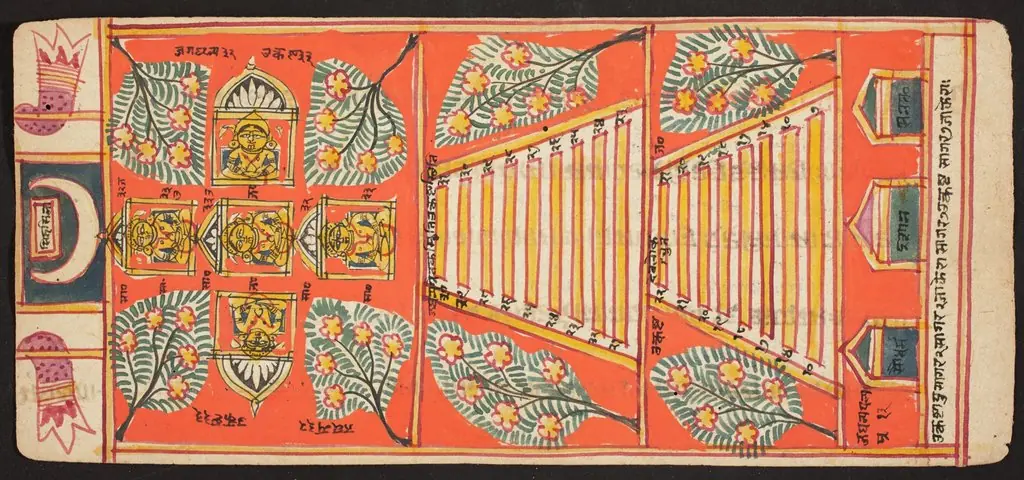
Tantric Manuscript "Sangrahani Sutra" is an unspecified painting by Unknown. It is held in the collection of the Detroit Institute of Arts. This painted manuscript contains the Sangrahani Sutra, a Buddhist text used in tantric rituals.
About this work
Overview
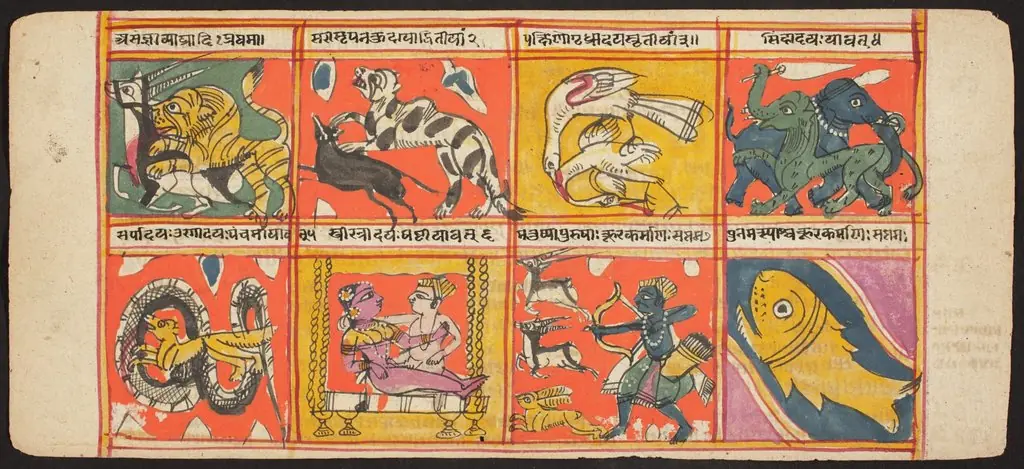
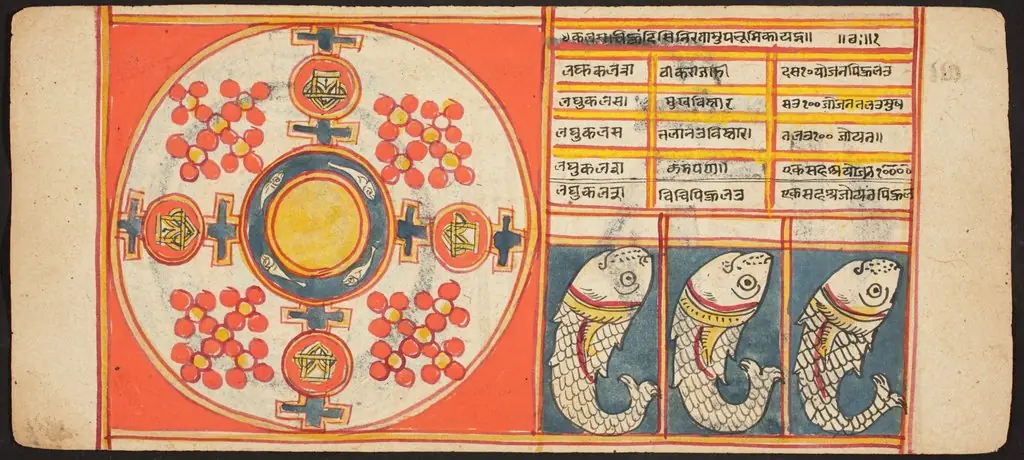
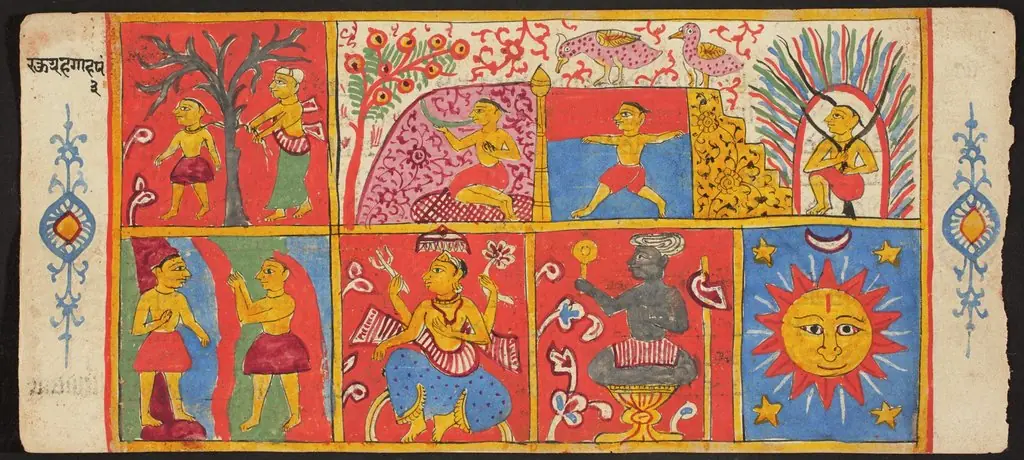
This painted manuscript contains the Sangrahani Sutra, a Buddhist text used in tantric rituals. Created in medieval India, it combines sacred script with intricate visual symbolism to aid meditative practice. The work is not merely decorative but functions as a spiritual tool, where imagery and text are interwoven to guide the practitioner through esoteric teachings.
Subject & Meaning
The illustrations depict deities, mandalas, and symbolic motifs drawn from Vajrayana Buddhist cosmology. Each figure and geometric form corresponds to specific states of consciousness or metaphysical principles. The visual language is coded, intended for initiates who have received oral instruction, ensuring the teachings remain accessible only to those properly trained in the tradition.
Technique & Style
The painting employs mineral pigments on palm leaf or paper, with fine brushwork and precise line definition. Colors are muted yet deliberate, often using ochres, indigo, and white to evoke spiritual austerity. Composition is highly structured, reflecting the symmetry of mandalas, with figures arranged in concentric patterns that direct visual focus inward toward central deities.
History & Provenance
Produced likely in eastern India during the Pala or Sena periods, the manuscript was preserved in monastic libraries or ritual collections. Its survival suggests continuous use within tantric lineages. Later, it may have been transported to Nepal or Tibet, where similar traditions flourished, though its exact journey remains undocumented beyond regional stylistic clues.
Context
Tantric Buddhism in medieval India emphasized direct experience through ritual, visualization, and mantra. Manuscripts like this served as portable altars, integrating textual study with visual contemplation. They emerged alongside temple sculpture and ritual performance, forming part of a broader system where art, doctrine, and practice were inseparable.
Legacy
Though no longer in active liturgical use, such manuscripts remain vital to scholarly study of South Asian Buddhism. They provide insight into how abstract doctrines were made tangible through art. Modern institutions preserve them as cultural artifacts, recognizing their role in transmitting esoteric knowledge across centuries.
Artist & collection

 Domestic Scene
 Giacomo and Cardinal Marco, investing Andrea, Abbot of San Zeno, with his Benefice
 The Nymph of Fontainebleau
 Portrait of a Woman
 Madonna and Child with Saints in the Enclosed Garden
 Venus and Minerva
 Family Group of Four on Sofa
 Wall painting from Room H of the Villa of P. Fannius Synistor at Boscoreale
 Tantric Manuscript "Sangrahani Sutra"
 Tantric Manuscript "Sangrahani Sutra"
 Tantric Manuscript "Sangrahani Sutra"
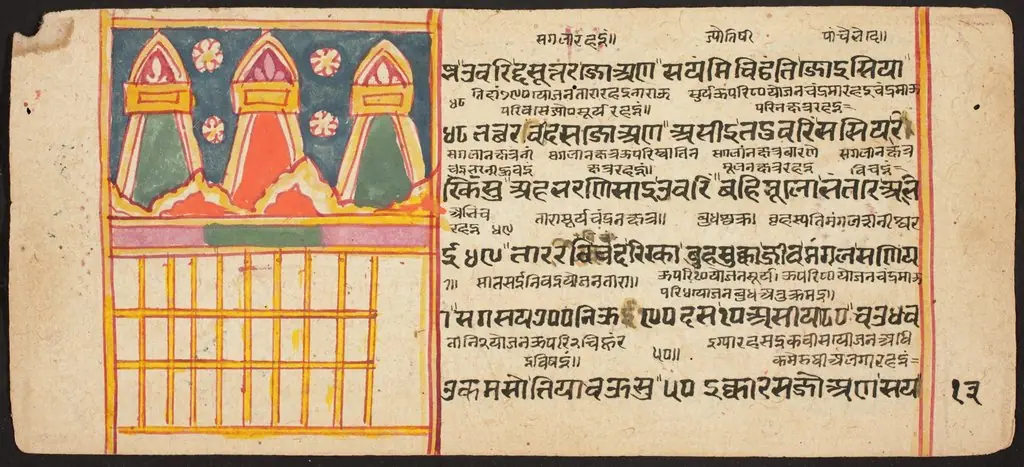 Tantric Manuscript "Sangrahani Sutra"
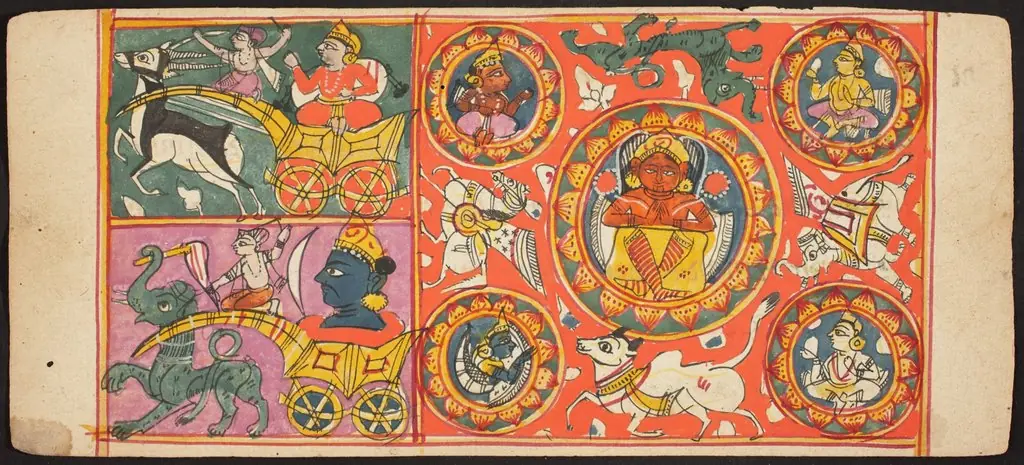 Tantric Manuscript "Sangrahani Sutra"
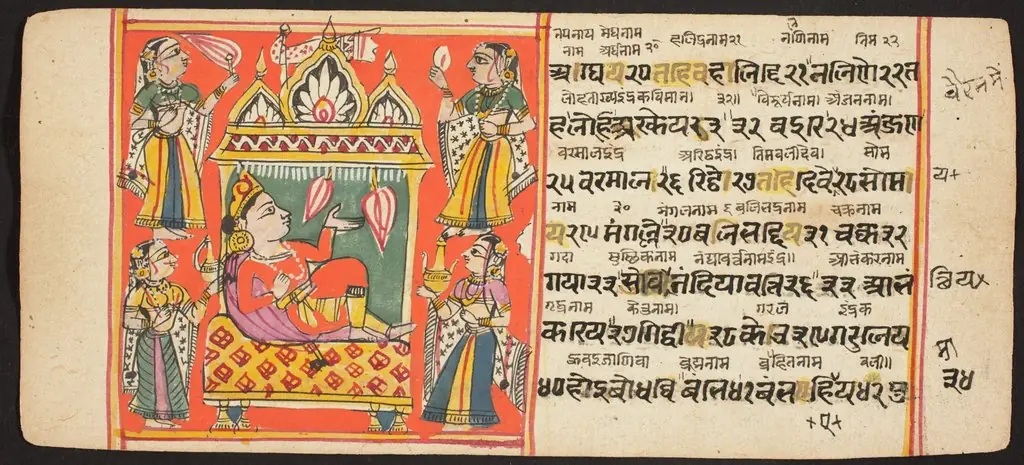 Tantric Manuscript "Sangrahani Sutra"
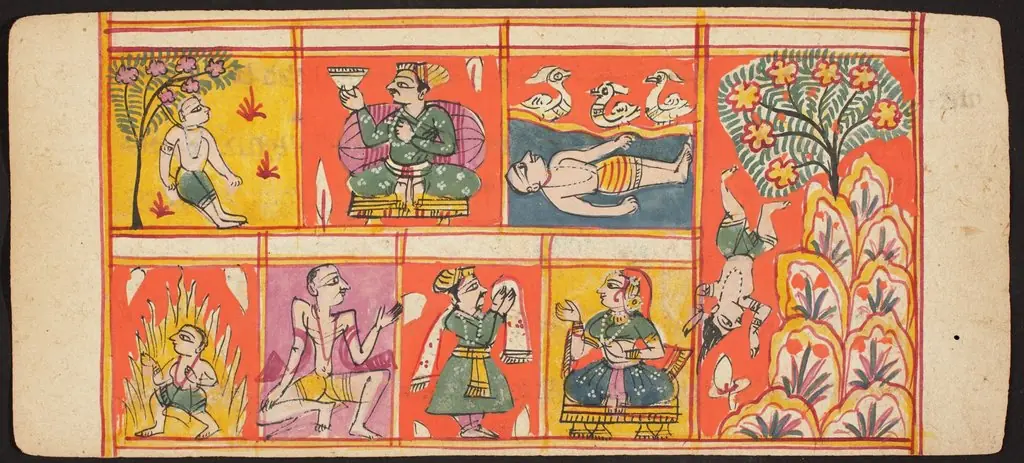 Tantric Manuscript "Sangrahani Sutra"
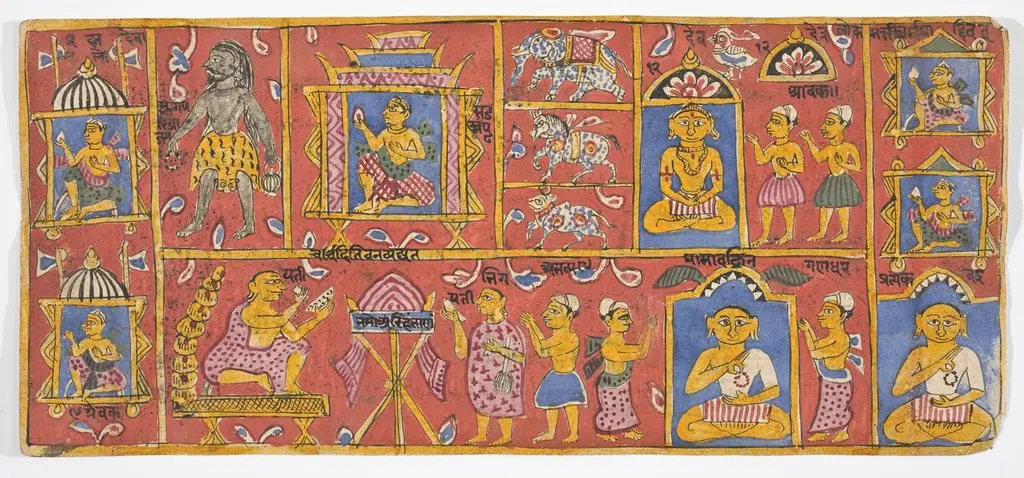 Tantric Manuscript "Sangrahani Sutra"
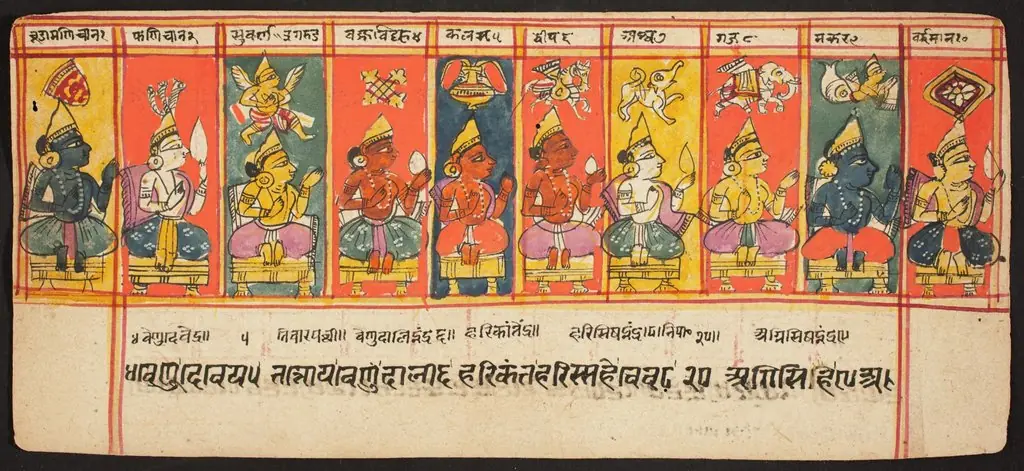 Tantric Manuscript "Sangrahani Sutra"
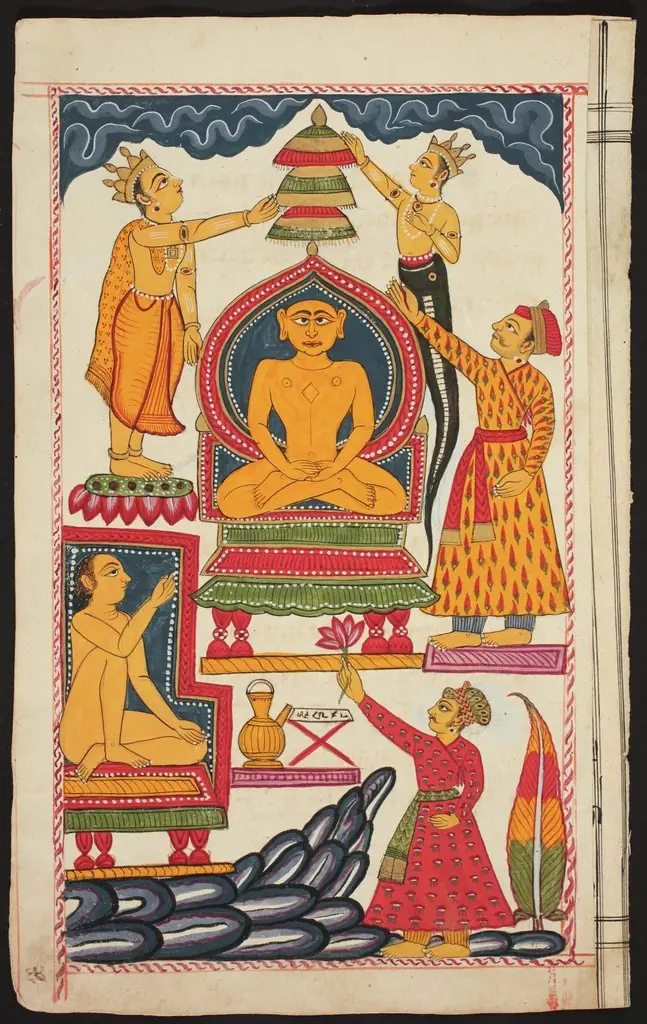 Folio from the Bhaktamara Stotra (“Hymn of the Immortal Devotee”)
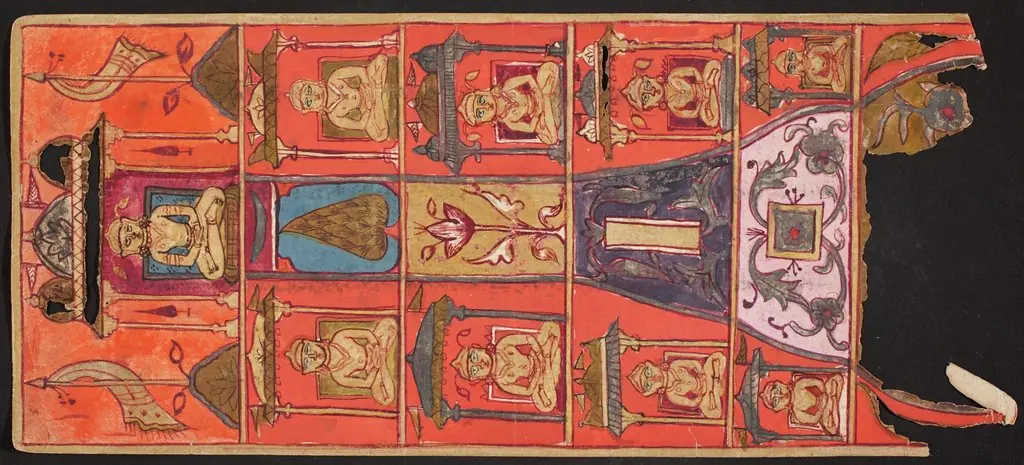 Tantric Manuscript, "Sangrahani Sutra"
 Tantric Manuscript "Sangrahani Sutra"