Artwork
Adriaan Beverland
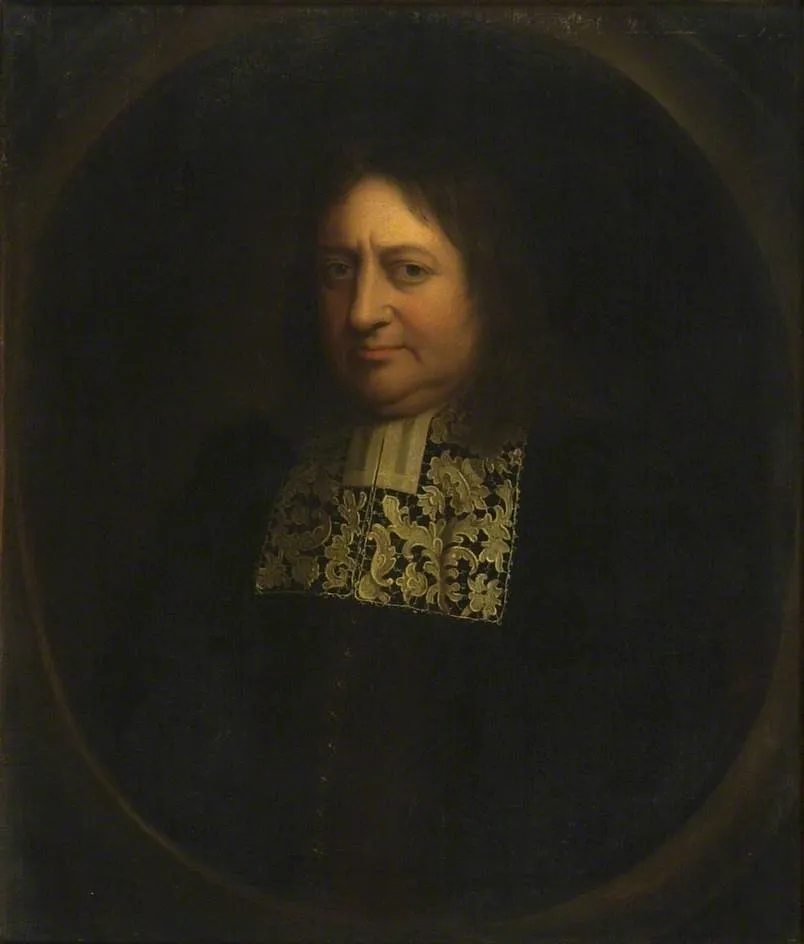
Adriaan Beverland is an oil painting by the Dutch Golden Age artist Unknown. It dates from 1696 and is held in the collection of the Ashmolean Museum.
About this work
Overview
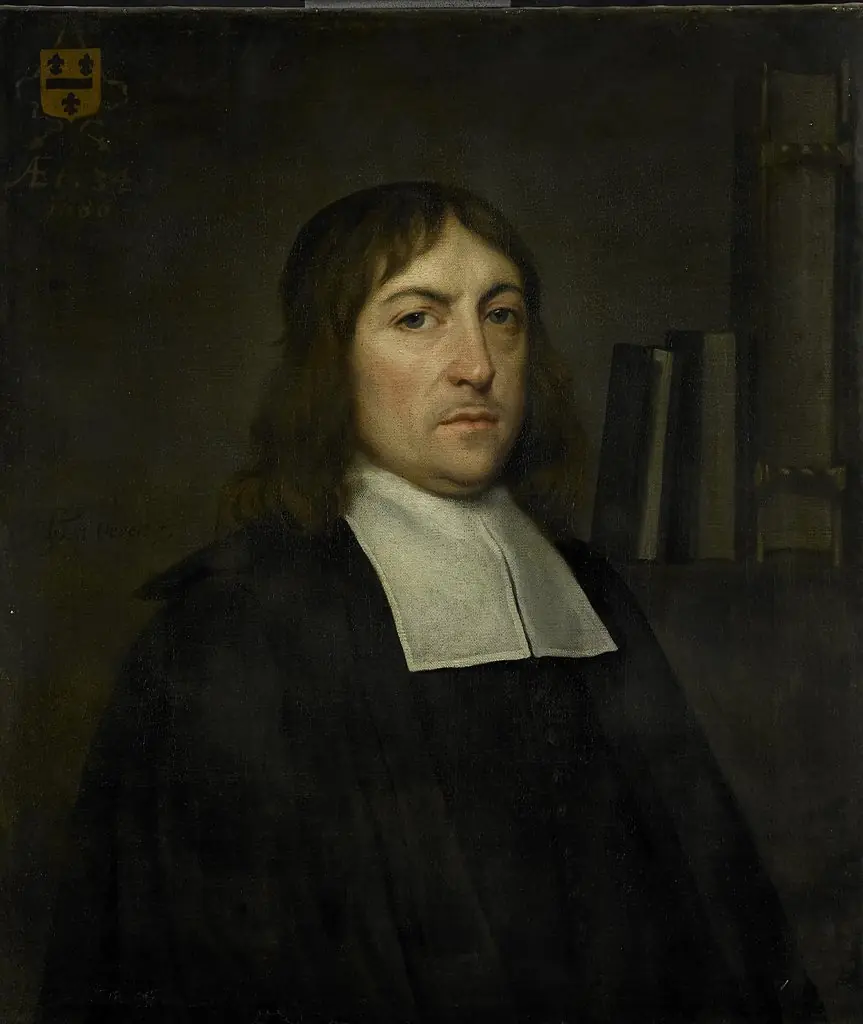
This oil painting presents a formal portrait of Adriaan Beverland, a Dutch scholar and writer. Rendered in muted tones against a deep, unbroken background, the composition focuses tightly on the figure, emphasizing his presence through careful lighting and restrained detail. The somber atmosphere reflects the gravity of his intellectual reputation and the conventions of 17th-century portraiture.
Subject & Meaning
The portrait captures him with a solemn, introspective gaze, aligning his visual representation with his intellectual rigor and the social scrutiny he faced.
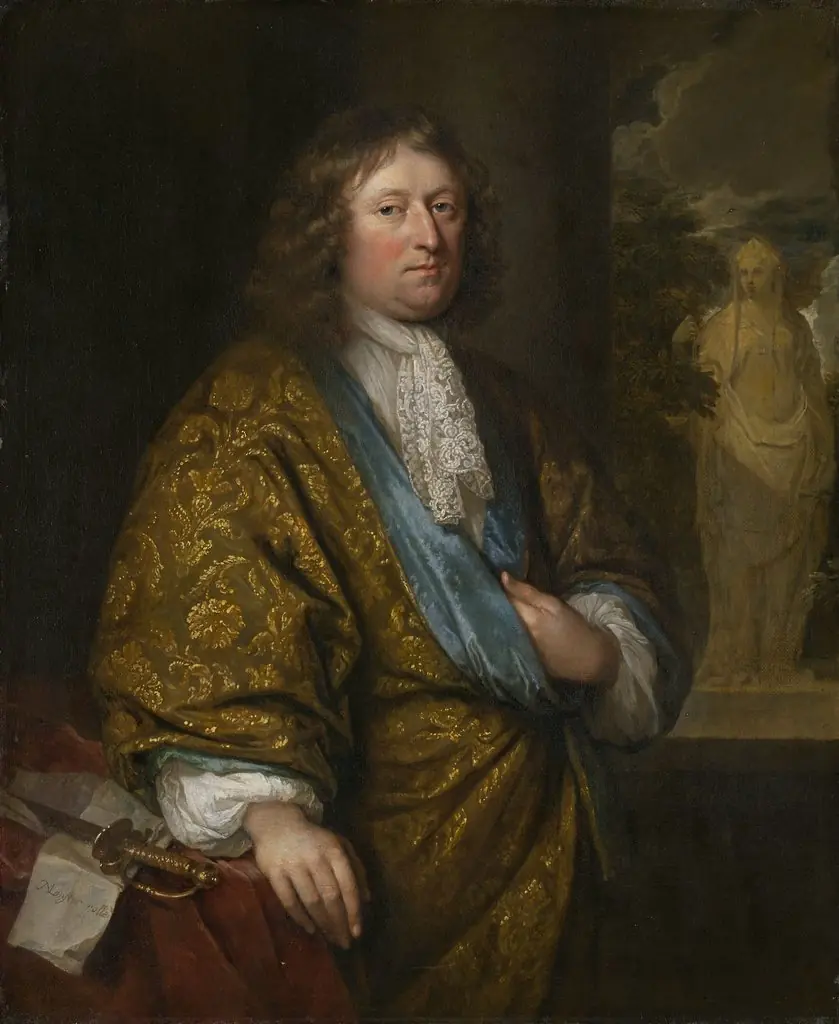
Adriaan Beverland was known for his controversial writings on sexuality and morality. The portrait captures him with a solemn, introspective gaze, aligning his visual representation with his intellectual rigor and the social scrutiny he faced. His attire—dark jacket, crisp white collar, and ornate gold underlayer—signals both scholarly status and the tension between public decorum and private transgression.
Technique & Style
The artist employs chiaroscuro to model the face and clothing, drawing attention to the texture of fabric and the subtlety of skin tone. Brushwork is precise but not overly refined, favoring clarity over flourish. The dark background eliminates distraction, isolating the subject and reinforcing the portrait’s introspective tone. Gold embroidery is rendered with delicate highlights, suggesting luxury without ostentation.
History & Provenance
Painted in the late 17th century, the work likely originated in the Netherlands during Beverland’s period of exile or scholarly activity. Its survival suggests it was commissioned by a patron familiar with his intellectual circle. The painting’s provenance remains partially undocumented, but its preservation indicates continued recognition of Beverland’s significance within Dutch intellectual history.
Context
In the Dutch Golden Age, portraiture served not only as likeness but as social and moral statement. Beverland’s image aligns with the era’s tradition of depicting scholars in somber, dignified attire, yet his notoriety set him apart. The portrait reflects a cultural moment where intellectual dissent was visually contained within the formal conventions of elite representation.
Legacy
The portrait endures as a visual anchor for Beverland’s contested legacy. It offers no overt indication of his writings, yet its quiet intensity invites reflection on the relationship between public image and private thought. As a historical artifact, it preserves the visual language through which intellectual figures were memorialized in early modern Europe.
Artist & collection

 Domestic Scene
 Giacomo and Cardinal Marco, investing Andrea, Abbot of San Zeno, with his Benefice
 The Nymph of Fontainebleau
 Portrait of a Woman
 Madonna and Child with Saints in the Enclosed Garden
 Venus and Minerva
 Family Group of Four on Sofa
 Wall painting from Room H of the Villa of P. Fannius Synistor at Boscoreale
 Robert Plot
 Judge Samuel Sewall
 Unknown man (1693)
 John Eldred
 Portrait of a cleric
 Maximus Gerardi
 Portrait of Mr. Chubbe in a fictive oval
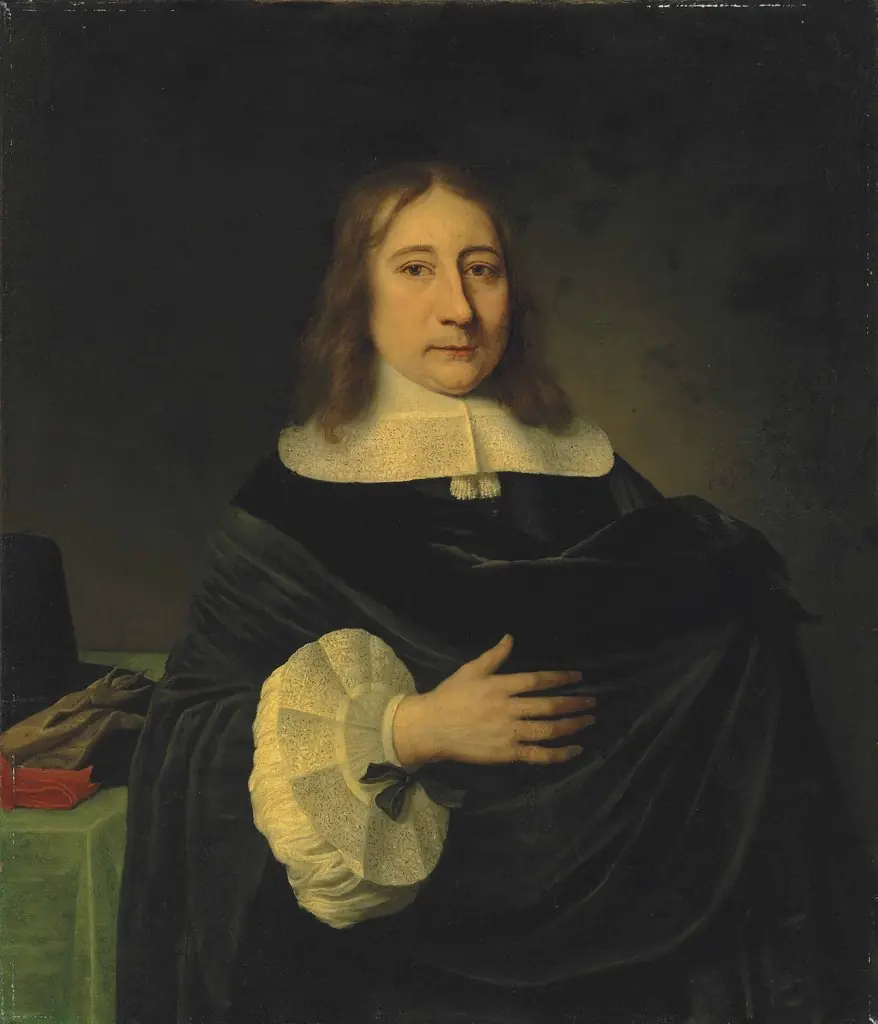 Portrait of one of the brothers Van der Burch, probably Arent van der Burch (1621-1691), 1656
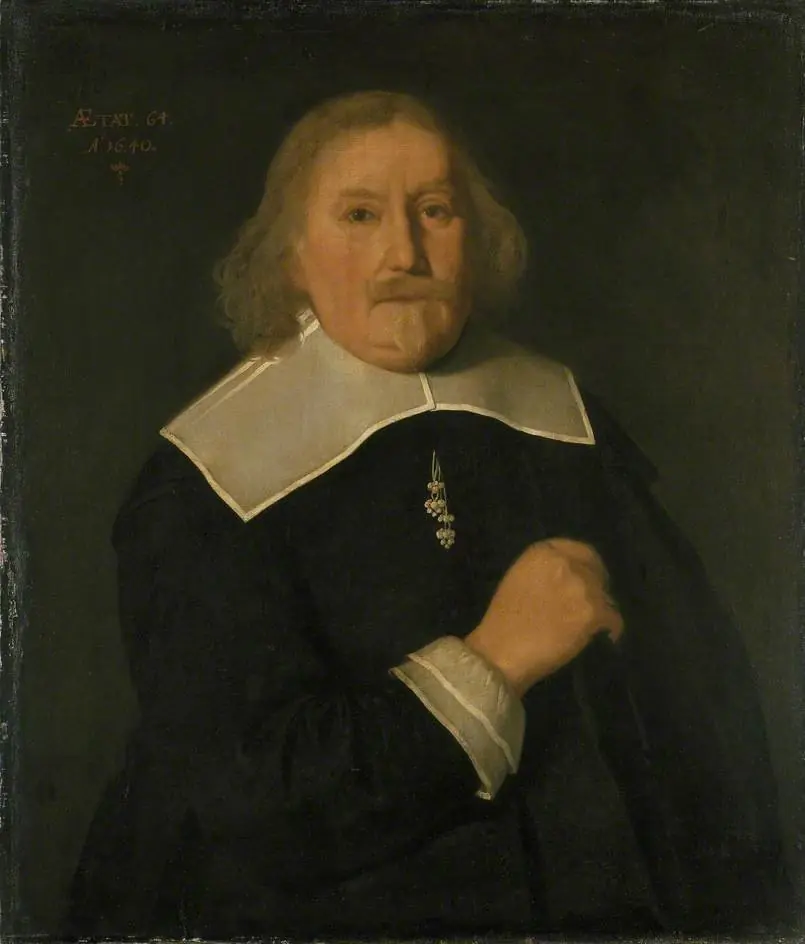 John Lowin
 Portrait of a Gentleman
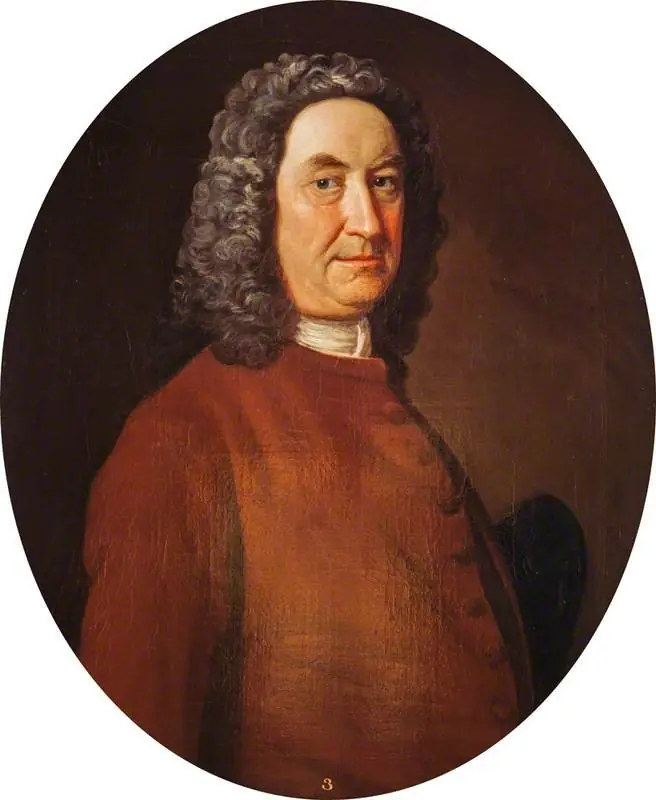 Sir John Inglis, 2nd Bart of Cramond (1683 - 1771)
 Portrait of Barend Hakvoort (1652-1735), bookseller, church reader and catechism master in Zwolle