Artwork
Portrait of Mr. Chubbe in a fictive oval
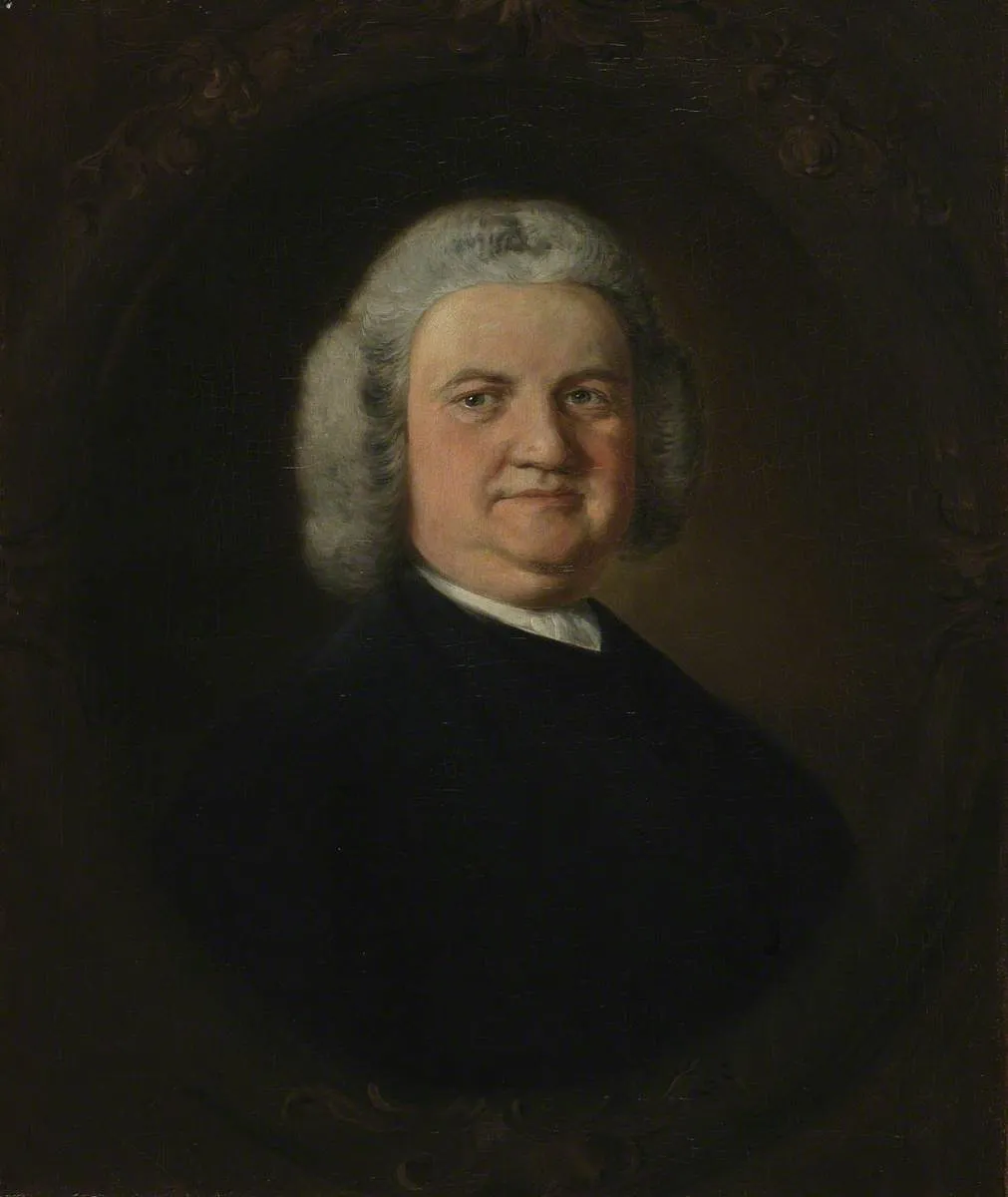
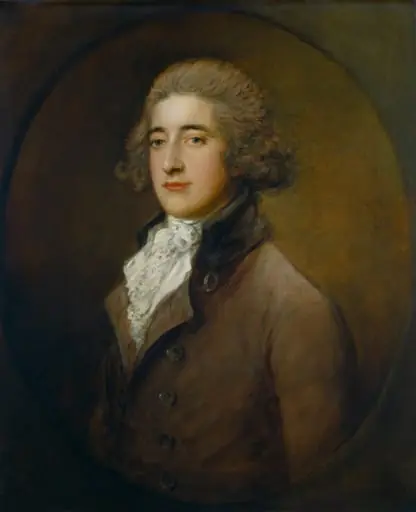
Portrait of Mr. Chubbe in a fictive oval is an oil painting by Thomas Gainsborough. It dates from 1767 and is held in the collection of the Fitzwilliam Museum.
About this work
Overview
The work reflects Gainsborough’s dual mastery of landscape and figure painting, emphasizing quiet composure over theatricality.
Painted around 1767, this oil portrait by Thomas Gainsborough presents Mr. Chubbe within a painted illusion of an oval frame, a decorative device common in 18th-century British portraiture. The work reflects Gainsborough’s dual mastery of landscape and figure painting, emphasizing quiet composure over theatricality. Executed with fluid brushwork and a restrained palette, it belongs to the Fitzwilliam Museum’s collection in Cambridge.
Subject & Meaning
The sitter, Mr. Chubbe, is depicted with a composed, direct gaze and minimal gesture, conveying a sense of introspective dignity. His attire—a dark coat and crisp white shirt—suggests middle or upper-class status, while the powdered wig aligns with formal dress of the era. The absence of props or elaborate settings focuses attention on his presence, reinforcing an atmosphere of restrained individuality rather than social display.
Technique & Style
Gainsborough employed thin, layered oil glazes to model the face with subtle gradations of light and shadow, enhancing the three-dimensionality of Chubbe’s features. The brushwork is agile yet controlled, particularly in the rendering of the wig’s fine hairs and the soft folds of the shirt. The dark, undefined background isolates the figure, heightening the intimacy of the gaze and the precision of the facial expression.
History & Provenance
The painting entered the Fitzwilliam Museum’s collection in the 19th century, likely through a bequest or acquisition from a private English collection. Its attribution to Gainsborough has been consistently supported by stylistic analysis and documentary evidence. No significant alterations or restorations are recorded, preserving the original tonal harmony and delicate handling of the paint surface.
Context
In mid-18th-century Britain, portraiture served both social and aesthetic functions, often reinforcing the sitter’s status through refined composition. Gainsborough’s use of a fictive oval frame echoed classical and Renaissance precedents, signaling cultural sophistication. Unlike the grandeur of Reynolds’ portraits, this work favors intimacy, reflecting a quieter, more personal mode of representation gaining traction among the educated elite.
Legacy
This portrait exemplifies Gainsborough’s ability to merge technical precision with emotional restraint, distinguishing his approach from contemporaries. While less celebrated than his full-length commissions, such intimate studies reveal his sensitivity to character and his influence on later British portraiture. Its enduring presence in a major public collection underscores its value as a quiet testament to 18th-century visual culture.
Artist & collection
Artist
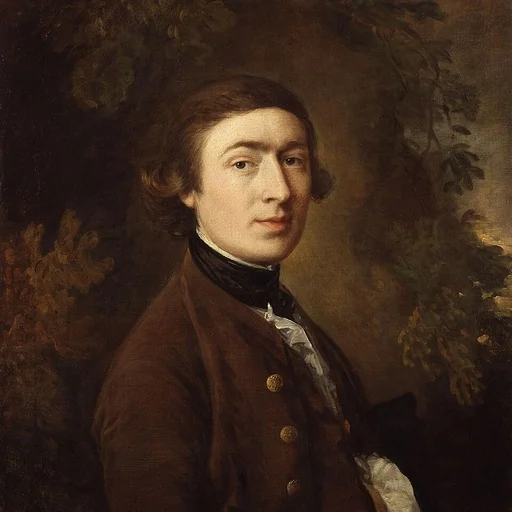
Thomas Gainsborough (; 14 May 1727 (baptised) – 2 August 1788) was an English painter, draughtsman and printmaker who specialised in portrait and landscape painting.

 George Arnold
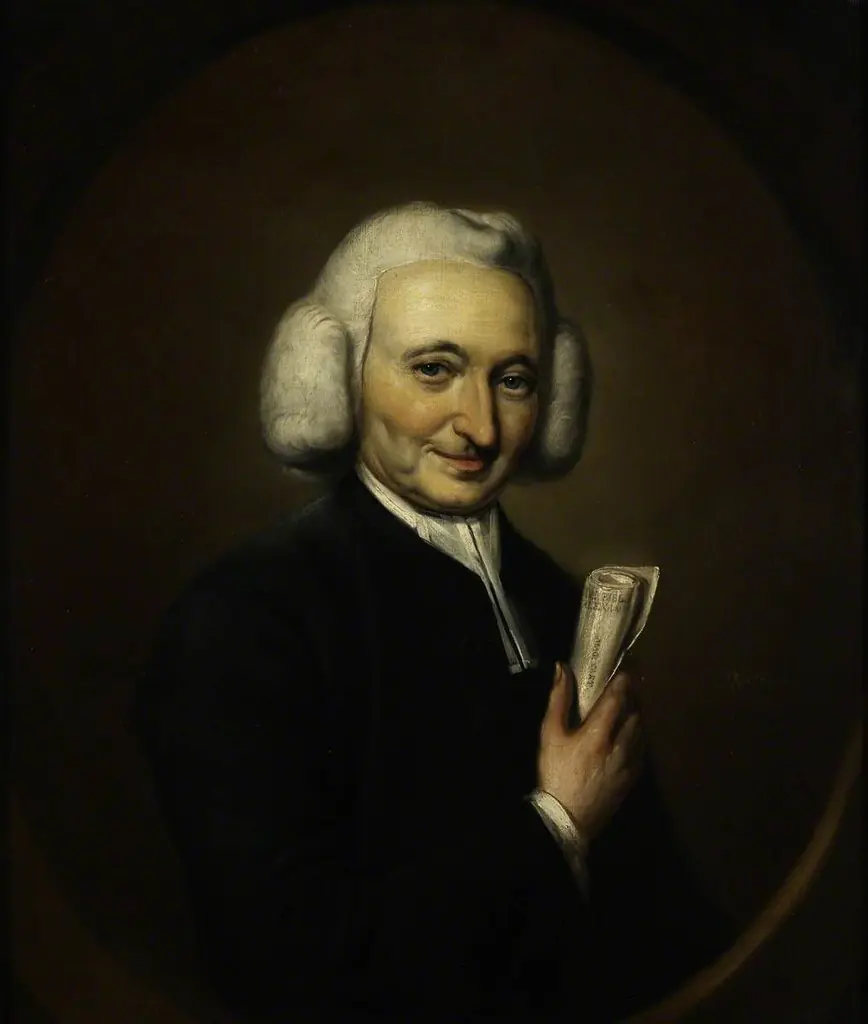 Dr Andrew Gifford (1700–1784), Assistant Librarian (1756–1784)
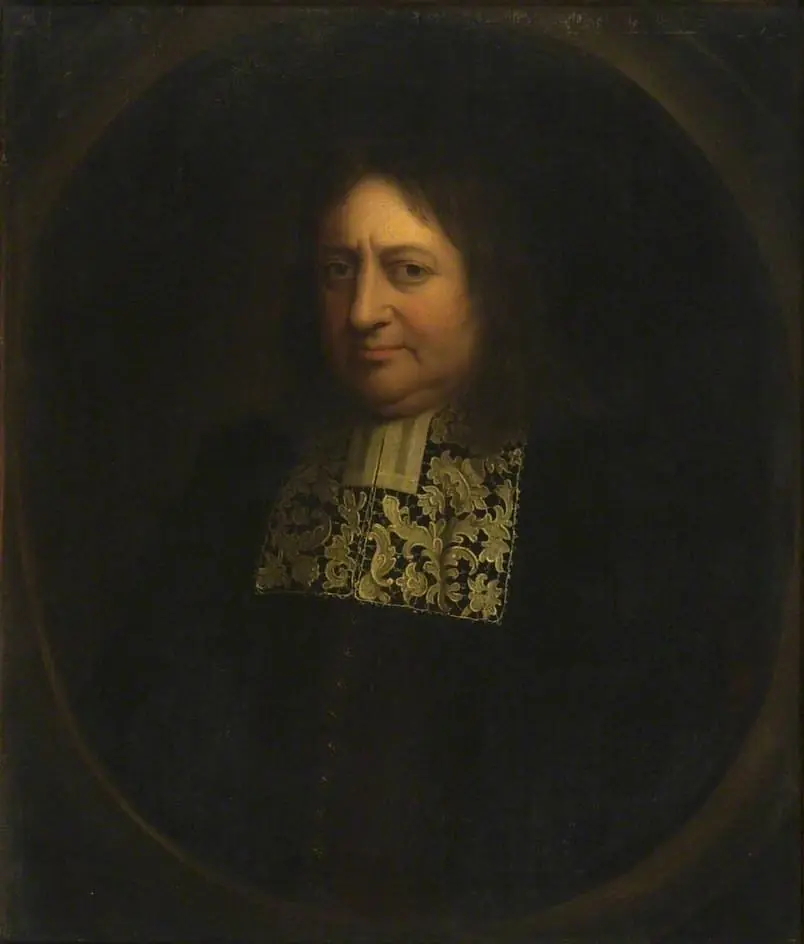 Adriaan Beverland
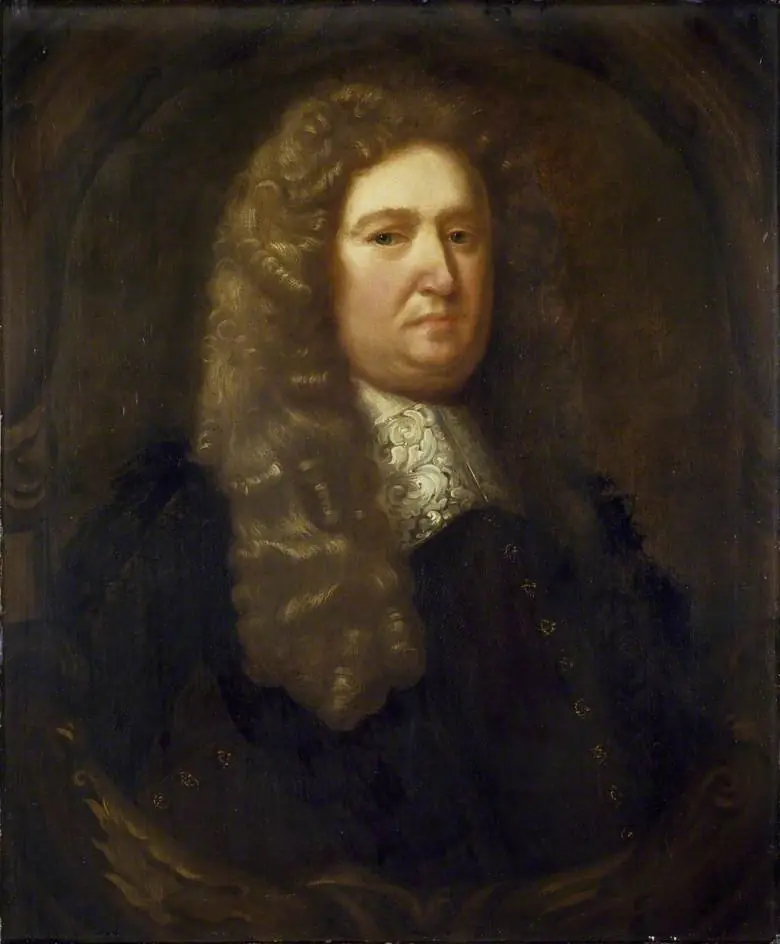 Robert Plot
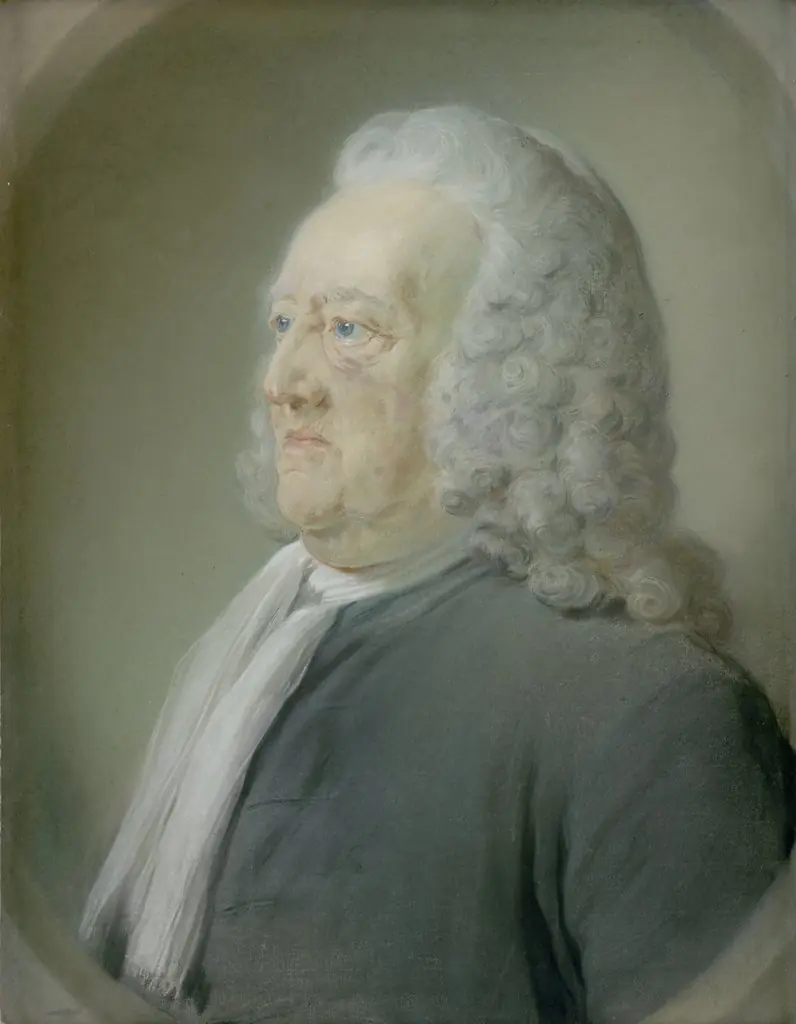 Arent van der Waeyen
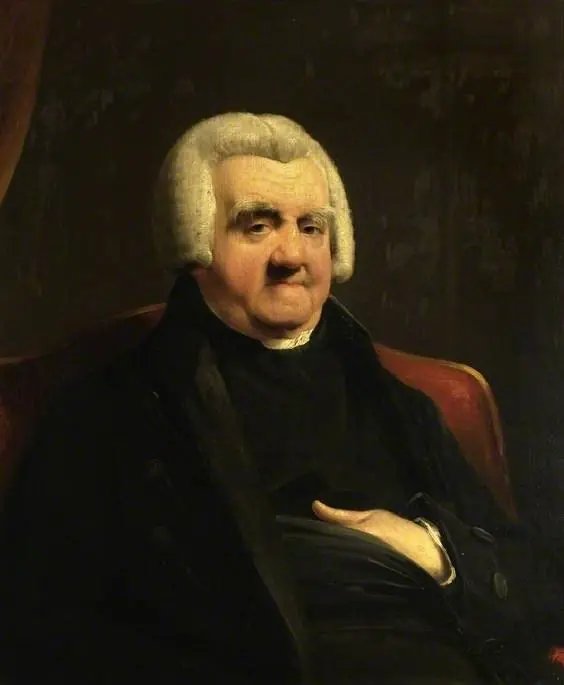 Dr Samuel Parr
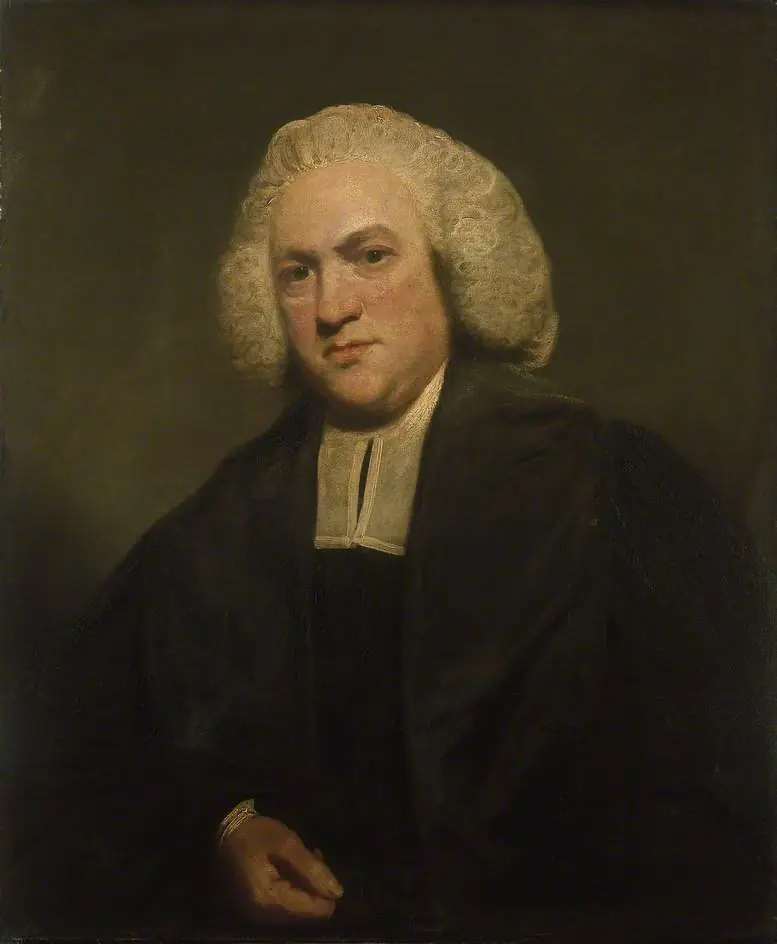 Dr Joseph Warton
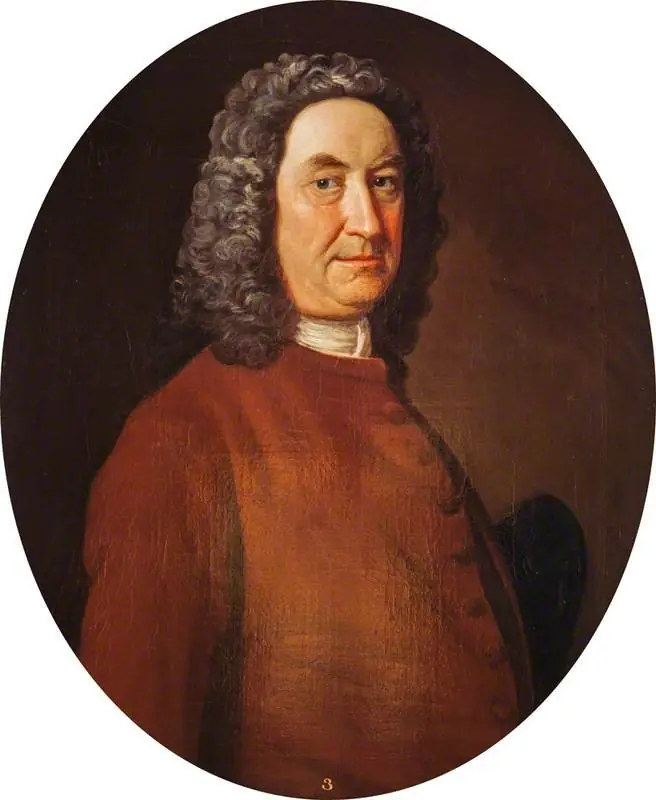 Sir John Inglis, 2nd Bart of Cramond (1683 - 1771)
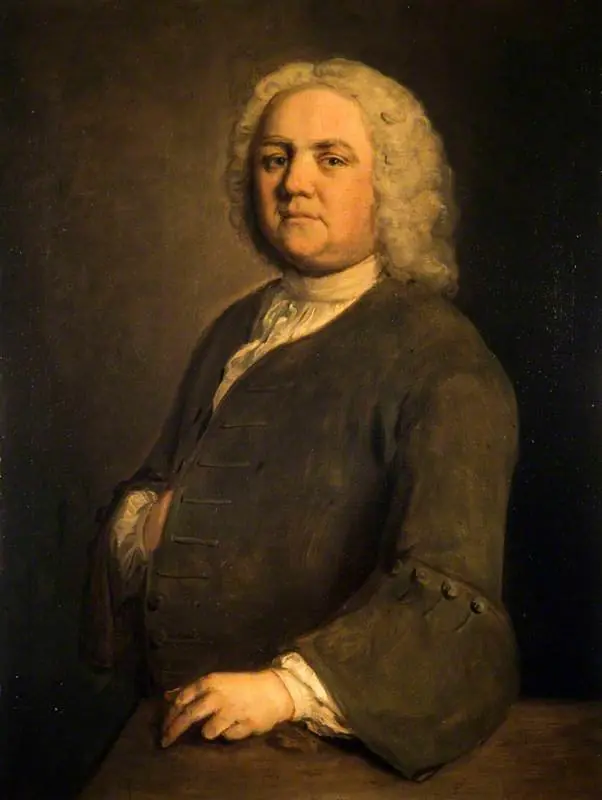 Mr Dawson
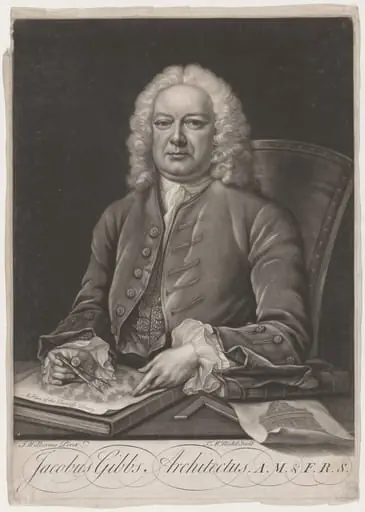 James Gibbs, Architect
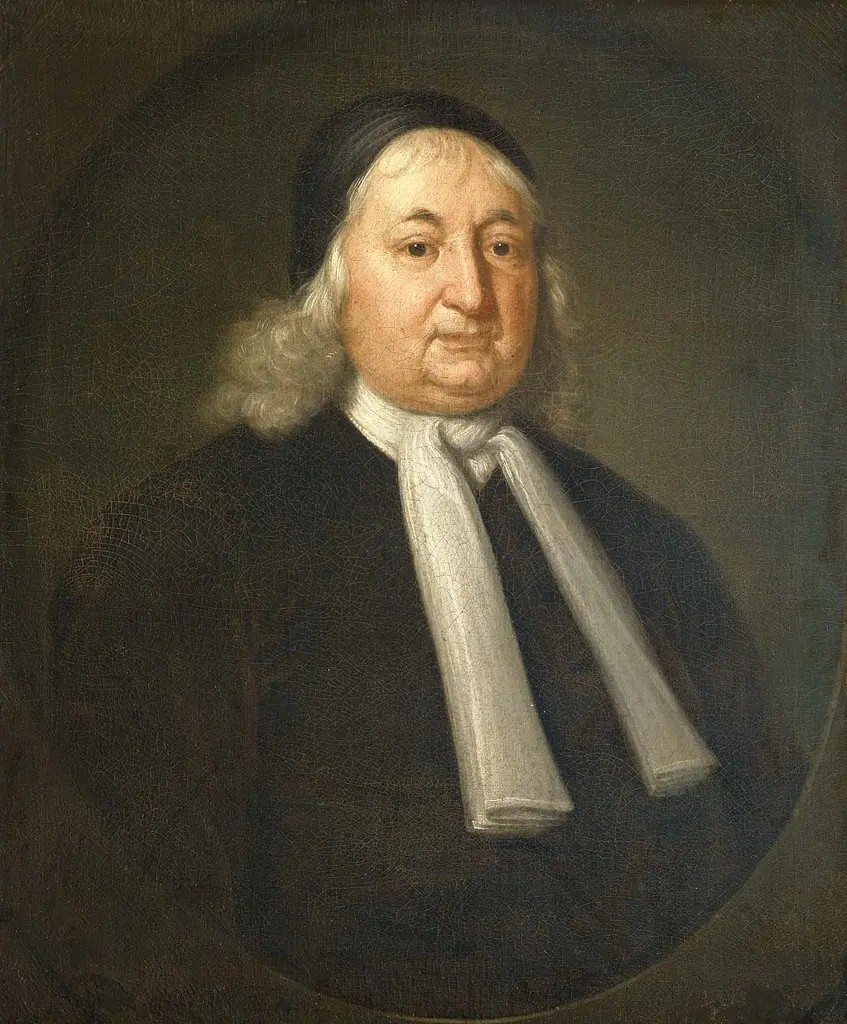 Judge Samuel Sewall
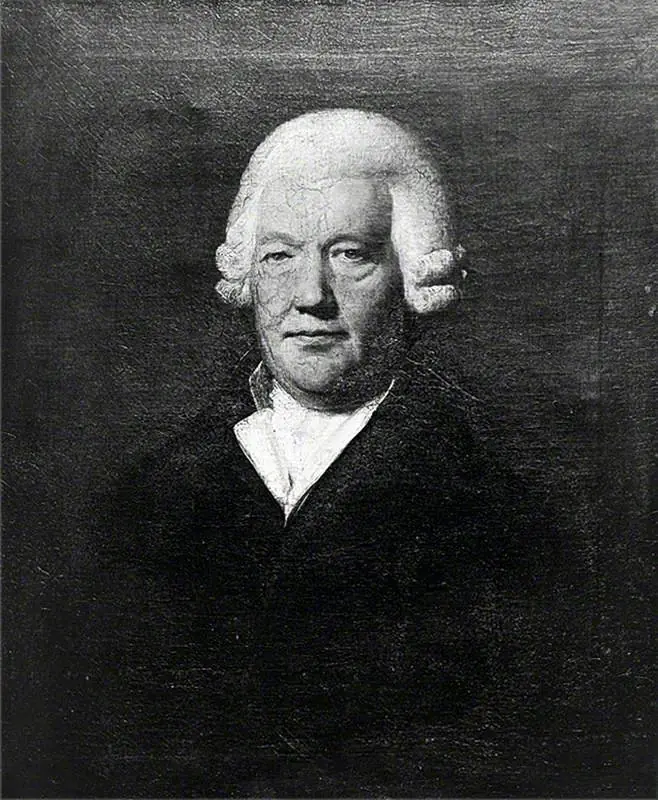 Portrait of a Member of the Seddon Family of Cabinet Makers